Artwork
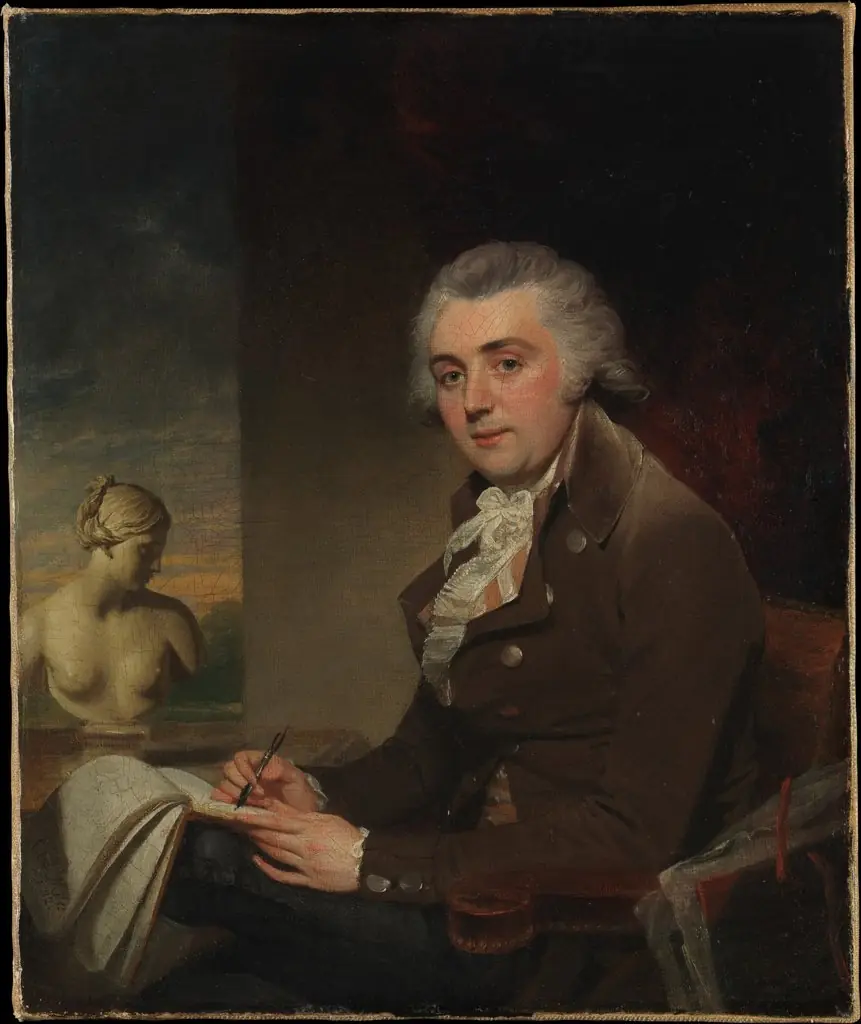
Portrait of John Greenwood [junior]
![Portrait of John Greenwood [junior], by William Beechey, oil, 1798](https://artifactworldgallery.com/img/william-beechey--portrait-of-john-greenwood-junior--a7fd1d331dd6c6bf-w1024.webp)
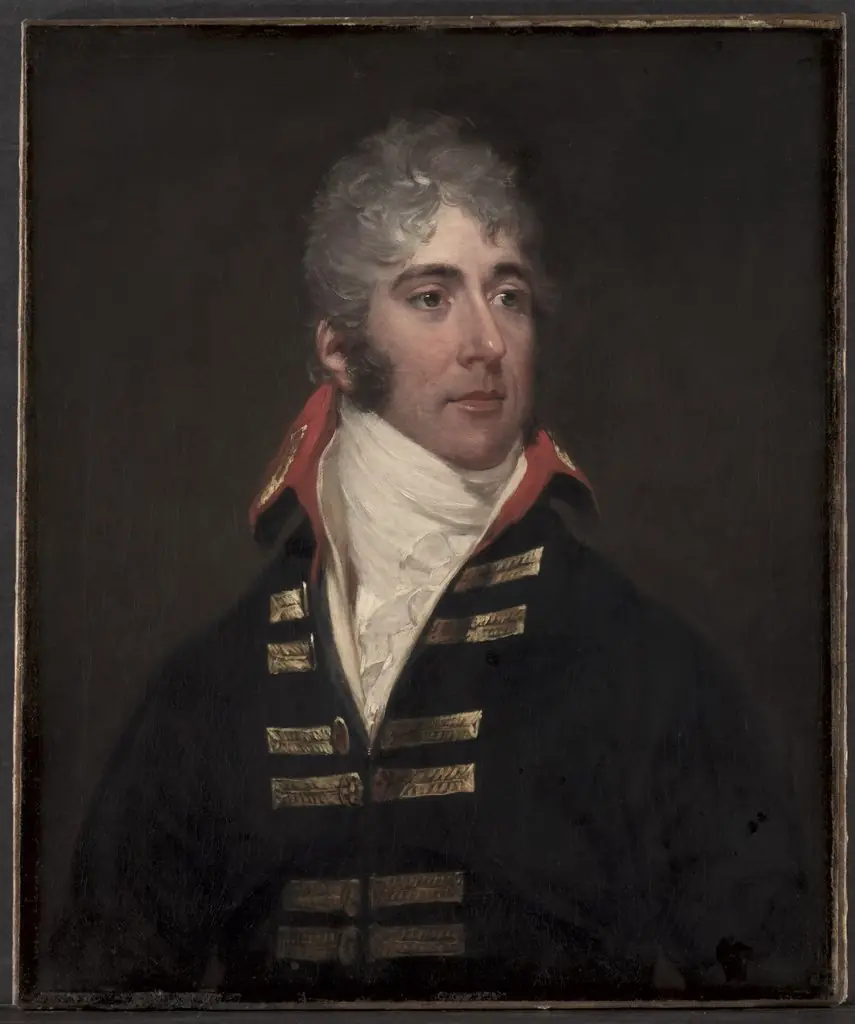
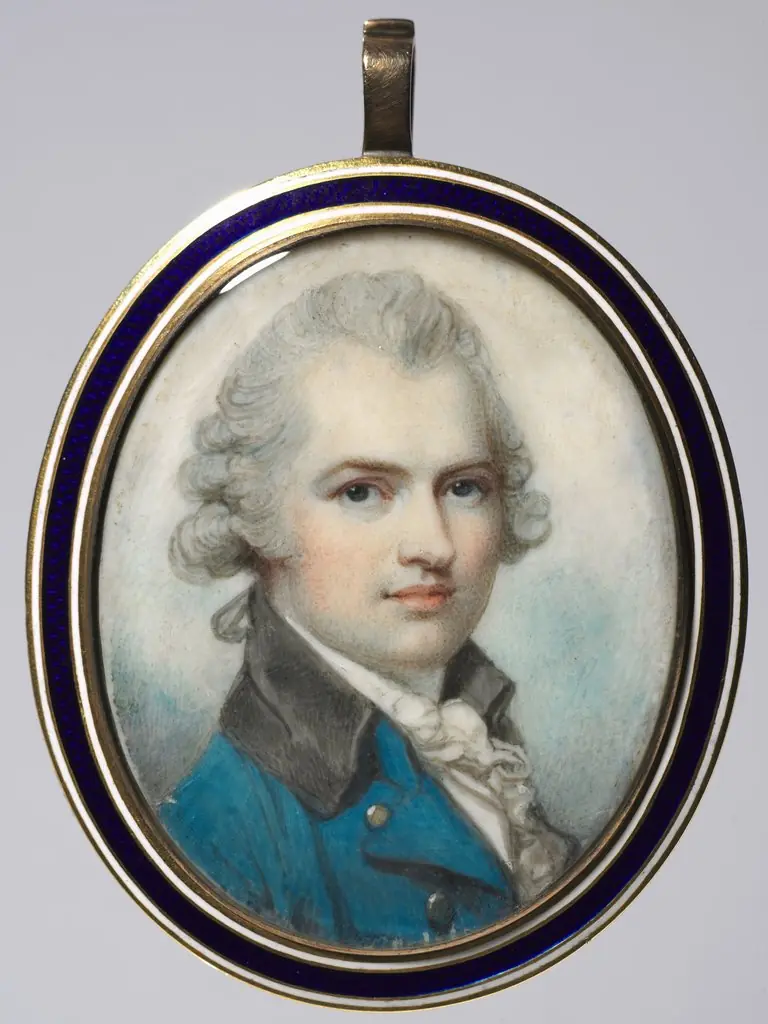
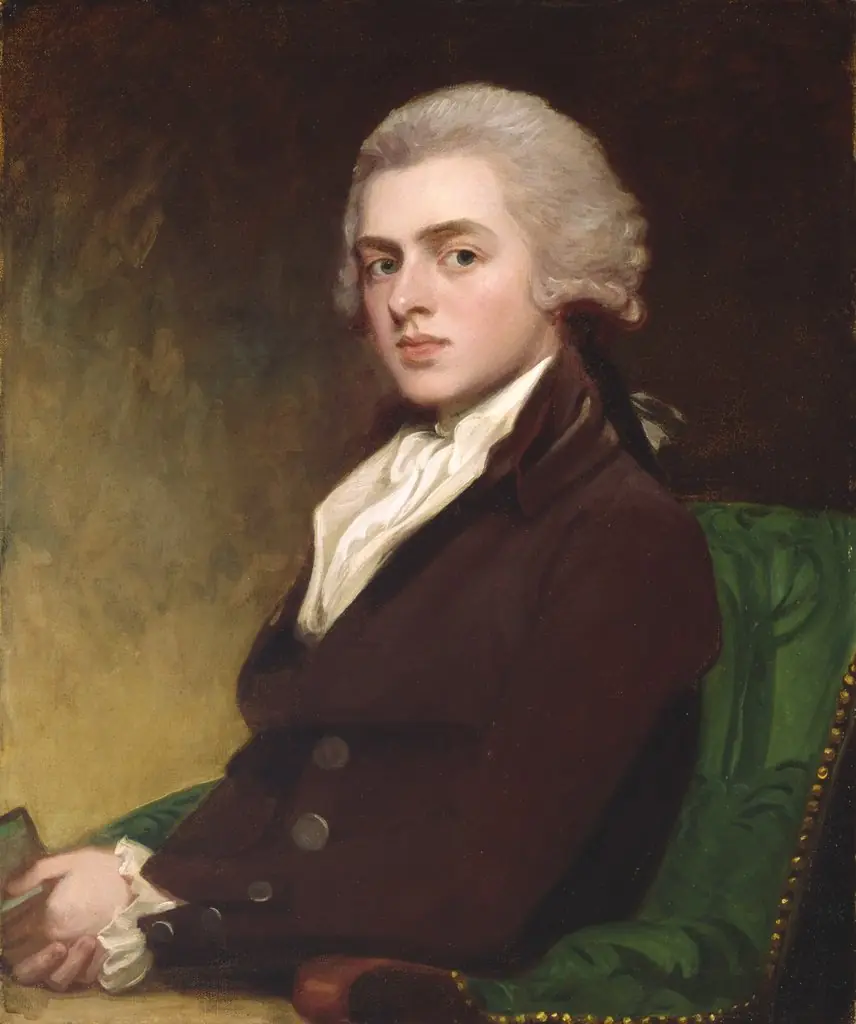
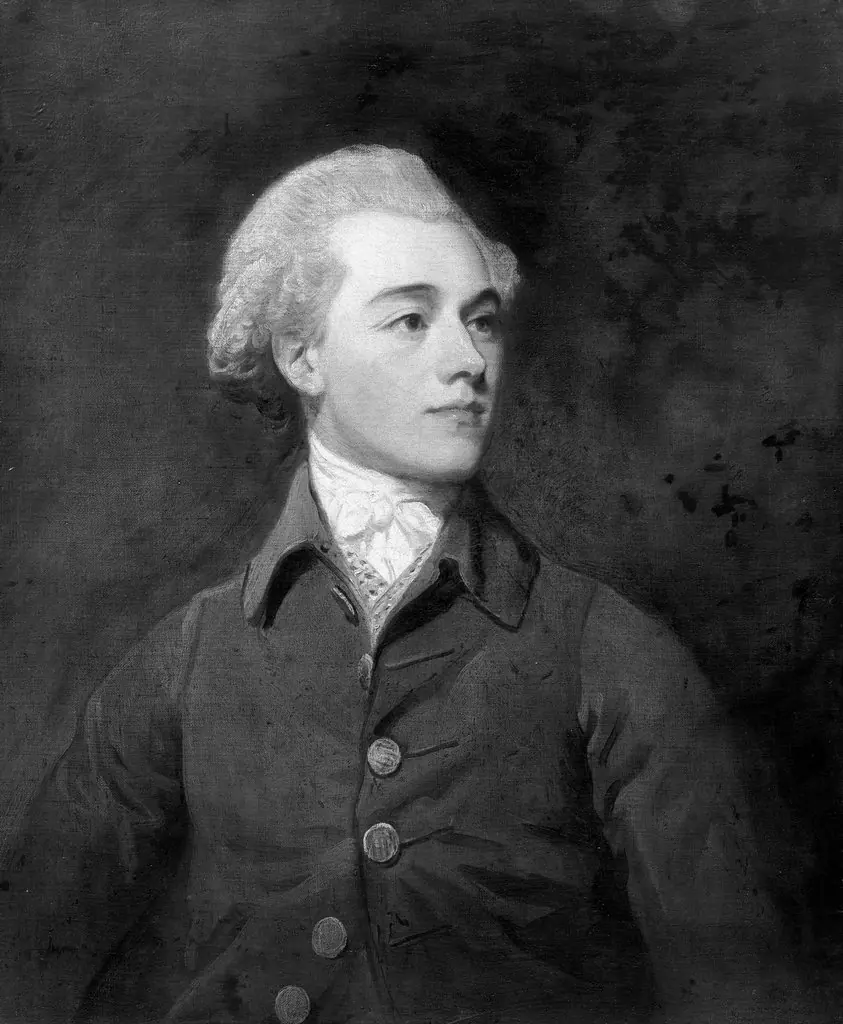
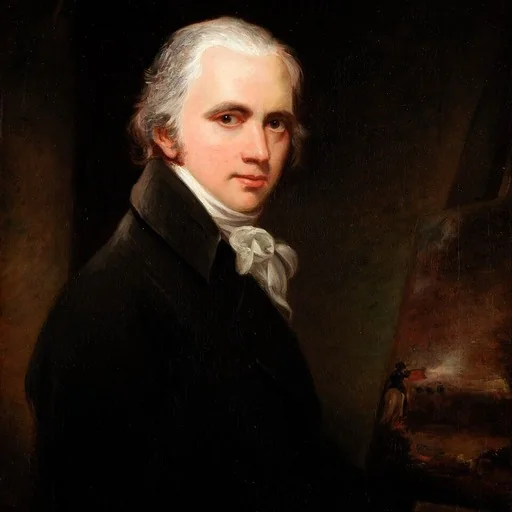
Portrait of John Greenwood [junior] is an oil painting by the British Romanticist artist William Beechey. It dates from 1798 and is held in the collection of the Museum of New Zealand Te Papa Tongarewa.
About this work
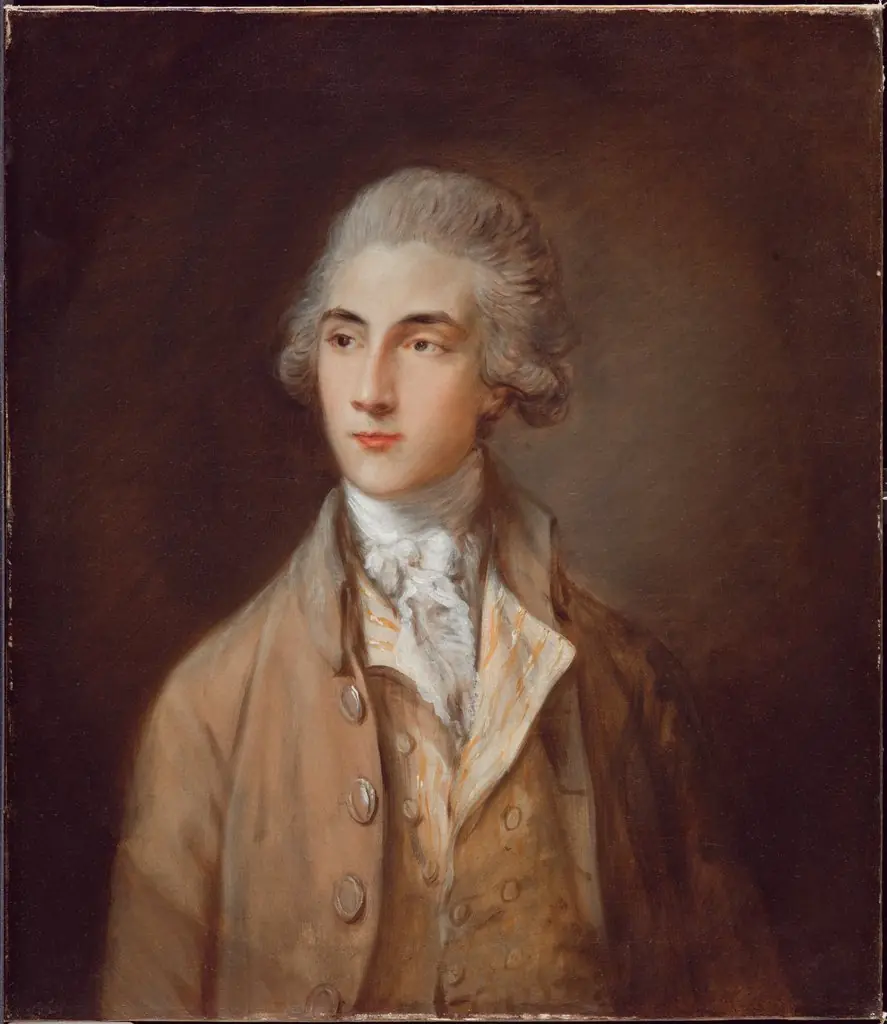
This portrait shows a man in a green coat, with a white ruffled collar and a dark background.
This portrait shows a man in a green coat, with a white ruffled collar and a dark background. The man's face is blurred, but his gaze is directed to the left. The painting's colors are muted, with shades of green and brown dominating the scene.
The man's attire suggests a formal setting, possibly from the late 18th century. The artist's use of chiaroscuro creates a sense of depth and dimensionality in the portrait.
To learn more about the artist behind this portrait, look up William Beechey.
Overview
Painted in 1798 by William Beechey, this oil portrait captures John Greenwood Jr., a figure of modest social standing in late Georgian England. The work is part of the Museum of New Zealand Te Papa Tongarewa’s collection, having traveled from Britain to New Zealand in the 20th century. Its restrained palette and intimate scale reflect the quiet dignity typical of British portraiture of the era, distinct from the grandeur of aristocratic commissions.
Subject & Meaning
John Greenwood Jr. is portrayed without overt symbols of status or profession, suggesting a private, personal commission rather than a public statement. His attire, a green coat and white ruffled collar, indicates formality, yet the absence of heraldry or props implies an emphasis on character over rank. The direct, slightly averted gaze invites contemplation, conveying introspection rather than performance.
Technique & Style
Beechey employs subtle chiaroscuro to model the face and hands, lending volume without theatricality. The background recedes into muted browns, isolating the figure and enhancing spatial depth. Brushwork is precise yet unobtrusive; the blurred contours of the face suggest a momentary lapse in focus, perhaps intentional, to soften the subject’s presence and avoid rigid formality.
History & Provenance
The portrait remained in the Greenwood family until the 20th century, when it entered the collection of the Museum of New Zealand Te Papa Tongarewa. Its journey from England to New Zealand reflects broader patterns of colonial-era migration and the dispersal of British cultural artifacts. No records indicate it was exhibited publicly during Beechey’s lifetime, suggesting it was intended for private contemplation.
Context
Created during the height of British Romanticism, the portrait diverges from the era’s dramatic tendencies. While contemporaries like Turner emphasized emotion through landscape, Beechey focused on quiet individuality. The work aligns with a growing interest in middle-class identity, where personal dignity, not inherited privilege, became the subject of representation.
Legacy
Though not widely known outside institutional circles, the portrait exemplifies the quiet evolution of British portraiture beyond aristocratic conventions. It preserves a moment in which the middle class began to assert its presence through visual culture, using art not for spectacle but for enduring, understated self-representation.
Own this work as a print
Artist & collection
Artist
Sir William Beechey (12 December 1753 – 28 January 1839) was a British portraitist during the golden age of British painting.

Museum
Museum of New Zealand Te Papa Tongarewa
Continue through works from the same source collection.