Artwork
Charles Rousseau Burney (1747–1819)
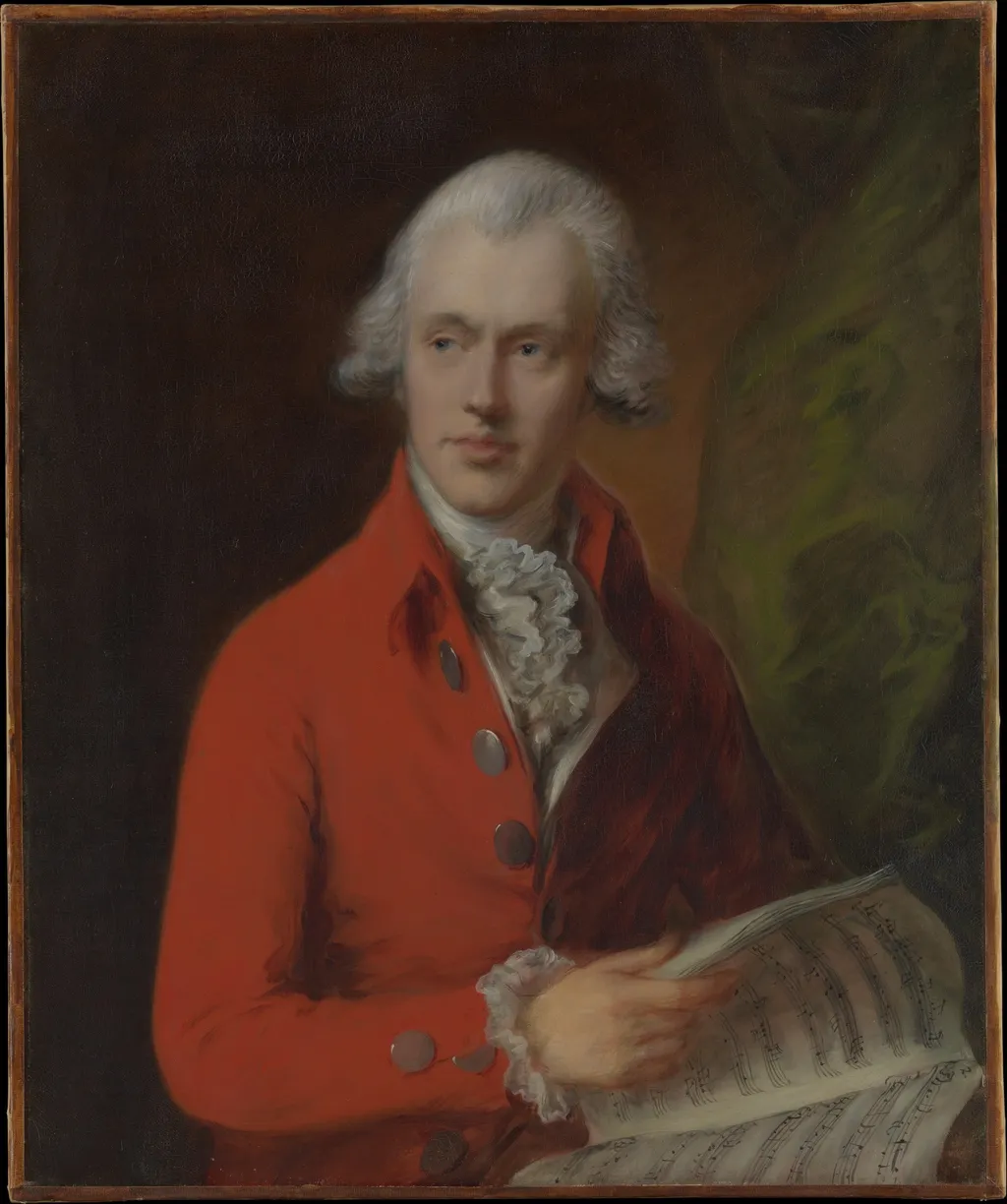
Charles Rousseau Burney (1747–1819) is an oil painting by the Rococo painting artist Thomas Gainsborough. It is held in the collection of the Metropolitan Museum of Art.
About this work
Subject & Meaning
Its meaning lies in the visual record it provides of Burney's appearance and character, executed in oil on canvas in 1780.
The painting is a portrait depicting Charles Rousseau Burney (1747–1819), the son of the writer Charles Burney. Gainsborough presents the sitter as a man in a formal portrait composition, a genre convention of late eighteenth-century British portraiture that emphasized the individuality and social standing of the subject. The work functions as a personal likeness rather than a narrative or allegorical scene, with no symbolic attributes or iconographic elements beyond those typical of a conventional portrait of a gentleman.
Its meaning lies in the visual record it provides of Burney's appearance and character, executed in oil on canvas in 1780.
Technique & Style
Executed in 1780, this portrait utilizes oil paint applied to a canvas support. The work measures 76.8 cm in height by 63.8 cm in width. Classified as a portrait, the painting depicts Charles Rousseau Burney.
While the specific handling of the brushwork or the current physical condition of the surface is not detailed in the available records, the formal composition centers on the male sitter. The medium and support align with standard eighteenth-century portraiture practices employed by the creator, Thomas Gainsborough, during this period.
History & Provenance
Thomas Gainsborough created an oil portrait of Charles Rousseau Burney in 1780, as recorded in contemporary documentation. The work, executed in oil on canvas, was later acquired by Mary Emma Stillman Harkness, whose collection formed the basis of the Metropolitan Museum of Art’s holdings. The painting remains in the museum’s collection, displayed as a portrait within its European works wing.
Its creation is dated to the year 1780, aligning with the sitter’s known presence in London society and Gainsborough’s active period. The provenance traces from the artist’s studio to Harkness’s ownership and finally to museum accession.
The portrait of Charles Rousseau Burney, painted by Thomas Gainsborough in 1780, is housed in the collection of the Metropolitan Museum of Art in New York. The work is catalogued as part of the museum's holdings, though a specific accession or inventory number is not provided in the available documentation. It entered the museum through the bequest of Mary Emma Stillman Harkness.
The sources consulted do not record any exhibition history for this painting, indicating that it has not been featured in publicly listed exhibitions according to the presently accessible records.
Overview
This oil painting, created by Thomas Gainsborough in 1790, portrays Charles Rousseau Burney. Gainsborough, a prominent English artist of the 18th century, was celebrated for both his portraiture and landscape works. This particular piece exemplifies his skill in capturing individual likenesses and is currently held in the collection of The Metropolitan Museum of Art. It represents a key example of British portraiture from the late Rococo period.
Own this work as a print
Artist & collection

Artist
Thomas Gainsborough (; 14 May 1727 (baptised) – 2 August 1788) was an English painter, draughtsman and printmaker who specialised in portrait and landscape painting.

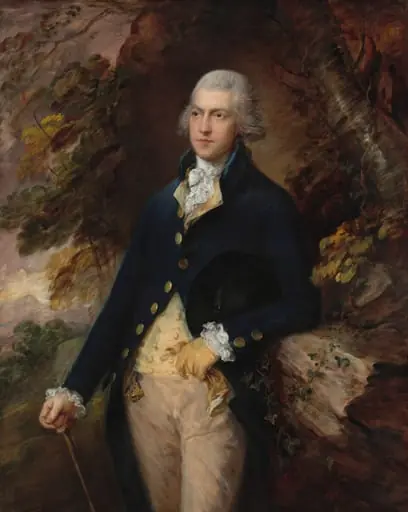
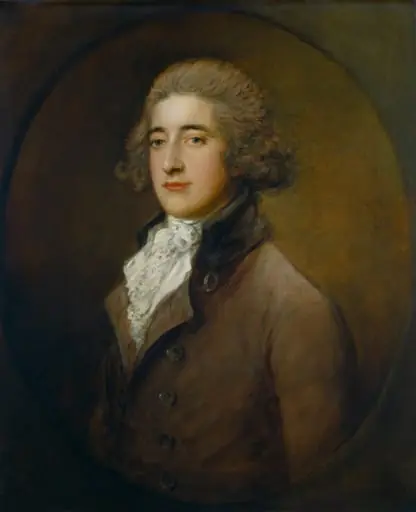
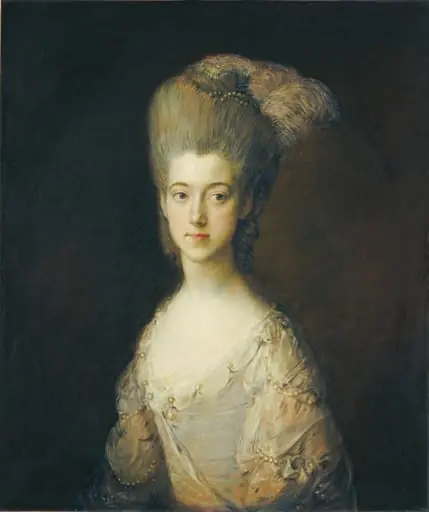
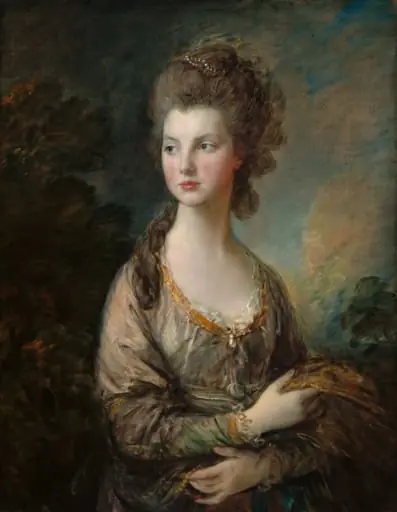
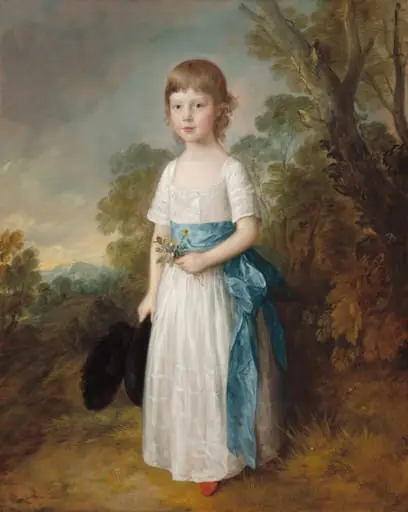
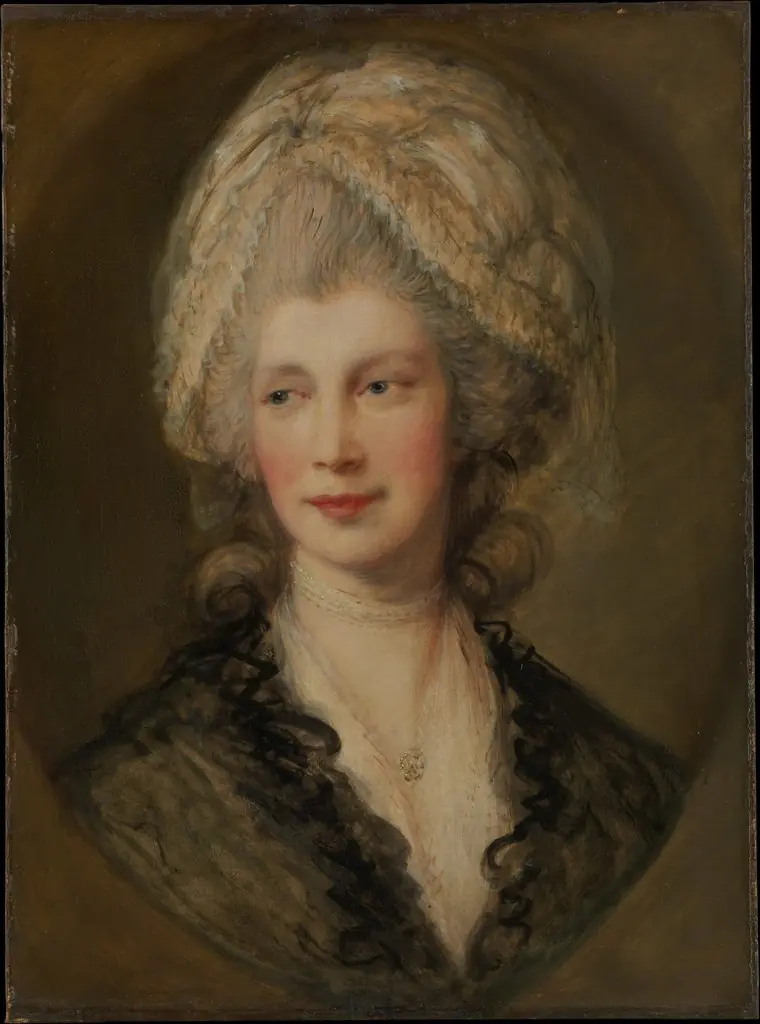
- Sir John Edward Swinburne
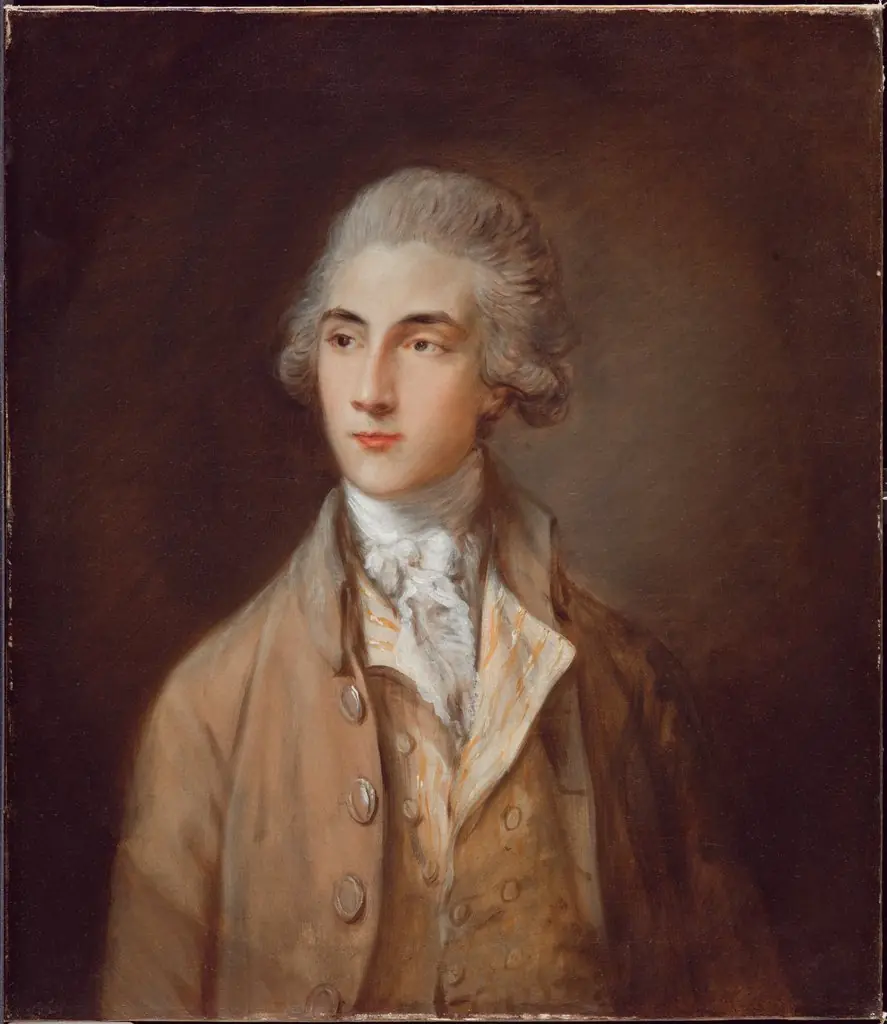 Edward Swinburne
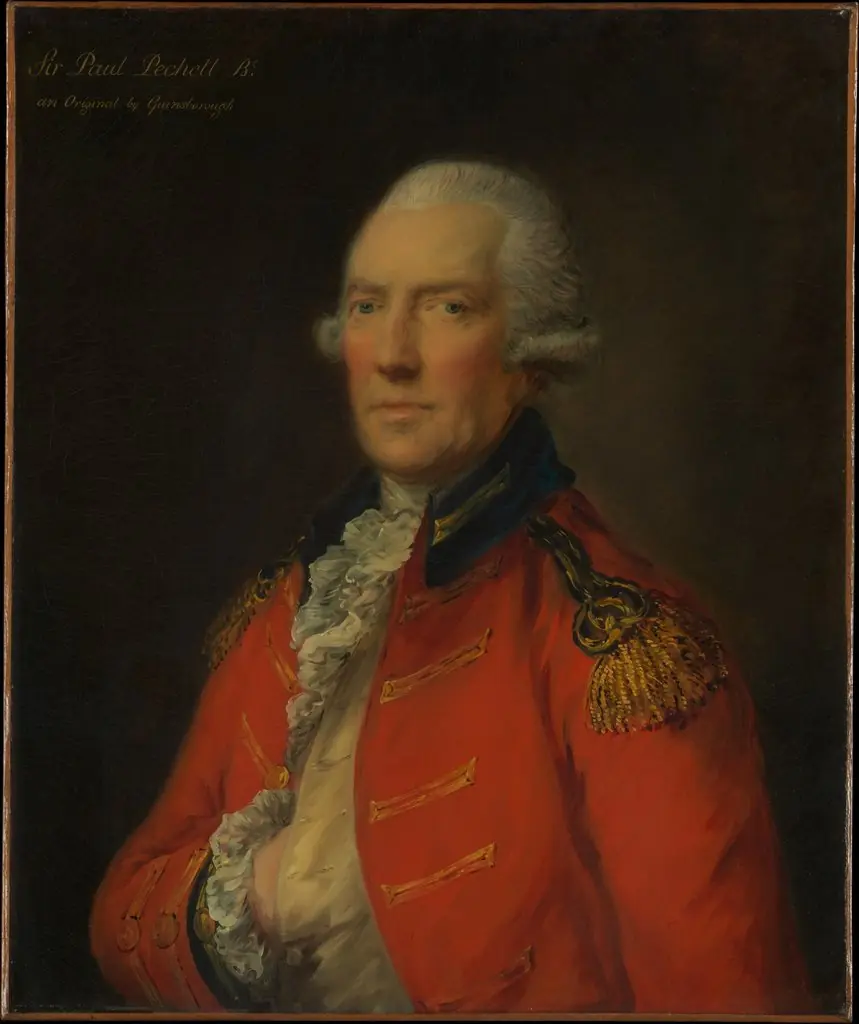 Lieutenant Colonel Paul Pechell (1724–1800)
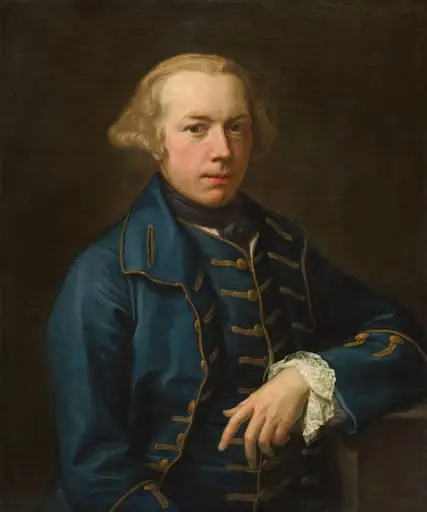 Portrait of a Gentleman
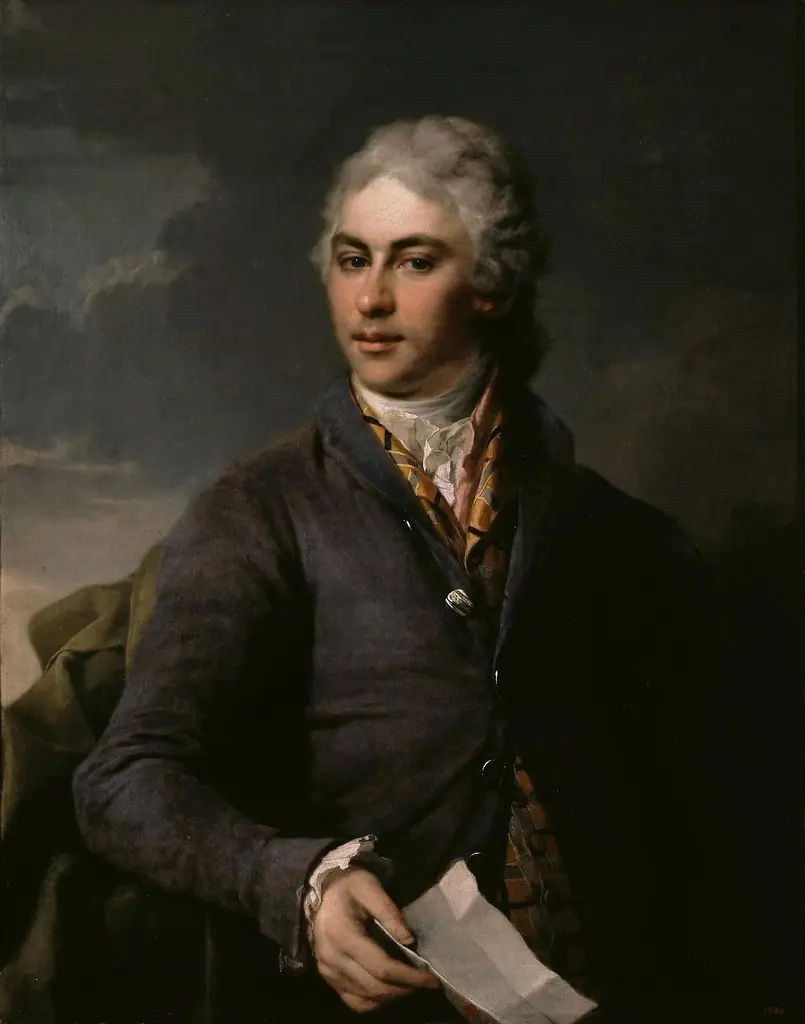 Portrait of Yakov Bilibin
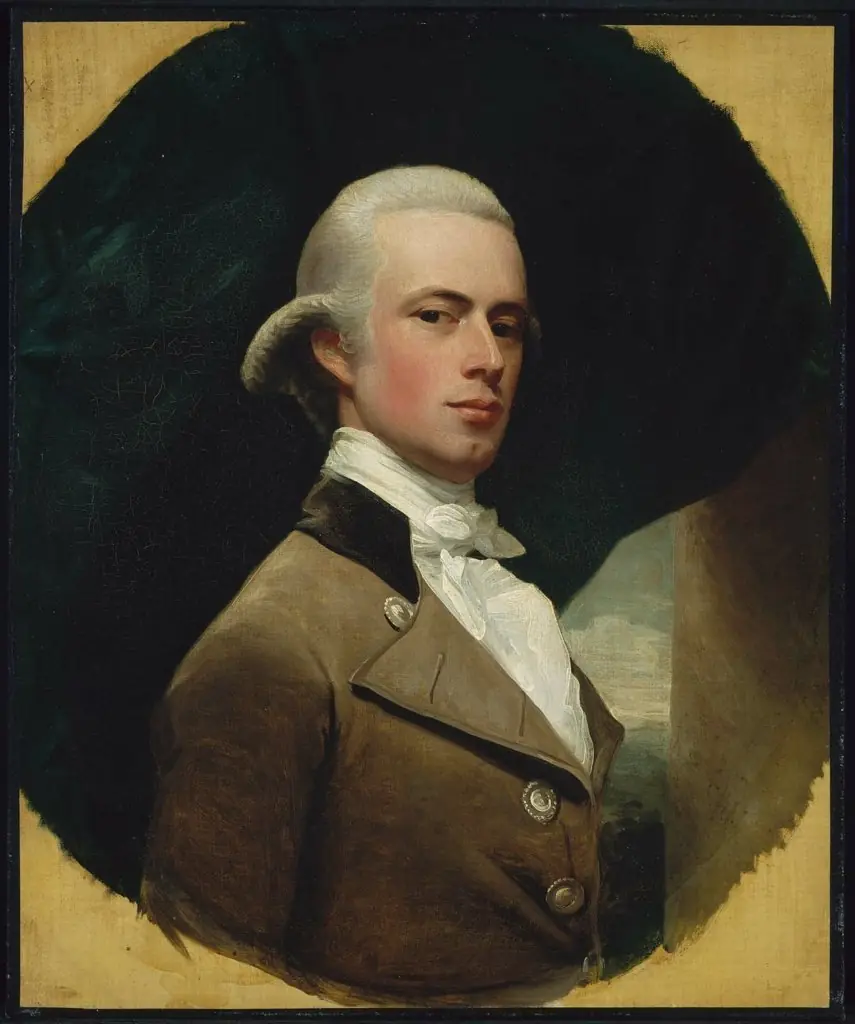 Winslow Warren
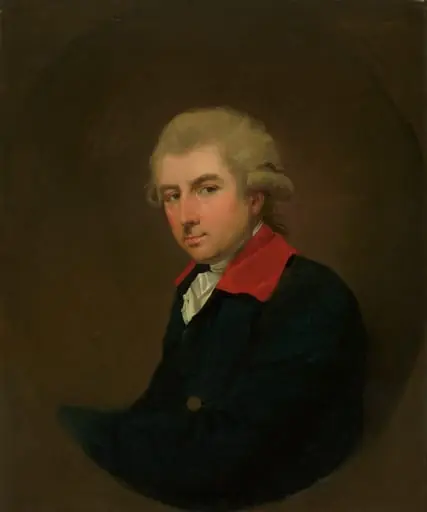 The Hon. Sir Francis Burton Conyngham
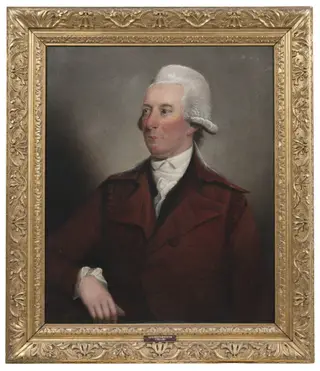 Alexander Baron Seton (1738-1814), jur.dr., godsägare, född i Skottland, verksam i Sverige och Skottland, g.m. 1. Elizabeth Angus, 2. Anne Innes of Cathlow, systerson till och adopterad av George Seton
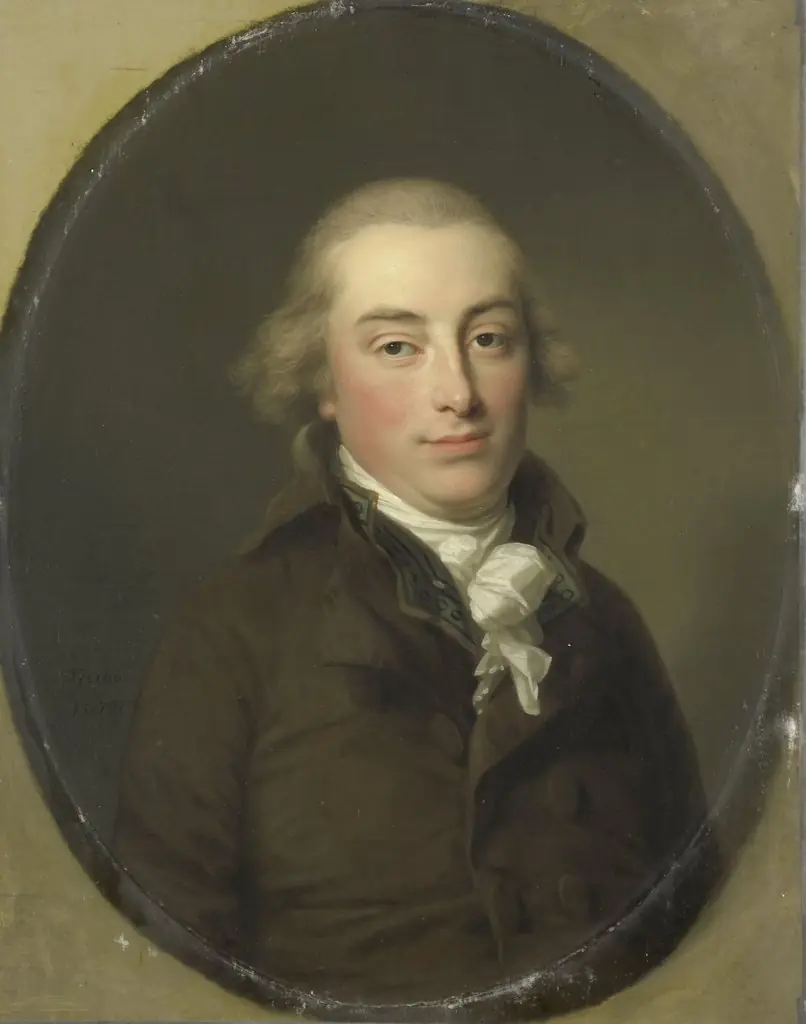 Portrait of Salomon Rendorp, Brewer in Amsterdam
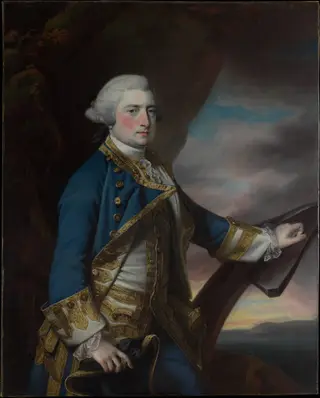 Admiral Harry Paulet (1719/20–1794), Sixth Duke of Bolton
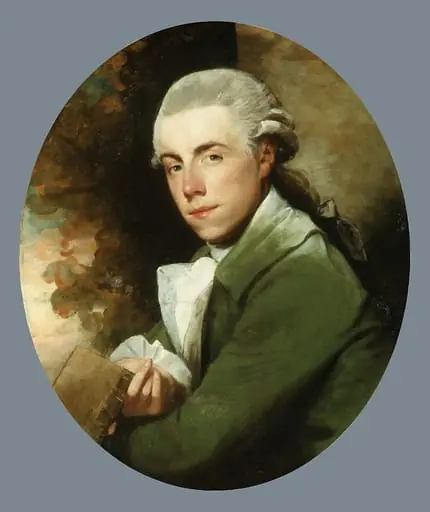 Man in a Green Coat