Artwork
Shelley's Grave
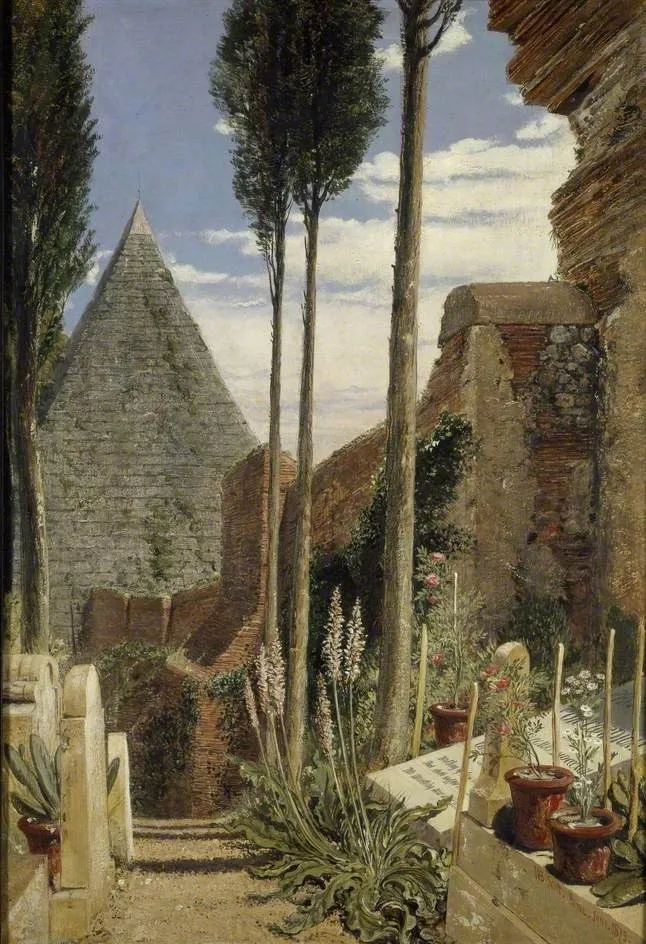
Shelley's Grave is an oil painting by the Pre-Raphaelite artist William Bell Scott. It dates from 1873 and is held in the collection of the Ashmolean Museum.
About this work
Overview
William Bell Scott’s 1873 oil painting Shelley’s Grave captures the burial site of the Romantic poet Percy Bysshe Shelley in Rome’s Non-Catholic Cemetery.
William Bell Scott’s 1873 oil painting Shelley’s Grave captures the burial site of the Romantic poet Percy Bysshe Shelley in Rome’s Non-Catholic Cemetery. Created during Scott’s mature period, the work reflects his deep engagement with literary subjects and his ties to the Pre-Raphaelite movement. Though not a member of the original Pre-Raphaelite Brotherhood, Scott shared their commitment to detailed naturalism and emotional resonance in art.
Subject & Meaning
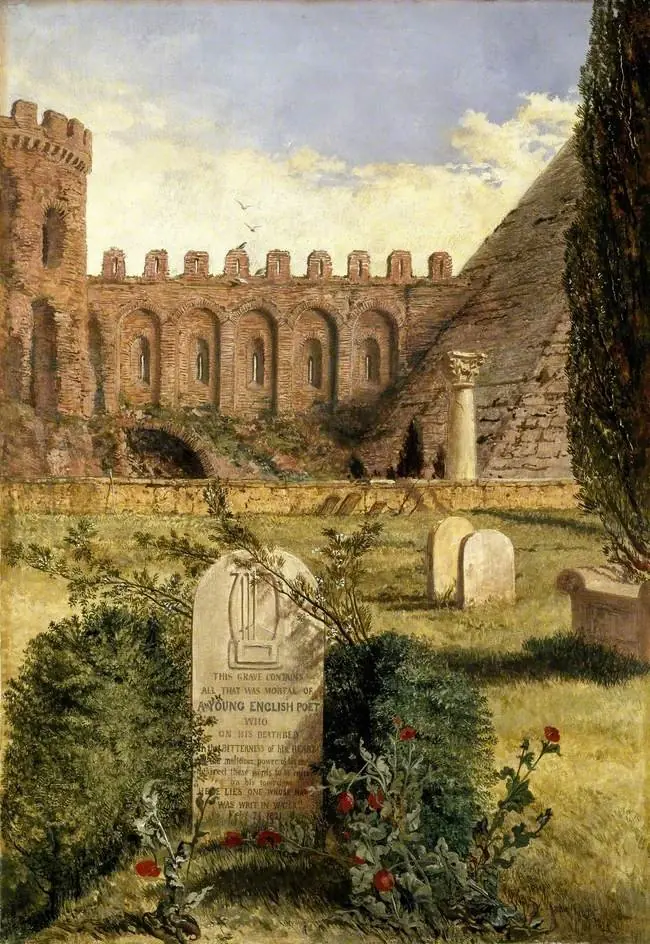
The painting centers on Shelley’s modest tomb, framed by dense vegetation and carefully arranged flora. The absence of human figures emphasizes solitude and quiet reverence. The well-kept grave and blooming plants suggest enduring remembrance, aligning with 19th-century ideals of poetic legacy. Scott avoids overt mourning, instead evoking a contemplative stillness that mirrors Shelley’s own poetic sensibility.
Technique & Style
Scott employs precise brushwork to render foliage, stone, and floral details with observational clarity. Soft, diffused light filters through the trees, casting gentle shadows that enhance the scene’s serenity. His palette favors muted greens and earth tones, with subtle highlights on petals and stone to guide the eye. The composition’s depth is achieved through layered vegetation, creating a sense of enclosed, sacred space.
History & Provenance
Painted in 1873, the work emerged from Scott’s longstanding interest in literary figures and his visits to European cultural sites. It was likely conceived after his travels to Italy and reflects his personal connection to Romantic poetry. The painting remained in private hands for much of the 20th century before entering a public collection, where it is now studied as an example of Victorian literary painting.
Context
In the late 19th century, Shelley’s reputation had evolved from controversial to revered, and his grave became a site of pilgrimage for literary admirers. Scott’s depiction aligns with a broader Victorian trend of honoring poets through landscape and memorial imagery. The painting resonates with contemporaneous works that fused nature, memory, and literary homage, reflecting a cultural moment where art served as a vessel for literary legacy.
Legacy
Though less widely known than works by his Pre-Raphaelite peers, Shelley’s Grave endures as a thoughtful meditation on death and remembrance. It exemplifies Scott’s ability to merge poetic sentiment with visual precision. The painting continues to be referenced in studies of Victorian art and literary culture, valued for its restrained emotion and fidelity to place.
Artist & collection

Artist
William Bell Scott (12 September 1811 – 22 November 1890) was a Scottish artist in oils and watercolour and occasionally printmaking.


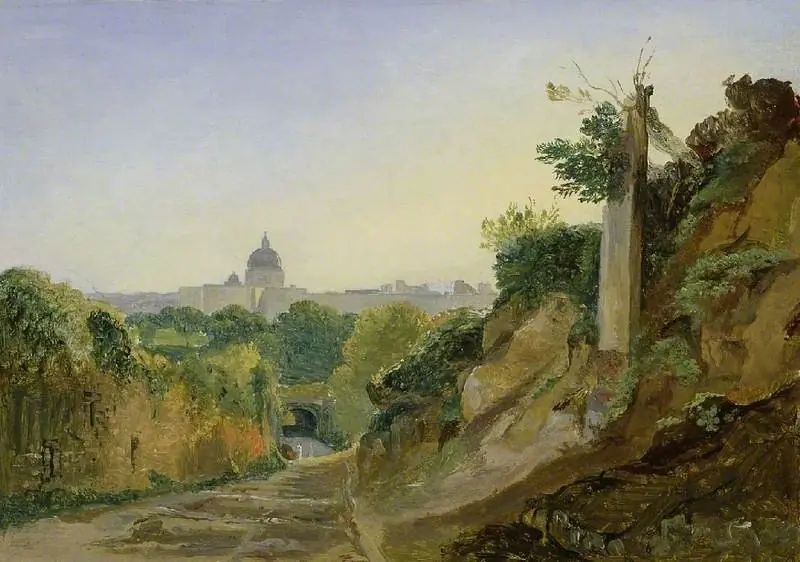 A view of Rome
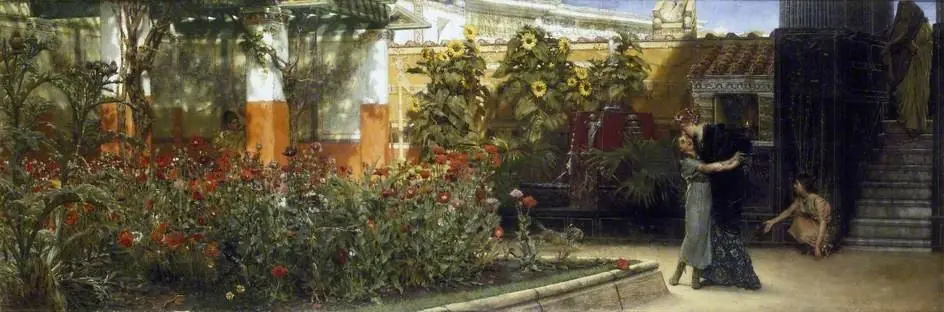 A Hearty Welcome
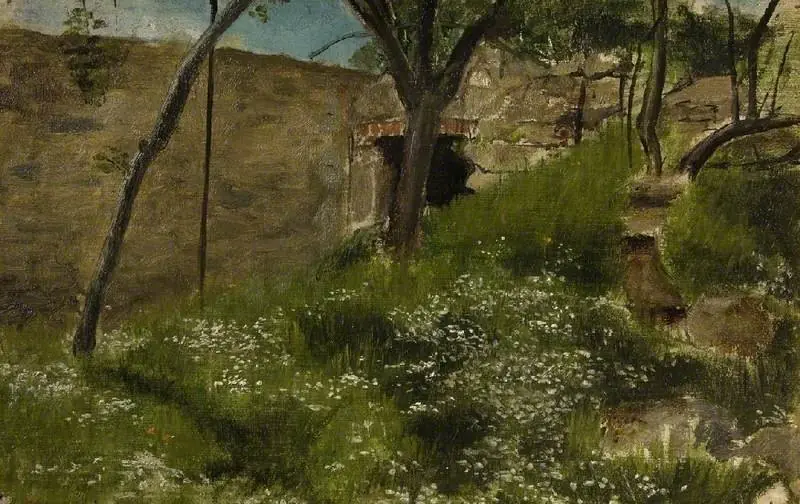 A Floral bank
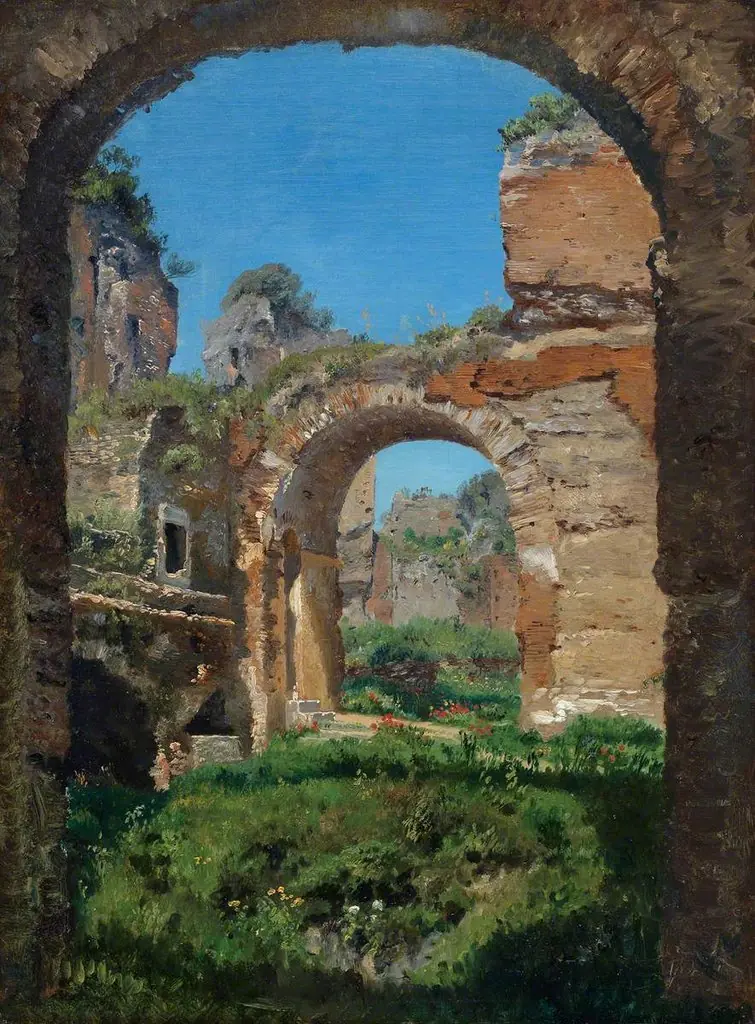 Inside the Baths of Caracalla
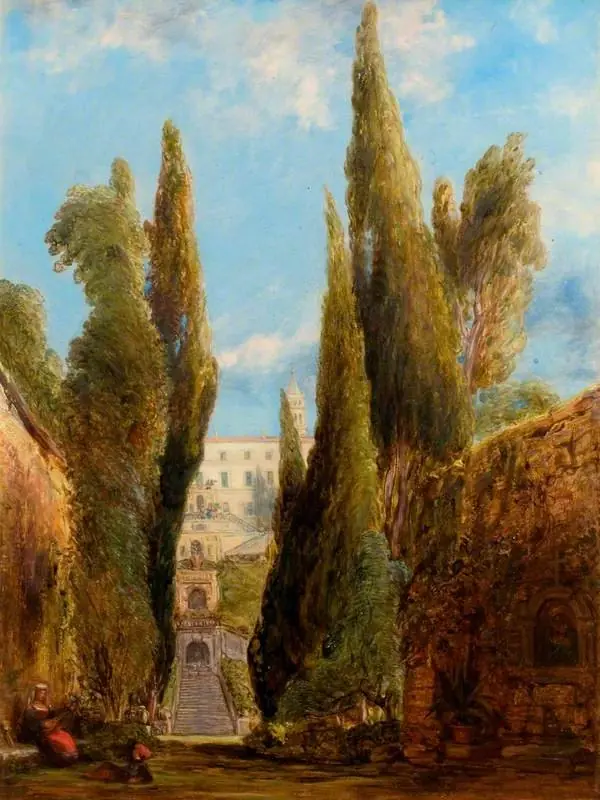 The Villa d'Este, Tivoli
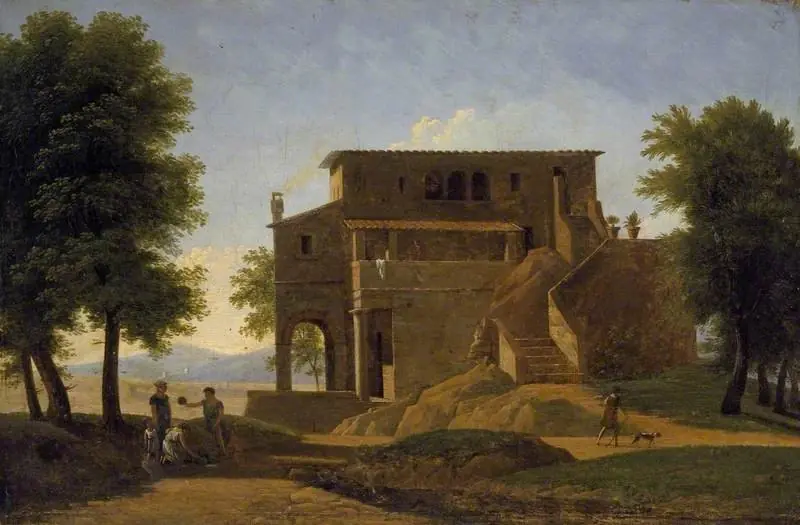 An Italian Villa
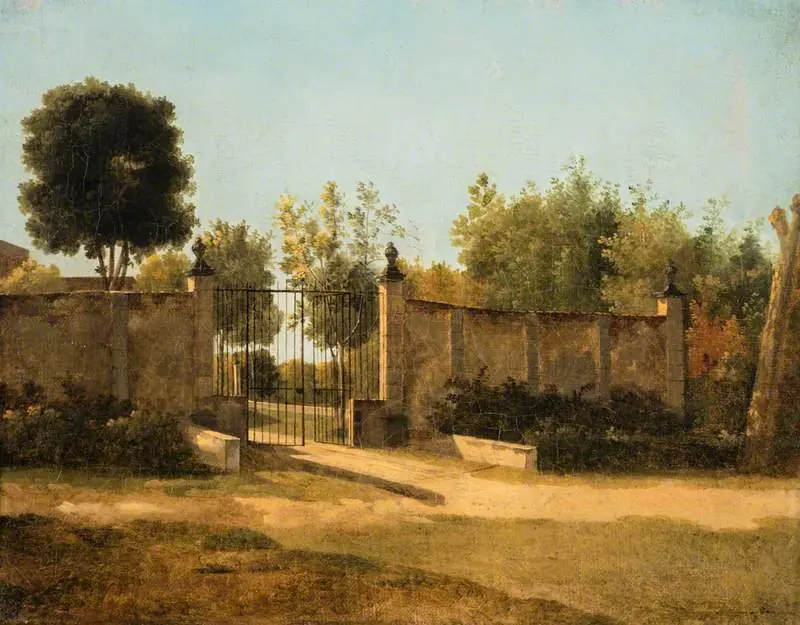 Chateau de Garros I
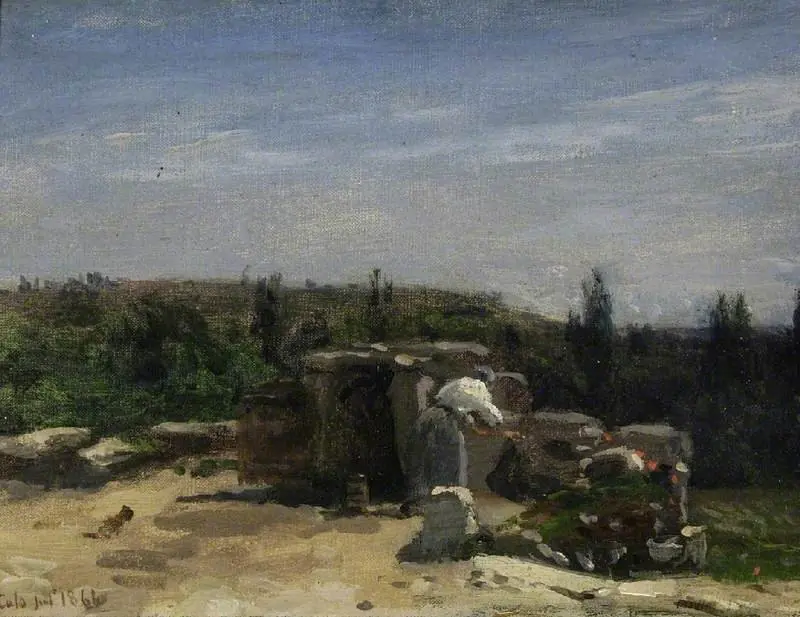 The well in rue Montlaville, Orrouy, viewed from the east
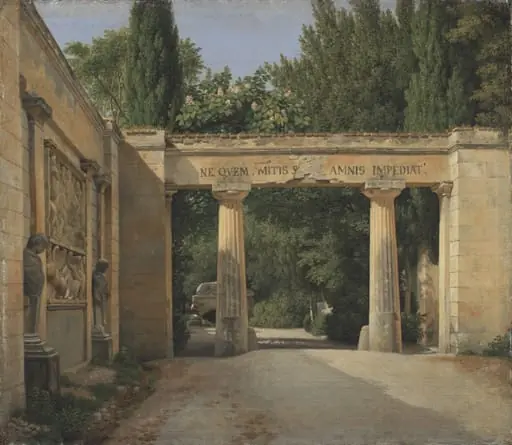 View of the Garden of the Villa Borghese in Rome
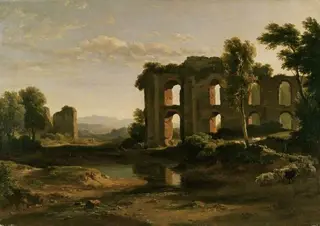 Landscape near Tivoli, with part of the Claudian Aqueduct
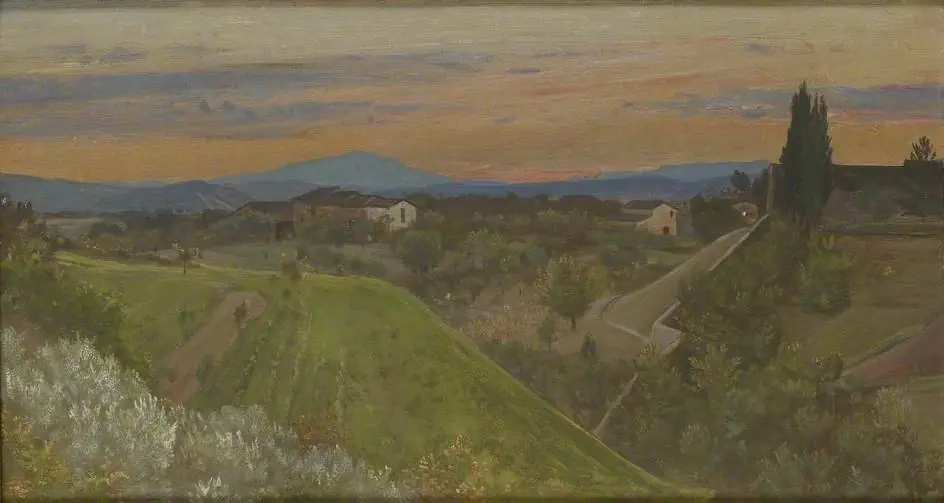 View of Monte Amiata, Tuscany