Artwork
Pointe de Cabellou, Brittany
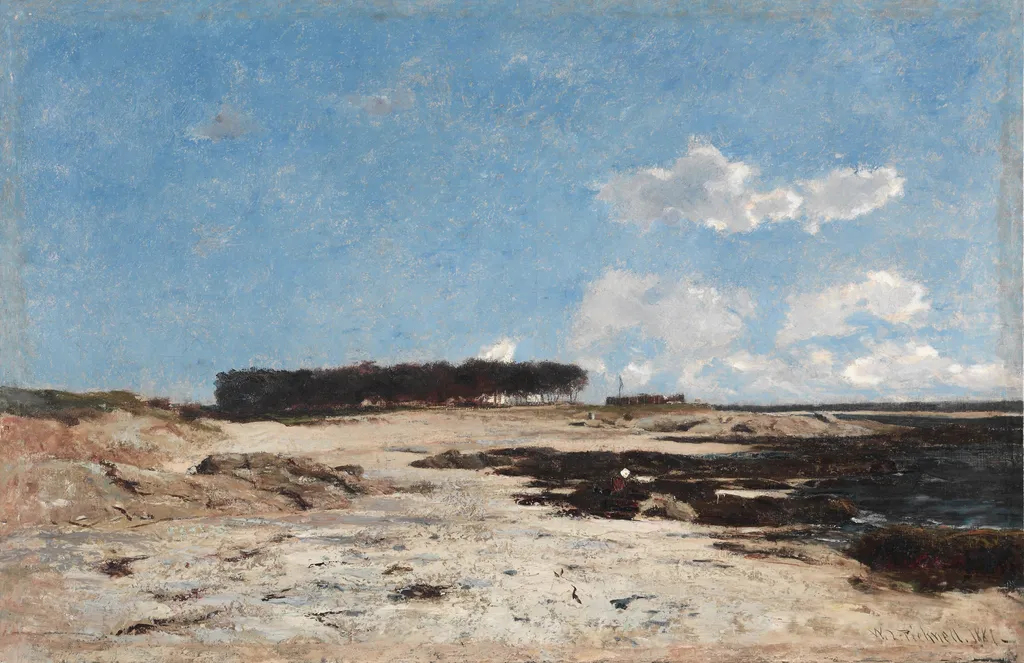
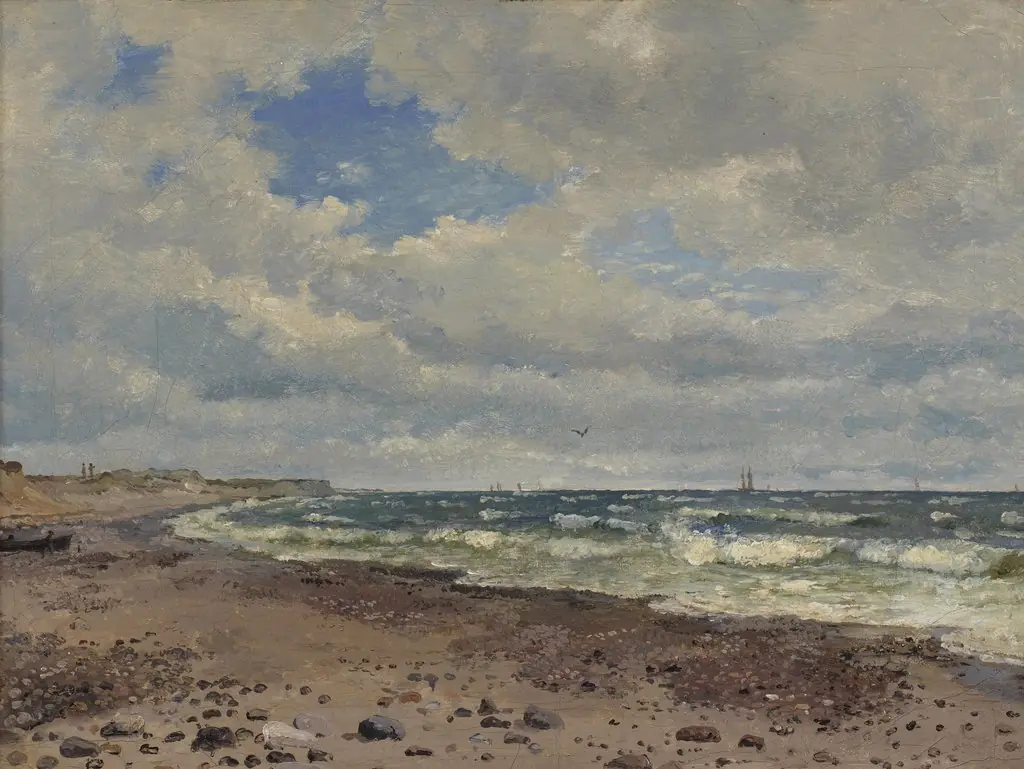
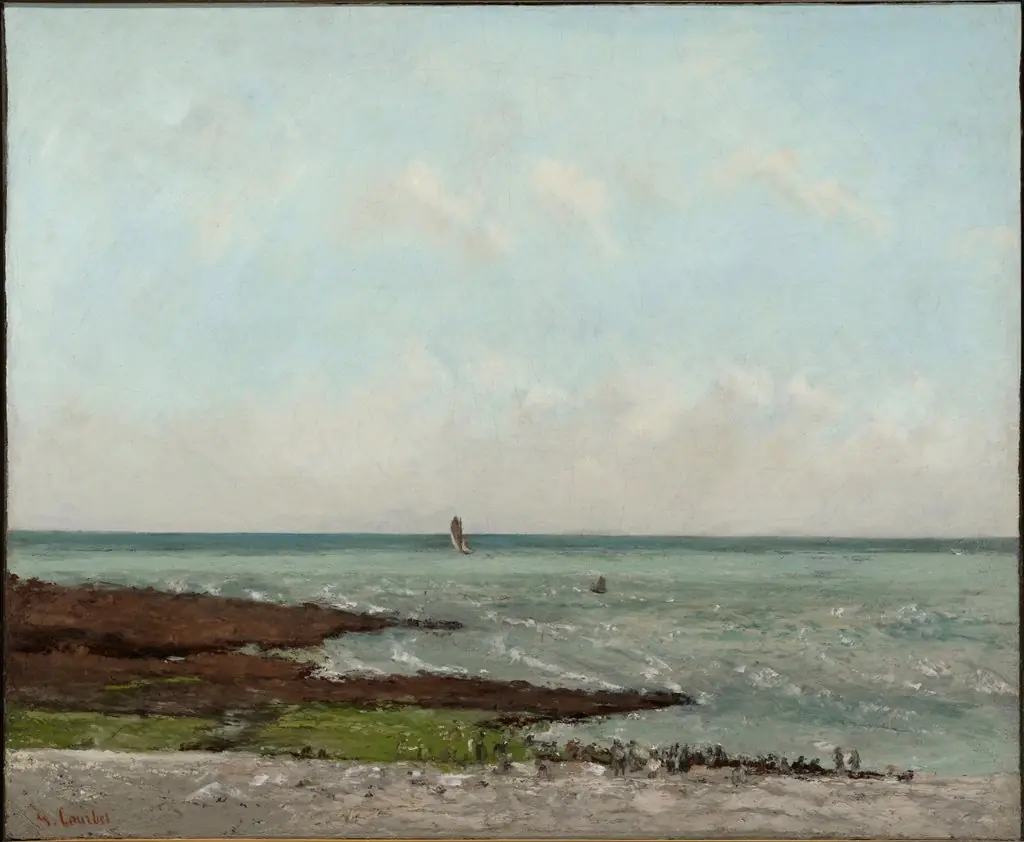
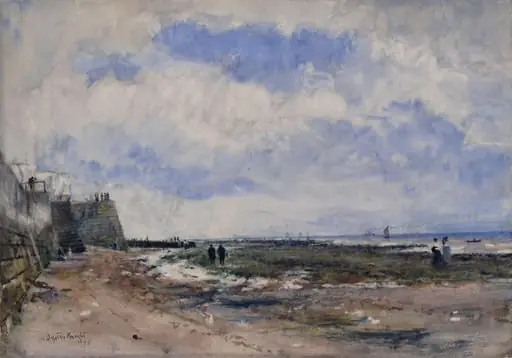
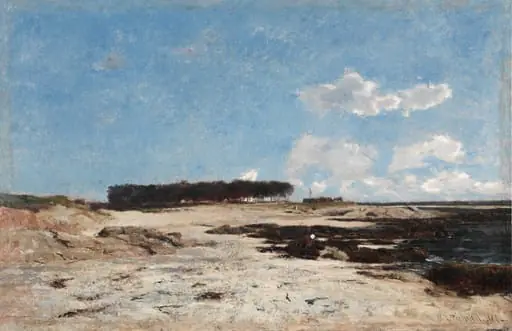
Pointe de Cabellou, Brittany is an oil painting by the Impressionist artist William Lamb Picknell. It dates from 1891 and is held in the collection of the Cleveland Museum of Art.
About this work
Subject & Meaning
Classified as a landscape, the work focuses on the natural coastal environment rather than incorporating complex allegorical figures or religious iconography.
Created in 1881 by American artist William Lamb Picknell, this oil painting depicts a beach scene at the Pointe de Cabellou in Brittany. Classified as a landscape, the work focuses on the natural coastal environment rather than incorporating complex allegorical figures or religious iconography. The subject matter represents the specific geographic location of the Breton coast, capturing the physical characteristics of the shoreline.
As a landscape genre piece, the painting serves as a visual record of the site, emphasizing the interplay of light and terrain typical of outdoor scenes from this period. The available records do not attribute additional symbolic layers or narrative meanings to the depiction beyond its function as a representation of the Breton beach.
History & Provenance
Pointe de Cabellou, Brittany was painted by William Lamb Picknell in 1881, as indicated by the work’s date and inception. Executed in oil on canvas, the landscape was made in the United States despite depicting a Breton beach. The painting entered the collection of the Cleveland Museum of Art, where it is held under accession number 1984.13, indicating its acquisition by the museum in 1984.
No information regarding a commission or prior ownership before the Cleveland Museum of Art is provided in the sources.
Overview
William Lamb Picknell, an American artist recognized for his swift painting technique, completed Pointe de Cabellou, Brittany in 1891. This oil painting captures a coastal scene, characteristic of his work, and exemplifies an Impressionistic approach. The piece is held in the collection of The Cleveland Museum of Art, representing a key aspect of Picknell's focus on landscapes and shorelines.
Technique & Style
Picknell employed thick, visible brushstrokes, particularly evident in the depiction of the sand and water, which imparts a distinct texture to the surface. The artist's method involved applying paint with a rough, almost scraped quality in certain areas, rather than smoothing the pigment. This energetic application reflects the Impressionist style and aligns with his reputation for a rapid, expressive painting technique.
Context
Born in Vermont and later establishing himself in Massachusetts, William Lamb Picknell developed a strong affinity for depicting natural environments. His artistic practice frequently centered on landscapes and, notably, coastal views like the one seen in Pointe de Cabellou, Brittany. This specialization contributed to his recognition as a painter adept at capturing the dynamic qualities of shorelines and open vistas.
Own this work as a print
Artist & collection

Artist
William Lamb Picknell (October 23, 1853 – August 8, 1897) was an American painter of landscapes, coastal views, and figure genres, known for his rapid painting style. He was born in Hinesburg, Vermont and died in Marblehead, Massachusetts.