Artwork
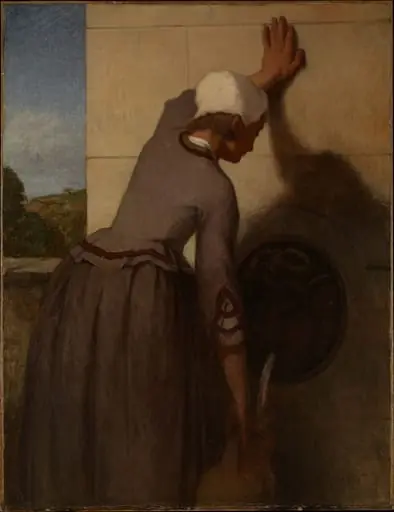
Women at a Well
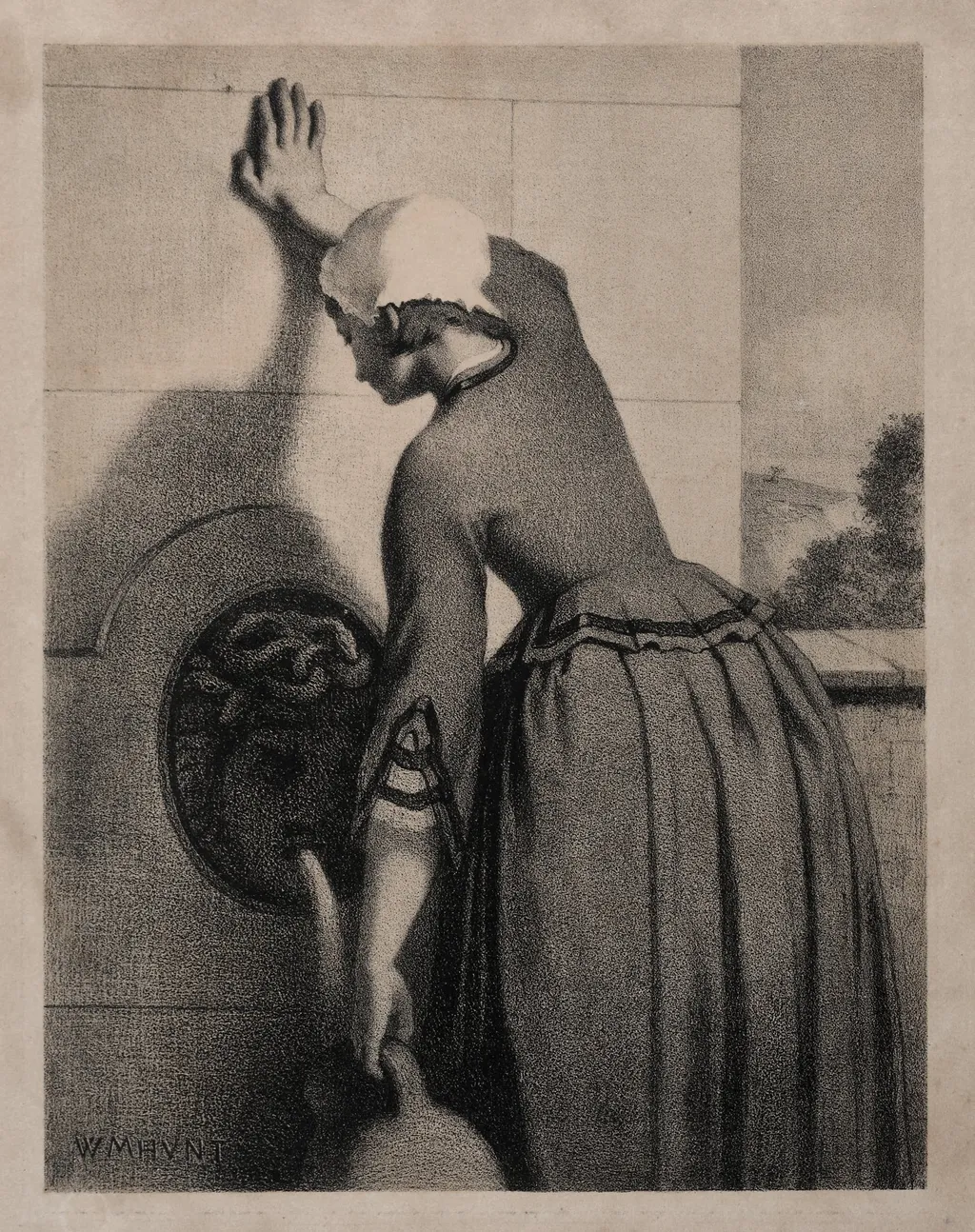
Women at a Well is a print by the Impressionist artist William Morris Hunt. It dates from 1857 and is held in the collection of the Cleveland Museum of Art.
- Accession no.
- 1940.1130
- Credit line
- Mr. and Mrs. Lewis B. Williams Collection
About this work
Overview
The piece was executed in a medium that allowed broader distribution, likely lithography, aligning with Hunt’s interest in accessible art forms.
William Morris Hunt, an American artist trained in Paris under Jean-François Millet, created Women at a Well around 1857. Though best known for portraits and landscapes in Boston, Hunt engaged with rural realism through print and painting. This work reflects his time at the Barbizon colony, where artists turned from idealized scenes to everyday rural life.
The piece was executed in a medium that allowed broader distribution, likely lithography, aligning with Hunt’s interest in accessible art forms.
Subject & Meaning
The painting portrays a solitary woman at a stone well, her back turned, one hand raised as if drawing water, the other gripping a vessel or rope. Her modest dress and head covering suggest rural labor, grounding the scene in quiet domestic routine. No narrative drama is present, only the stillness of daily toil.
The absence of other figures, despite the title, emphasizes solitude and the unremarkable rhythm of rural existence, a hallmark of Barbizon-inspired realism.
Technique & Style
Hunt employed careful tonal modeling to render light falling across the stone wall and the woman’s garments, creating subtle depth without theatrical contrast. The brushwork, though restrained, captures texture, the roughness of stone, the weight of fabric, with observational precision. The composition avoids embellishment, focusing instead on spatial economy and naturalistic detail, reflecting the Barbizon commitment to truth over sentiment.
History & Provenance
The original painting was likely destroyed in the Great Boston Fire of 1872, which consumed many of Hunt’s works. Surviving versions may be prints or studies, as the artist frequently translated his paintings into lithographs for wider circulation. The known image today derives from these reproductive prints, which preserved the composition despite the loss of the primary oil version.
Context
In mid-19th-century America, urban audiences increasingly sought art that reflected authentic rural life, moving away from European academic traditions. Hunt, influenced by French Realists, brought this sensibility home, aligning with a growing interest in the dignity of labor. His work contributed to a shift in American art toward subjects drawn from ordinary experience, particularly in New England.
Legacy
Though few of Hunt’s original paintings survive, his prints and teaching helped disseminate Realist ideals in American art. Women at a Well exemplifies his role in bridging French Barbizon aesthetics with American sensibilities. His emphasis on unidealized rural scenes influenced later generations of regional artists, embedding realism into the foundations of American visual culture.
Own this work as a print
Artist & collection
Artist
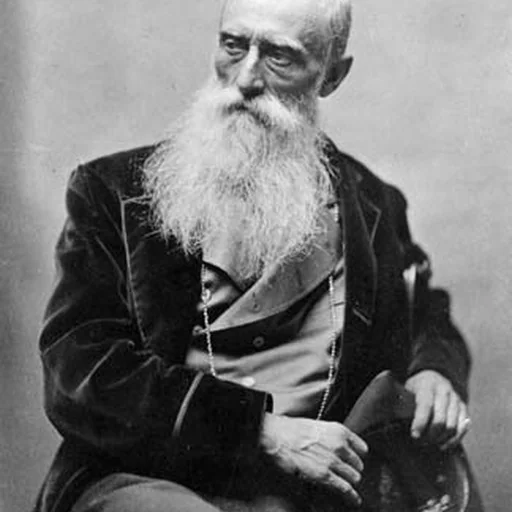
William Morris Hunt (March 31, 1824 – September 8, 1879) was an American painter.

- Girl with a Candle
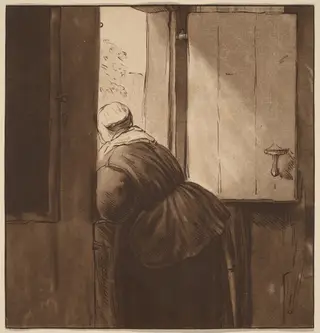 Woman Leaning over a Lower Door
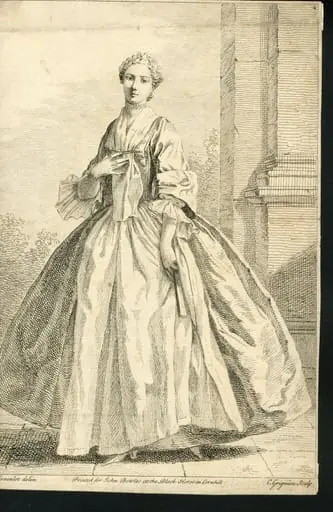 H Beard Print Collection
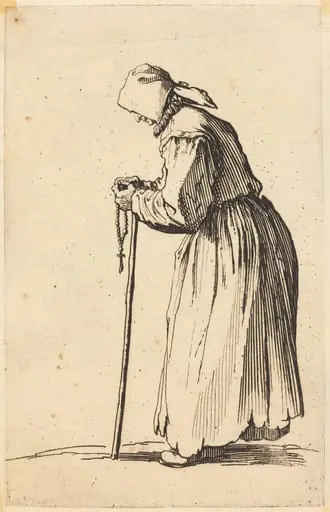 Beggar Woman with Rosary
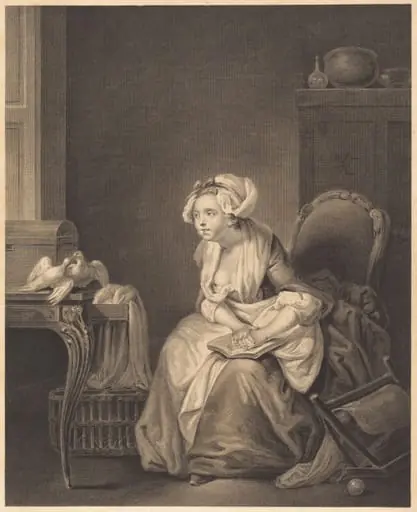 La premiere lecon d'amour
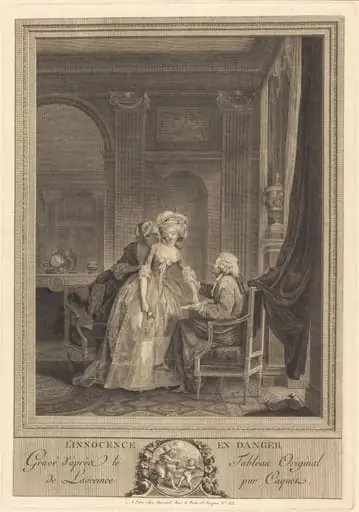 L'innocence en danger
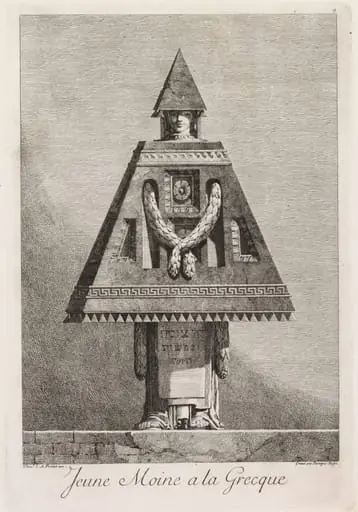 Young Monk in the Greek Style, Plate 9
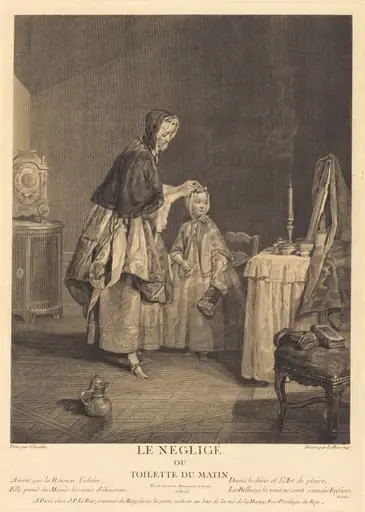 Le neglige, ou la toilette du matin
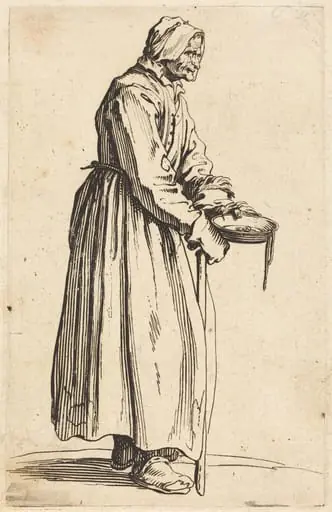 Beggar Woman with Pan
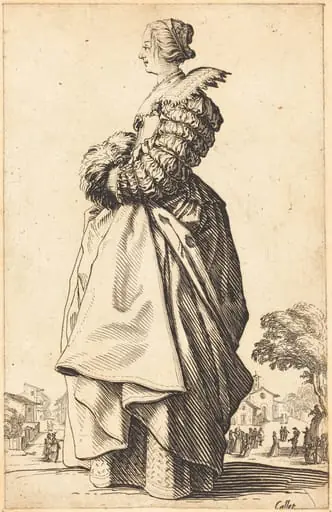 Noble Woman in Profile with her Hands in a Muff
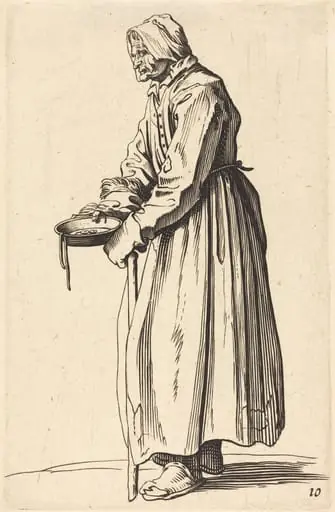 Beggar Woman with Pan