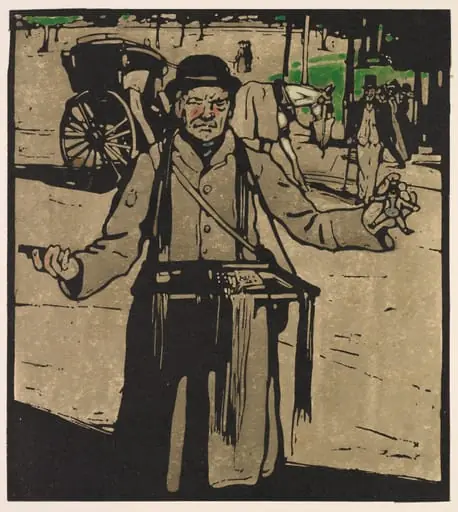
Artwork
London Types: Flower Girl
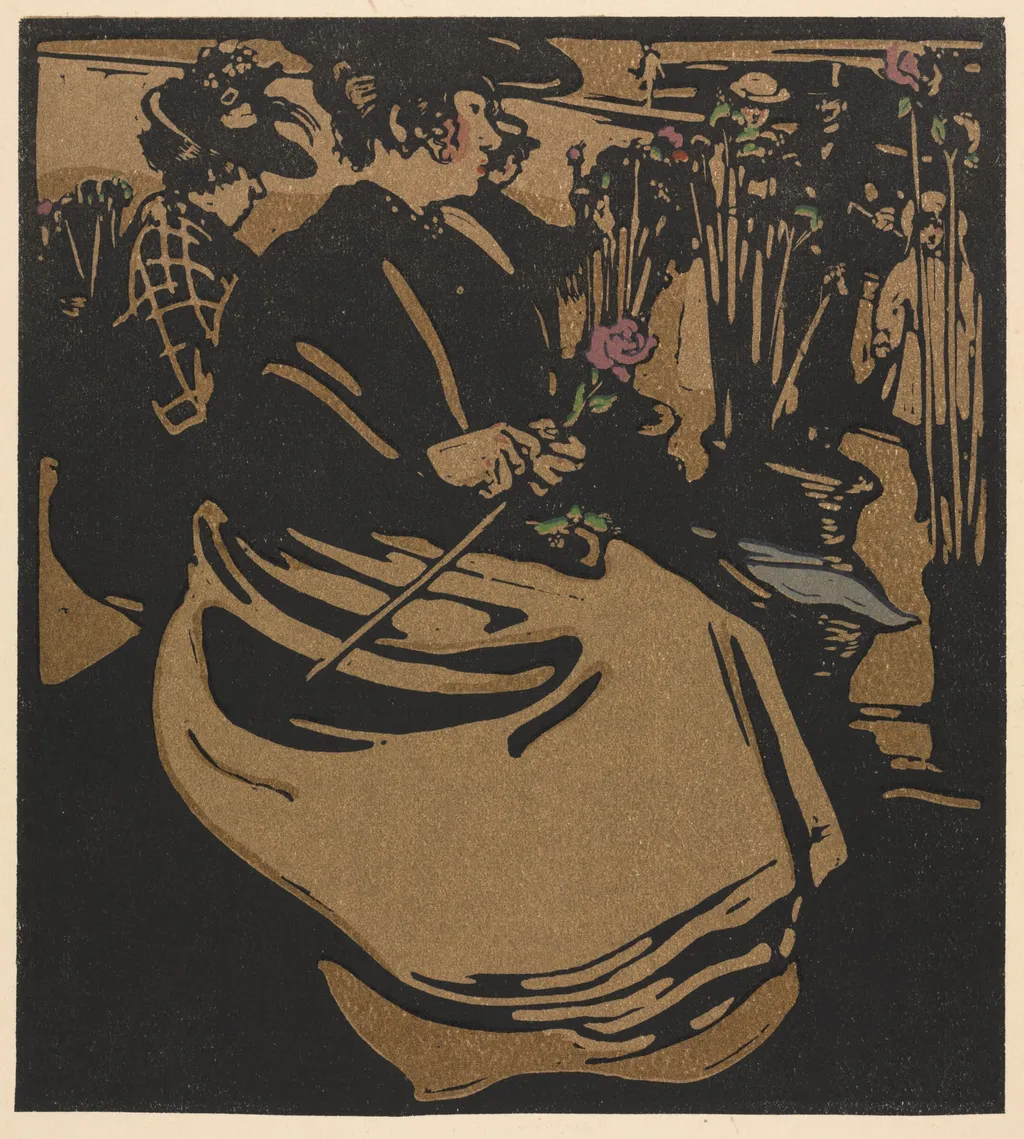
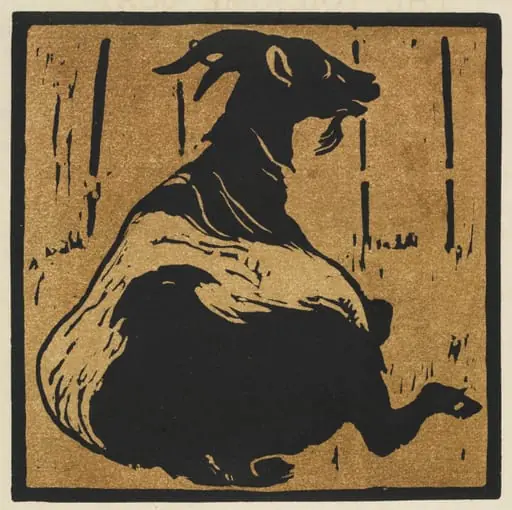
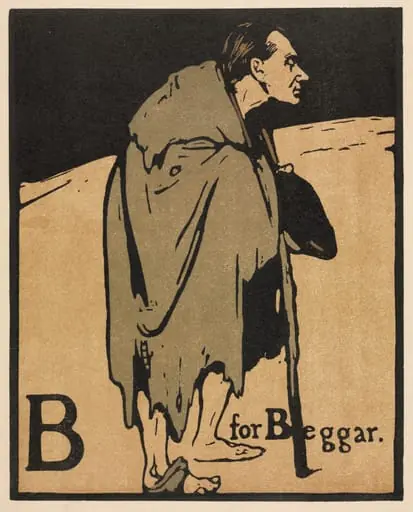
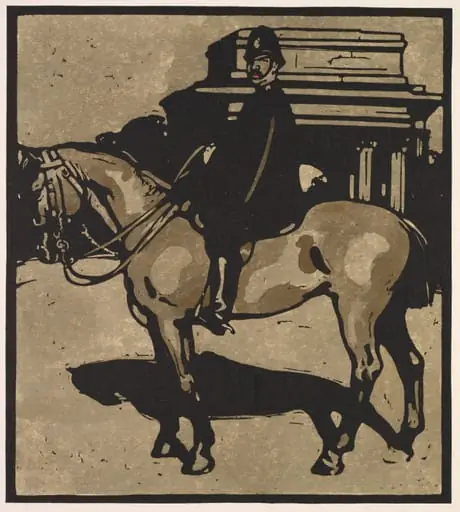
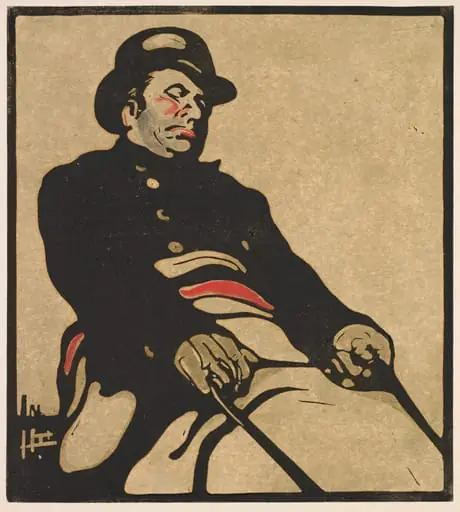
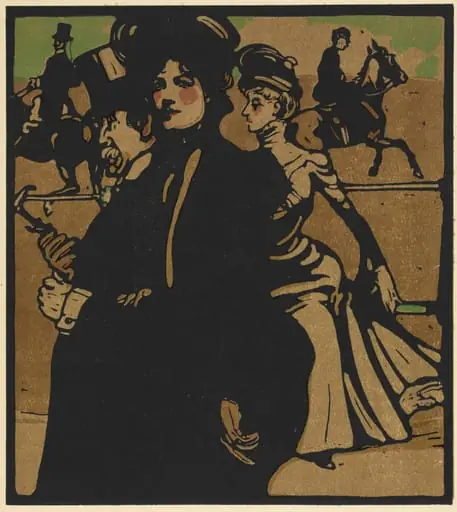
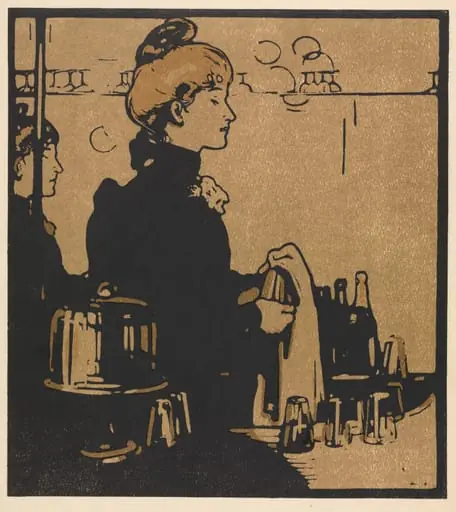
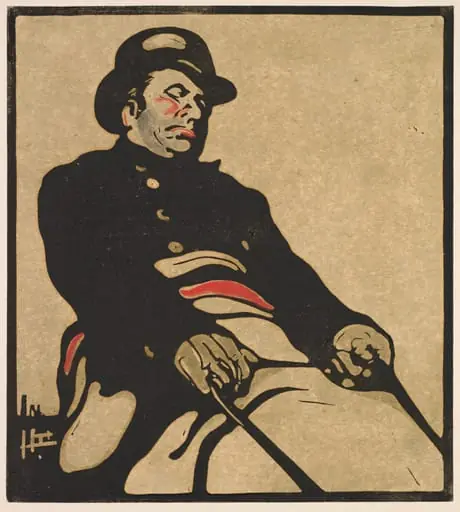
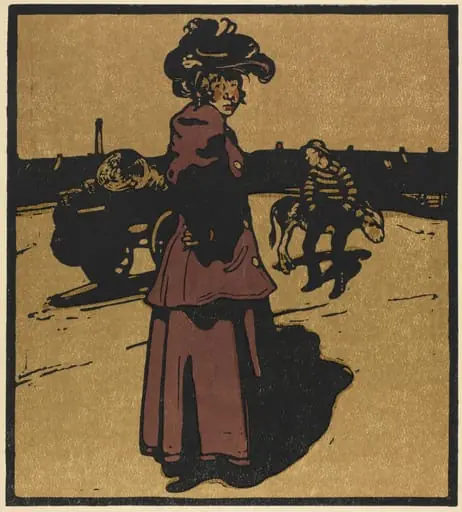
London Types: Flower Girl is a print by the Impressionist artist William Nicholson. It dates from 1898 and is held in the collection of the Cleveland Museum of Art. The London Types series comprises twenty prints created in the 1890s, capturing everyday individuals across the city.
- Accession no.
- 2010.624
- Credit line
- Gift of John Bonebrake
About this work
Overview
Each image presents a single figure, isolated against a dark ground, emphasizing their presence within the urban landscape without narrative distraction.
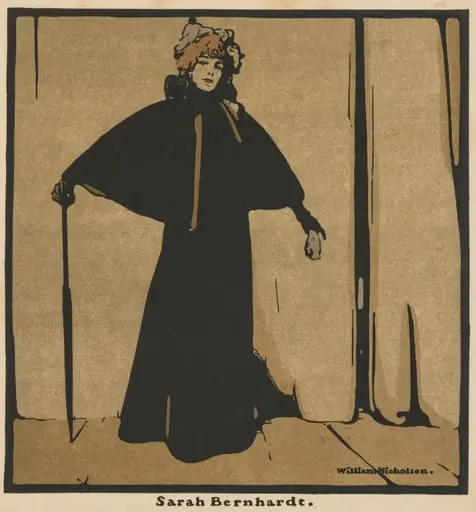
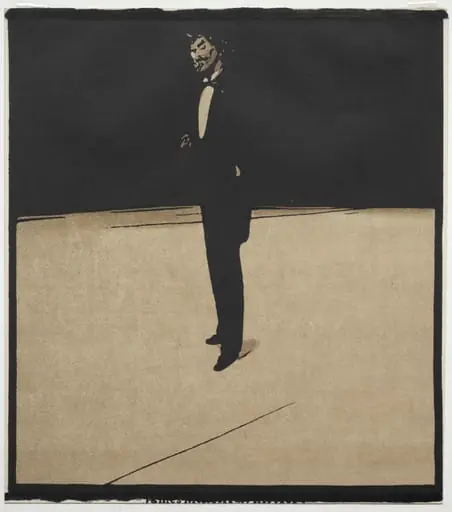
The London Types series comprises twenty prints created in the 1890s, capturing everyday individuals across the city. Produced under the guidance of publisher William Heinemann, the project sought to portray London’s working population with dignity and balance. Each image presents a single figure, isolated against a dark ground, emphasizing their presence within the urban landscape without narrative distraction.
Subject & Meaning
The Flower Girl depicts a young woman standing on a London street, her modest basket filled with a few wilted blooms. Her worn coat and solitary posture reflect the economic hardship faced by many street vendors. The image does not idealize poverty but acknowledges resilience, offering a quiet tribute to those who sustained daily life through small-scale labor in the city’s margins.
Technique & Style
The print employs flat, unmodulated colors and strong outlines to isolate the figure from a deep, shadowed background. This stylized approach reduces detail to essentials, heightening the emotional weight of the subject. The lack of atmospheric perspective and minimal contextual elements focus attention entirely on the individual, aligning with contemporary graphic design trends while evoking a sense of timelessness.
History & Provenance
Commissioned by publisher William Heinemann, the series was intended as a social document reflecting urban life at the turn of the century. Heinemann, an advocate for gender equality, insisted on equal representation of men and women. The prints were distributed as part of a broader cultural project, and the Flower Girl is now held in the collection of the Cleveland Museum of Art, preserved as a record of late-Victorian street culture.
Context
In 1890s London, street vendors, particularly women and children, were common sights, selling goods like flowers, matches, or fruit to survive. While often overlooked by middle-class observers, these figures were integral to the city’s rhythm. The London Types series emerged amid growing interest in social realism and urban ethnography, offering a visual archive of those excluded from traditional portraiture.
Legacy
The London Types series contributed to a shift in how ordinary people were represented in art, moving away from caricature toward quiet observation. Though not widely celebrated in its time, the prints have since been recognized for their empathetic portrayal of labor and class. Their formal simplicity and social awareness continue to inform documentary approaches in graphic art and photography.
Own this work as a print
Artist & collection
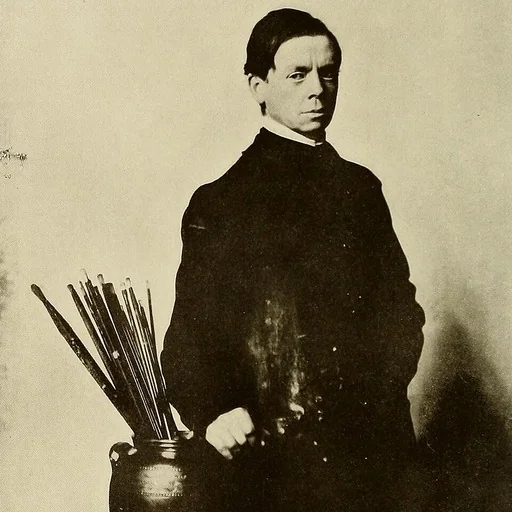
Artist
Sir William Newzam Prior Nicholson (5 February 1872 – 16 May 1949) was a British painter of still-life, landscape and portraits.