Artwork
Gideon Tucker
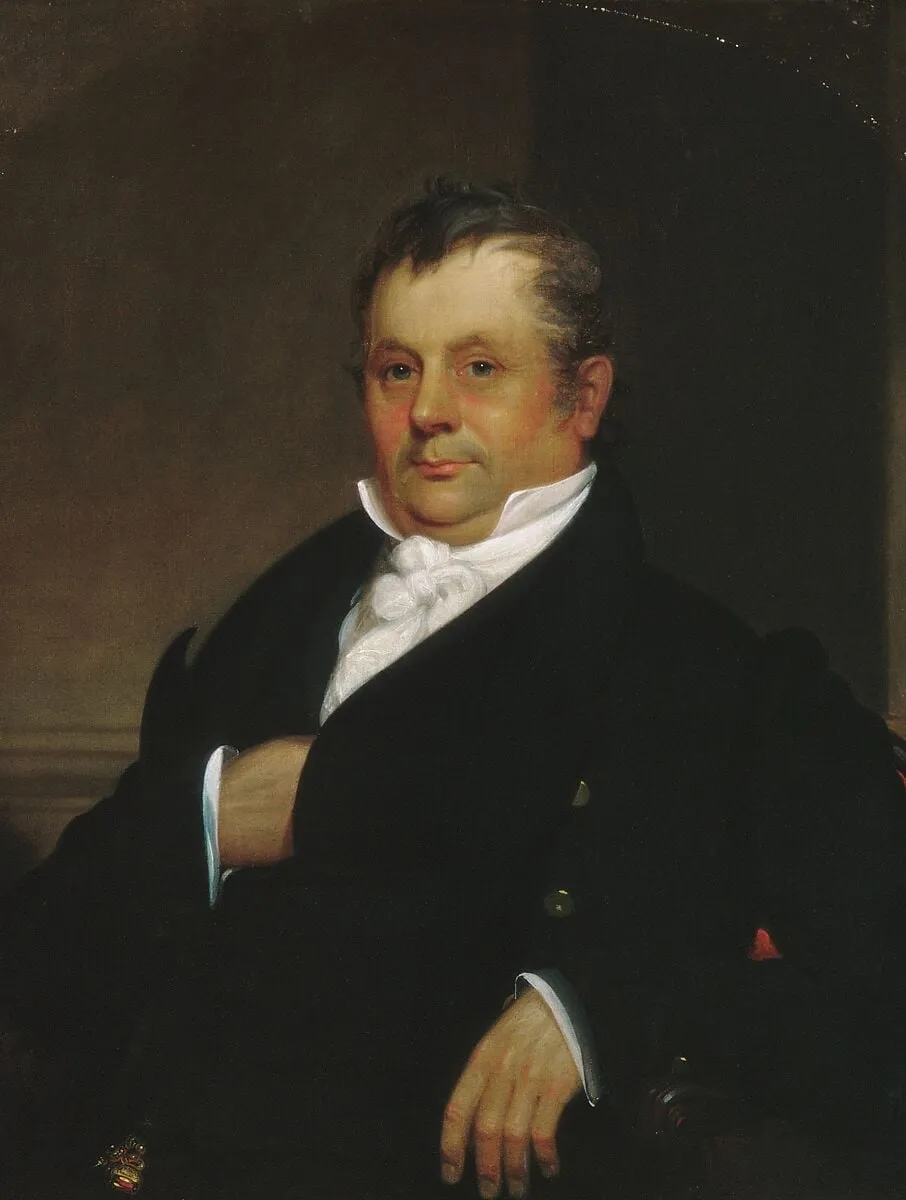
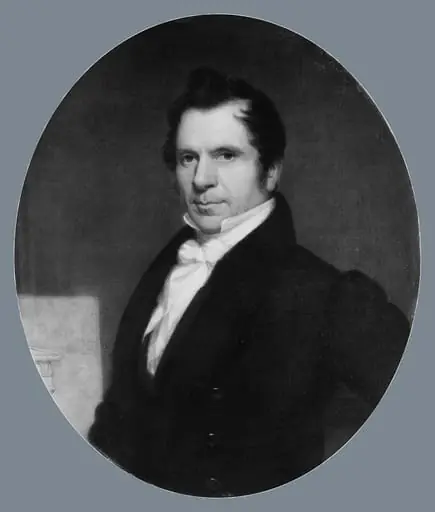
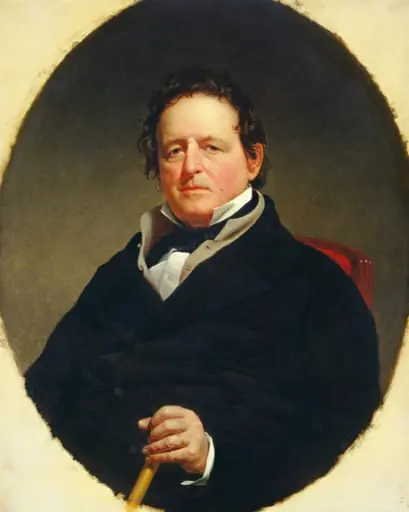
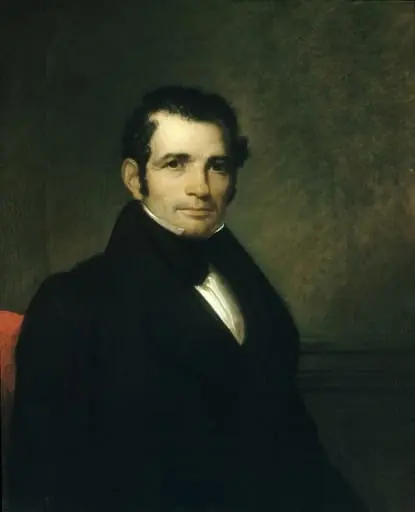
Gideon Tucker is an oil painting by the Hudson River School artist William Sidney Mount. It dates from 1830 and is held in the collection of the Metropolitan Museum of Art.
About this work
Technique & Style
The painting is currently held within the collection of the Metropolitan Museum of Art, where it is classified under the American Wing.
Created in 1830, Gideon Tucker is an oil painting executed on a canvas support. The work measures 86.7 cm in height and 68.6 cm in width. As a portrait by William Sidney Mount, the piece depicts a single male subject, adhering to the conventions of the genre.
The medium consists of oil paint applied to the canvas, a standard material combination for portraiture of the period. The painting is currently held within the collection of the Metropolitan Museum of Art, where it is classified under the American Wing. The formal presentation focuses on the likeness of the man, utilizing the oil medium to render the portrait.
History & Provenance
The painting titled Gideon Tucker, created by William Sidney Mount in 1830 using oil on canvas, is held by the Metropolitan Museum of Art, where it is categorized within the American Wing collection. The museum’s catalogue does not provide an explicit accession or inventory number for the work. Furthermore, the documentation consulted does not mention any exhibition history, suggesting that such records are not included in the available sources.
Context
William Sidney Mount's 1830 oil on canvas titled Gideon Tucker belongs to the American Wing's portrait genre and portrays a seated man, reflecting early nineteenth‑century American elite identity (1). The work entered the Metropolitan Museum of Art collection, where its dimensions (86.7 × 68.6 cm) and material specifics are recorded (2). Scholars view Mount as a pivotal figure bridging folk realism and academic portraiture, and his careful rendering of anatomy and costume contributed to the development of American genre painting (1,2).
Contemporary accounts praised the painting’s technical precision and psychological depth, positioning it as an important example of the transition from neoclassical conventions toward a more naturalistic aesthetic in antebellum art (2).
Legacy
Gideon Tucker, painted by William Sidney Mount in 1830, is housed in the Metropolitan Museum of Art’s The American Wing, where it is presented as a representative example of early American portraiture. Its placement within this distinguished collection has reinforced the work’s scholarly reputation and ensured its continued visibility in studies of 19th‑century American art. The painting’s precise dimensions, oil‑on‑canvas technique, and portrait genre are documented in both the museum’s catalogue and its Wikidata entry, underscoring its significance within the canon of American portraiture.
Overview
William Sidney Mount, a prominent American artist of the 19th century, completed this oil-on-canvas portrait titled Gideon Tucker in 1830. Mount, known for his depictions of rural life, worked primarily in his native Long Island, producing a range of works including portraits, landscapes, and genre scenes. This early work showcases his skill in capturing individual likeness while hinting at the detailed naturalism that characterized much of his output.
Subject & Meaning
The painting presents a direct, seated portrayal of Gideon Tucker, a single male figure. Mount aimed to convey the sitter's individual character and disposition through his artistic choices. Despite its seemingly straightforward composition, the portrait offers insight into Tucker's presence, reflecting the artist's interest in depicting the distinct personalities of the people he encountered in his local community.

Artist & collection
Artist
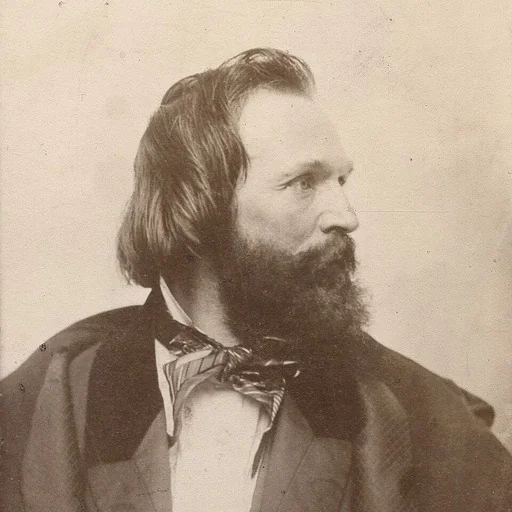
William Sidney Mount (November 26, 1807 – November 19, 1868) was a 19th-century American genre painter.