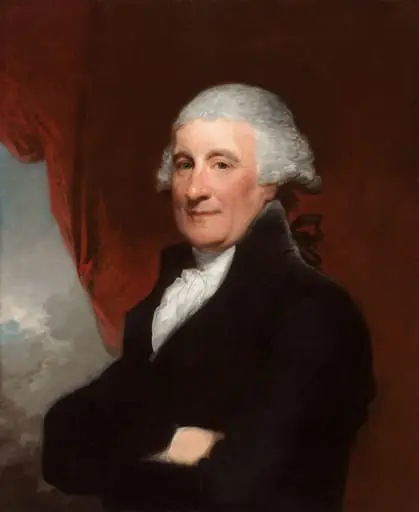
Artwork
Joseph Coolidge
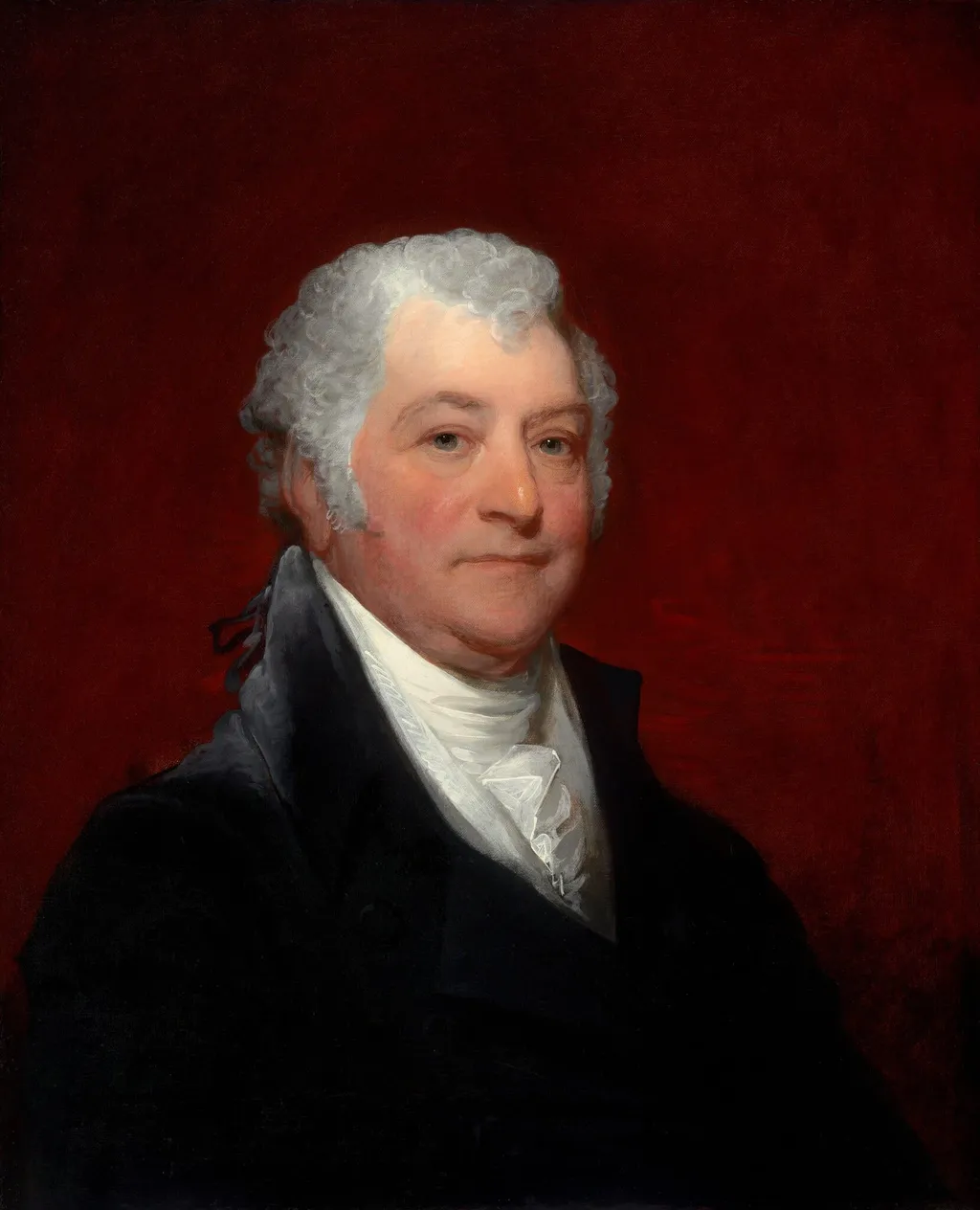
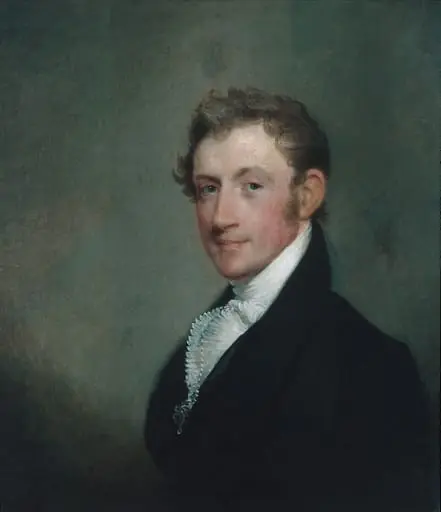
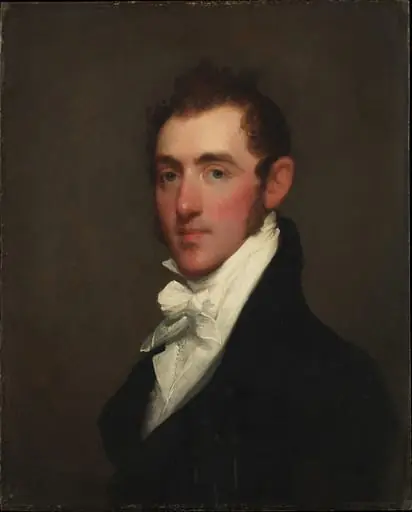
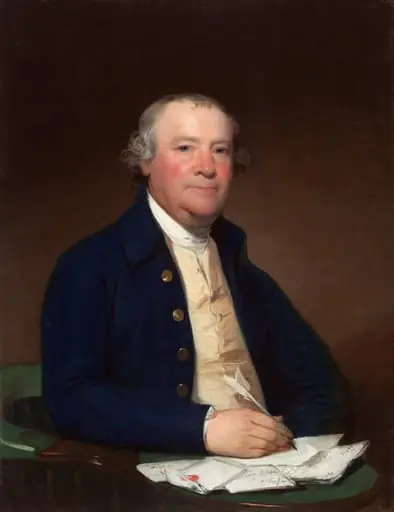
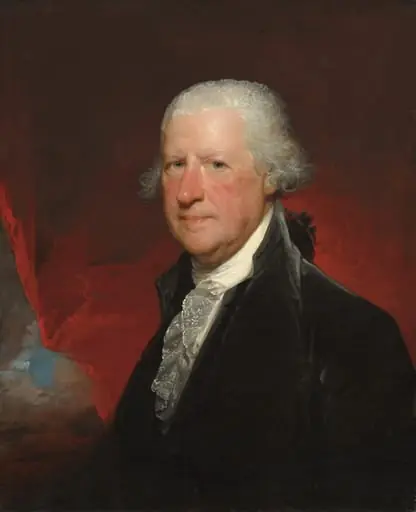
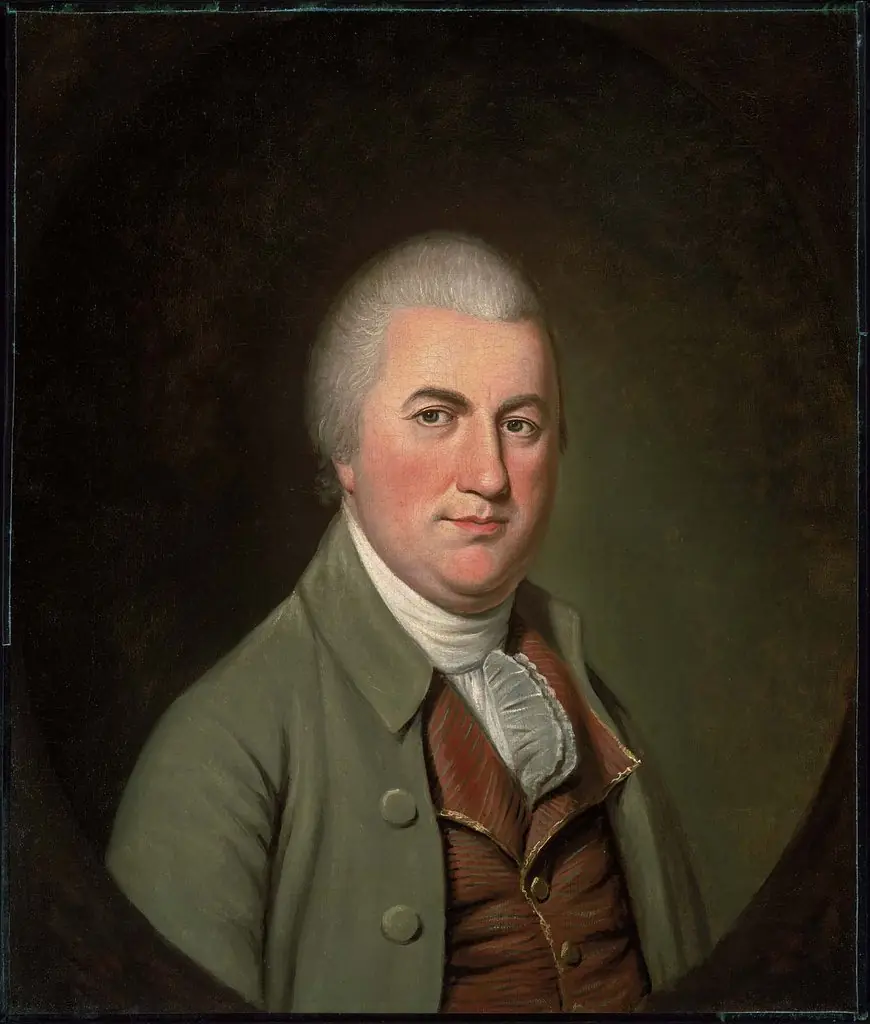
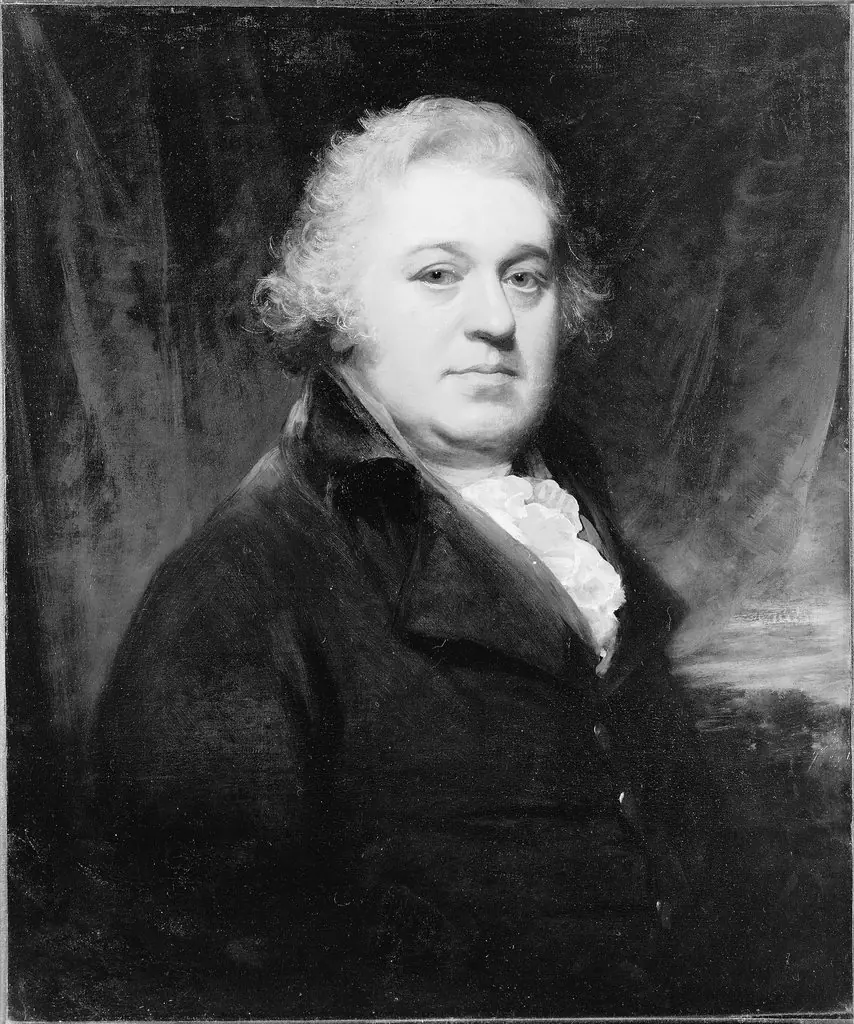
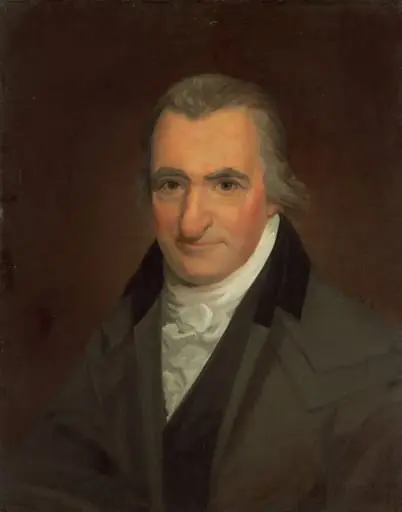
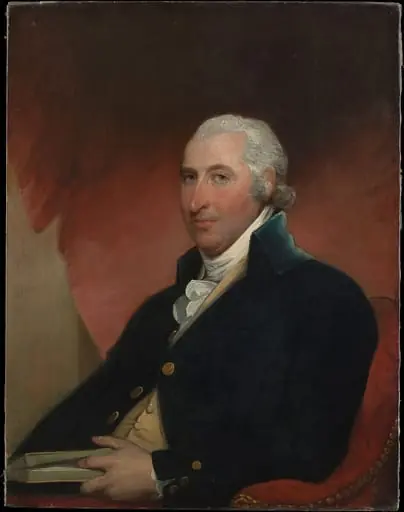
Joseph Coolidge is an oil painting by the American Impressionist artist Gilbert Stuart. It dates from 1820 and is held in the collection of the National Gallery of Art.
About this work
Subject & Meaning
Classified as a portrait, the work functions primarily as a likeness of the sitter rather than an allegorical composition rich in external symbolism.
Gilbert Stuart's 1820 oil painting depicts Joseph Coolidge as its sole subject. Classified as a portrait, the work functions primarily as a likeness of the sitter rather than an allegorical composition rich in external symbolism. The provided records identify the main subject explicitly as Joseph Coolidge, confirming the image represents the specific individual by that name.
No additional iconographic elements, symbolic attributes, or broader metaphorical meanings regarding the sitter's status or character are detailed in the available documentation. Consequently, the work's meaning is derived directly from its function as a formal representation of Coolidge himself, preserved through its provenance within his family before entering the National Gallery of Art collection.
Technique & Style
Joseph Coolidge is executed in oil on a wooden panel, a technique typical of early‑19th‑century portraiture. The work, catalogued as an oil painting on wood, measures 71.3 cm by 57.5 cm and depicts the sitter in a conventional three‑quarter view characteristic of Gilbert Stuart’s mature style. Stuart employed layered oil pigments to achieve a smooth surface and subtle modeling of facial features, while the wooden support provided a rigid ground for precise brushwork.
The composition emphasizes crisp delineation of clothing and a restrained palette, reflecting the formal conventions of elite American portraiture of the period.
History & Provenance
Painted by Gilbert Stuart in 1820 in oil on wood, the portrait of Joseph Coolidge descended through the sitter's own family before entering the art market. After the death of his second wife, Katherine Boyer Coolidge, the work passed to her step-granddaughter Catherine Boyer Coolidge Pomeroy of Cincinnati, Ohio, who deposited it with her sister Hetty Coolidge Haight in New York for Haight's daughter Clarissa Alsop Pomeroy. It then went to Clarissa's niece, Margaret Burnet "Greta" Pomeroy Clark, also in New York.
In January 1918 the painting was sold through M. Knoedler & Co. in New York to the dealer, and on 31 January 1918 it was acquired by Thomas B. Clarke of New York. Following Clarke's death, the work was sold as part of the Clarke collection on 29 January 1936 through Knoedler to The A.W. Mellon Educational and Charitable Trust in Pittsburgh, which gave it to the National Gallery of Art in 1940.
The portrait is held by the National Gallery of Art in Washington, D.C., as part of the Andrew W. Mellon Collection, having entered the institution in 1940 as a gift from The A.W. Mellon Educational and Charitable Trust, Pittsburgh. The Trust had acquired it on 29 January 1936 through M. Knoedler & Co., New York, as part of the dispersal of the Thomas B. Clarke collection; Clarke himself had purchased the painting from Knoedler on 31 January 1918. Earlier, on January 1918, the work had been sold by Margaret Burnet "Greta" Pomeroy Clark of New York to Knoedler, descending through the sitter's second wife Katherine Boyer Coolidge, her step-granddaughter Catherine Boyer Coolidge Pomeroy in Cincinnati, and subsequently Clarissa Alsop Pomeroy in New York.
Legacy
The portrait of Joseph Coolidge, painted by Gilbert Stuart in 1820, entered the National Gallery of Art in 1940 after a documented series of sales that began with its 1918 disposition through Knoedler to Thomas B. Clarke and culminated in a 1936 transfer to the Mellon Trust. Its inclusion in the Andrew W. Mellon collection and subsequent display at the Gallery cemented the work’s scholarly visibility and contributed to the reevaluation of Stuart’s late portraiture within American art history. The painting’s provenance, traced through several generations of the Coolidge and Pomeroy families, illustrates the persistence of elite New England lineages in museum collections and underscores the portrait’s lasting reputation as a representative example of early‑19th‑century American portraiture.
Overview
This painting by Gilbert Stuart, created in 1820, is a portrait of Joseph Coolidge. Executed in oil on a wooden panel, it captures its subject with a direct and serious demeanor. The work exemplifies Stuart's characteristic approach to portraiture, focusing on the individual's presence and likeness, making it a significant example of early American portraiture.
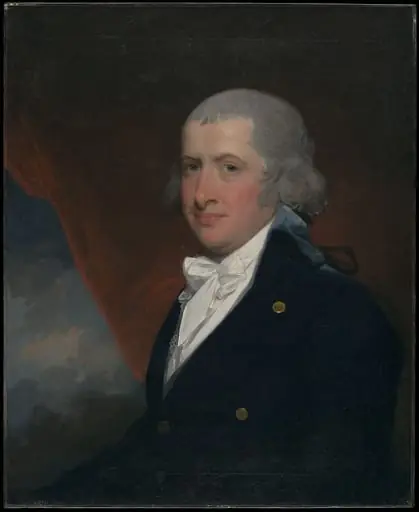
Own this work as a print
Artist & collection

Artist
Gilbert Stuart (né Stewart; December 3, 1755 – July 9, 1828) was an American painter born in the Rhode Island Colony who is widely considered one of America's foremost portraitists.