Artwork
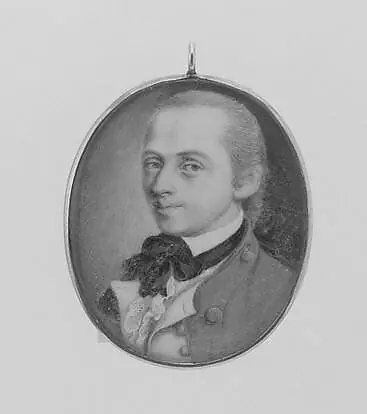
Lieutenant Colonel Elias Parker
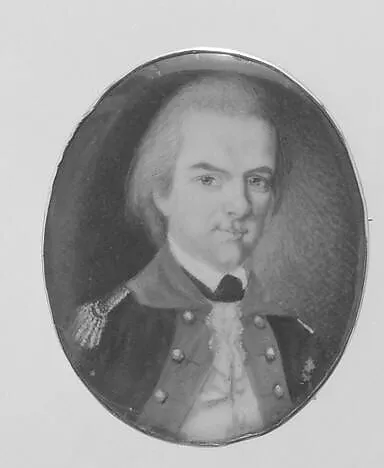
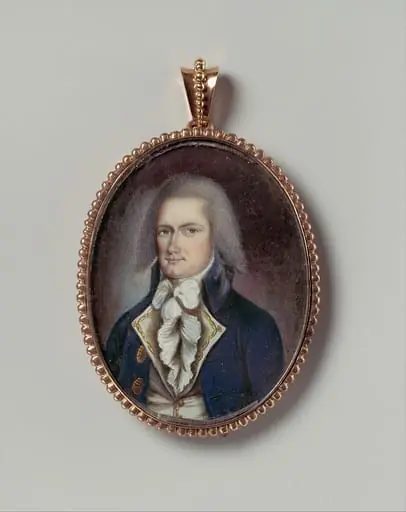
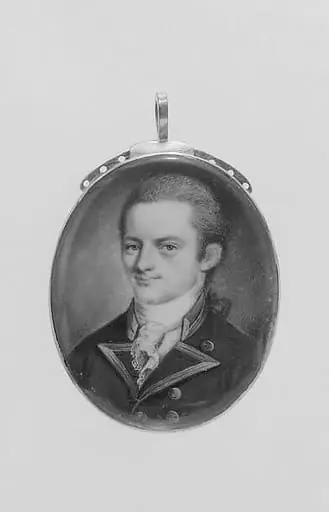
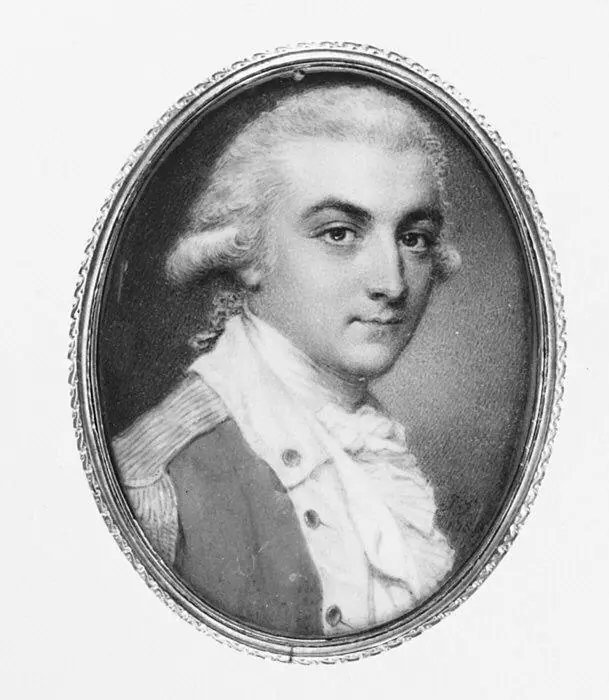
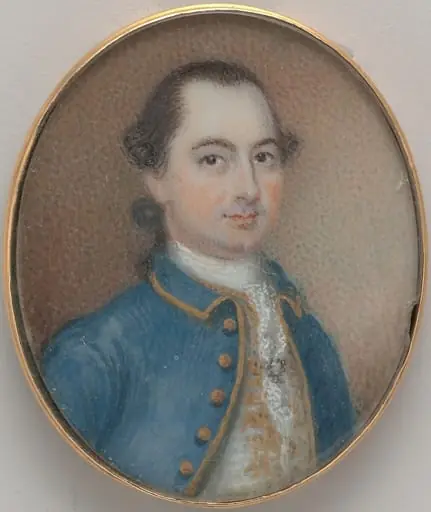
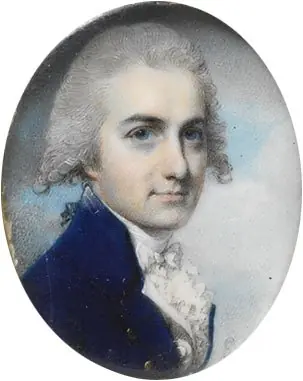
Lieutenant Colonel Elias Parker is a watercolor painting by the American Folk Art artist William Verstille. It dates from 1795 and is held in the collection of the Metropolitan Museum of Art.
About this work
Technique & Style
6 by 3 centimetres, dimensions consistent with intimate, portable miniatures intended as personal keepsakes.
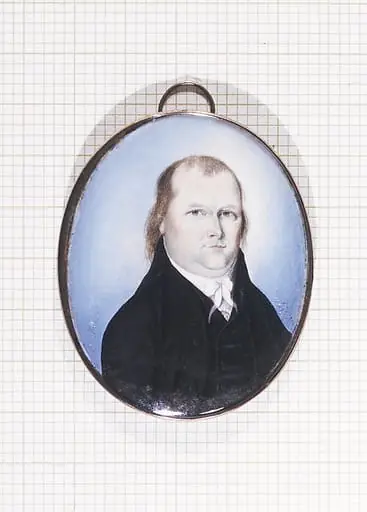
William Verstille executed Lieutenant Colonel Elias Parker in watercolor on ivory, the medium and support characteristic of miniature portraiture in late eighteenth-century America. The work measures 3.6 by 3 centimetres, dimensions consistent with intimate, portable miniatures intended as personal keepsakes. The small scale concentrates attention on the face, with abbreviated treatment of costume and background typical of the genre, while the ivory's natural luminosity lends the portrait a refined finish.
The miniature is held in the Metropolitan Museum of Art's collection. The available records do not detail the specific handling of the brushwork or the work's condition.
History & Provenance
Lieutenant Colonel Elias Parker, a 1795 watercolor on ivory by William Verstille, is held in the collection of the Metropolitan Museum of Art. It is classified within the museum's American Wing. No inventory or accession number is recorded in the available sources, and no exhibition history is documented.
Overview
William Verstille's Lieutenant Colonel Elias Parker, painted around 1795, is a watercolor on ivory portrait. This small-scale work captures a man in formal attire, representing a common form of American portraiture from the late 18th century. Verstille was an active portrait specialist across major East Coast cities, contributing to the genre of American folk art.
Subject & Meaning
The portrait depicts Lieutenant Colonel Elias Parker, presented in a blue military coat with small gold buttons. His powdered white hair and calm, pale face are set against a dark background. Such intimate portraits served as personal mementos, allowing individuals to carry images of loved ones or important figures, much like modern photographs.
Context
During the late 18th century, miniature portraits on ivory functioned as portable personal images for display or remembrance. Verstille, an American artist, specialized in these small-scale likenesses, working in prominent cultural centers such as Boston, Philadelphia, and New York. His works are now preserved in significant institutional collections, reflecting their historical and artistic value.
Artist & collection
Artist
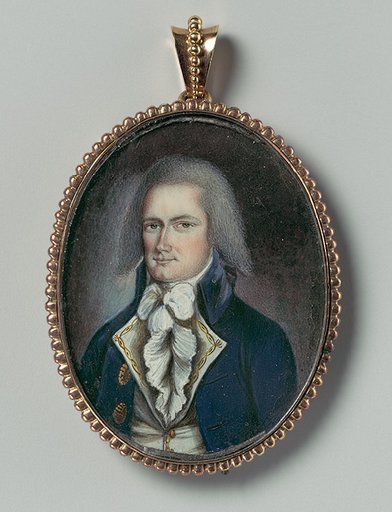
William Verstille (c. 1757 – 1803) was an American artist who worked in Boston, Philadelphia and New York. He specialized in portraits. Examples of his artwork reside in the collections of the Harvard Art Museum,…