Artwork
Frederick Kuhl
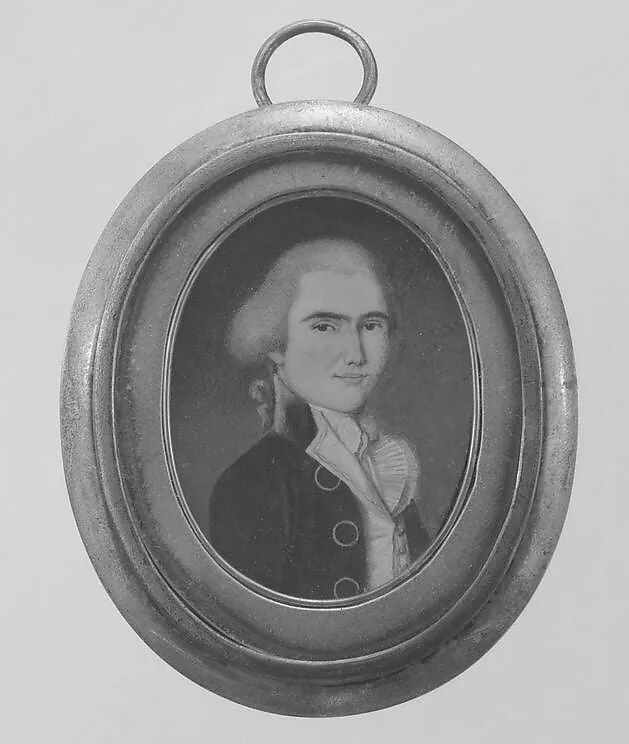
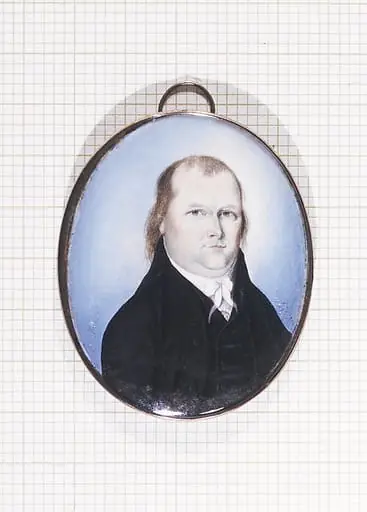
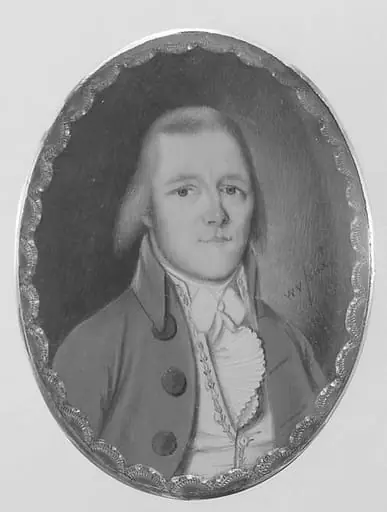
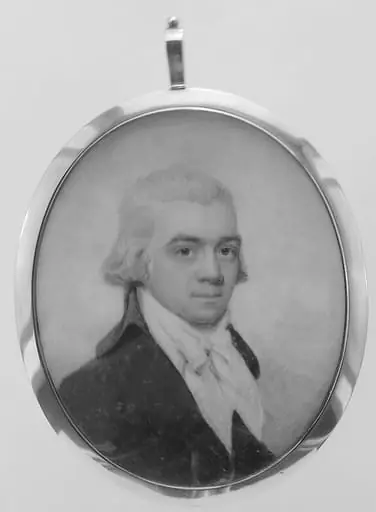
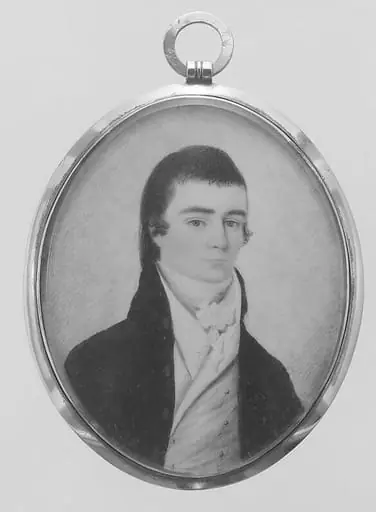
Frederick Kuhl is a watercolor painting by the American Folk Art artist William Verstille. It dates from 1795 and is held in the collection of the Metropolitan Museum of Art.
About this work
Technique & Style
Stylistically, the work aligns with late eighteenth-century American miniature conventions, favoring naturalistic representation over decorative excess.
Executed in watercolor on ivory, the portrait measures 4.1 cm in height and 3.1 cm in width. The miniature’s handling is refined, with delicate brushwork that captures facial features and costume details with precision. The ivory support provides a luminous ground that enhances the translucency of the watercolor layers.
The composition is tightly framed on the sitter’s bust, emphasizing clarity and intimate presence. Stylistically, the work aligns with late eighteenth-century American miniature conventions, favoring naturalistic representation over decorative excess.
History & Provenance
The portrait of Frederick Kuhl was created by William Verstille in 1795. Executed as a watercolor on ivory, the work measures 4.1 by 3.1 inches. It is currently held in the collection of the Metropolitan Museum of Art, where it is classified within the American Wing.
The specific details regarding the original commission, the initial owner, or the subsequent chain of ownership leading to the museum's acquisition are not provided in the available documentation. The work remains attributed to Verstille and dates to the late 18th century, depicting a male subject in the portrait genre.
Frederick Kuhl, a 1795 watercolor on ivory by William Verstille, is held in the collection of the Metropolitan Museum of Art, where it is classified within The American Wing. The work is catalogued as a portrait depicting a man. No specific inventory or accession number is recorded in the available documentation, and no exhibition history is documented in the provided sources.
Overview
This miniature portrait, Frederick Kuhl, was created by American artist William Verstille around 1795. Executed in watercolor on ivory, it depicts a man named Frederick Kuhl. Verstille was active in major East Coast cities like Boston, Philadelphia, and New York during the late 18th century, specializing in portraiture.
The work exemplifies the American folk art tradition prevalent at the time, offering a glimpse into the period's artistic practices.
Subject & Meaning
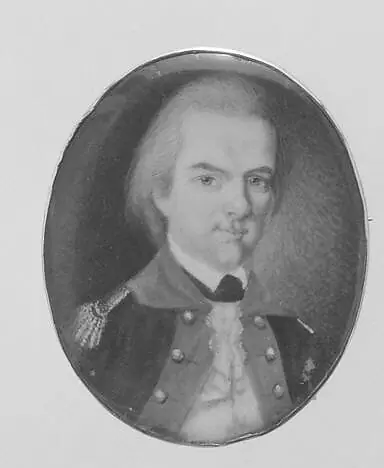
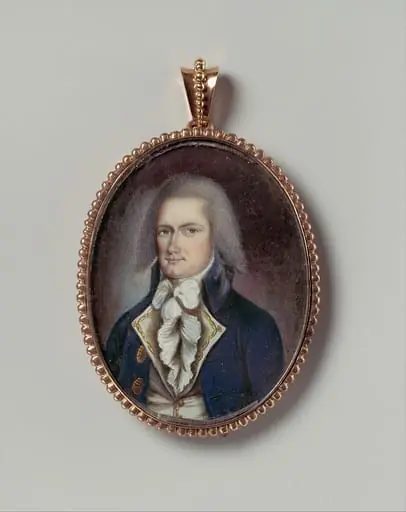
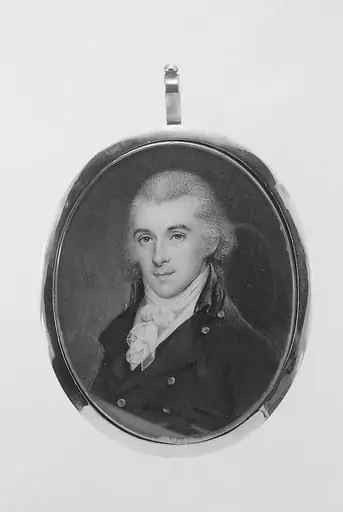
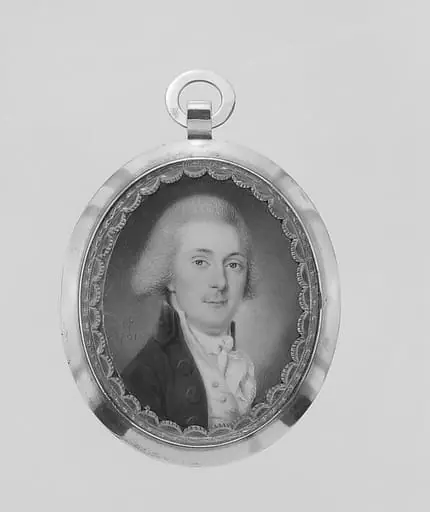
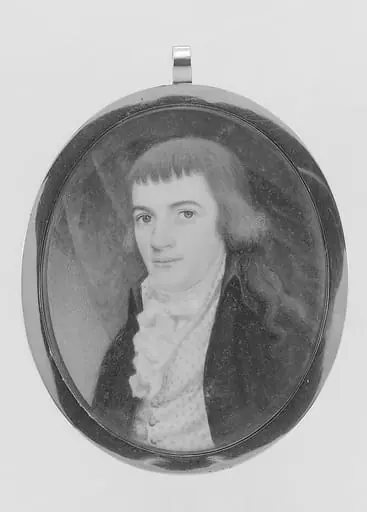
The portrait presents Frederick Kuhl, a man with powdered hair, dressed in a dark coat and a white cravat. His features are depicted with a smooth, almost porcelain-like quality, characteristic of the period's miniature portraits. These small-scale images often served as personal mementos, allowing individuals to carry likenesses of loved ones or to present themselves to others in a portable format.
Context
William Verstille was a notable American portraitist whose works are represented in significant institutional collections, including the Metropolitan Museum of Art and the Museum of Fine Arts Boston. His practice of creating watercolor miniatures on ivory was a widespread art form in the late 18th century, providing accessible and personal forms of portraiture before the advent of photography. This piece contributes to understanding the visual culture of early America.
Artist & collection
Artist
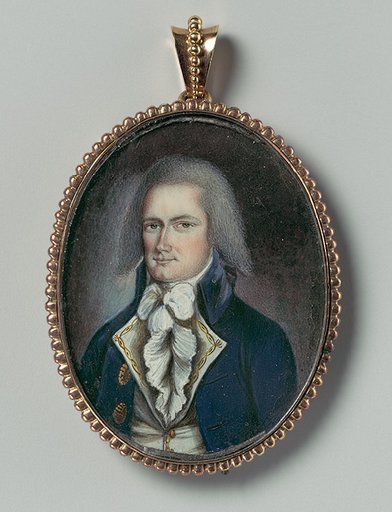
William Verstille (c. 1757 – 1803) was an American artist who worked in Boston, Philadelphia and New York. He specialized in portraits. Examples of his artwork reside in the collections of the Harvard Art Museum,…