Artwork
Portrait of a Gentleman
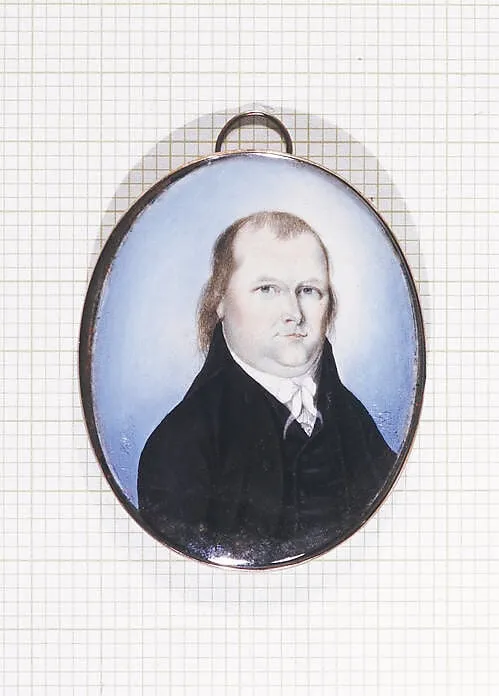
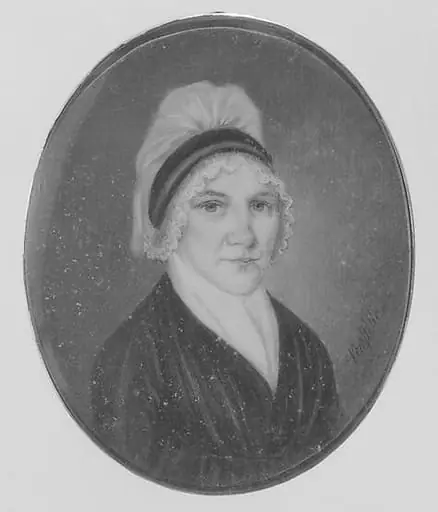
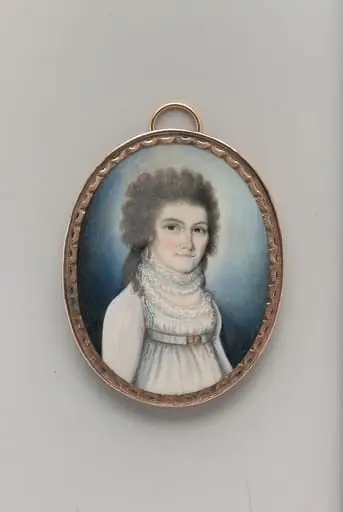
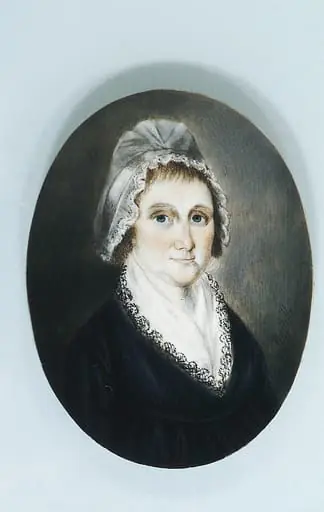
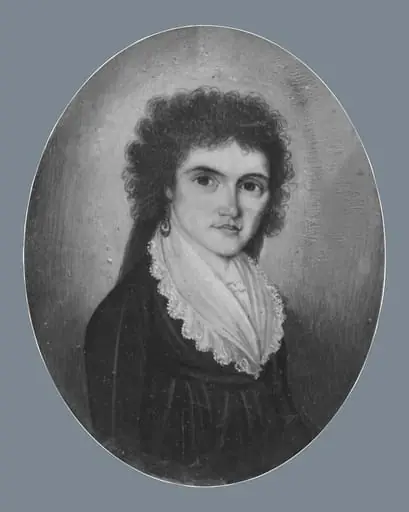
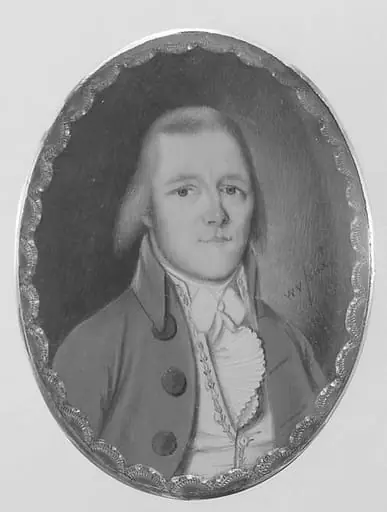
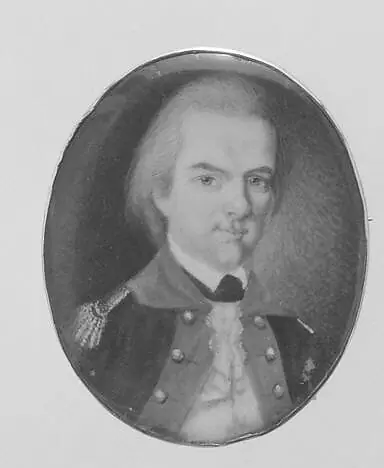
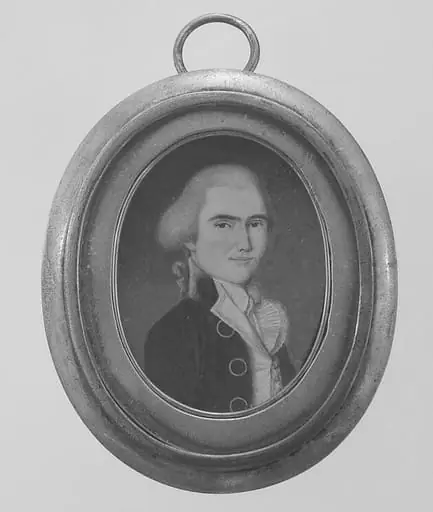
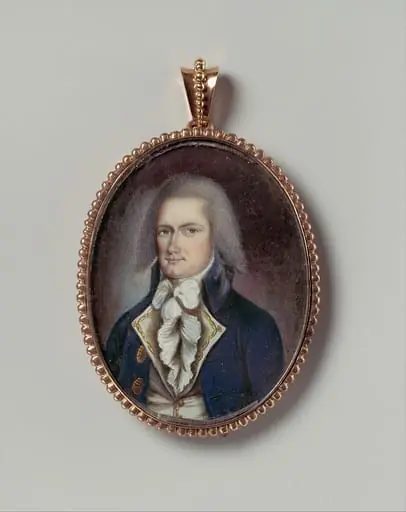
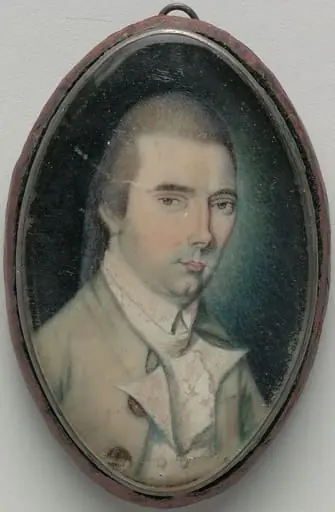
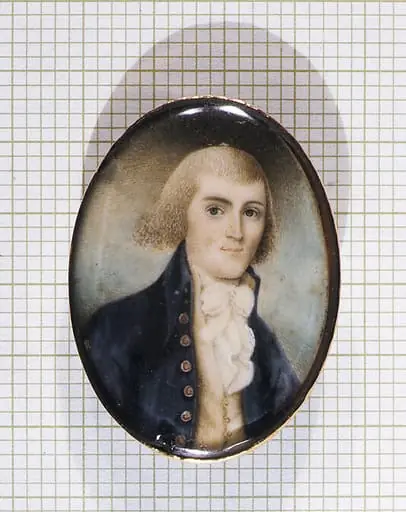
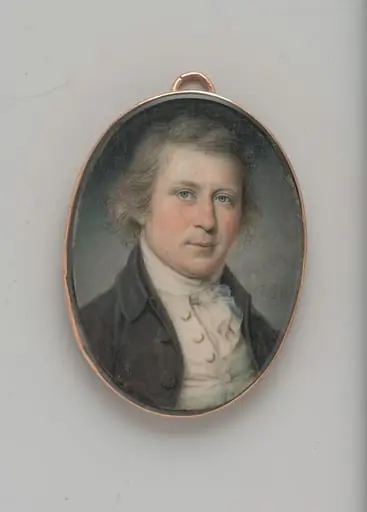
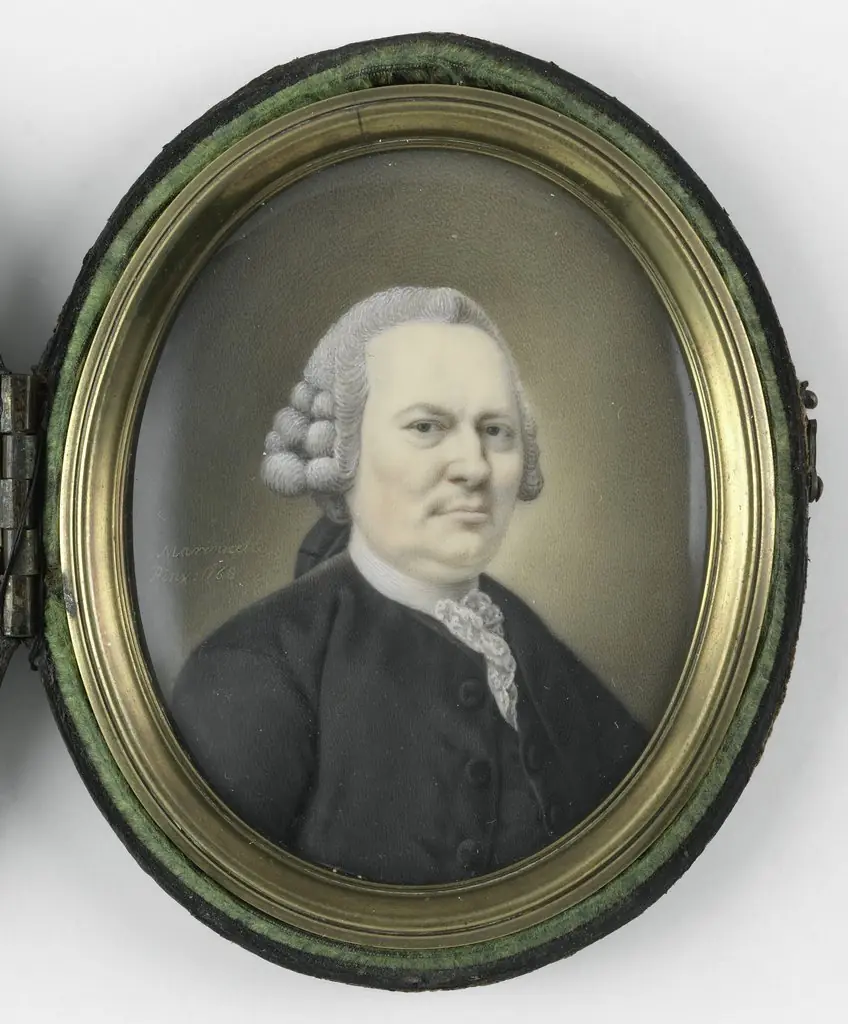
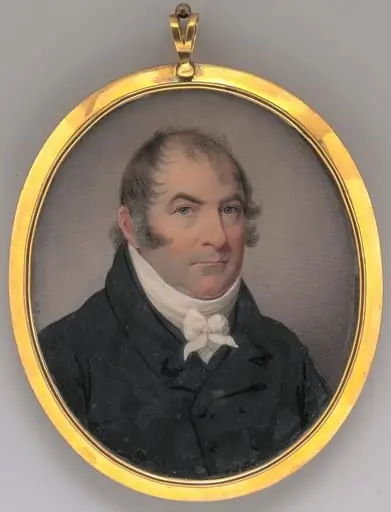
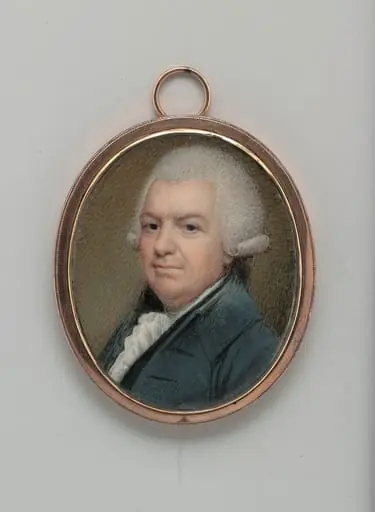
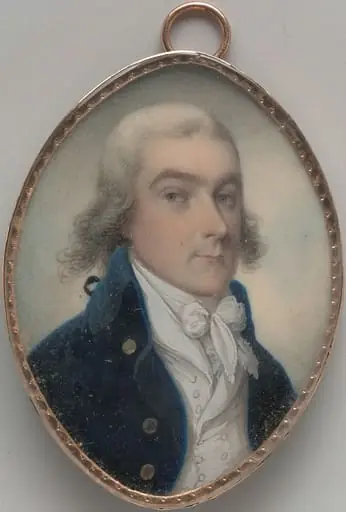
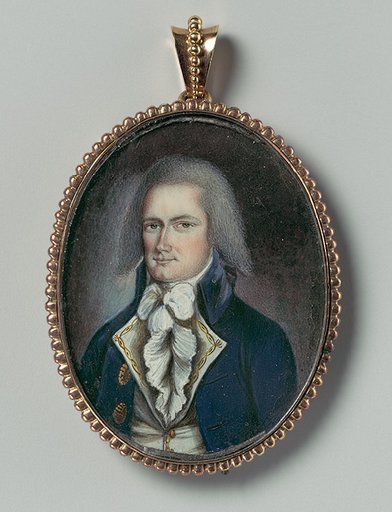
Portrait of a Gentleman is a watercolor painting by the American Folk Art artist William Verstille. It dates from 1795 and is held in the collection of the Metropolitan Museum of Art.
About this work
Technique & Style
6 centimeters, indicating the intimate scale typical of ivory-mounted miniatures from this period.
William Verstille's 1795 Portrait of a Gentleman is executed in watercolor on ivory, a medium and support characteristic of late-18th-century American miniature portraiture. The work measures 5.8 by 4.6 centimeters, indicating the intimate scale typical of ivory-mounted miniatures from this period. Watercolor on ivory demanded exceptional precision: the non-absorbent, smooth surface of ivory required controlled, delicate handling to achieve tonal gradations and fine detail.
The formal qualities reflect the conventions of Federal-era American portraiture, likely presenting the sitter with dignified restraint, appropriate to the genre's emphasis on social status and refinement.
History & Provenance
The work titled Portrait of a Gentleman was created in 1795 by the artist William Verstille. Executed as a watercolor on ivory, the piece measures approximately 5.8 by 4.6 units. The painting is currently held in the collection of the Metropolitan Museum of Art, where it is classified under The American Wing.
While the specific original commissioner and the full chain of previous ownership are not detailed in the available records, the work's inception is firmly dated to the late eighteenth century. It entered the museum's holdings under the accession number 2006.235.264, identifying it as a significant example of portraiture from this period within the institution's catalog.
The Portrait of a Gentleman, created by William Verstille in 1795, is held in the collection of the Metropolitan Museum of Art. The work is accessioned under the number 2006.235.264 and is classified within the museum's American Wing. While the piece is a watercolor on ivory depicting a man, the provided sources do not contain specific records regarding its exhibition history or prior provenance beyond its current institutional location and accession details.
Overview
William Verstille, an American artist, created this Portrait of a Gentleman around 1795. Rendered in watercolor on ivory, this small-scale work exemplifies the artist's dedication to capturing individual features. Such miniature portraits were common in late 18th-century America, serving as personal mementos and reflecting a focus on individual likenesses within the period's art.
Subject & Meaning
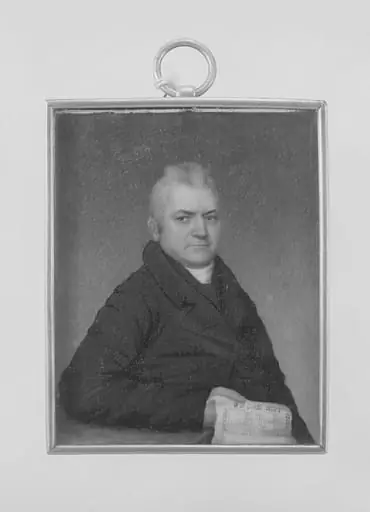
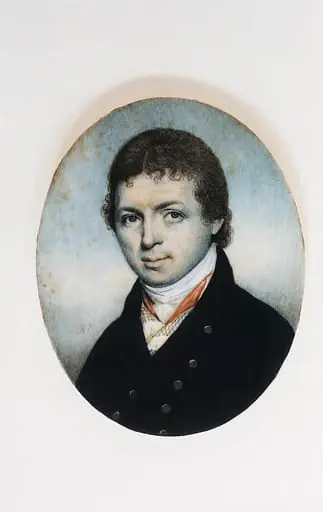
The portrait features a man in a dark coat, a crisp white cravat, and powdered hair, gazing directly forward in a formal, characteristic pose of the late 18th century. Its diminutive size, smaller than a playing card, suggests it was intended for personal possession. This format allowed the owner to carry a likeness of a loved one or an esteemed individual, much like a modern photograph.
Context
Active across major American cities including Boston, Philadelphia, and New York, William Verstille was a prominent portraitist during the late 18th century. This work aligns with the broader American folk art tradition of the era, which emphasized direct representation and individual character. His practice contributed to the visual culture of a nascent nation, documenting its citizens through personalized imagery.
Legacy
Verstille's work is recognized for its contribution to American portraiture. His miniatures, including examples such as this one, are preserved in significant institutional collections. These holdings, which include the Metropolitan Museum of Art and the Museum of Fine Arts, Boston, attest to the enduring historical and artistic value of his output and his place within American art history.
Artist & collection
Artist
William Verstille (c. 1757 – 1803) was an American artist who worked in Boston, Philadelphia and New York. He specialized in portraits. Examples of his artwork reside in the collections of the Harvard Art Museum,…