Artwork
Chime of Thirteen Bells for Christ Church, Cambridge, Massachusetts, Manufactured by Messrs. Henry N. Hooper & Co., of Boston
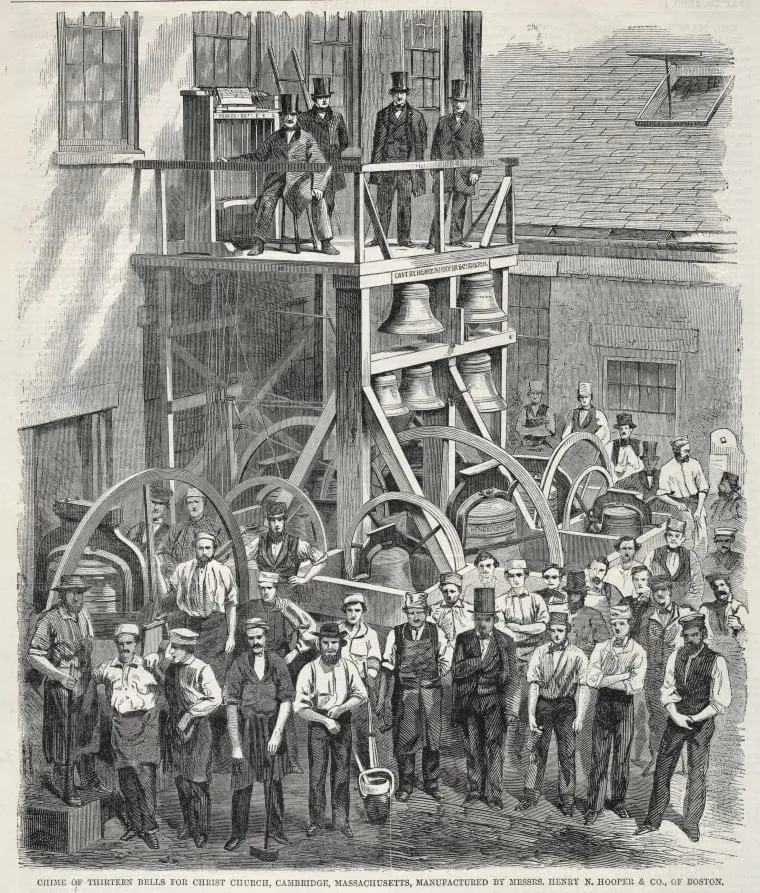
Chime of Thirteen Bells for Christ Church, Cambridge, Massachusetts, Manufactured by Messrs. Henry N. Hooper & Co., of Boston is a print by the Impressionist artist Winslow Homer. It dates from 1860 and is held in the collection of the Cleveland Museum of Art.
- Accession no.
- 1942.1460
- Credit line
- Purchase from the J. H. Wade Fund
About this work
Overview
Created in 1860, this drawing by Winslow Homer depicts the installation of thirteen church bells at Christ Church in Cambridge, Massachusetts.
Created in 1860, this drawing by Winslow Homer depicts the installation of thirteen church bells at Christ Church in Cambridge, Massachusetts. Produced as a commercial illustration, it was made for reproduction by Henry N. Hooper & Co., a Boston-based foundry. At this stage in his career, Homer was primarily working as an illustrator, documenting scenes of American industry and daily life with precision and attention to detail.
Subject & Meaning
The scene captures the collaborative labor involved in casting and installing church bells, a ritualistic act tied to community and faith. Workers are shown in various stages of the process, some operating rigging, others observing or conversing. The absence of religious figures emphasizes the human effort behind sacred objects, suggesting a quiet reverence for craftsmanship as a form of public service.
Technique & Style
Homer rendered the scene with meticulous line work and careful observation of anatomy, clothing, and machinery. The composition balances activity and stillness, guiding the eye across multiple planes, from the elevated platform to the ground-level workers. The drawing reflects the conventions of 19th-century documentary illustration, prioritizing accuracy over emotional expression, yet revealing subtle human interactions within the industrial setting.
History & Provenance
The drawing was commissioned as part of a series documenting Hooper & Co.’s bell production for ecclesiastical clients. It was likely published in a trade catalog or periodical to showcase the firm’s capabilities. After its initial use, the original drawing passed into private hands and is now held in institutional collections, valued for its historical record of American manufacturing and Homer’s early artistic development.
Context
In the 1860s, American illustrators like Homer were increasingly called upon to document industrial processes for public and commercial audiences. This work aligns with the rise of Realism in visual culture, where scenes of labor and machinery were treated with dignity. The focus on craftsmanship reflected broader societal values linking moral character to honest work, even in secular settings like a bell foundry.
Legacy
Though less known than Homer’s later marine paintings, this illustration marks a critical phase in his artistic evolution. It demonstrates his early mastery of composition and observation, skills that would later define his fine art. As a record of 19th-century industrial practice, the drawing remains a valuable artifact, offering insight into the intersection of religion, labor, and technology in antebellum America.
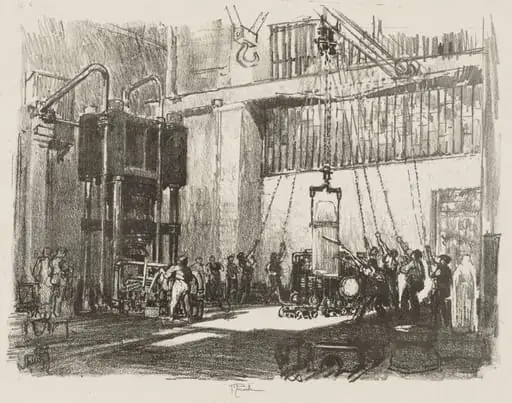
Artist & collection
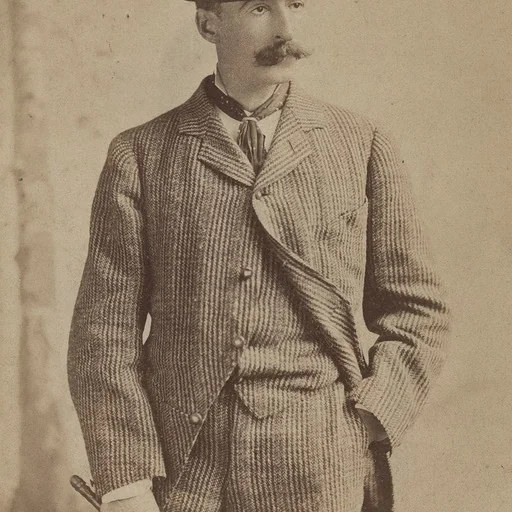
Artist
Winslow Homer (February 24, 1836 – September 29, 1910) was an American landscape painter and illustrator, best known for his marine subjects.

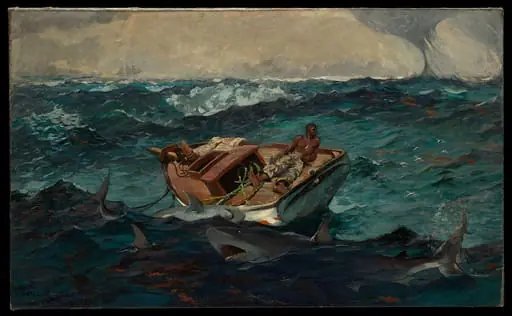

- English War Work: Bottling the Big Shell
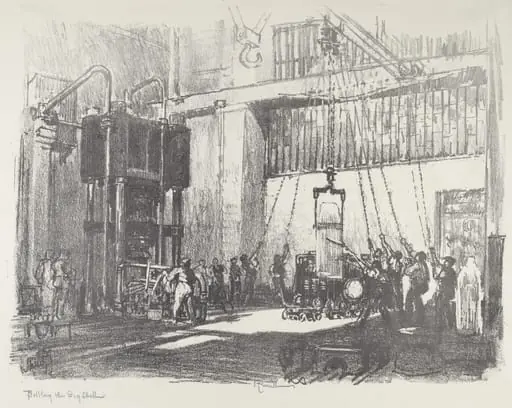 Bottling the Big Shell
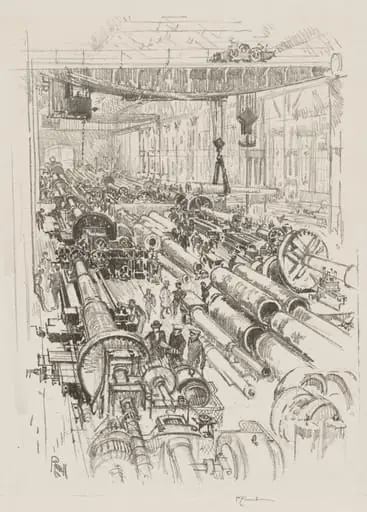 English War Work: The Gun Shop
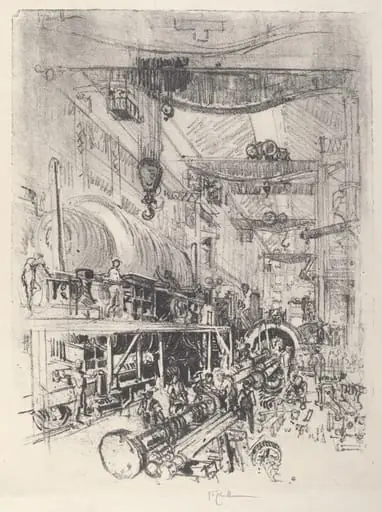 Making a Turbine Engine
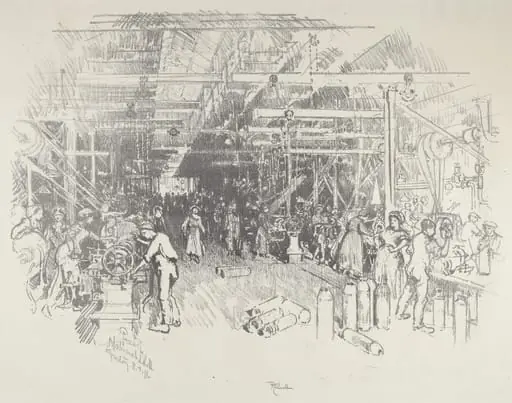 The Shell Factory
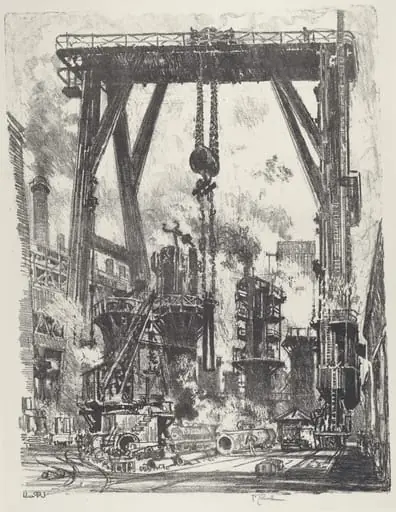 The Old Gun-Pit
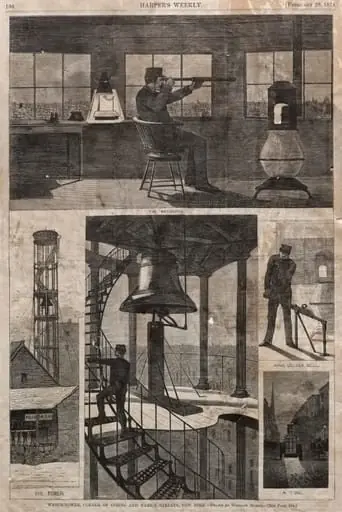 Watch-Tower, Corner of Spring and Varick Streets, New York
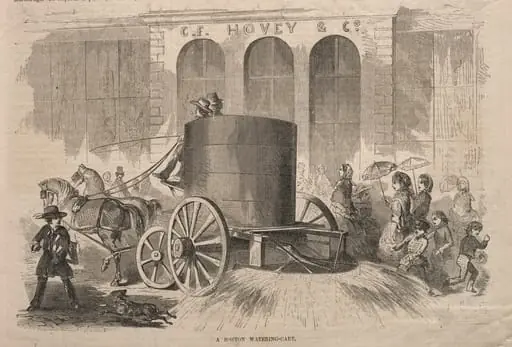 A Boston Watering-Cart
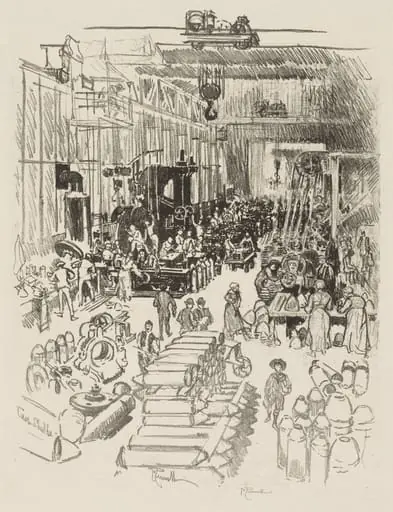 English War Work: Finishing Shells
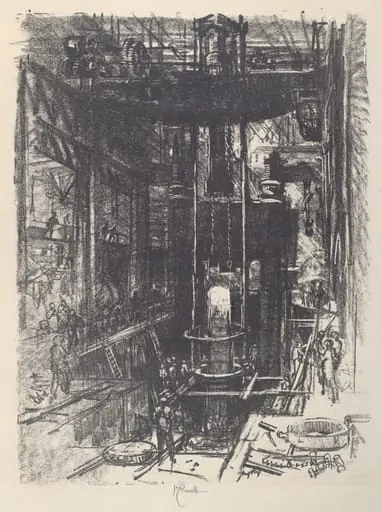 Shaping a Gun from an Ingot
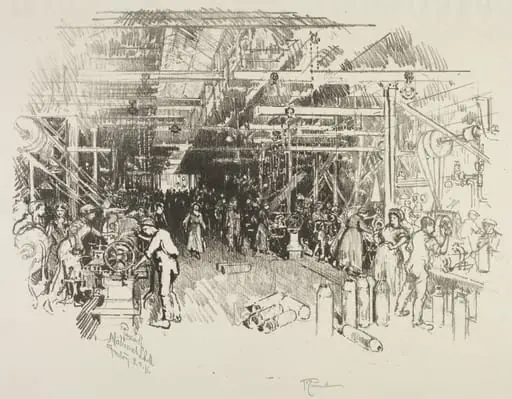 English War Work: The Shell Factory
 English War Work: The Old Gun Pit