Artwork
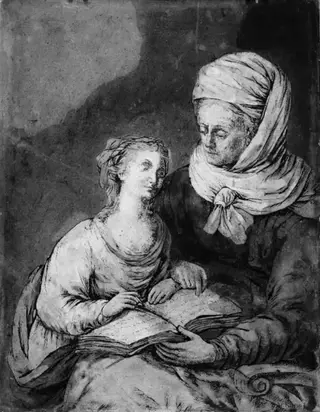
A Mother Teaching her Daughter to Read
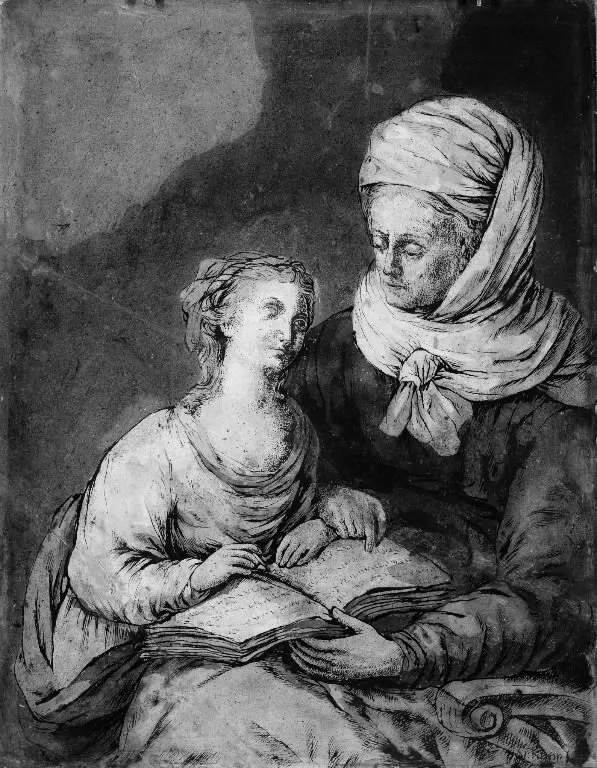
A Mother Teaching her Daughter to Read is an unspecified painting by Wolfgang Koepp. It dates from 1790 and is held in the collection of the Statens Museum for Kunst.
About this work
Overview
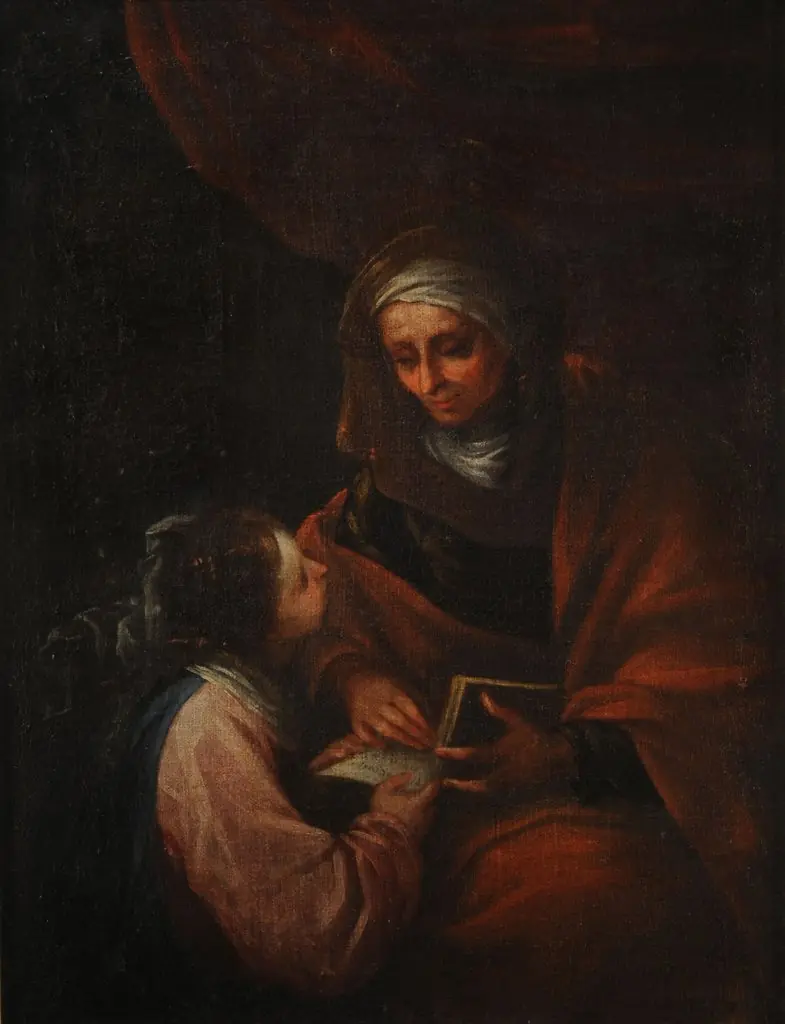
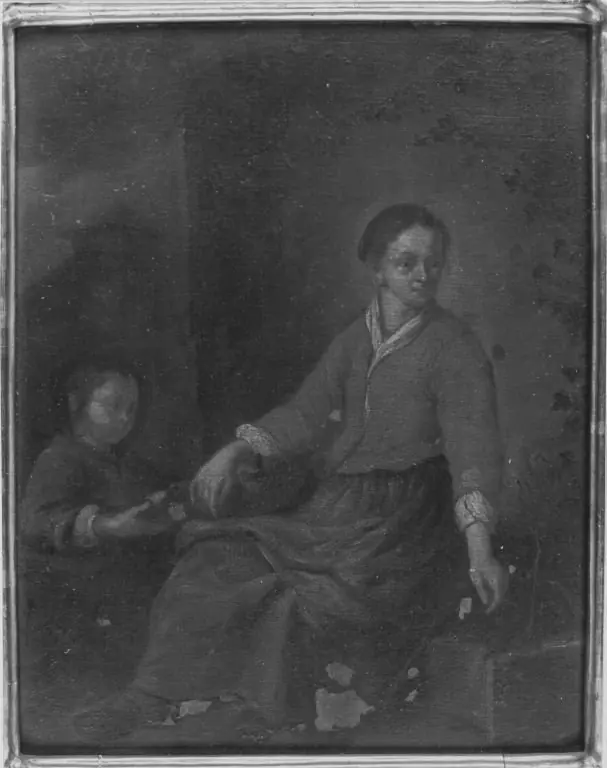
Painted in 1790 by Wolfgang Koepp, this work depicts a quiet domestic moment between a mother and her daughter. The scene is rendered with subtle lighting and restrained detail, focusing on the act of reading as a shared, intimate experience. The painting is part of the collection at Statens Museum for Kunst in Copenhagen, where it remains one of the few known works by the artist.
Subject & Meaning
The painting captures a moment of intergenerational learning, where literacy is transmitted through physical guidance and quiet attention. The mother’s hand rests over the child’s as they follow the text, suggesting not just instruction but emotional presence. The daughter’s upward gaze implies curiosity and trust, framing reading as both an intellectual and relational act within the home.
Technique & Style
Koepp employs a chiaroscuro effect, using a narrow band of warm light to isolate the figures against a deep, neutral background. The mother’s dark attire and headscarf contrast with the daughter’s pale dress, drawing focus to their interaction. Brushwork is soft and unobtrusive, avoiding theatricality in favor of quiet realism that emphasizes the stillness of the moment.
History & Provenance
The painting has remained in Danish public collection since at least the late 19th century, though little documentation exists about its early ownership or exhibition history. Wolfgang Koepp, a relatively obscure artist of the period, left few signed works, making this piece a rare surviving example of his output and a key reference for understanding domestic themes in late 18th-century Danish art.
Context
In the late 1700s, literacy among women and children was increasingly valued in Northern Europe, particularly within middle-class households.
In the late 1700s, literacy among women and children was increasingly valued in Northern Europe, particularly within middle-class households. This painting reflects broader societal shifts toward education as a moral and civic duty, even as formal schooling remained limited. The domestic setting underscores the role of the family, especially mothers, in early learning during a time of evolving educational ideals.
Legacy
Though Koepp’s career was limited in scope, this painting endures as a quiet testament to the cultural importance of reading within the home. It stands alongside similar works from the period that elevate ordinary moments of learning, offering a counterpoint to grand historical narratives. Its preservation in a national museum affirms its value as a document of social practice rather than artistic fame.
Artist & collection