Artwork
A Mother Teaching her Daughter to Read
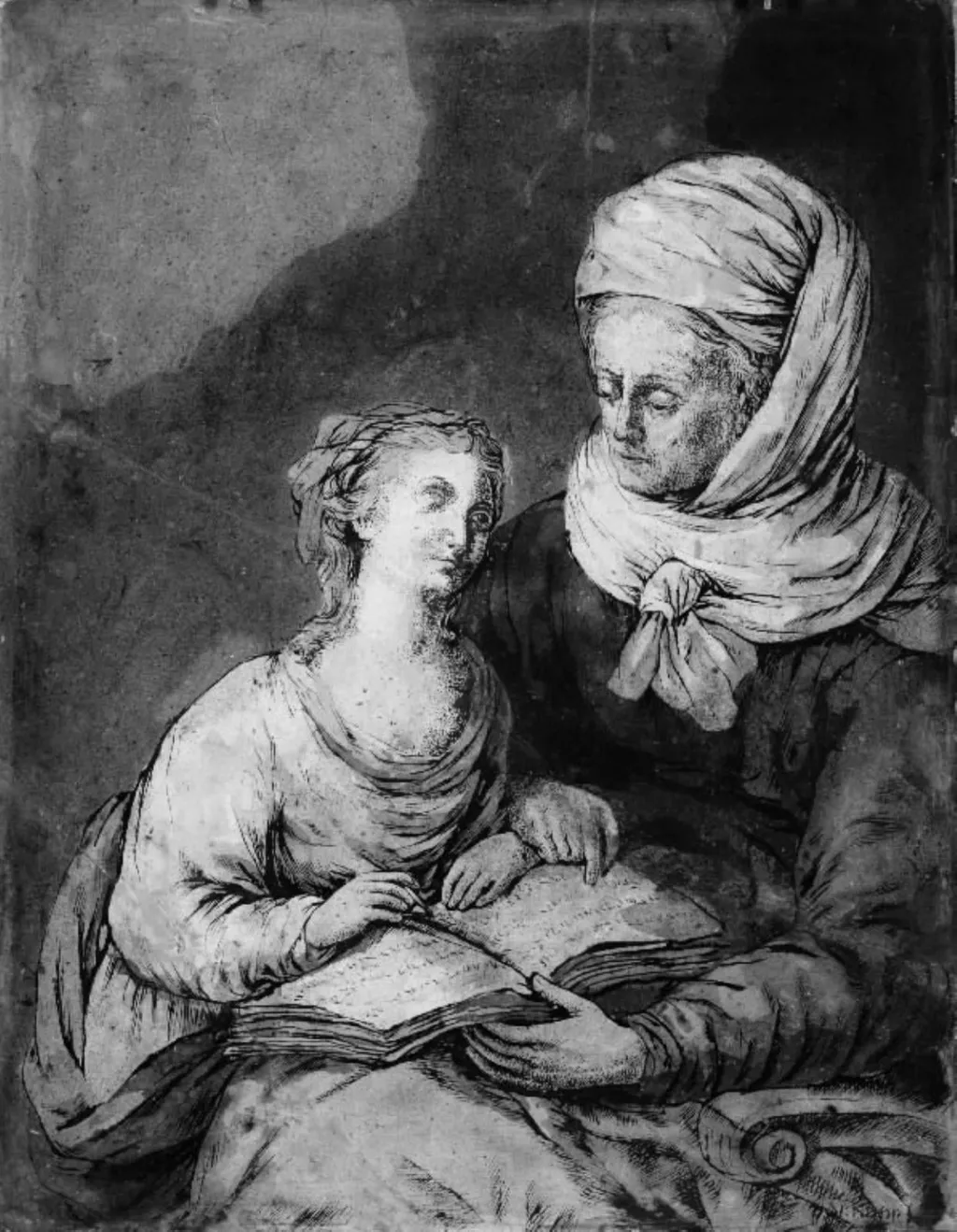
A Mother Teaching her Daughter to Read is a photography by Unknown. It dates from 1750 and is held in the collection of the Statens Museum for Kunst. Painted around 1750, this work depicts a quiet domestic moment between a mother and her young daughter.
About this work
Overview
Though the artist’s identity remains unverified, the painting reflects a common theme in 18th-century genre art: the transmission of literacy within the home.
Painted around 1750, this work depicts a quiet domestic moment between a mother and her young daughter. The scene is rendered in oil on canvas and is part of the collection at the Museum of Ethnography. Though the artist’s identity remains unverified, the painting reflects a common theme in 18th-century genre art: the transmission of literacy within the home. The composition emphasizes intimacy over grandeur, focusing on a single, undisturbed interaction.
Subject & Meaning
The painting captures a mother guiding her daughter’s hand over the pages of a book, suggesting the early stages of reading instruction. The daughter’s focused gaze and the mother’s supportive touch convey a quiet dedication to education. The act is not ceremonial but everyday, underscoring literacy as a personal, familial value rather than a public achievement. The scene implies continuity, knowledge passed from one generation to the next through touch and attention.
Technique & Style
The artist uses soft modeling and muted tones to create a sense of stillness. The mother’s dark clothing contrasts with the daughter’s pale dress, drawing the eye to their connected hands and the open book. Brushwork is restrained, avoiding dramatic highlights or elaborate detail, which reinforces the scene’s humility.
Light falls gently from the left, illuminating the book without casting strong shadows, enhancing the tender, private atmosphere.
History & Provenance
The painting entered the Museum of Ethnography’s collection in the late 19th century, though its earlier ownership is undocumented. It was likely produced in a European urban or provincial setting, where domestic scenes gained popularity among middle-class patrons. No records of exhibition or sale prior to its museum acquisition exist, suggesting it may have remained in private hands until its institutional acquisition.
Context
In mid-18th-century Europe, literacy rates among women were slowly rising, particularly among urban families who valued education for daughters. While formal schooling remained limited, mothers often took responsibility for early instruction. This painting aligns with a growing visual culture that portrayed domestic life as morally significant, reflecting Enlightenment ideals of reason and familial duty, even if not explicitly ideological.
Legacy
The work contributes to a broader visual record of childhood and education in the pre-industrial era. Though not widely known, it offers a subtle counterpoint to more theatrical or allegorical depictions of learning. Its quiet realism has influenced later ethnographic and genre studies, serving as a reference for how private, everyday acts of teaching were visually represented in the 18th century.
Artist & collection









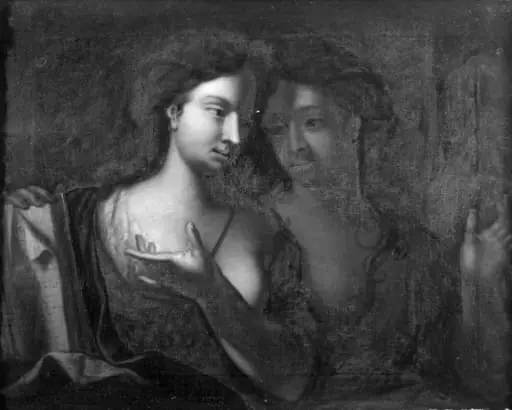 Tvende fruentimmer, hvoraf den forreste holder en bog i sin hånd
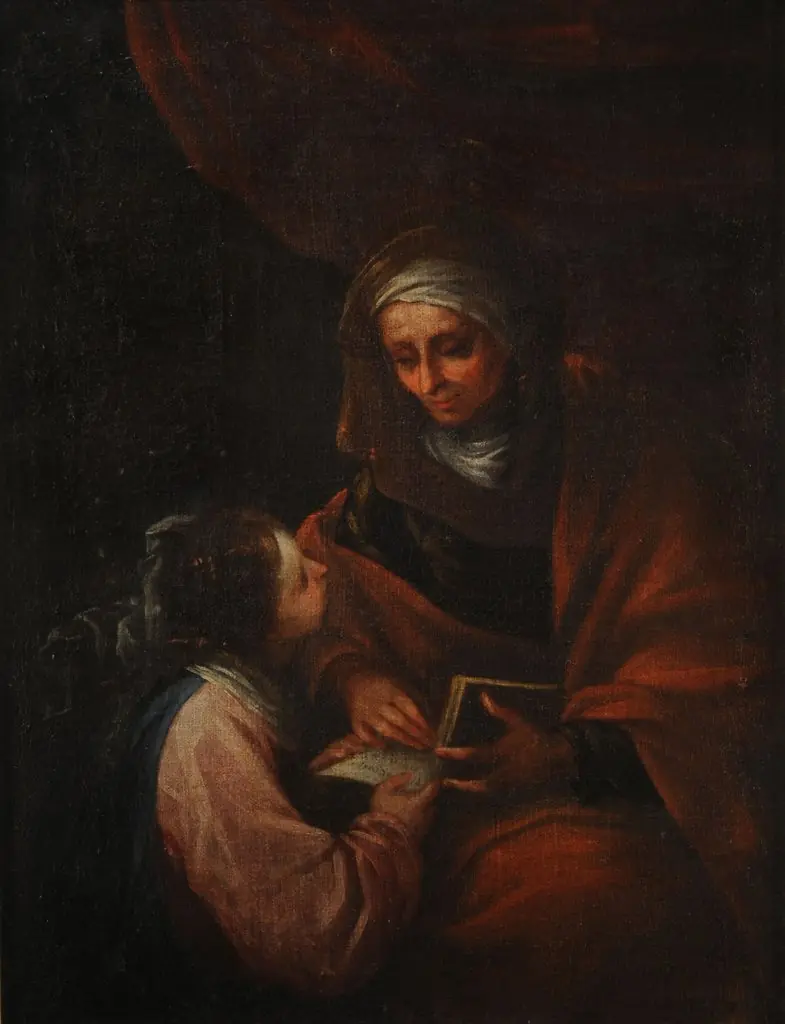 Education of the Virgin
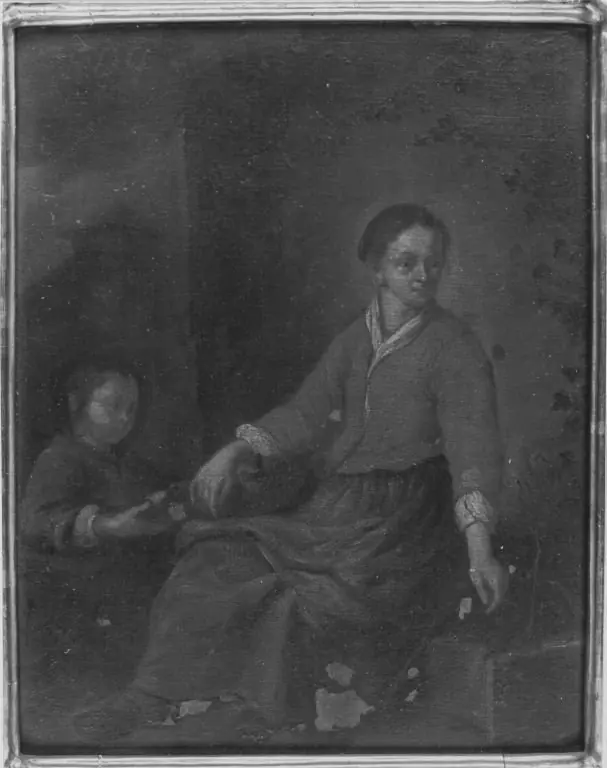 Genrestück
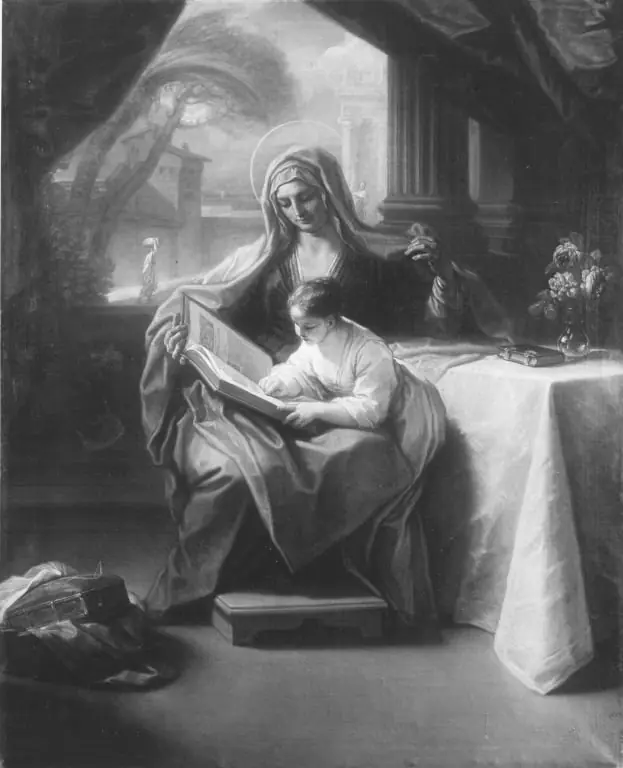 Die Erziehung der Maria
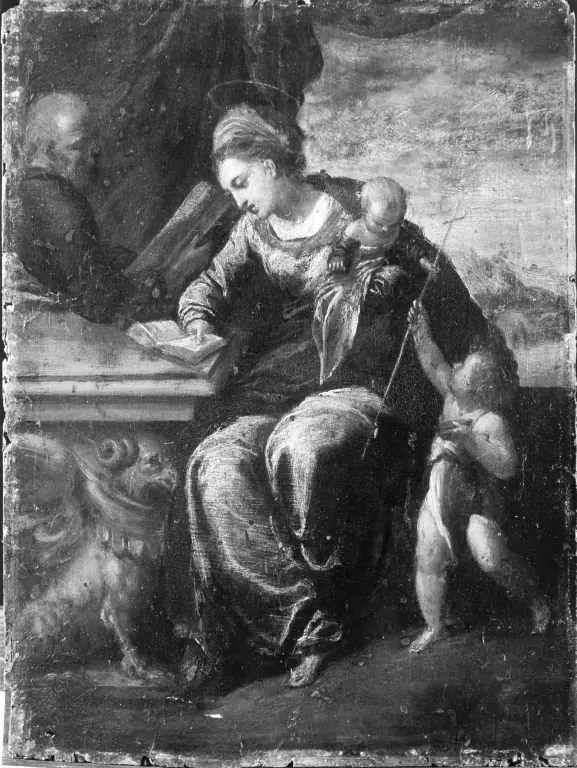 Heilige Familie
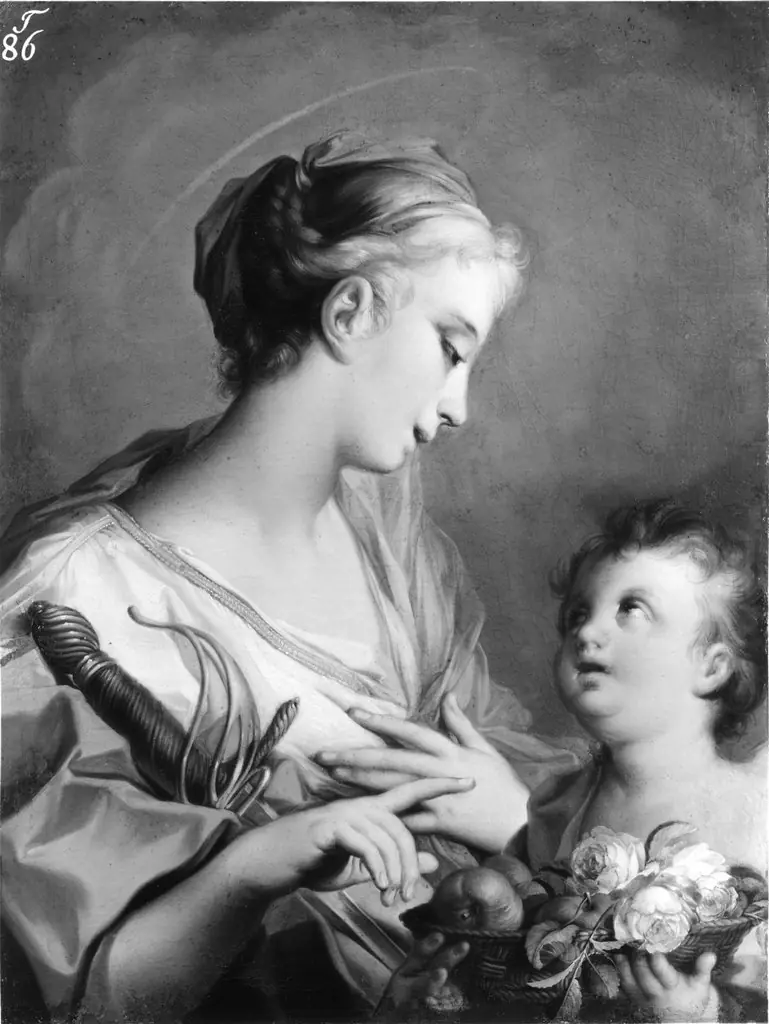 Saint Dorothea
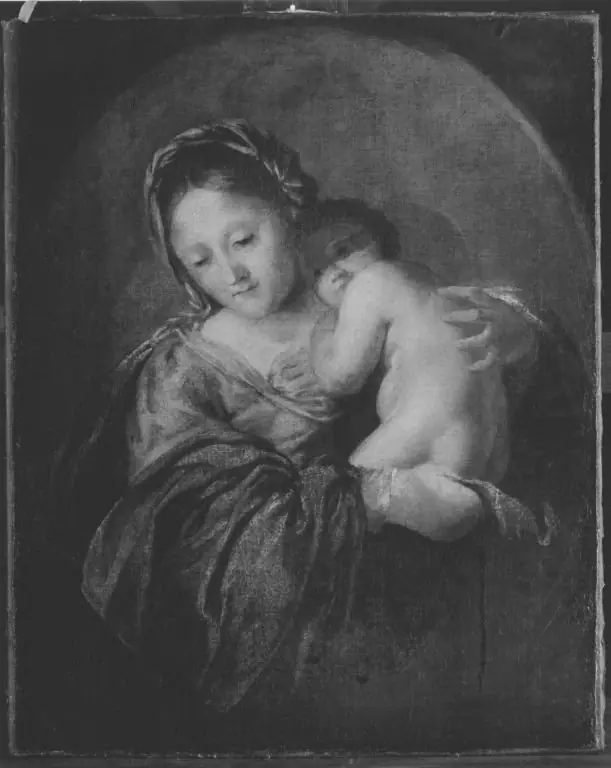 Maria mit Kind
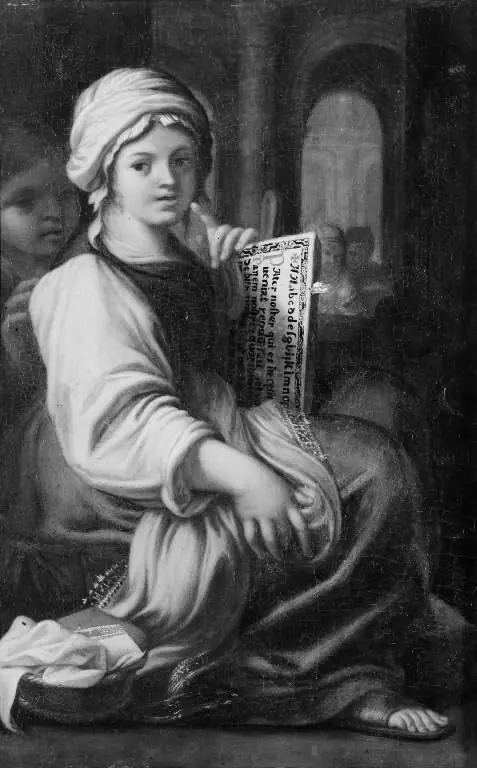 Girl with a Hornbook
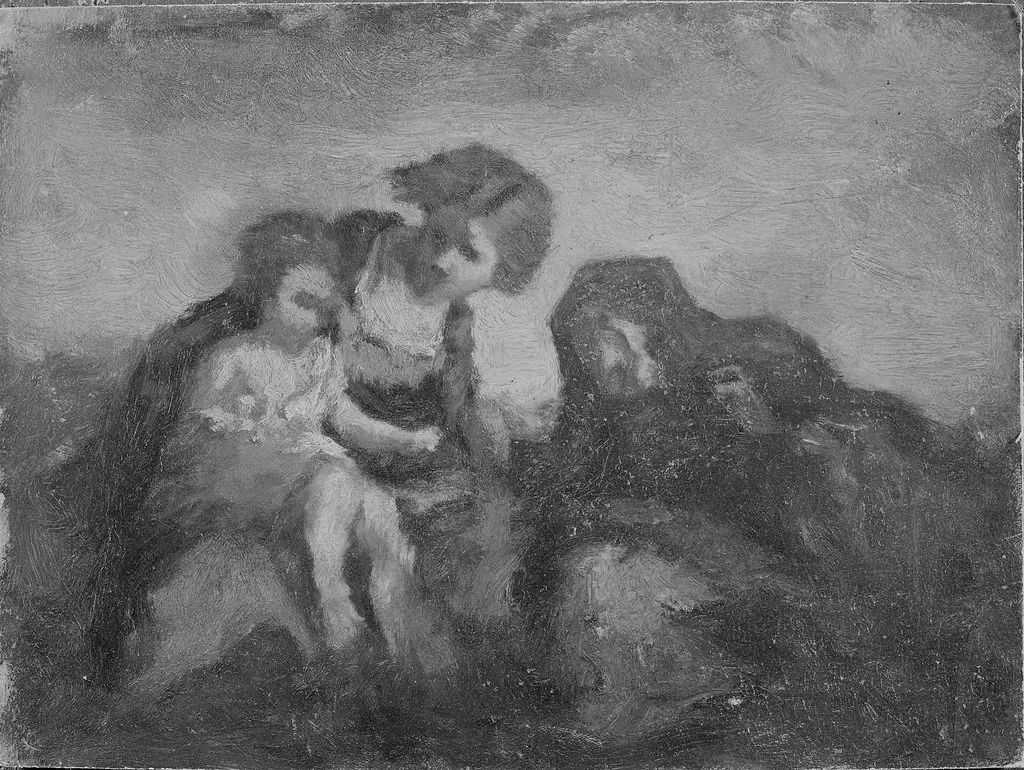 Study for The Fortune Teller
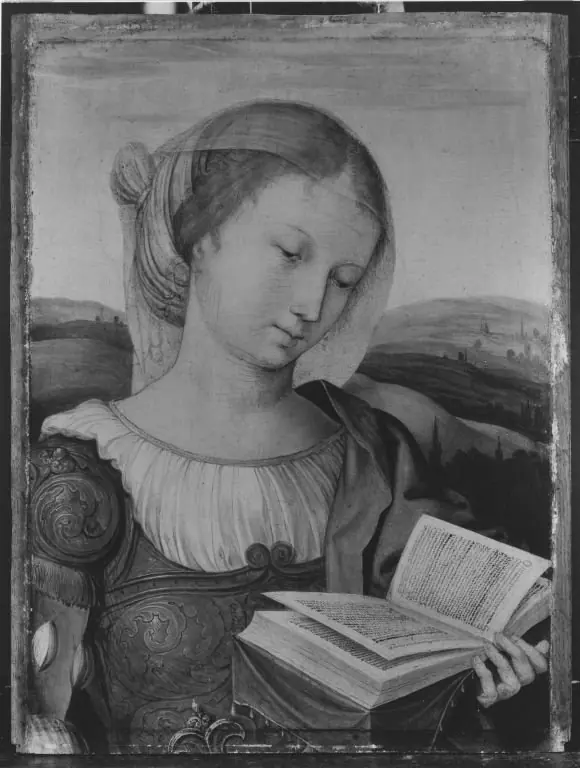 Saint Catherine of Alexandria
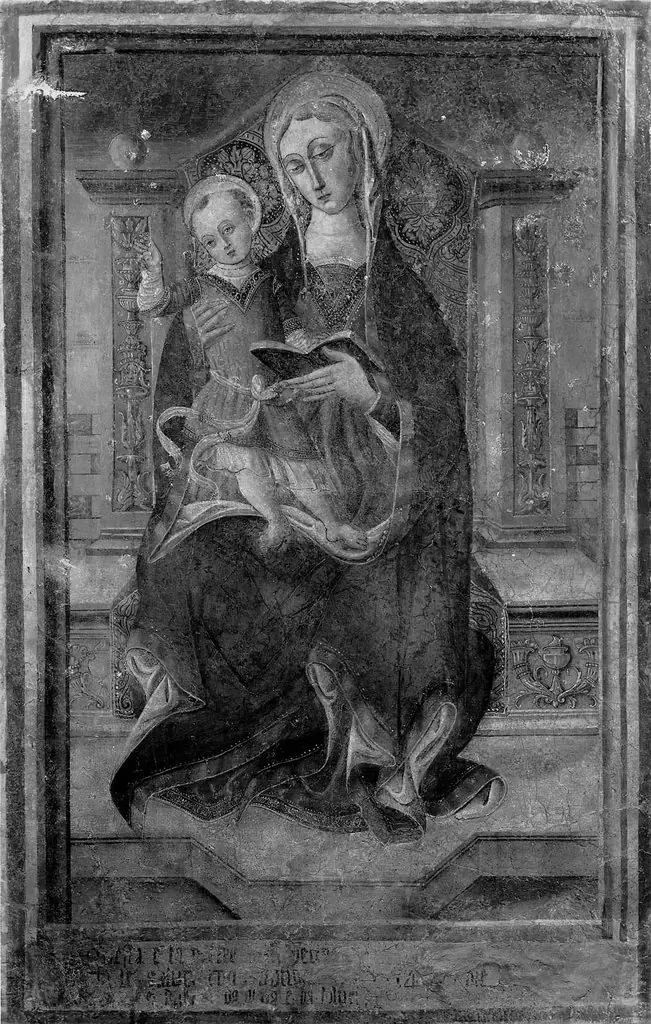 Virgin and Child Enthroned
- A Mother Teaching her Daughter to Read