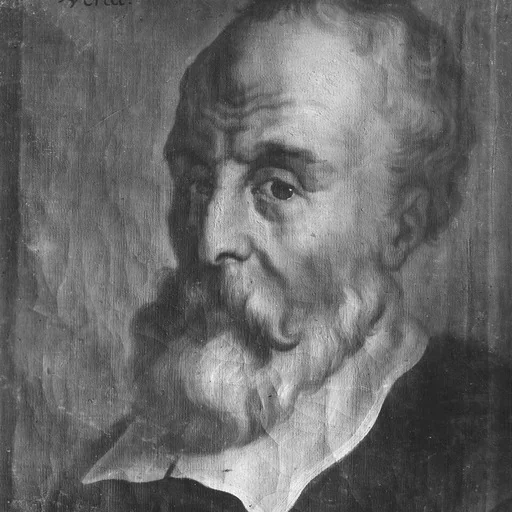
Subject
Reading
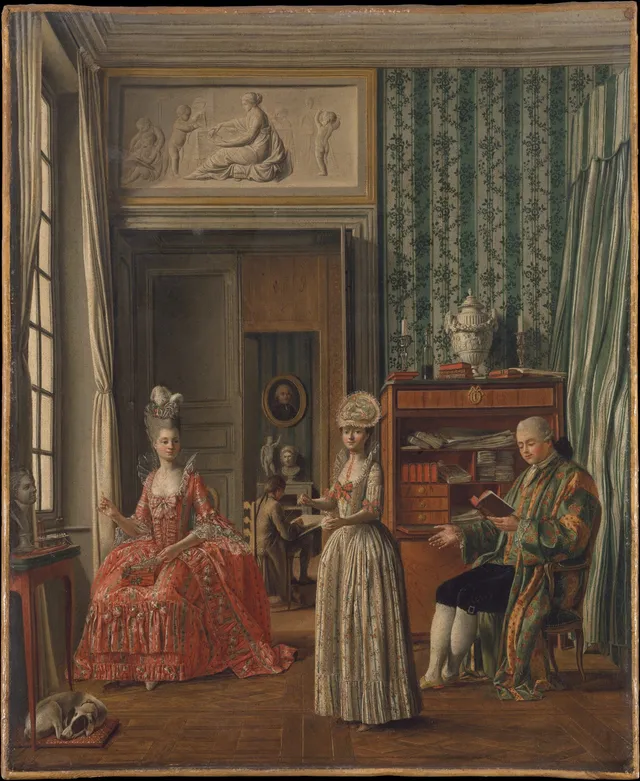
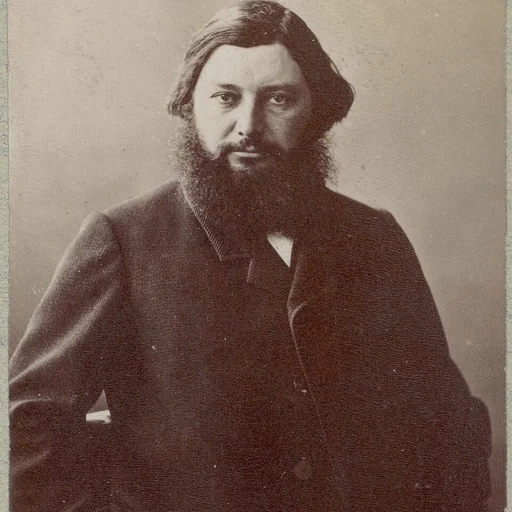
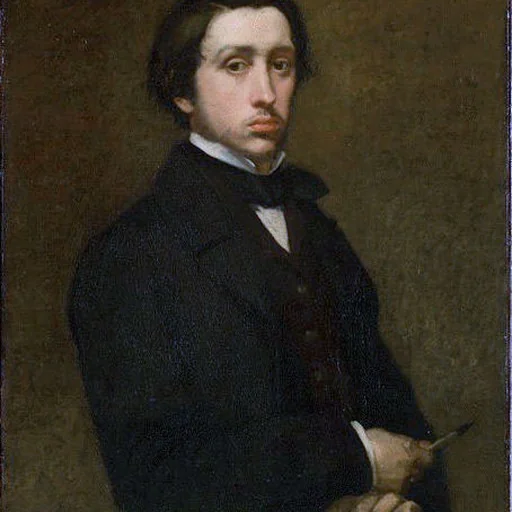
Reading is a subject in art. The gallery holds 200 works in this subject in art, including works by Paolo Veronese, Jean Baptiste Camille Corot and Gustave Courbet.
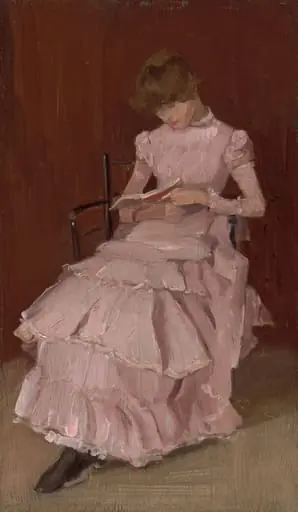
Reading is among the oldest and most enduring of human subjects in art, and its depiction maps the changing place of the book in Western culture. Its visual roots lie in medieval and Renaissance religious imagery, above all the Annunciation, in which the Virgin Mary is shown interrupted at her reading as the Angel Gabriel arrives. Here the book is at once a symbol of piety, learning, and refinement, lending a humanist dignity to Mary as a model of female excellence. From the fourteenth century onward, donor portraits and depictions of saints such as Jerome in his study extended the motif, fixing the reader—absorbed, inward, removed from the surrounding world—as a recognizable type.
The theme acquired its modern, secular character in the seventeenth-century Dutch Republic. In the genre painting of the Dutch Golden Age, reading became an everyday act observed with quiet attentiveness, frequently bound up with the reading of letters and their hint of private emotion. Johannes Vermeer returned to the subject repeatedly; his "Girl Reading a Letter at an Open Window" (c. 1657–59, Gemäldegalerie, Dresden)—whose 2017–21 restoration uncovered a hidden Cupid in the background—epitomizes the still, light-filled intimacy that the motif made possible. The defining characteristics crystallized here: a solitary figure, lowered eyes, a contained interior or garden setting, and a charged silence that invites the viewer to imagine the unseen text.
In the eighteenth and nineteenth centuries reading became a favored vehicle for both sensibility and psychological depth. Jean-Honoré Fragonard's luminous "Young Girl Reading" (c. 1770, National Gallery of Art), painted in swift, confident strokes, turns the reader into an image of poised, self-possessed pleasure. Camille Corot, celebrated as a landscapist, painted many pensive solitary women late in life; his "Femme Lisant" (A Woman Reading, 1869), shown at the Salon of 1869 and now in the Metropolitan Museum, was the only such figure he exhibited in his lifetime, praised by Théophile Gautier for its color.
Scholars note that the reading woman could also seem quietly subversive, placing knowledge, pleasure, and privacy in her own hands and so unsettling to a patriarchal gaze. The motif carried into Impressionism and beyond, in works by Manet, Renoir, Cassatt, and Matisse, and connects to the broader traditions of genre painting, portraiture, and the contemplative interior—an enduring meditation on attention, interiority, and the life of the mind.
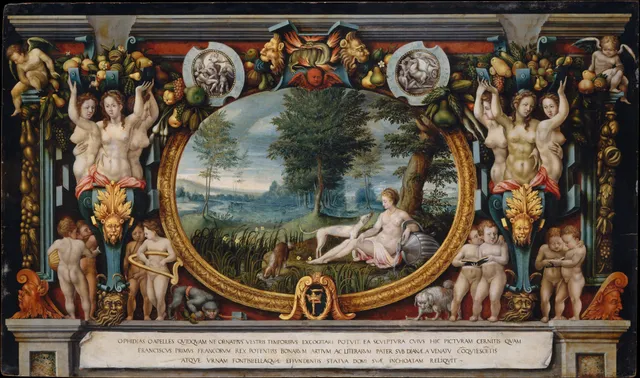
Key artists
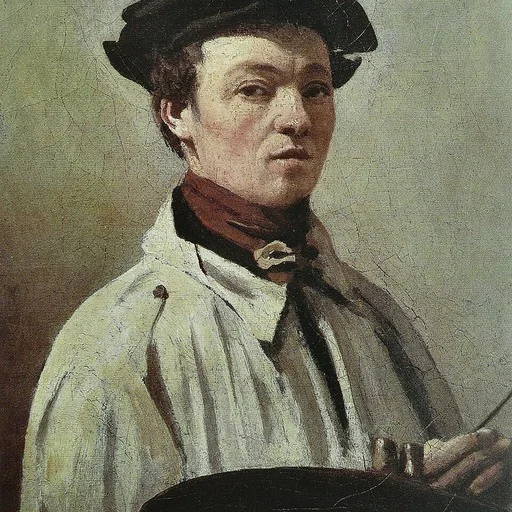
Works
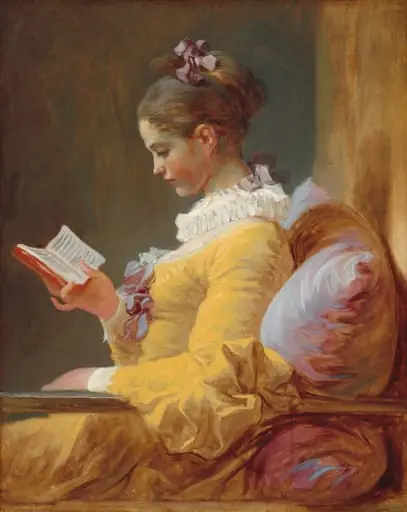 Young Girl Reading
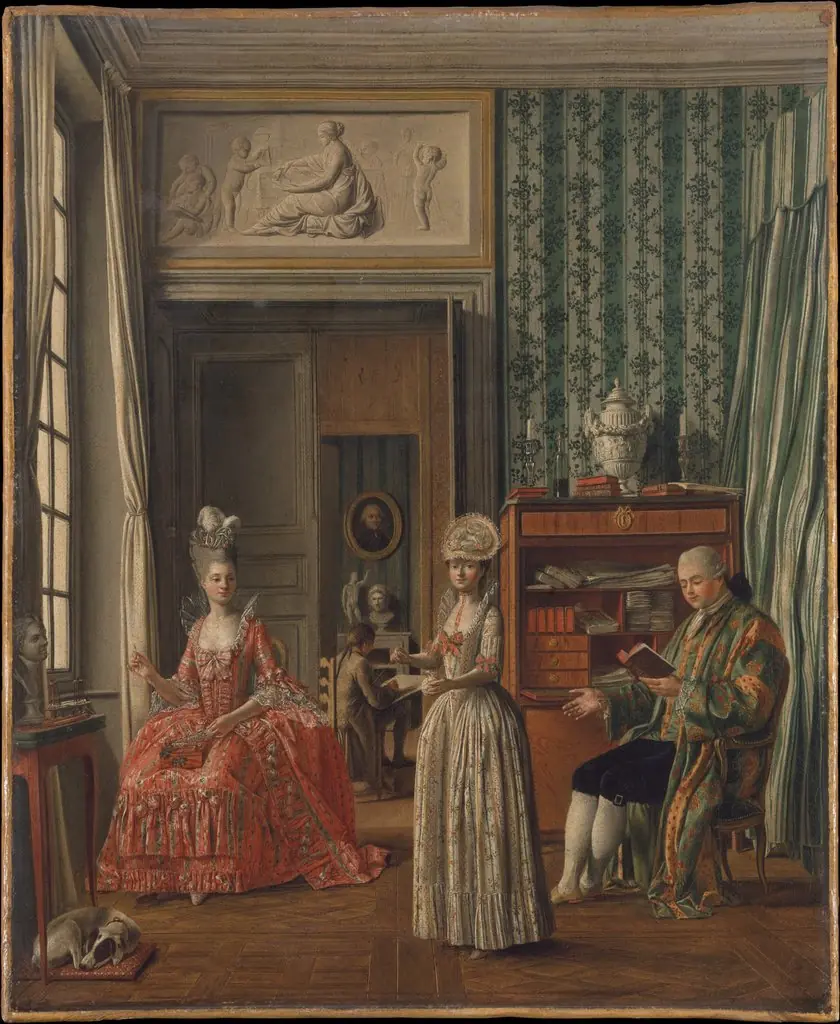 Domestic Scene
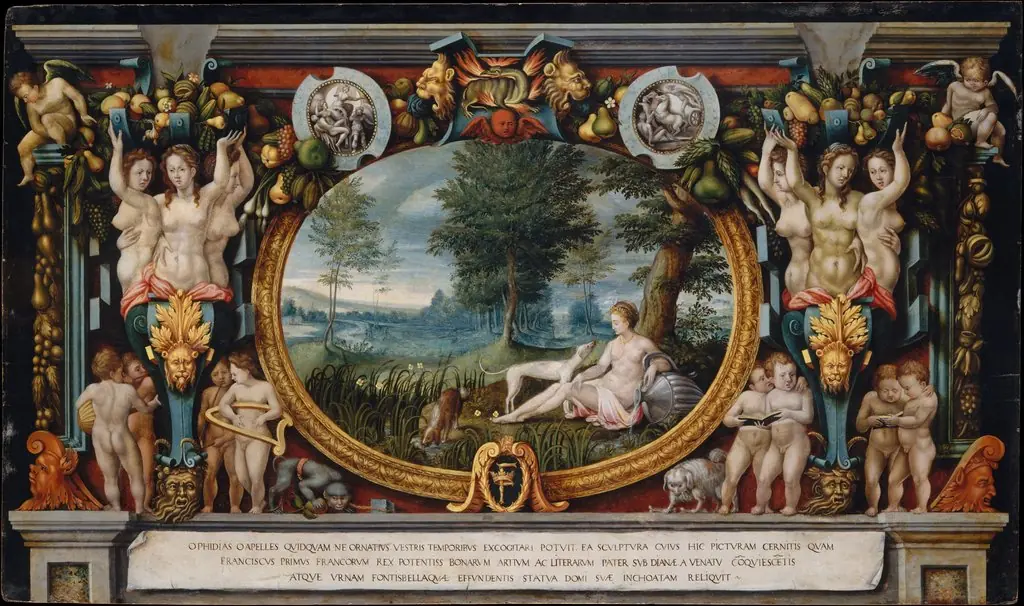 The Nymph of Fontainebleau
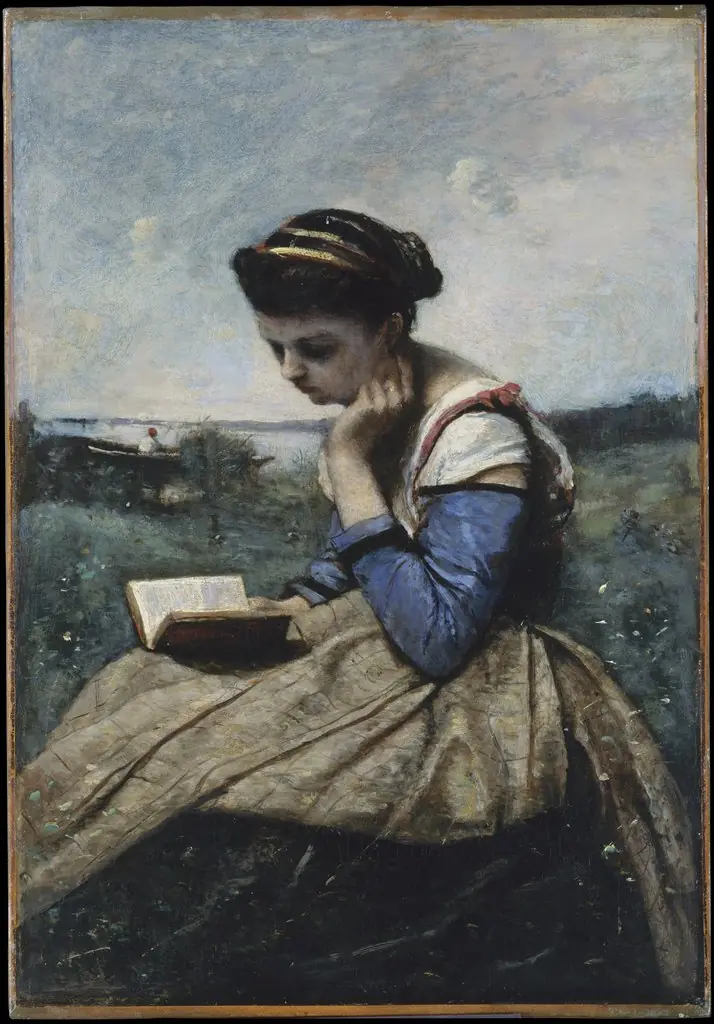 Femme Lisant
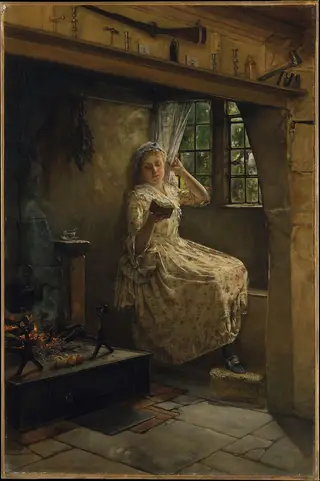 A Cosey Corner
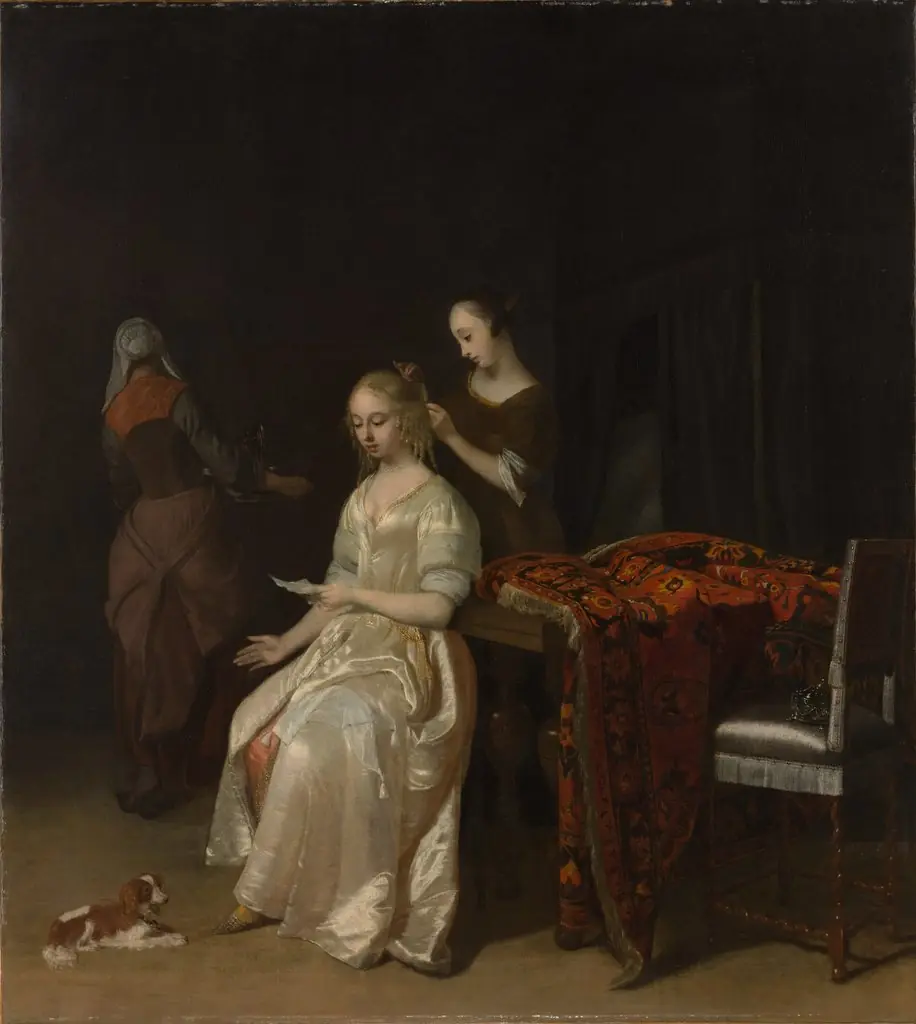 The Love Letter
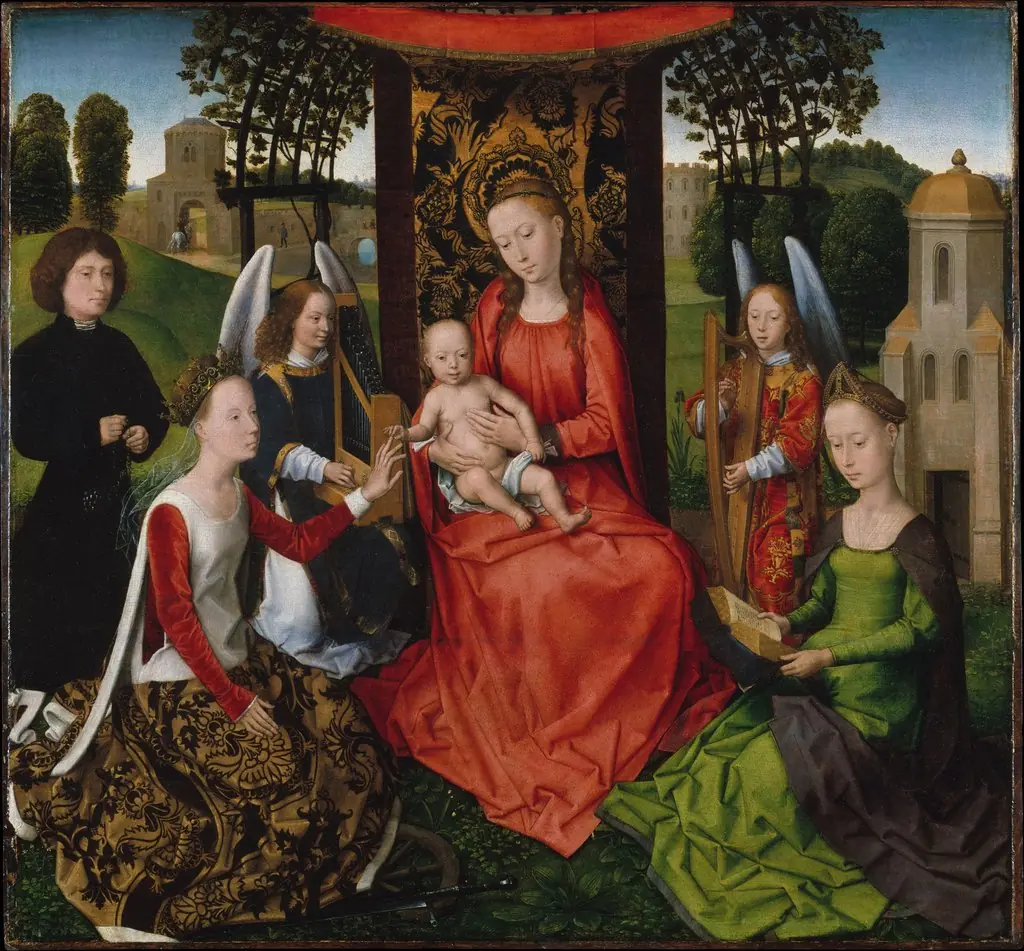 Virgin and Child with Saints Catherine of Alexandria and Barbara
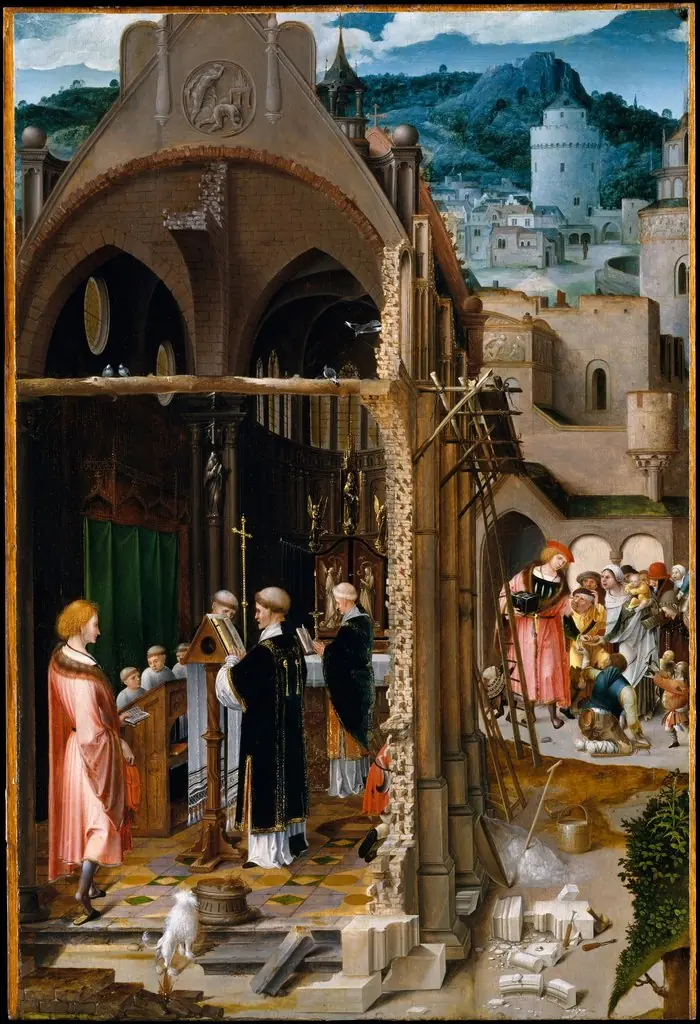 A Sermon on Charity (possibly the Conversion of Saint Anthony)
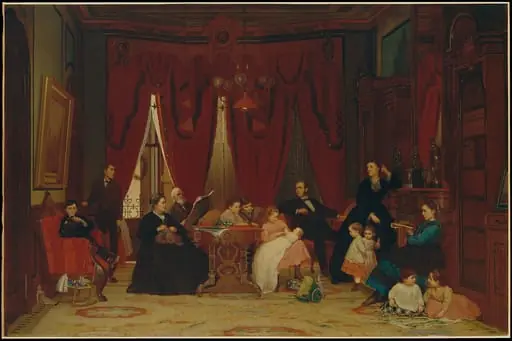 The Hatch Family
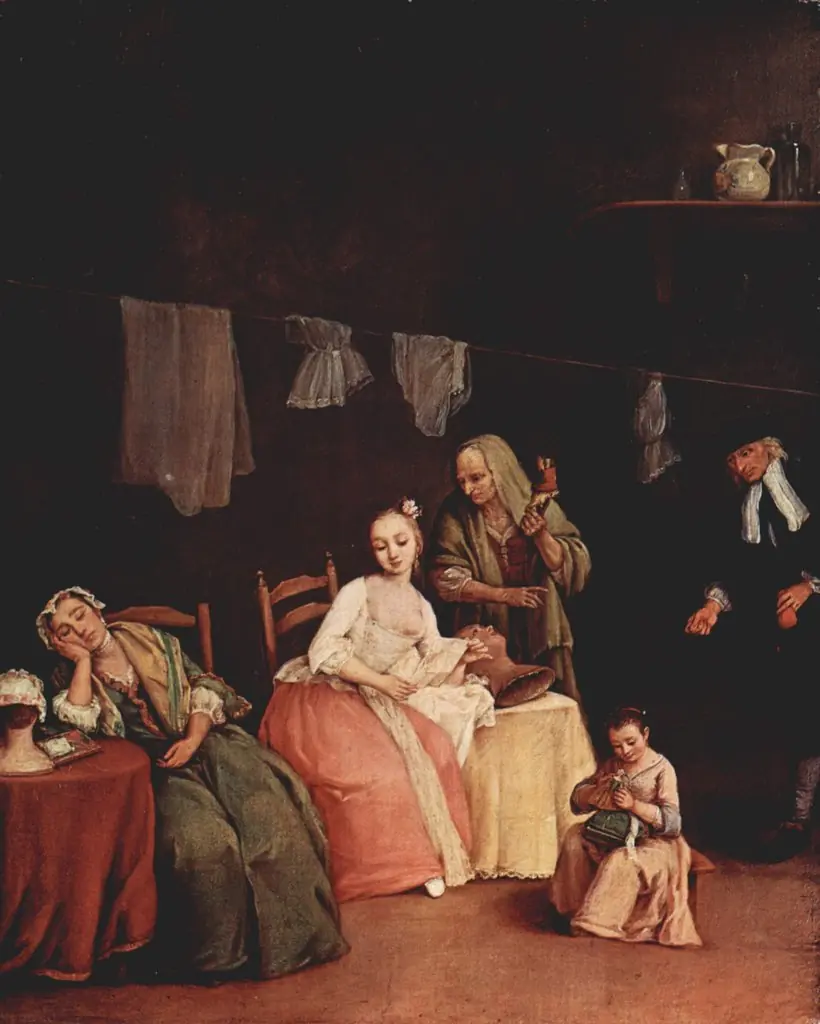 The Letter
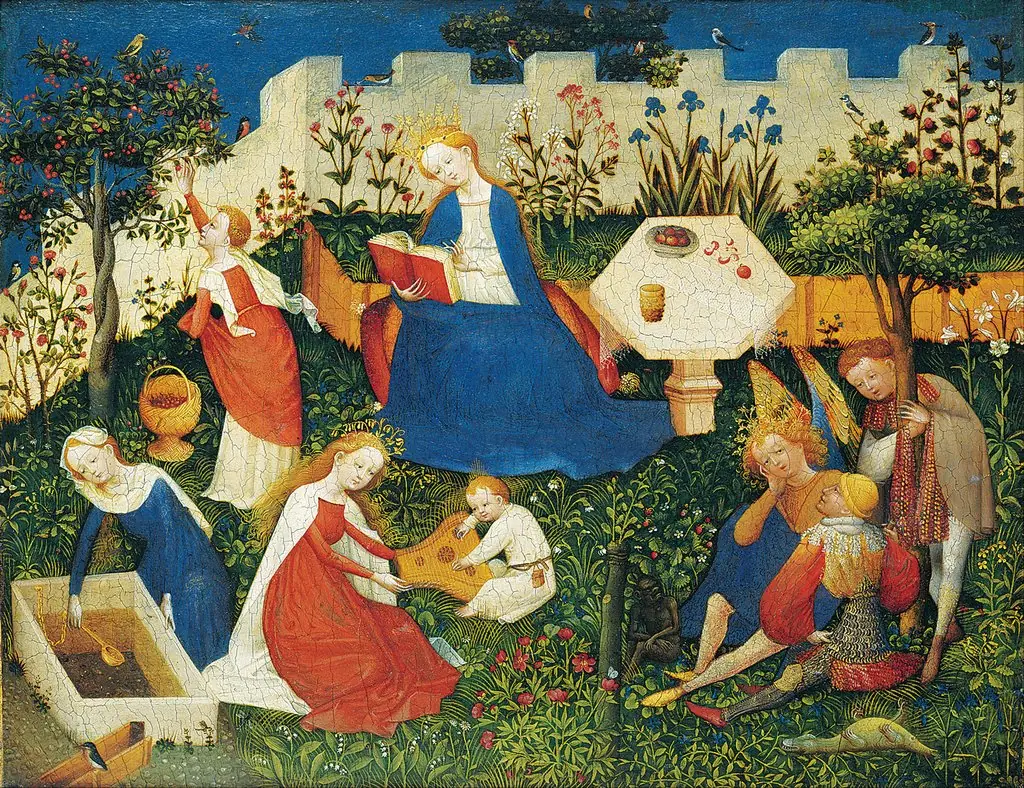 Paradiesgärtlein
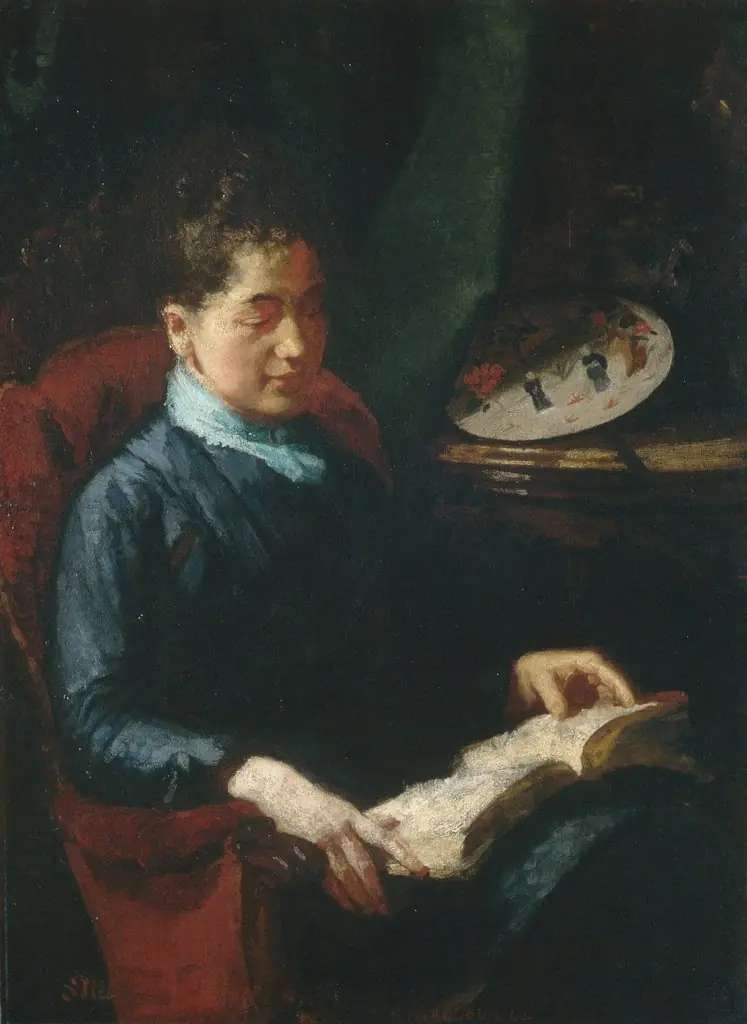 Woman Reading
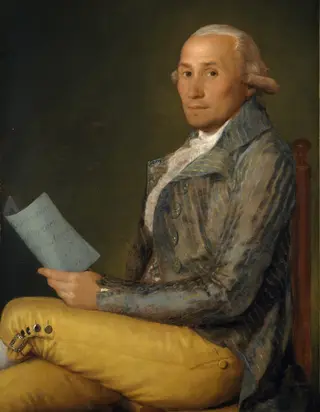 Portrait of Sebastián Martínez y Pérez
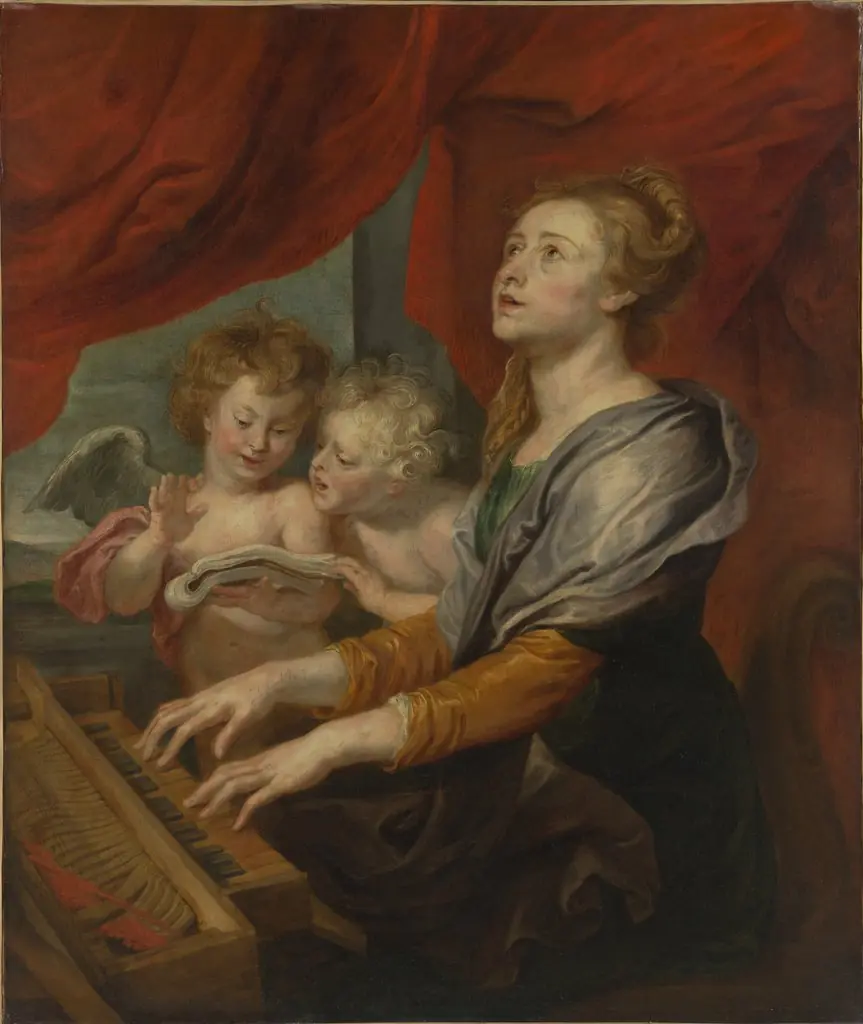 Saint Cecilia
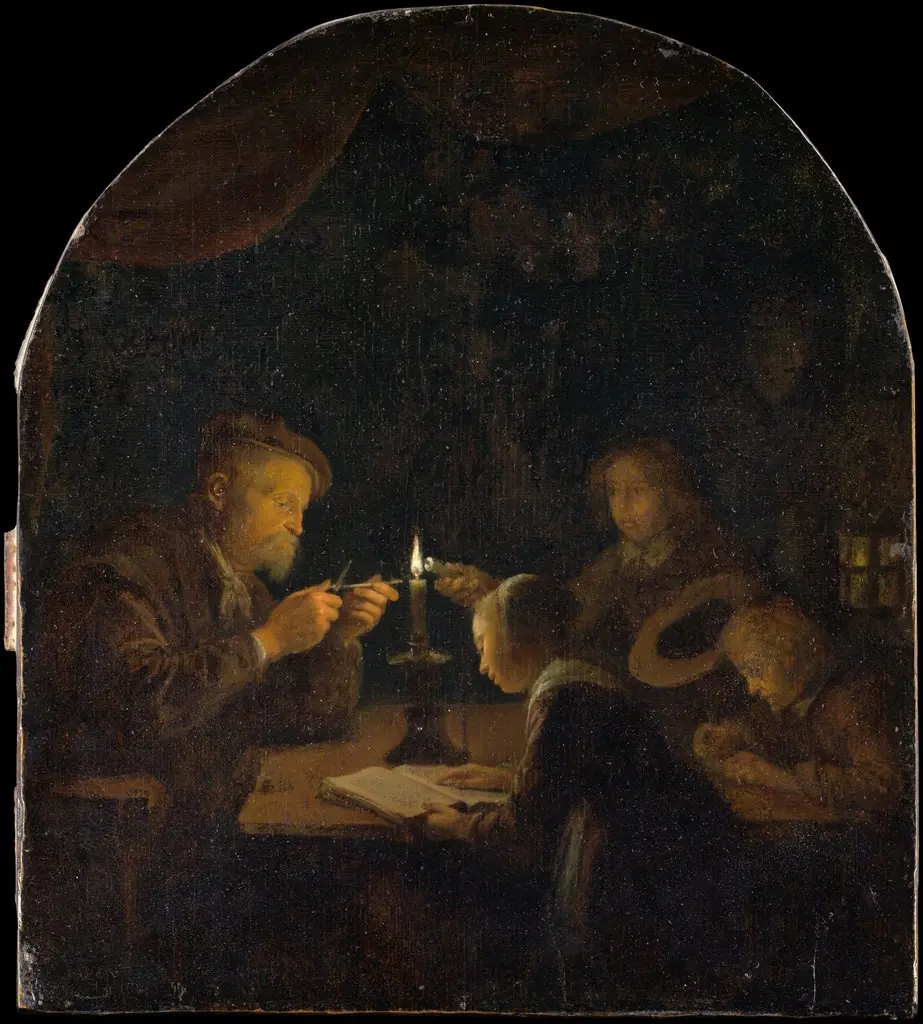 An Evening School
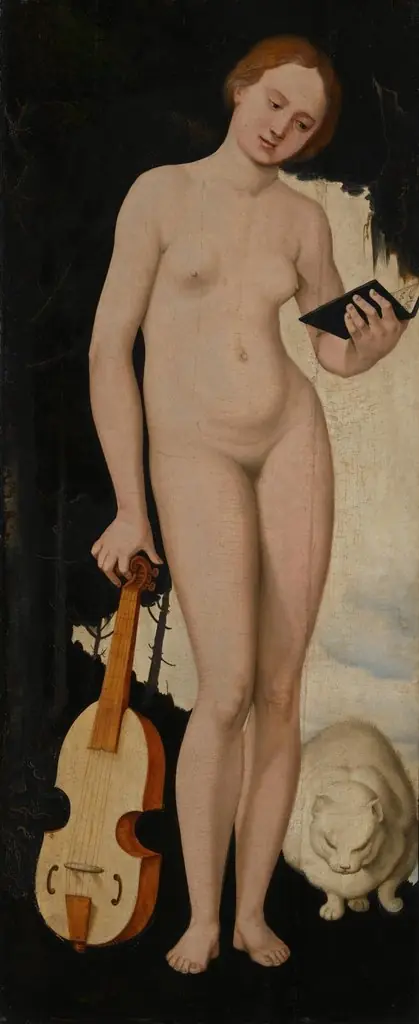 Woman with Cat
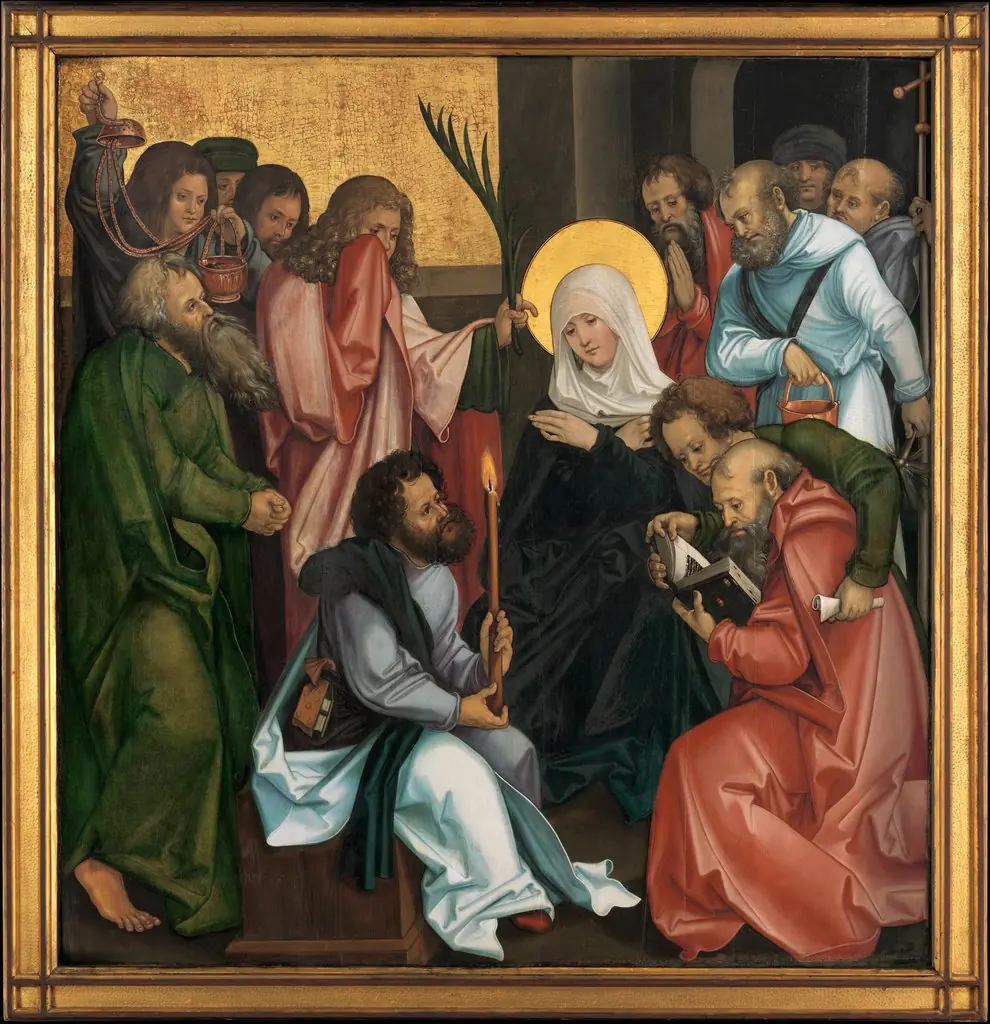 The Dormition of the Virgin; (reverse) Christ Carrying the Cross
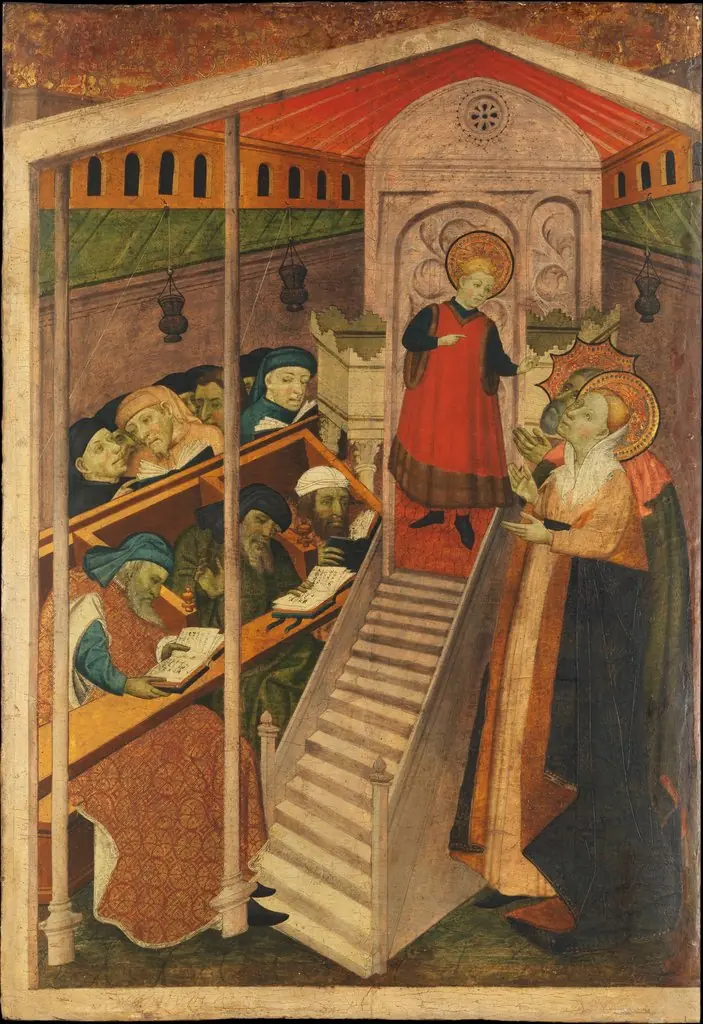 Christ among the Doctors
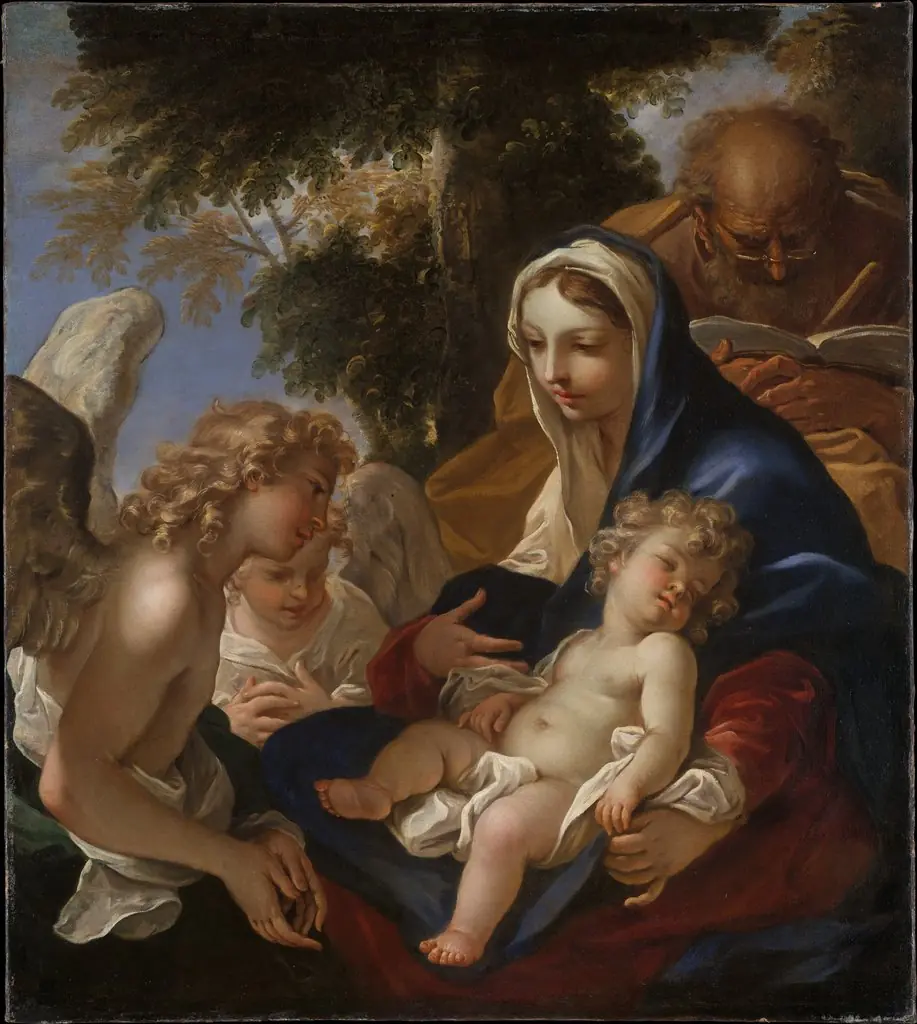 The Holy Family with Angels
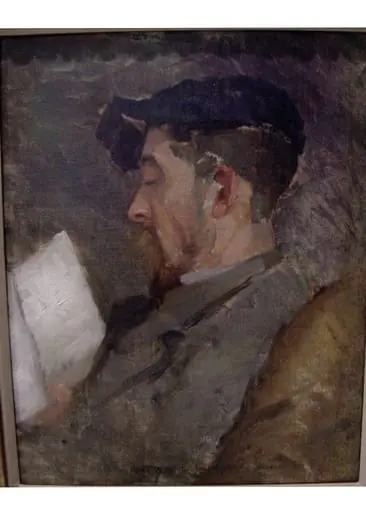 Self-Portrait
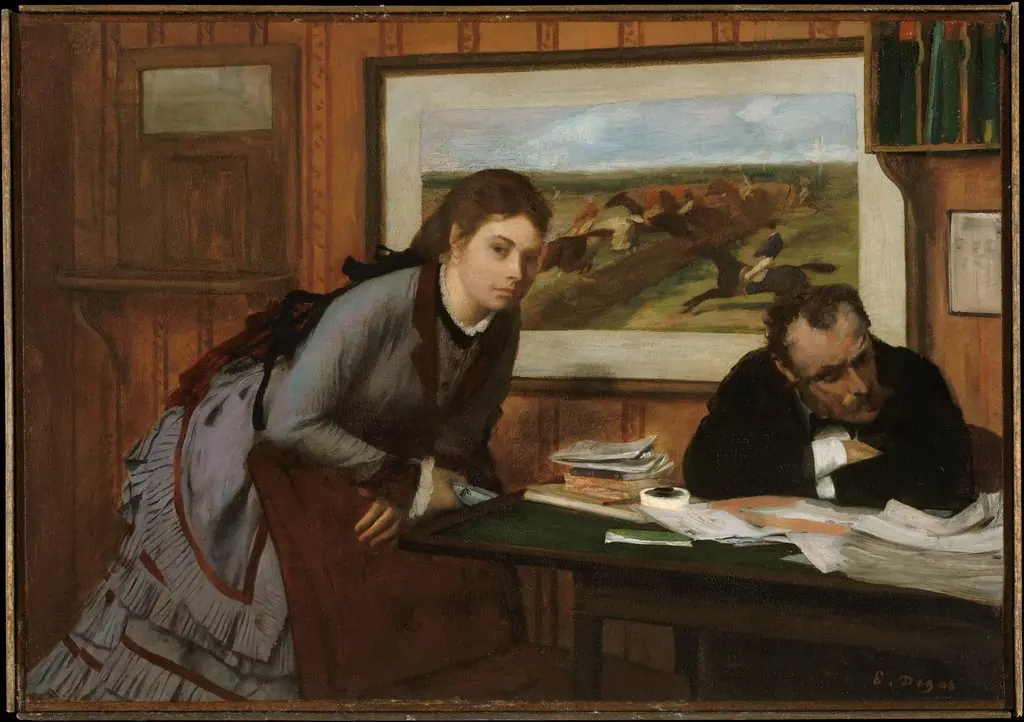 Sulking
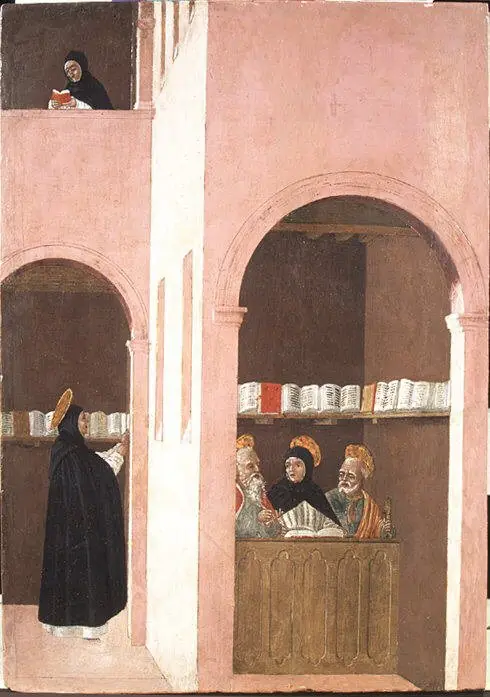 Saint Thomas Aquinas Aided by Saints Peter and Paul
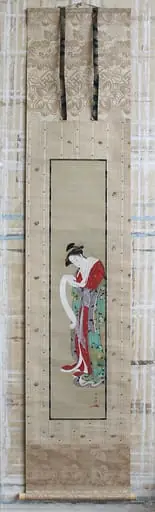 Untitled
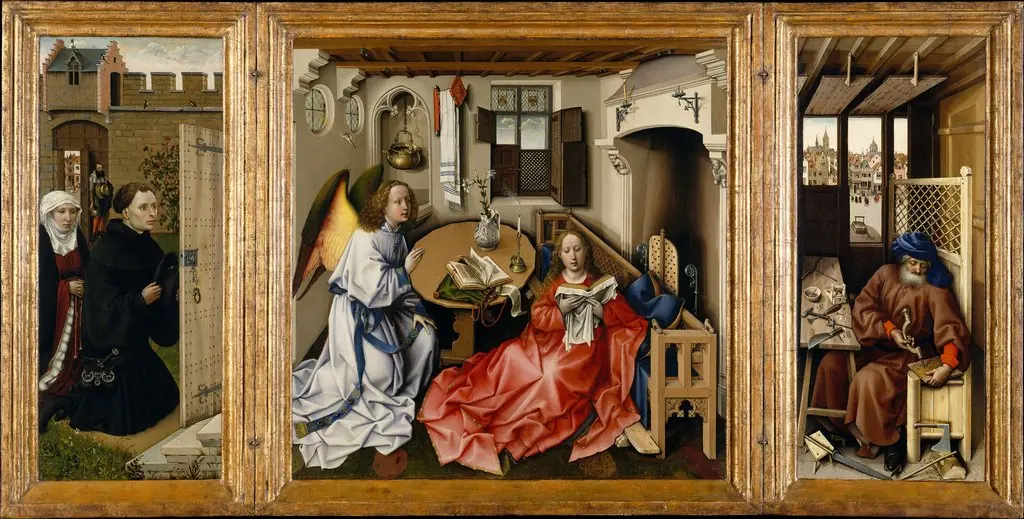 Mérode Altarpiece
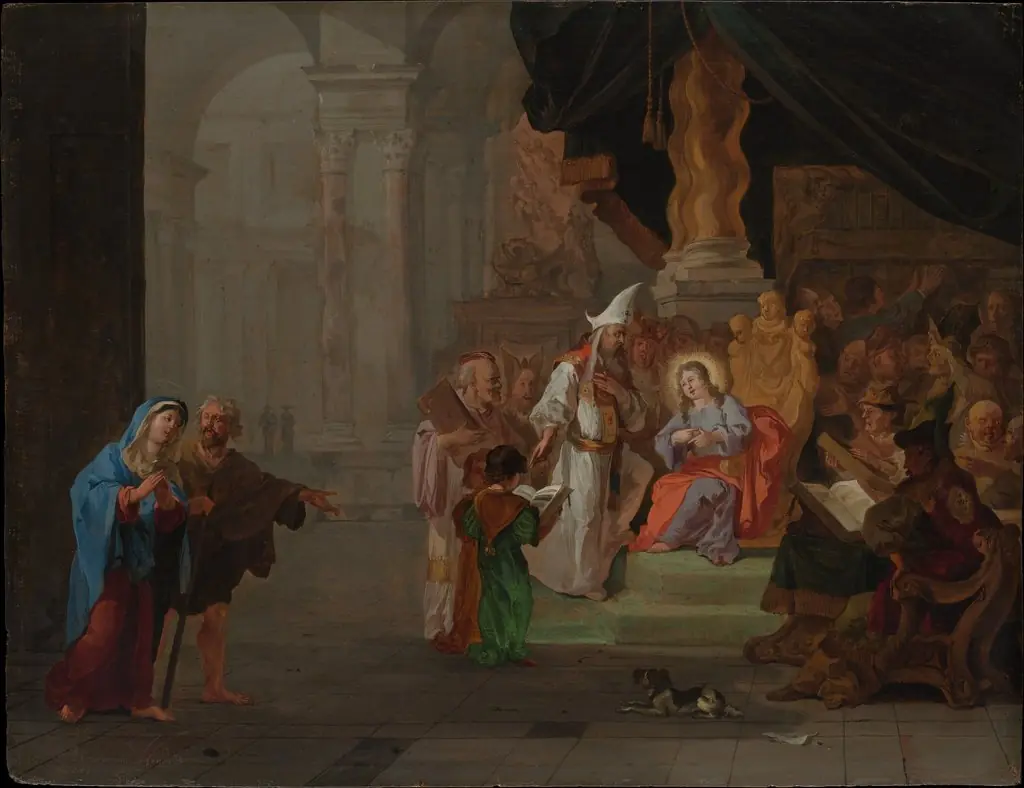 Christ among the Doctors
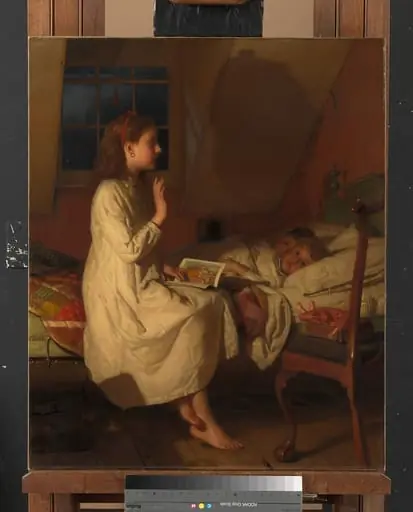 Story of Golden Locks
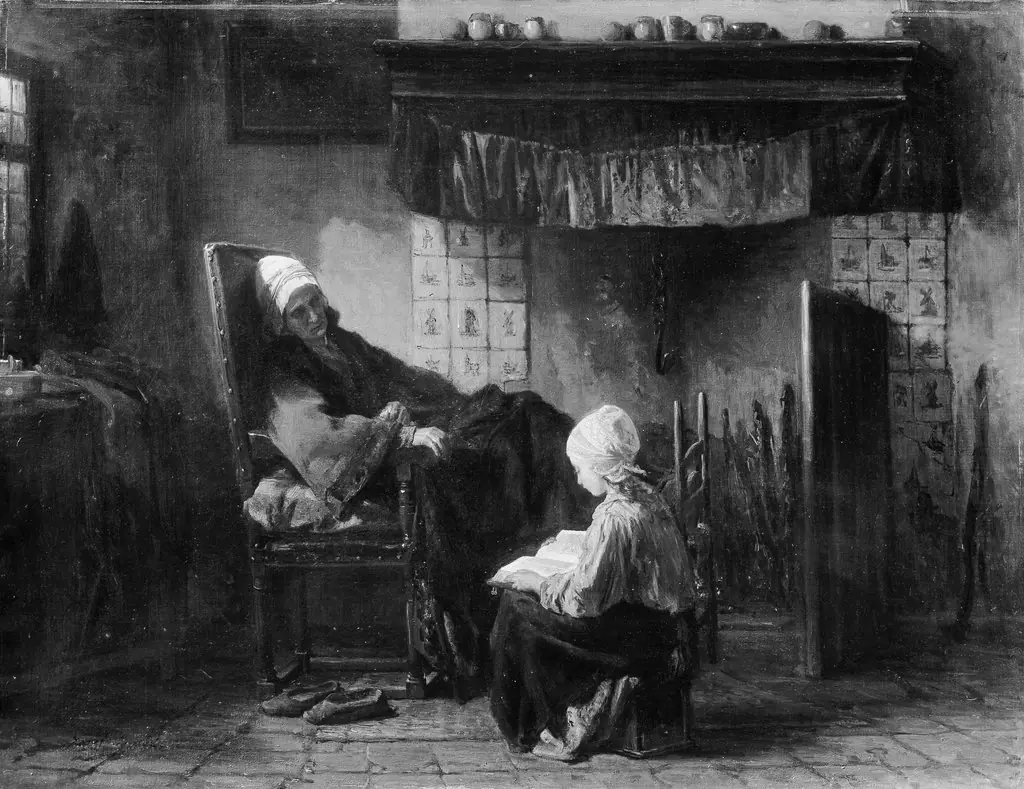 Grandmother's Treasure
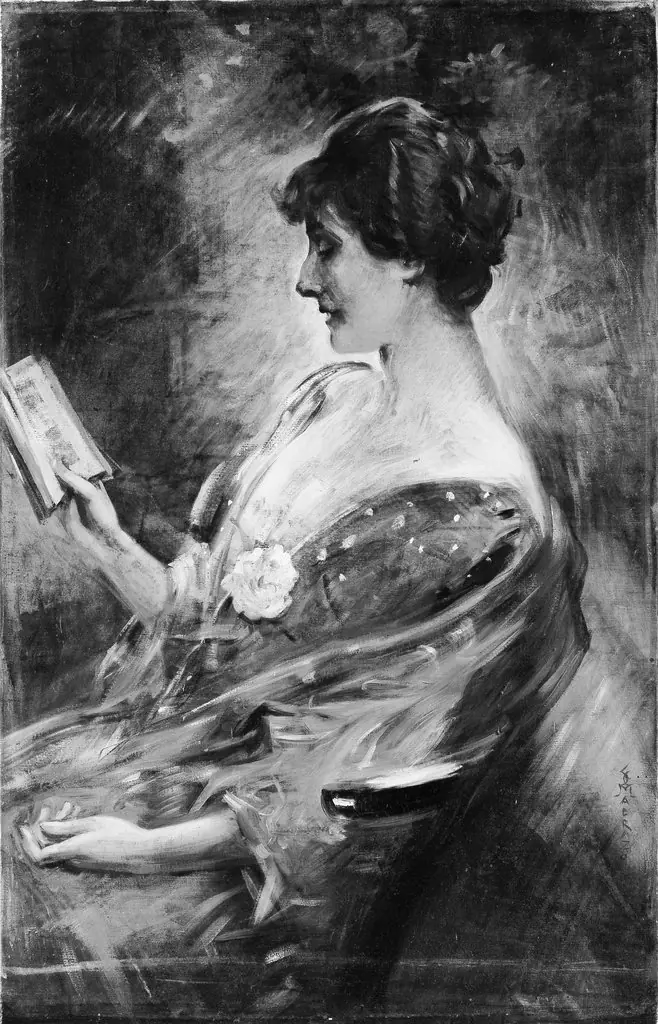 Laure de Sade, Comtesse Adhéaume de Chevigné
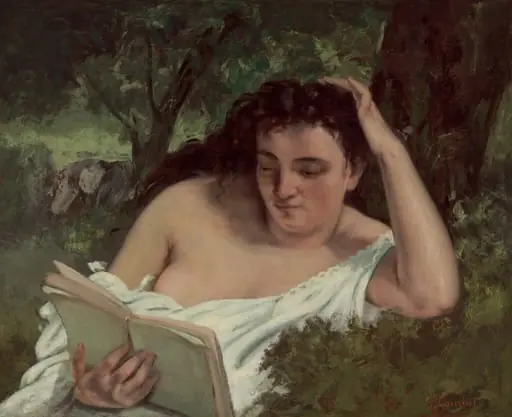 A Young Woman Reading
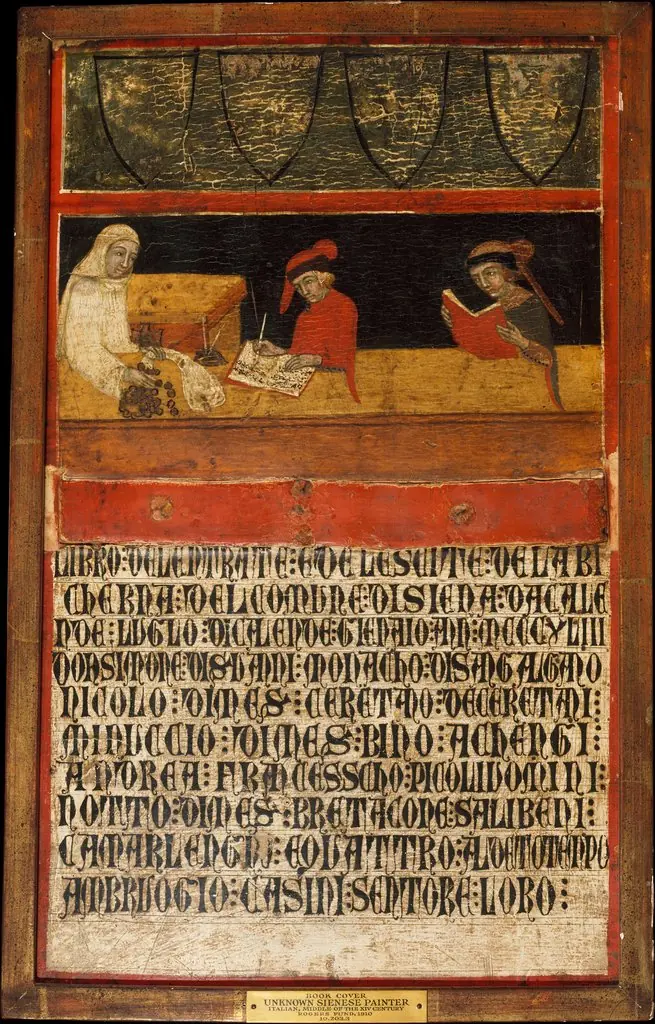 Book Cover
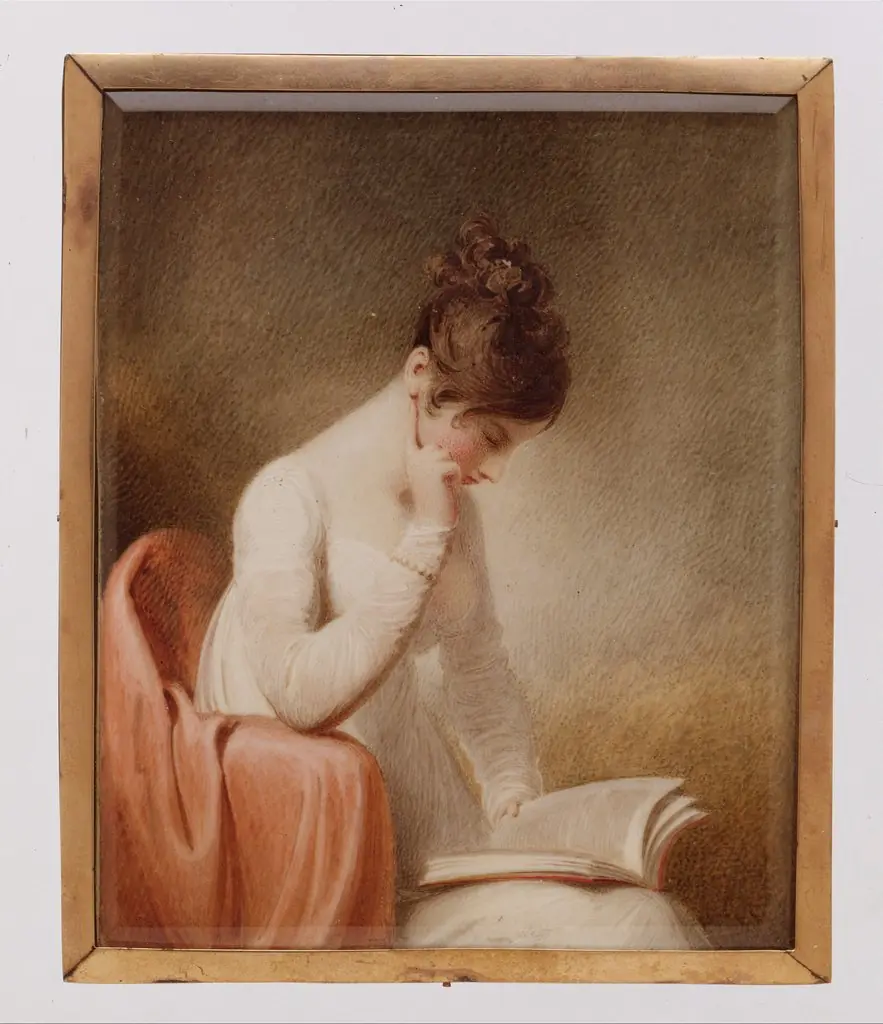 An Interesting Story (Miss Ray)
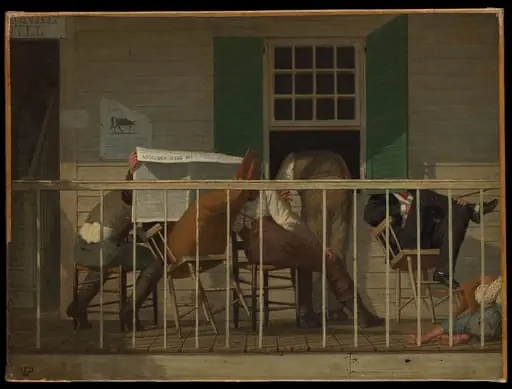 The True American
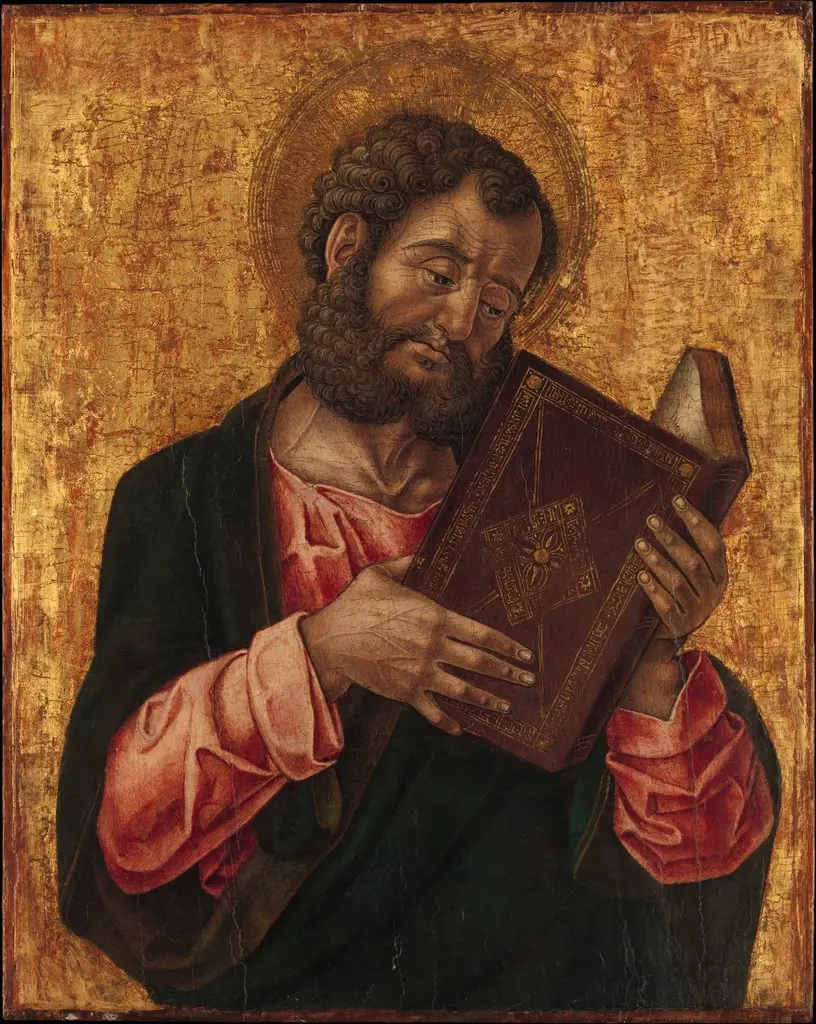 A Saint (Mark?) Reading
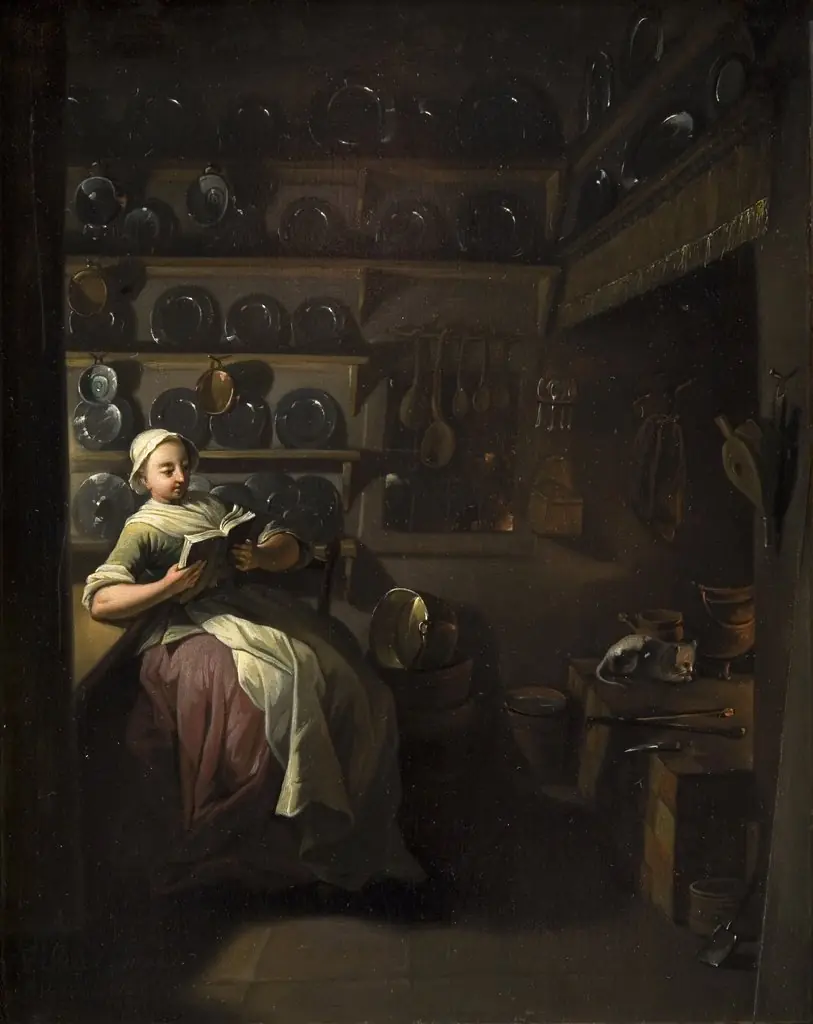 Kitchen Interior with a Girl Reading
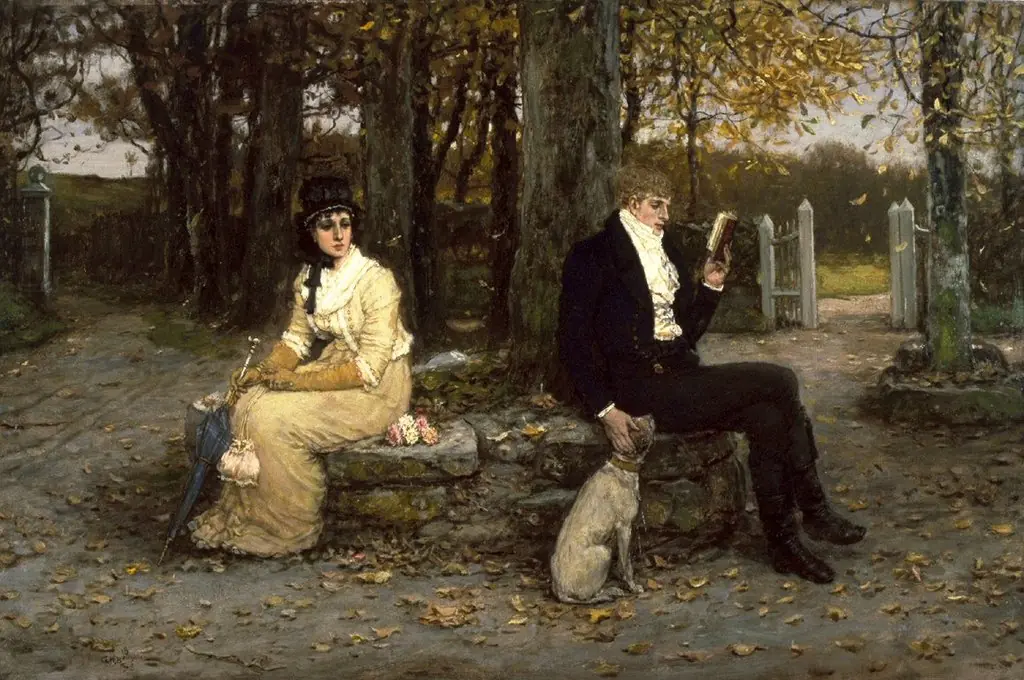 The Waning Honeymoon
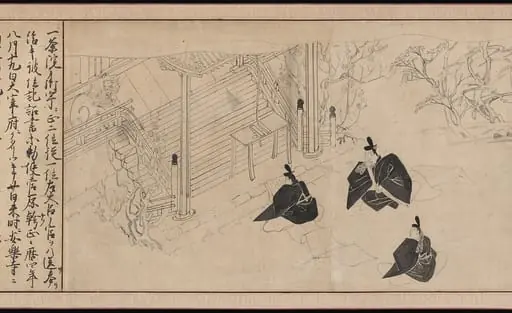 太宰府安楽寺 北野天神縁起絵巻 断簡 (Dazaifu Anrakuji, Kitano Tenjin engi emaki dankan)|Courtiers Visit Sugawara no Michizane’s Mortuary Temple, from Illustrated Legends of the Kitano Tenjin Shrine
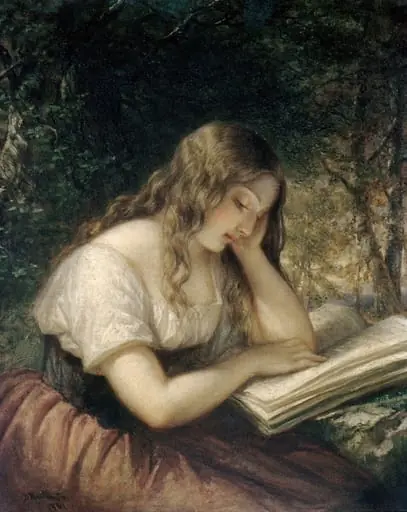 Study in a Wood
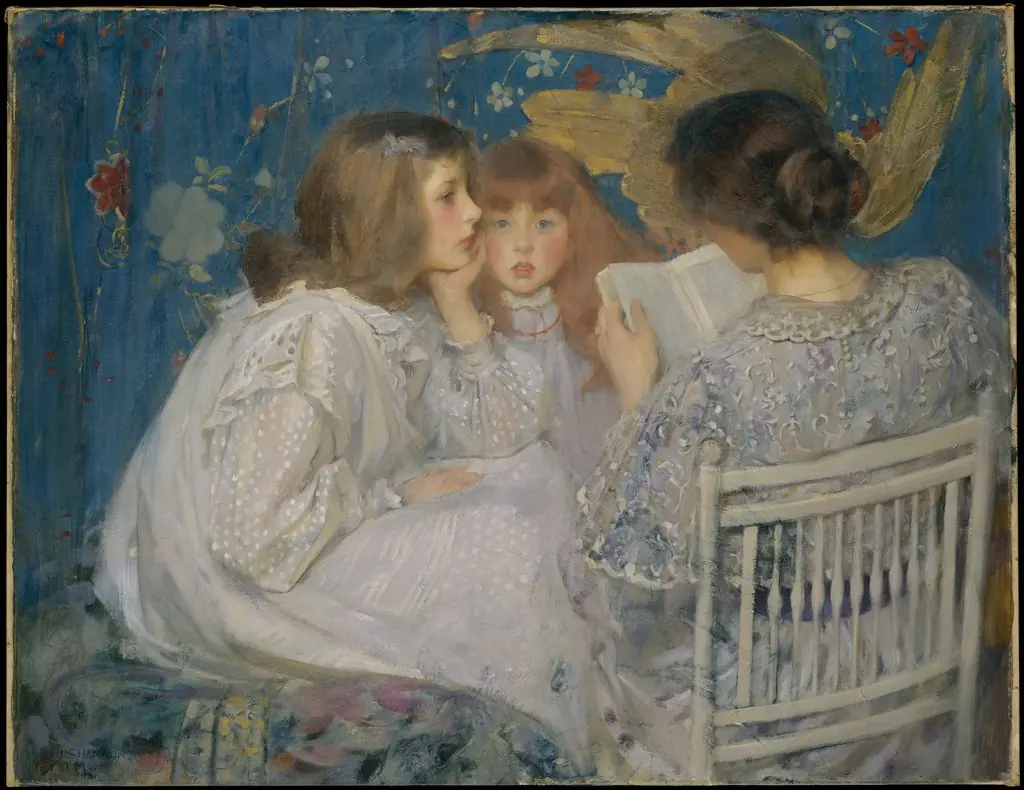 Jungle Tales (Contes de la Jungle)
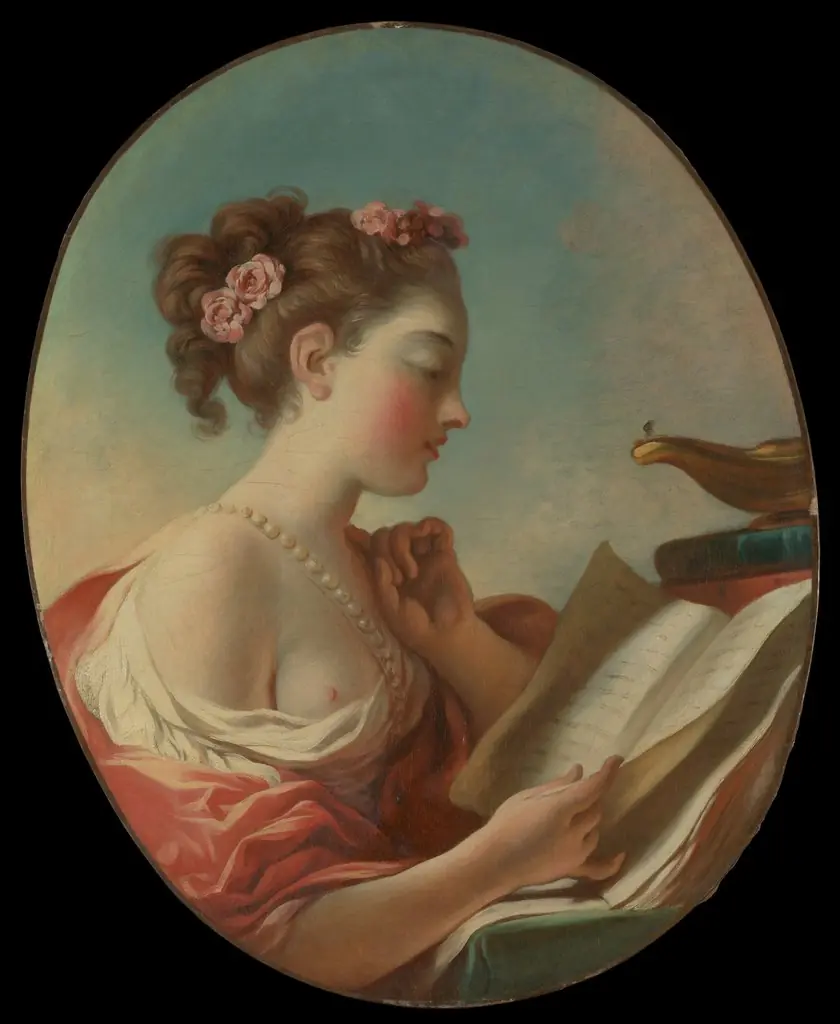 Young Woman Reading
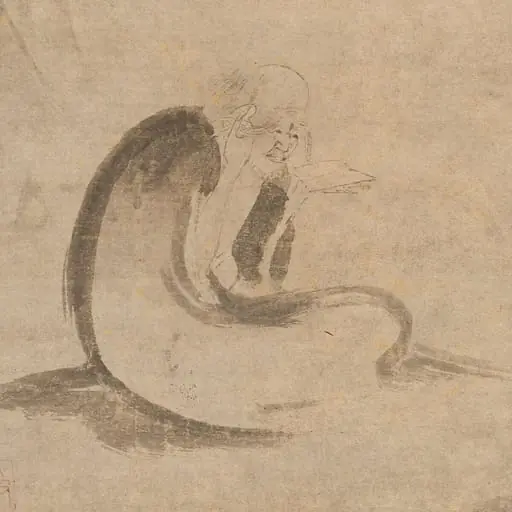 元 佚名 玉谿思珉題贊 對月圖 軸|Reading a Sutra by Moonlight
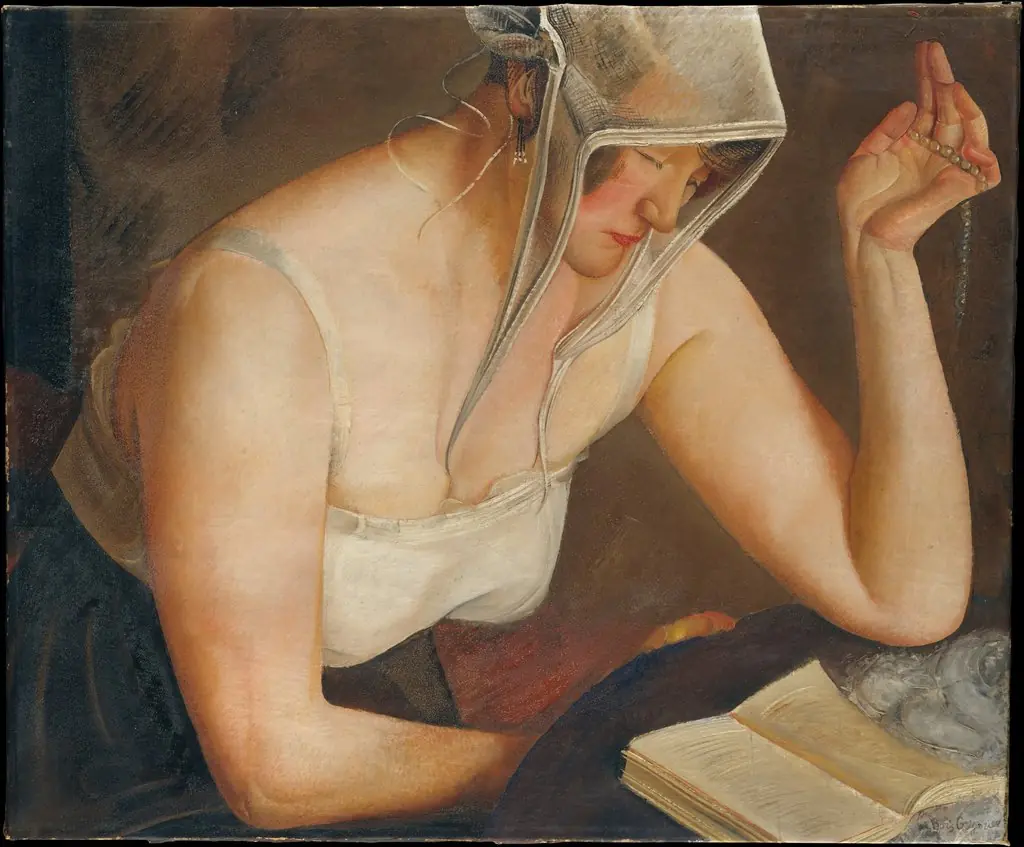 Woman Reading
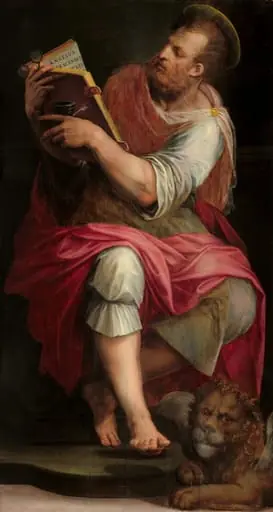 Saint Mark
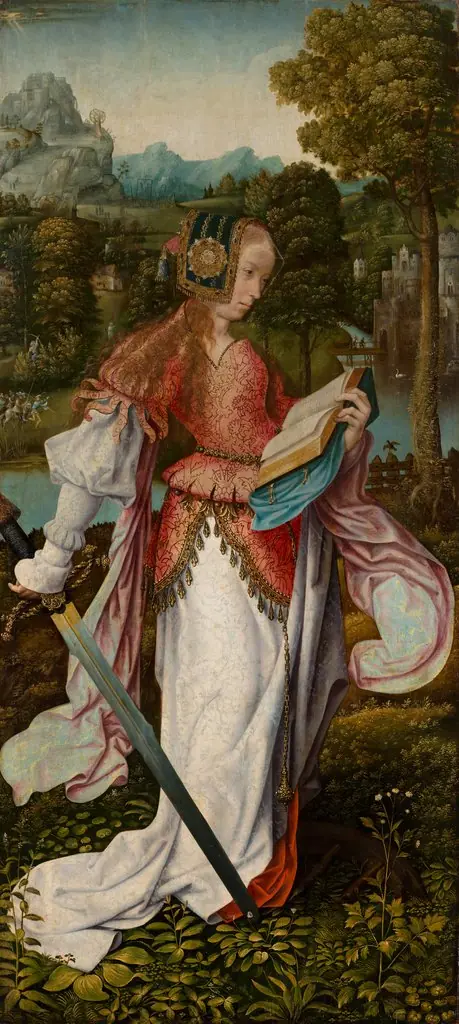 Saint Catherine
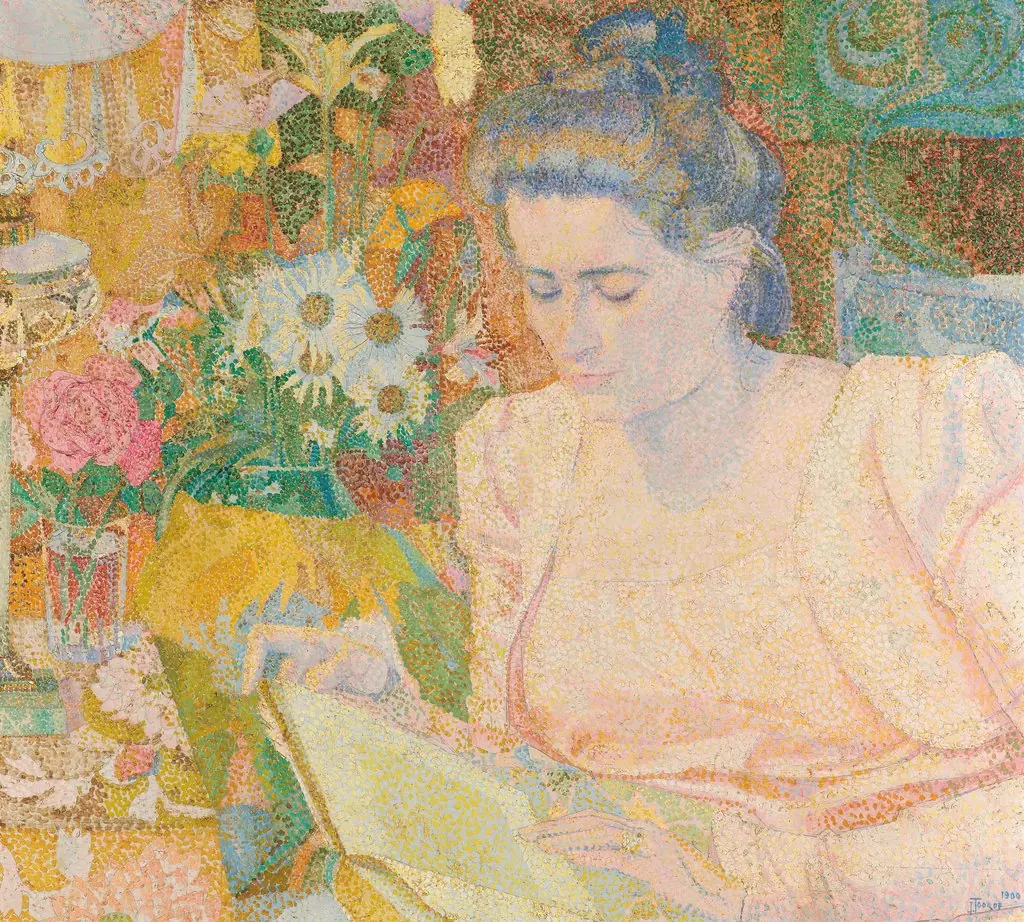 Portrait of Marie Jeanette de Lange
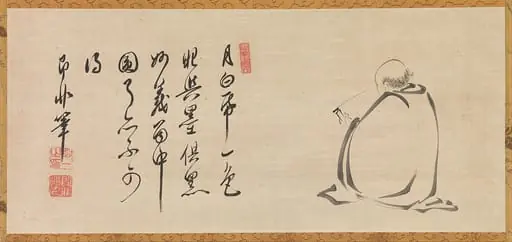 羅漢図|An Arhat Reading a Sutra by Moonlight
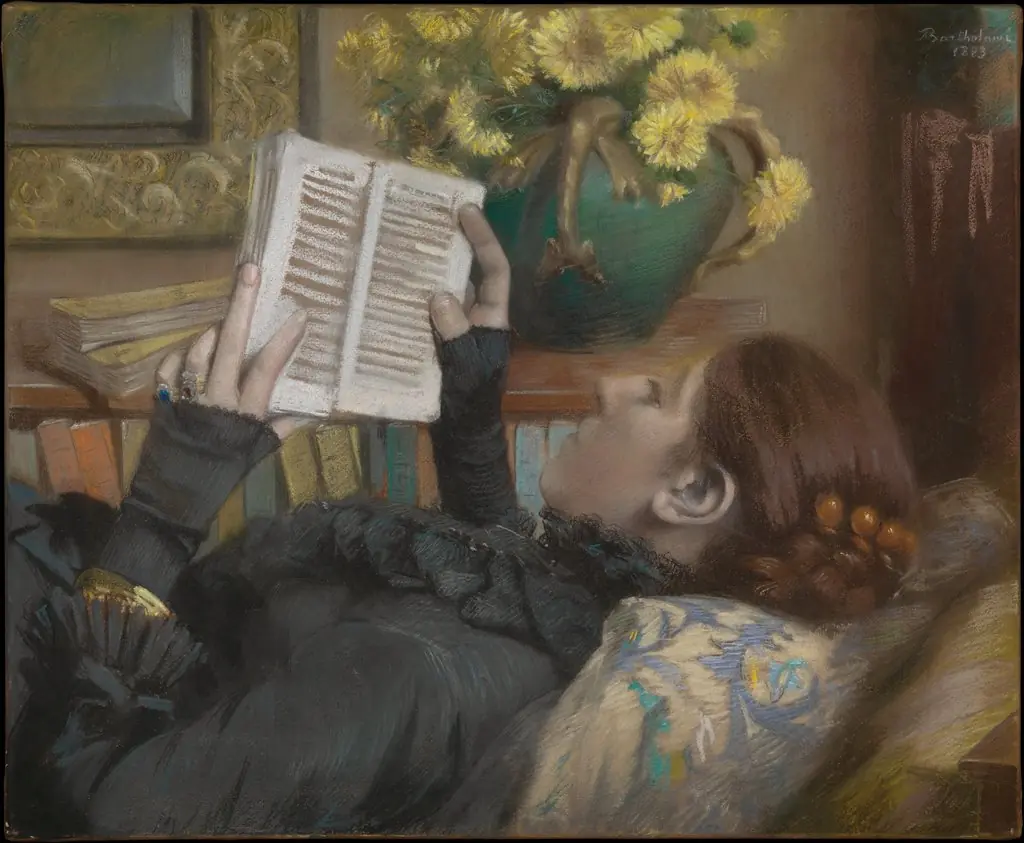 The Artist's Wife (Périe, 1849–1887) Reading
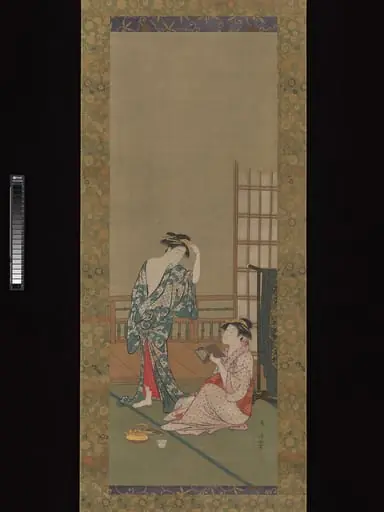 Untitled
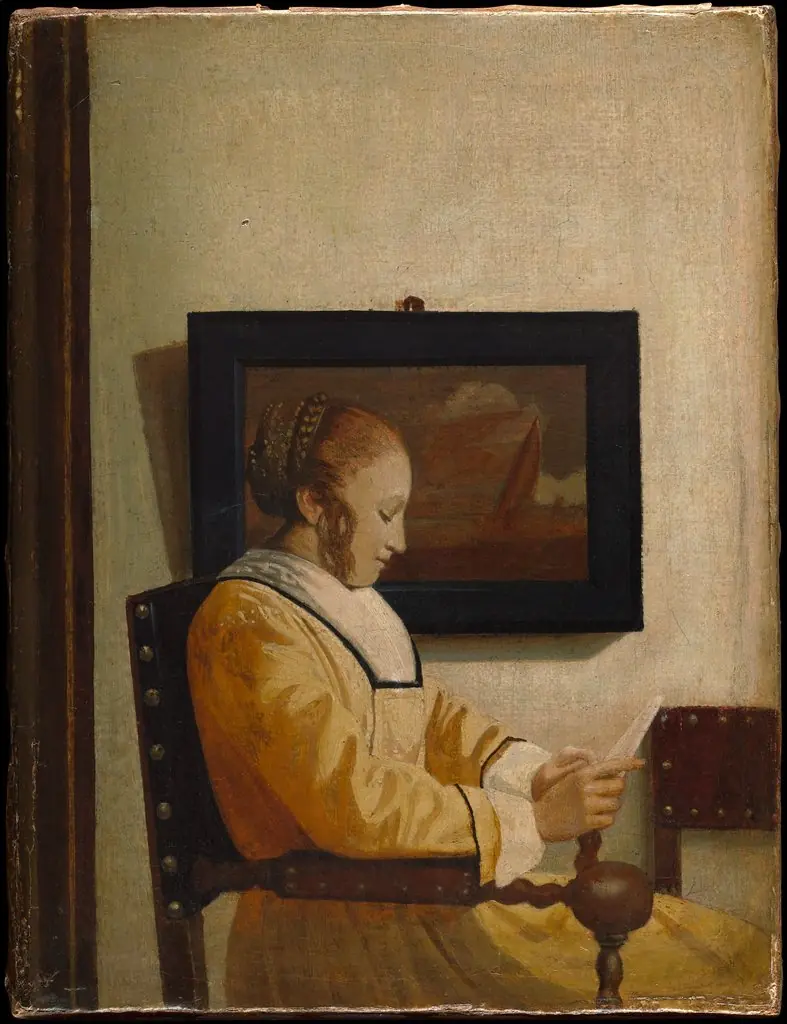 A Young Woman Reading
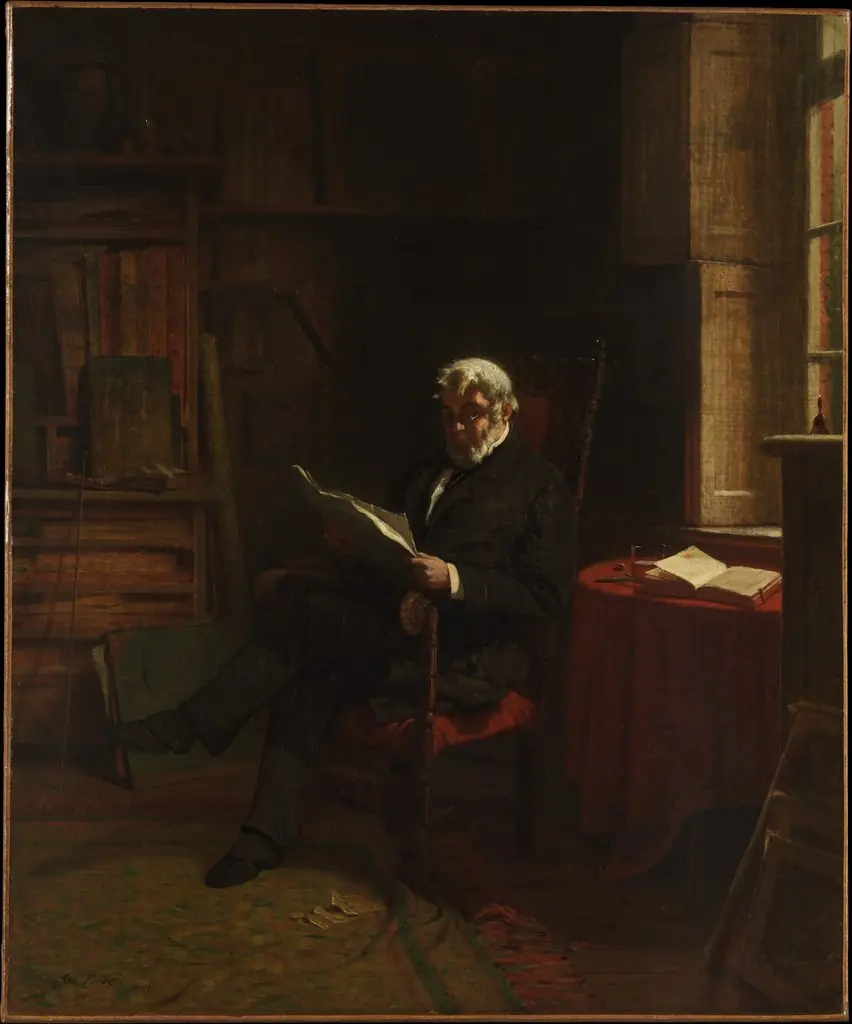 The Morning Paper
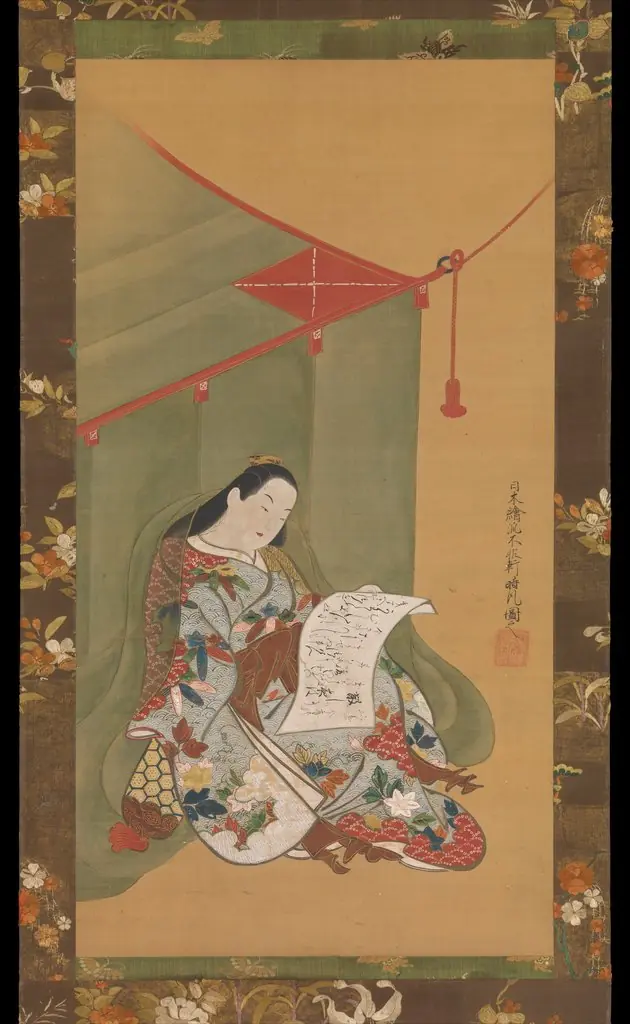 Woman Reading under a Mosquito Net
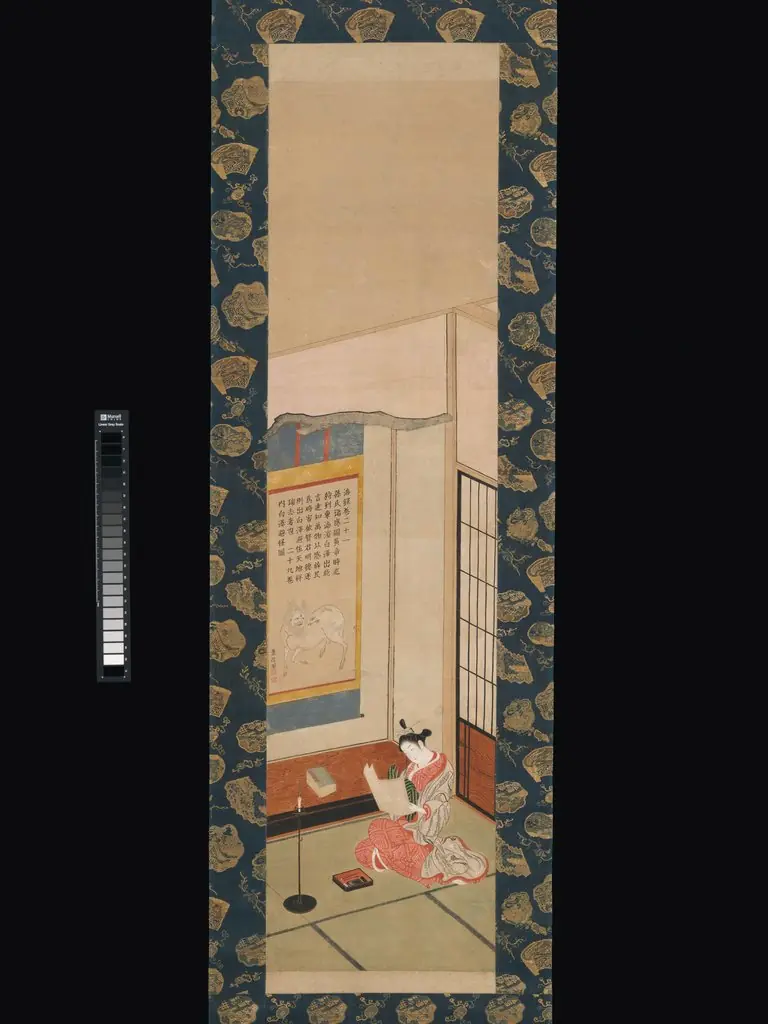 Courtesan Reading a Letter
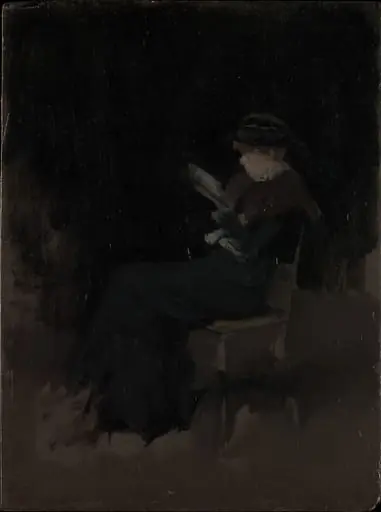 Arrangement in Black: Girl Reading
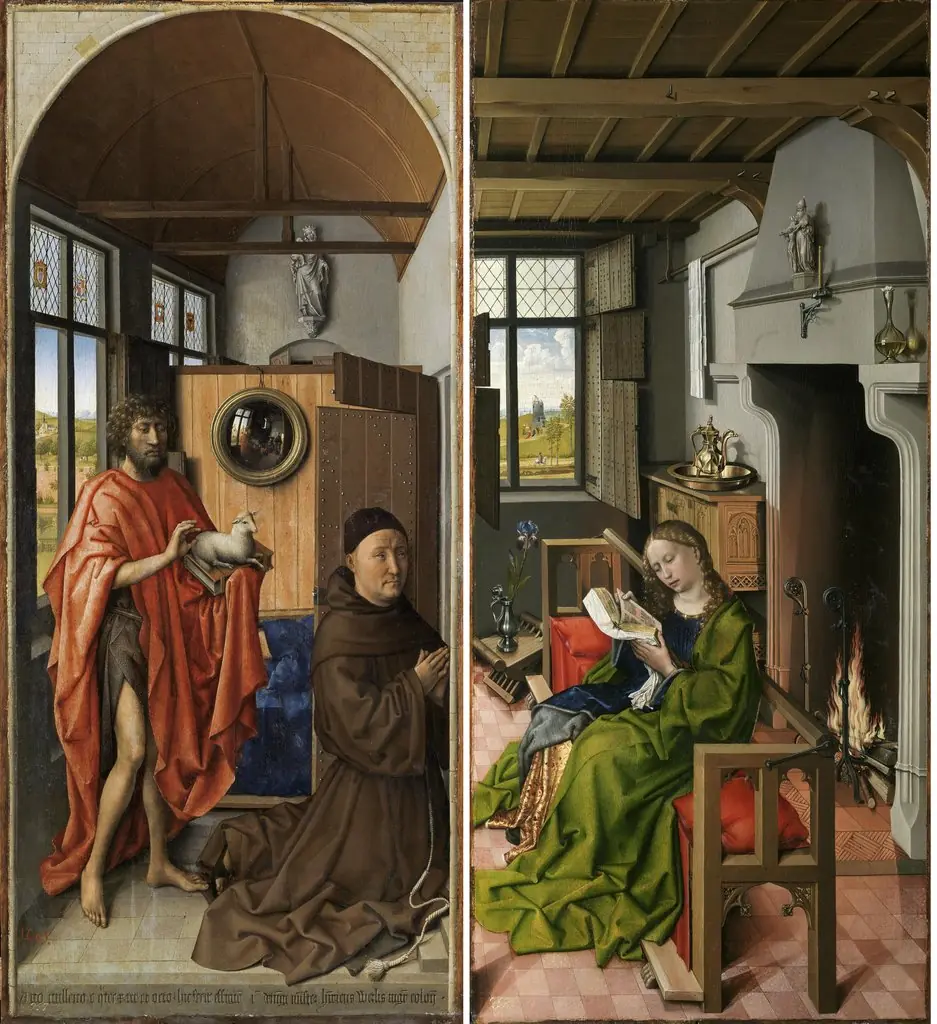 Werl Triptych
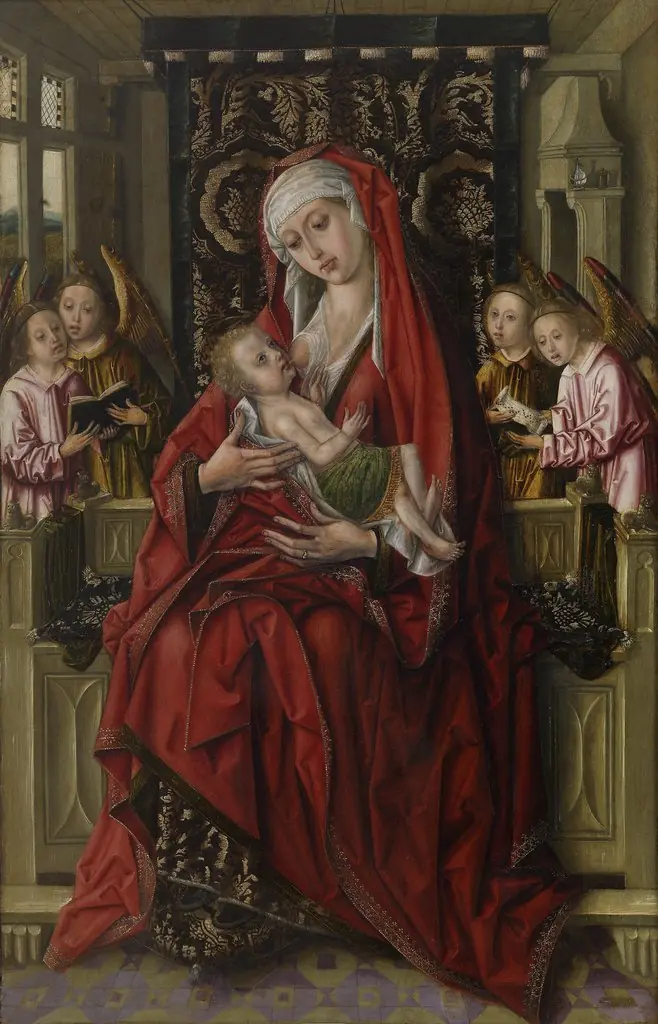 The Virgin Nursing the Child
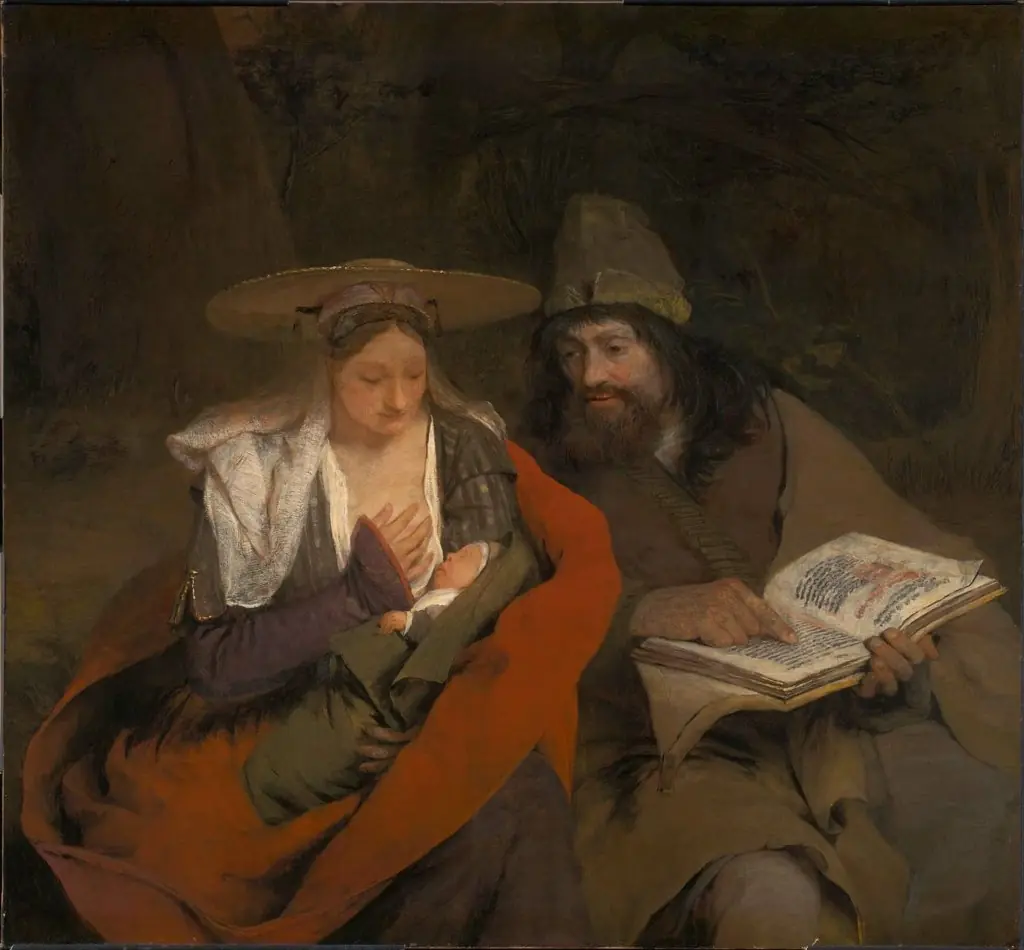 Rest on the Flight into Egypt
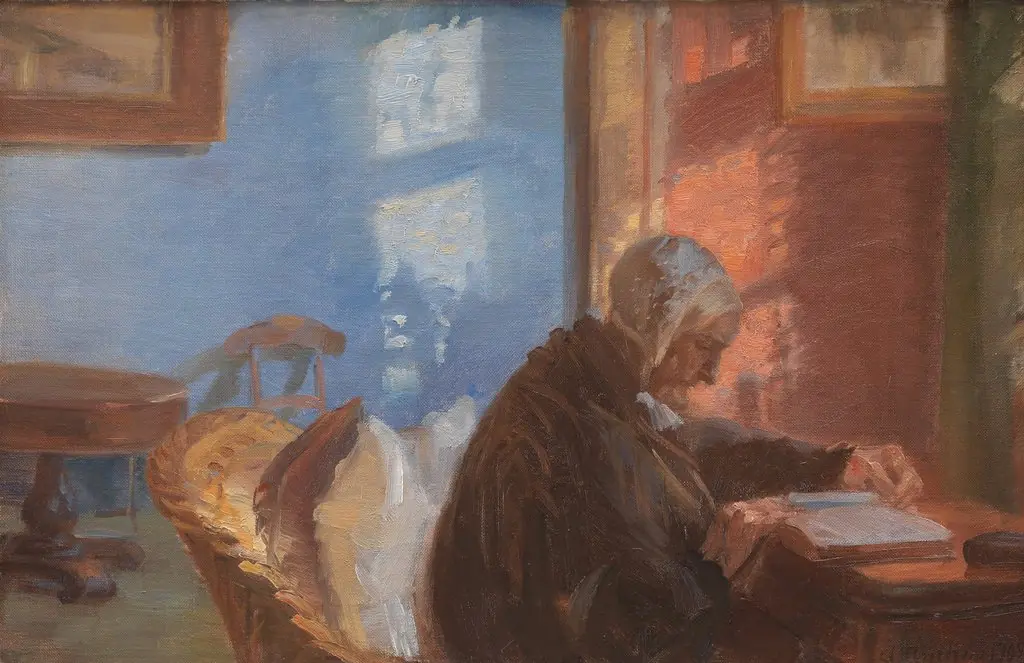 The Artist's Mother Ane Hedvig Brøndum in the Red Room
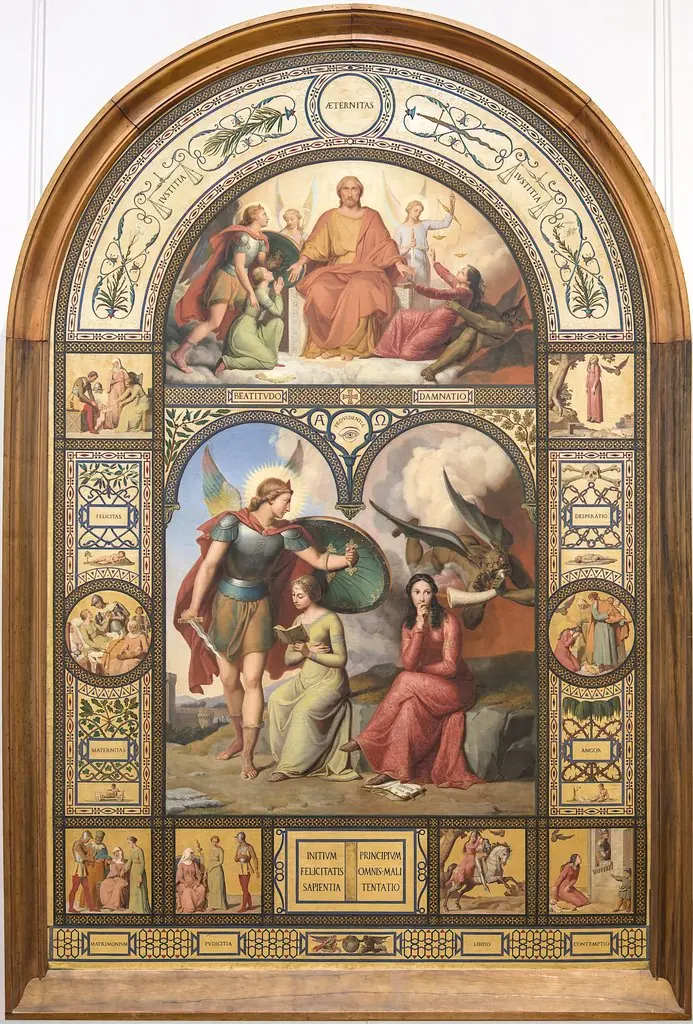 Good and Evil
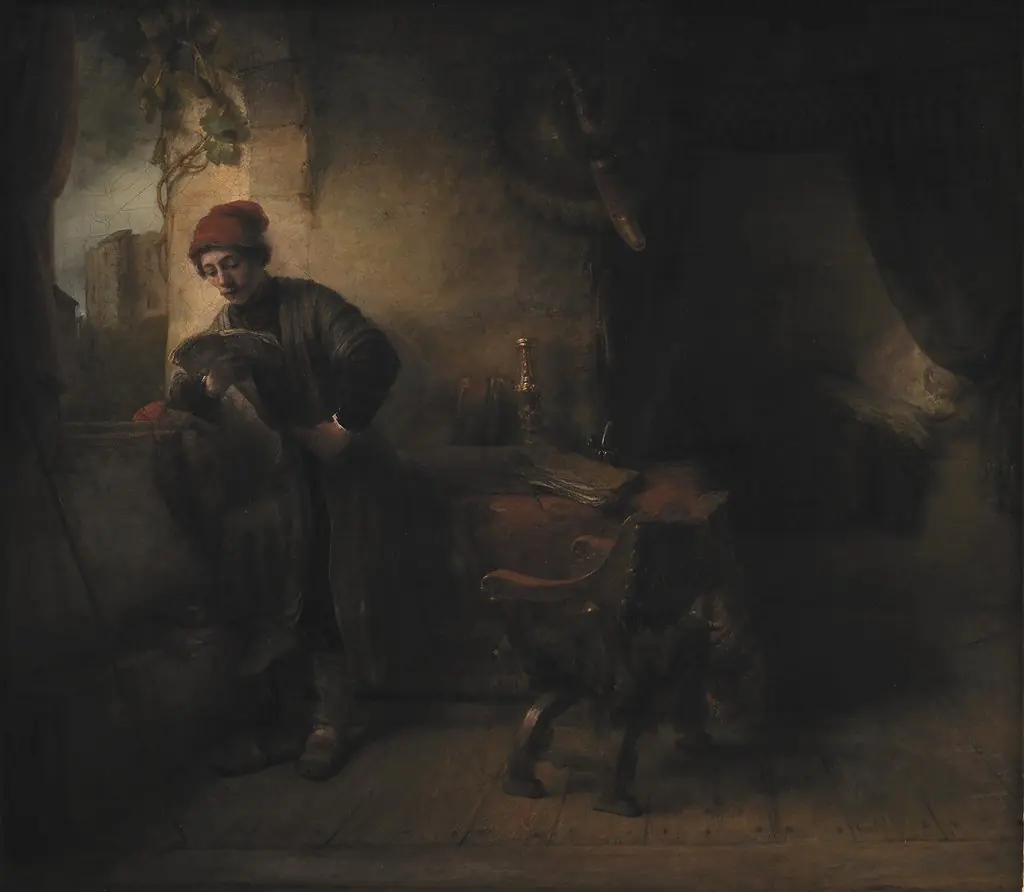 Standing Young Man at the Window in his Study Reading, known as"The Student"
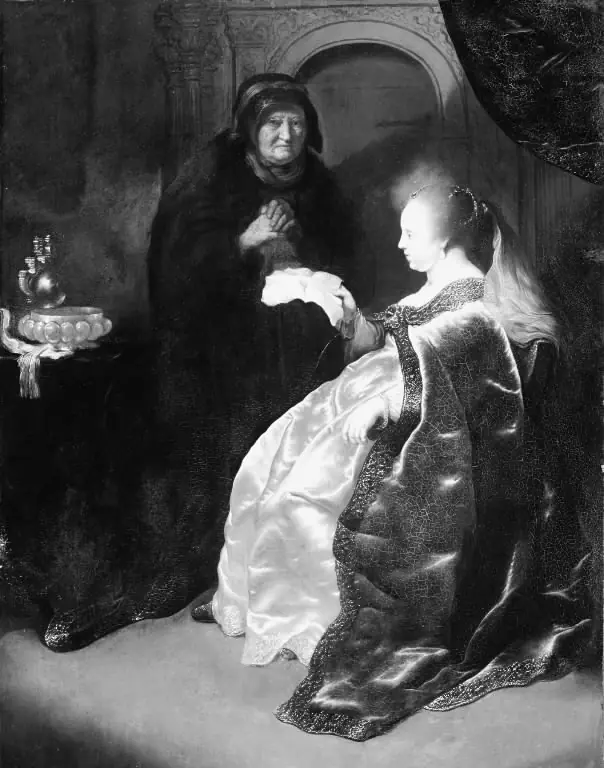 Esther reading Haman's Decree of the Extermination of the Jews
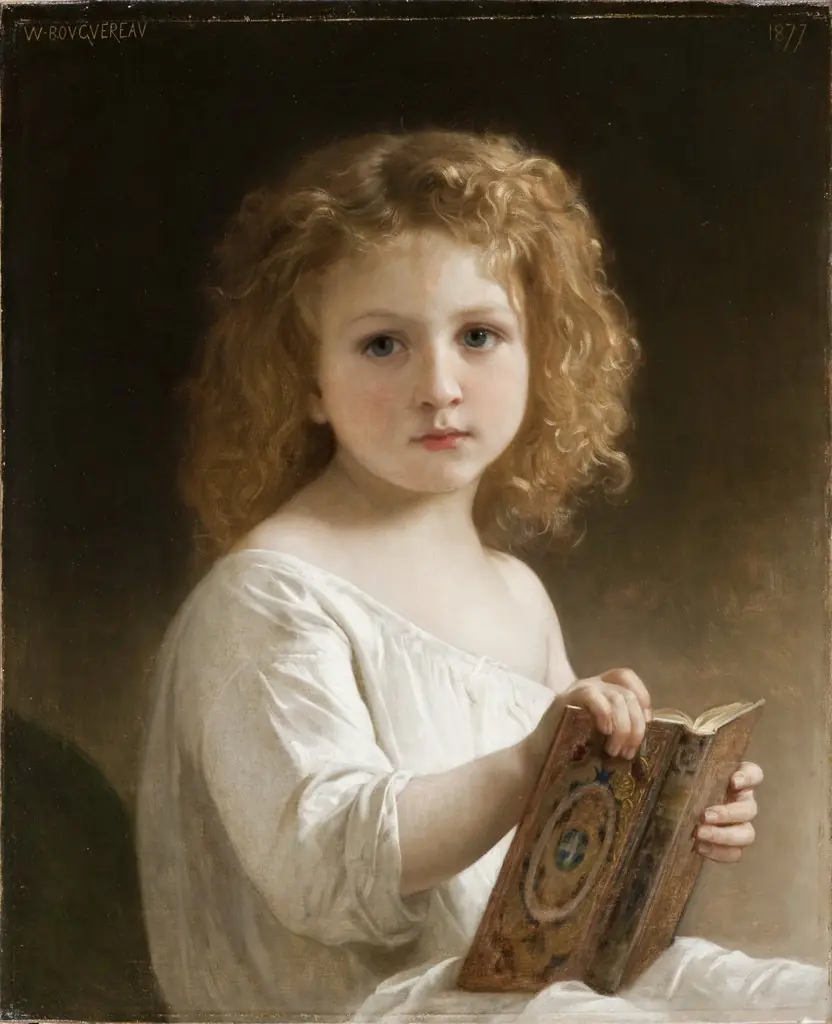 The Story Book
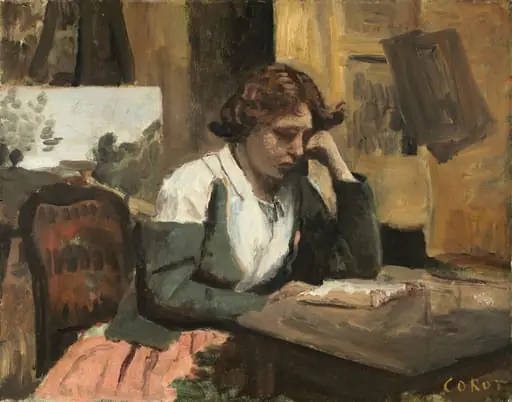 Woman Reading in the Studio
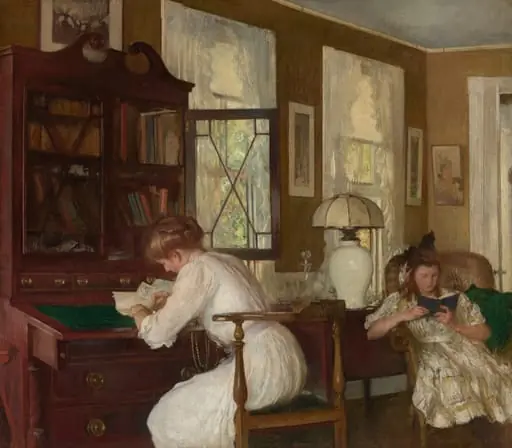 Josephine and Mercie
 Peach Blossom
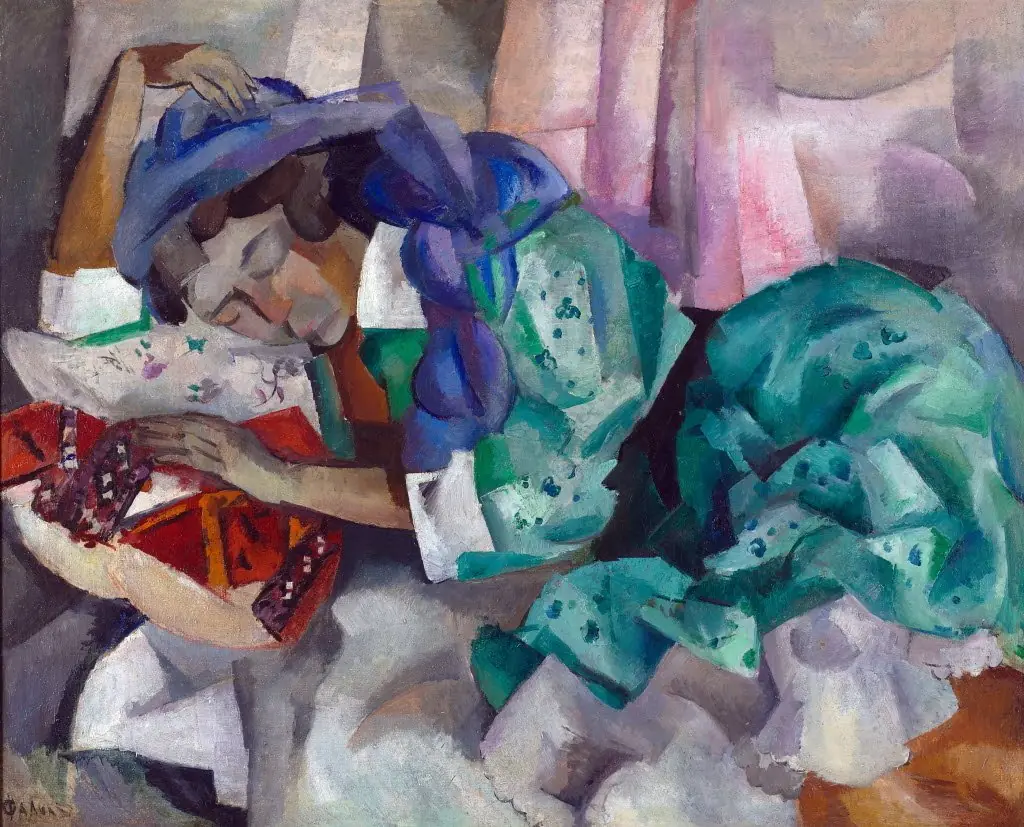 Sleeping Gypsy
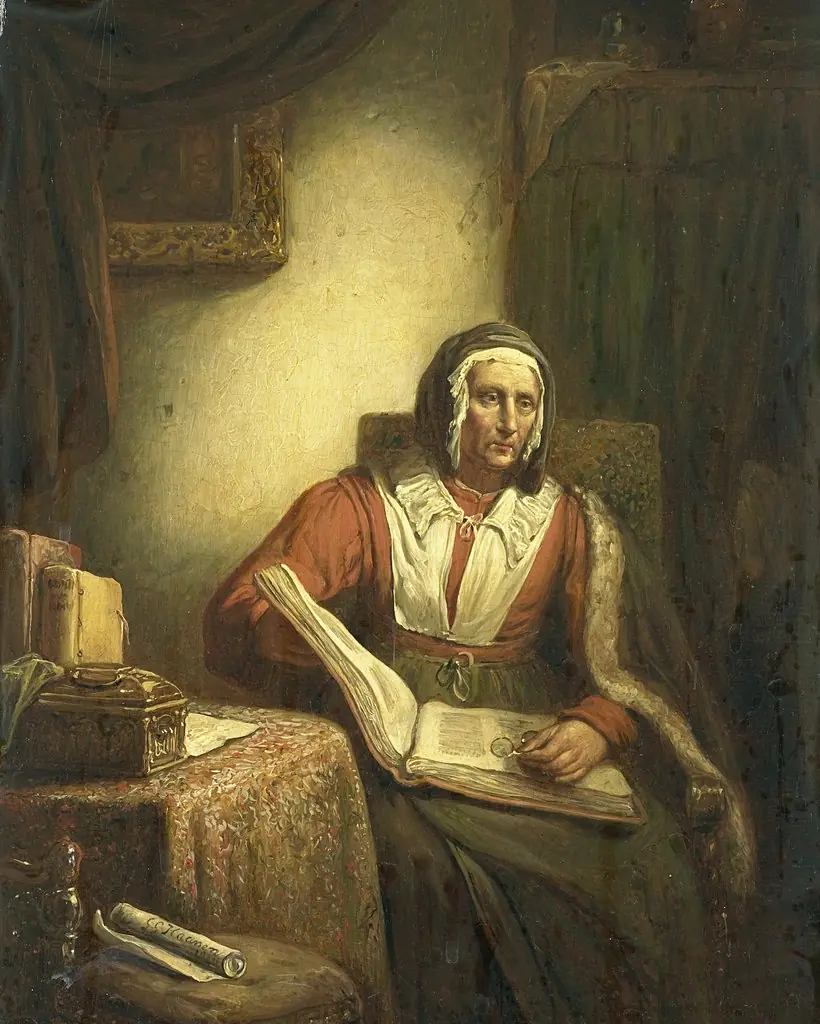 Old Woman Reading
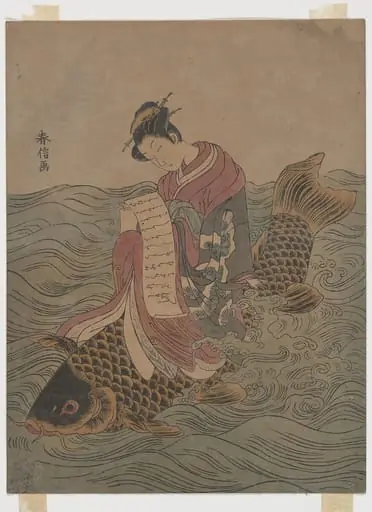 Untitled
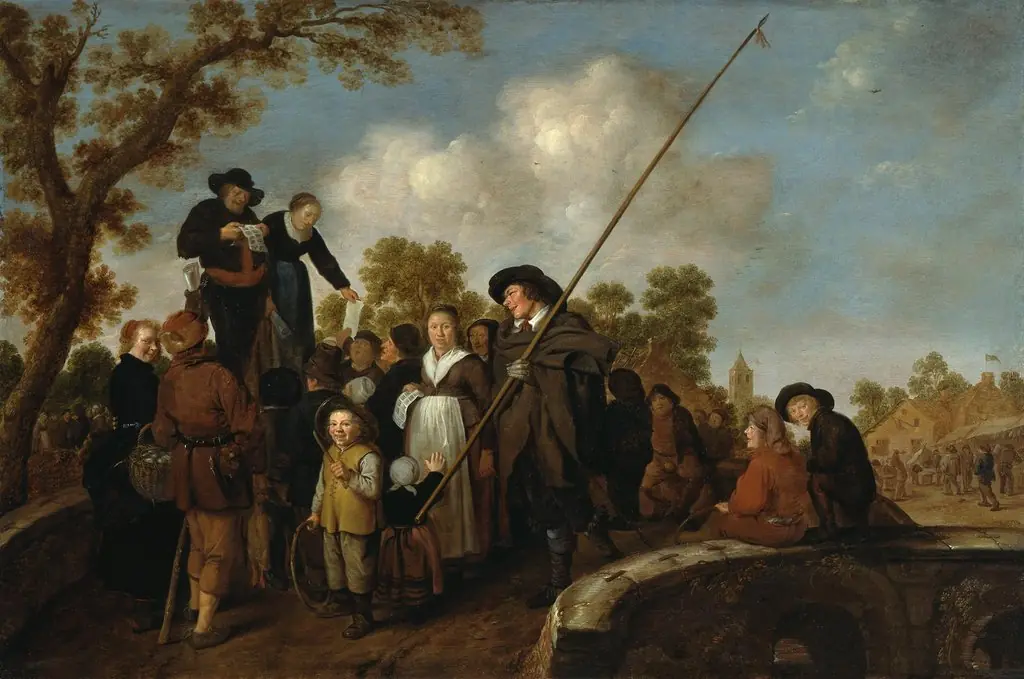 Itinerant Hawkers at a Fair
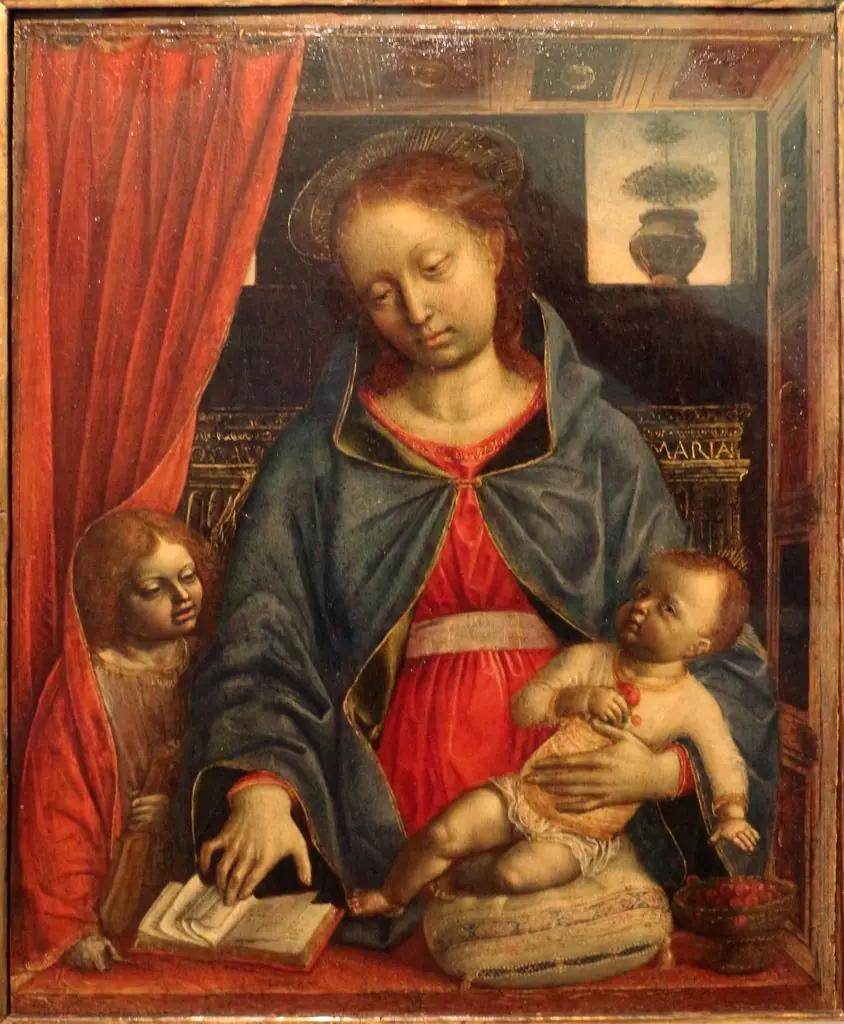 Madonna and Child with an Angel
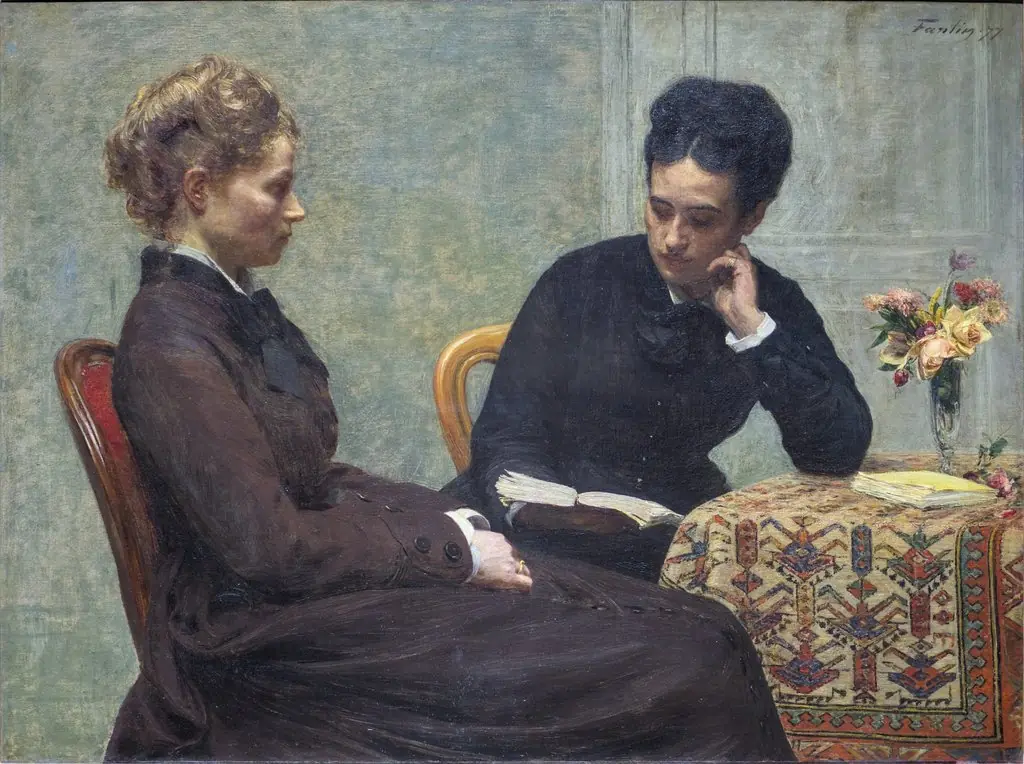 The Reading
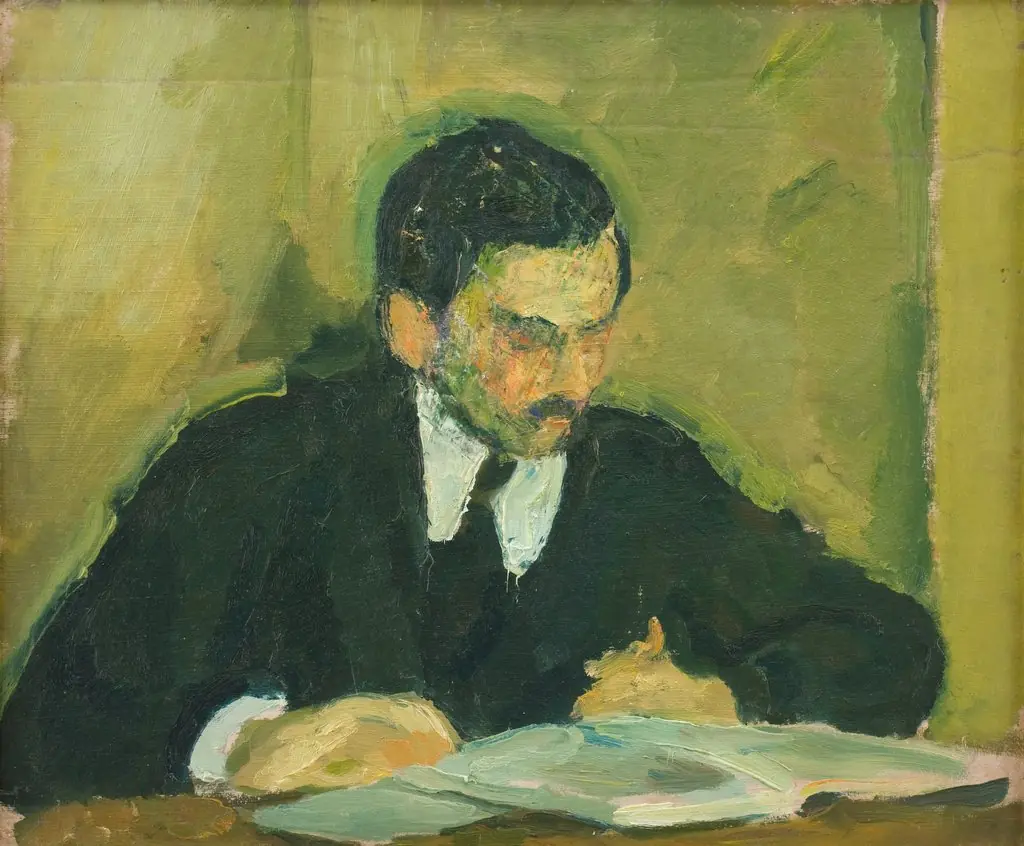 The Painter Ernst Goldschmidt
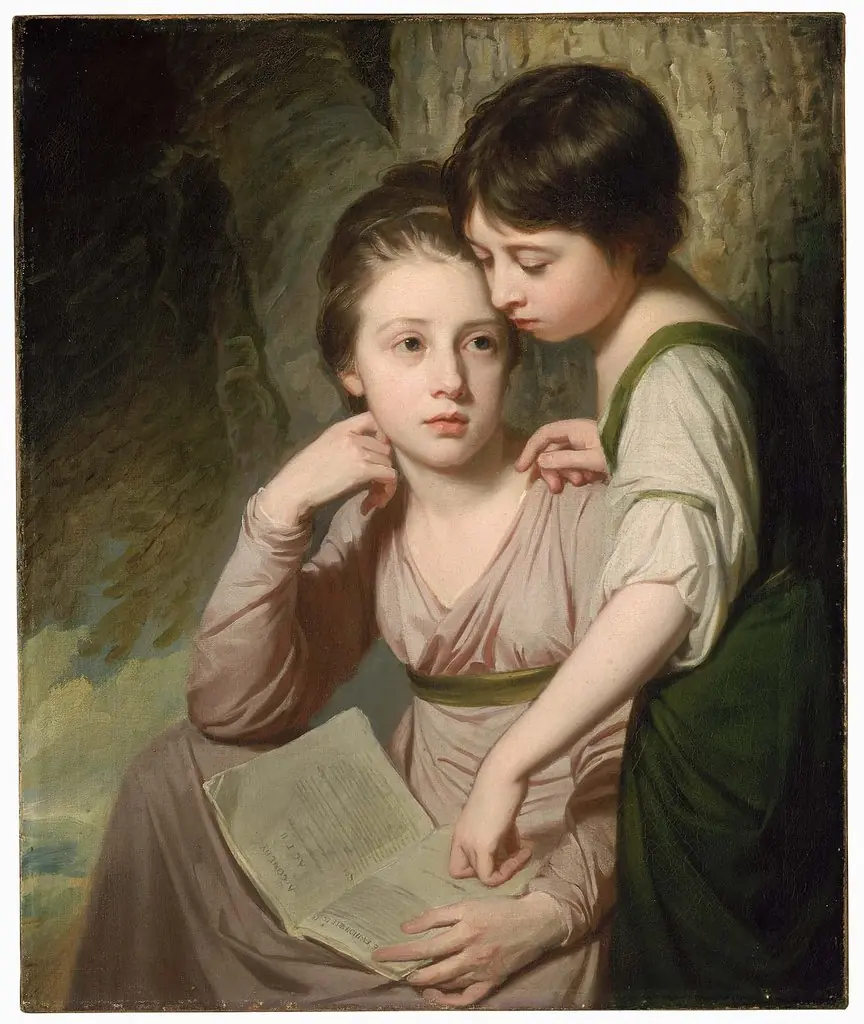 Portrait of Two Girls (Misses Cumberland)
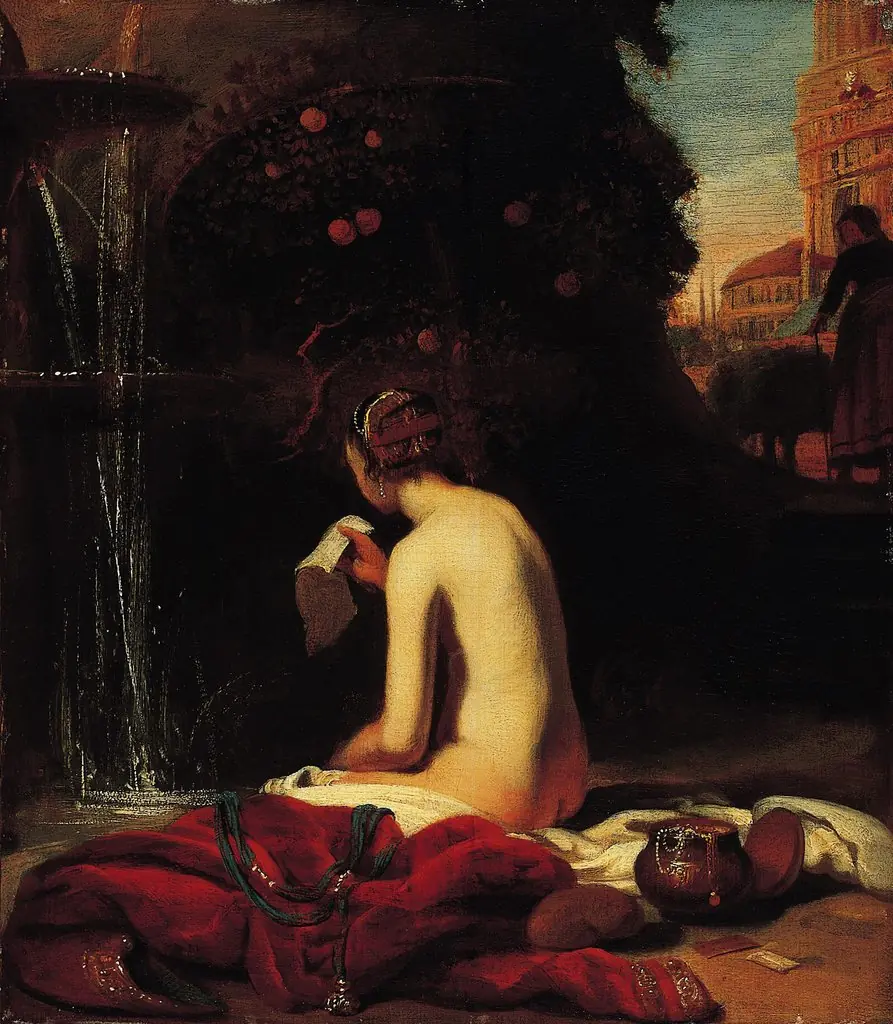 Bathsheba
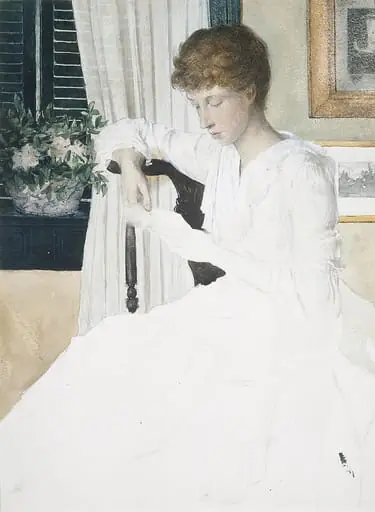 Anna Dwight Weir Reading a Letter
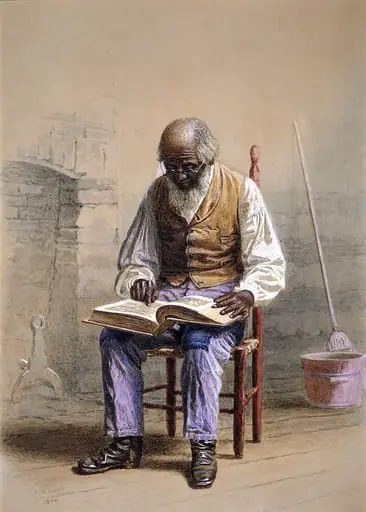 Reading the Scriptures
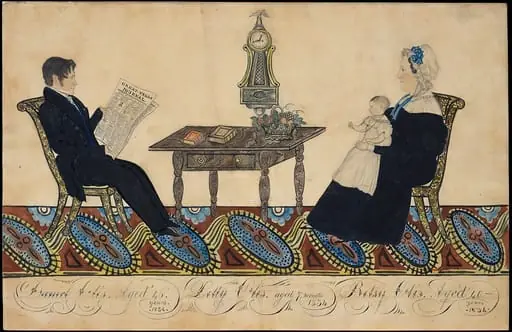 Mr. and Mrs. Daniel Otis and Child
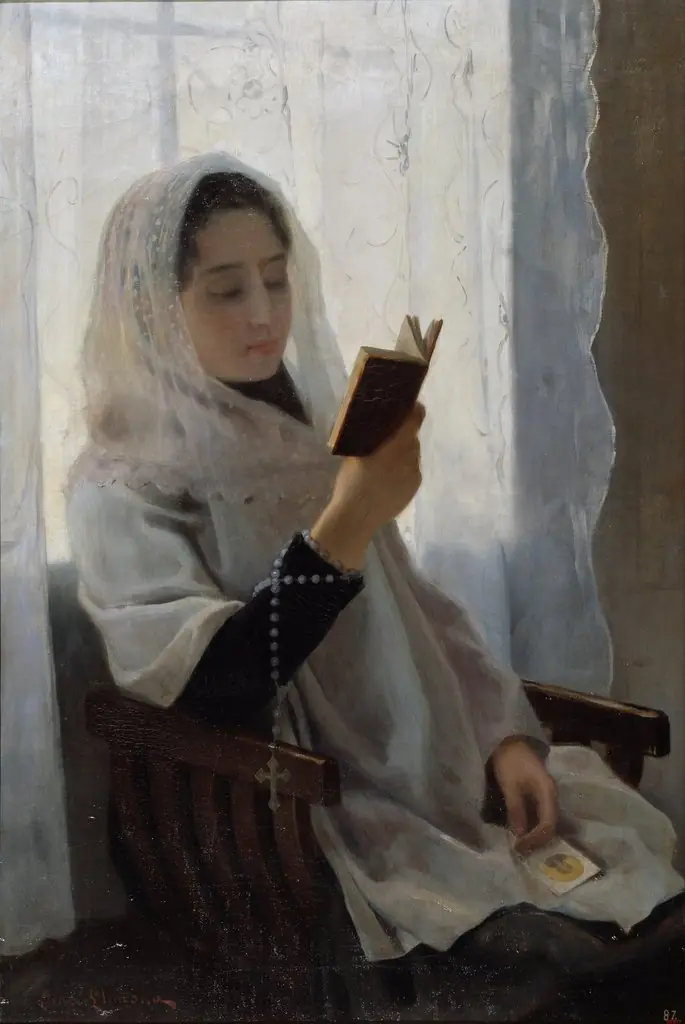 Reading
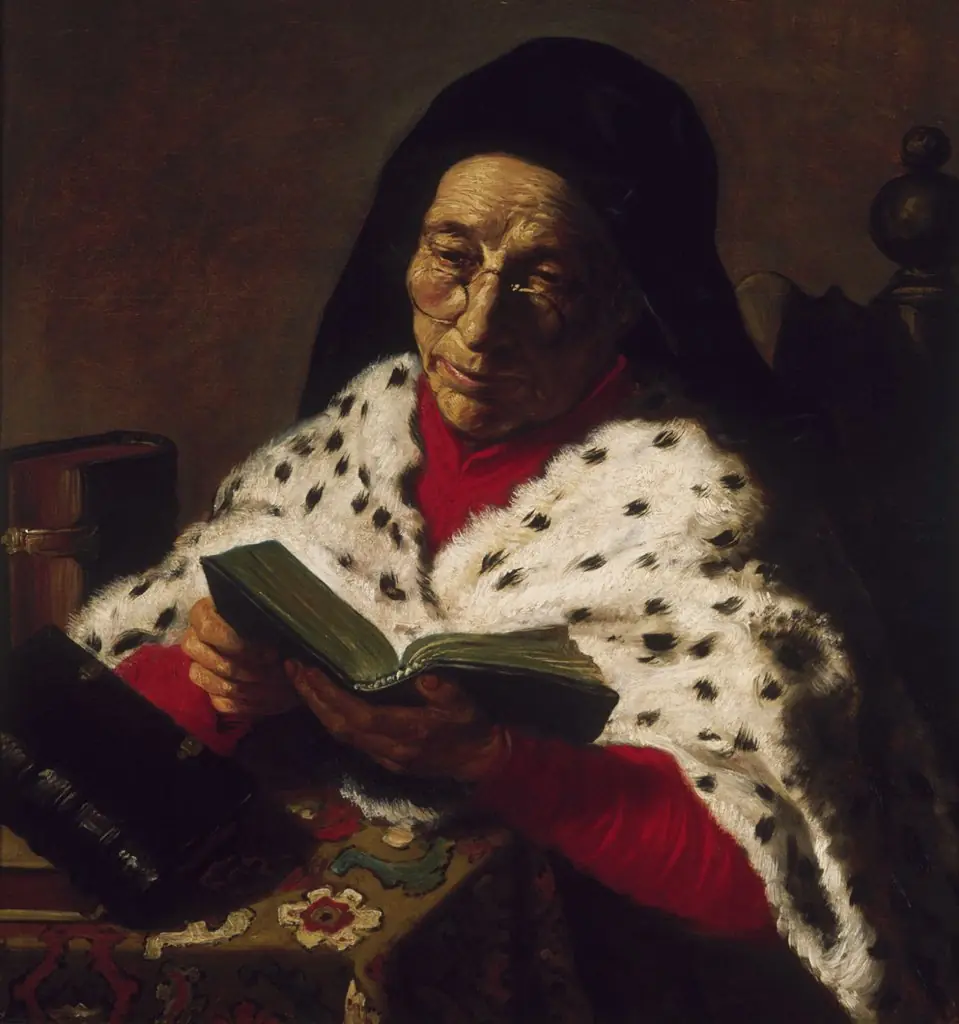 Old Woman Reading
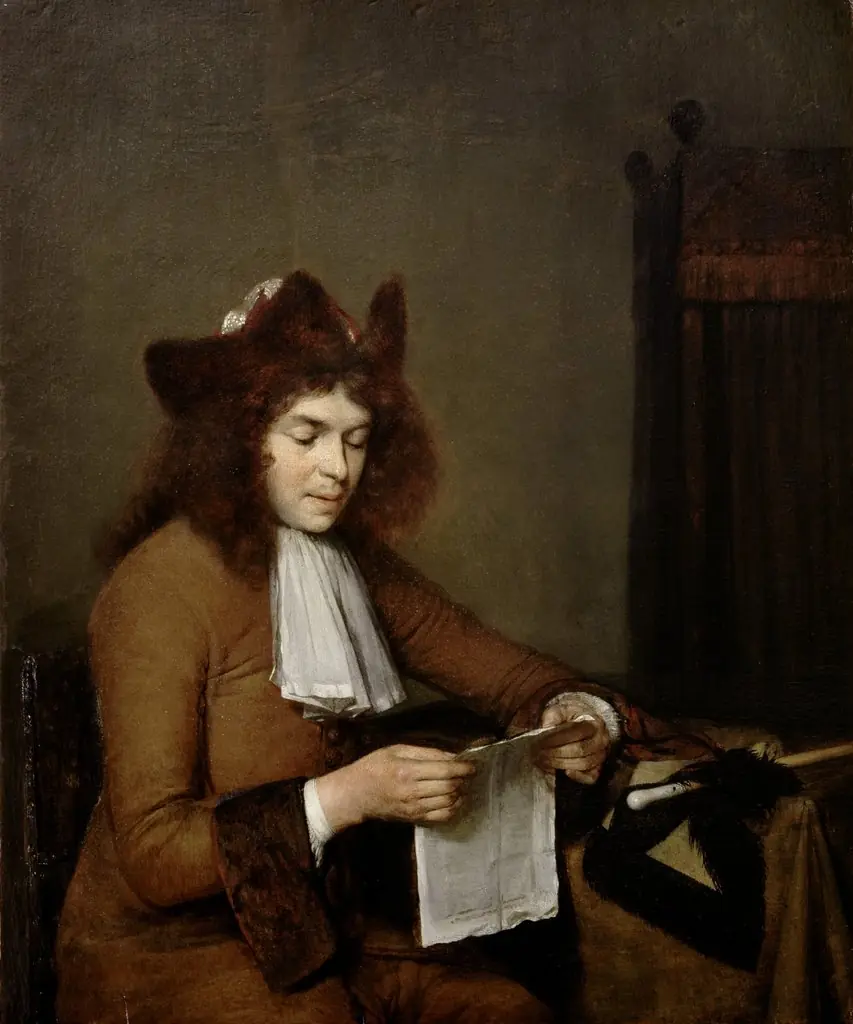 Young Man Reading
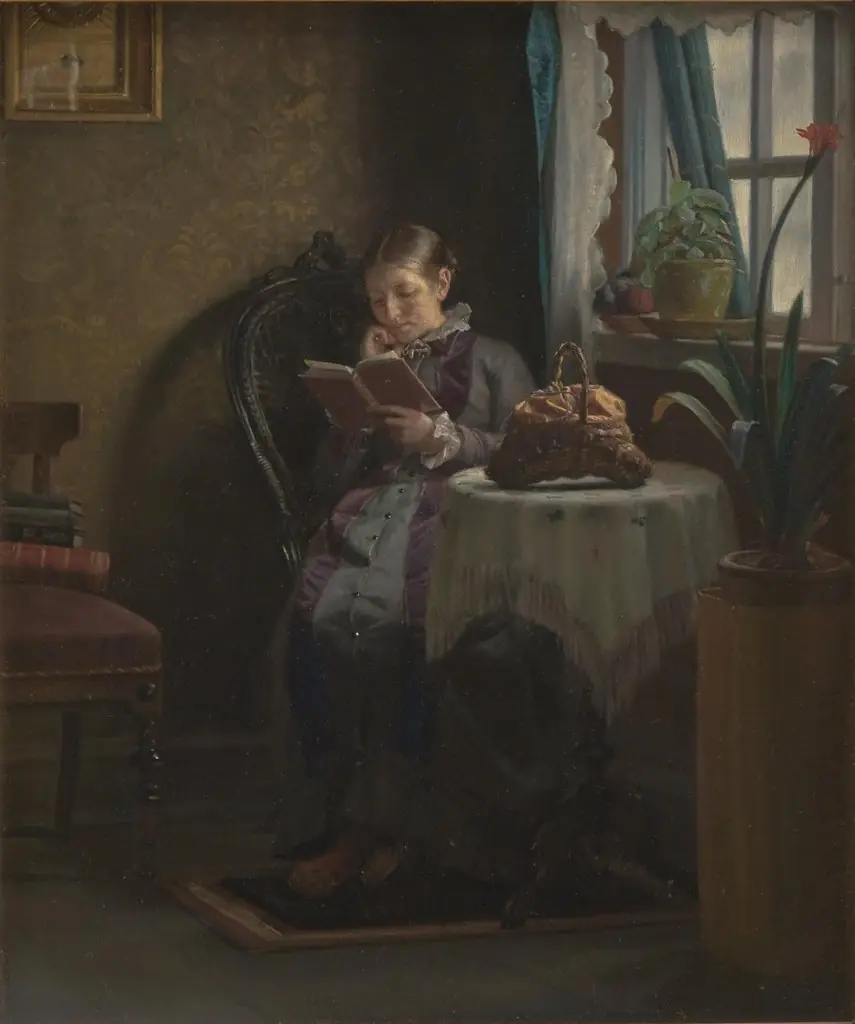 The Artist's Wife Reading
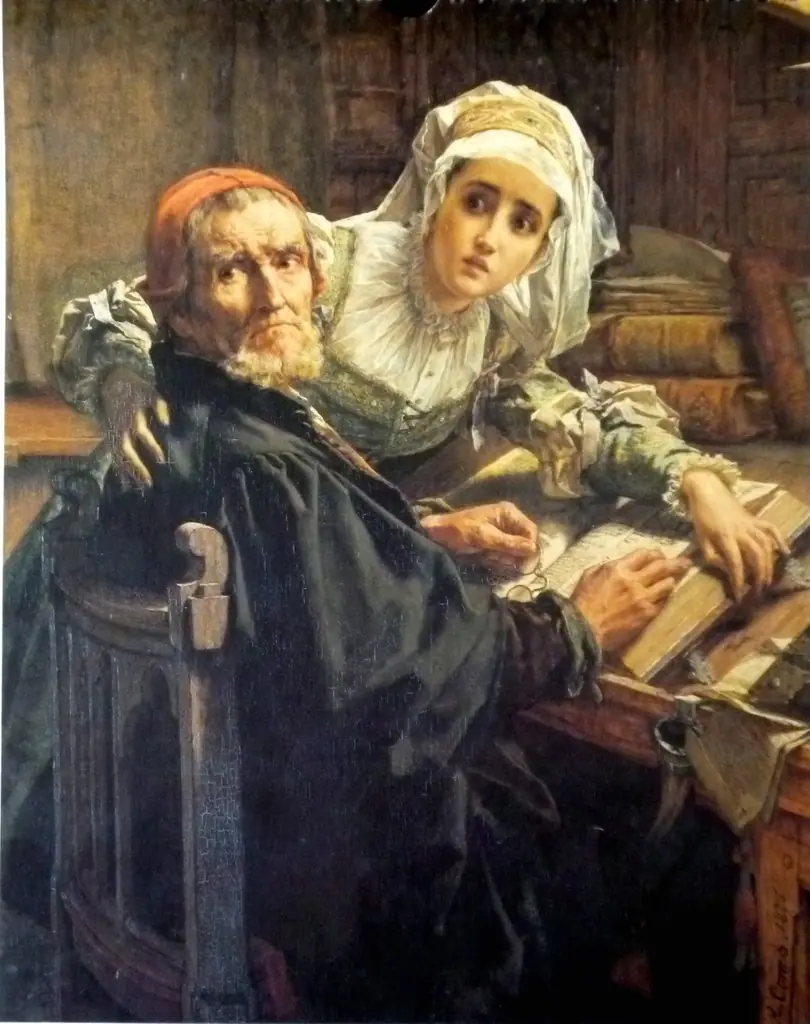 The prohibited reading
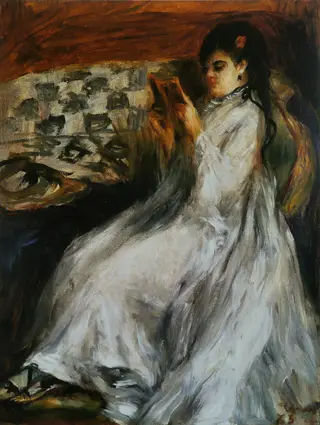 Young Woman in White Reading
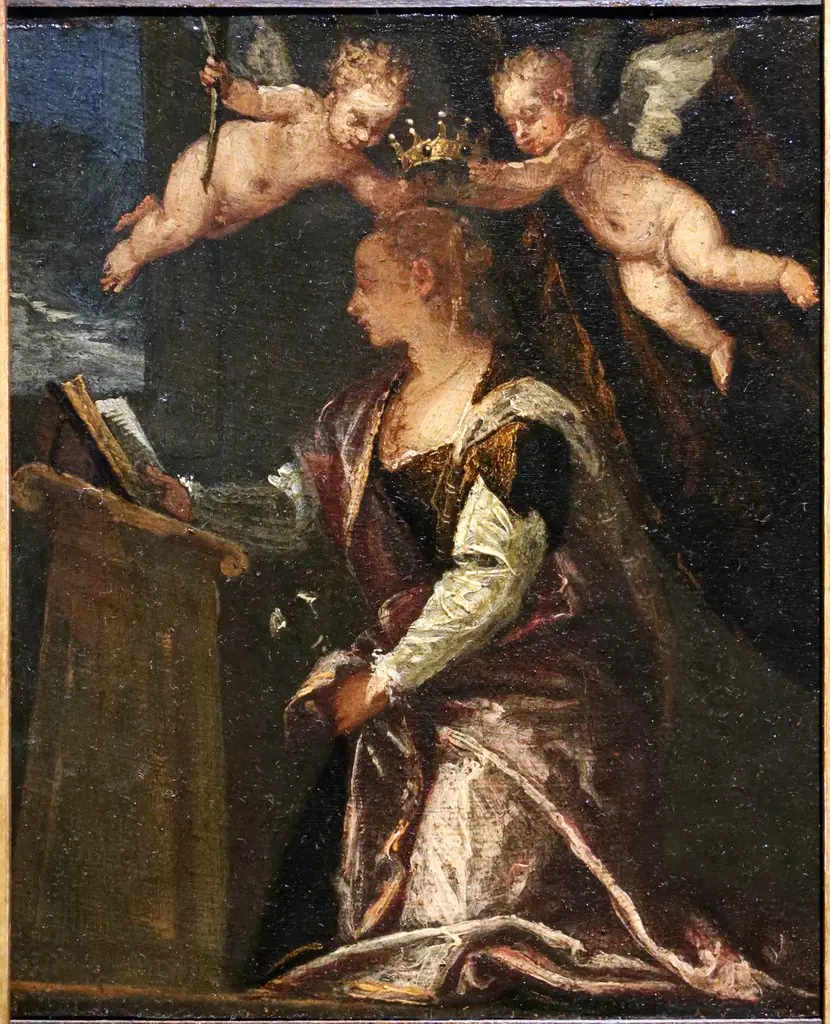 Saint Agatha crowned by Angels
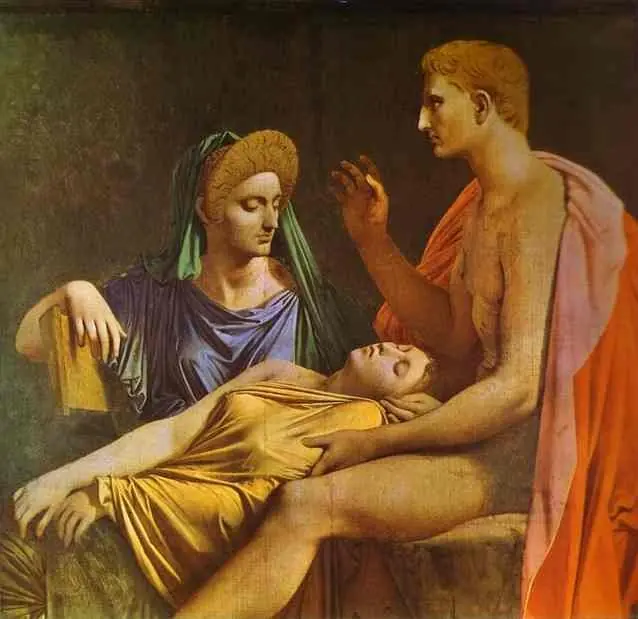 Augustus Listening to the Reading of the Aeneid
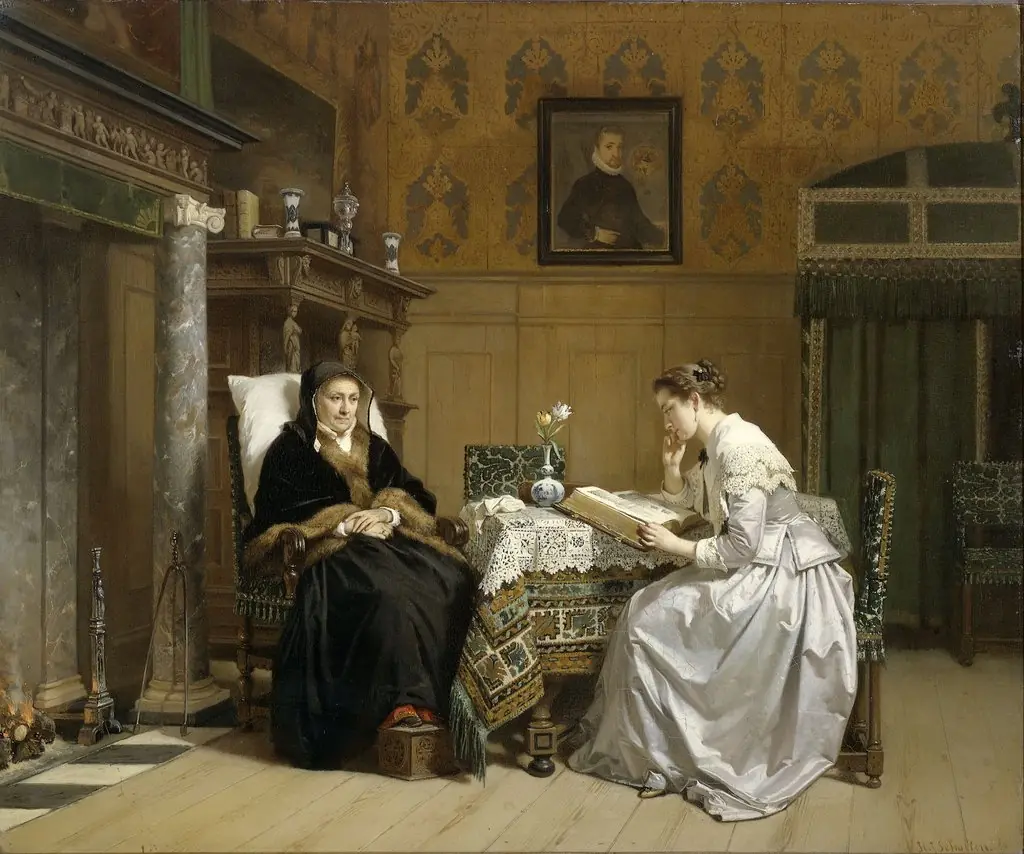 Sunday Morning
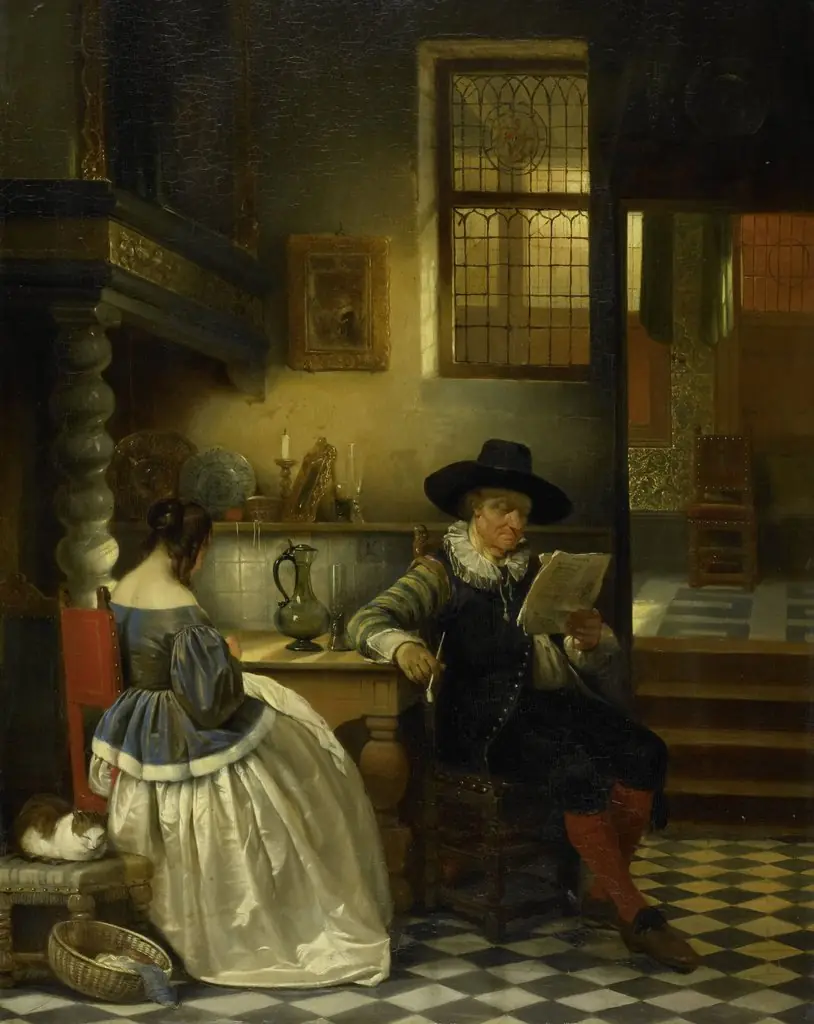 An Interior of the 17th Century
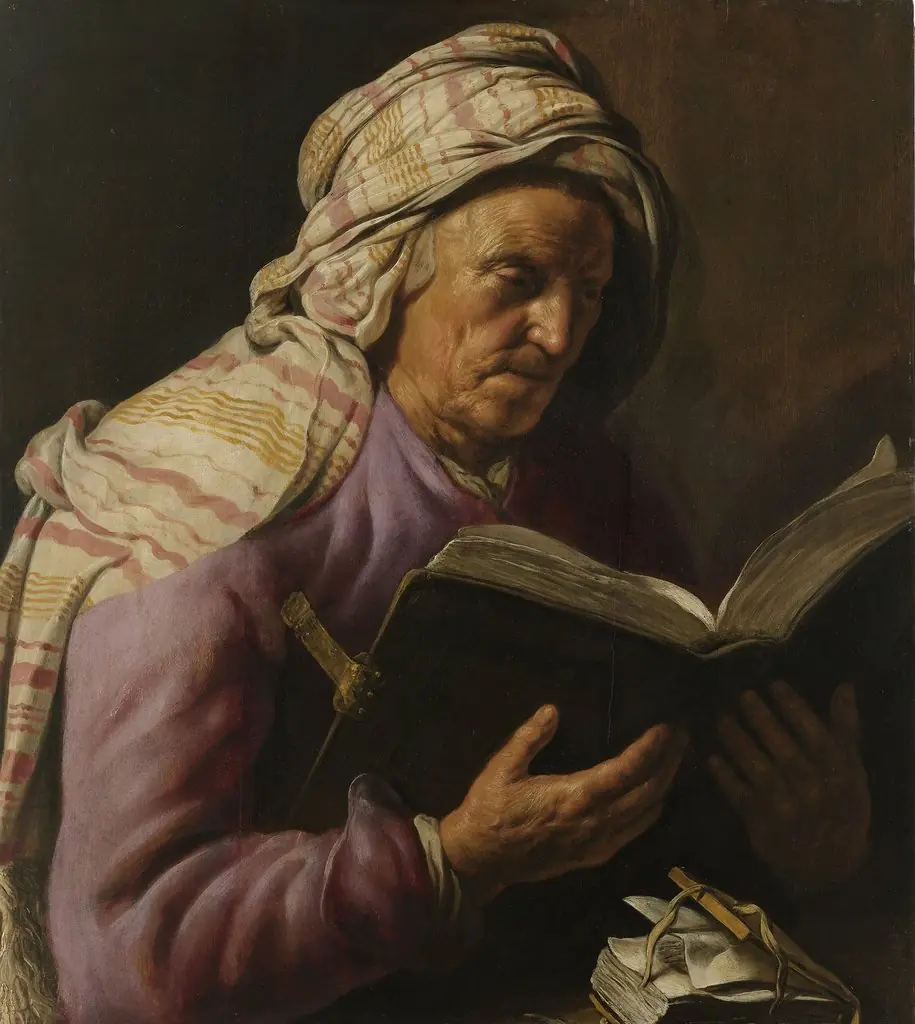 Old woman reading
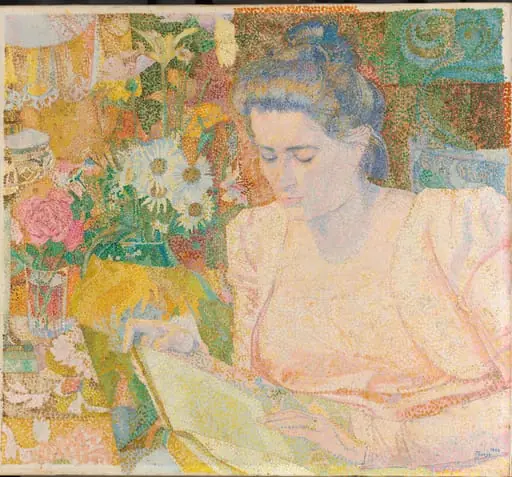 Portrait of Marie Jeanette de Lange
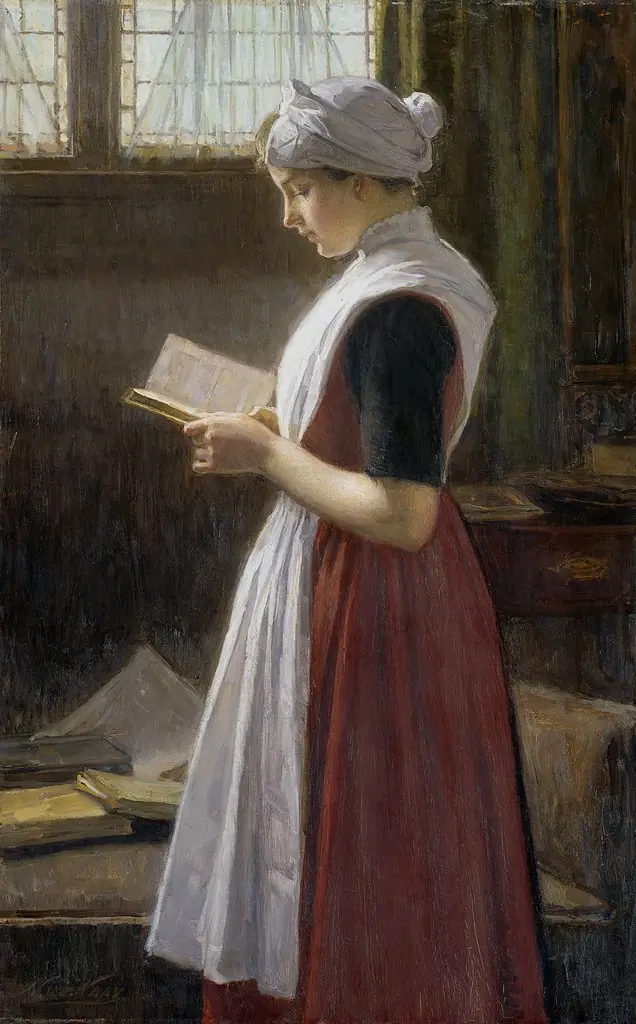 Amsterdam Orphan Girl
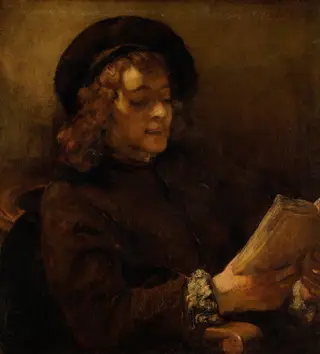 Titus Reading (study in direct and reflected light)
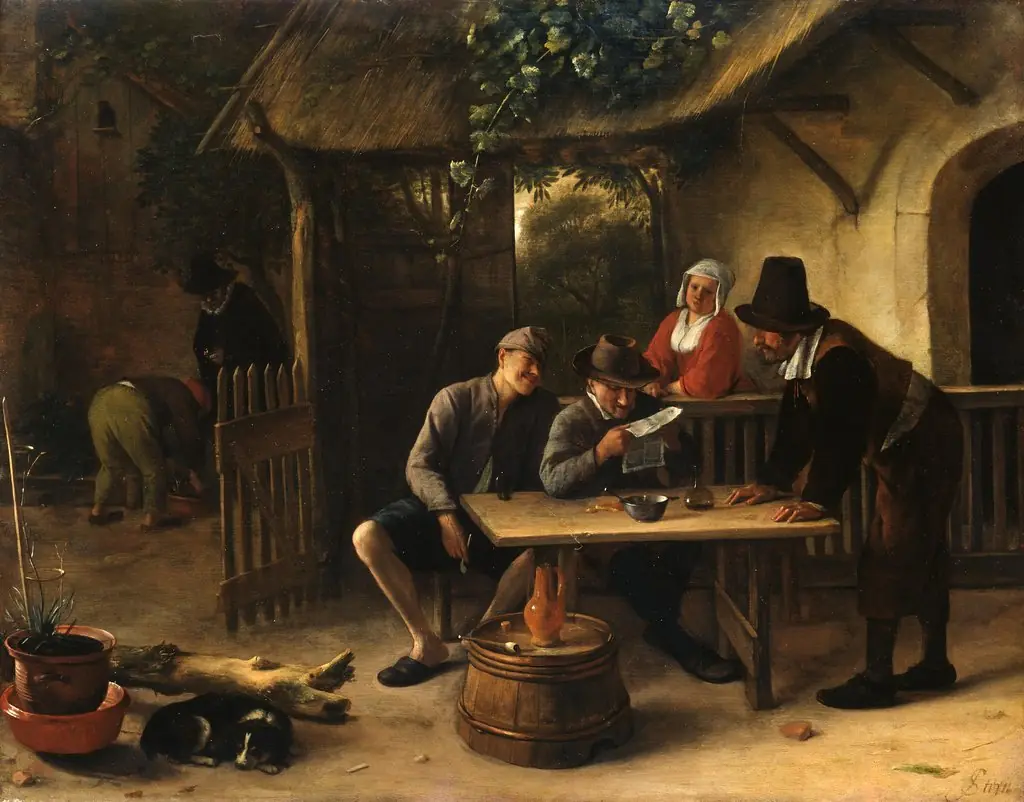 The News Reader
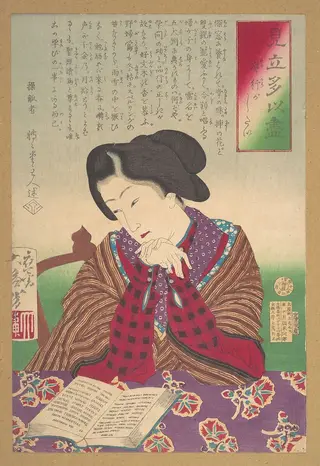 見立多以尽 - 洋行がしたい|Collection of Desires, Wish for Foreign Travel (Mitate Tai zukushi-yōkō ga shitai)
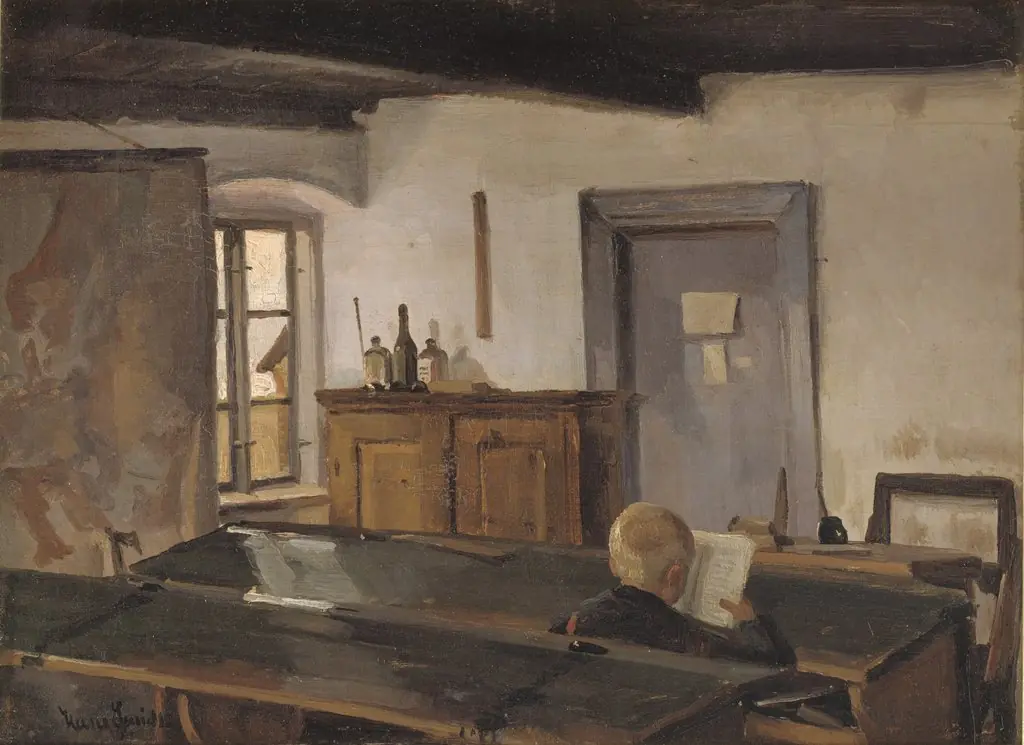 En skolestue med en læsende dreng
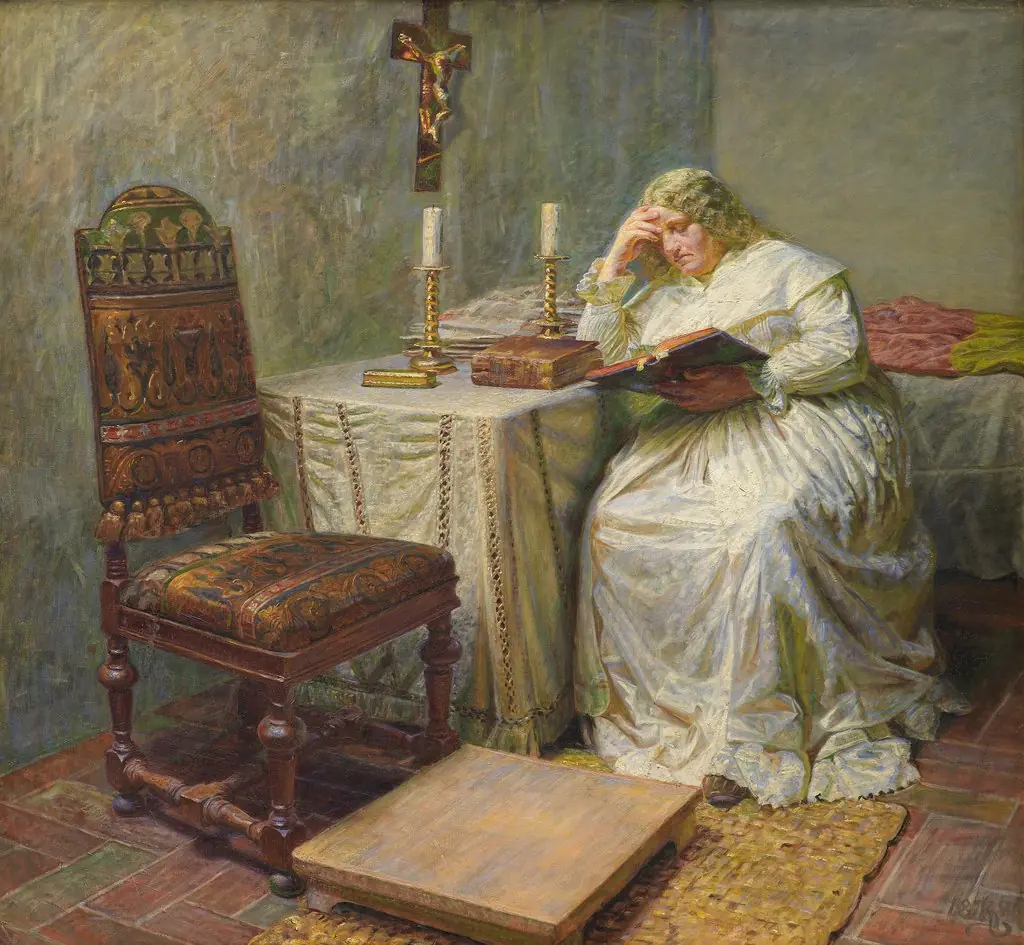 Leonora Christina in Blåtårn
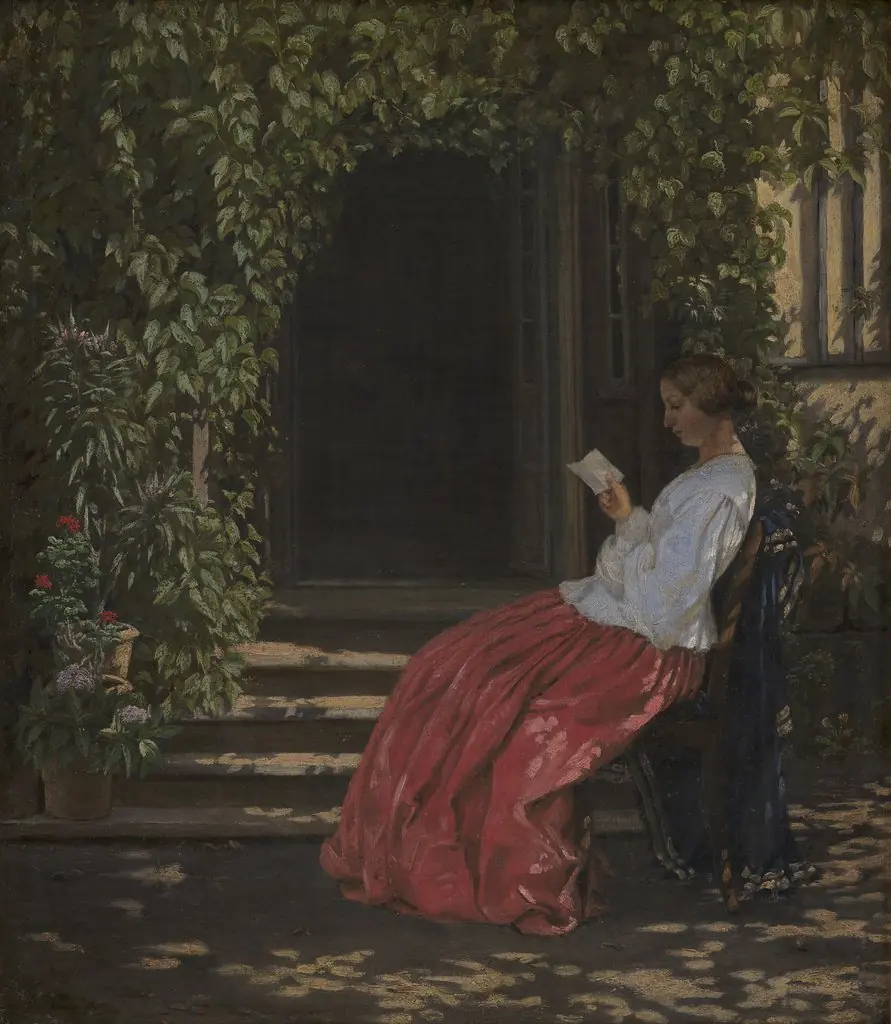 Læsende dame uden for en havedør
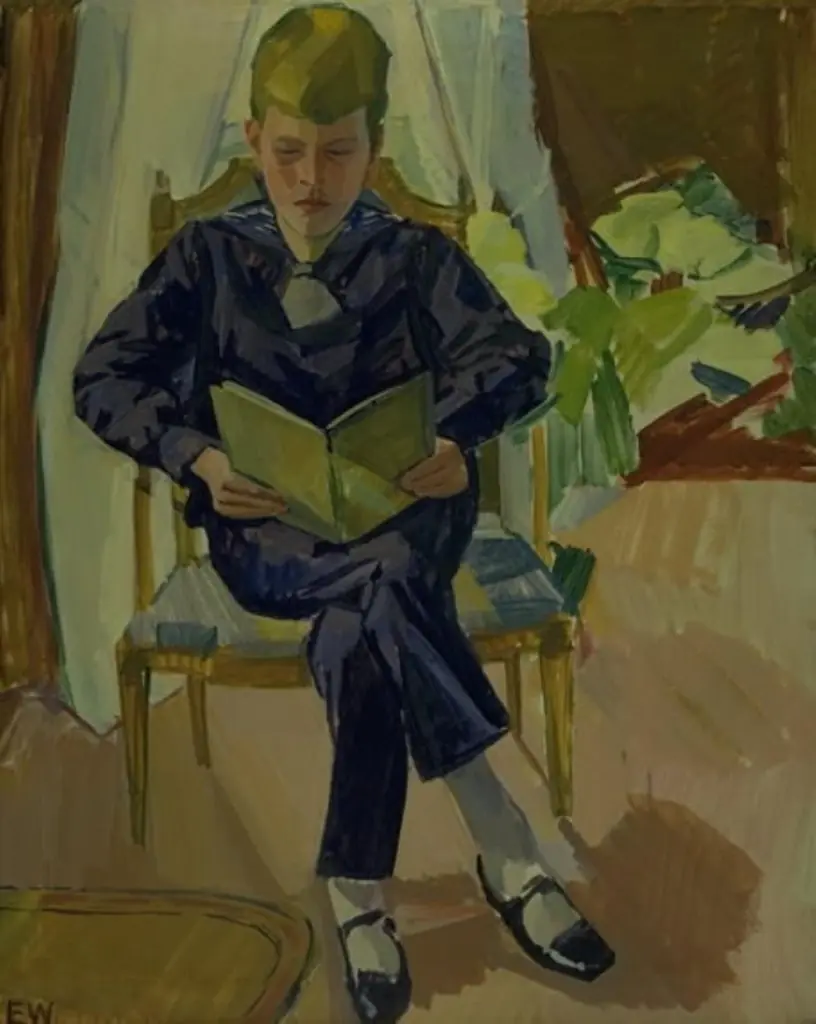 Portrait of Bent von Müllen as a Boy
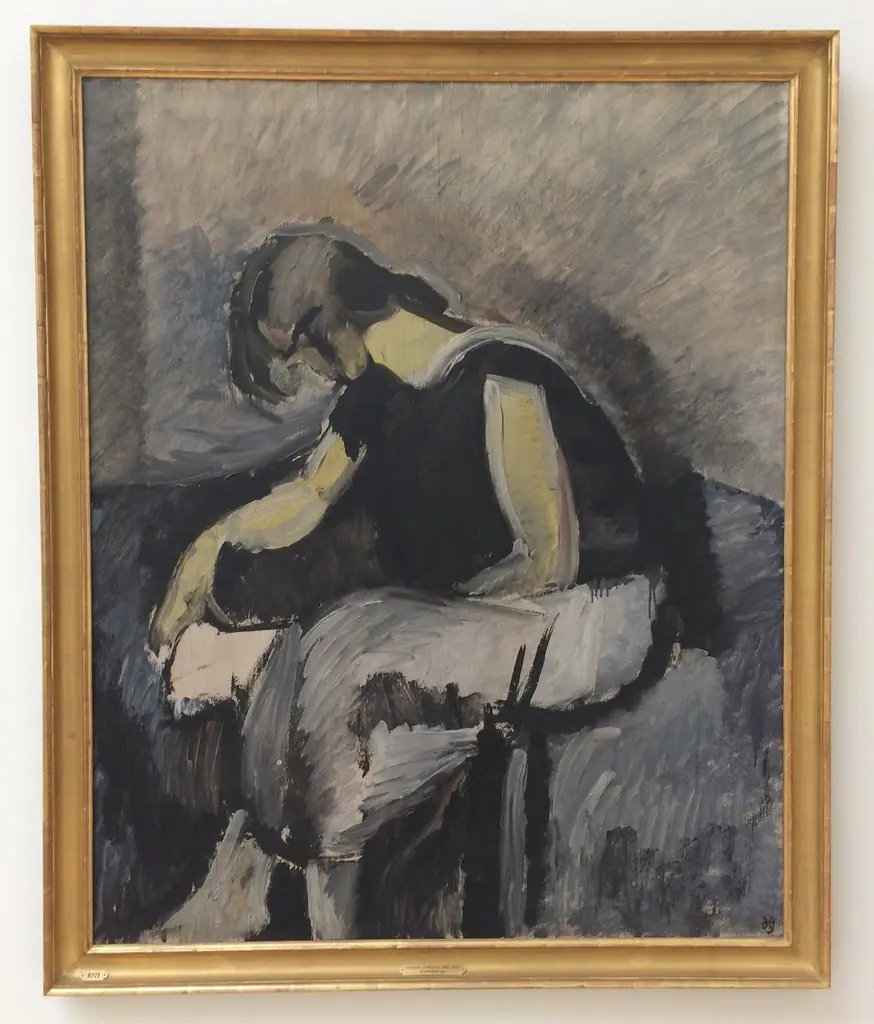 A Lady Reading
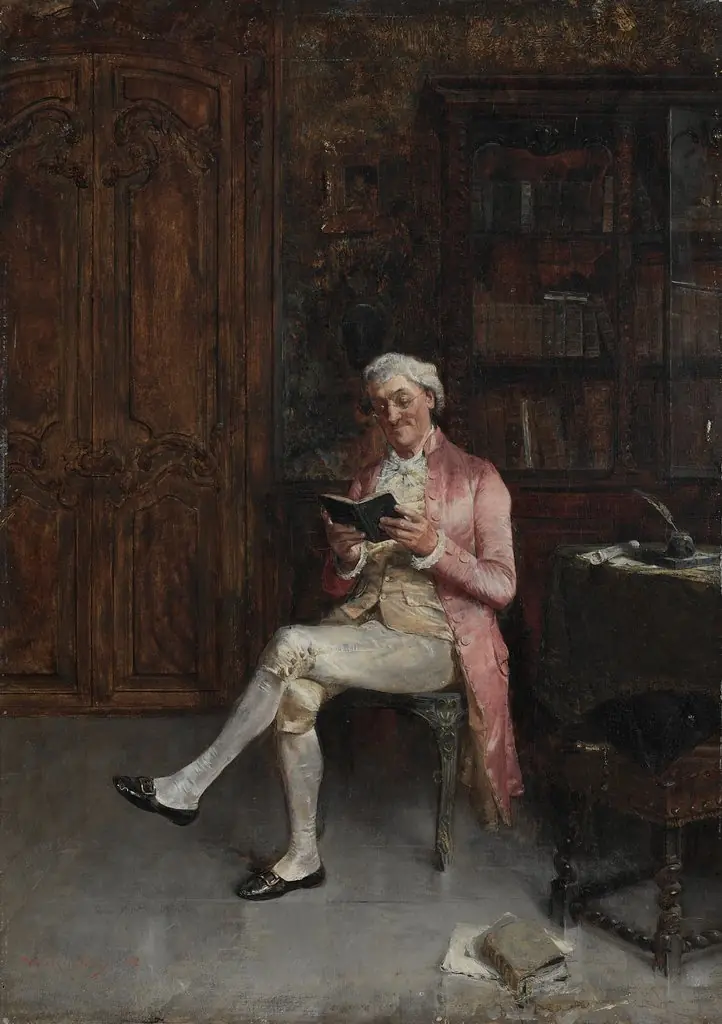 A Philosopher
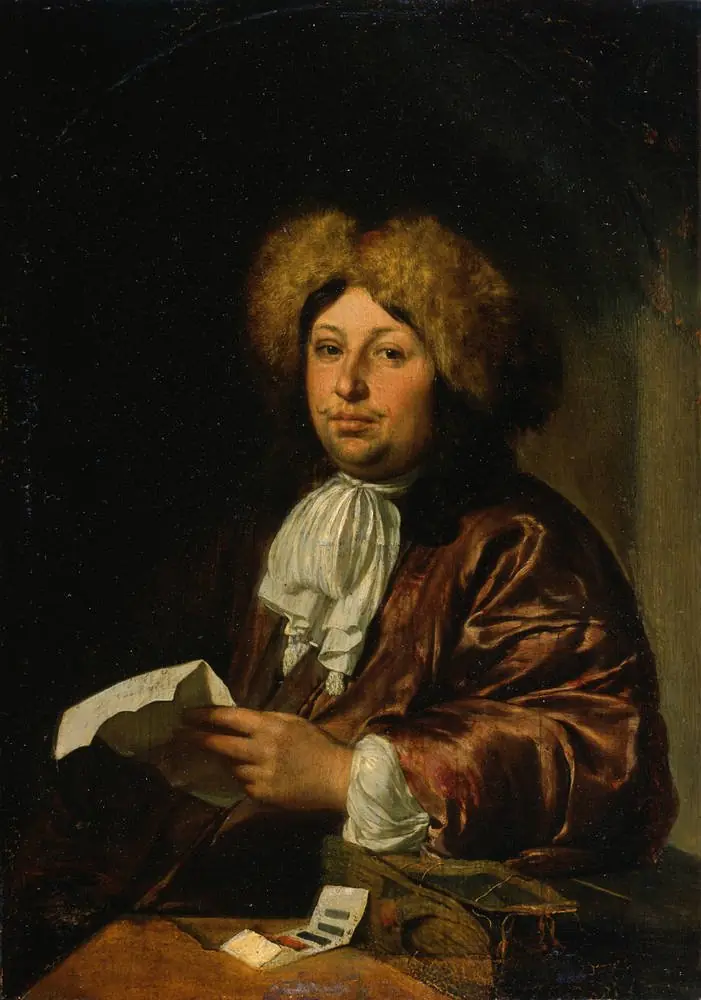 The Colors Dealer
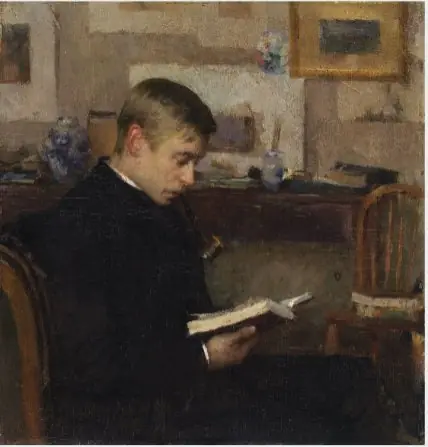 Portrait of Stephen Gwynn (1864-1950), Author
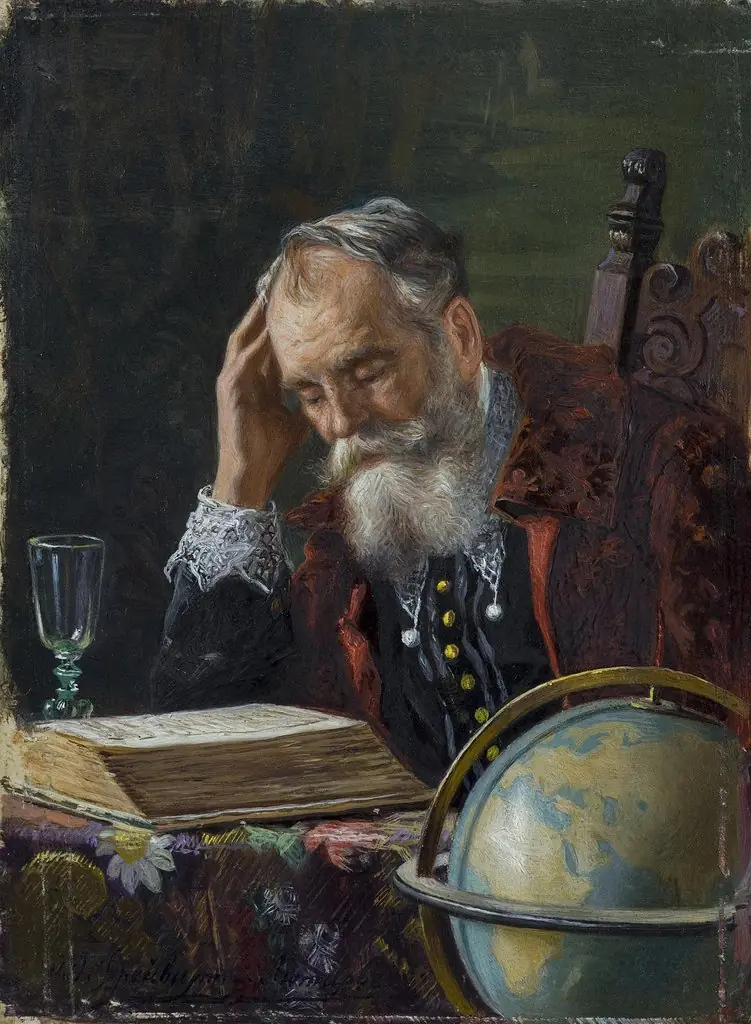 Portrait of Vasco da Gama
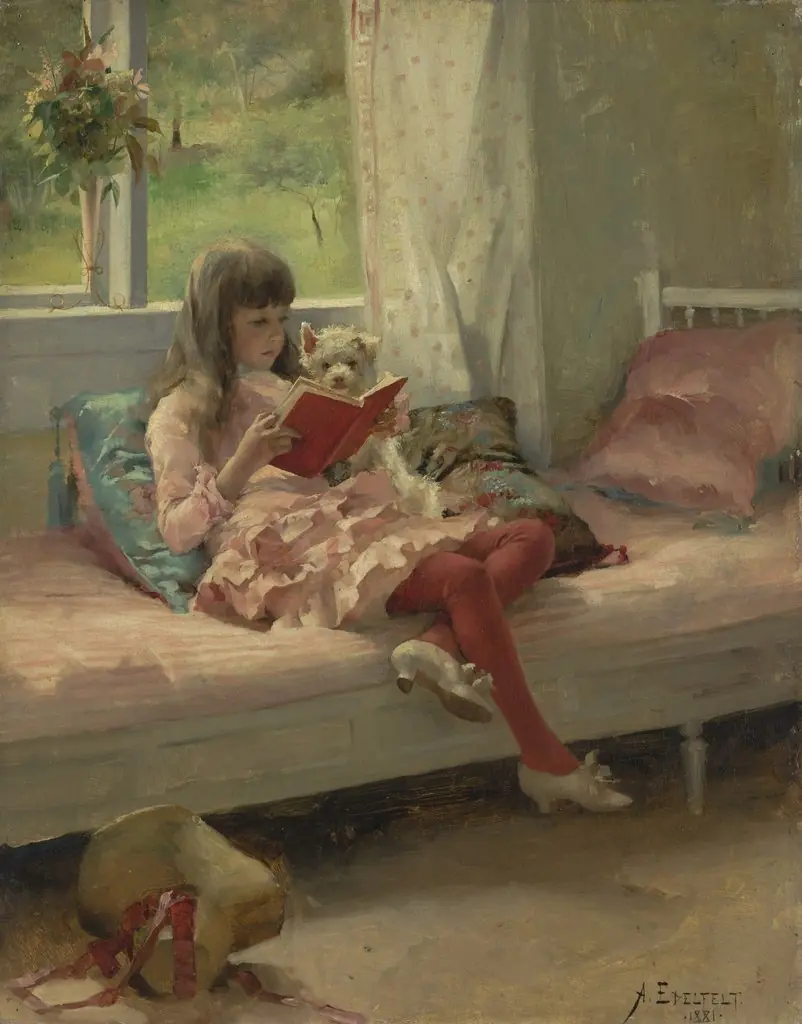 Good Friends (Portrait of the Artist's Sister Berta Edelfelt)
 Monet that reads
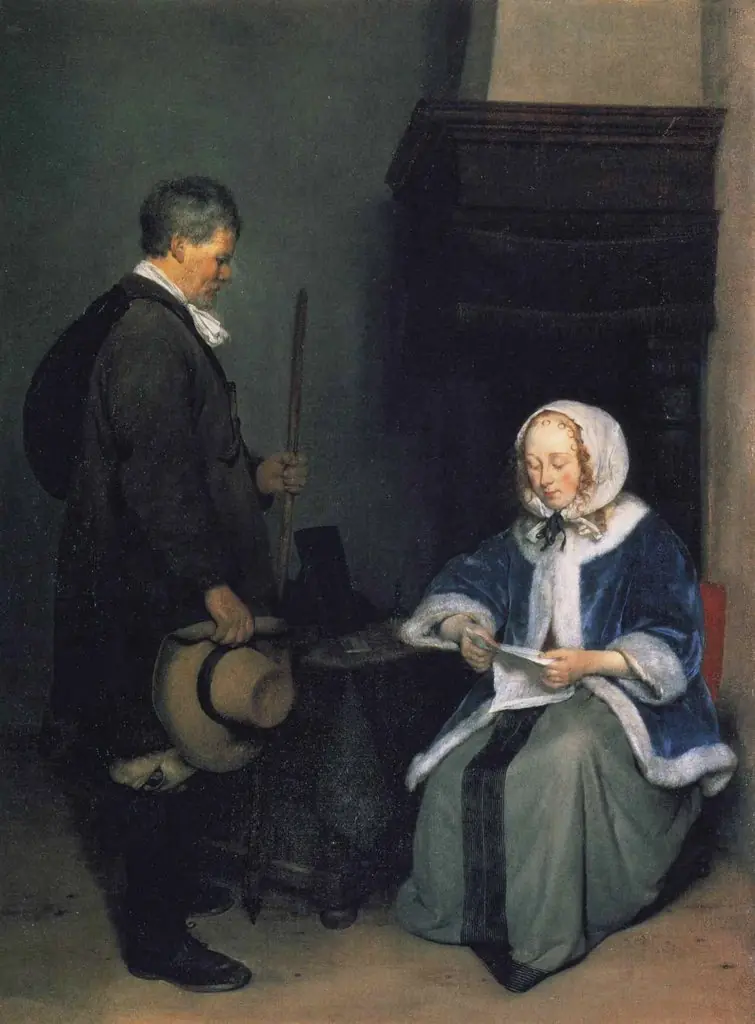 Sitting Lady Reading a Letter with a man
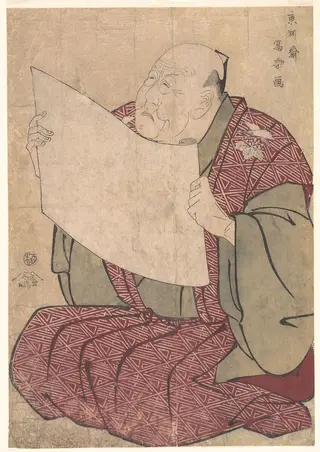 Untitled
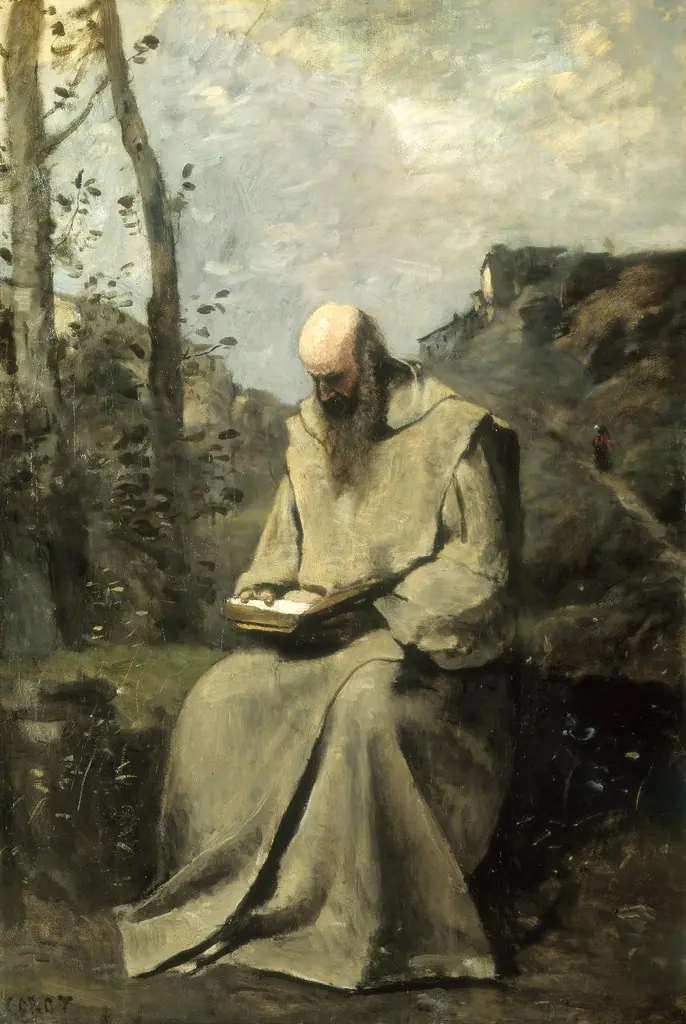 Sitting Monk, Reading
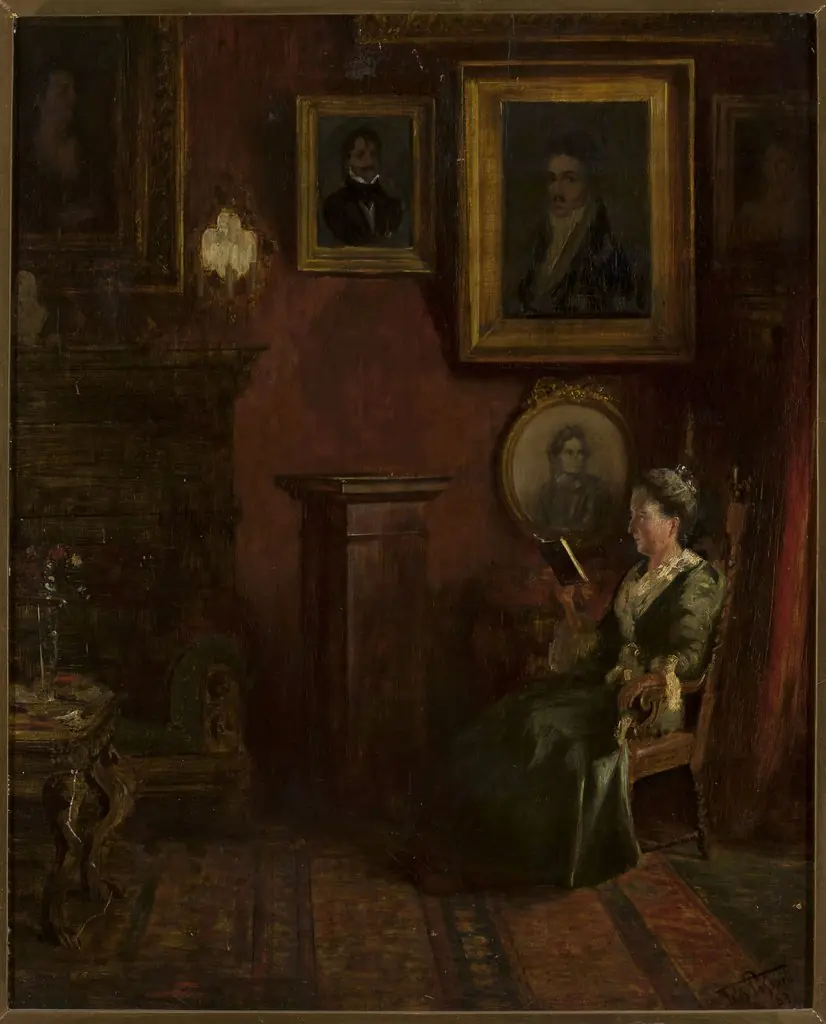 Portrait of a woman in an armchair
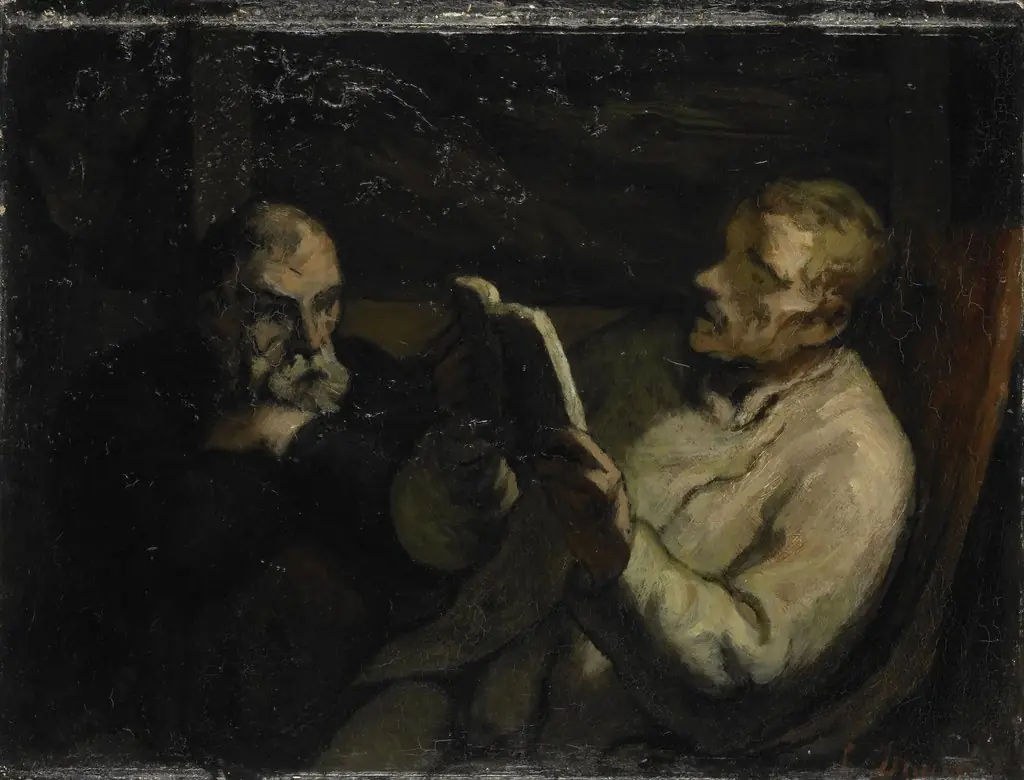 The Reading
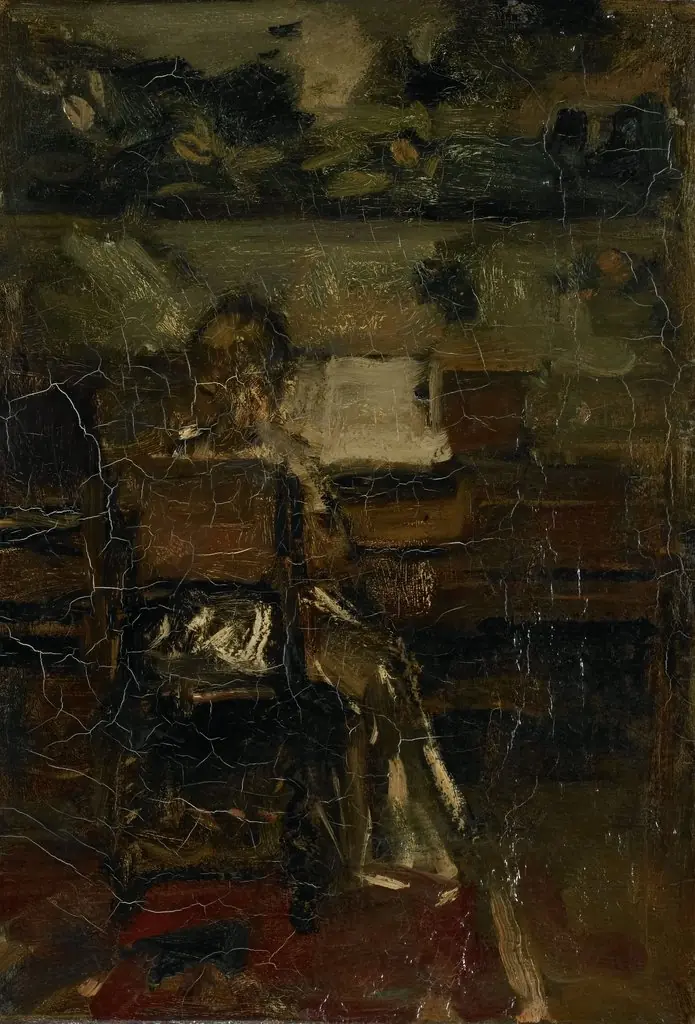 Meisje aan de piano
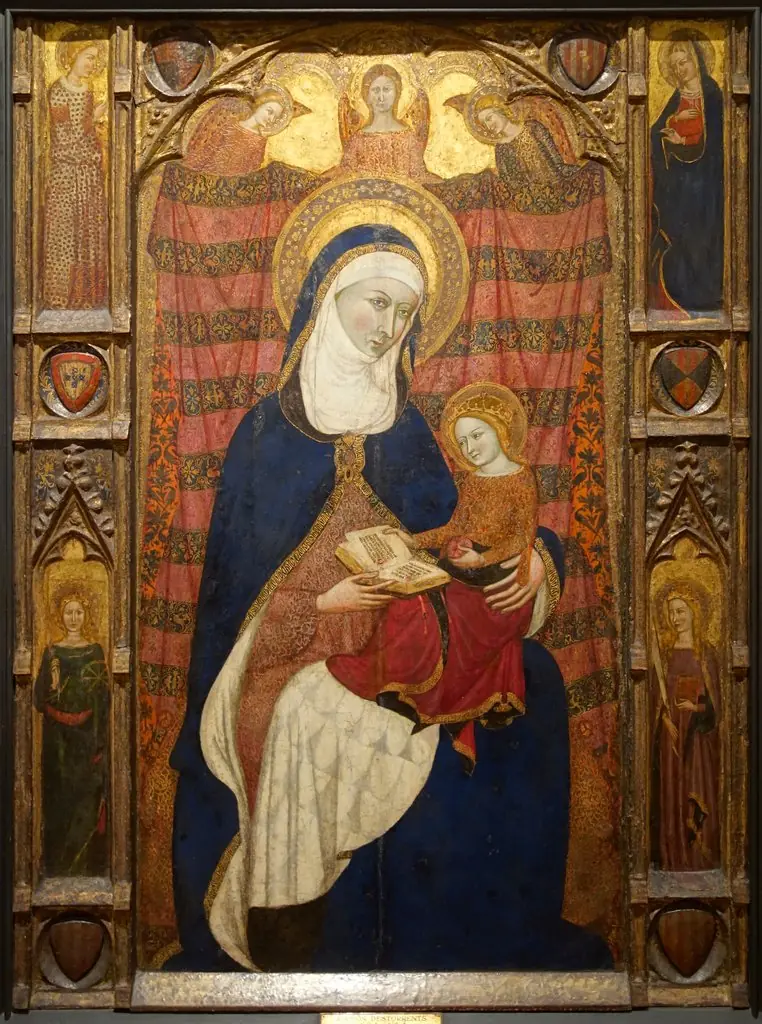 Retaule de Santa Anna i la Mare de Déu
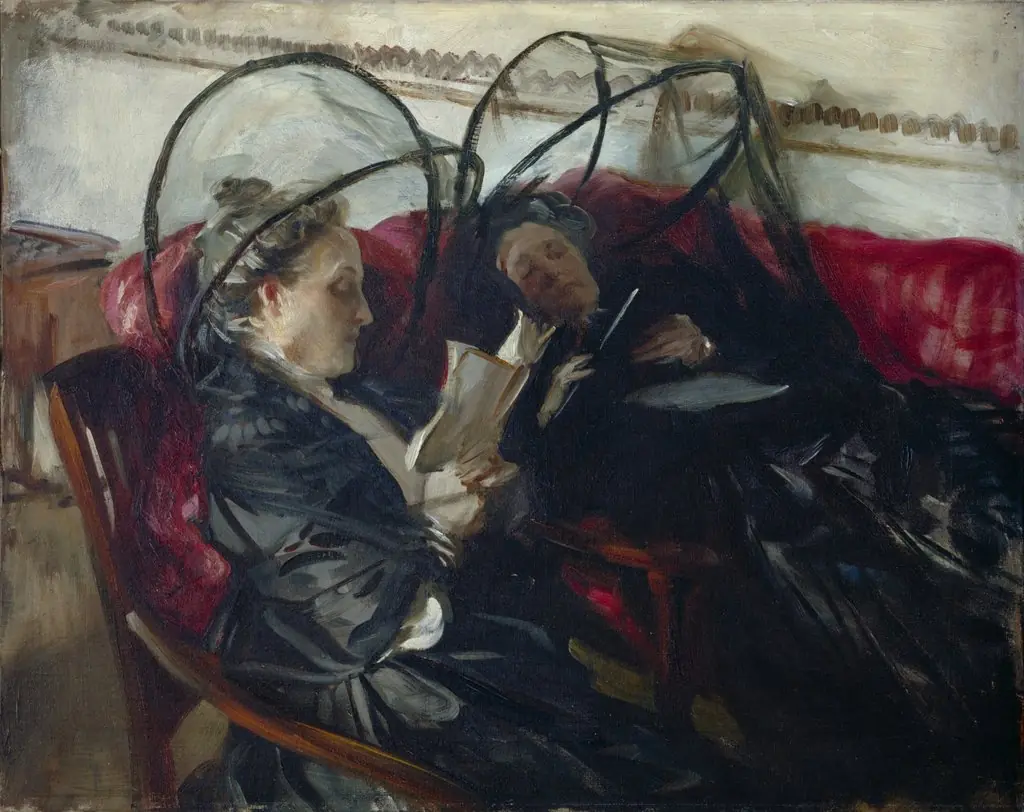 Mosquito Nets
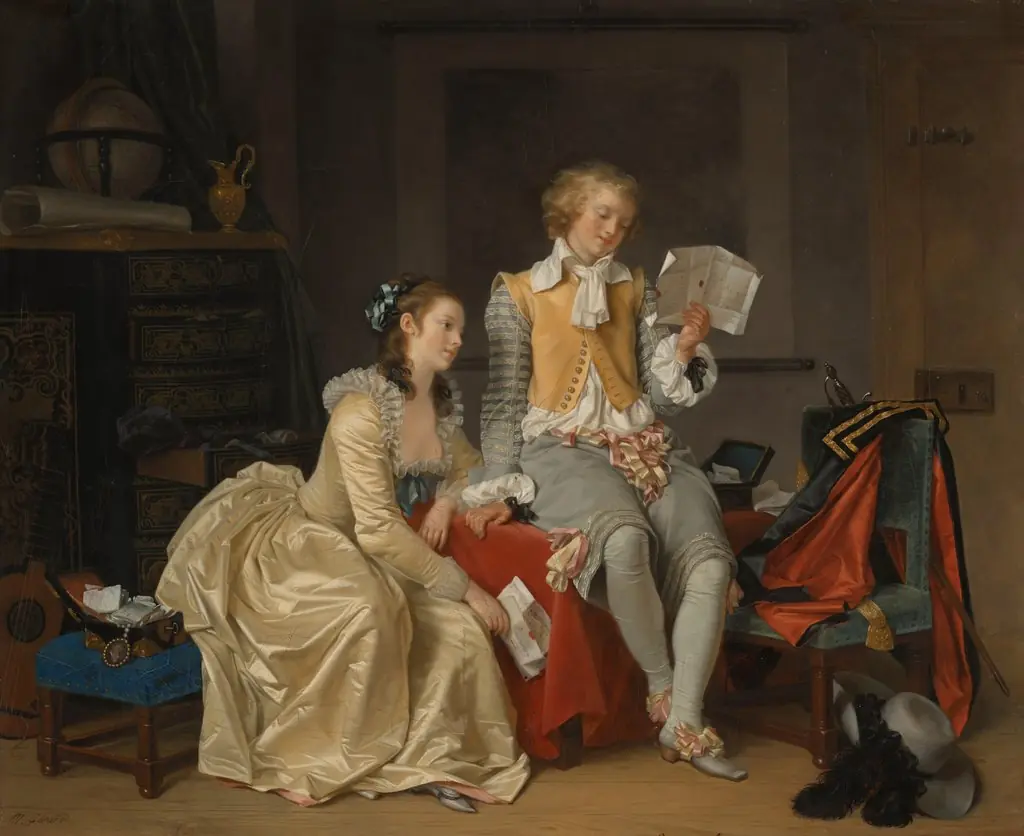 I Reread Them with Pleasure
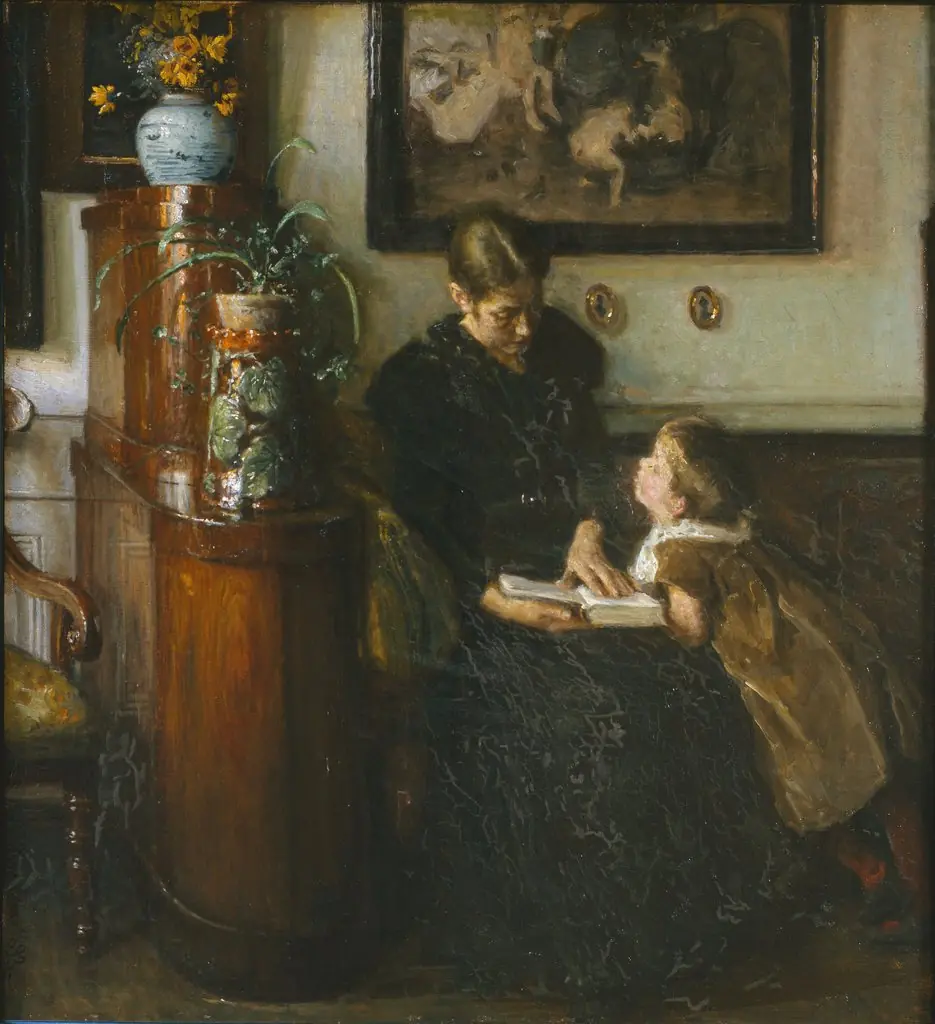 Moder skal læse. Kunstnerens hustru og barn
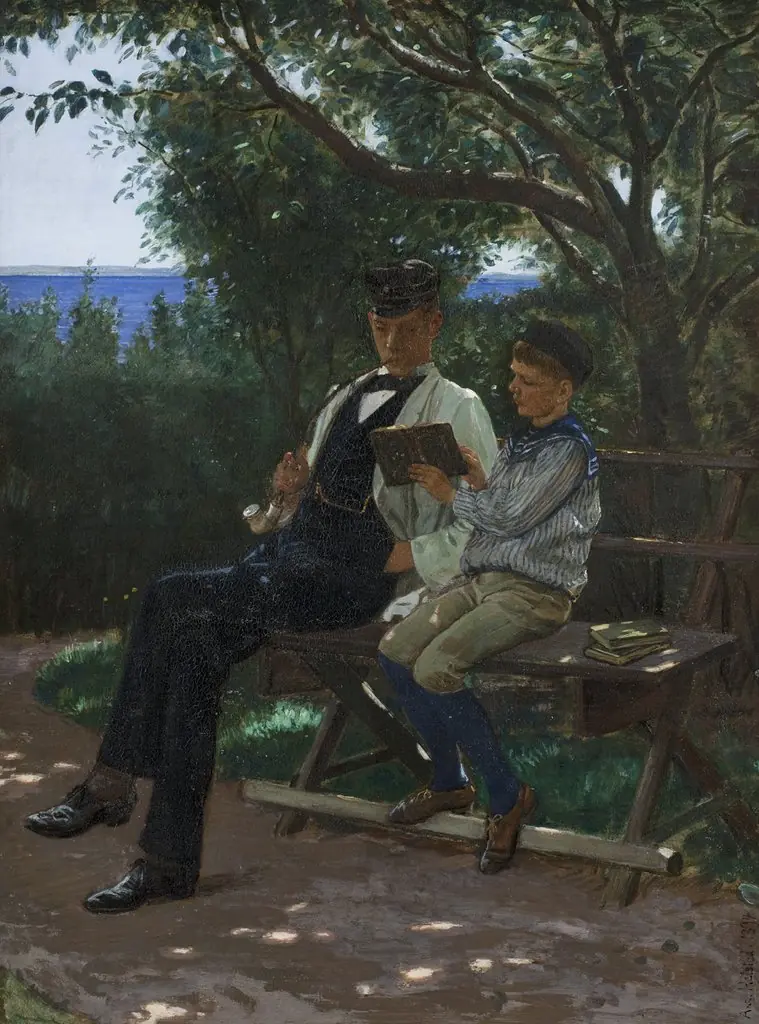 Undervisning på landet
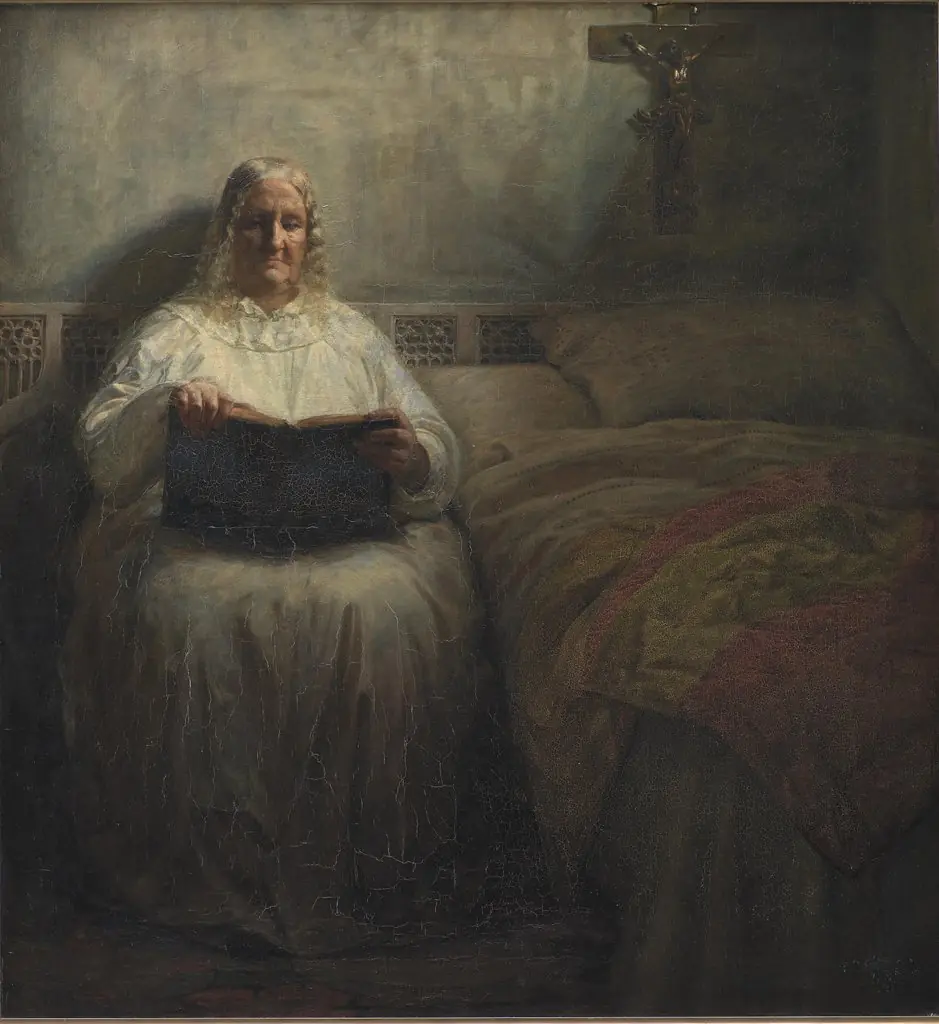 Leonora Christina in the Maribo Monastery
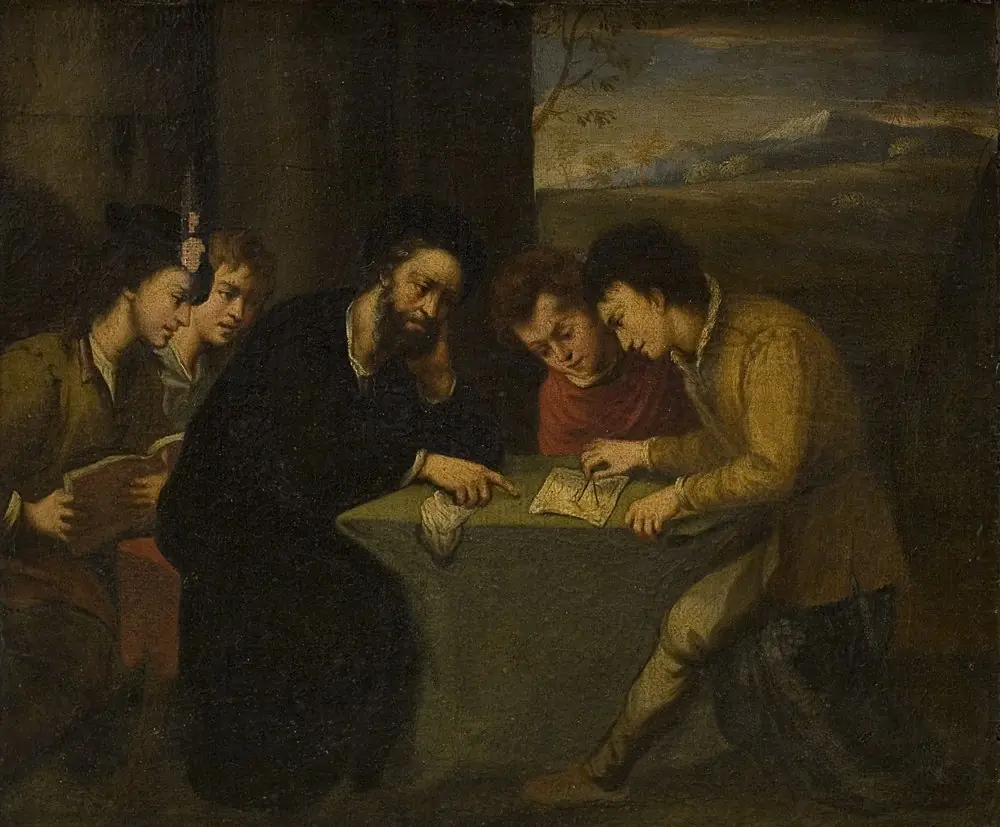 School Teaching, a Teacher with Four Pupils
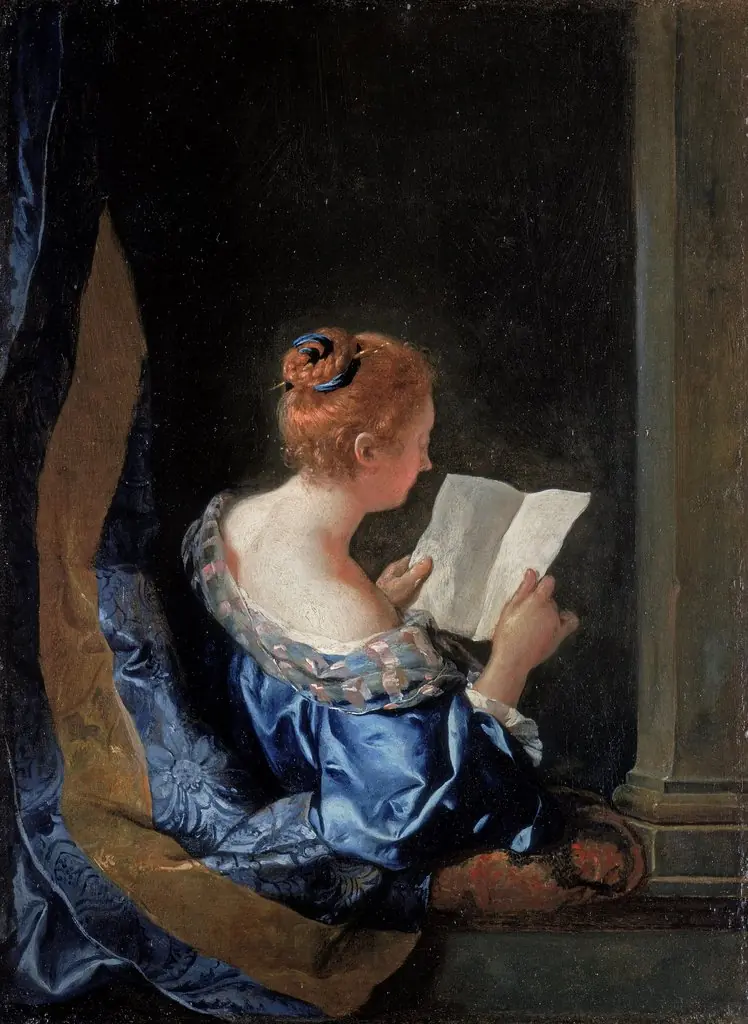 Woman Reading a letter
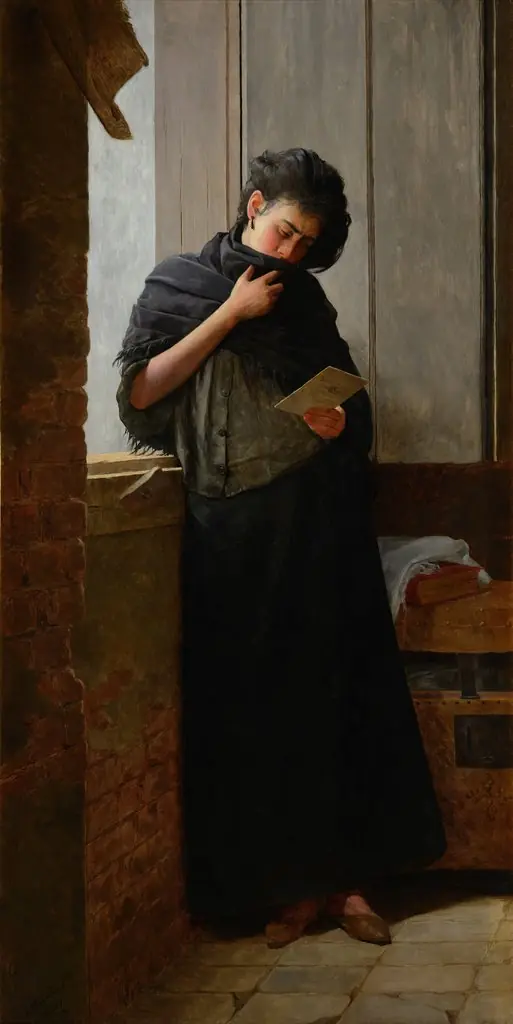 Longing
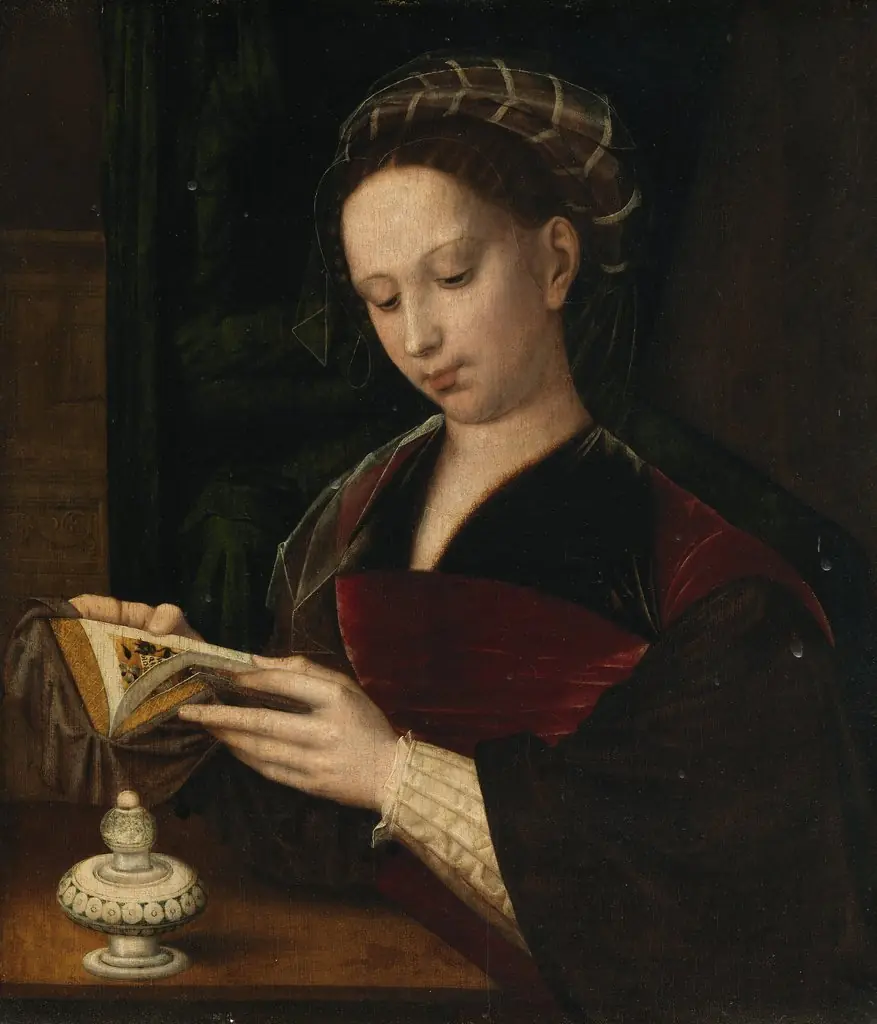 The Magdalen Reading
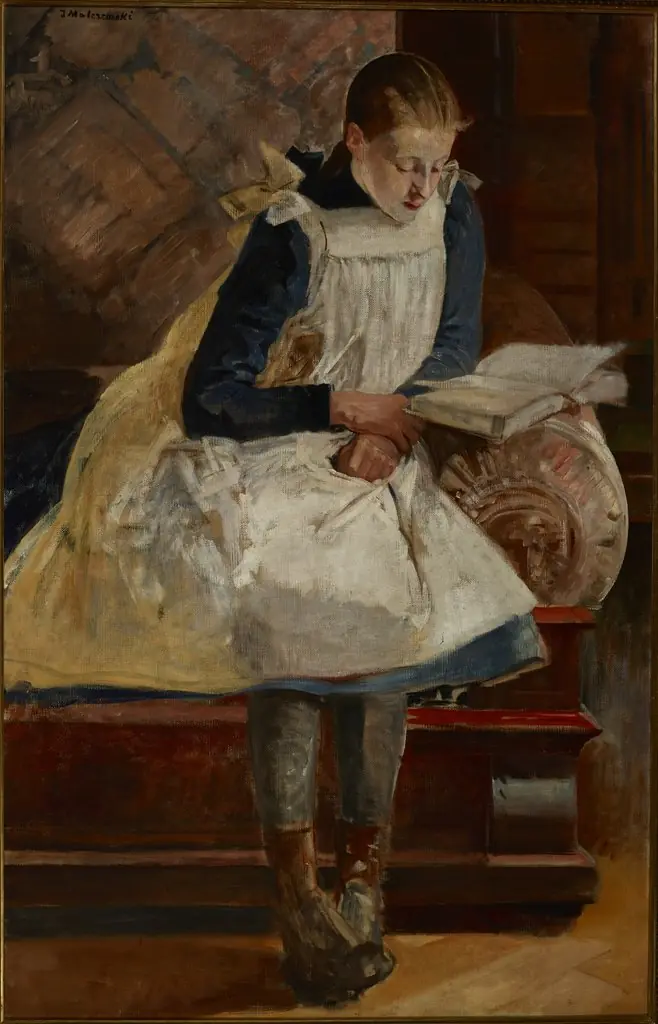 Portrait of Artist's Daughter Julia
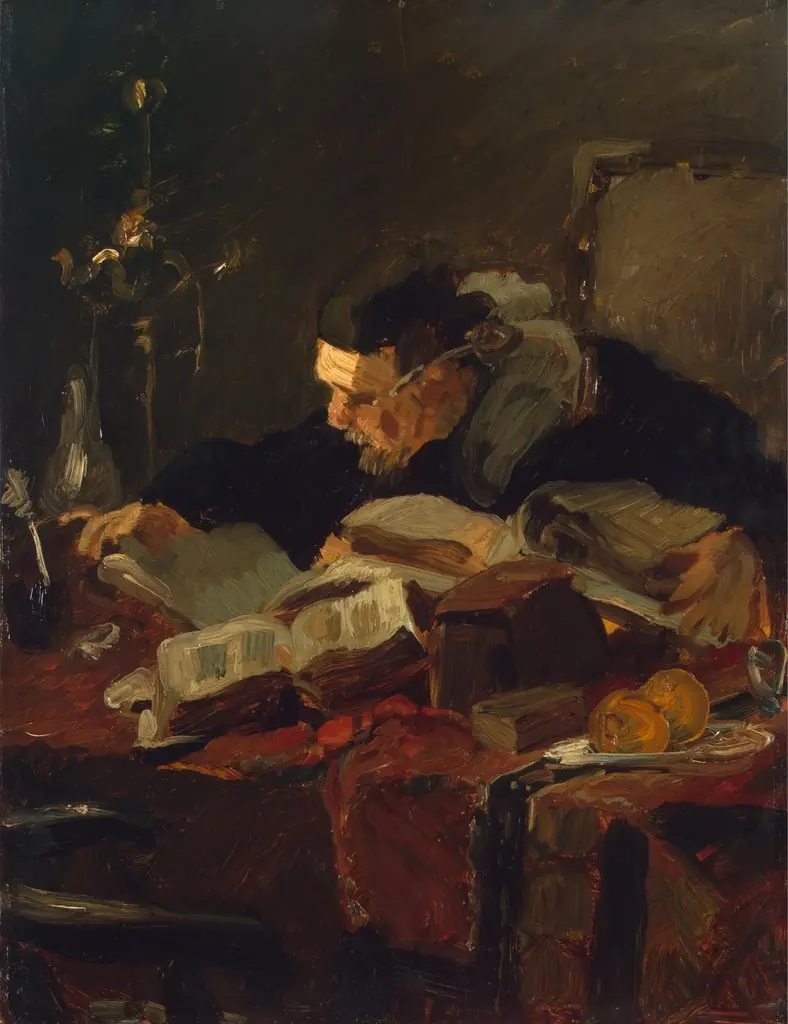 Scholar at the Table
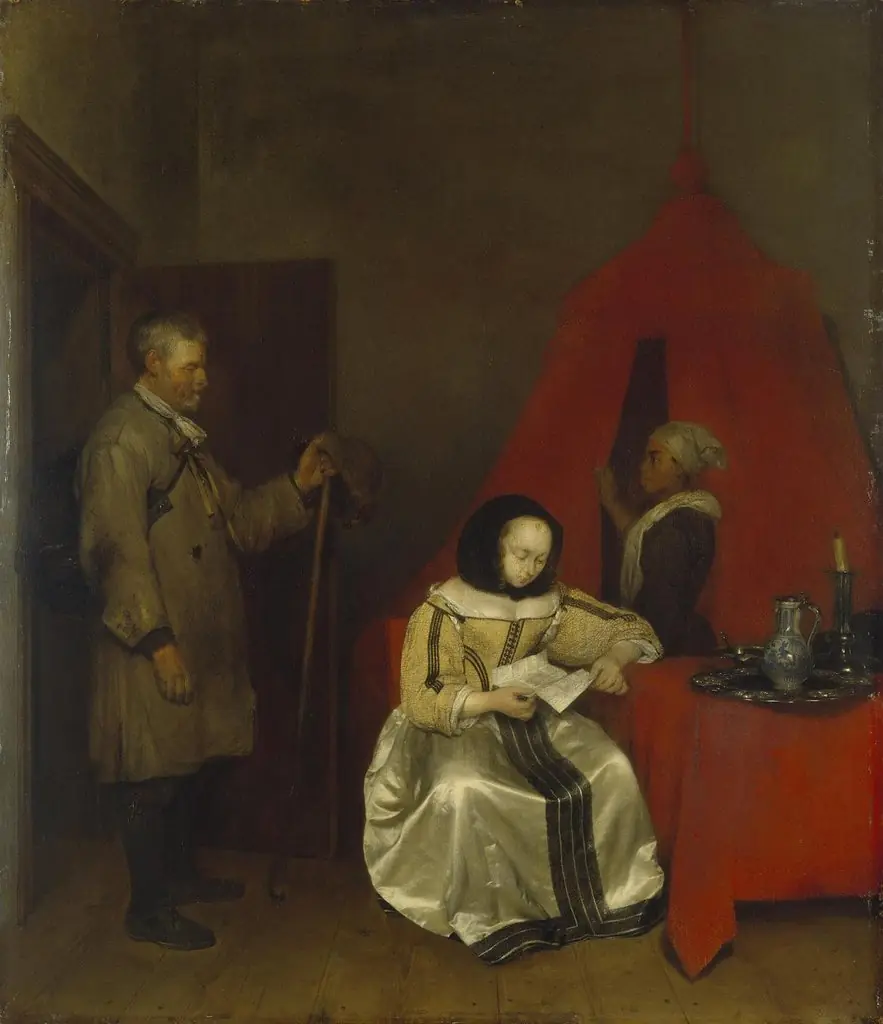 Rural Postman
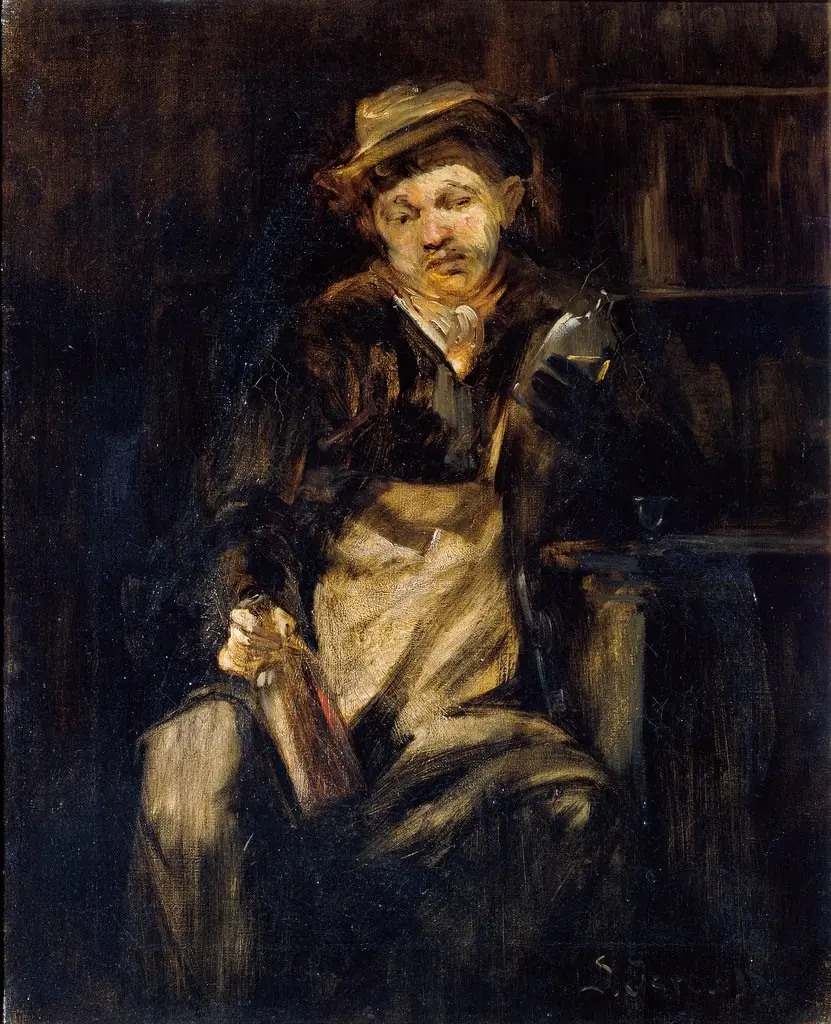 The Drunkard
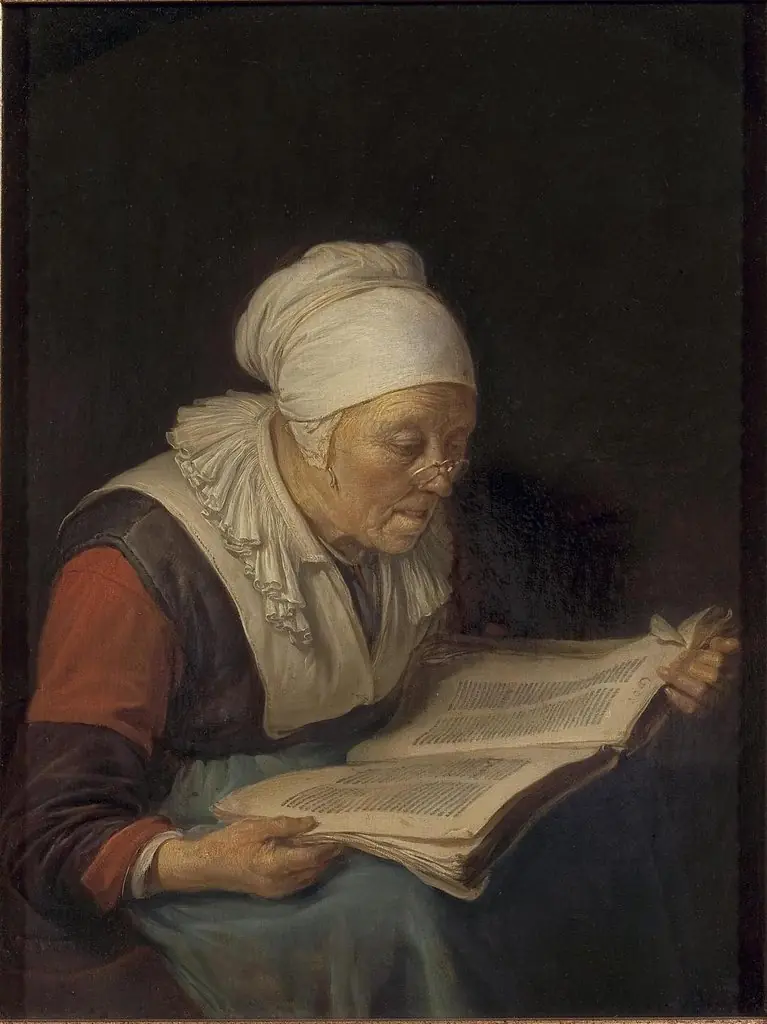 Old Woman Reading a Book
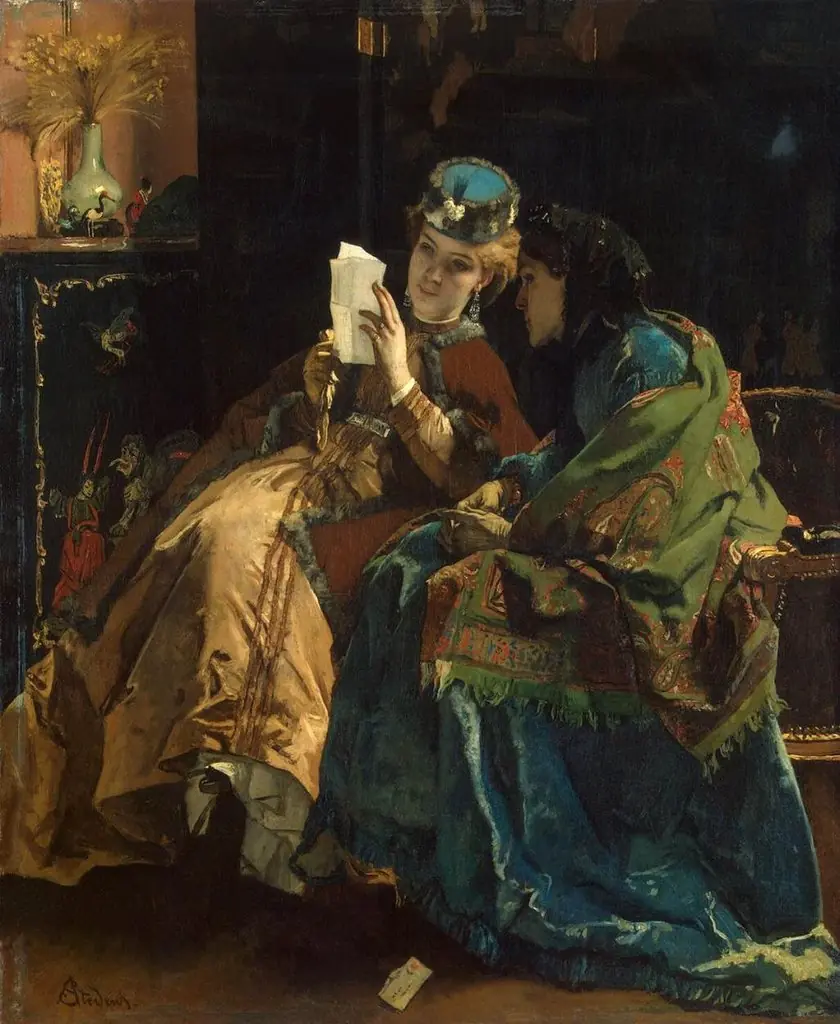 Pleasant Letter
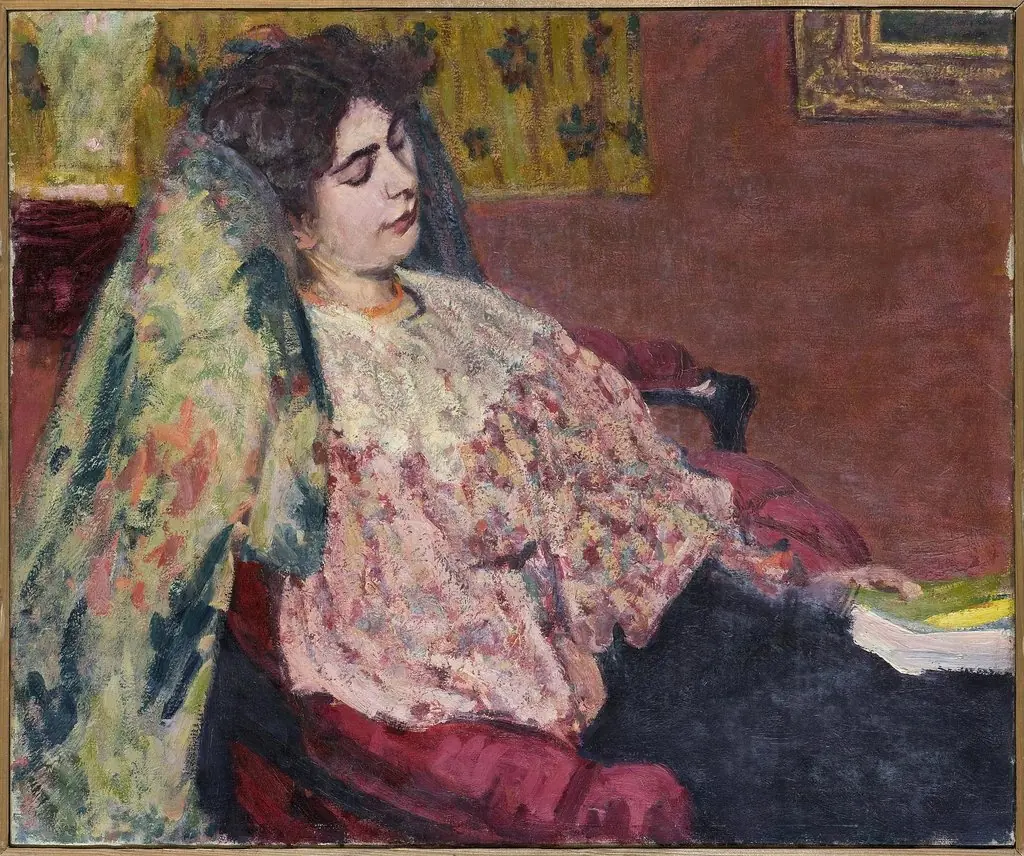 Rest
Rest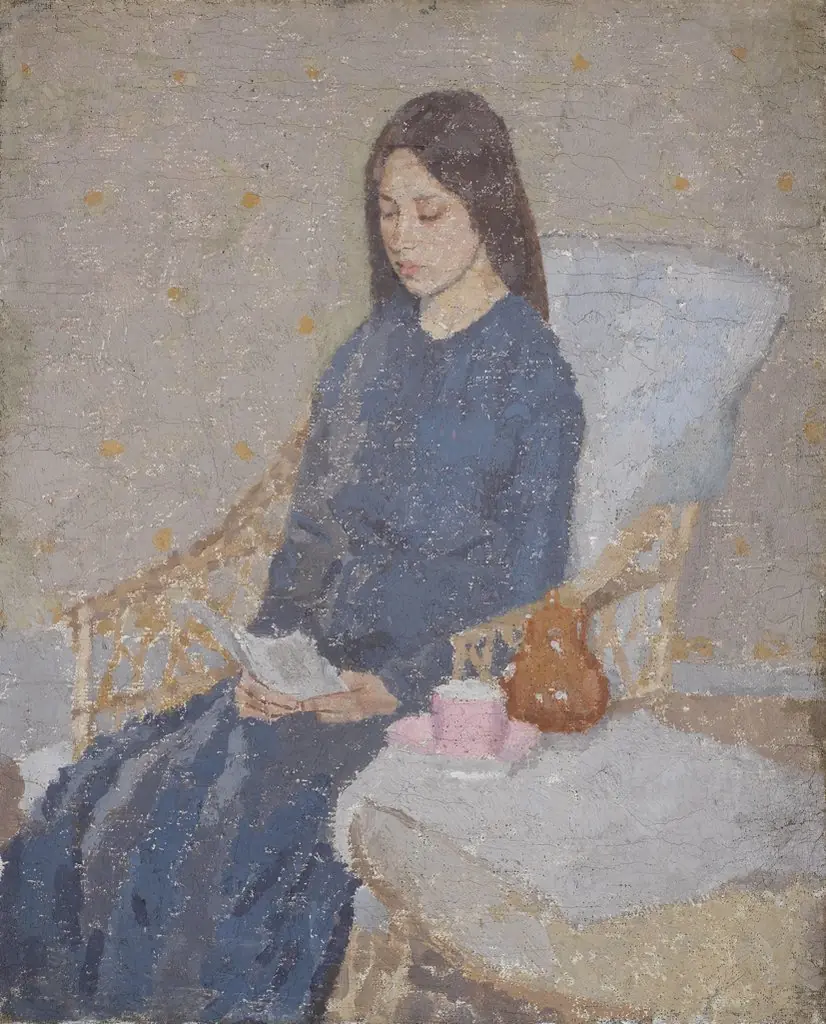 The Convalescent
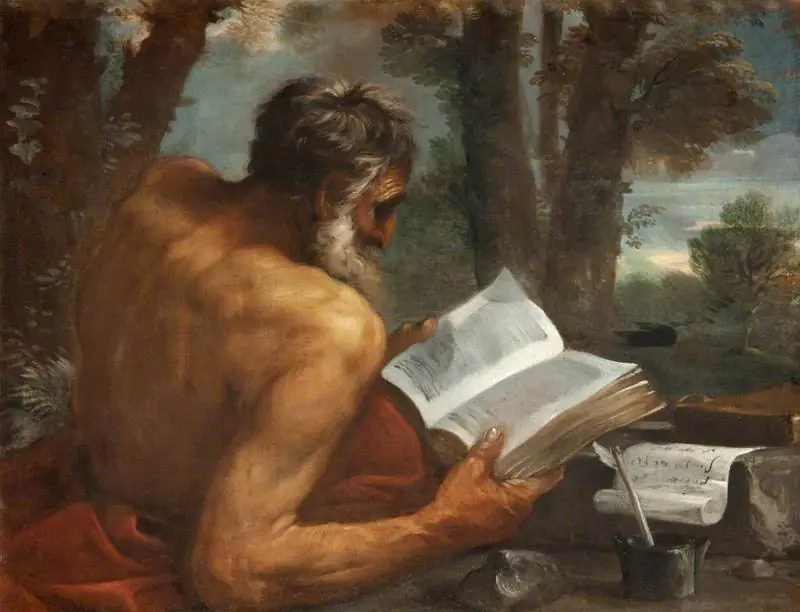 Saint Jerome
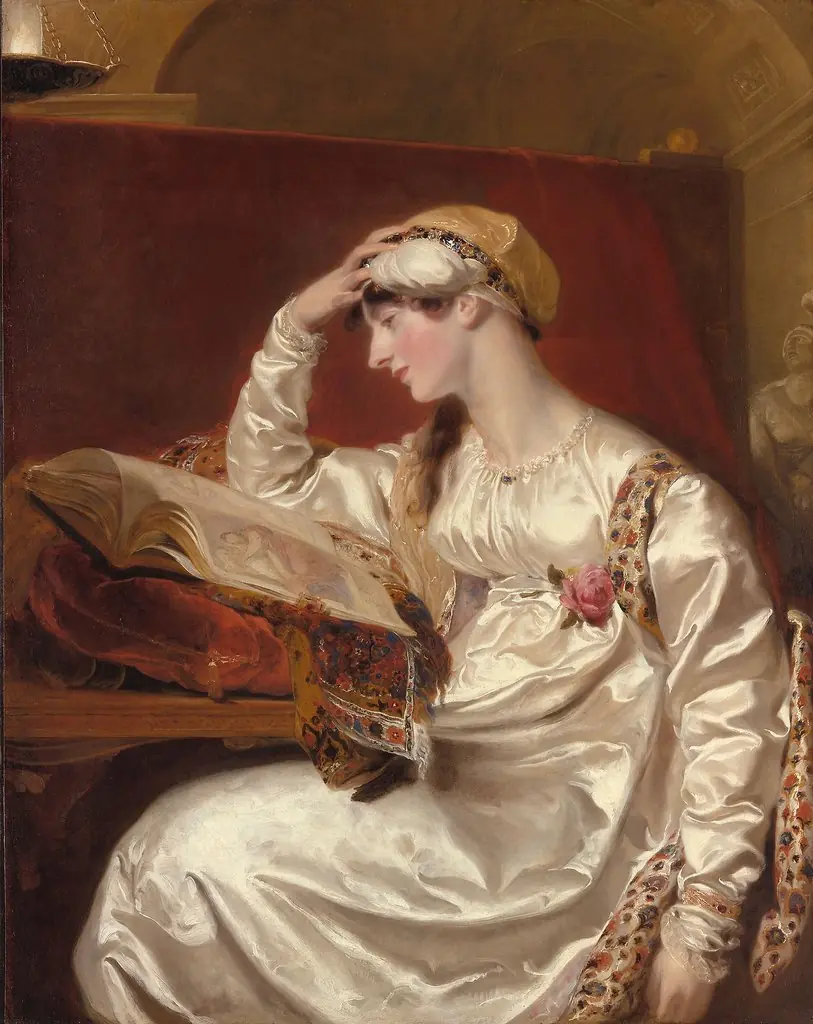 Mrs. Jens Wolff
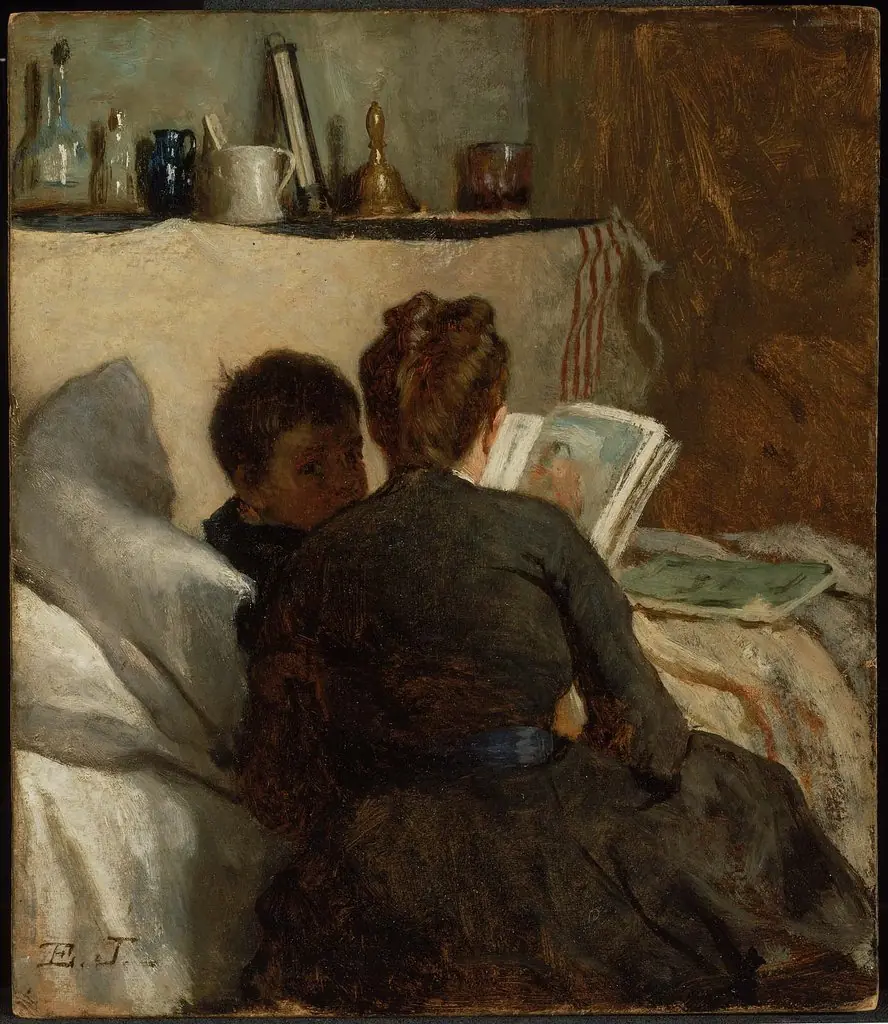 The Little Convalescent
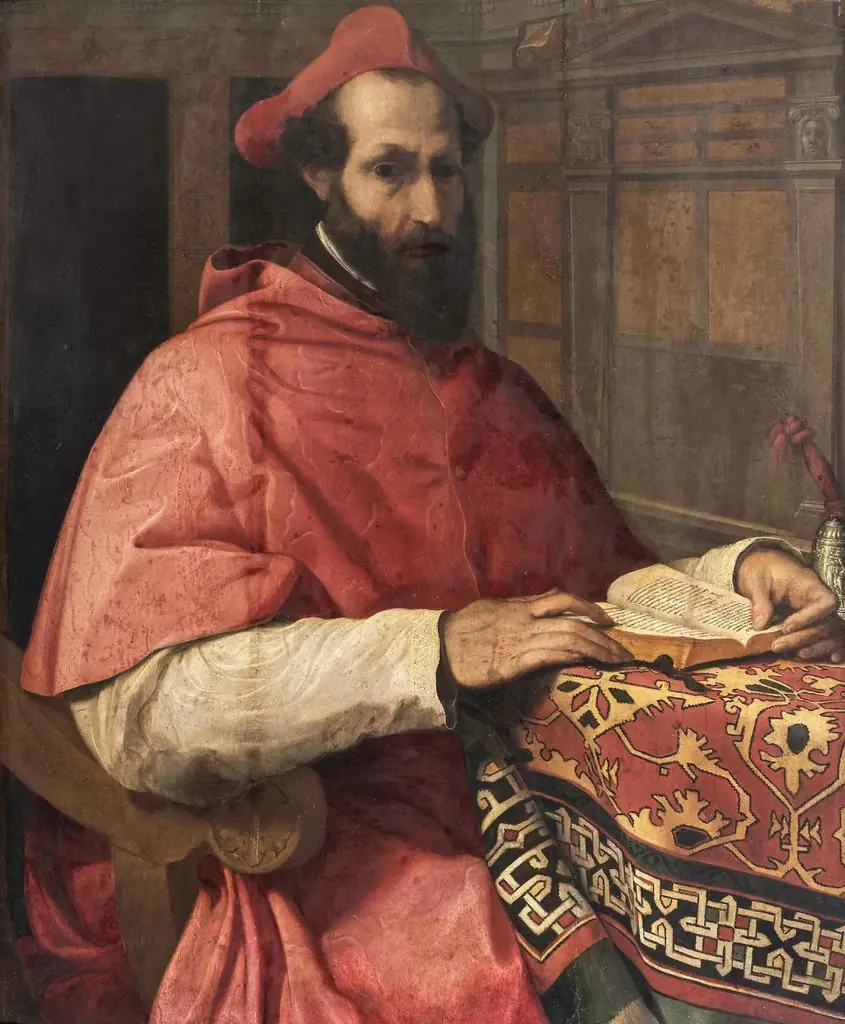 Portrait of Cardinal Marcello Cervini degli Spannocchi
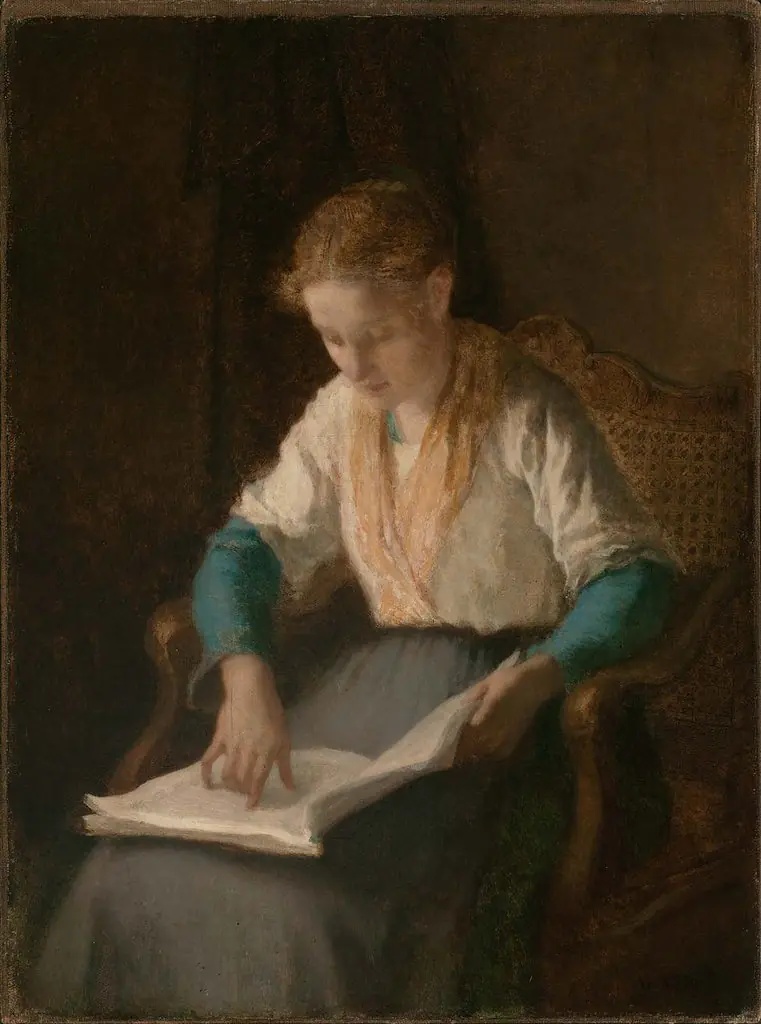 Girl Reading
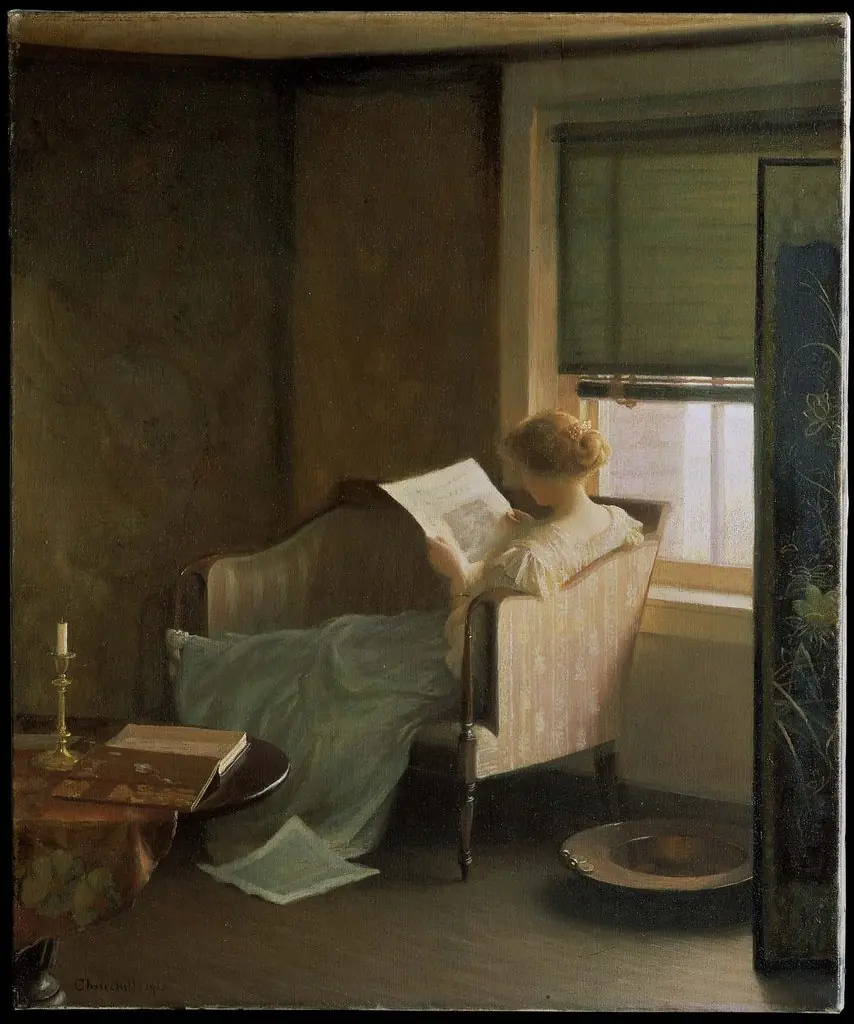 Leisure
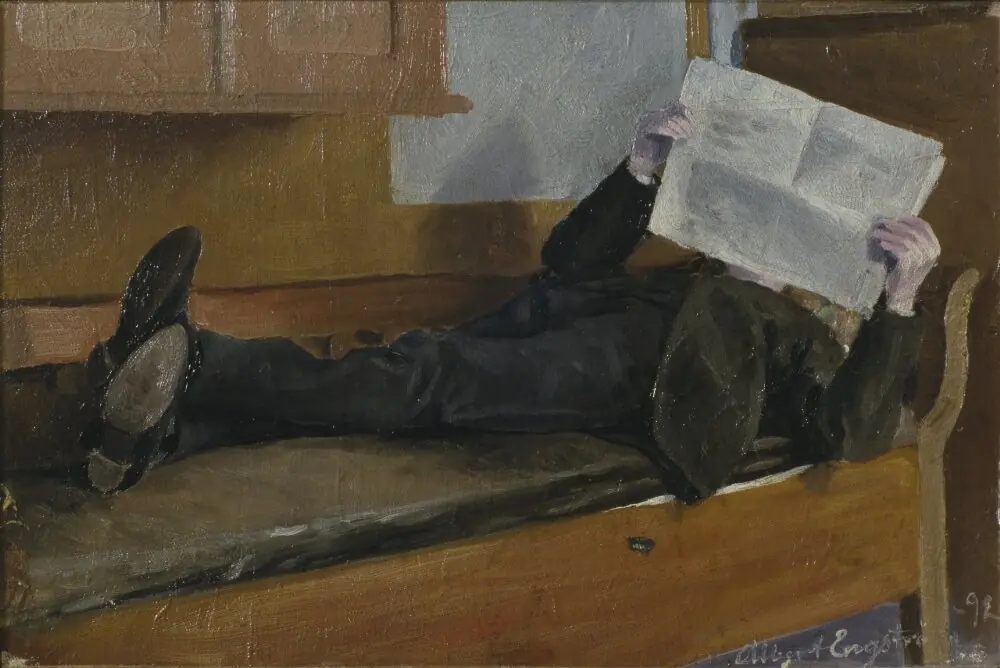 The Artist's Father, Reading a Newspaper
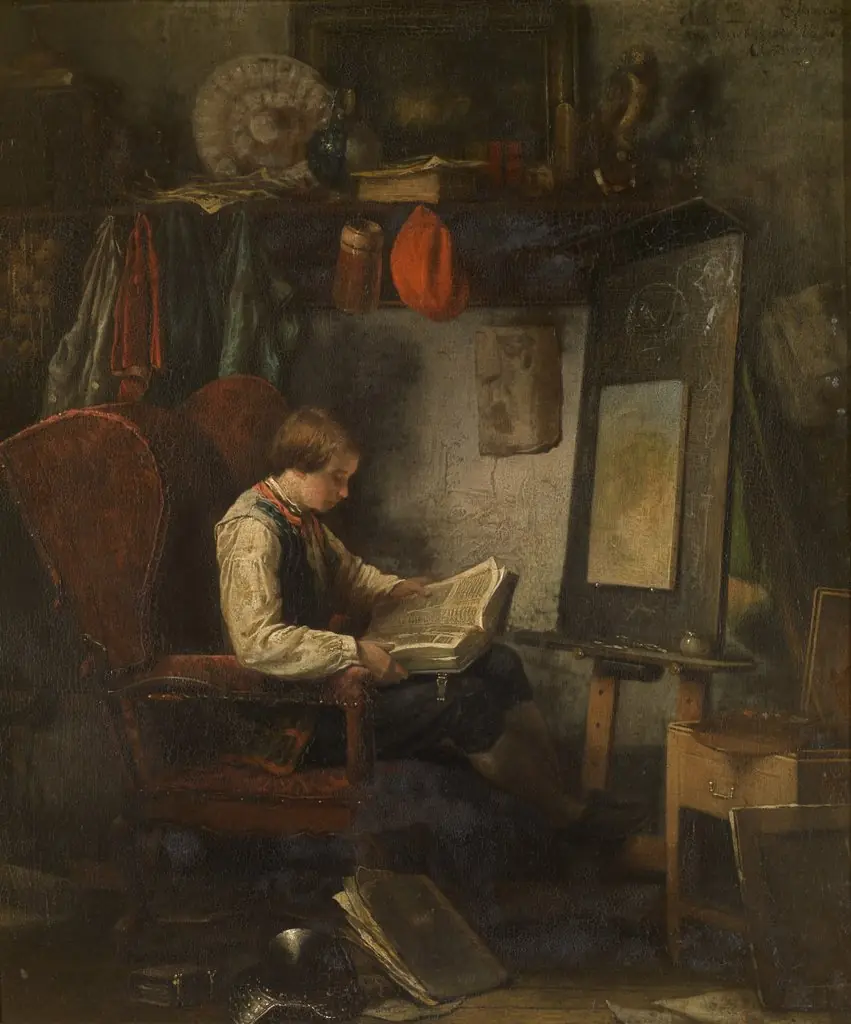 Young Artist in a Studio
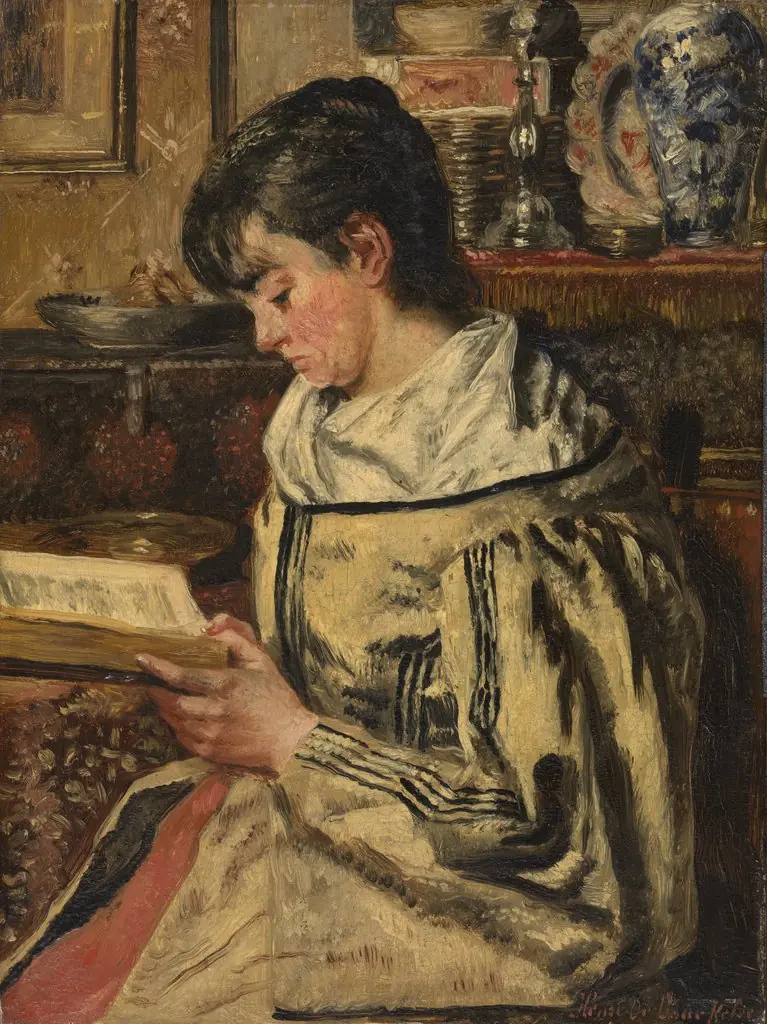 Woman Reading
 The Studio
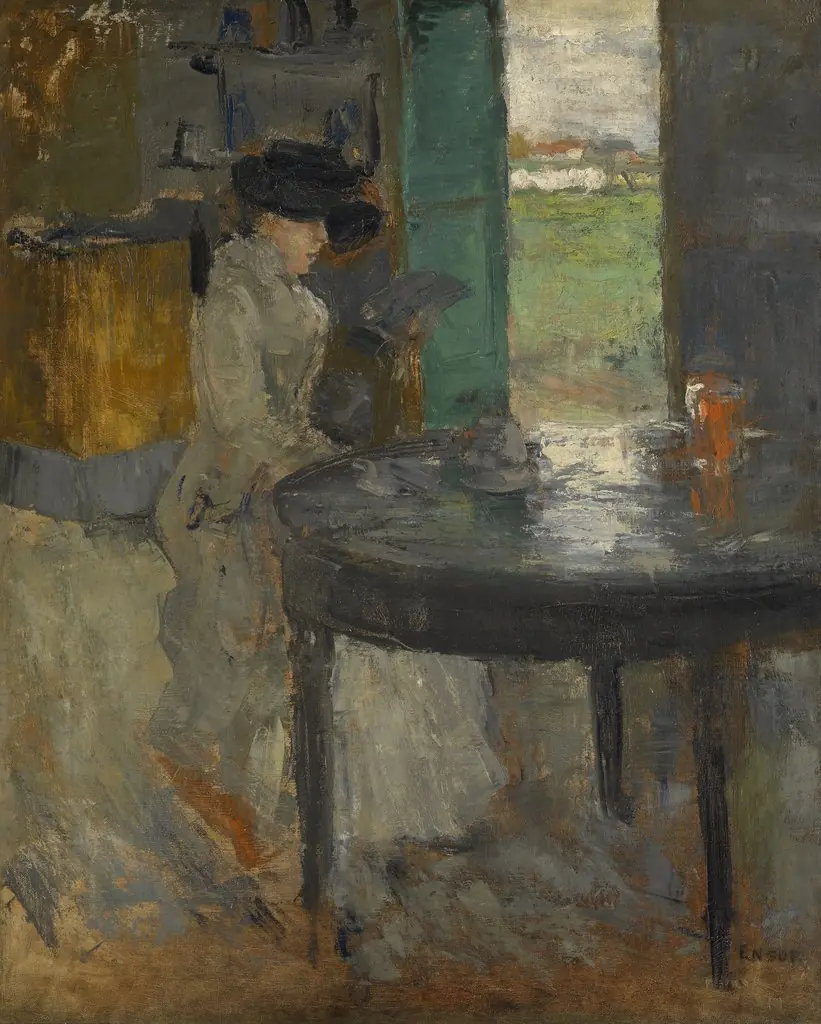 The Wait
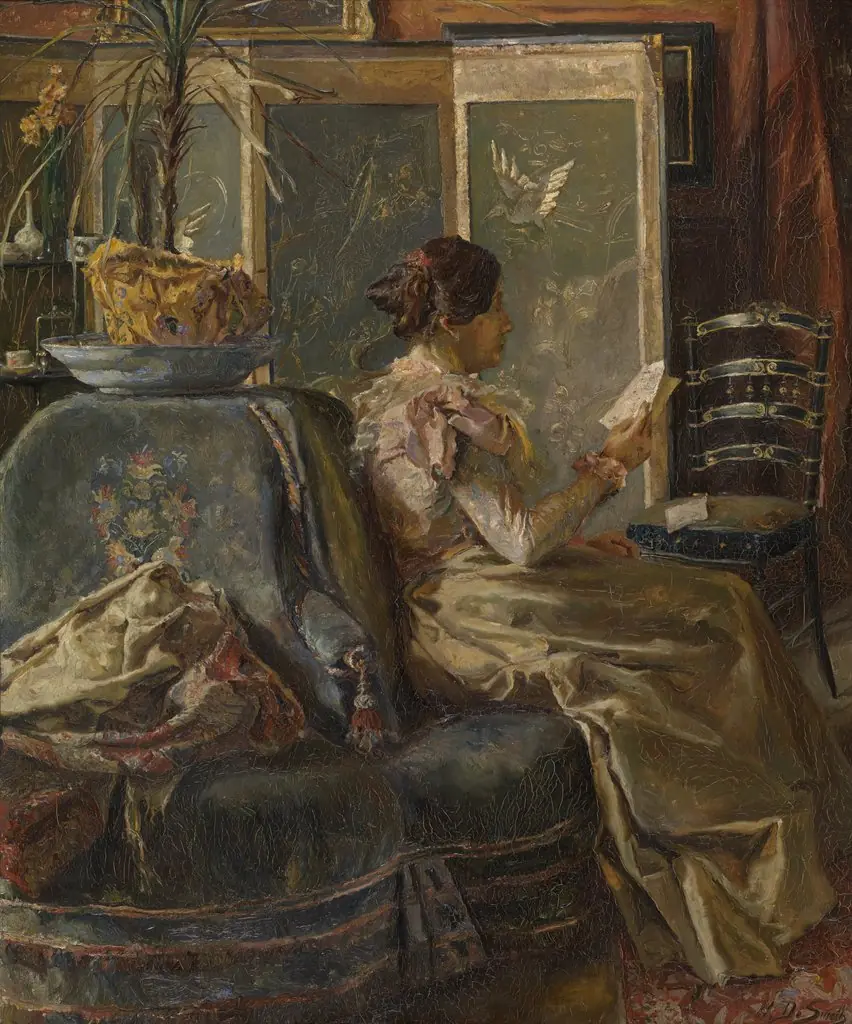 The Bill of the Dressmaker
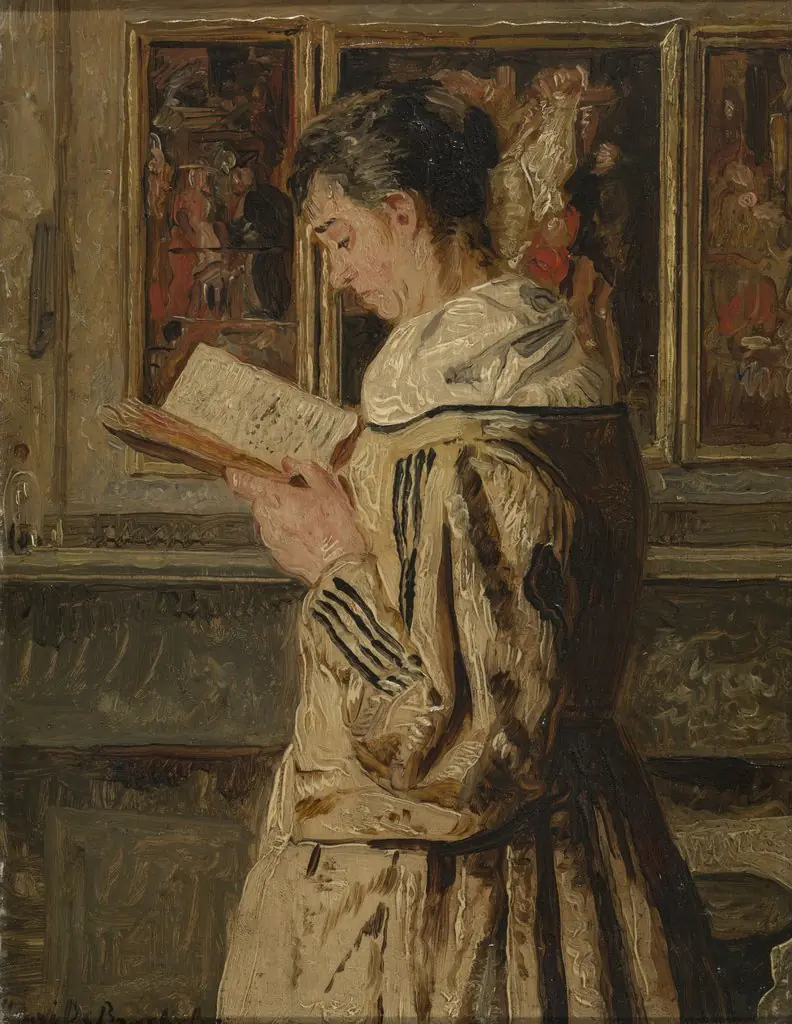 Woman Reading
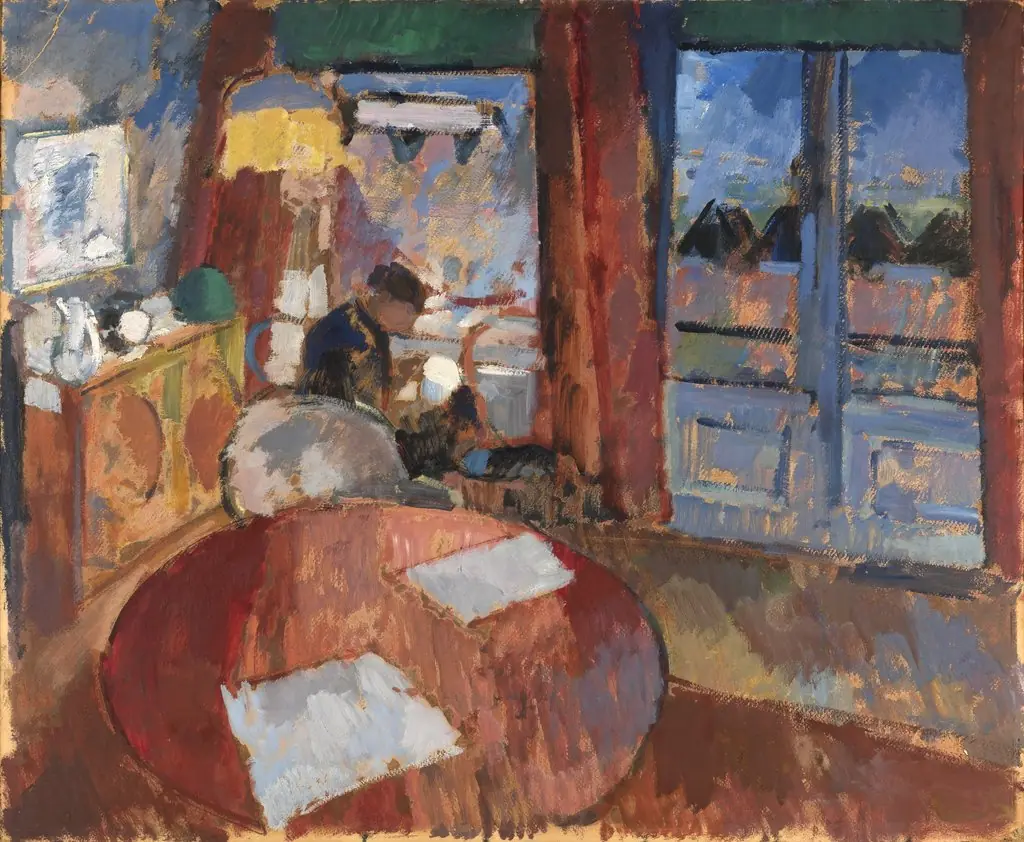 Interior with Embroiderer
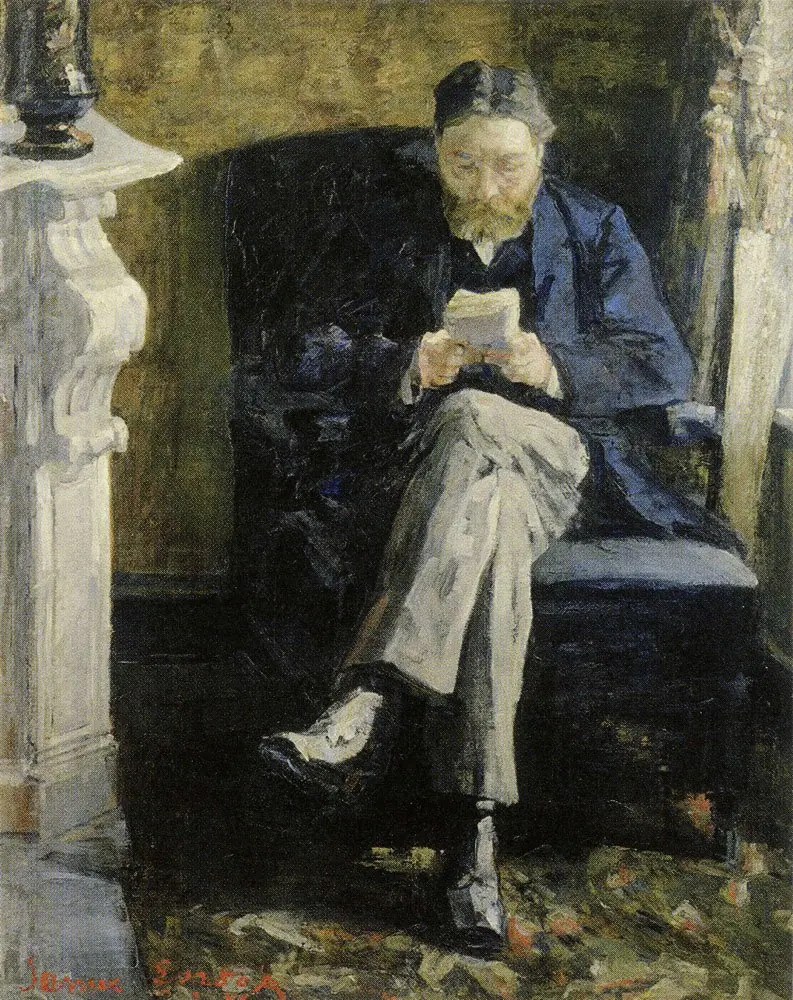 Portrait of the Artist's Father
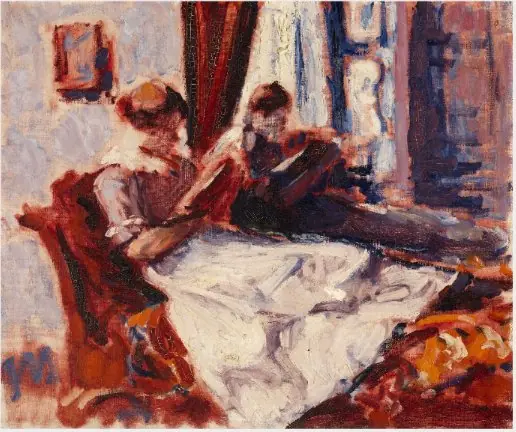 A Quiet Read
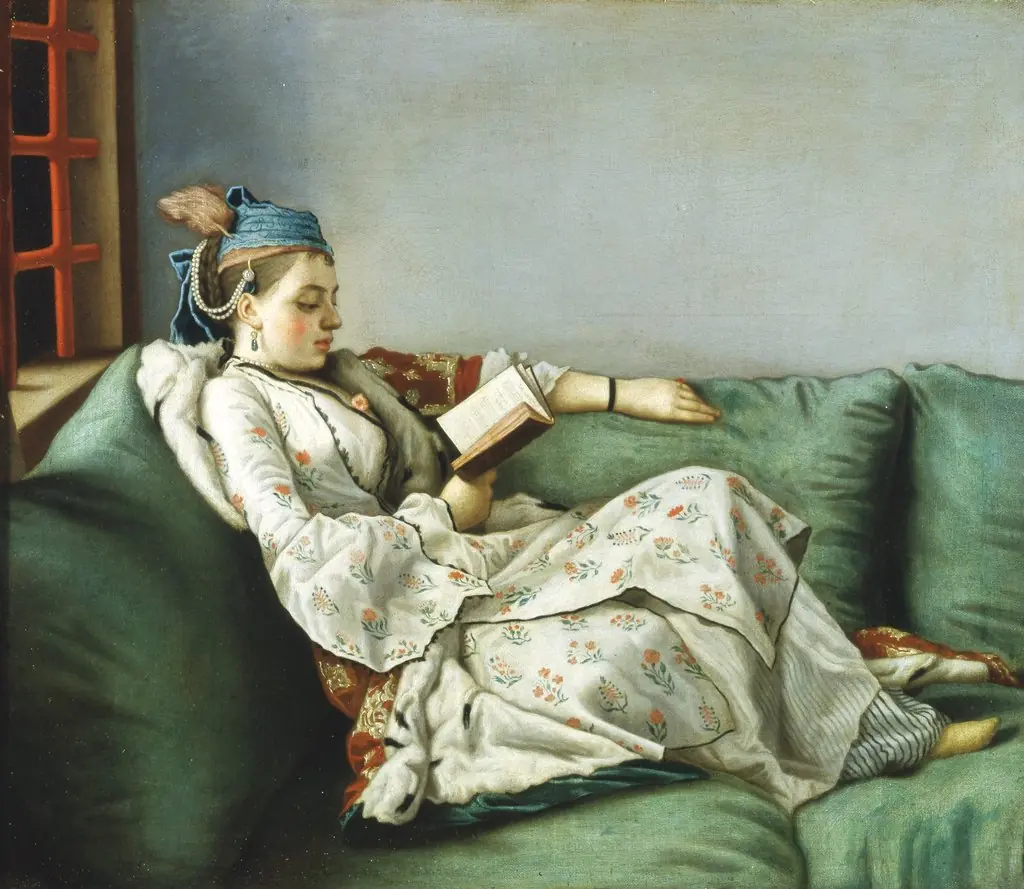 Portrait of Maria Adelaide of France in Turkish-style clothes
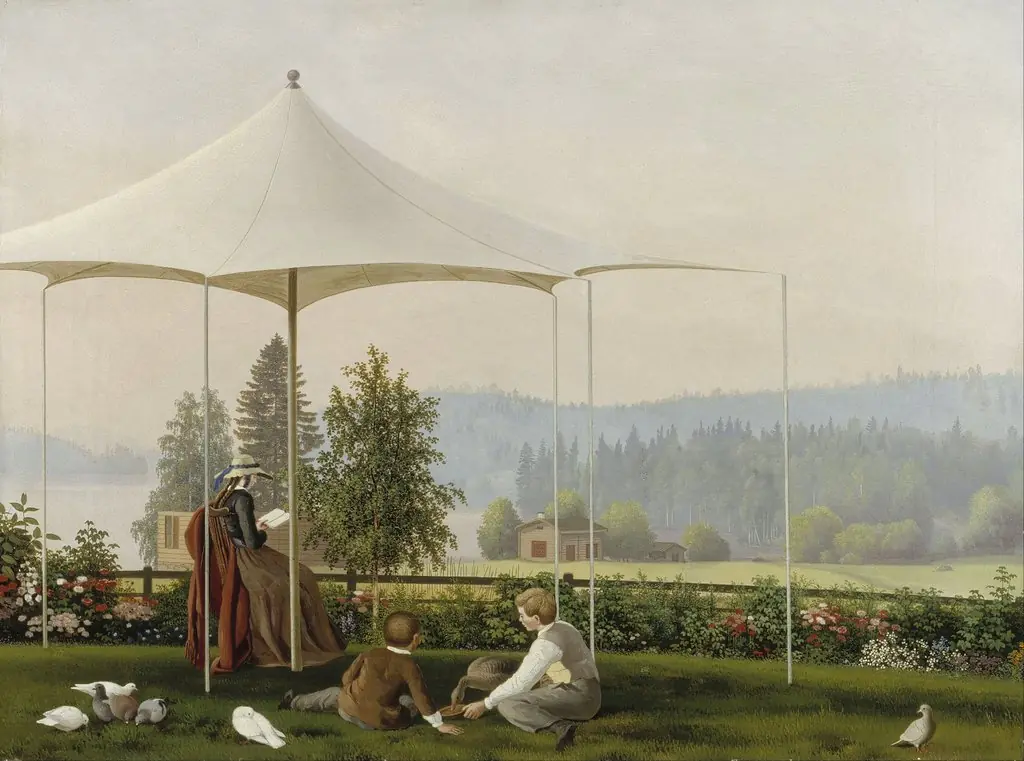 In the Garden of Haminalahti
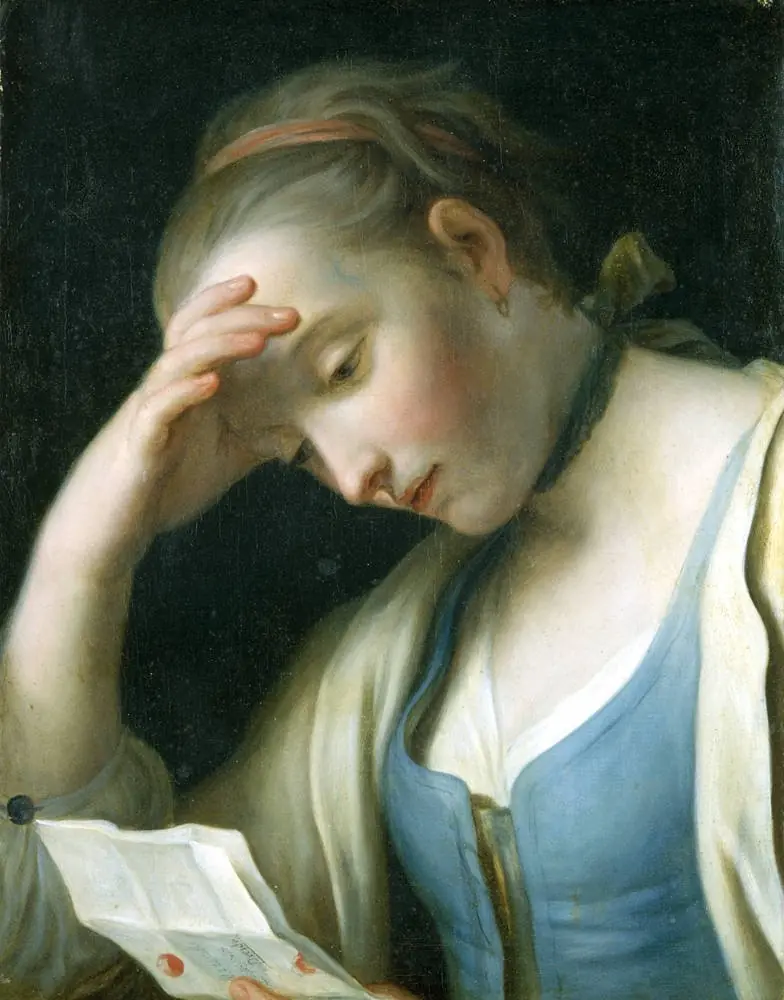 Young Woman Reading A Letter, Her Head Propped Up
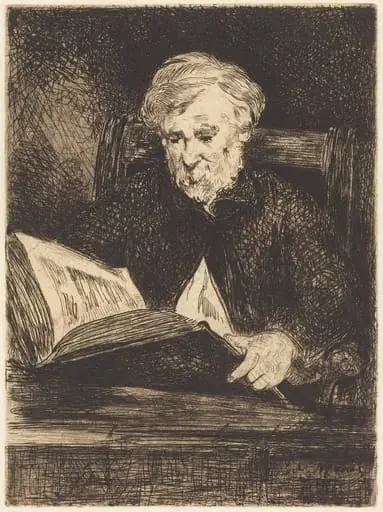 The Reader (Le liseur)
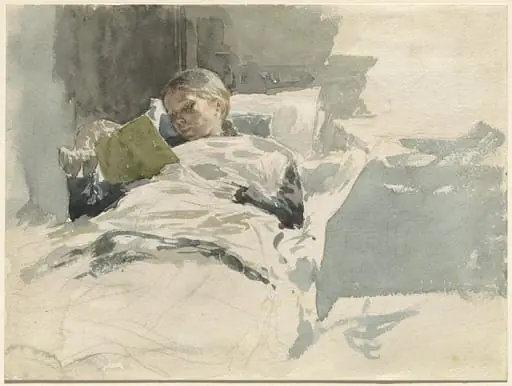 The Artist's Wife Reading in Bed
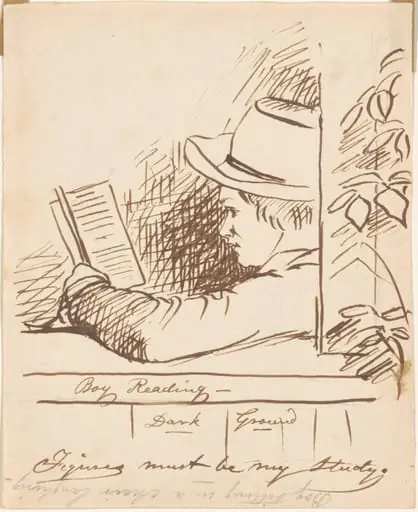 Boy Reading
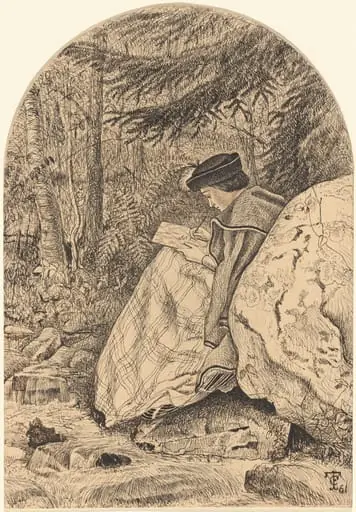 Sketching from Nature
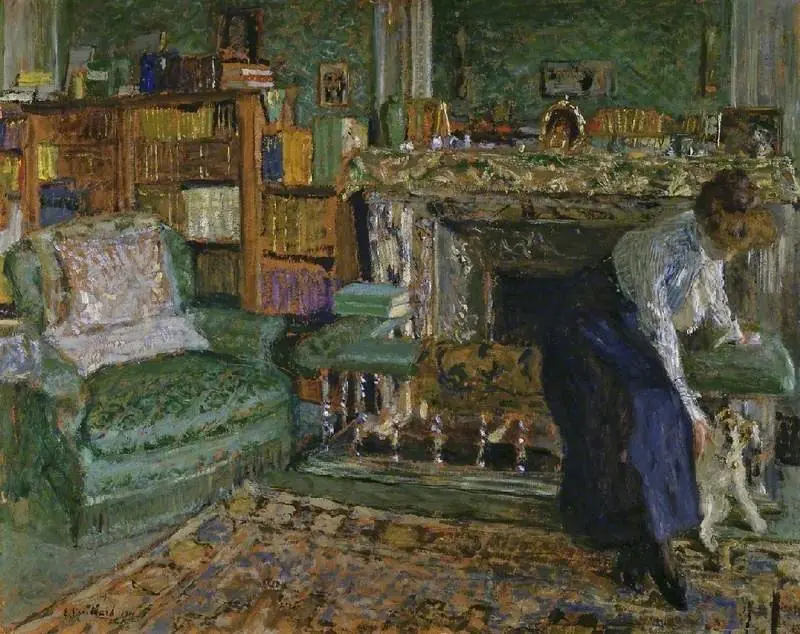 Marguerite Chapin in her apartment with her dog
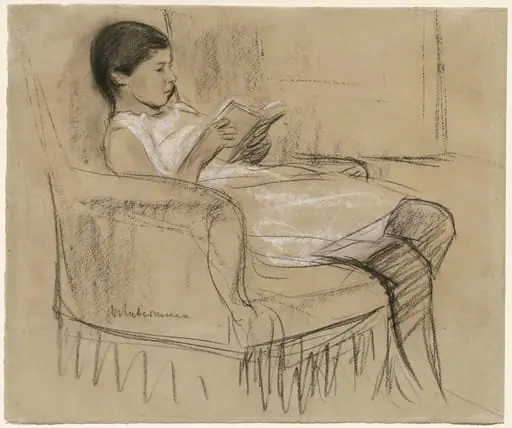 The Artist's Daughter Käthe Reading in a Chair
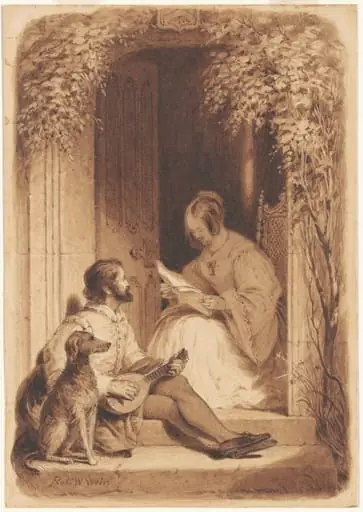 When Other Friends Are Round Thee
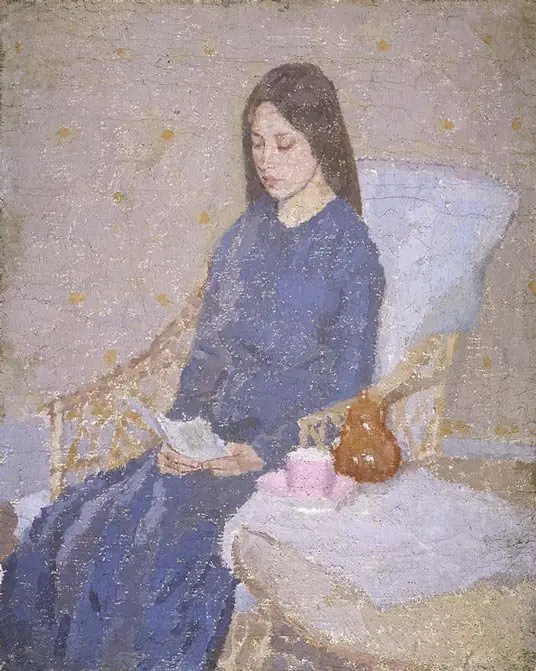 The Convalescent
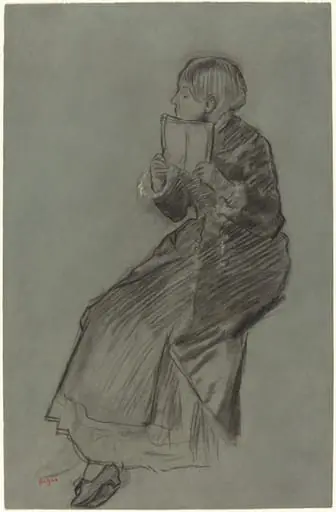 Woman Reading a Book
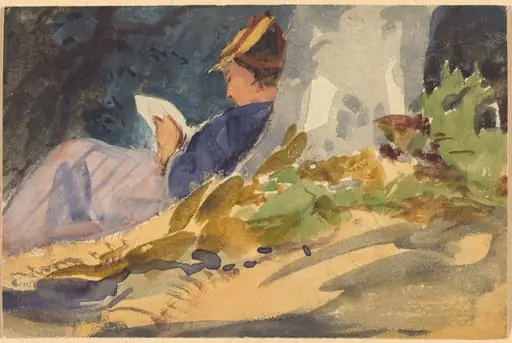 Resting
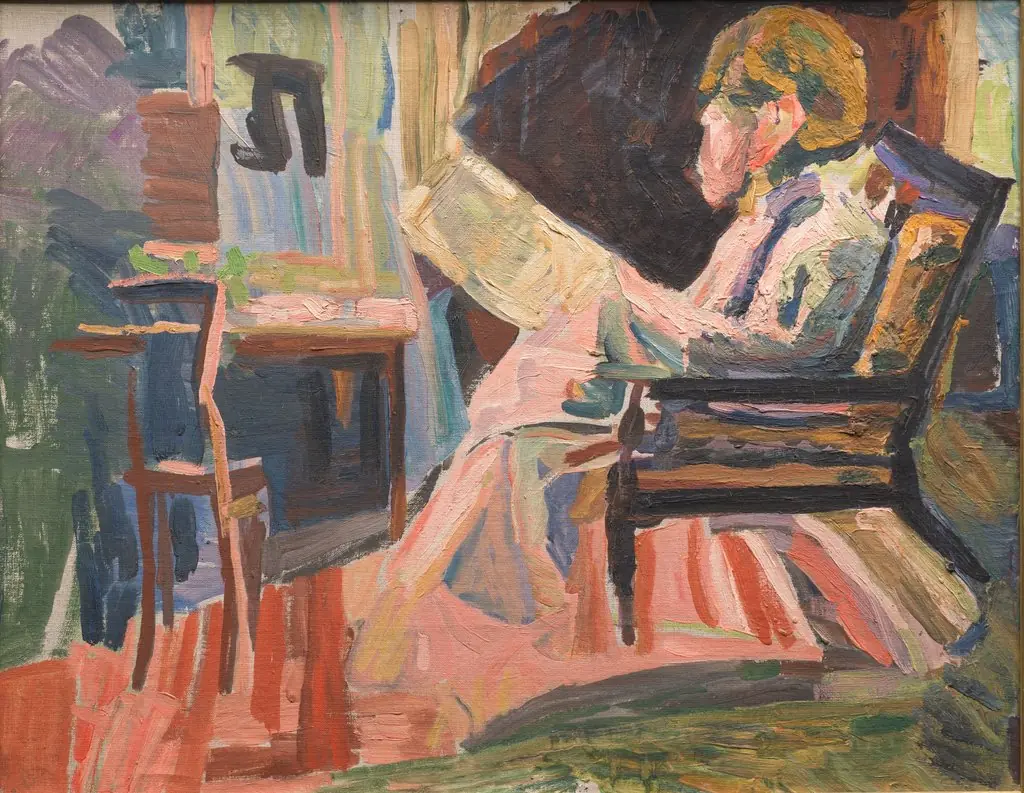 Reading Figure
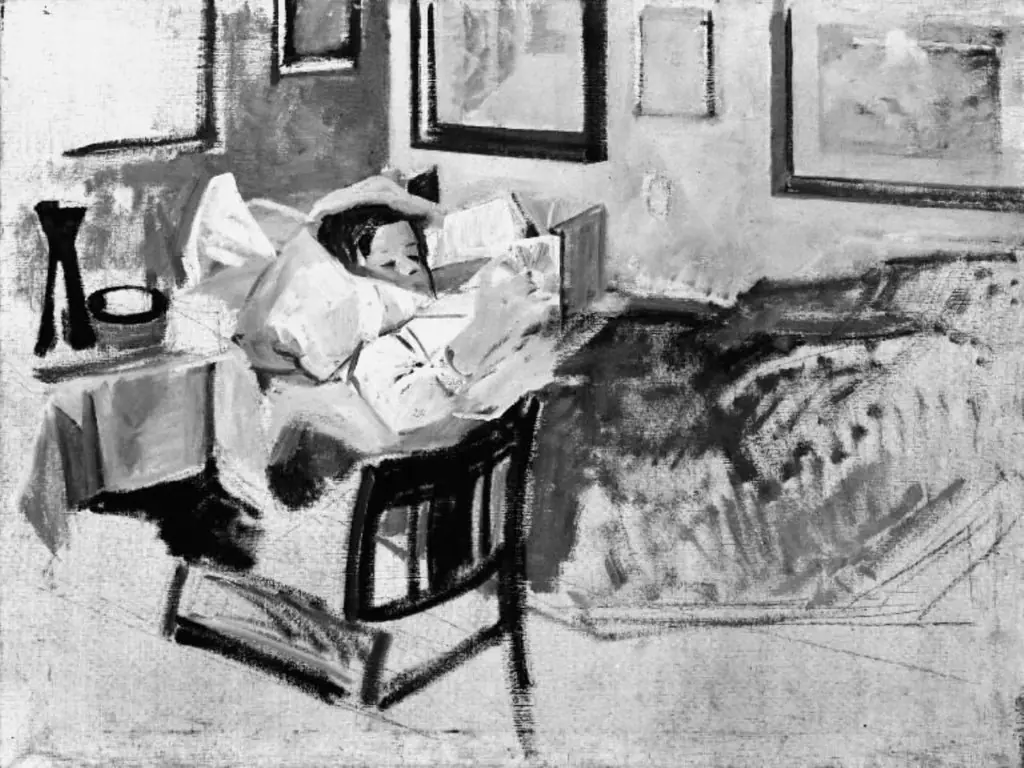 Rekonvalescent
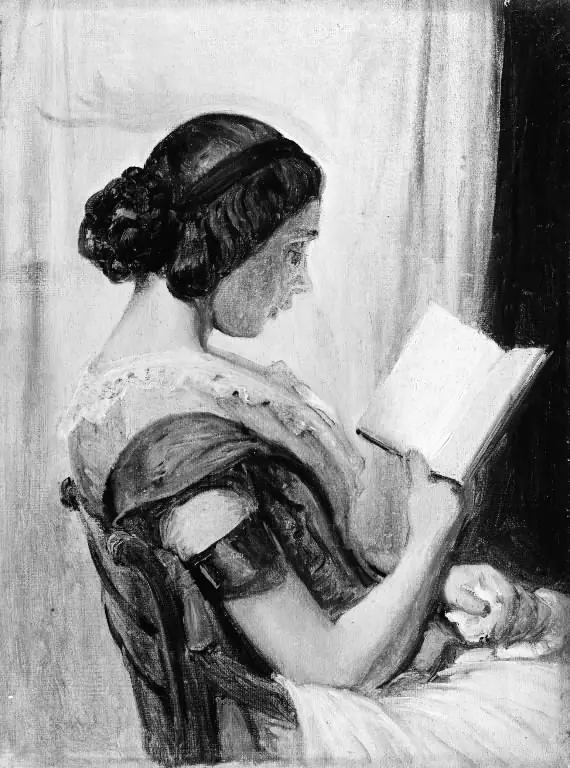 Læsende ung pige
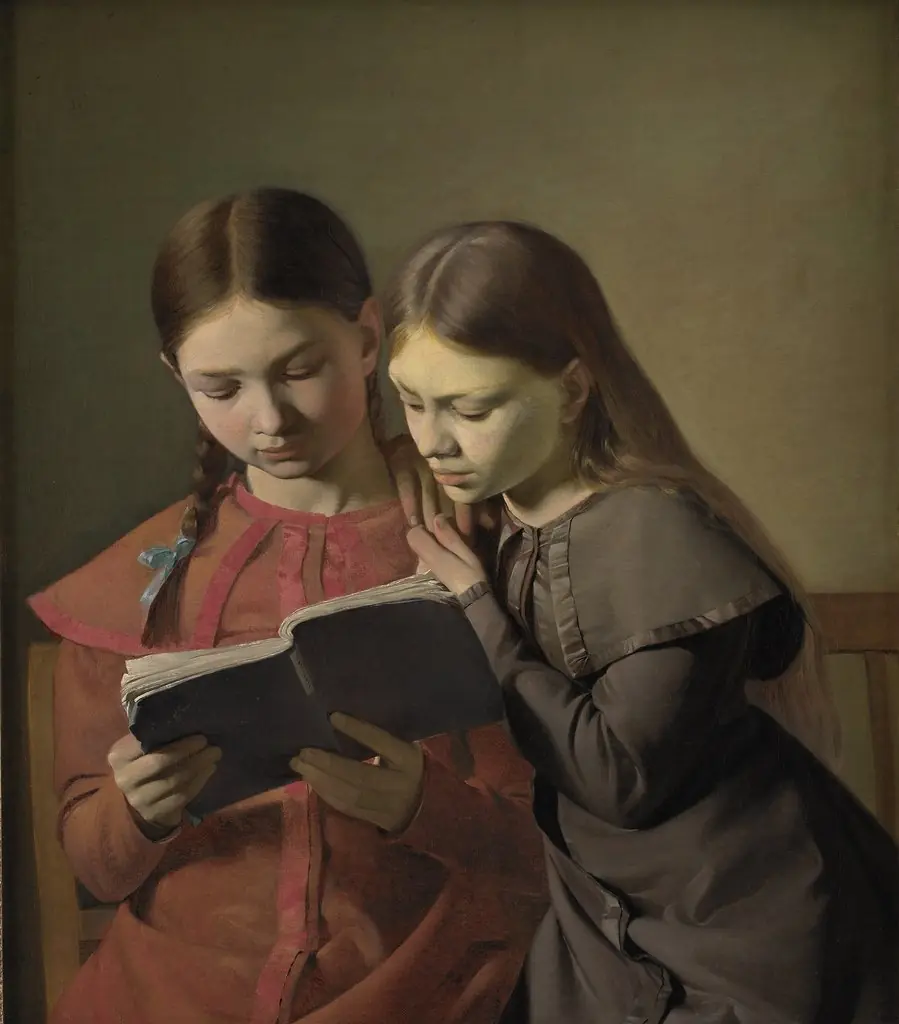 The Artist's Sisters Signe and Henriette Reading a Book
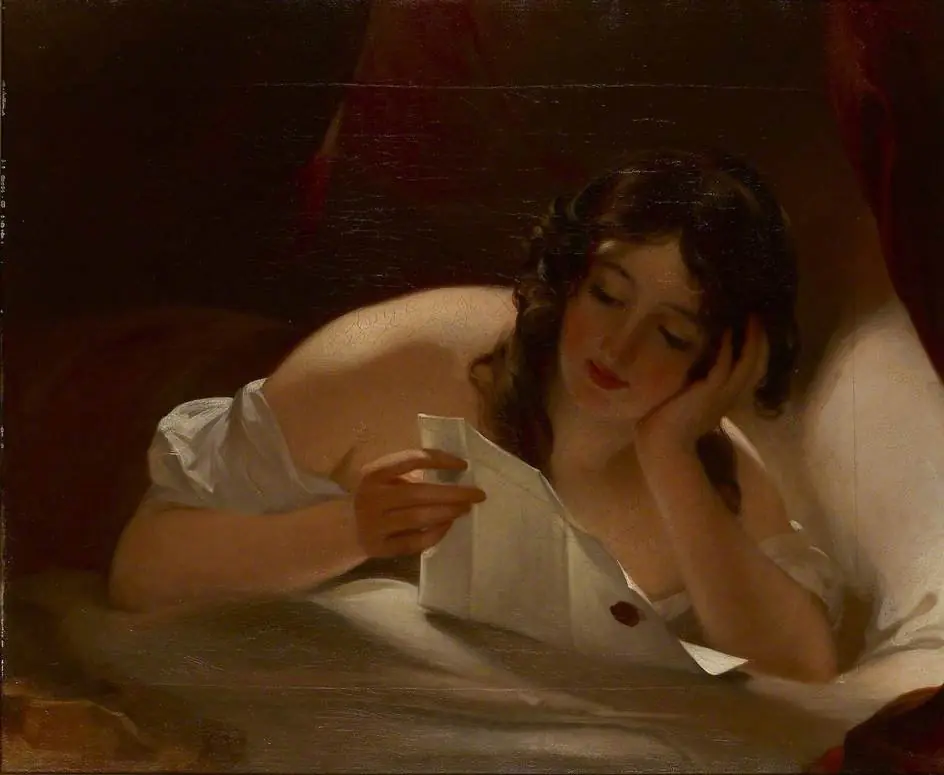 The Love Letter
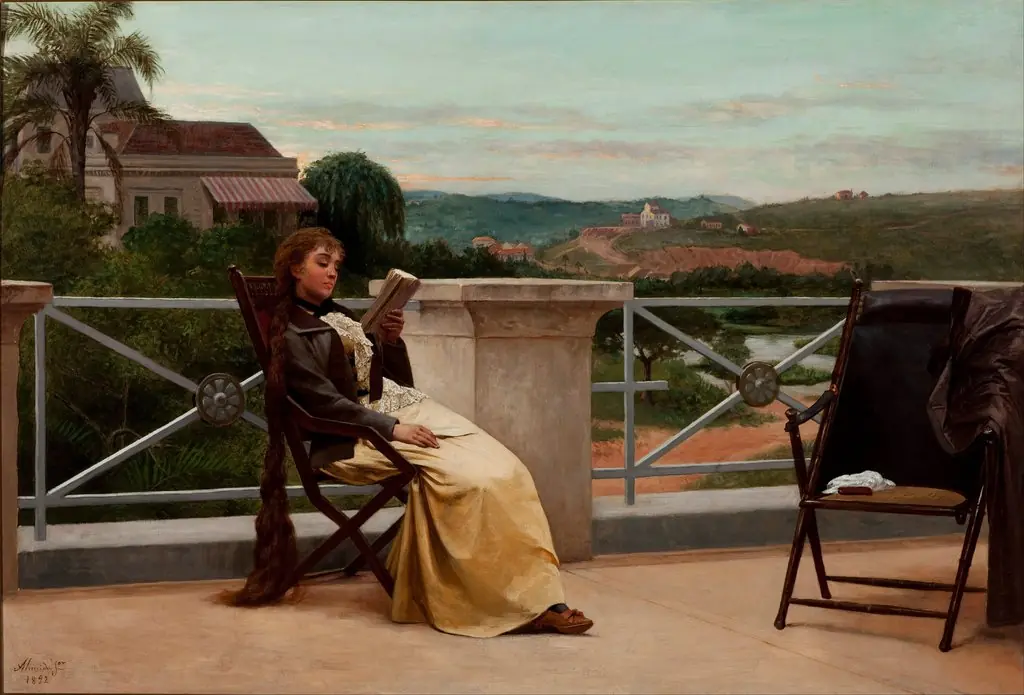 Reading
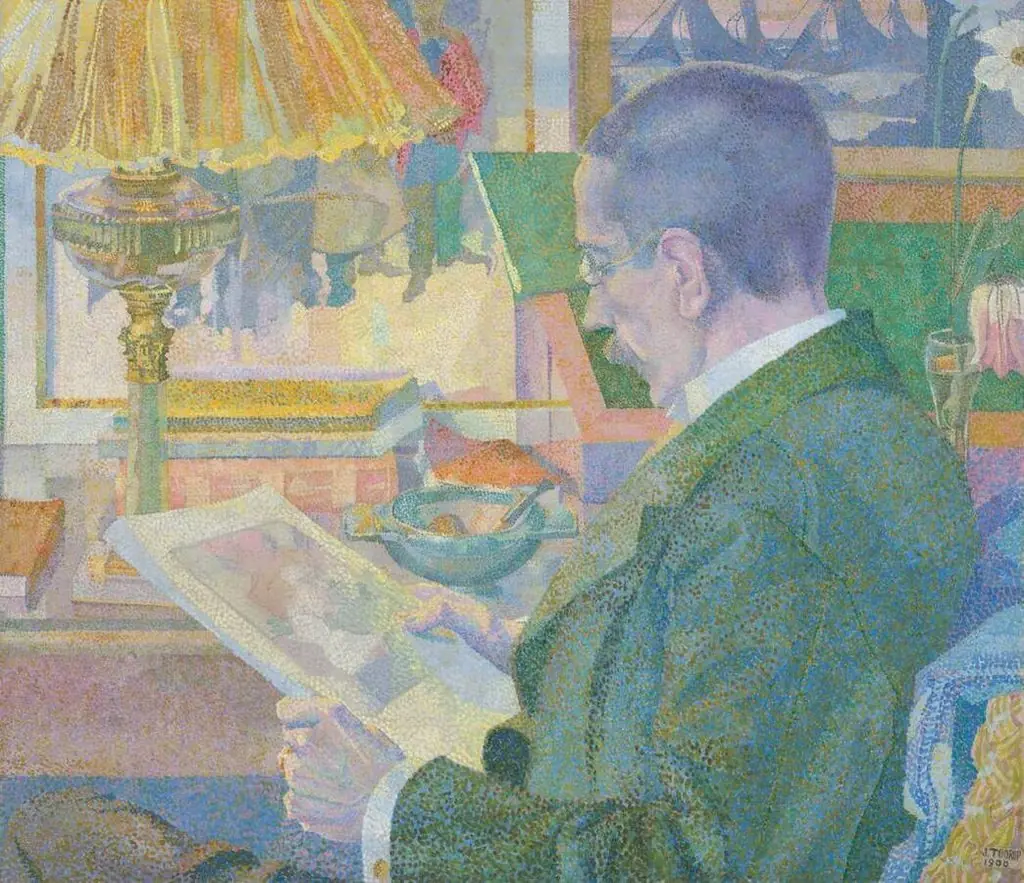 The connoisseur of prints (Dr. Aegidius Timmermann)
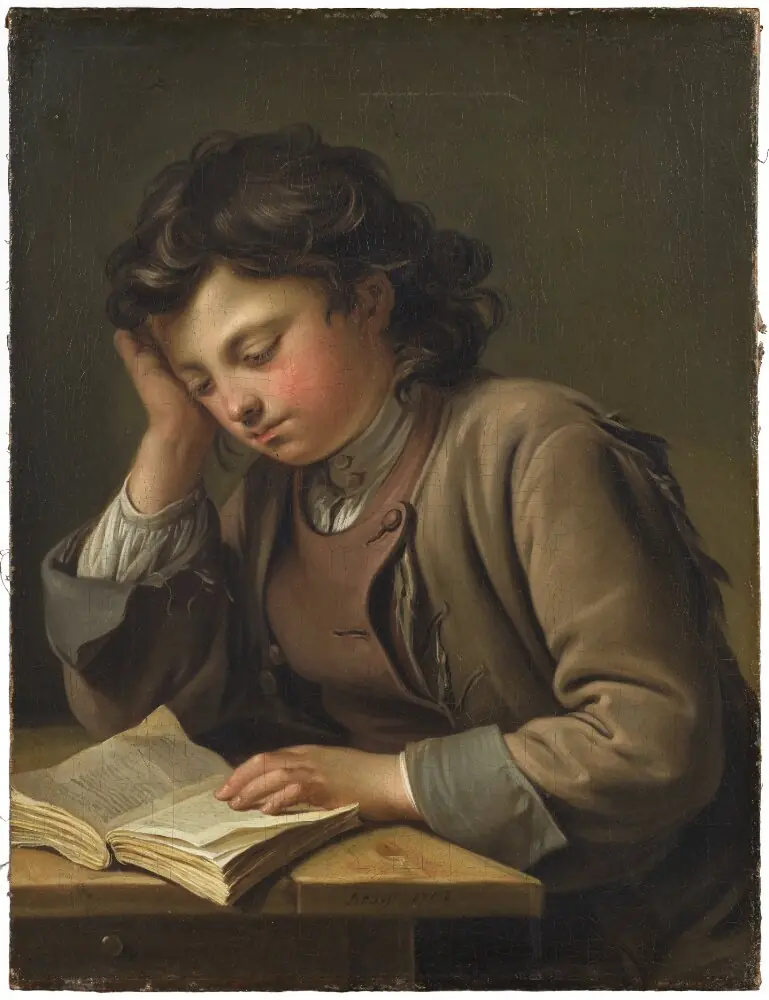 Reading Boy
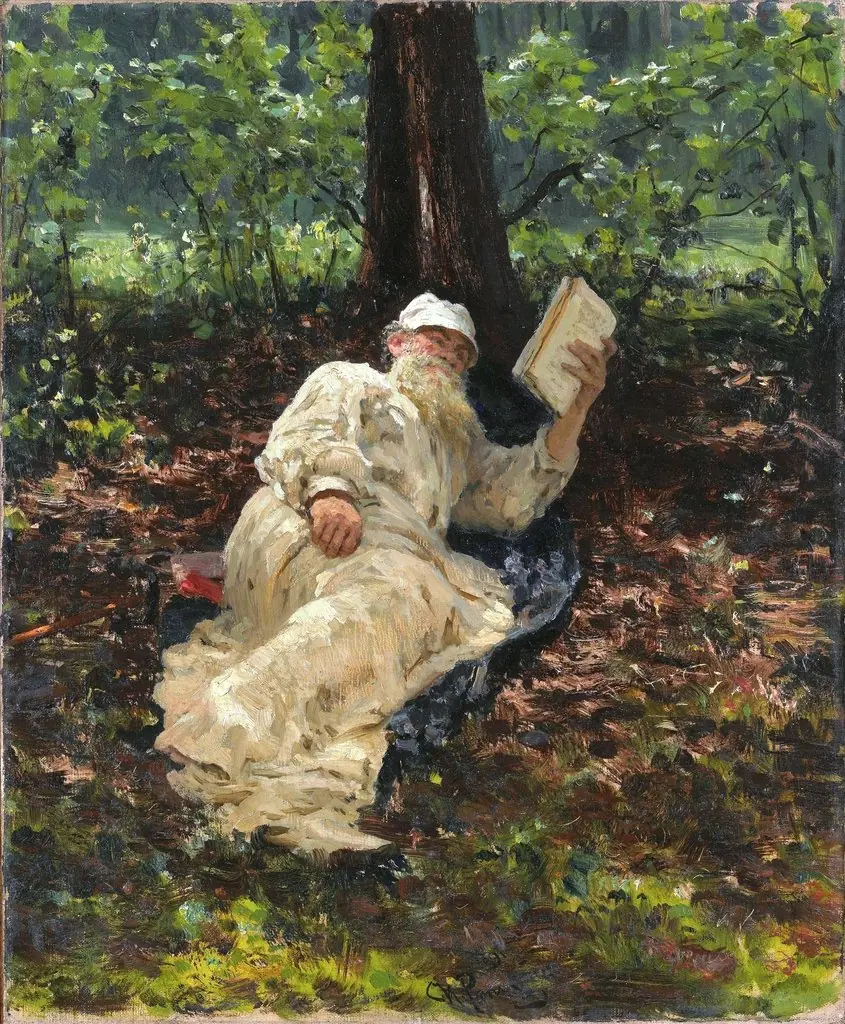 Lev Nikolayevich Tolstoy resting in the forest.
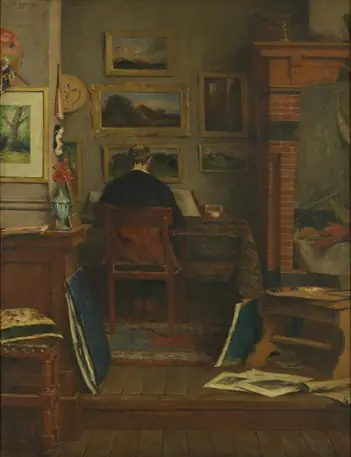 Interior of a studio
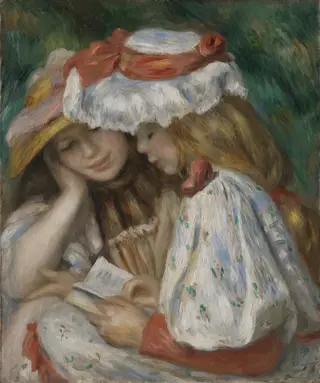 Two Girls Reading
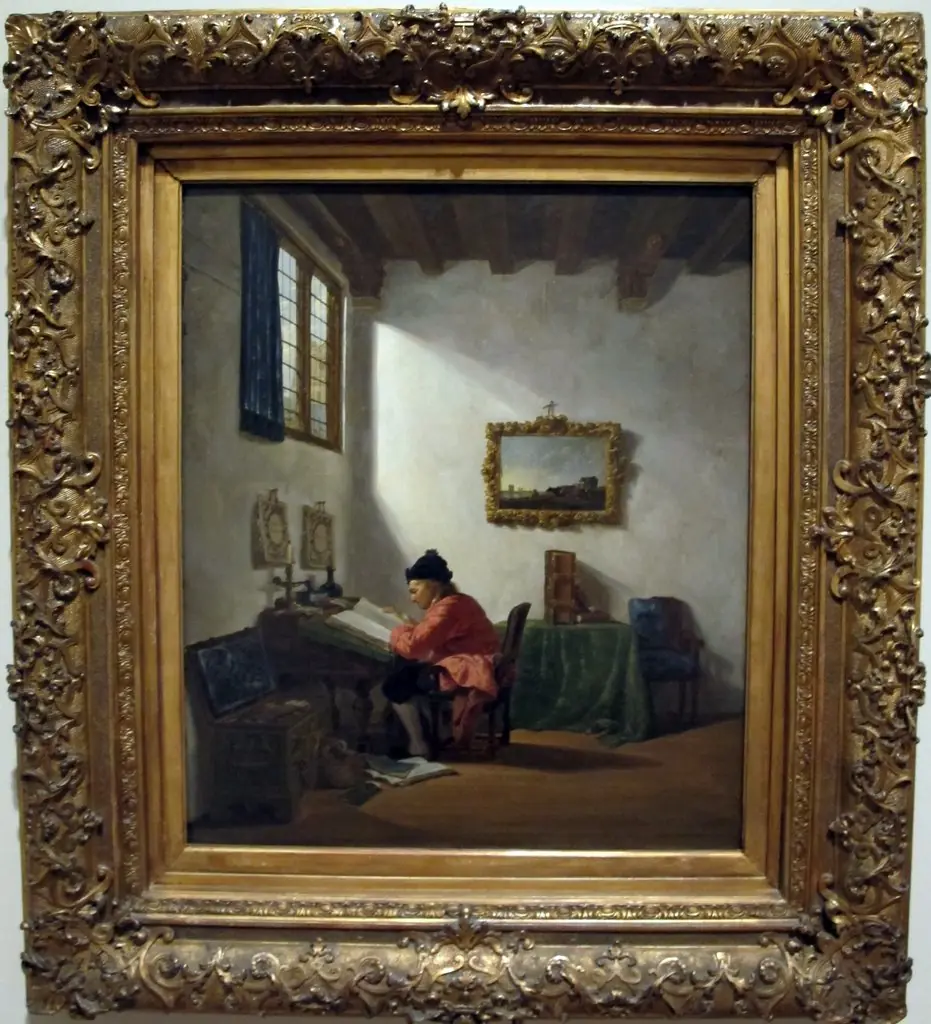 Man at a Desk
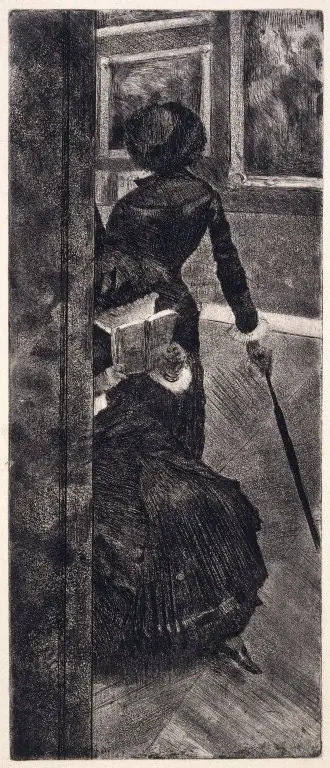 Mary Cassatt at the Louvre: The Paintings Gallery
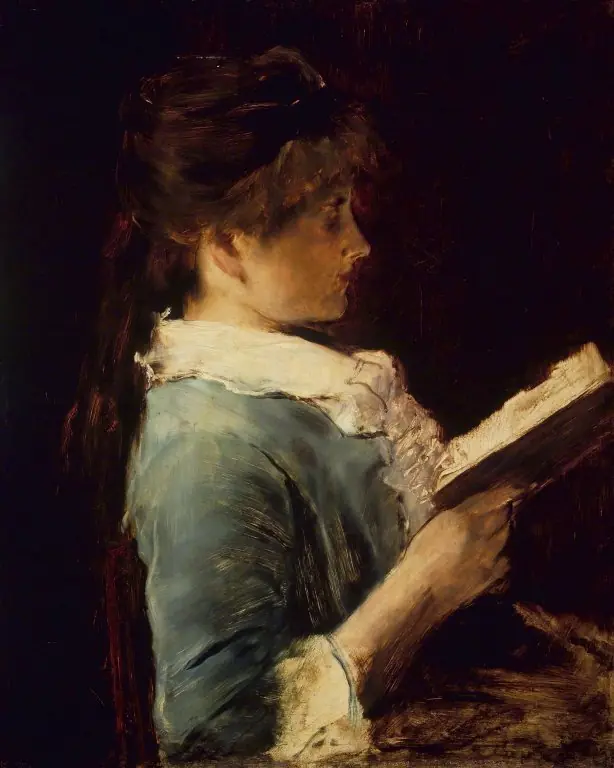 A Study for "Paradise Lost
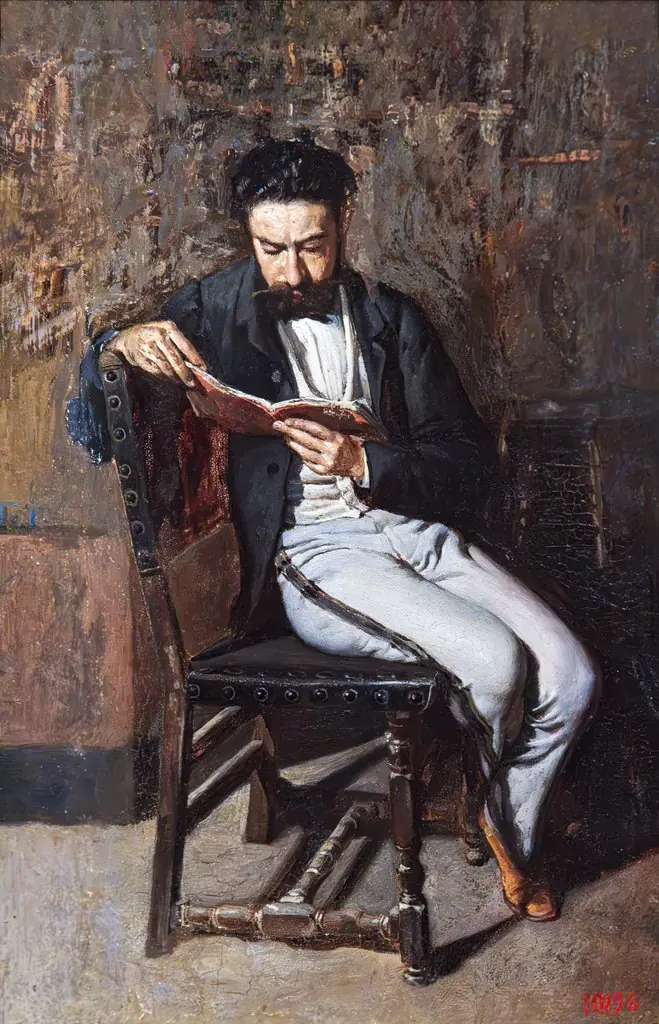 Retrat d'un escultor
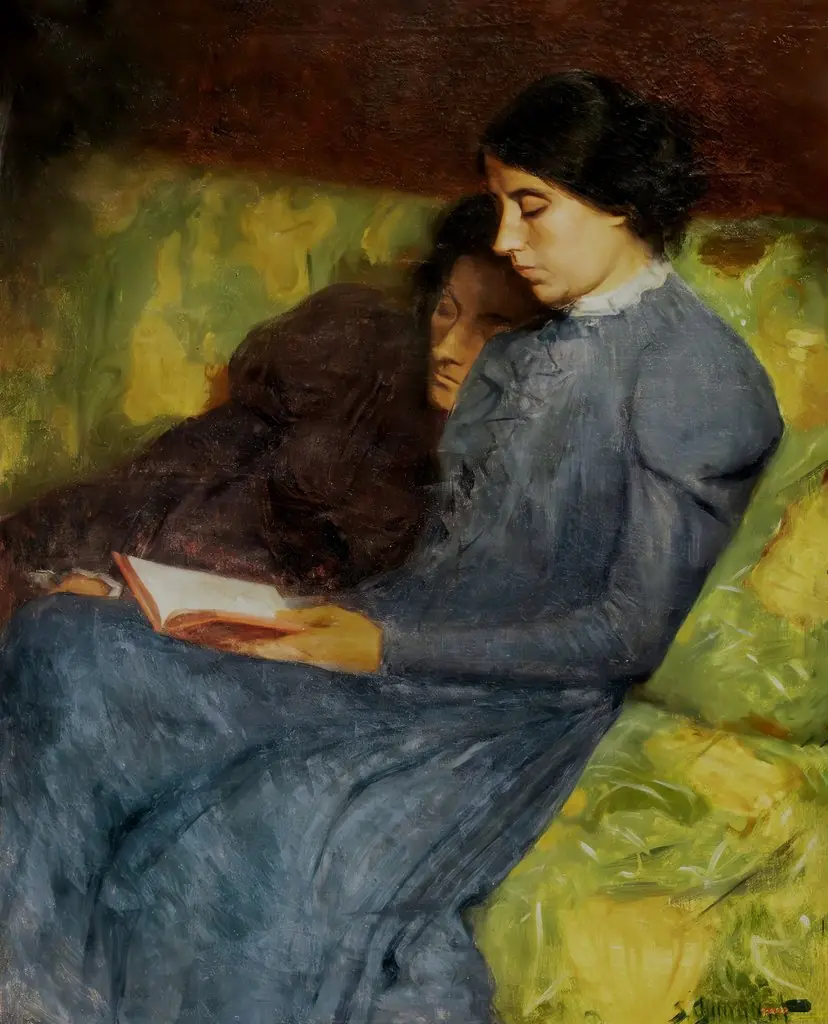 Chlorosis
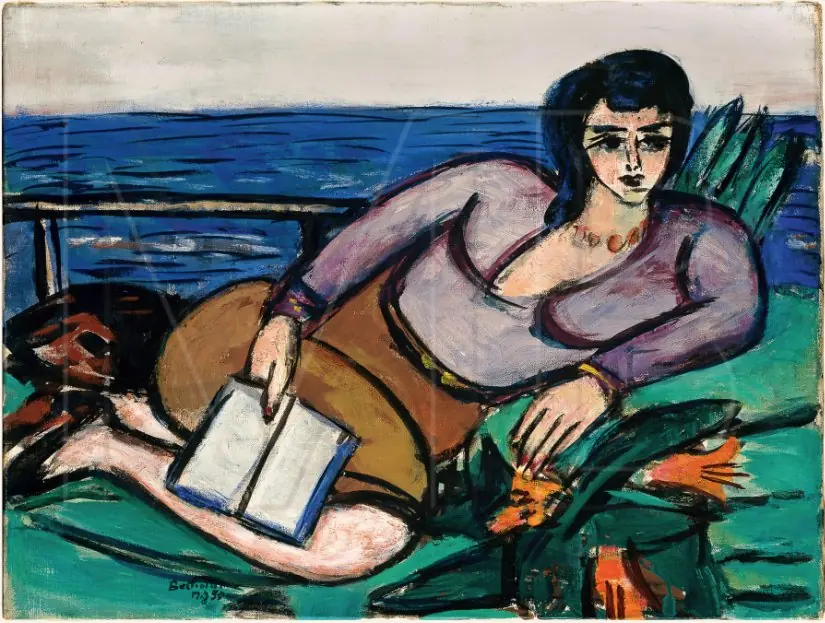 Reclining Woman by the Sea
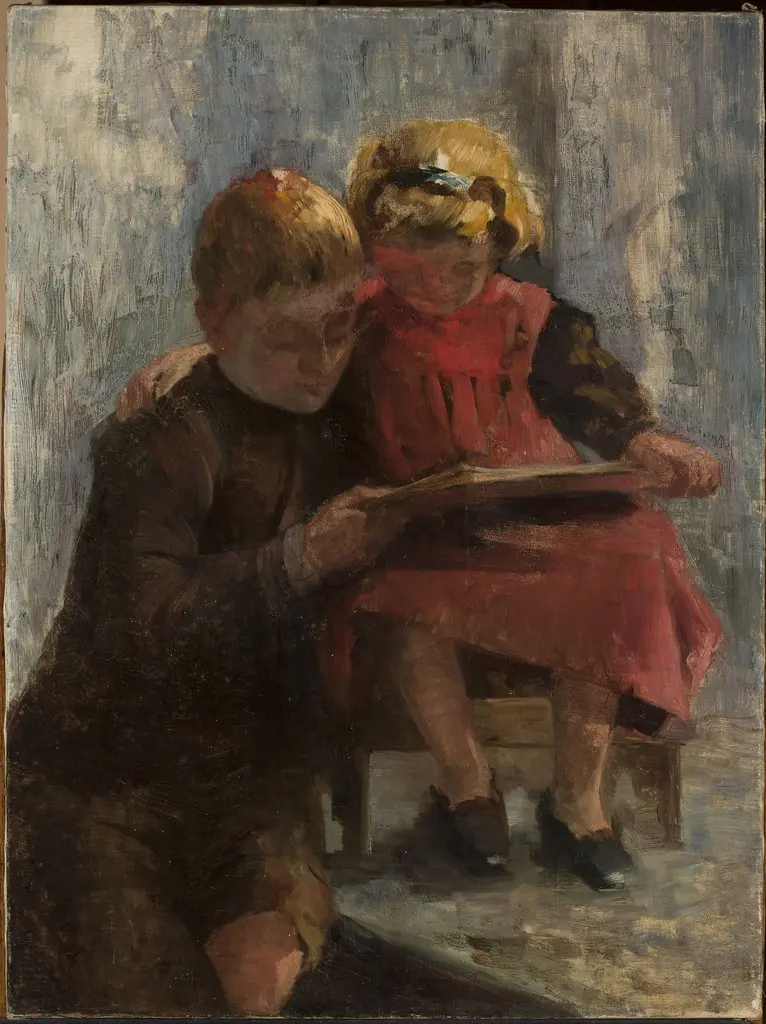 Study of two children
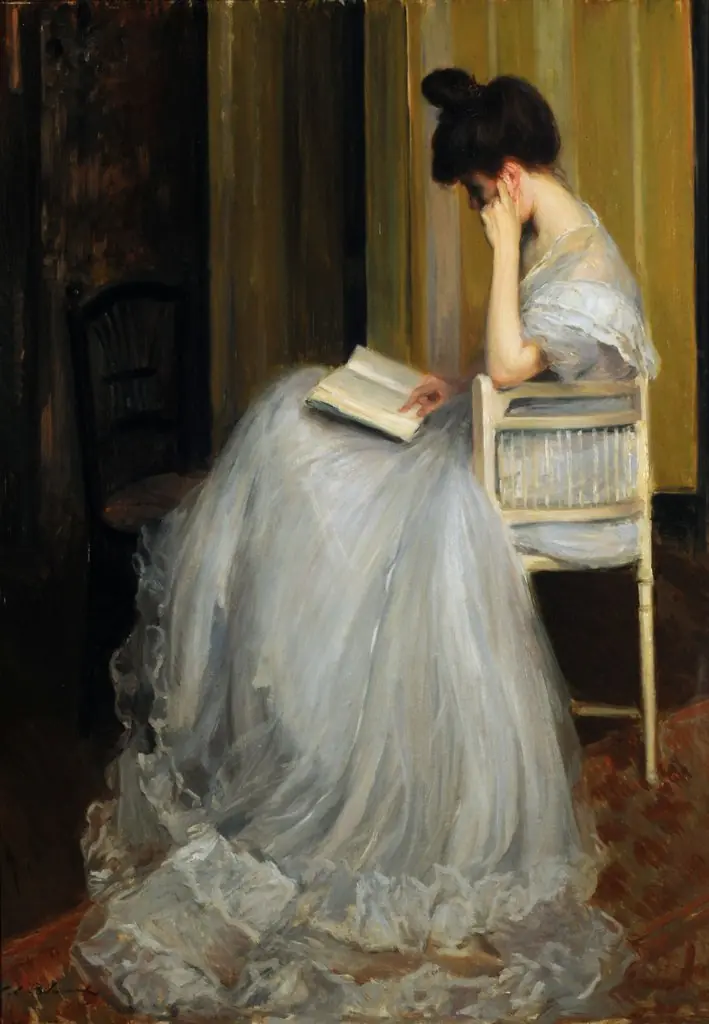 The reader
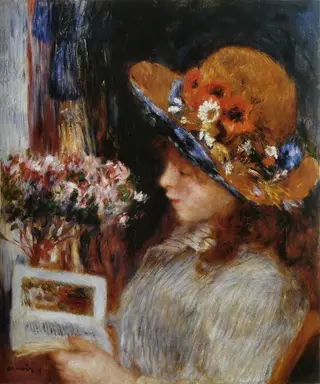 Young Girl Reading
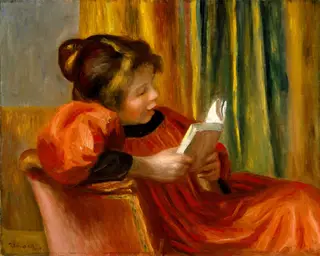 Girl Reading
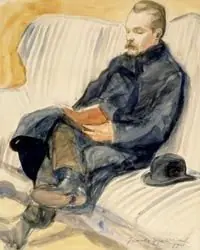 Portrait of Jalo Sihtola
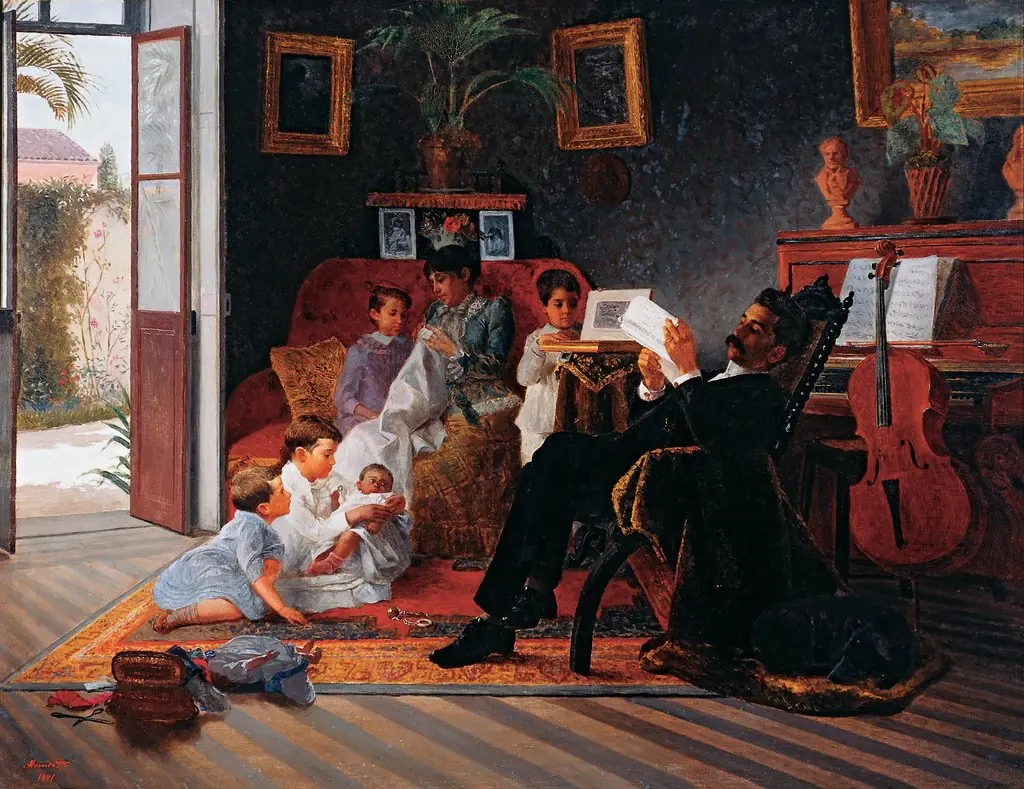 Scene of Adolfo Pinto’s Family
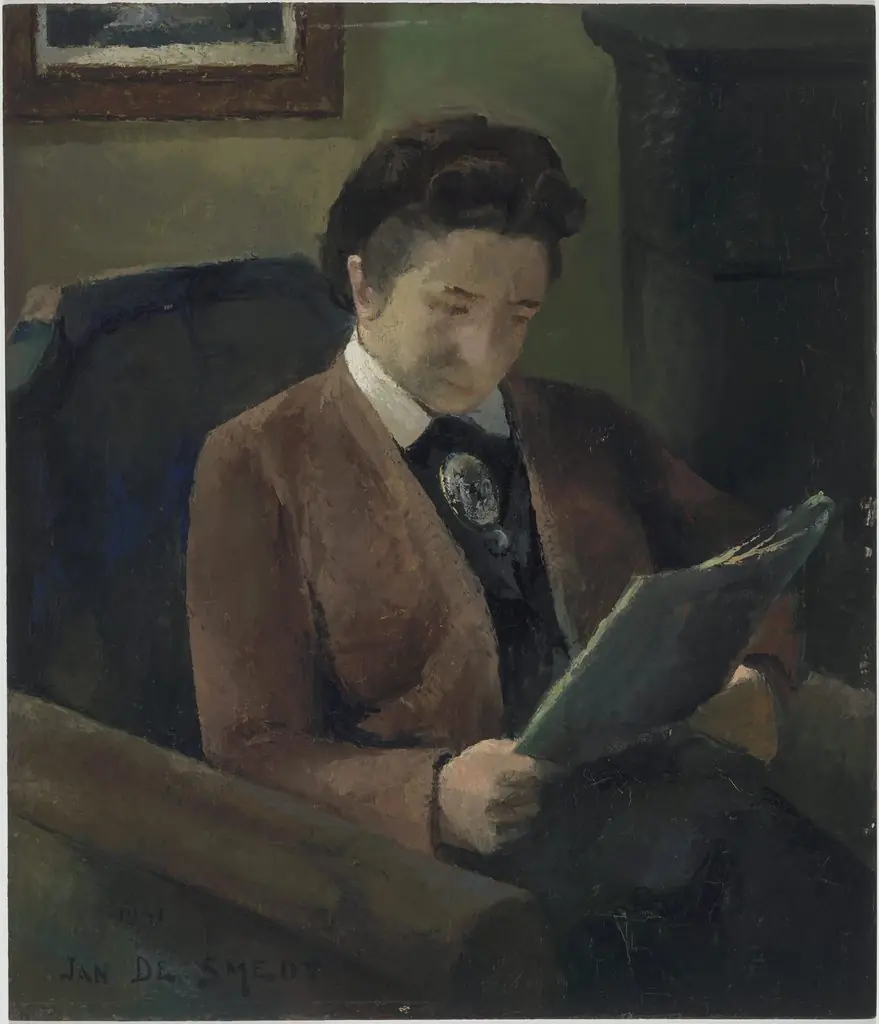 Lezende vrouw
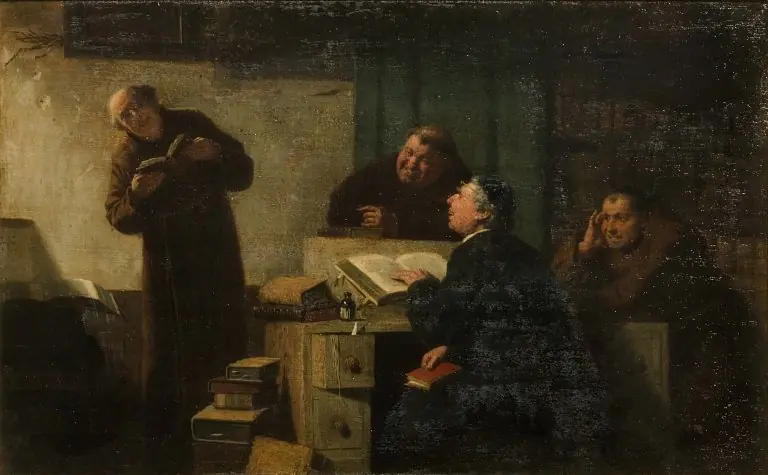 Monastic Library
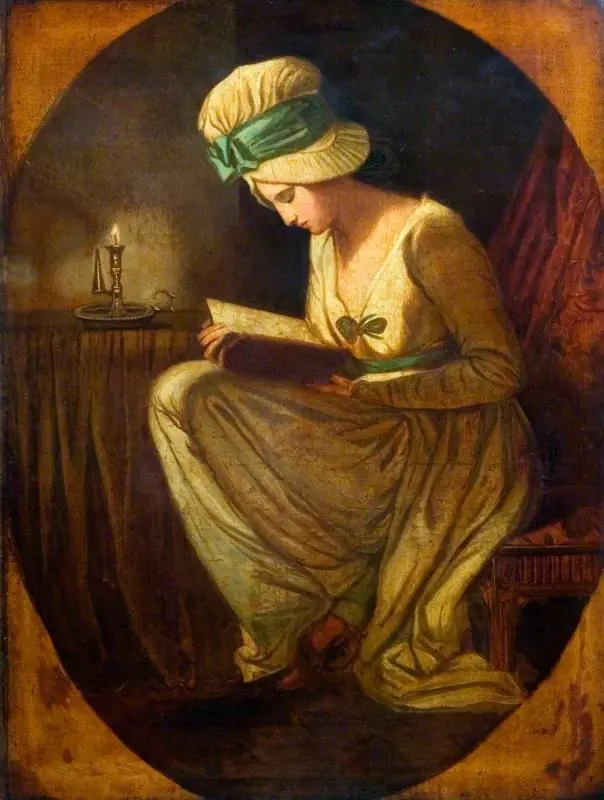 Serena
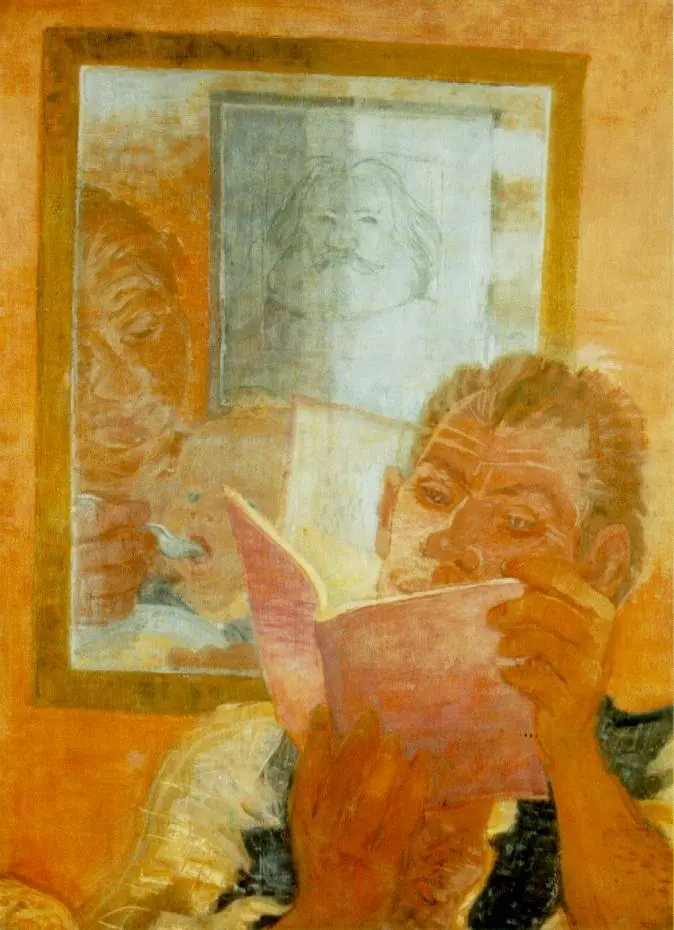 Generations (Three Generations)
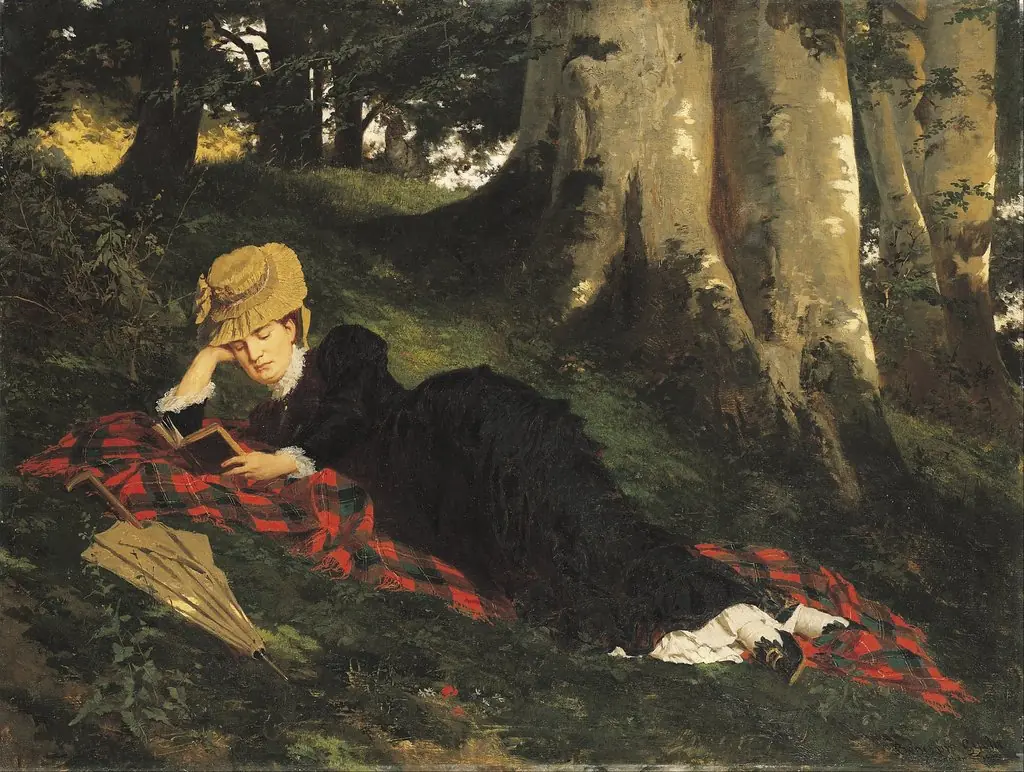 Woman Reading in a Forest
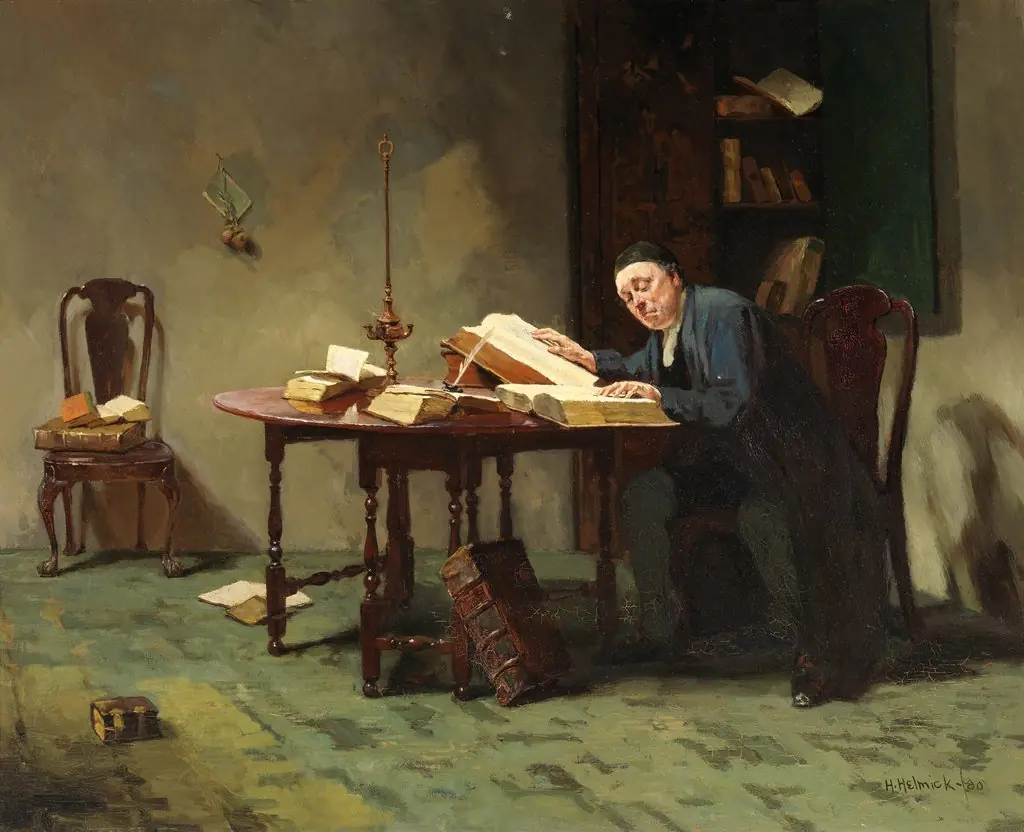 The Bookworm
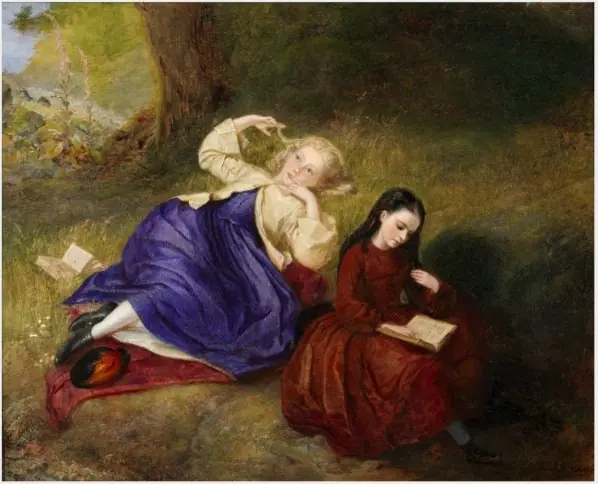 Daydreams
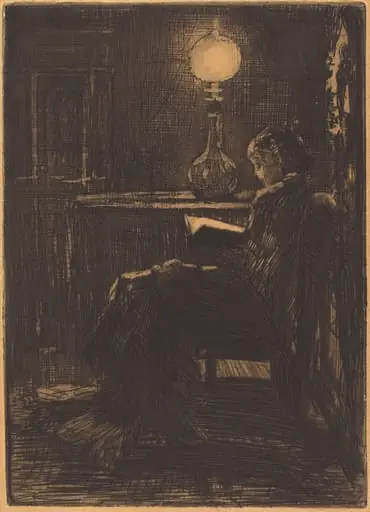 Liseuse à la Lampe (Woman Reading by Lamplight)
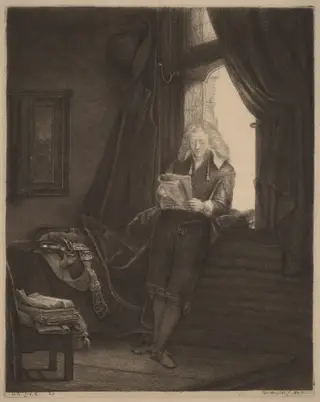 Jan Six
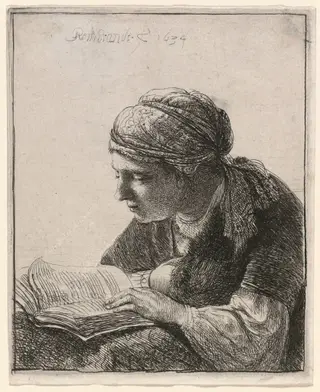 Woman Reading
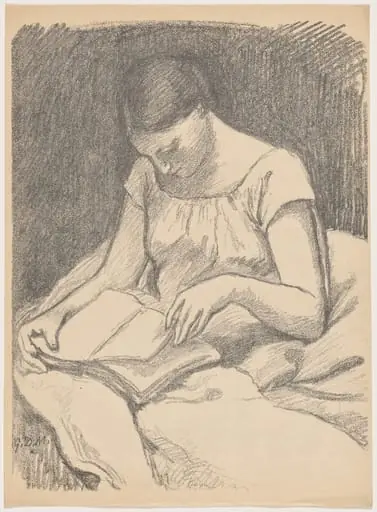 Liseuse (The Reader)
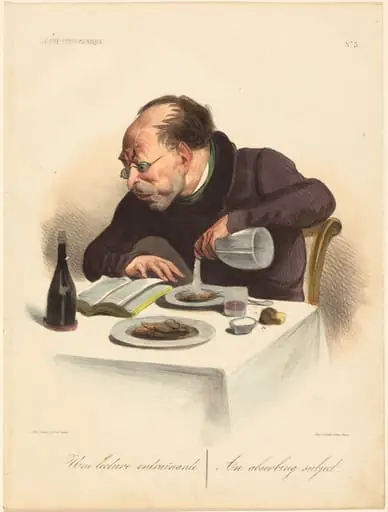 Une lecture entrainante
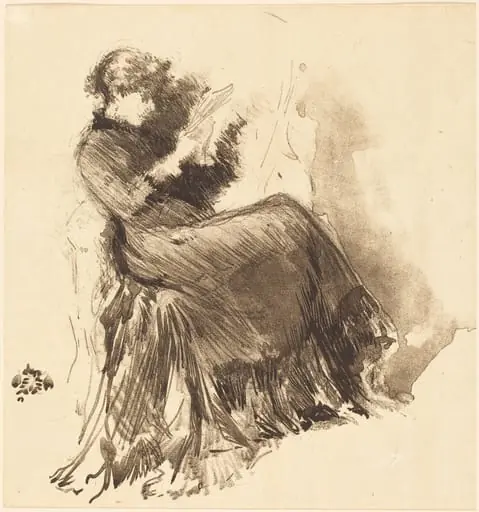 Study
Study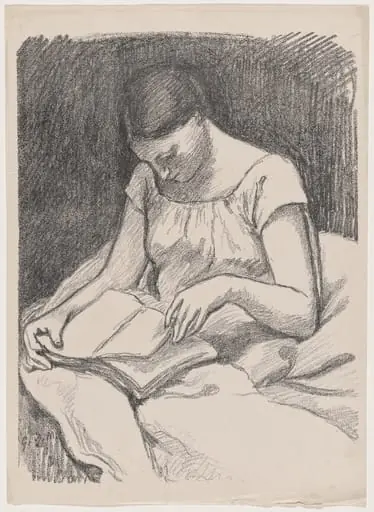 Liseuse (The Reader)
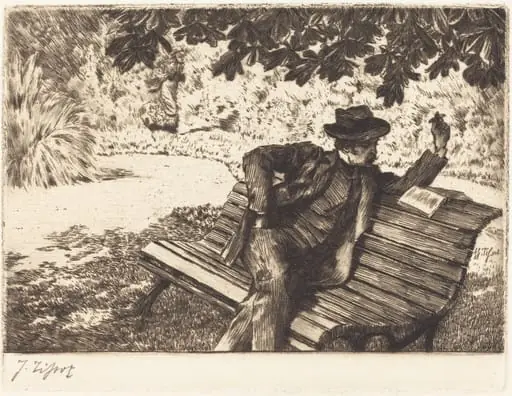 Denoisel Reading in the Garden
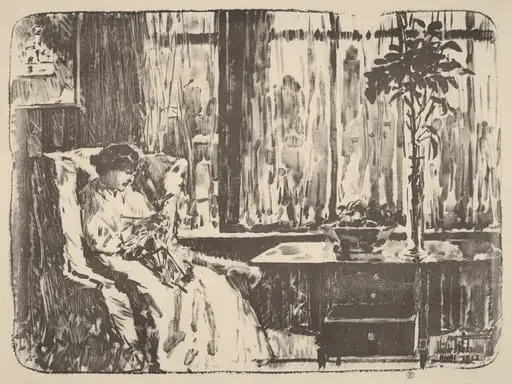 The Broad Curtain
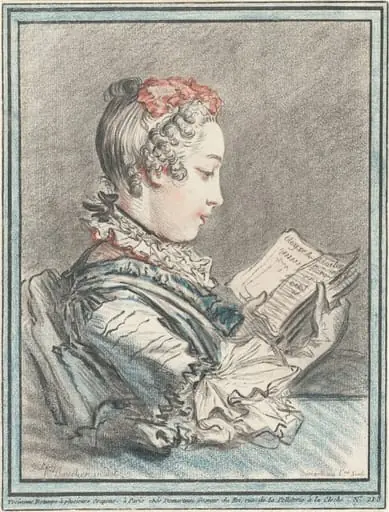 Young Girl Reading "Héloise and Abélard"
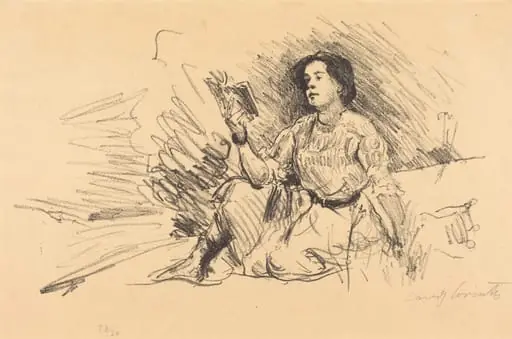 Lesendes Mädchen (Girl Reading)
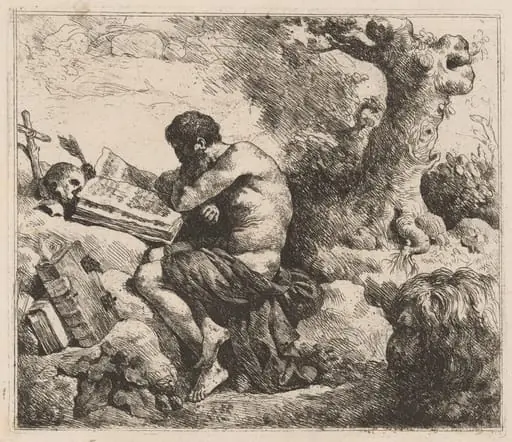 Saint Jerome
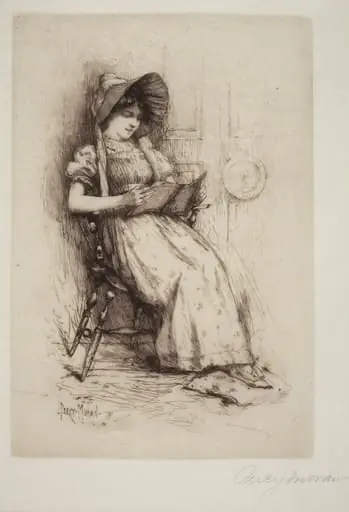 Untitled (Young Girl With Hat, In Chair, Reading)
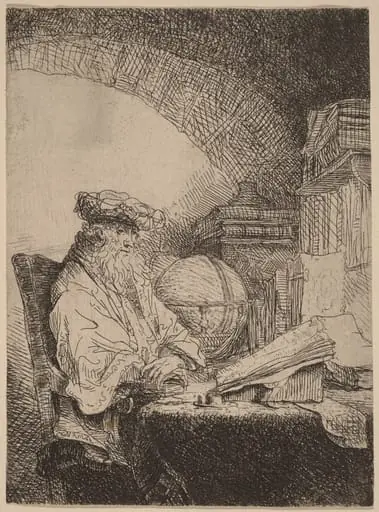 The Astrologer
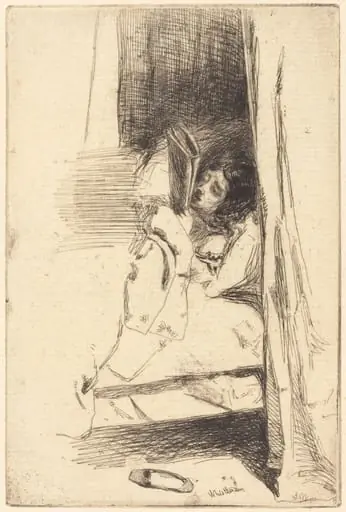 The Slipper
Frequently asked questions
What is Reading?
Reading is the process of taking in the sense or meaning of symbols, often specifically those of a written language, by means of sight or touch.
How many Reading works does Artifact World Gallery have?
Artifact World Gallery holds 200 public-domain Reading works, all free to view and download.
Who are the key Reading artists?
Key Reading artists in the collection include Paolo Veronese, Jean Baptiste Camille Corot and Gustave Courbet.
Where can I see Reading works?
Reading works in the collection are held by Metropolitan Museum of Art, National Gallery of Art and Statens Museum for Kunst.