Artwork
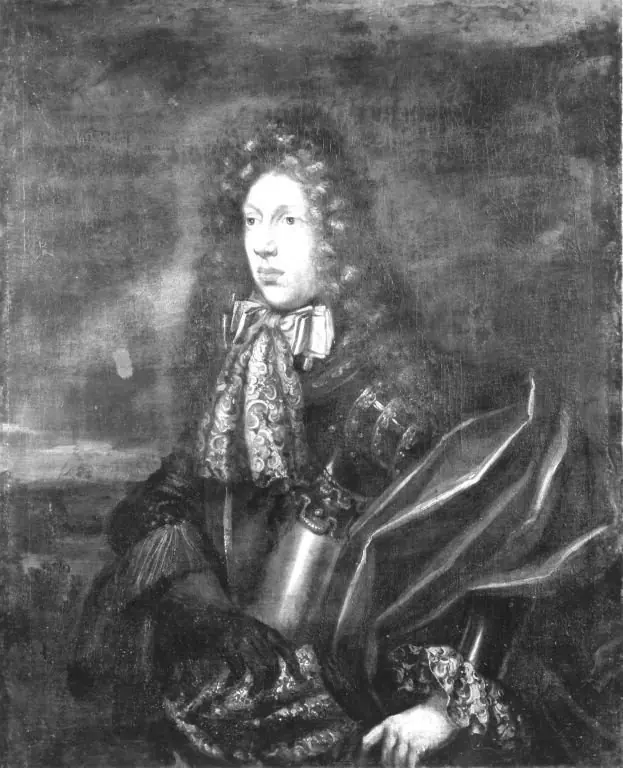
Bildnis des Kurfürsten Karl III. Philipp von der Pfalz (1661-1742)
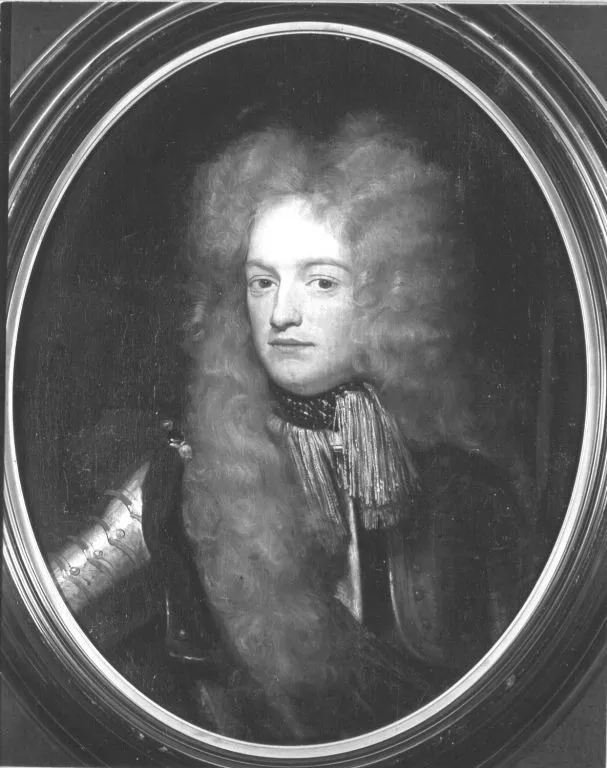
Bildnis des Kurfürsten Karl III. Philipp von der Pfalz (1661-1742) is an unspecified painting by the Dutch Golden Age artist Wolfgang Ludwig Hopfer. It dates from 1696 and is held in the collection of the Bavarian State Painting Collections.
About this work
Technique & Style
The work is classified as a painting and takes the form of a portrait, executed in 1692 by Wolfgang Ludwig Hopfer.
The work is classified as a painting and takes the form of a portrait, executed in 1692 by Wolfgang Ludwig Hopfer. According to the cataloguing data, it measures 70 cm in height and 54 cm in width, indicating a modest, upright panel- or canvas-sized format typical of courtly likenesses of the period. The piece is held in the Bavarian State Painting Collections at the Alte Pinakothek, where it is preserved as a portrait of Charles III Philip, Elector Palatine.
Beyond the medium of painting, the available sources do not specify the particular support, pigment, or stylistic handling employed by the artist, nor do they describe the present condition of the work.
History & Provenance
Wolfgang Ludwig Hopfer executed this portrait of Charles III Philip, Elector Palatine, in 1692. The work was created as a painted representation of the ruler, who lived from 1661 to 1742. Today, the painting is held within the Bavarian State Painting Collections and is housed at the Alte Pinakothek.
The portrait of Charles III Philip, Elector Palatine, painted by Wolfgang Ludwig Hopfer in 1692, is housed in the Alte Pinakothek within the Bavarian State Painting Collections. Its accession number is 2165. The work has been part of the permanent exhibition at this institution since its acquisition.
Legacy
The portrait of Charles III Philip, Elector Palatine, painted by Wolfgang Ludwig Hopfer in 1692, remains part of the Bavarian State Painting Collections at the Alte Pinakothek in Munich. Its scholarly value has been cited in studies of Baroque portraiture, particularly in analyses of courtly representation in the Electoral Palatinate during the late 17th century. The work continues to be referenced in art-historical literature on German Baroque art and the political symbolism of Wittelsbach rulers.
Overview
Wolfgang Ludwig Hopfer’s 1696 oil portrait presents Charles III Philip, Elector Palatine, in a formal, dignified pose. The work resides in Munich’s Alte Pinakothek, where it forms part of the museum’s collection of German Baroque portraiture.
Subject & Meaning
The sitter, Charles III Philip (1661‑1742), is shown with a serious gaze directed at the viewer, embodying the authority and gravitas expected of an 18th‑century elector. His attire and sword reinforce his political and military status within the Holy Roman Empire.
Context
The portrait aligns with the broader tradition of courtly representation in late‑17th‑century Germany, where rulers were depicted with symbols of power, such as swords, and in attire that signaled rank. Hopfer’s work contributes to this visual language of sovereign legitimacy.
Artist & collection

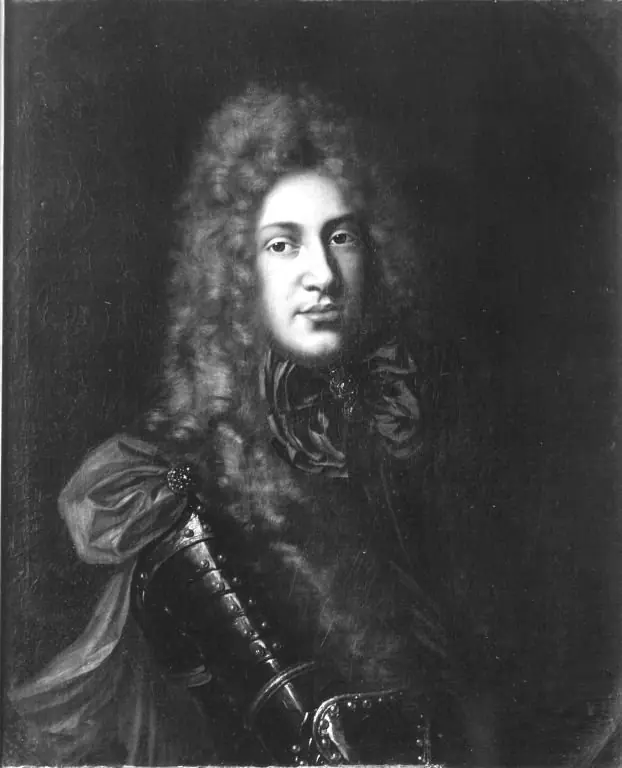
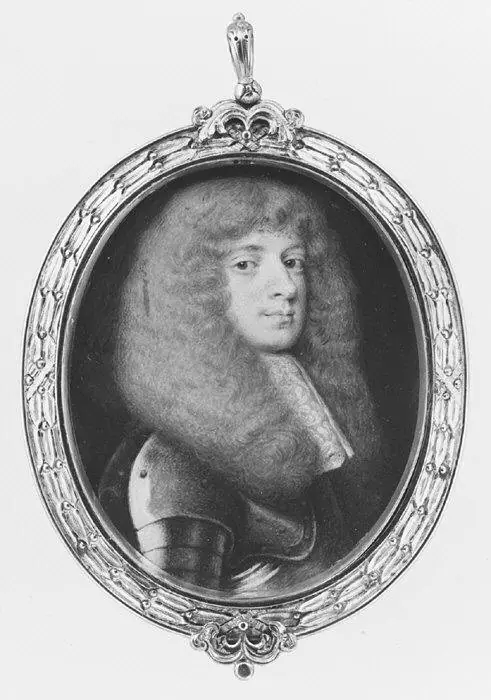
- Portrait of a Man, Said to Be John Cecil (1628–1678), Fourth Earl of Exeter
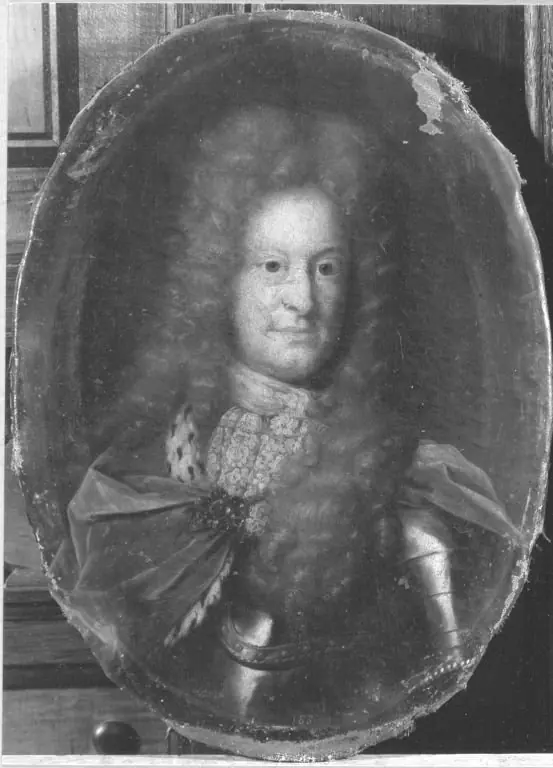 Bildnis eines unbekannten Fürsten
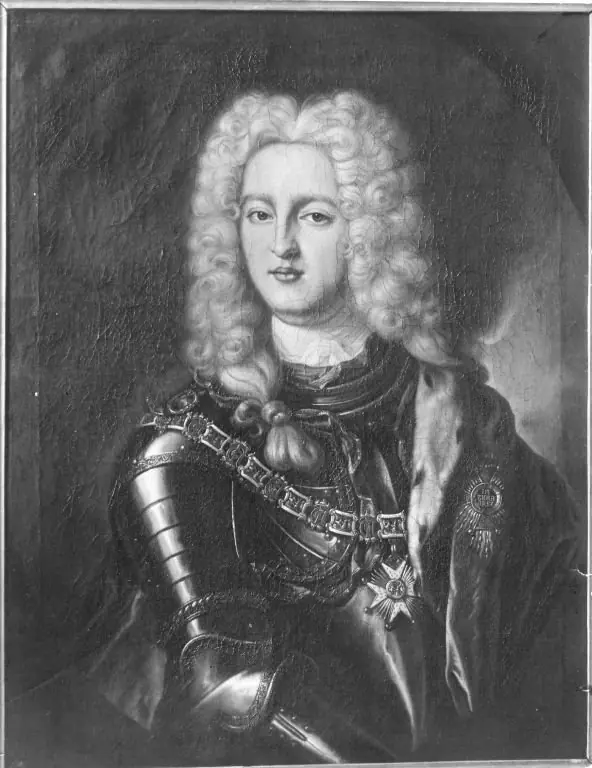 Count Palatine Christian III from Zweibrücken-Birkenfeld
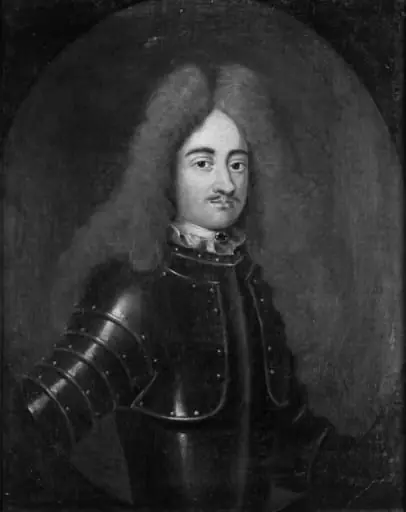 Portrait of a Man
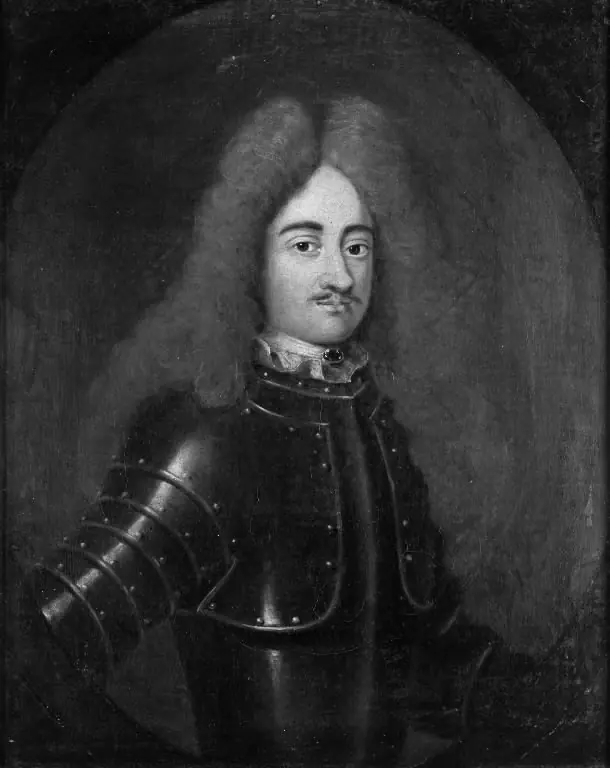 Portrait of a Man
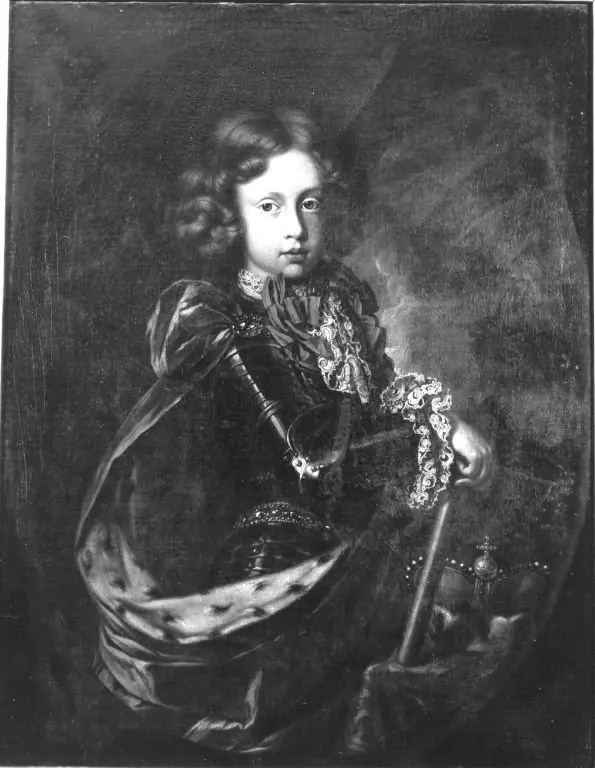
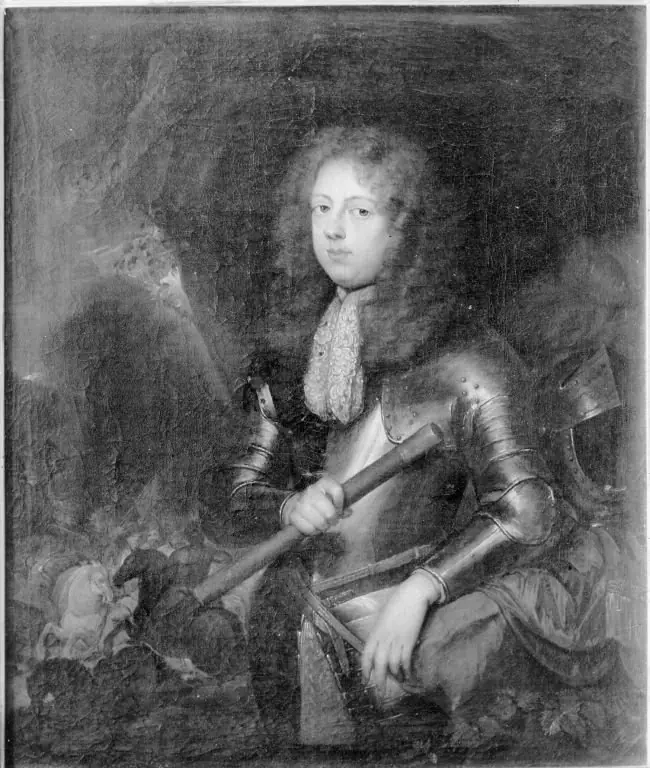 Bildnis eines Prinzen
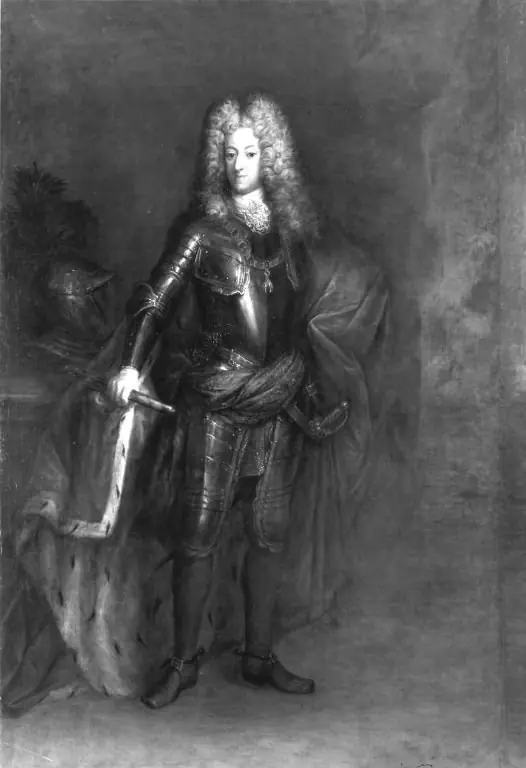 Bildnis des Kurfürsten Max Emanuel von Bayern
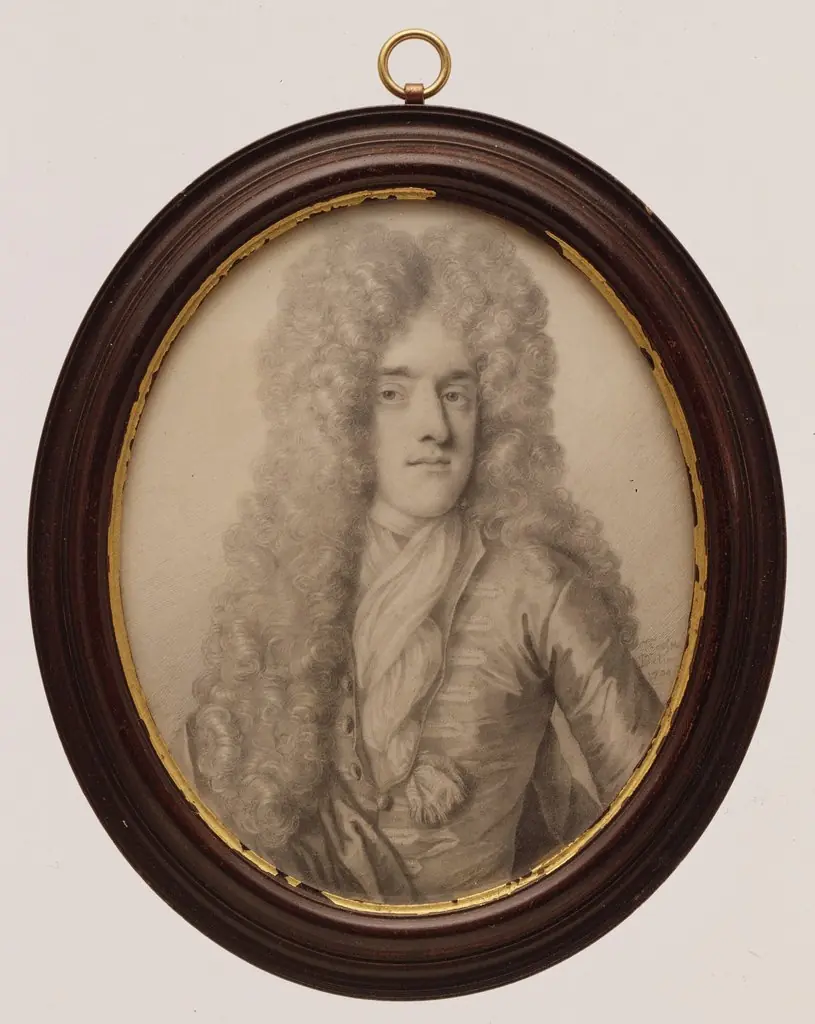 Portrait of a Man
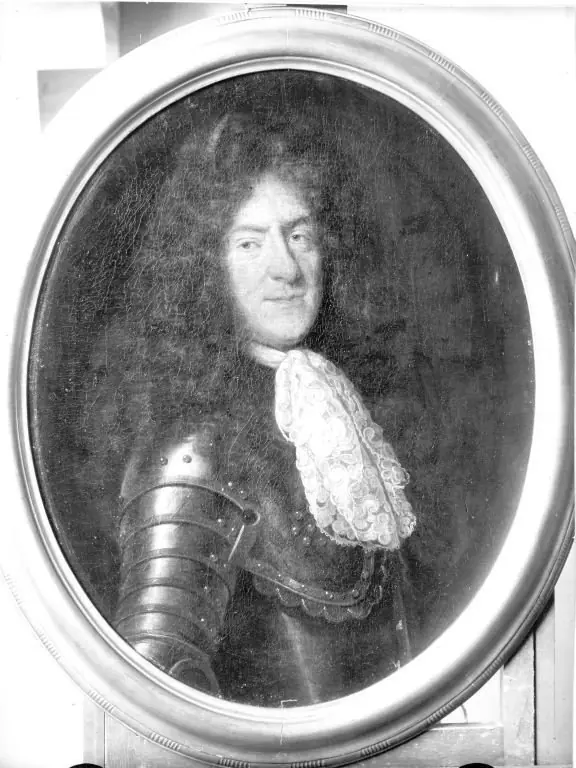 Bildnis von Pfalzgraf Christian II. von Birkenfeld-Bischweiler-Rappoltstein (1637-1717)
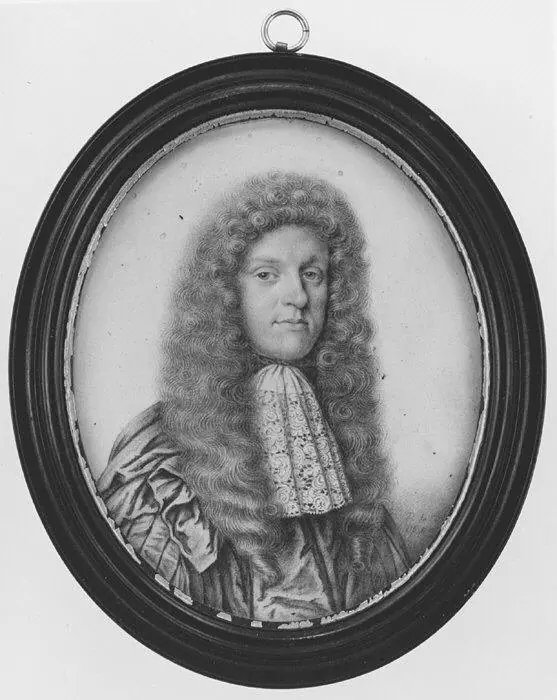 Portrait of a Man