Artwork
Ecce Homo
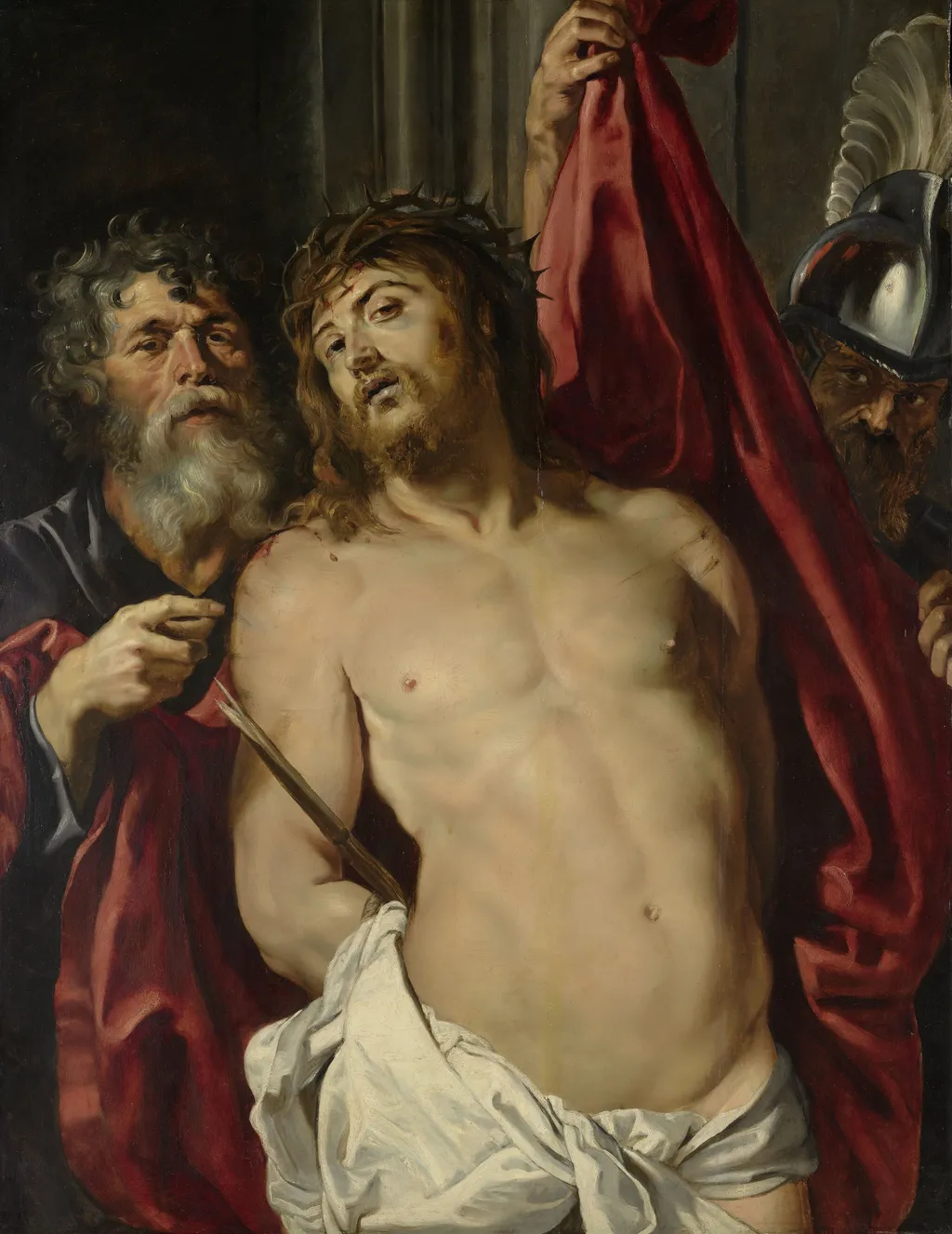
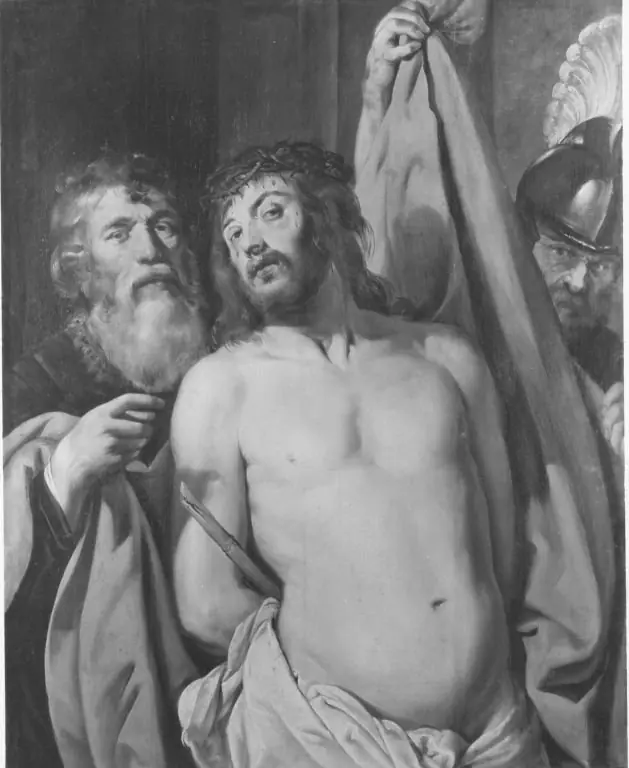
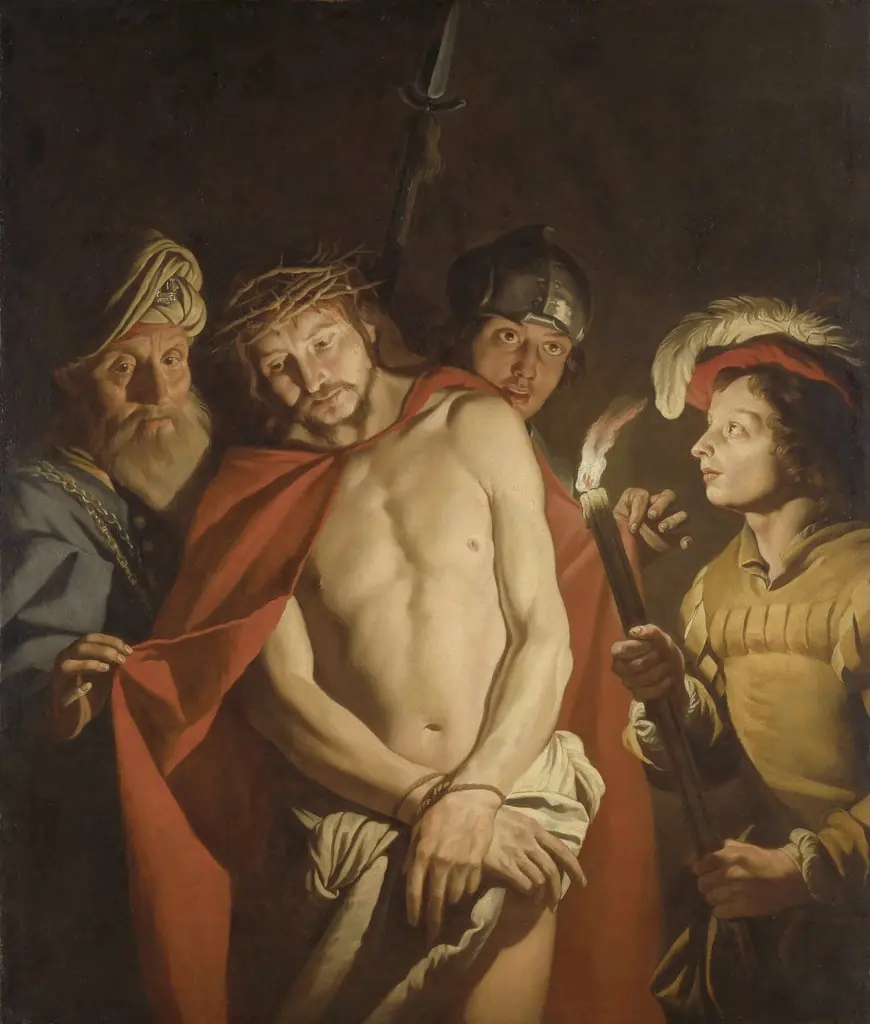
Ecce Homo is an oil painting by Woutherus Mol. It dates from 1810 and is held in the collection of the Rijksmuseum.
About this work
Subject & Meaning
The composition is defined by the figure's direct gaze towards the viewer, creating an immediate engagement with the audience.
The painting depicts the biblical subject of Ecce Homo, centering on Jesus Christ. The composition is defined by the figure's direct gaze towards the viewer, creating an immediate engagement with the audience. As a work of religious art, the iconography is anchored by the Crown of Thorns, which signifies the suffering and humiliation of the moment before the crucifixion.
The piece serves as a representation of this specific Passion narrative, emphasizing the humanity and plight of Christ through the artist's interpretation of the scene.
Technique & Style
Created in 1810 by Woutherus Mol, this oil painting on panel depicts the Ecce Homo scene with Christ crowned with thorns, shown in a direct gaze toward the viewer. The work belongs to the religious art genre and is classified as a painting within the tradition of religious art. It measures 125 cm in height and 95 cm in width, reflecting Mol's adaptation of Peter Paul Rubens' composition through the use of oil media on wooden support, maintaining formal qualities characteristic of early 19th-century religious painting.
The painting's condition and handling history are tied to its provenance at the Rijksmuseum, where it remains part of the Dutch national collection. Its stylistic execution demonstrates Mol's technical approach to religious subjects through careful rendering of materials and composition within the religious art genre.
History & Provenance
The painting titled Ecce Homo was created in 1810 by the artist Woutherus Mol. Executed in oil paint on a panel, the work measures 125 cm in height and 95 cm in width. It is a religious composition depicting Jesus Christ, specifically focusing on the main subject of the Ecce Homo scene and the Crown of Thorns.
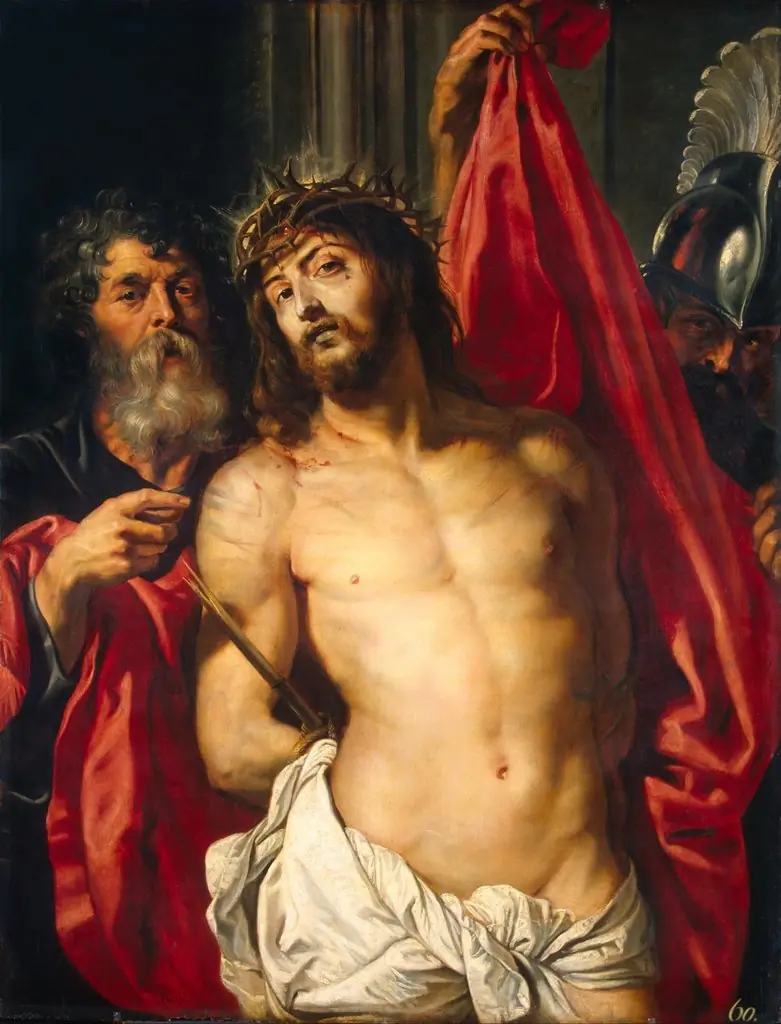
The piece is a copy or interpretation based on the work of Peter Paul Rubens. Currently, the artwork is held within the Cultural Heritage Agency of the Netherlands Art Collection and is located at the Rijksmuseum.
Context
Woutherus Mol's Ecce Homo, executed in 1810, stands as a significant religious work within the early 19th-century Dutch artistic landscape. The painting is recognized as a direct interpretation of Peter Paul Rubens' earlier composition, demonstrating Mol's engagement with the Baroque tradition through a contemporary lens. By depicting Jesus Christ gazing directly at the viewer, the work emphasizes the emotional intensity characteristic of the Ecce Homo subject matter.
This specific rendition is currently held in the Cultural Heritage Agency of the Netherlands Art Collection, where it is displayed at the Rijksmuseum. The piece serves as a historical link between the Flemish Baroque style of Rubens and the religious painting practices of Mol's era.
Overview
Woutherus Mol’s 1810 oil painting Ecce Homo presents a stark, nocturnal scene in which the crucified Christ is shown shirtless, his head crowned with thorns, and his arms bound behind him. The composition is dominated by a dark background that isolates the figures, allowing the red drapery and armor to stand out.
Own this work as a print
Artist & collection
Artist
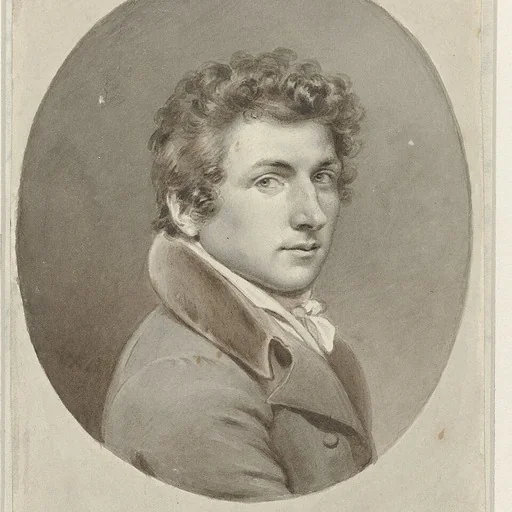
Woutherus Mol (21 March 1785 – 30 August 1857) was a painter and draftsman from the Netherlands. He is known for interiors and genre scenes.