Artwork
Ecce Homo
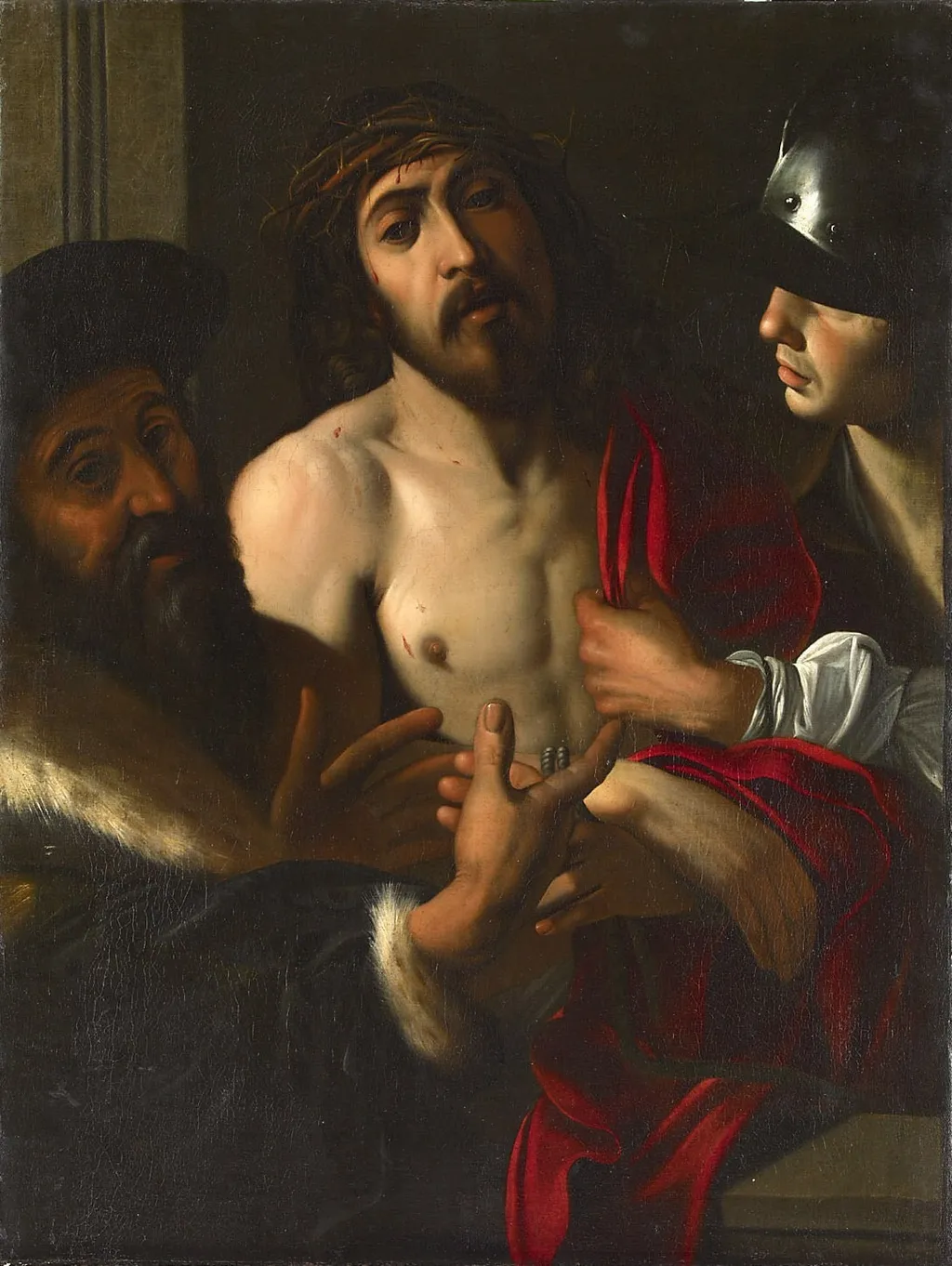
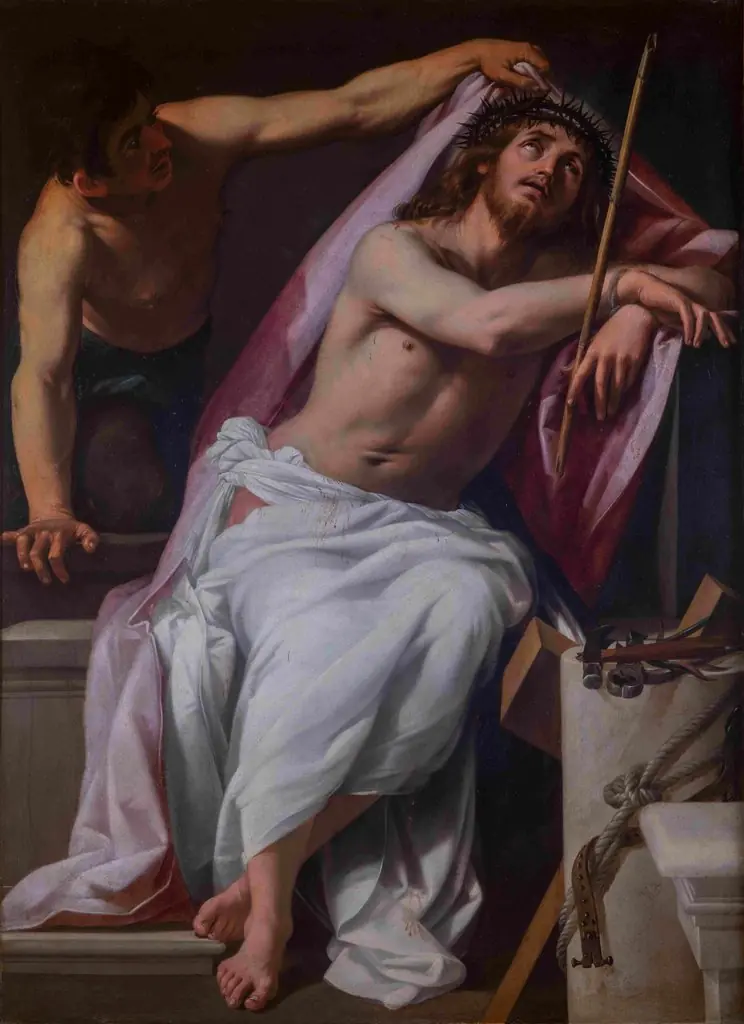
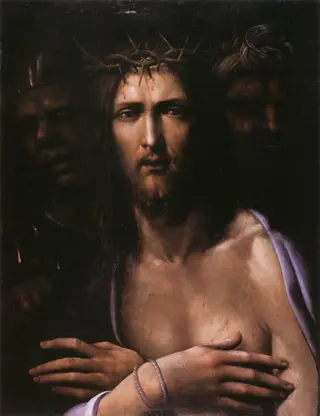
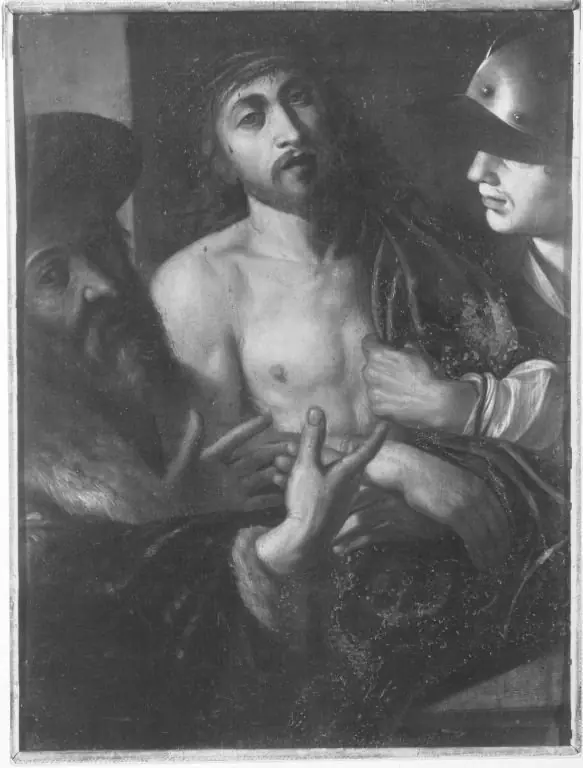
Ecce Homo is an unspecified painting by the Early Baroque Italian artist Mario Minniti. It dates from 1615 and is held in the collection of the Kunsthistorisches Museum.
About this work
History & Provenance
According to the documented record, the work resides at this institution, with its location confirmed within the museum's collection.
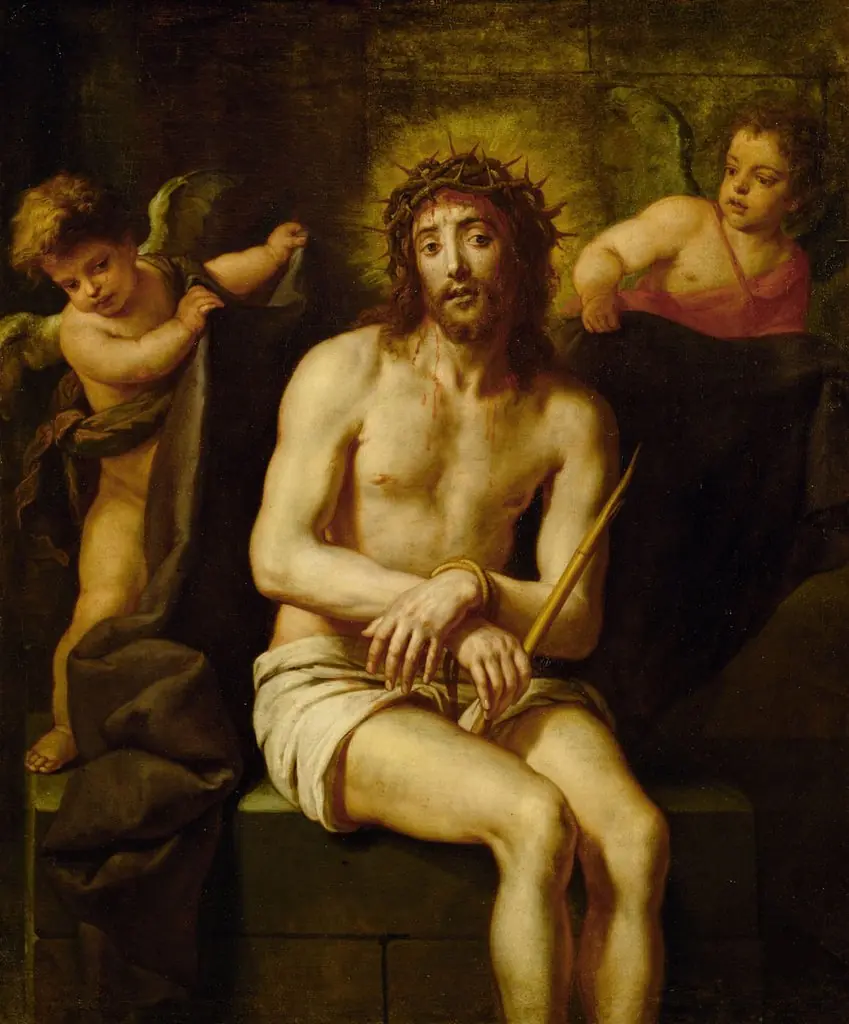
Mario Minniti painted Ecce Homo in 1615, depicting Jesus Christ in the moment of condemnation. The work measures 89.5 cm by 68 cm and is classified as a religious painting. It entered the collection of the Kunsthistorisches Museum, where it remains on display.
The painting was created as an independent religious composition rather than part of a larger commission, reflecting Minniti's engagement with Counter-Reformation themes.
The painting is held in the collection of the Kunsthistorisches Museum, where it is part of the museum's holdings of religious art. According to the documented record, the work resides at this institution, with its location confirmed within the museum's collection.
No specific inventory or accession number is recorded in the available sources, and no exhibition history is documented for the work beyond its presence in the Kunsthistorisches Museum's permanent collection.
Context
Mario Minniti's Ecce Homo, dated 1615, represents a significant contribution to early 17th-century religious painting. As a follower of Caravaggio, Minniti's work in this genre reflects the broader Baroque movement's emphasis on dramatic realism and emotional intensity. The painting is currently held in the Kunsthistorisches Museum, where it stands as a key example of Minniti's artistic output during this period.
Its depiction of Jesus Christ within the Ecce Homo tradition underscores the artist's engagement with contemporary devotional themes and his role in disseminating Caravaggesque style beyond Rome.
Overview
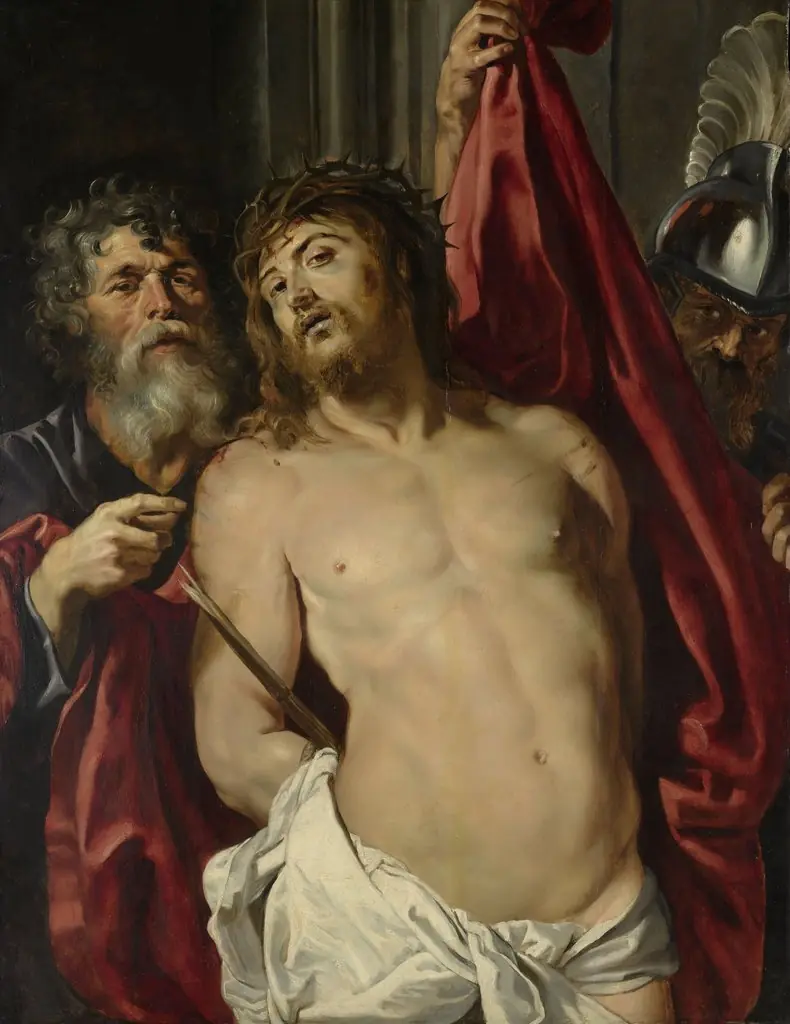
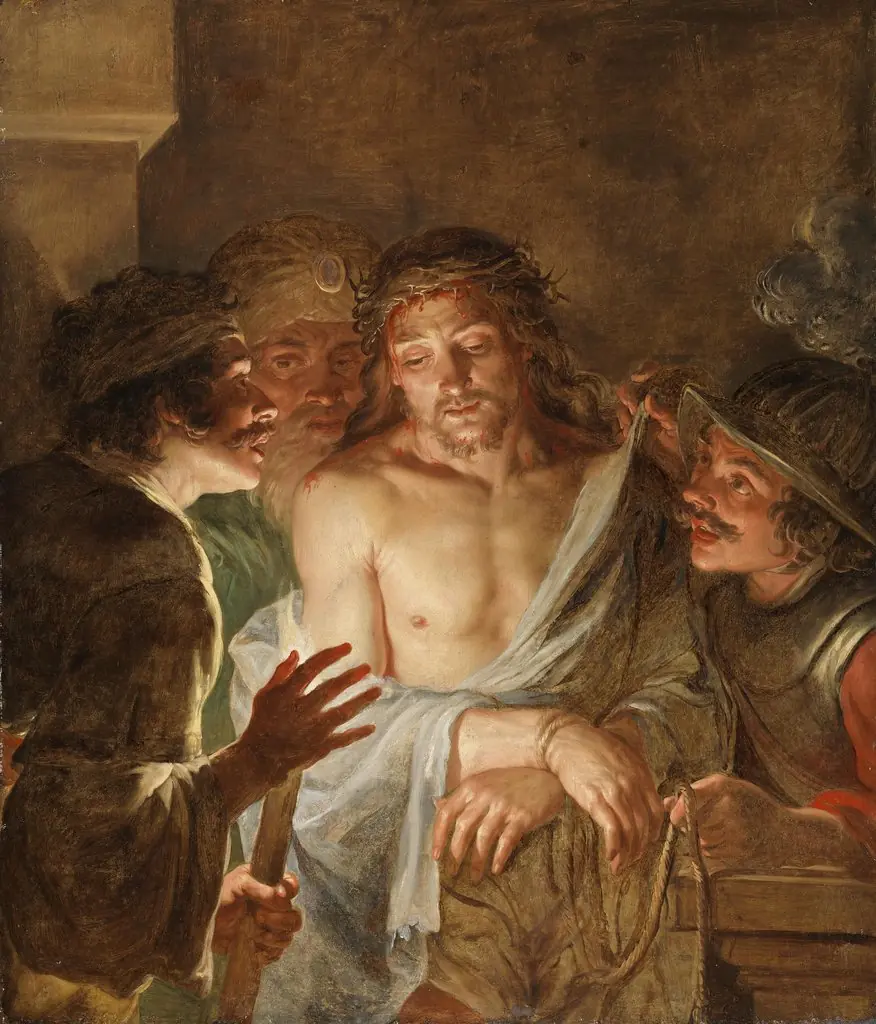
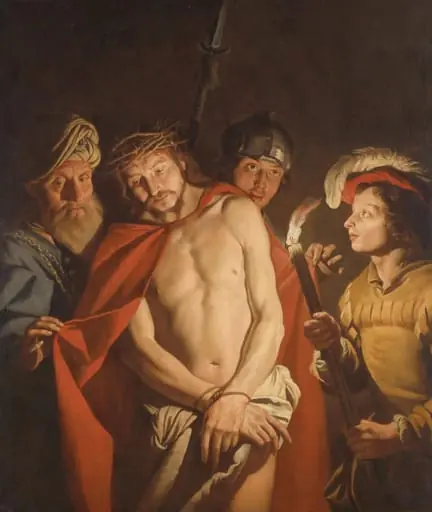
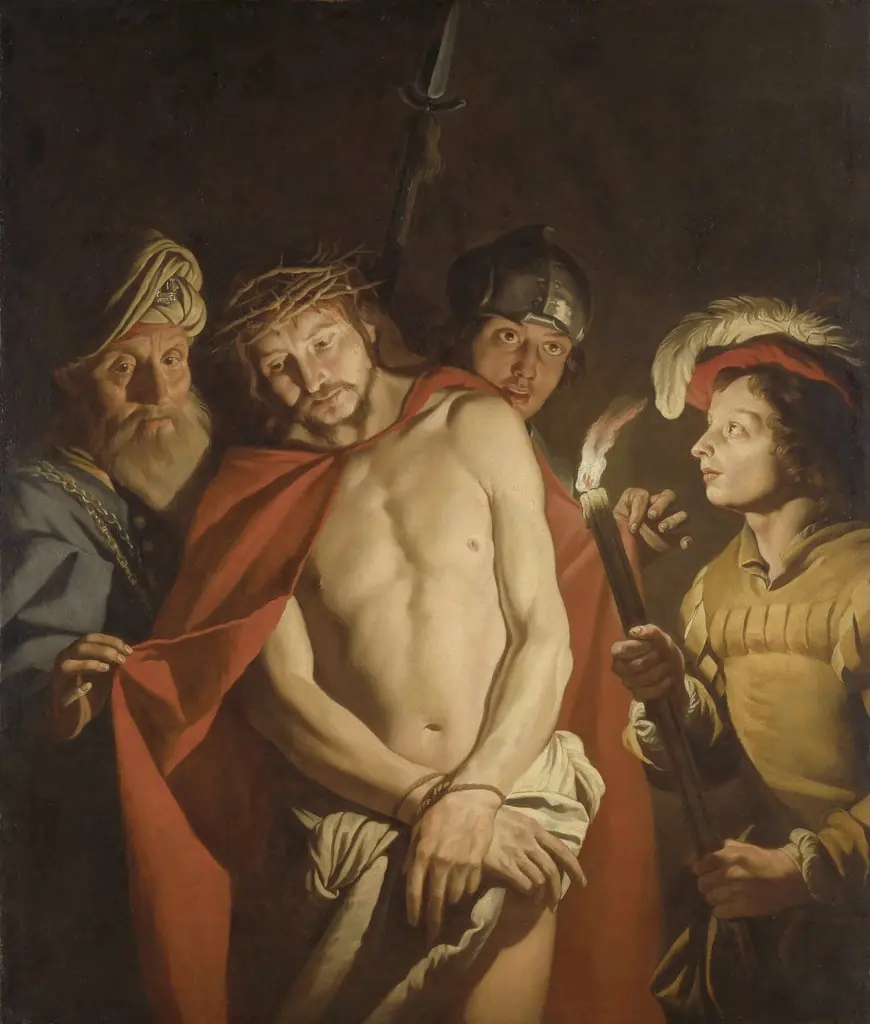
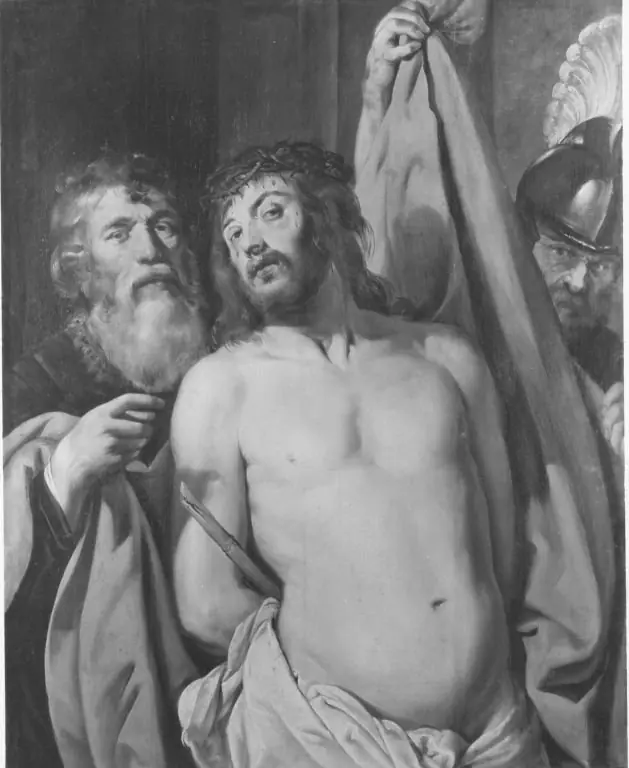
Mario Minniti’s 1615 oil on canvas, titled Ecce Homo, presents the moment when Christ is presented to the crowd after his scourging. The central figure, bare‑chested and crowned with thorns, is flanked by two men who support him on either side. A darkened backdrop is pierced by a faint left‑hand light, emphasizing the sorrowful expression on Christ’s face.
Subject & Meaning
The work illustrates the biblical episode known as Ecce Homo, in which Pontius Pilate exposes a bruised Jesus to the public. Minniti’s composition underscores the physical and emotional torment of the scene: the central figure’s anguished gaze and the tight grip of his attendants convey both humiliation and compassion, inviting contemplation of suffering and redemption.
Technique & Style
Executed in the early Baroque period, the painting employs chiaroscuro to model the figures against a tenebrous background. Minniti’s handling of flesh tones and the stark contrast between the dark garments of the attendants and the illuminated torso of Christ reveal a careful study of light and shadow, while the loose brushwork in the drapery suggests movement.
Artist & collection