Artwork
Guy Little Theatrical Photograph
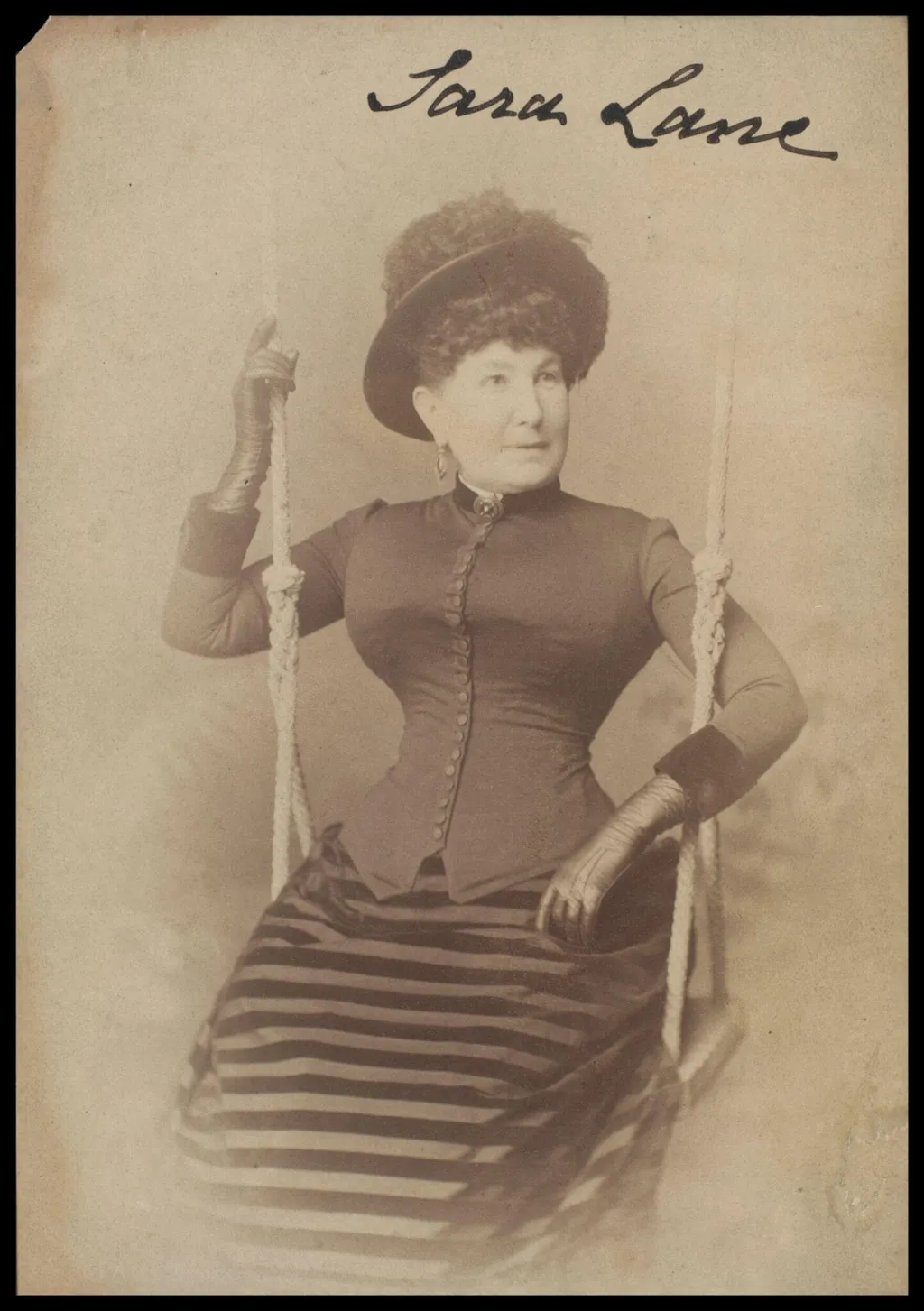
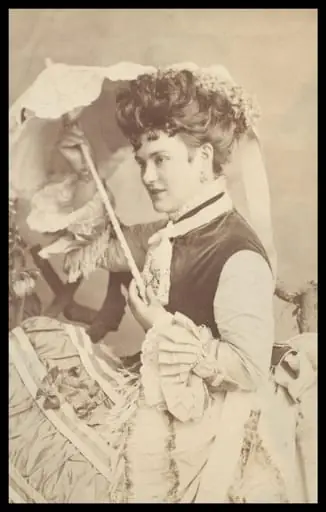
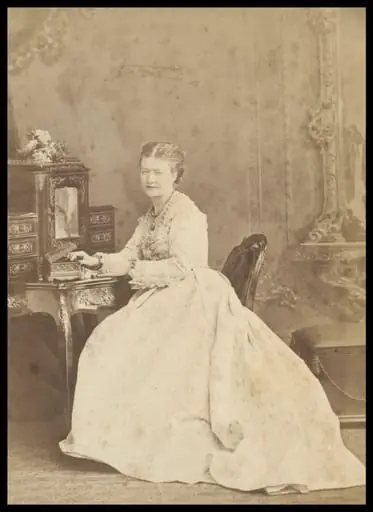
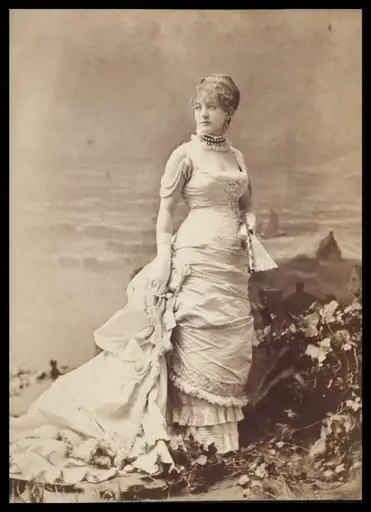
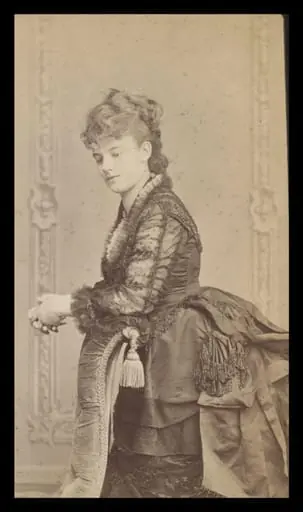
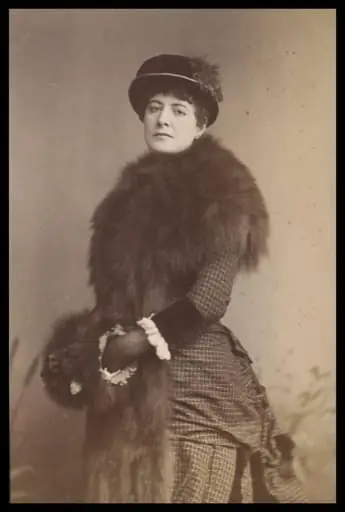
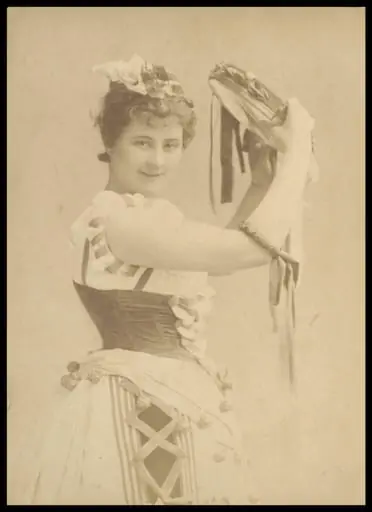
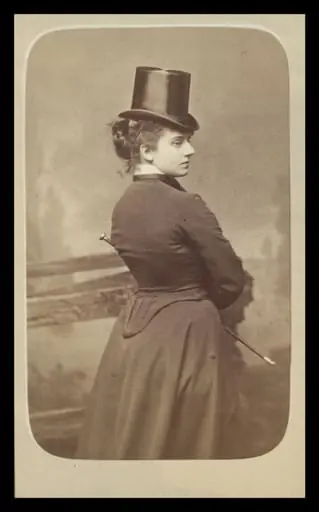
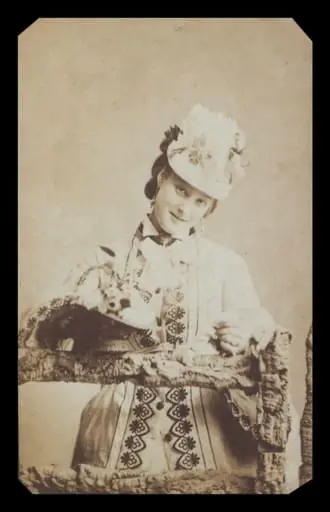
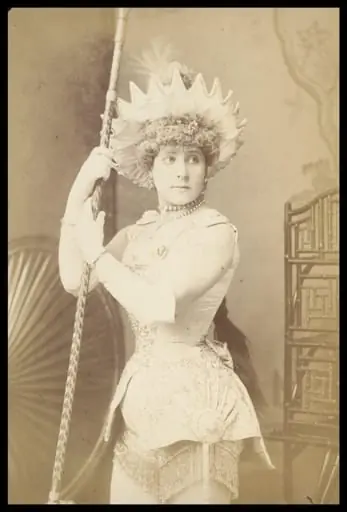
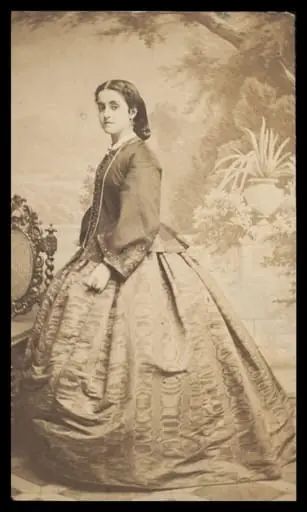
Guy Little Theatrical Photograph is a photographic photography by George Parkinson Wright. It dates from 1850 and is held in the collection of the Victoria and Albert Museum. This photograph of actress Sarah Lane was taken during the Victorian era by Guy Little, a dedicated collector of theatrical imagery.
About this work
Overview
This photograph of actress Sarah Lane was taken during the Victorian era by Guy Little, a dedicated collector of theatrical imagery.
This photograph of actress Sarah Lane was taken during the Victorian era by Guy Little, a dedicated collector of theatrical imagery. It belongs to a vast assemblage of albumen prints, both cartes de visite and cabinet cards, that Little removed from their original mounts and organized into bound albums. These images, once popular as personal keepsakes and collectibles, were later donated to the Victoria and Albert Museum, forming part of its foundational theatrical archive.
Subject & Meaning
Sarah Lane, a prominent stage performer of the mid-to-late 19th century, is depicted either in costume or everyday attire, reflecting the common practice of capturing actors for public consumption. These portraits served not only as memorials of performance but also as tools of celebrity culture, allowing audiences to connect with performers beyond the theater. The image preserves her likeness as part of a broader trend in visual fandom during the rise of mass-produced photography.
Technique & Style
The photograph is an albumen print, a dominant process from the 1850s to the 1890s, made using a glass negative and coated with egg-white to bind light-sensitive chemicals. Printed on thin card, it was either sized as a carte de visite or a larger cabinet card, depending on its date. The format’s uniformity and reproducibility enabled widespread circulation, while the soft tonal range characteristic of albumen prints lent a delicate, lifelike quality to the subject’s features.
History & Provenance
The photograph was collected by Guy Tristram Little, a solicitor and avid enthusiast of ephemera, who systematically assembled hundreds of theatrical portraits. After his death in 1953, his albums were bequeathed to the V&A. Little had close ties to Gabrielle Enthoven, whose private collection of theater memorabilia became the core of the museum’s theatrical holdings, ensuring the preservation of this material for scholarly and public access.
Context
During the 1860s, cartes de visite became a cultural phenomenon, exchanged like social tokens and stored in decorative albums. Their popularity coincided with the expansion of middle-class leisure and the growing fascination with celebrity. By the 1870s, cabinet cards replaced them due to their sturdier format, though both were eventually overtaken by postcards and newer photographic technologies by the turn of the century.
Legacy
Little’s collection, now housed at the V&A, offers a rare, organized record of Victorian theatrical portraiture. By preserving these images outside their original commercial context, he transformed transient memorabilia into historical documents. His efforts helped establish the institutional foundation for the study of British theater history, ensuring that performers like Sarah Lane remained visually present in the cultural record.
Artist & collection
Artist
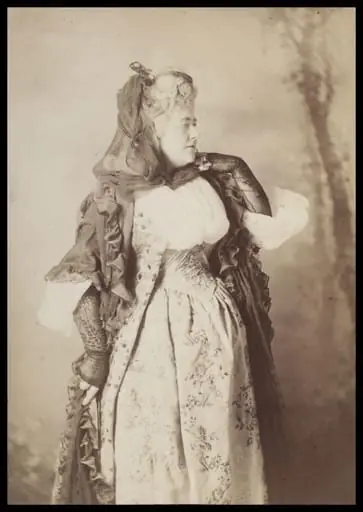
George Parkinson Wright made black-and-white photographs of London stages in the late 1800s.