Artwork
Bamboo and Insects
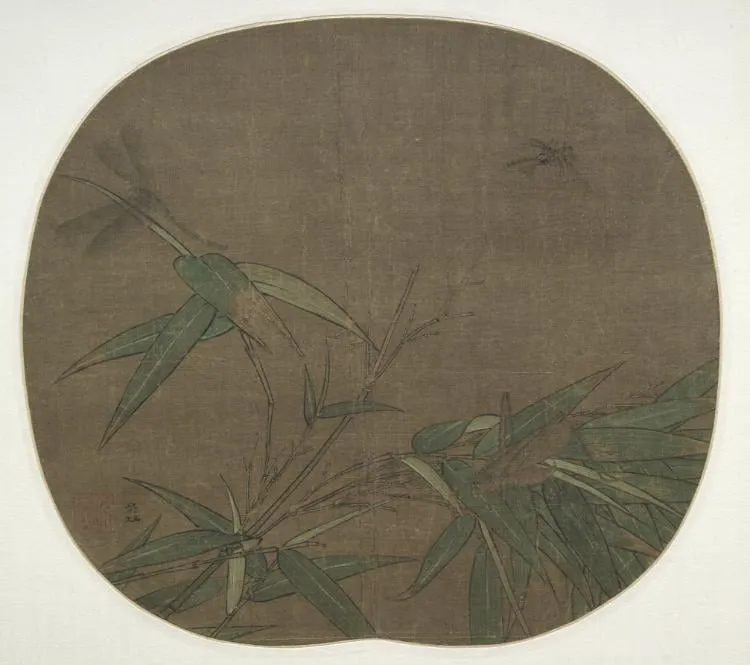
Bamboo and Insects is an unspecified painting by the Song dynasty painting artist Wu Bing. It dates from 1104 and is held in the collection of the Cleveland Museum of Art.
- Accession no.
- 1964.154
- Credit line
- Gift of Mrs. A. Dean Perry
About this work
Overview
Executed during the Southern Song dynasty under Empress Li’s patronage, it reflects the court’s interest in delicate observations of the natural world.
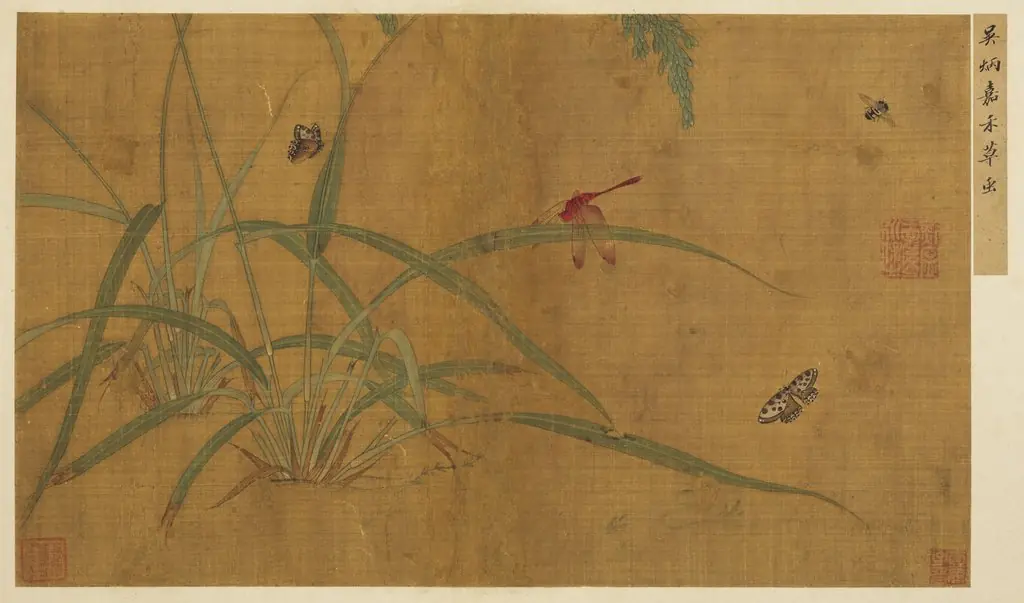
This round fan painting, attributed to Wu Bing, depicts a quiet natural scene with a dragonfly in flight, a bush cricket resting on a bamboo leaf, and a wasp hovering nearby. Executed during the Southern Song dynasty under Empress Li’s patronage, it reflects the court’s interest in delicate observations of the natural world. The composition is intimate, framed by the fan’s circular format, emphasizing stillness and subtle detail.
Subject & Meaning
The bush cricket, known as the 'weaving lady' for its rhythmic chirp resembling a loom’s clatter, signals the approach of autumn and the traditional season of textile work. Its presence, alongside the dragonfly and wasp, evokes a fleeting moment in late summer. The yellowing tips of the bamboo leaves reinforce this seasonal transition, linking the insects’ activity to the quiet rhythms of nature and domestic life.
Technique & Style
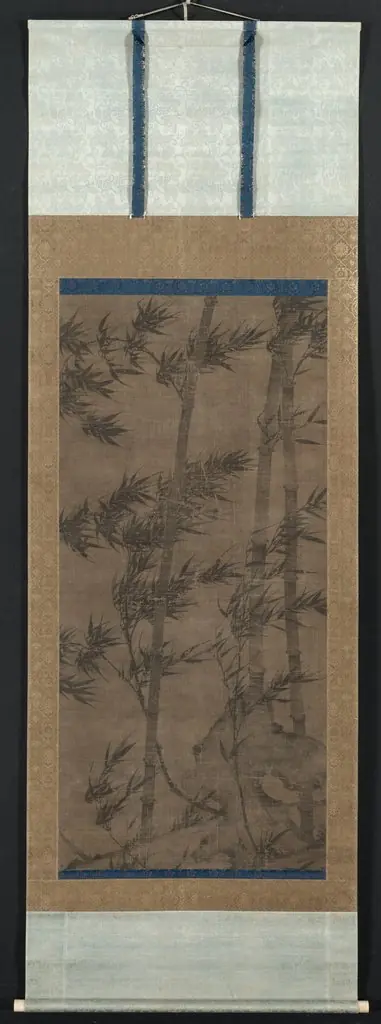
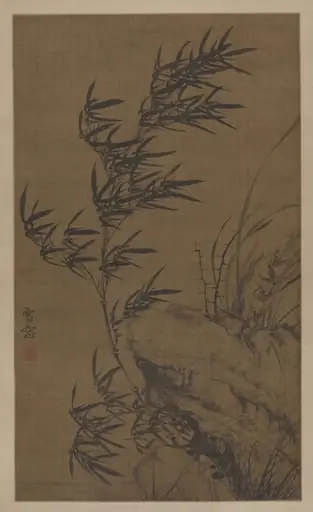
Wu Bing employs fine, precise brushwork to render each insect with lifelike accuracy, using minimal ink washes and delicate outlines. The bamboo stalk is rendered with controlled strokes, contrasting with the airy, light touches used for the dragonfly’s wings and the wasp’s body. The composition is sparse yet balanced, relying on negative space to heighten the sense of quiet observation, typical of Southern Song court painting.
History & Provenance
Wu Bing, originally from Piling, served as a court painter in Hangzhou during the Shaoxi era (1190–94), under Empress Li’s patronage. This fan painting likely originated in the imperial atelier, where artists were commissioned to capture nature’s subtleties. It entered the collection of The Cleveland Museum of Art through documented acquisitions, preserving its attribution and historical context within Southern Song artistic circles.
Context
During the Southern Song dynasty, court painters increasingly turned to small-scale nature studies, reflecting Daoist and Confucian ideals of harmony and attentiveness to the natural world. Fan paintings like this one were not merely decorative but served as meditative objects, valued for their ability to evoke seasonal change and quiet contemplation within the refined setting of the imperial court.
Legacy
This work exemplifies a tradition of naturalist painting that influenced later generations of Chinese artists who favored intimate, observational subjects. Its preservation in a major Western collection has allowed broader recognition of Southern Song court aesthetics outside China. While not widely copied, its quiet precision continues to inform modern interpretations of Chinese ink painting’s capacity for subtle narrative.
Artist & collection
Artist
Wu Bing painted delicate silk scrolls in the late 1100s. Try Seeds Visible in an Open Pomegranate, where every ruby seed is carefully inked, or Bamboo and Insects, which pairs slender bamboo stalks with tiny creatures…