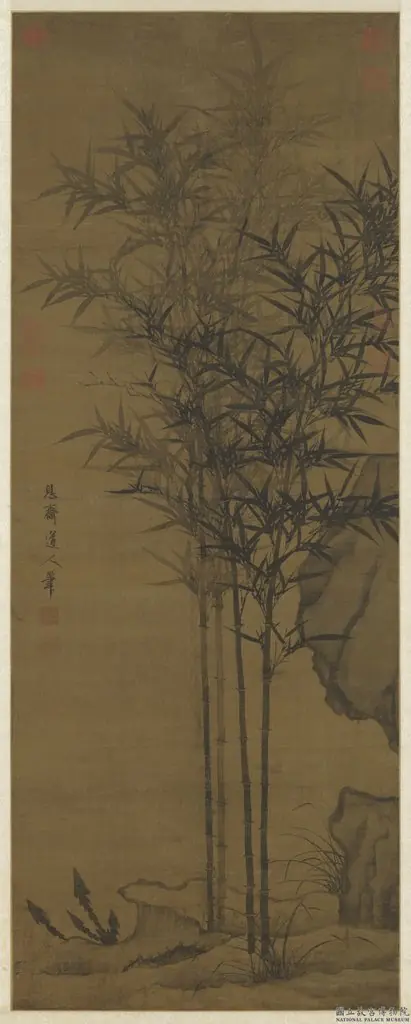
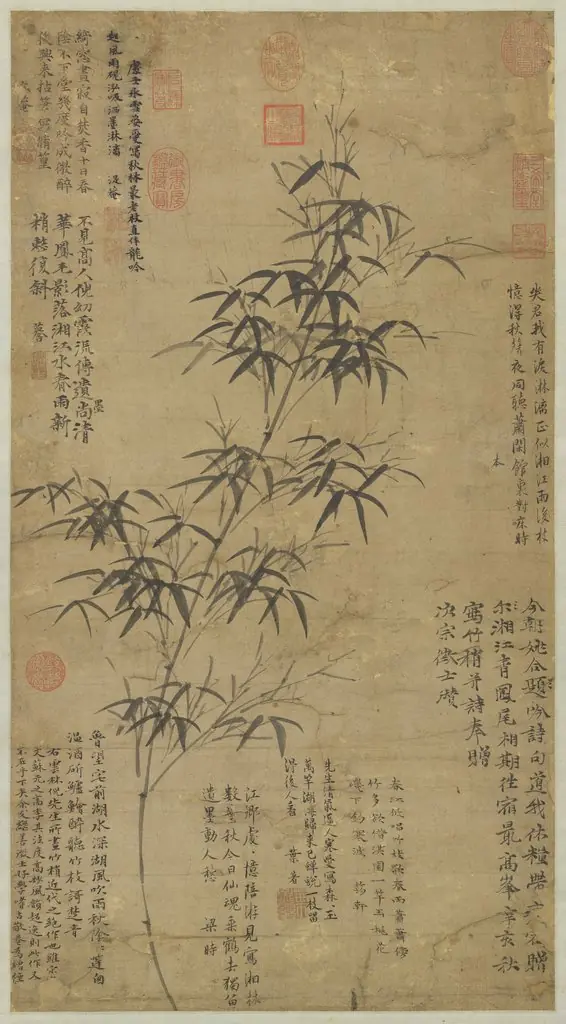
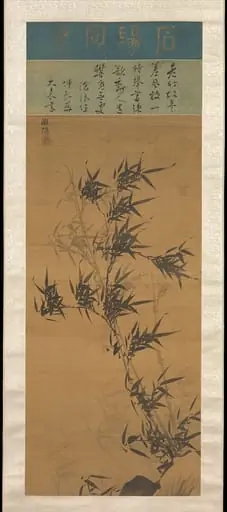
Artwork
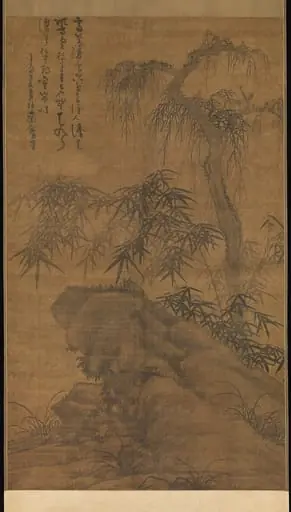
元 李衎 竹石圖 對軸|Bamboo and rocks
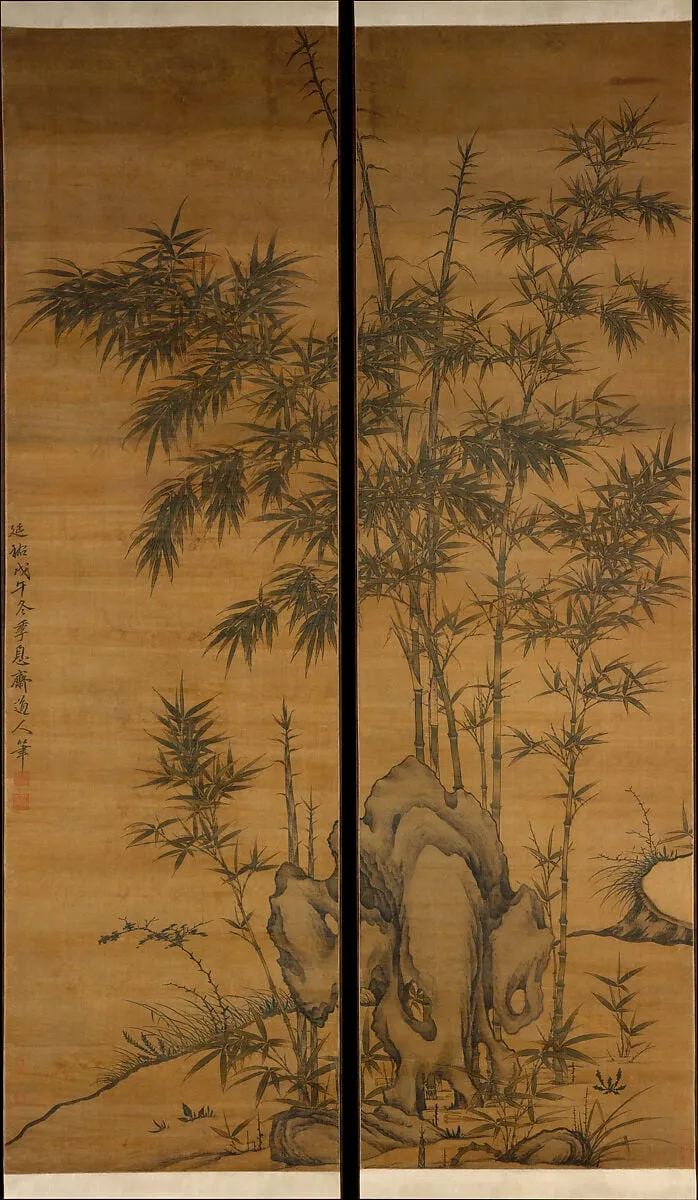
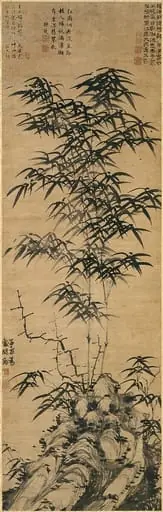
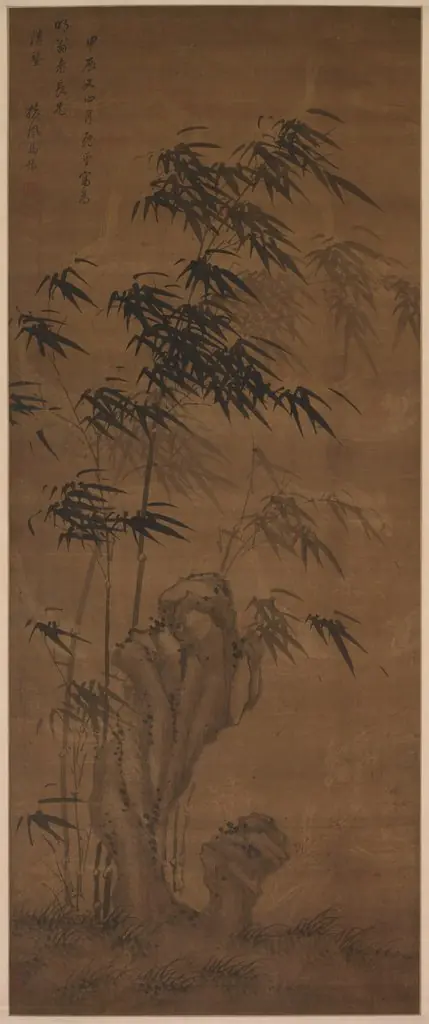
元 李衎 竹石圖 對軸|Bamboo and rocks is an ink painting by the Yuan dynasty literati painting artist Li Kan. It dates from 1318 and is held in the collection of the Metropolitan Museum of Art.
About this work
To see how ink can feel alive, look up cross-hatching, the way Li Kan layered strokes to build depth without shading.
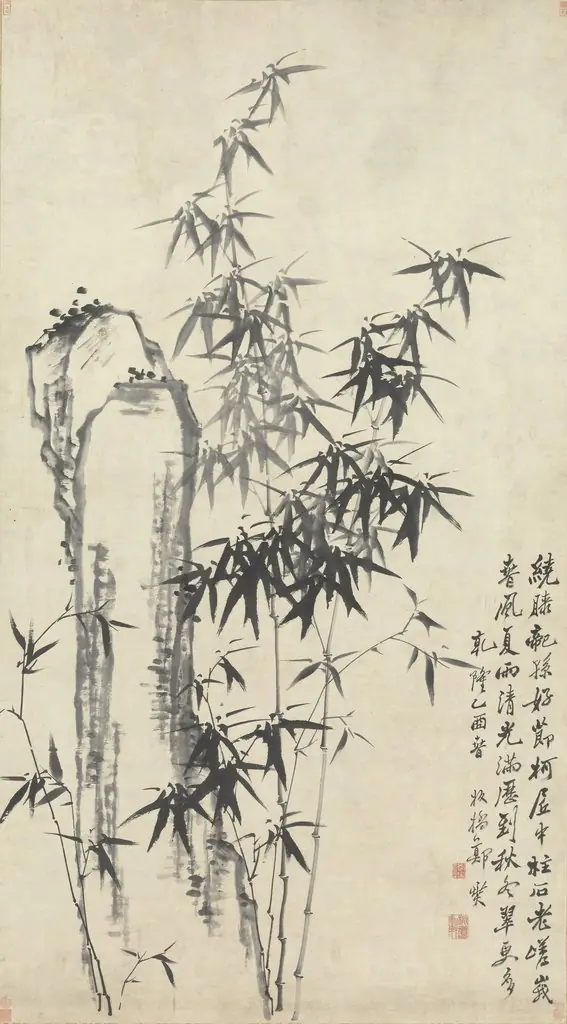
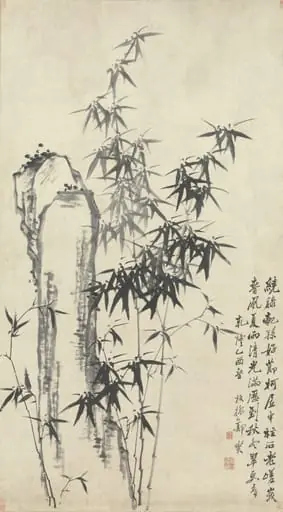
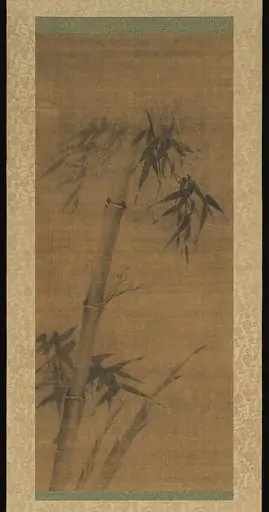
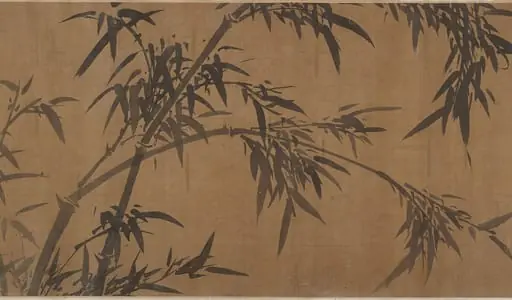
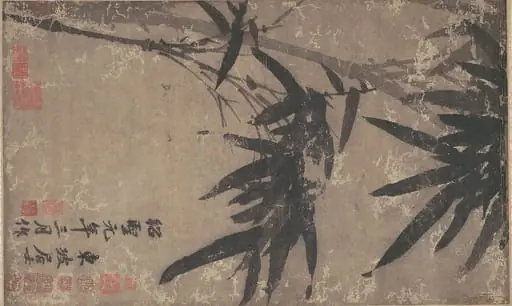
You see two tall silk scrolls side by side: ink-black bamboo stalks bend over pale rocks, leaves sharp as knives.
Li Kan painted this in 1318, when bamboo meant more than a plant. In Chinese culture, it stood for resilience, hollow yet unbroken, bending but never snapping. The rocks are quiet partners, grounding the scene without stealing focus.
To see how ink can feel alive, look up cross-hatching, the way Li Kan layered strokes to build depth without shading.
Subject & Meaning
Created in 1318, the pair of hanging scrolls by Li Kan depicts Bambusoideae, specifically bamboo, alongside rocks. As a landscape genre work, the composition centers on these natural elements as its primary subject. While the provided sources confirm the visual representation of bamboo and the medium of ink and color on silk, they do not explicitly detail specific iconographic traditions, symbolic interpretations, or the deeper philosophical meanings associated with the imagery in this particular instance. The work represents a focus on botanical forms within the context of Yuan dynasty painting.
Technique & Style
Created in 1318, the pair of hanging scrolls titled Bamboo and Rocks by Li Kan is executed in ink and color on silk. As a landscape work depicting Bambusoideae, the medium and support reflect traditional Chinese painting practices of the Yuan dynasty. The use of silk as a base supports the detailed rendering of bamboo and rock formations, characteristic of Li Kan's specialized focus on bamboo motifs.
The combination of ink and color allows for nuanced tonal variations and textural depth, essential to conveying the naturalistic yet stylized qualities of the subject. The scrolls remain preserved as a significant example of Yuan-era botanical landscape painting, with their physical form and materials contributing to the work's enduring formal integrity.
History & Provenance
The hanging scroll pair titled Bamboo and Rocks, attributed to the Yuan‑era painter Li Kan, dates to 1318 and is executed in ink and color on silk. It is classified as a landscape painting depicting Bambusoideae (bamboo). The work belongs to the collection of the Metropolitan Museum of Art in New York, where it is catalogued as part of the museum’s Chinese painting holdings; no separate accession number is recorded in the available documentation.
Exhibition records cited do not list specific shows featuring this piece, indicating that it has not been highlighted in major public exhibitions to date.
Overview
Bamboo and Rocks is a pair of hanging scrolls created by Li Kan in 1318. Executed in ink and color on silk, these paintings exemplify the refined aesthetic of the Yuan dynasty's literati landscape tradition. The work showcases the artist's renowned skill in depicting the natural world, particularly the revered bamboo plant, through a meticulous and expressive approach.
Context
Born near present-day Beijing around 1245, Li Kan was a prominent artist during the Yuan Dynasty (1271 –1368). He gained considerable acclaim for his specialized depictions of bamboo in ink. His deep understanding and artistic focus on the plant were significantly informed by his extended period living within a bamboo valley, an experience that profoundly shaped his artistic vision and subject matter.
Artist & collection

Artist
Lǐ Kàn (Li K'an, traditional: 李衎, simplified: 李衎; c. 1245 – 1320) was a Chinese painter during the Yuan Dynasty (1271–1368). Li was born in Jiqiu county (present-day Beijing). His style name was 'Zhong Bin' and his…