Artwork
River Village in High Summer
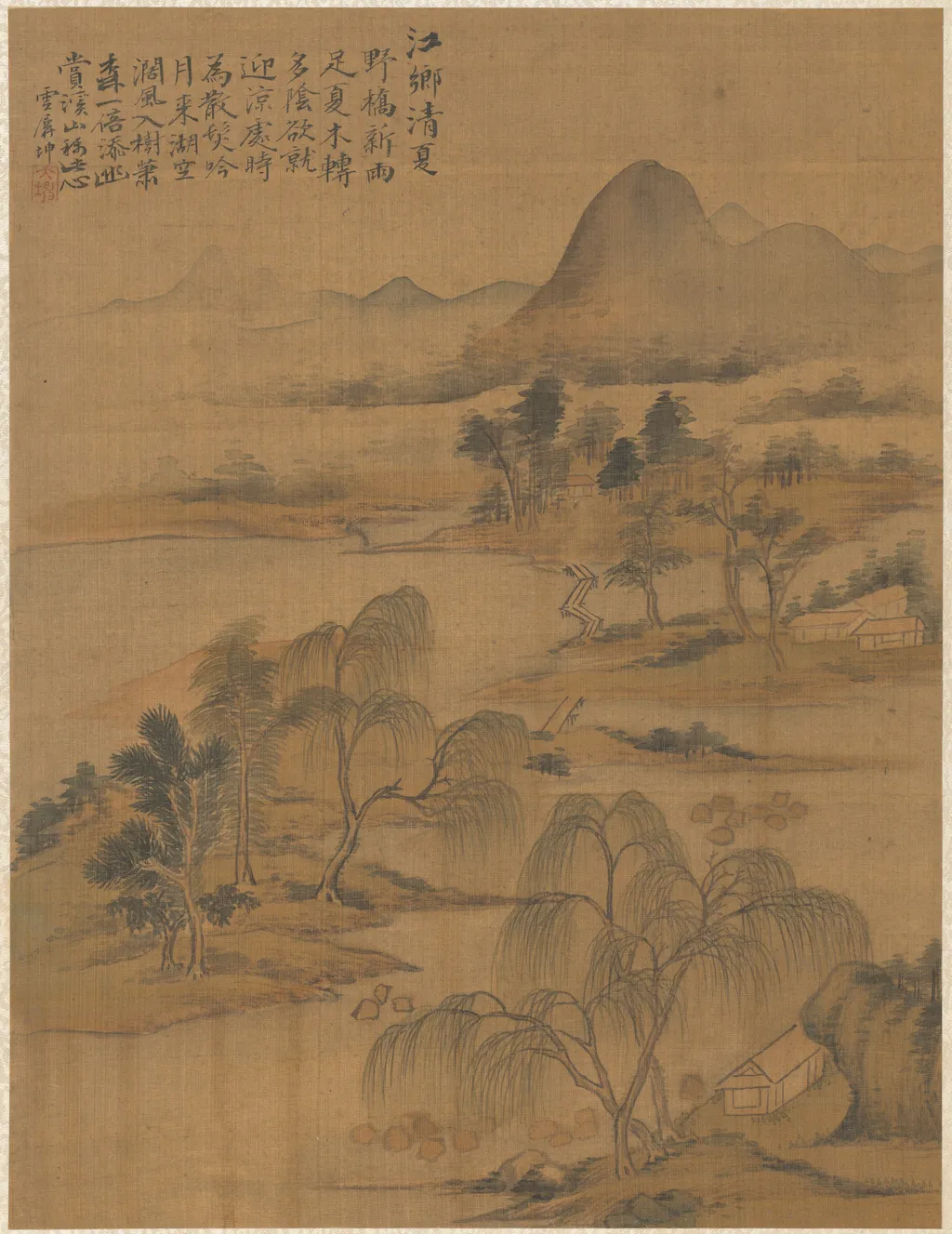
River Village in High Summer is an unspecified painting by the Qing dynasty painting artist Zhai Dakun. It dates from 1775 and is held in the collection of the Cleveland Museum of Art.
About this work
History & Provenance
River Village in High Summer by Zhai Dakun is held in the collection of the Cleveland Museum of Art. Its inventory number is 1986.49.5. The painting, dated 1775 and made in China, entered the museum's holdings under this accession designation.
No exhibition history is documented in the available sources.
Context
River Village in High Summer (1775) by Zhai Dakun exemplifies Qing dynasty genre painting with its depiction of rural life and seasonal abundance.
River Village in High Summer (1775) by Zhai Dakun exemplifies Qing dynasty genre painting with its depiction of rural life and seasonal abundance. The work is held in the Cleveland Museum of Art collection and was created in China during the late 18th century. Scholarship situates it within the artist's broader output focused on pastoral subjects, reflecting contemporary Qing artistic trends in documenting agrarian landscapes.
The painting's composition and thematic focus align with Qing period conventions while demonstrating Zhai Dakun's individual approach to capturing village life in high summer. Its provenance at the Cleveland Museum of Art provides context for its preservation and study within Western collections of Chinese art.
Overview
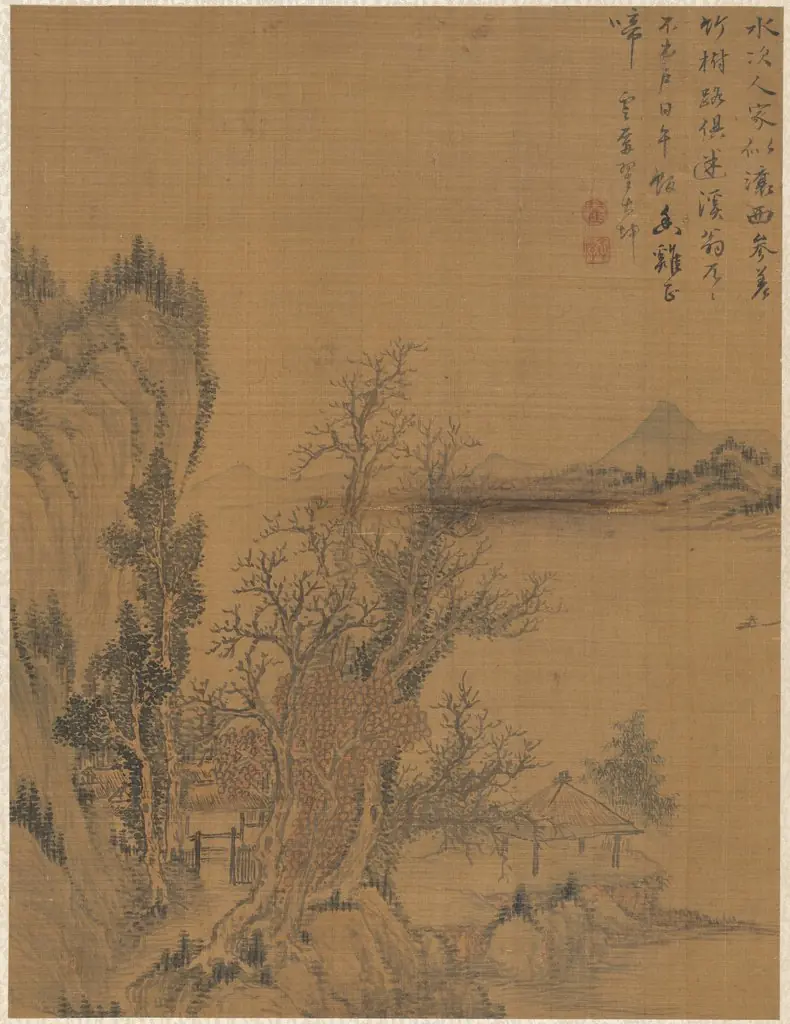
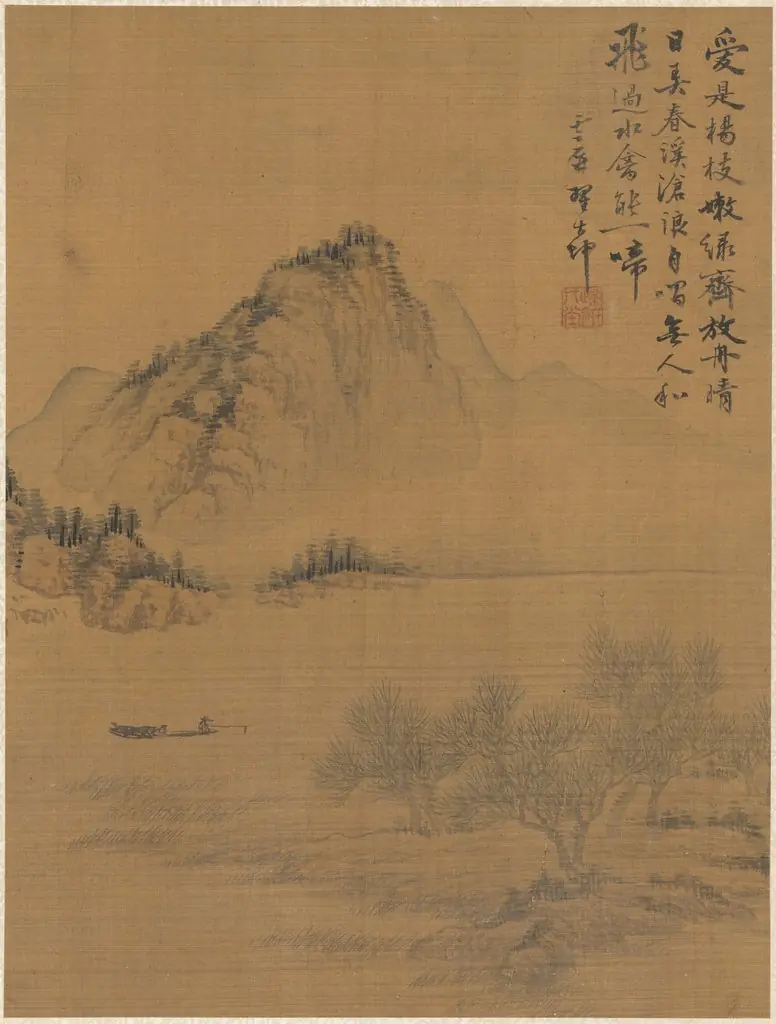
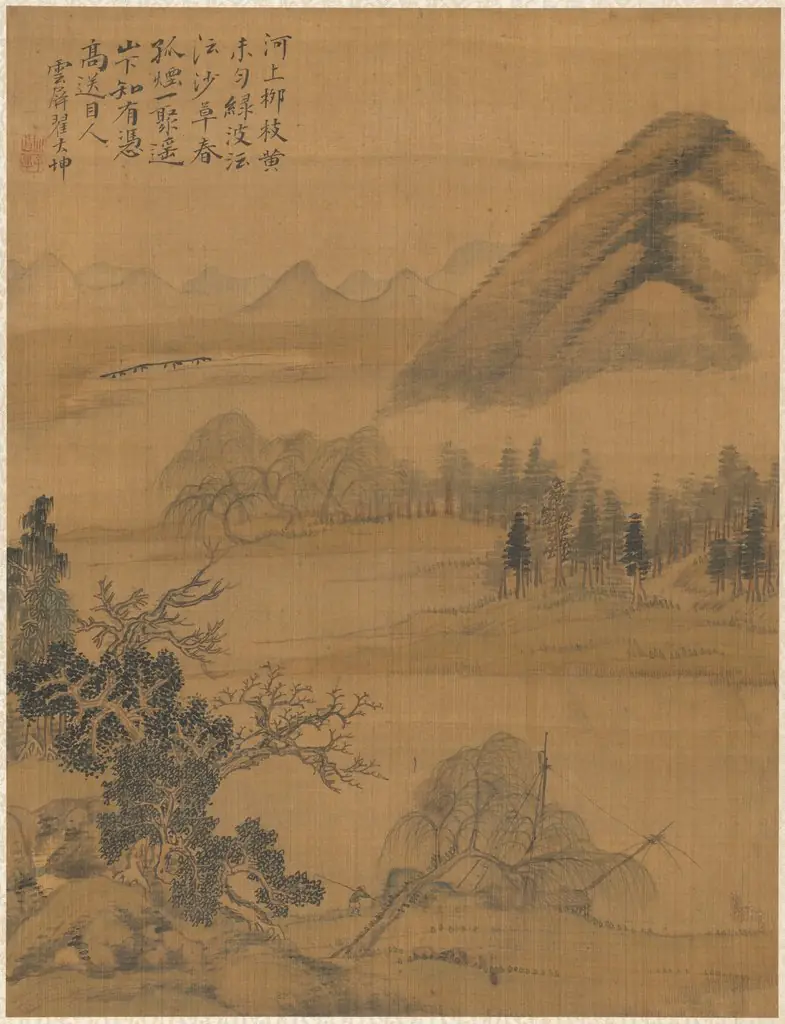
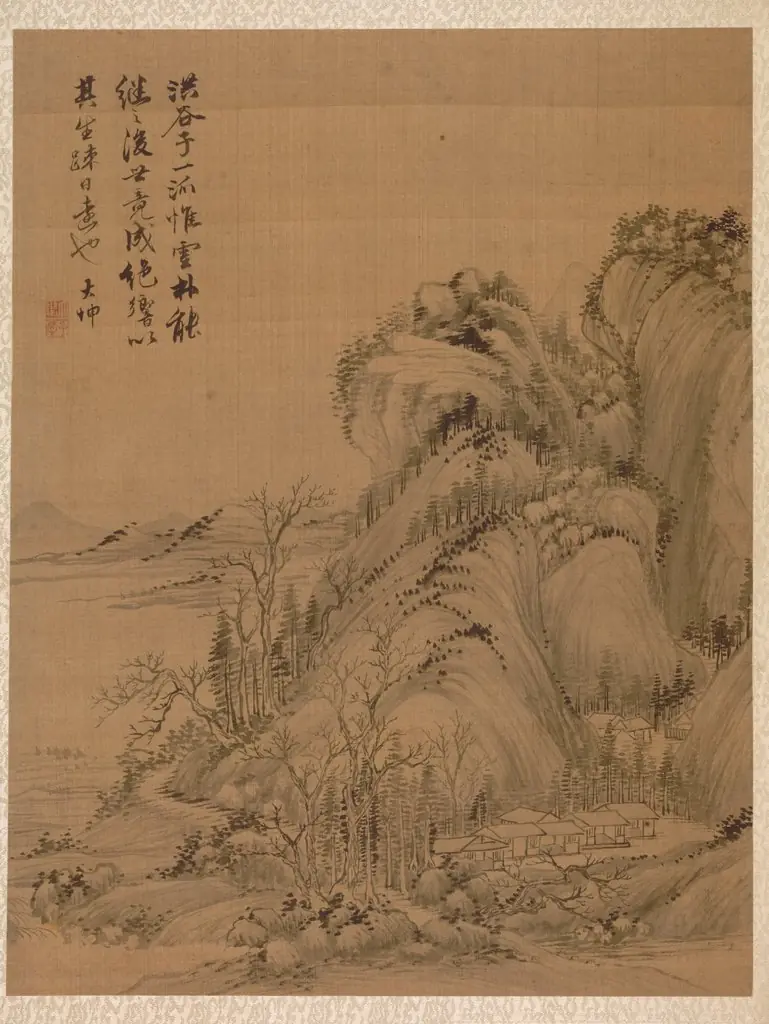
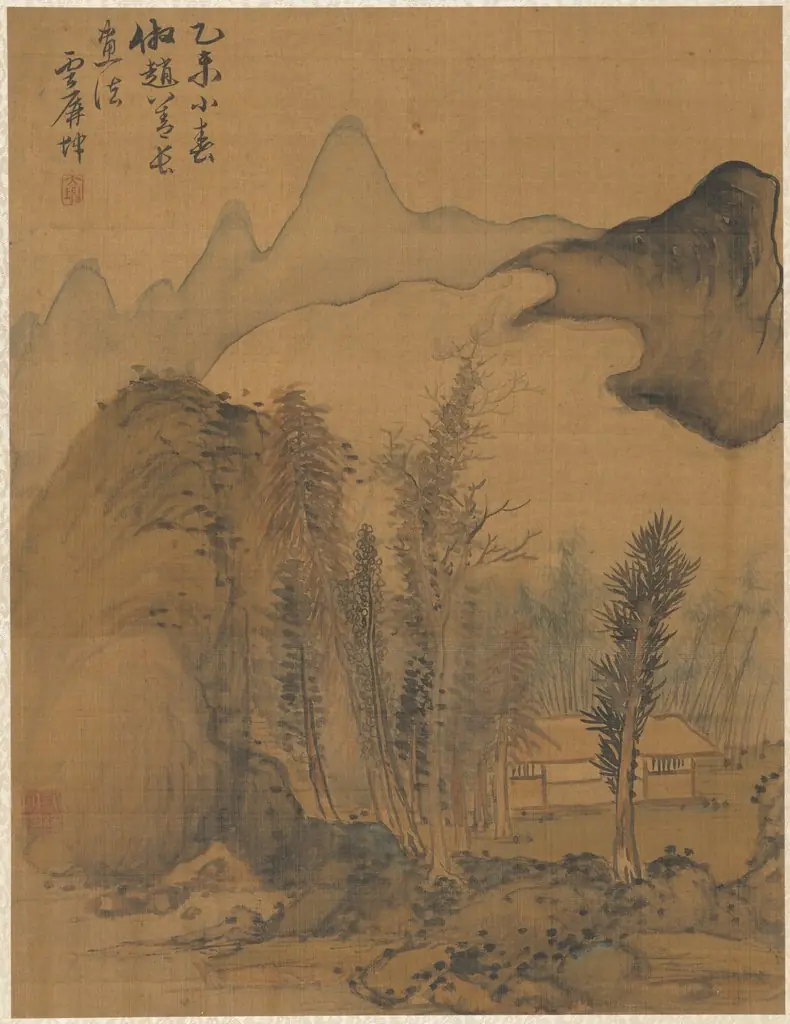
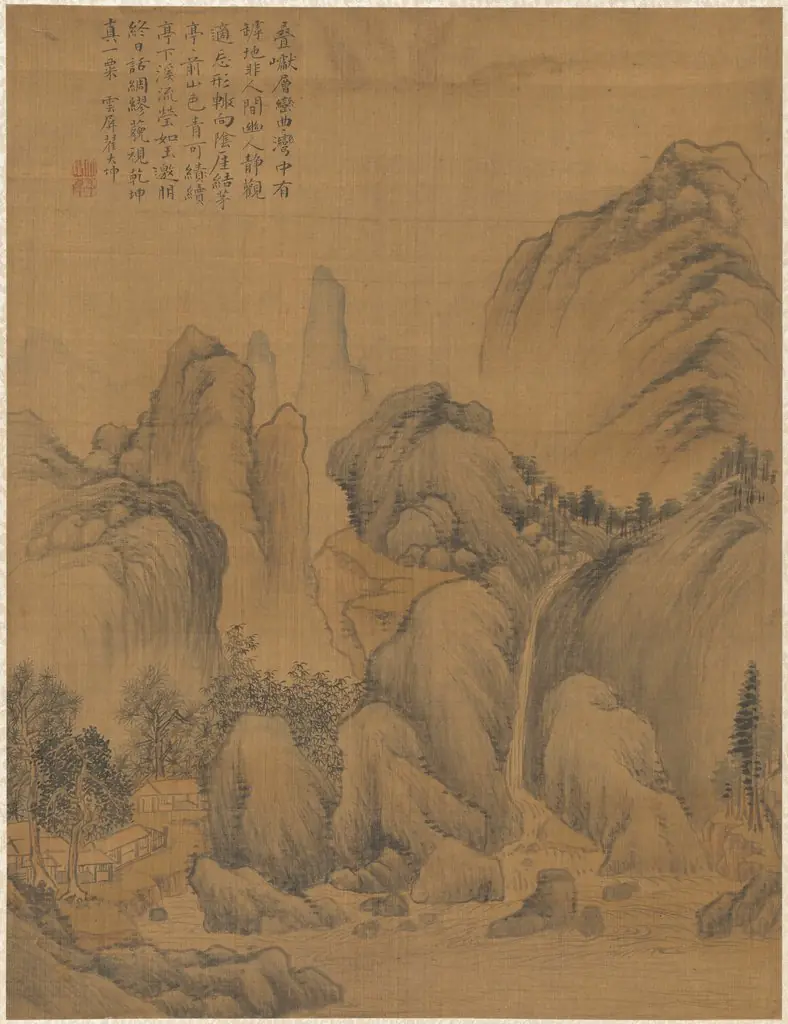
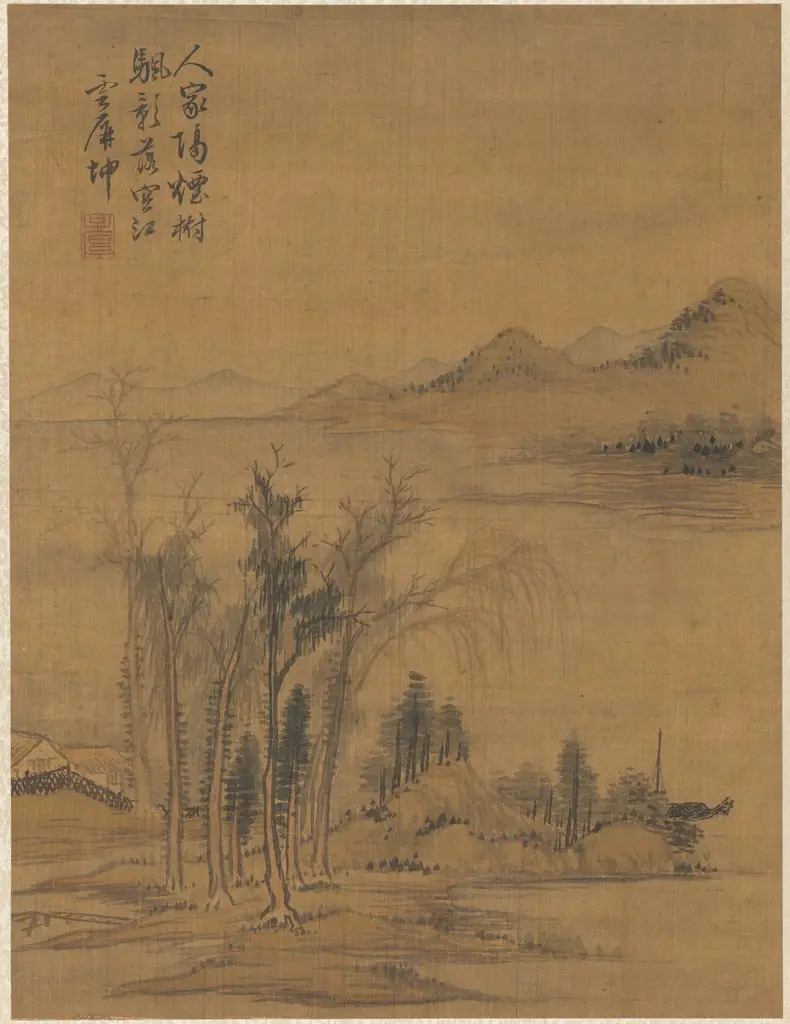
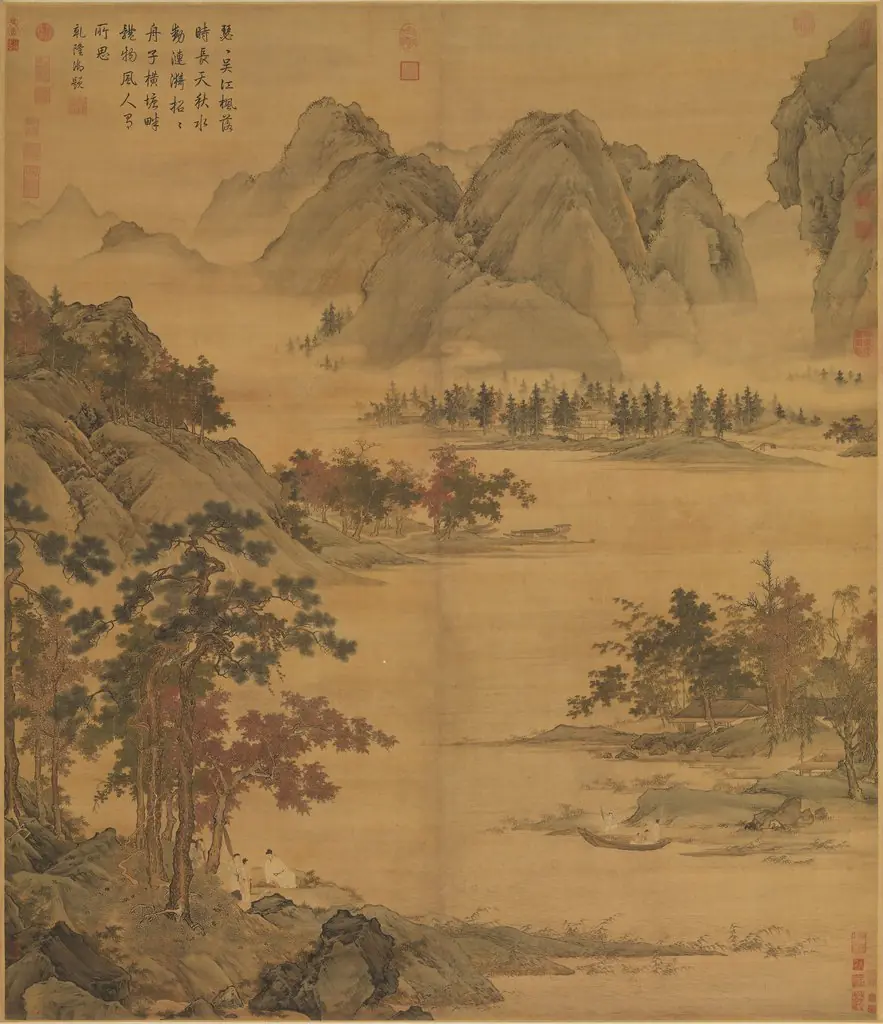
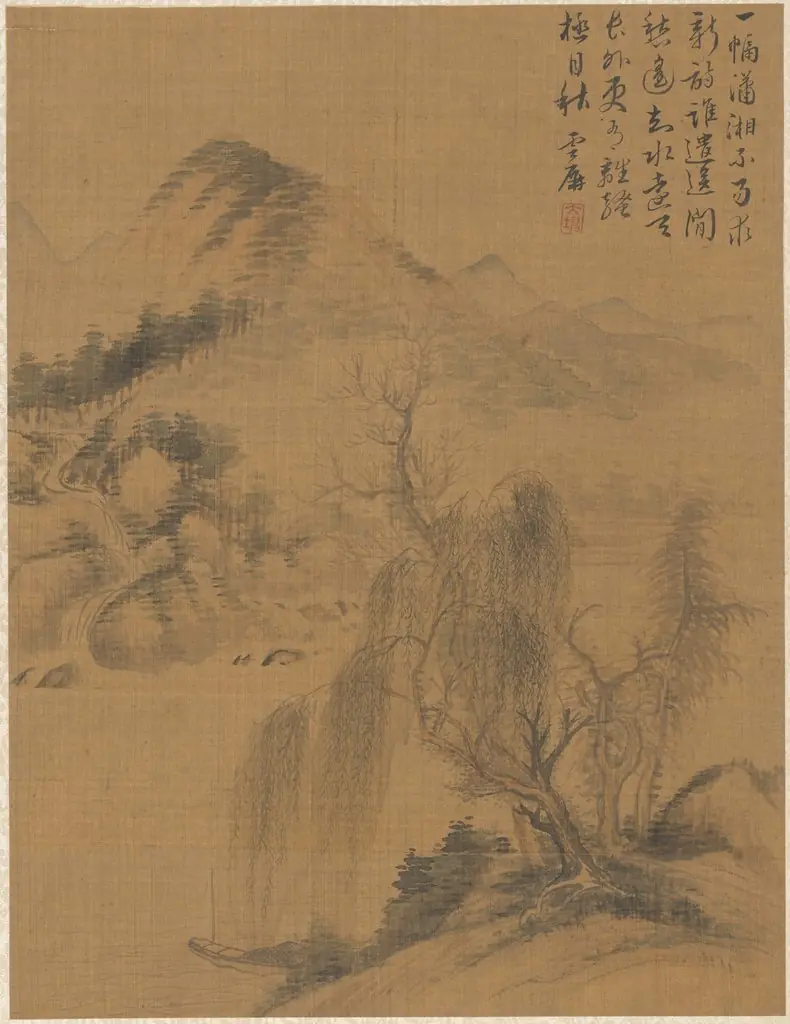
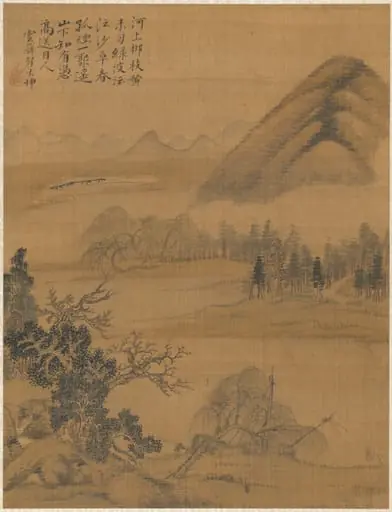
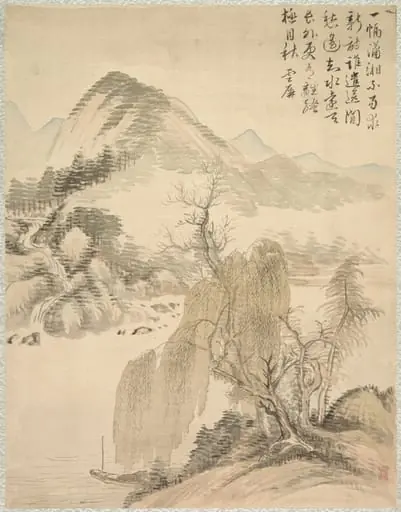
River Village in High Summer, painted by Zhai Dakun in 1775, is part of the collection at the Cleveland Museum of Art. The work depicts a quiet riverside settlement framed by gentle hills and scattered trees. A restrained palette of browns and grays dominates the scene, creating a subdued, atmospheric effect that emphasizes the calm of the setting.
Subject & Meaning
The composition presents a small village nestled along a meandering river, suggesting a harmonious relationship between human habitation and the natural environment. The tranquil flow of water and the modest scale of the houses convey a sense of everyday serenity, inviting viewers to contemplate the quiet rhythms of rural life in the late eighteenth century.
Technique & Style
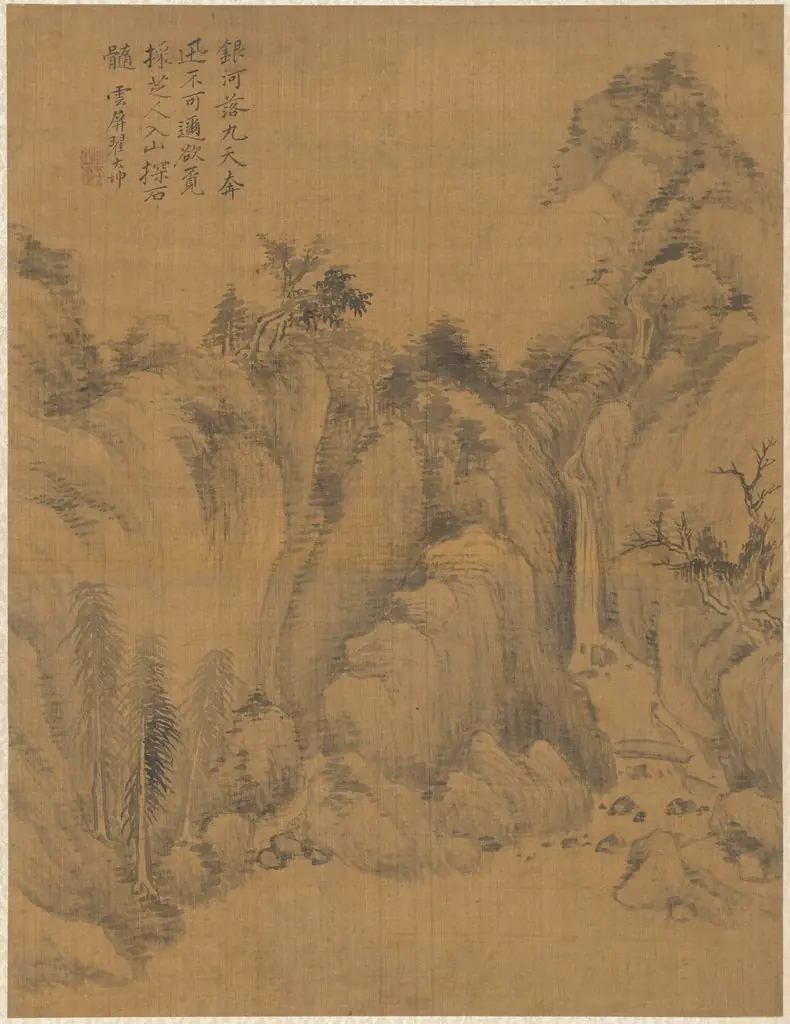
Zhai Dakun employs soft, flowing brushwork that blurs the boundaries between land, water, and architecture. Subtle gradations of tone allow the muted colors to transition smoothly, reinforcing the painting’s placid mood. The overall approach reflects a restrained aesthetic, favoring atmospheric suggestion over detailed realism.
Own this work as a print
Artist & collection
Artist
Zhai Dakun (died 1804) was a Chinese painter of the Qing dynasty, active in the eighteenth and early nineteenth centuries.