Artwork
明 張瑞圖 山水圖 軸|Mountains Along Riverbanks
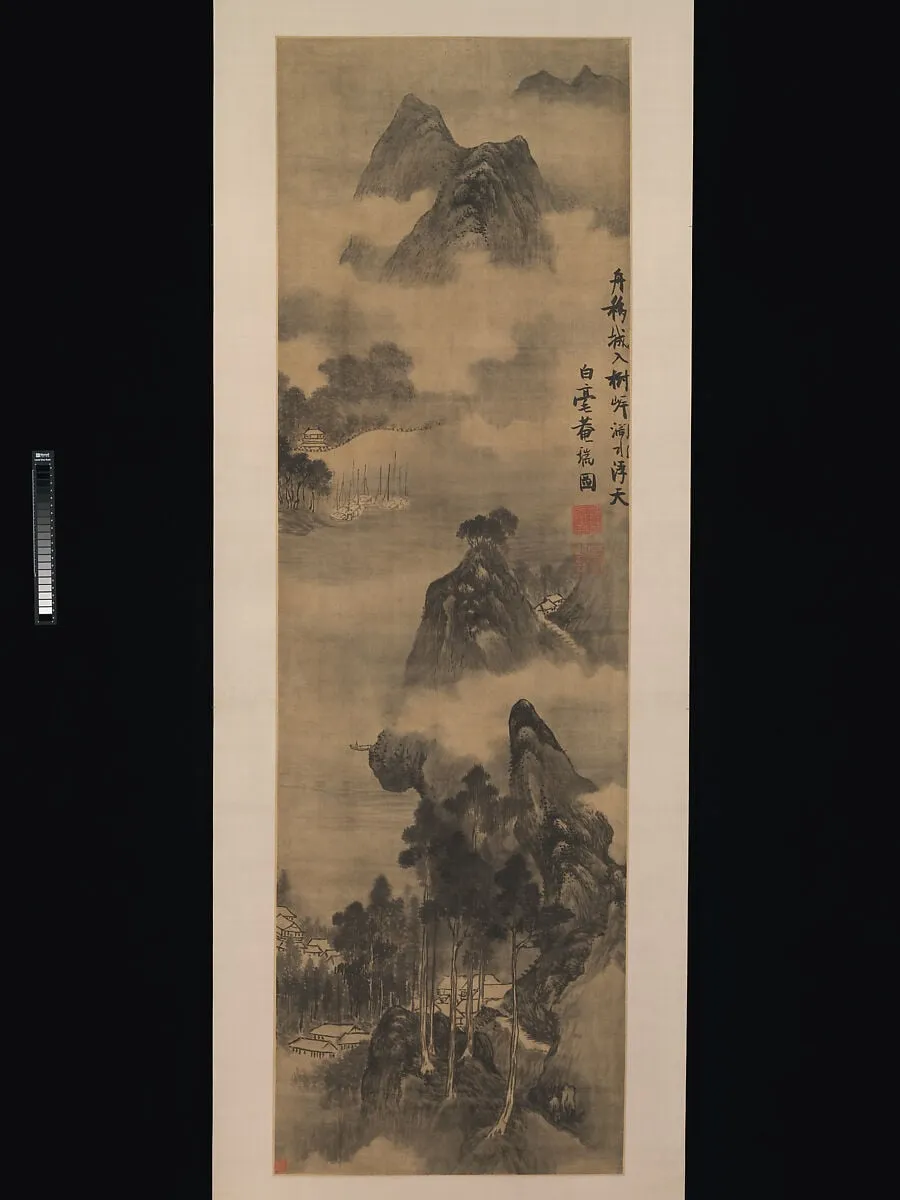
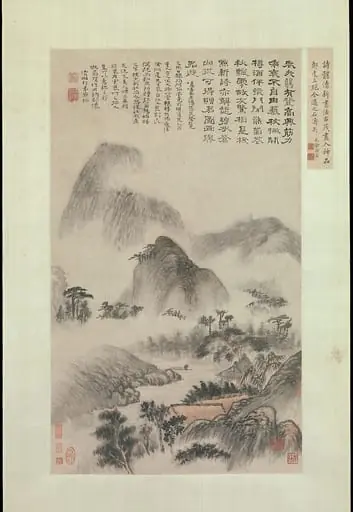
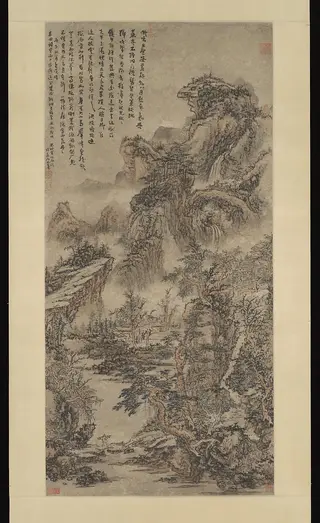
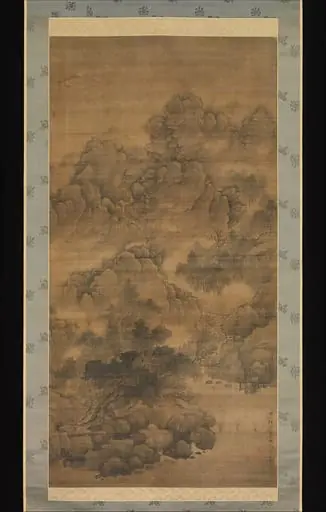
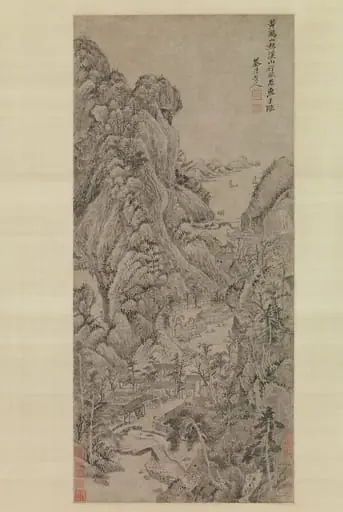
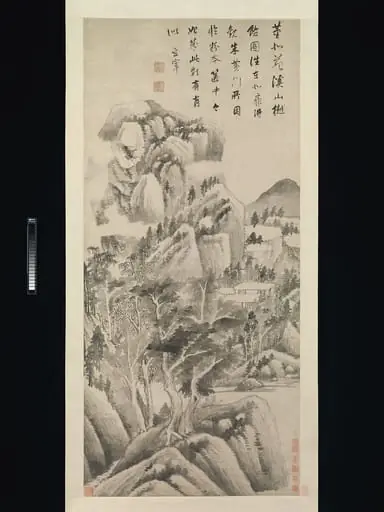
明 張瑞圖 山水圖 軸|Mountains Along Riverbanks is an ink painting by the Baroque artist Zhang Ruitu. It dates from 1616 and is held in the collection of the Metropolitan Museum of Art.
About this work
Subject & Meaning
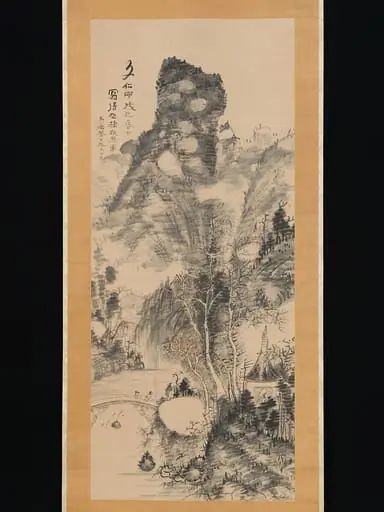
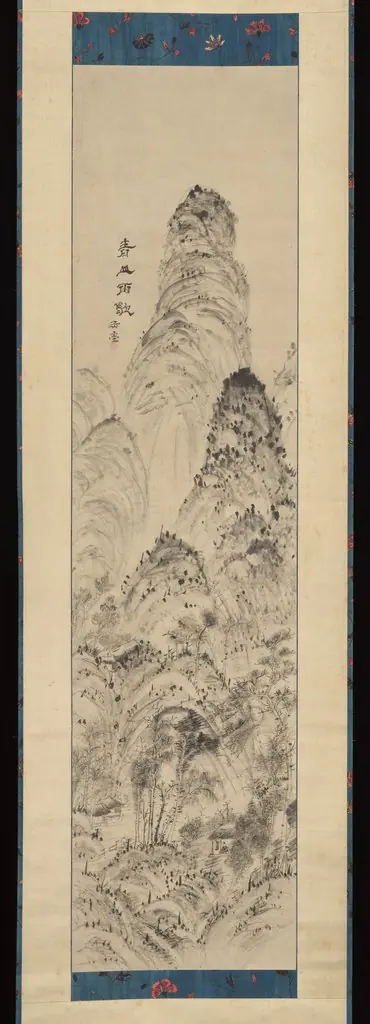
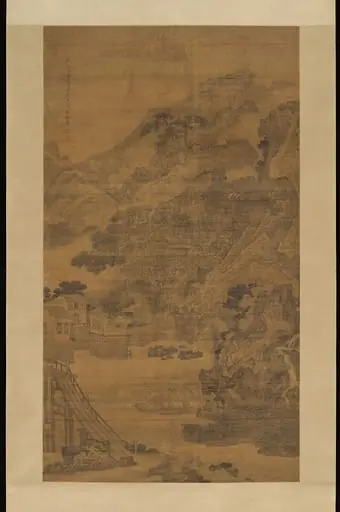
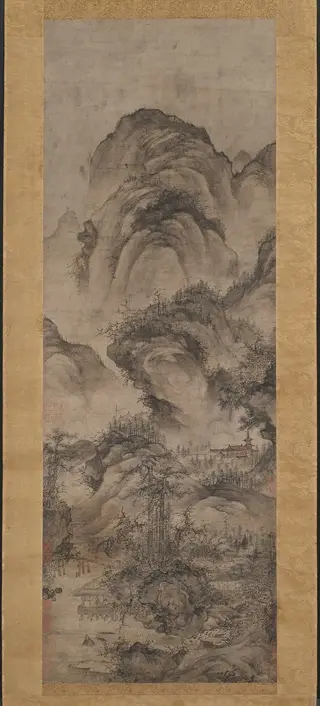
The work depicts a traditional Chinese landscape featuring prominent mountains and clouds, consistent with the genre of landscape painting.
The work depicts a traditional Chinese landscape featuring prominent mountains and clouds, consistent with the genre of landscape painting. Created in 1616, the composition centers on these natural elements, presenting a scene of mountains along riverbanks. As a hanging scroll executed in ink on satin, the piece focuses on the depiction of these specific topographical and atmospheric features.
The subject matter aligns with established landscape conventions of the period, emphasizing the grandeur of the mountainous terrain and the presence of cloud formations within the scene.
Technique & Style
The work is a hanging scroll painted in ink on satin, a format typical of Ming‑era landscape art. Executed in 1616, it belongs to the landscape genre and portrays cloud and mountain motifs. The ink wash technique creates subtle tonal gradations that define the rocky forms and floating clouds, while the satin support provides a smooth, luminous surface that enhances the fluid brushwork. No condition details are recorded in the available documentation.
History & Provenance
The work is held by the Metropolitan Museum of Art, New York, where it is recorded as a hanging scroll in ink on satin by Zhang Ruitu, dated 1616. The museum’s accession record for the painting has not been specified in the cited sources.
Overview
Mountains Along Riverbanks is a hanging scroll painted by the late Ming dynasty artist Zhang Ruitu in 1616. Executed in ink on satin, the work exemplifies the artist's distinctive approach to landscape painting, characterized by dry, jagged brushstrokes that create a texture reminiscent of cracked ice. The composition features dark, imposing mountain forms rising abruptly from misty riverbanks, with peaks dissolving into soft clouds.
Zhang strategically utilizes the satin ground, leaving areas bare to evoke the atmosphere of fog and to balance the dense ink application. This piece reflects the artist's departure from traditional, smooth modeling techniques in favor of a more expressive, angular style that emphasizes mood and dynamic movement over literal representation. Created during a period of significant stylistic experimentation in late Ming art, the work highlights Zhang Ruitu's role as a key figure in the transition toward more individualistic and calligraphic approaches in Chinese landscape painting.
Artist & collection