Artwork
Desk Album: Flower and Bird Paintings
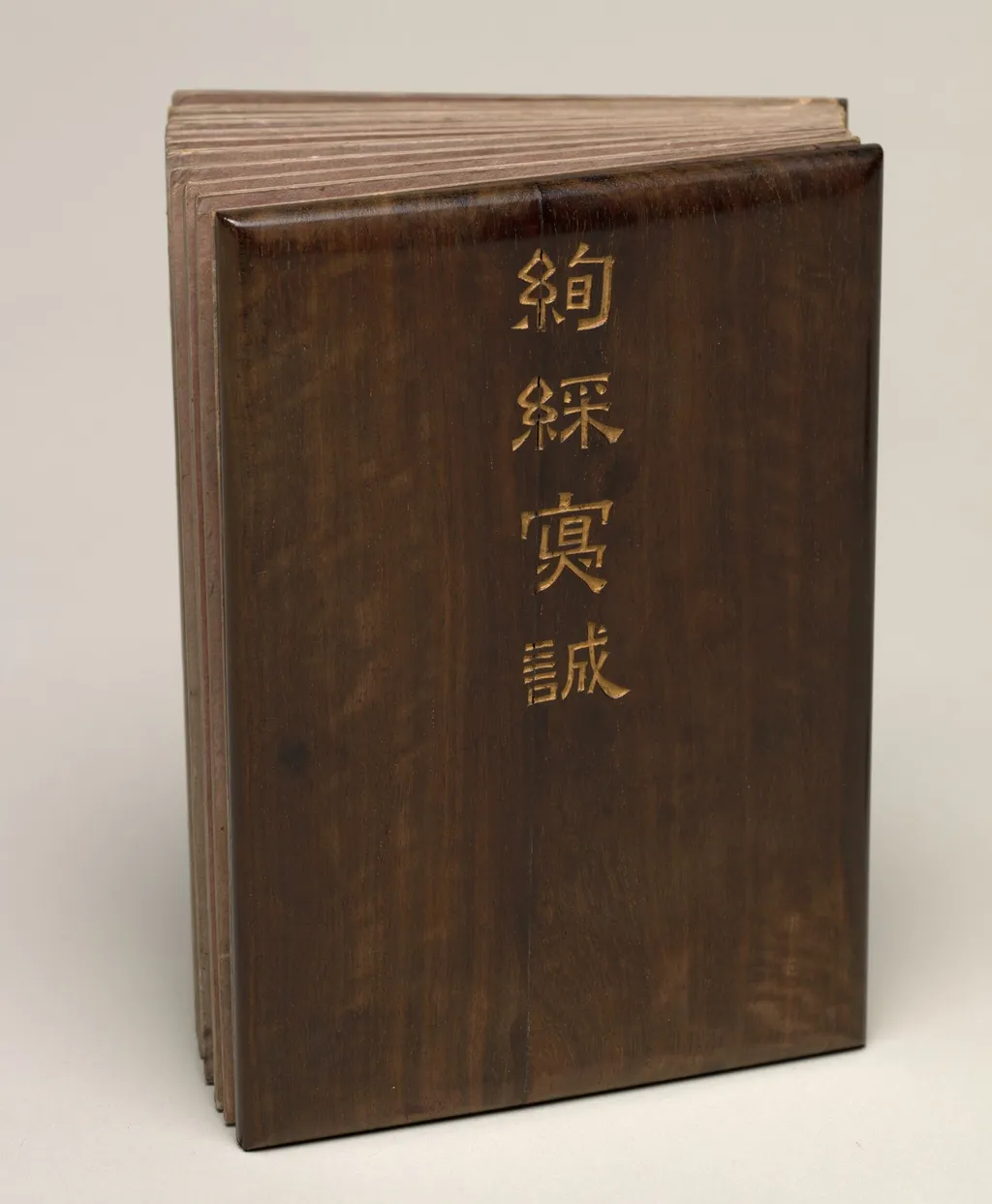
Desk Album: Flower and Bird Paintings is an unspecified painting by the Rococo painting artist Zhang Ruoai. It is held in the collection of the Cleveland Museum of Art.
About this work
History & Provenance
The album is held by the Cleveland Museum of Art, where it is recorded as accession number 1967.193. It entered the museum's collection in 1967 through an acquisition that postdates the artist's lifetime by more than two centuries. The work has not been recorded as included in any exhibitions in the museum's publicly available records.
Legacy
Zhang Ruoai's Desk Album: Flower and Bird Paintings has influenced subsequent Chinese bird-and-flower painting traditions, particularly in its refined depiction of avian subjects and botanical detail. The work's inclusion in the Cleveland Museum of Art's collection has ensured its visibility within Western art scholarship, though its legacy remains primarily rooted in East Asian artistic discourse. Its attribution to Zhang Ruoai, documented in his brief career before his death at age 33, has reinforced scholarly understanding of Qing dynasty amateur painting circles.
The album's stylistic approach to naturalistic representation continues to inform studies of 18th-century Chinese court art, with curators highlighting its role in contextualizing the period's artistic exchange between elite literati and imperial workshops.
Overview
Desk Album: Flower and Bird Paintings is a painted wooden box crafted in 1749 by the Qing‑dynasty artist Zhang Ruoai. The object is part of the Cleveland Museum of Art’s collection. Its dark, polished surface and three vertical bands of gold Chinese characters identify the album’s purpose as a holder for flower‑and‑bird studies, a frequent motif in Chinese visual culture.
Subject & Meaning
The gold inscription, read vertically, translates to “flower and bird paintings,” indicating the contents once stored within. Such themes celebrate the natural world, symbolizing seasonal change, poetic sentiment, and the harmonious relationship between flora and fauna, a staple of literati art that conveyed both aesthetic pleasure and moral allegory.
Technique & Style
The box is constructed from seasoned hardwood, its surface smoothed to a glossy finish that reflects light. Gold characters were applied by hand using a fine brush and gold leaf or pigment, a technique typical of high‑status Chinese lacquerware. The craftsmanship reveals careful carving of the edges, now softened by centuries of handling.
Context
During the mid‑18th century, Chinese scholars and artists frequently compiled sketchbooks of botanical and avian subjects, using portable wooden boxes for protection and transport. Zhang Ruoai’s album reflects this practice, serving both as a functional storage piece and as a decorative object that signals the owner’s cultured taste and familiarity with traditional literati conventions.
Own this work as a print
Artist & collection

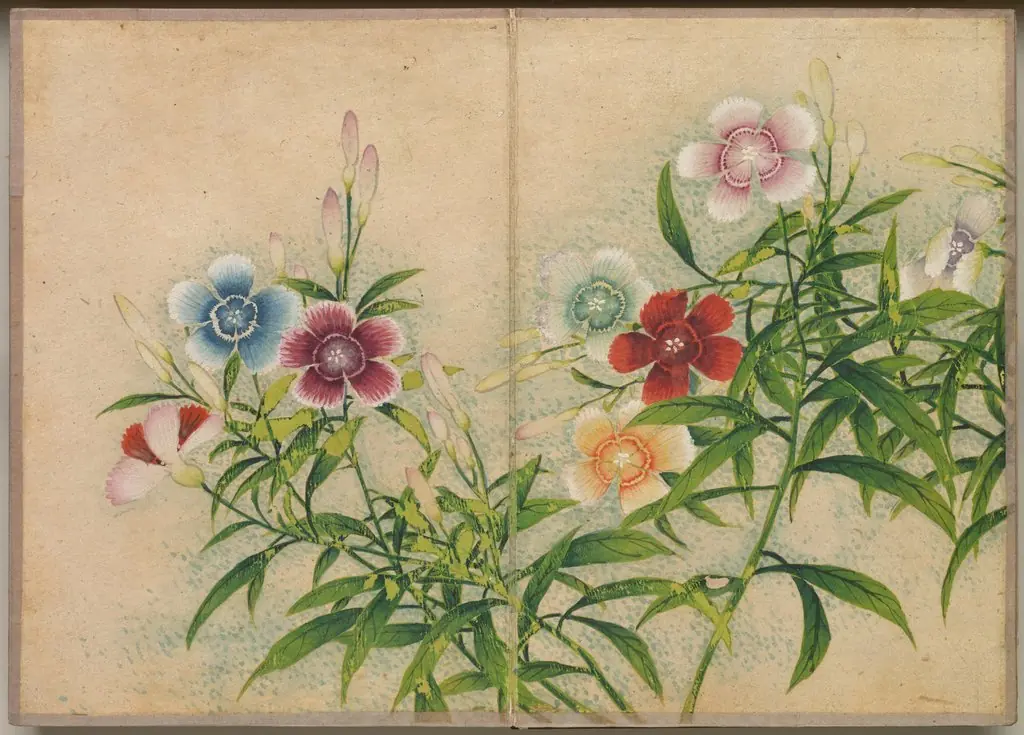 Desk Album: Flower and Bird Paintings (Pinks)
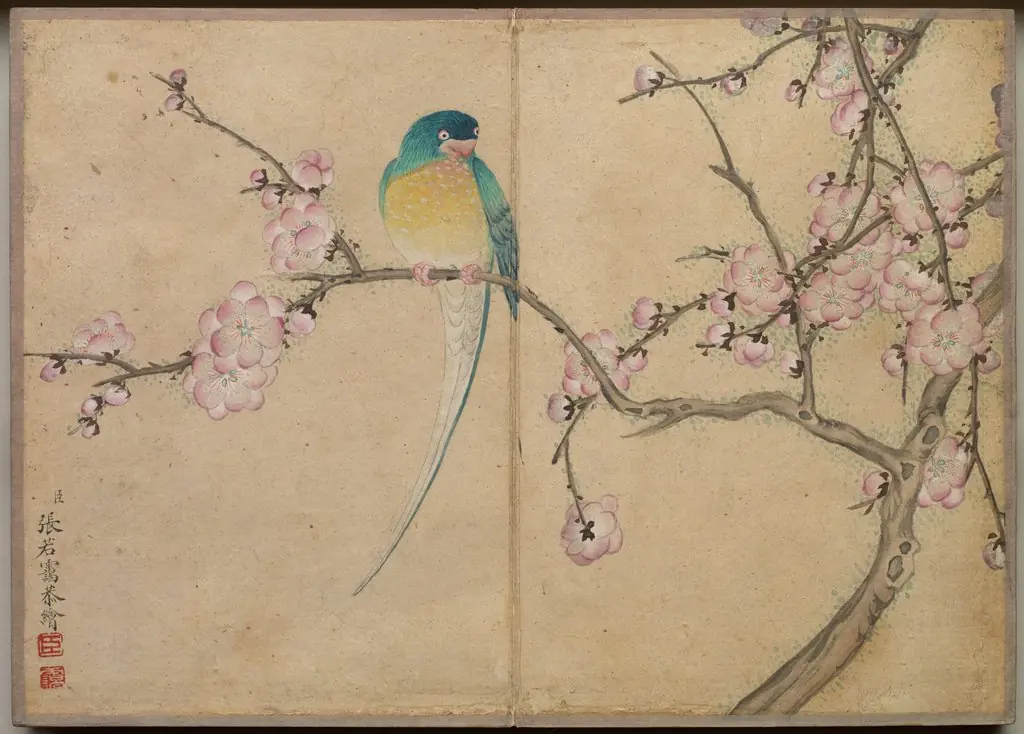 Desk Album: Flower and Bird Paintings (Bird with Plum Blossoms)
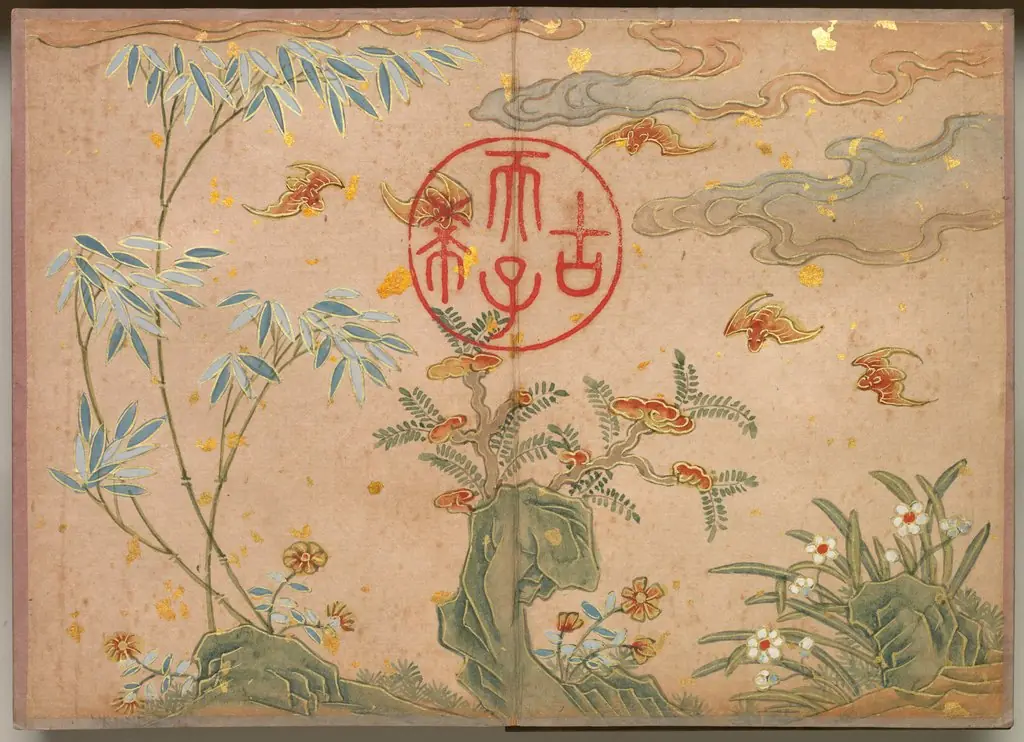 Desk Album: Flower and Bird Paintings (Bats, rocks, flowers circular calligraphy)
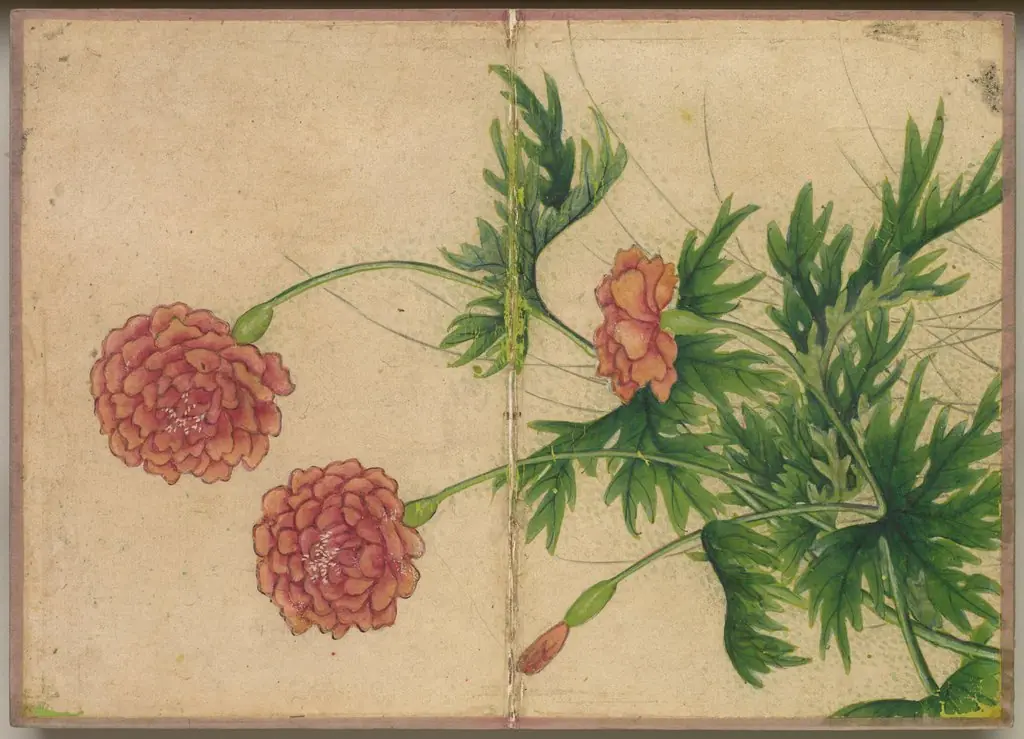 Desk Album: Flower and Bird Paintings (Peony)
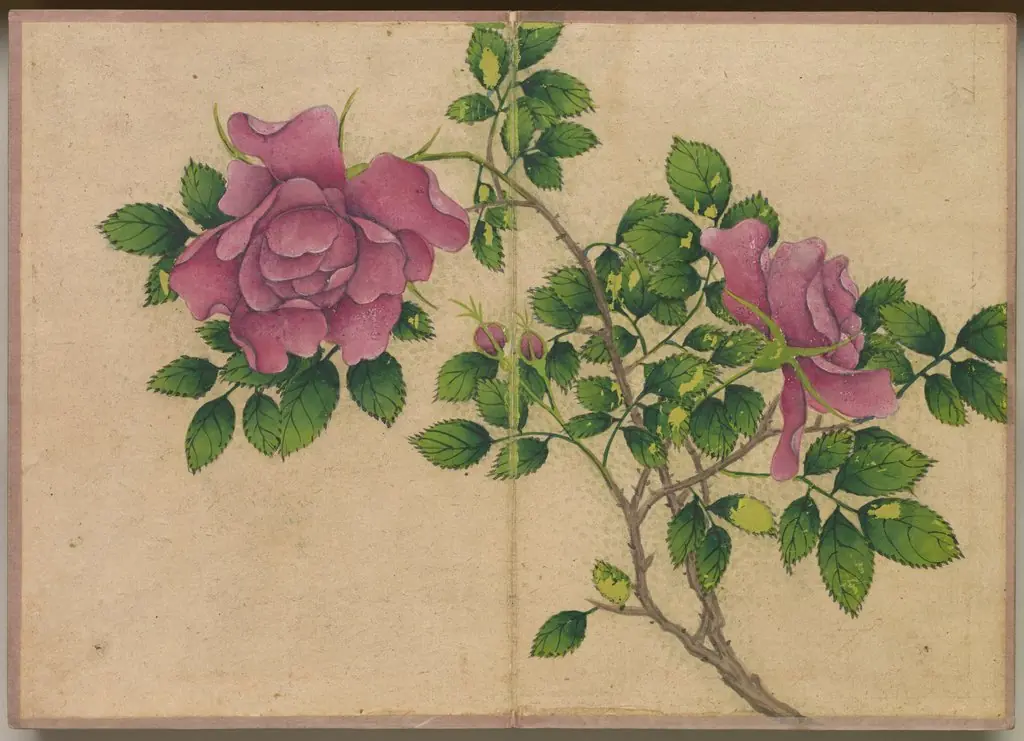 Desk Album: Flower and Bird Paintings (Rose)
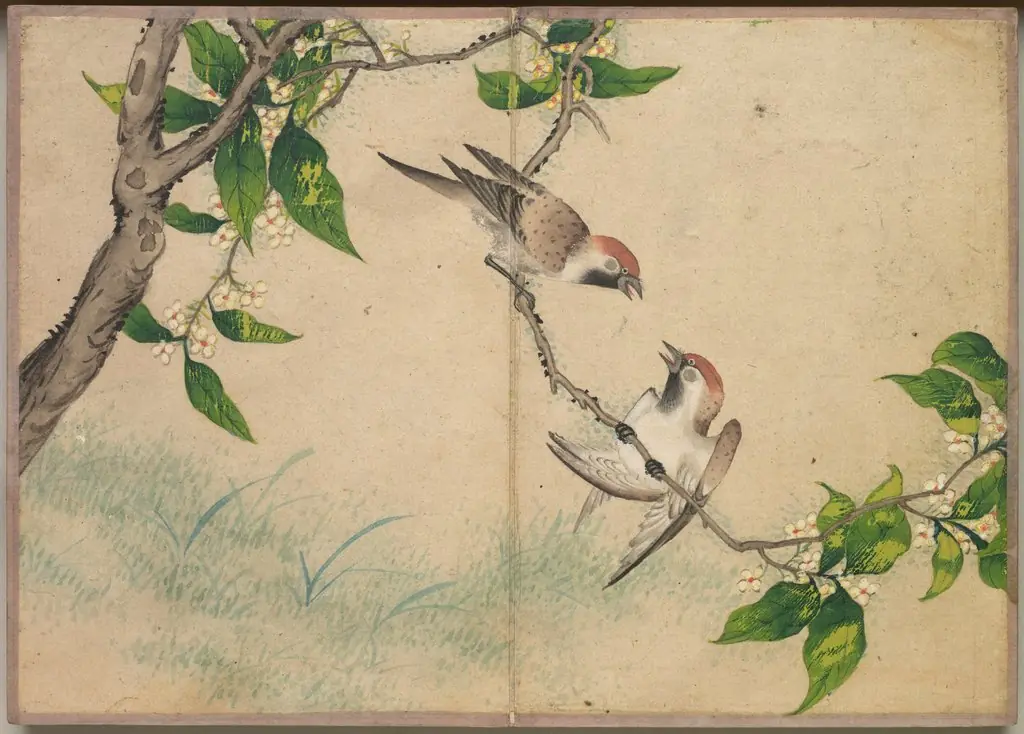 Desk Album: Flower and Bird Paintings (Gossiping Sparrows)
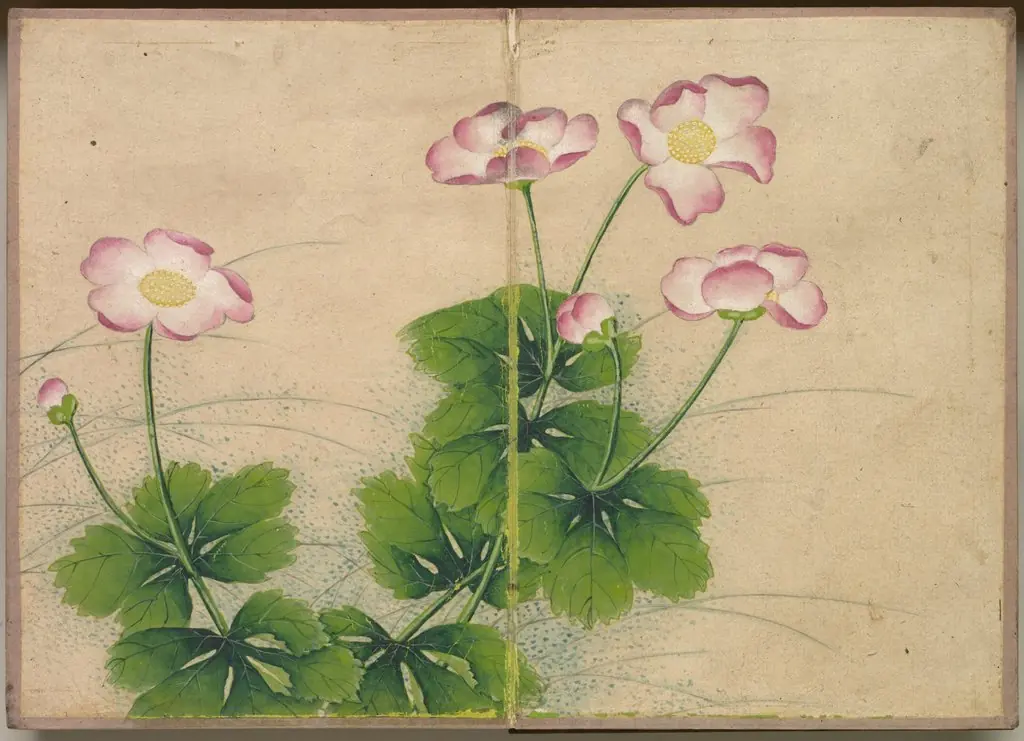 Desk Album: Flower and Bird Paintings (mallow flowers)
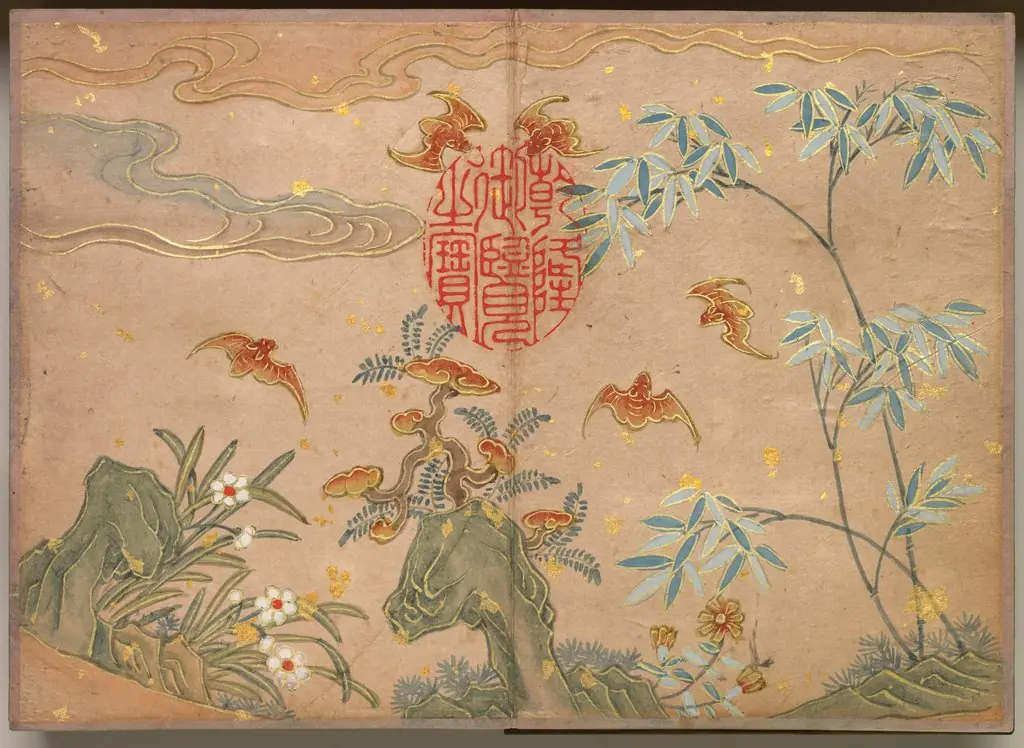 Desk Album: Flower and Bird Paintings (Bats, rocks, flowers oval calligraphy)
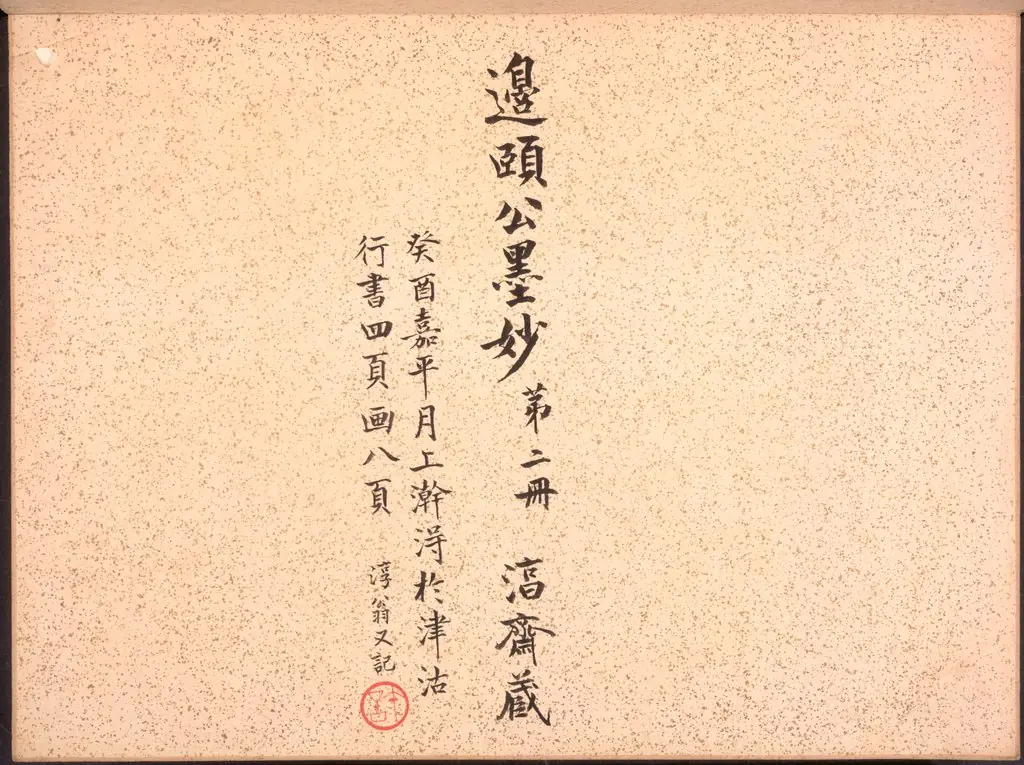 Album of Calligraphy and Paintings
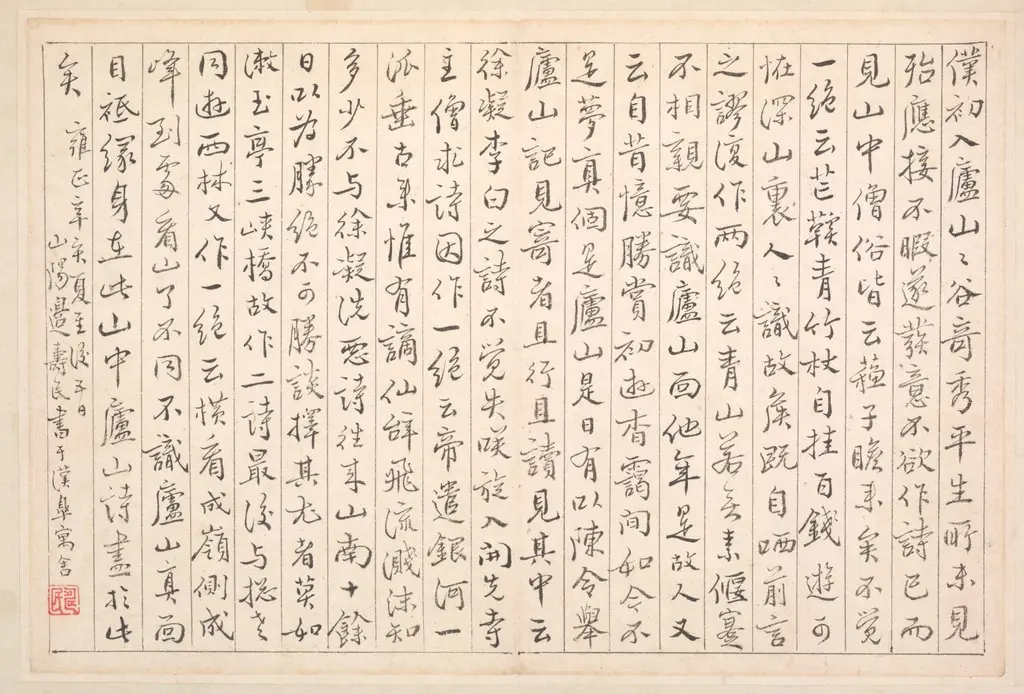 Album of Calligraphy and Paintings
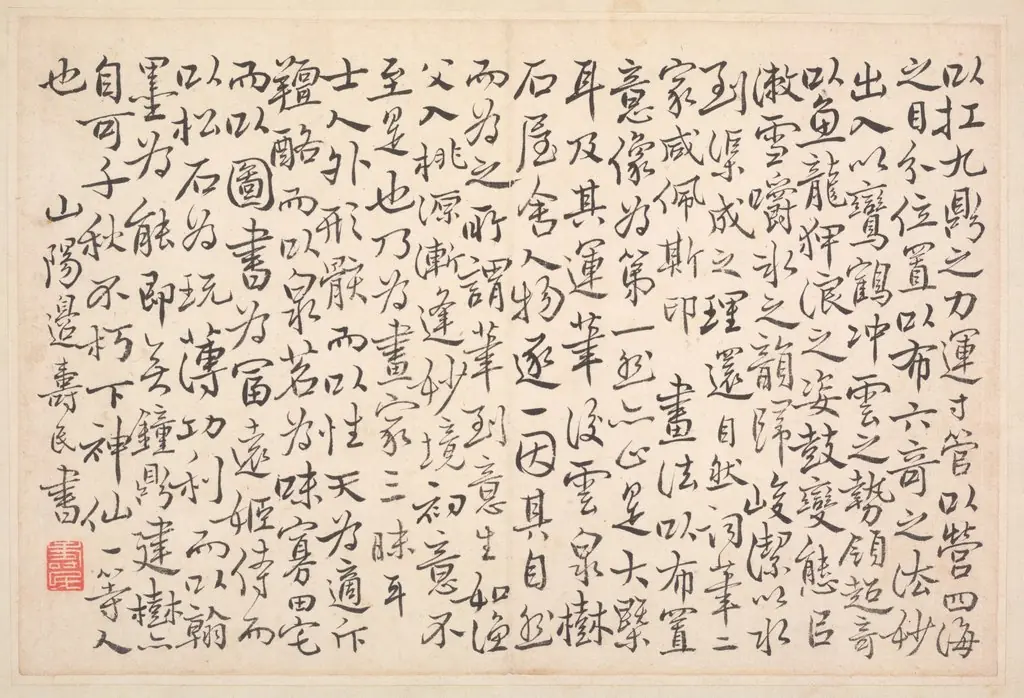 Album of Calligraphy and Paintings
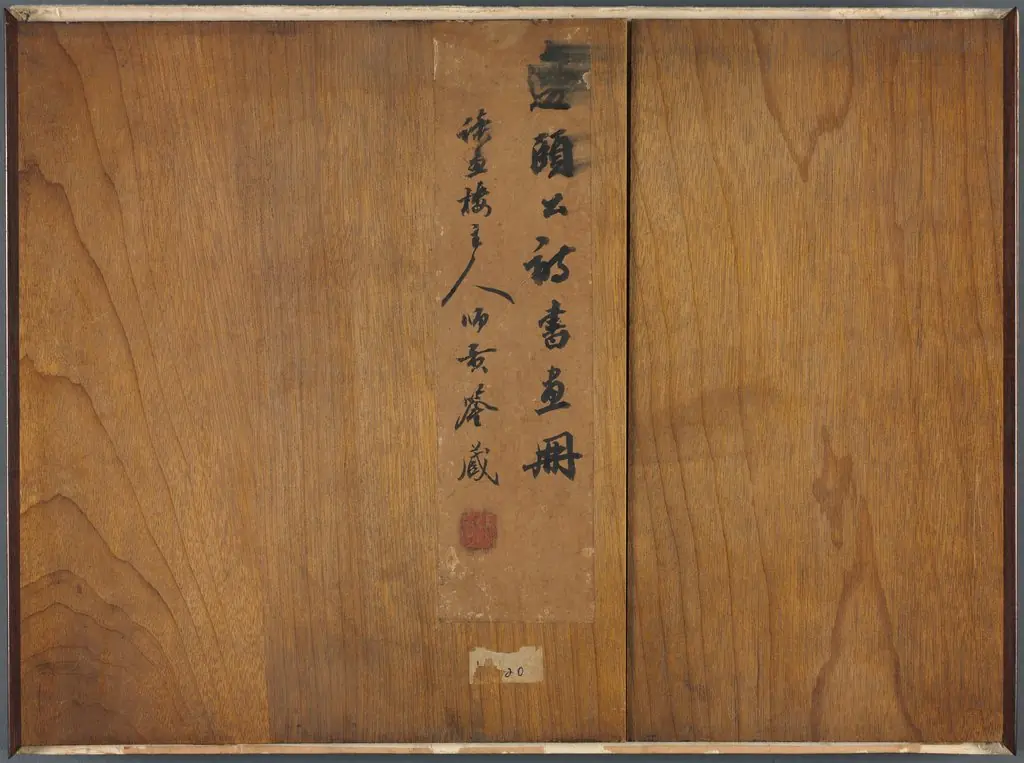 Album of Calligraphy and Paintings
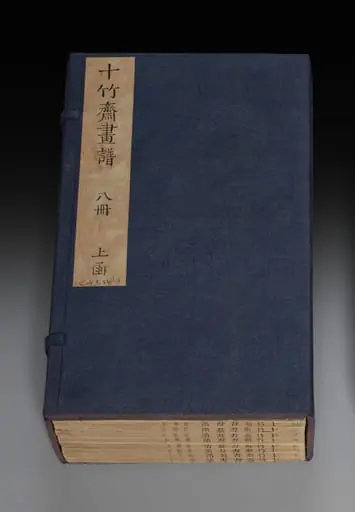 Ten Bamboo Studio Painting and Calligraphy Handbook (Shizhuzhai shuhua pu): Volume One
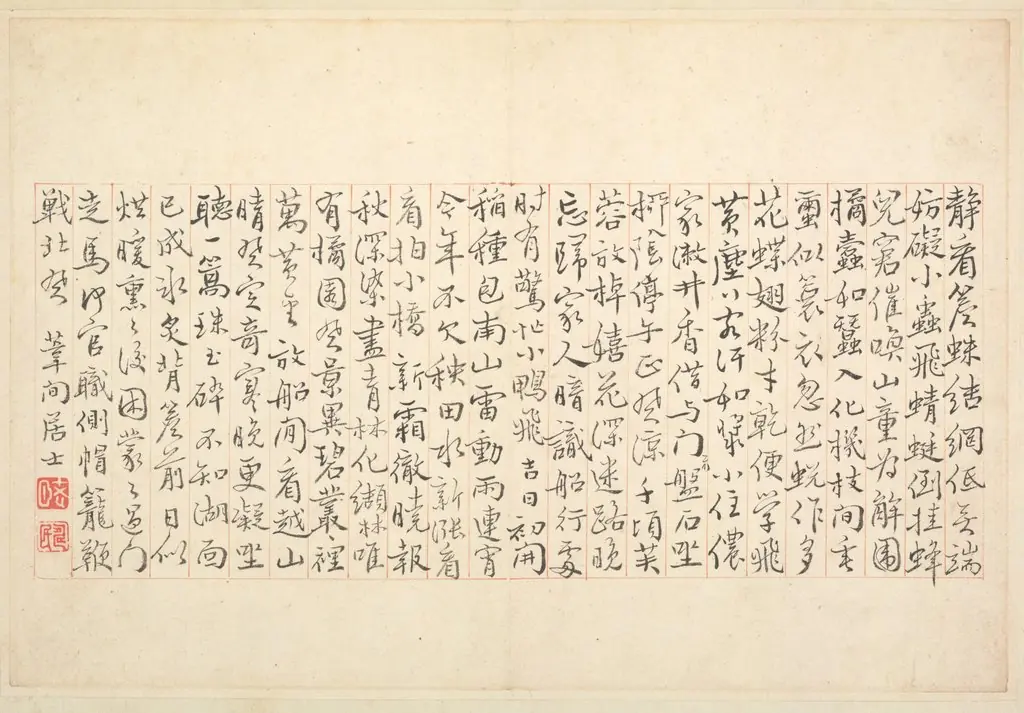 Album of Calligraphy and Paintings
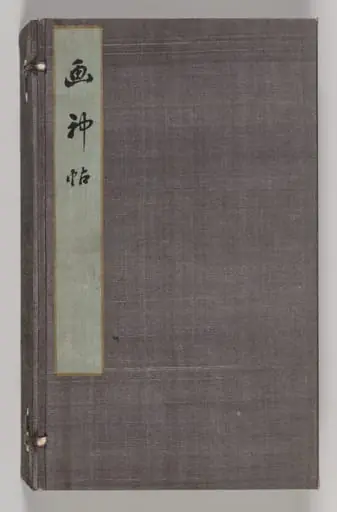 Reverberations of Taiga (Volume 1)
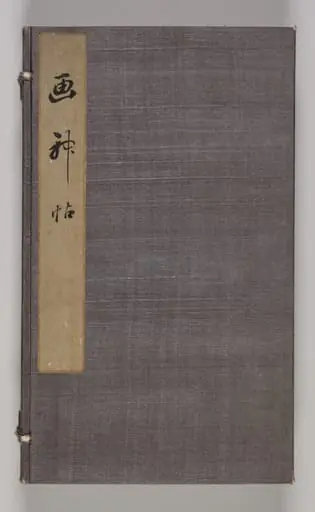 Reverberations of Taiga (Volume 2)
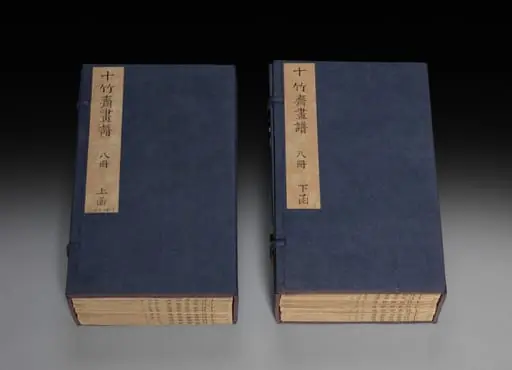 Ten Bamboo Studio Collection of Calligraphy and Painting
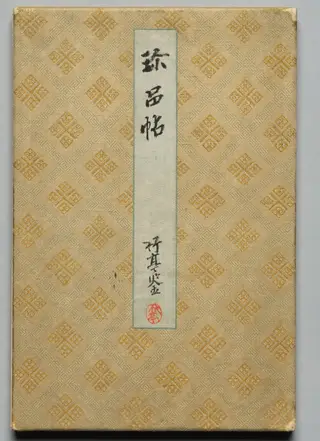 Album of Precious Works from Famous Early Modern Calligraphers and Painters (Volume 1)