Artwork
Untitled
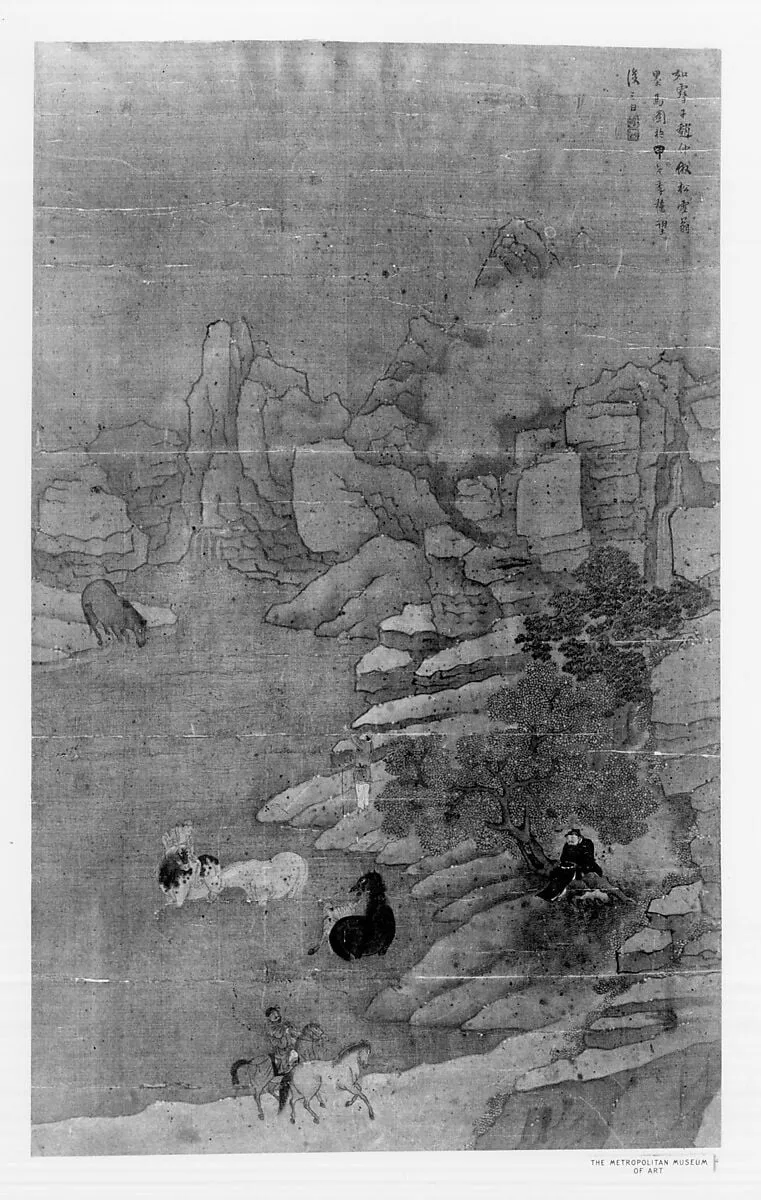
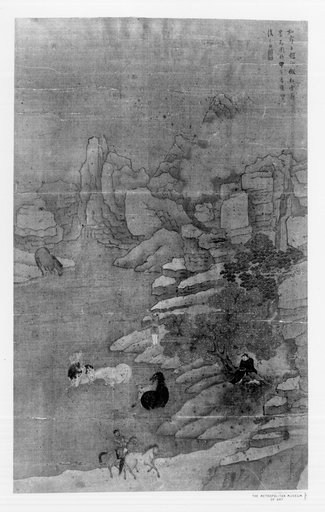
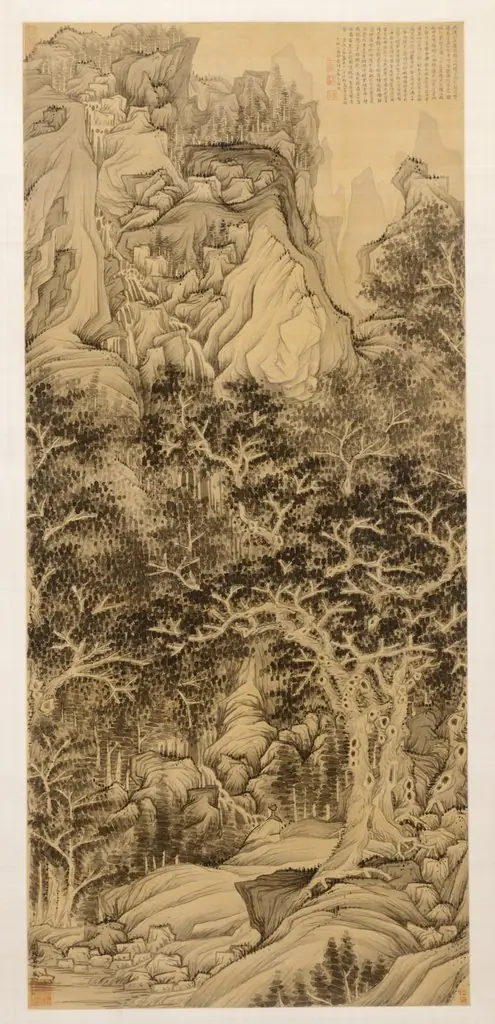
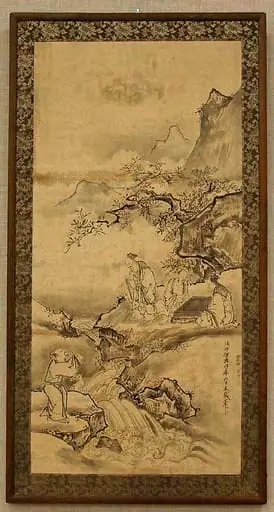
Untitled is an ink painting by the Baroque artist Zhao Songxue. It dates from 1649 and is held in the collection of the Metropolitan Museum of Art.
About this work
Subject & Meaning
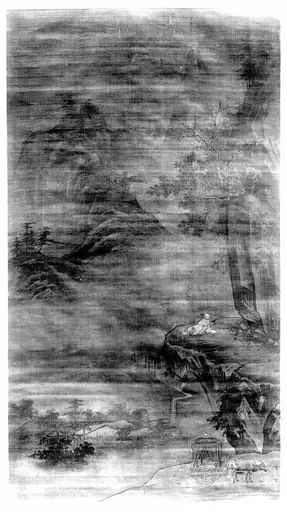
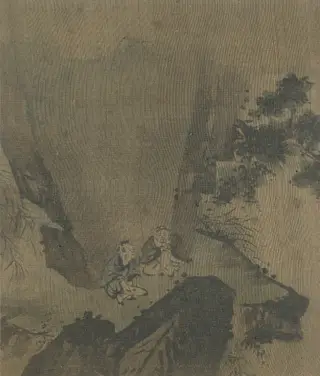
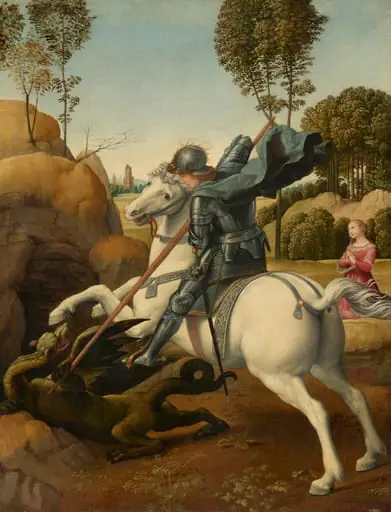
The work depicts a man and a horse, representing a traditional portrait genre within Chinese painting. Created by Zhao Songxue in 1649, the piece uses ink on silk to render these figures. While the specific narrative context or deeper symbolic meaning is not detailed in the available records, the composition centers on the relationship between the human rider and the animal.
Technique & Style
Untitled is an ink painting on silk created in 1649 and presented in a framed format.
Untitled is an ink painting on silk created in 1649 and presented in a framed format. The work measures 60 cm in height by 36.5 cm in width and belongs to the portrait genre, portraying a horse alongside a man. Its execution in ink on silk reflects traditional Chinese brush techniques, while the composition and subject matter align with seventeenth-century portrait conventions. The piece is part of the Metropolitan Museum of Art collection in New York.
History & Provenance
The work was created in 1649 by Zhao Songxue, as indicated by its dated inscription. Executed in ink on silk, it depicts a man and a horse and measures 60 cm in height by 36.5 cm in width. The painting is held in the collection of the Metropolitan Museum of Art.
While the source confirms its presence in the museum's collection and its physical dimensions, no specific accession or inventory number is provided in the available records, and the sources contain no information regarding a history of public exhibitions for this piece.
Overview
"Untitled" is an ink on silk painting created by Zhao Songxue in 1649. This framed work presents a singular figure of a horse, upon which a man is seated. The artist utilized the delicate medium to render a quiet scene, characteristic of certain artistic trends during the period. It exemplifies a focused approach to portraiture within the Korean painting tradition.
Context
The minimalist aesthetic and emphasis on essential forms seen in "Untitled" align with certain artistic practices prevalent among Korean painters during the mid-17th century. This approach often favored a direct and unadorned representation of subjects, allowing the strength of the composition and the artist's draftsmanship to convey the work's impact without the need for elaborate settings or complex narratives.
Artist & collection