Artwork
明/清 僧滐 山水 軸|Landscape
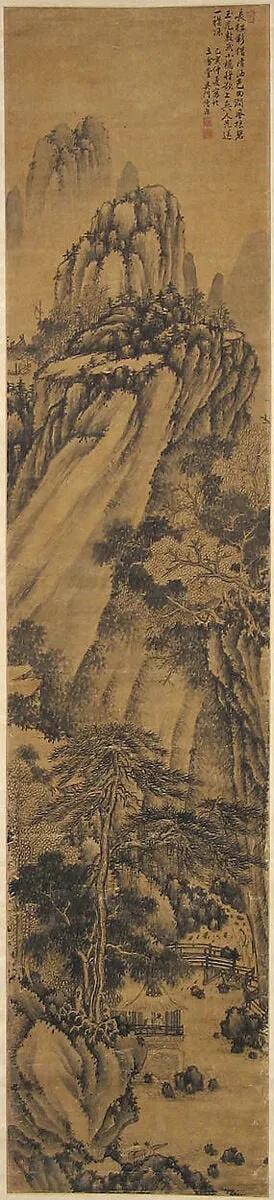
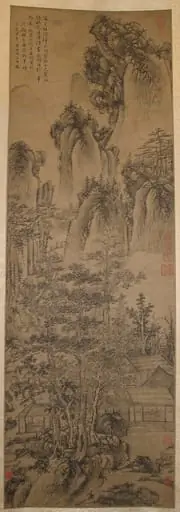
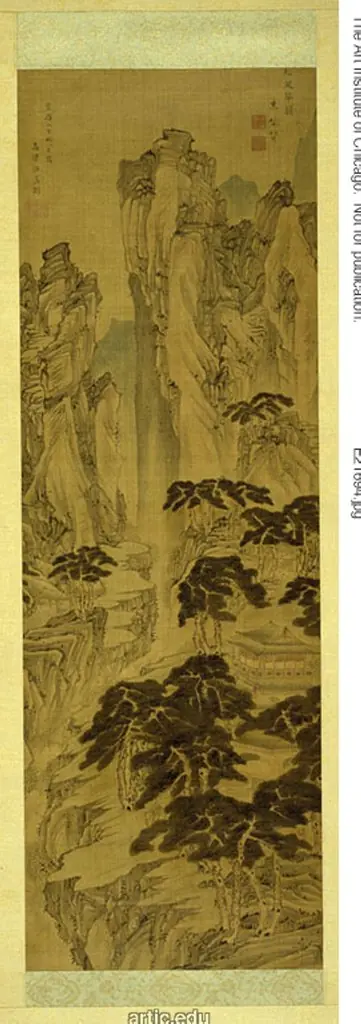
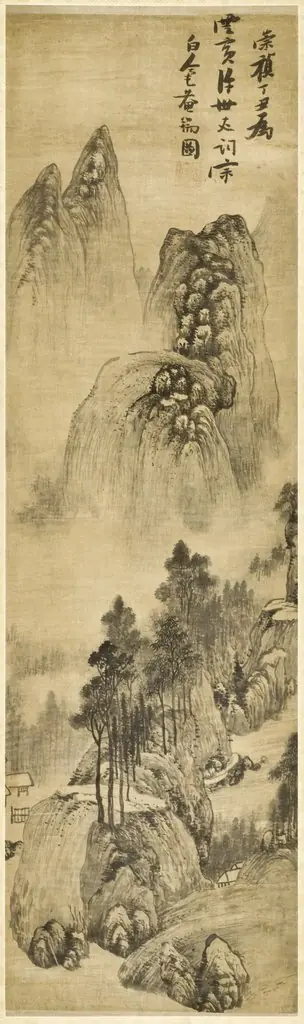
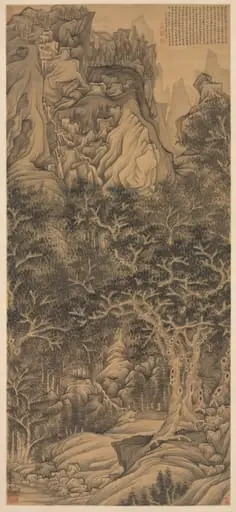
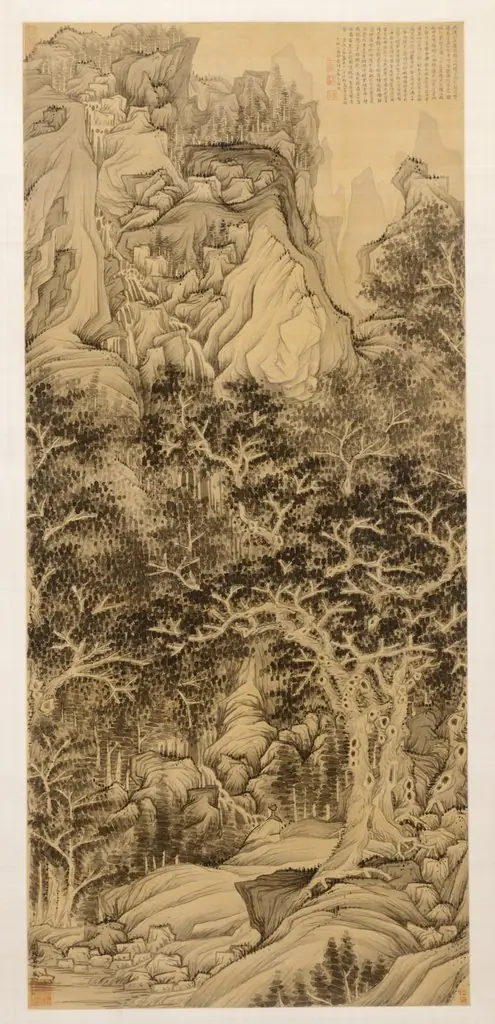
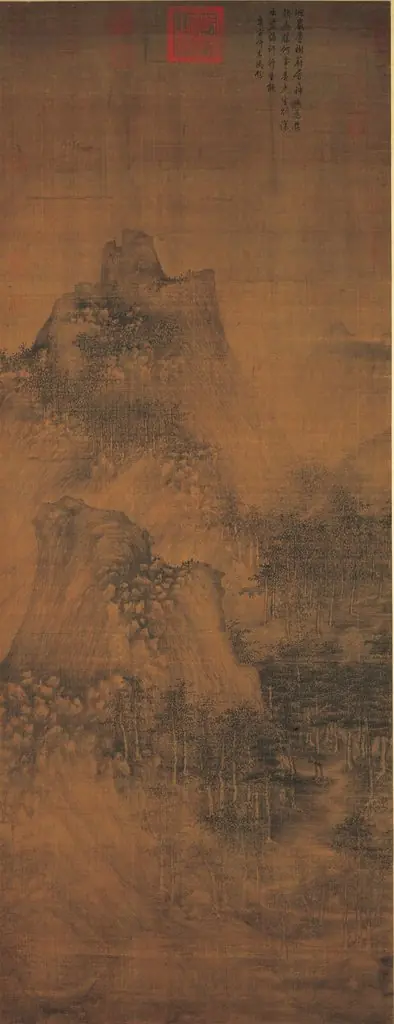
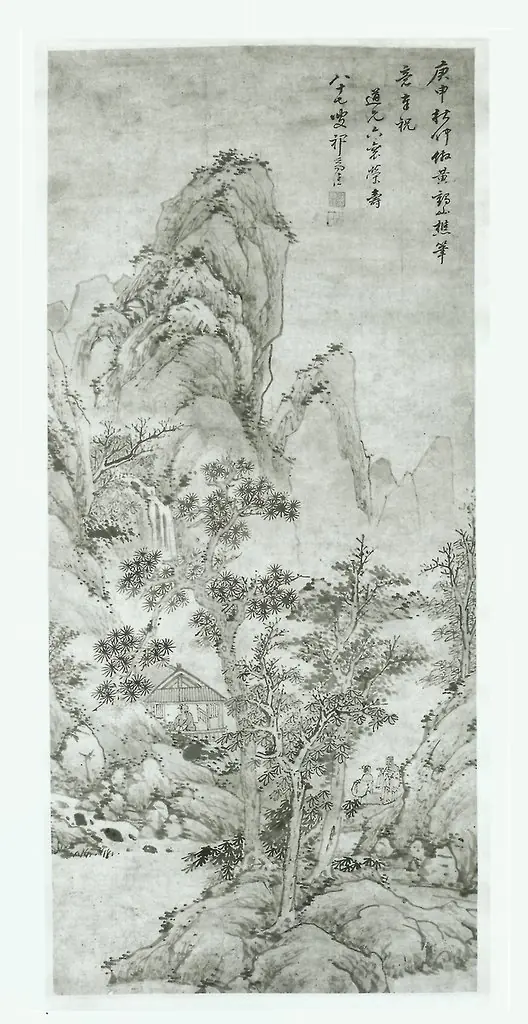
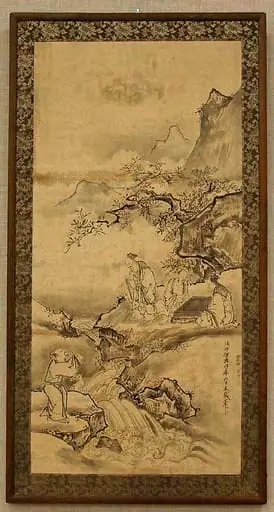
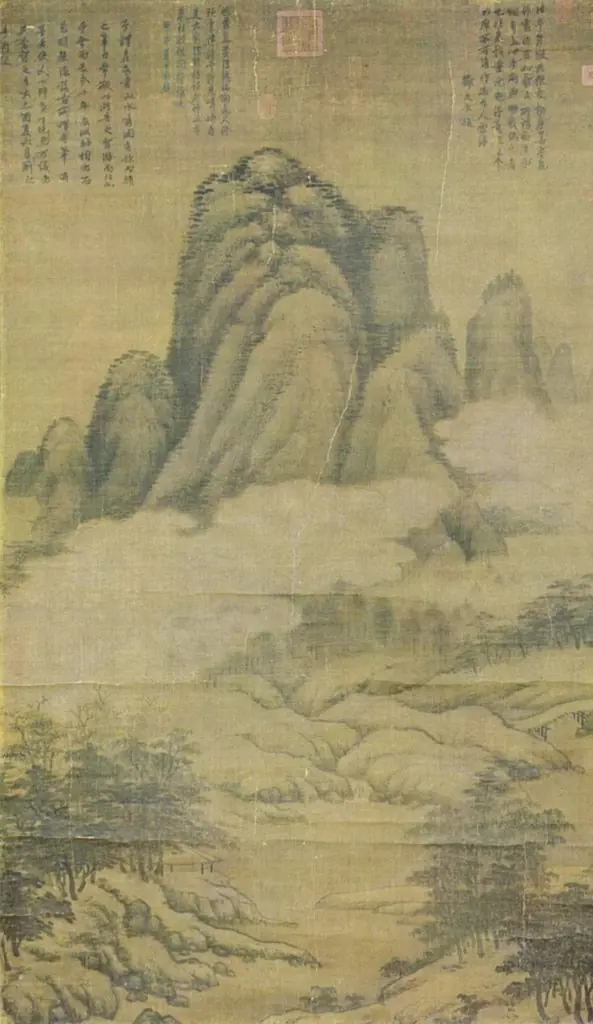
明/清 僧滐 山水 軸|Landscape is an ink painting by the Ming dynasty painting artist Monk Jie. It dates from 1599 and is held in the collection of the Metropolitan Museum of Art.
About this work
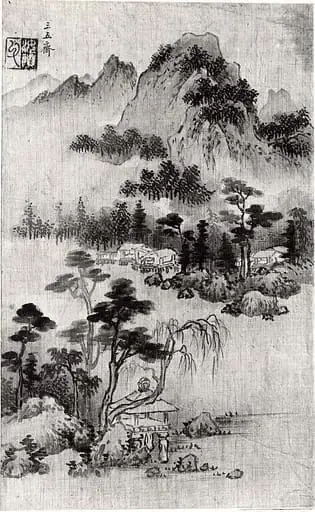
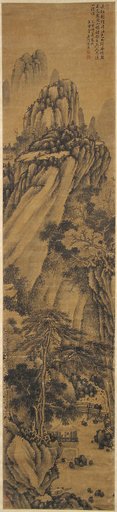
You see a tall scroll of ink on satin: misty mountains, a tiny temple, and a single scholar walking a path.
The artist was a Buddhist monk, so the painting isn’t about showing every rock. It’s about the quiet between the brushstrokes. The date is fuzzy, 1599 or 1659, but the calm feels timeless.
If you like this spare, misty look, try searching “mountains, landscapes, china.”
Overview
This hanging scroll, titled Landscape, is attributed to the Buddhist monk Jie (僧滐) and executed in ink on satin. Created either in the late Ming or early Qing dynasty, around 1599 or 1659, the painting presents a serene mountain vista. It features a solitary scholar traversing a path amidst misty peaks and a small, secluded temple, inviting a contemplative engagement with nature.
Subject & Meaning
Monk Jie's Landscape transcends a mere topographical depiction, instead conveying a profound sense of spiritual tranquility.
Monk Jie's Landscape transcends a mere topographical depiction, instead conveying a profound sense of spiritual tranquility. The composition, with its ethereal mountains, a diminutive temple, and a lone scholar, suggests a journey of introspection. As a Buddhist monk, Jie likely intended the work to evoke the quietude found between forms, emphasizing a timeless calm rather than a precise rendering of the natural world.
Technique & Style
Rendered in ink on satin, this hanging scroll exemplifies a spare and atmospheric style characteristic of certain Chinese landscape traditions. The artist employs subtle ink washes to create a pervasive mist that envelops the mountainous forms, lending an ethereal quality to the scene. This approach prioritizes suggestion and mood over detailed representation, allowing the viewer to experience the quiet expanse of the depicted environment.
History & Provenance
The precise creation date of this Landscape remains subject to scholarly discussion, with possibilities including 1599 or 1659. This places its origin either at the close of the Ming dynasty or in the early decades of the succeeding Qing dynasty. Despite this chronological ambiguity, the painting's enduring sense of calm and its stylistic characteristics align with the contemplative artistic currents prevalent during this transitional period in Chinese art history.
Artist & collection
Artist
This monk-artist’s landscapes on hanging scrolls carry the quiet weight of the Ming dynasty’s last decades.