Art Glossary
History Painting
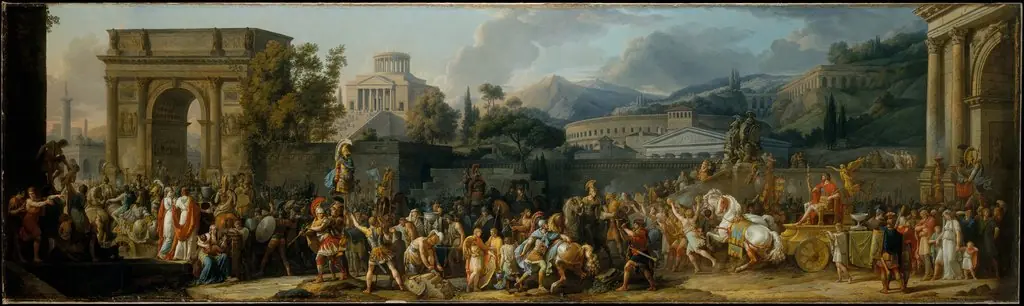
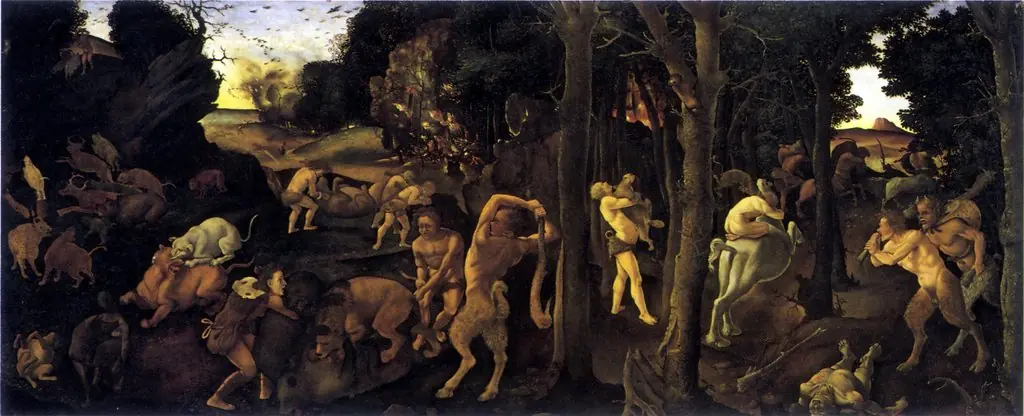
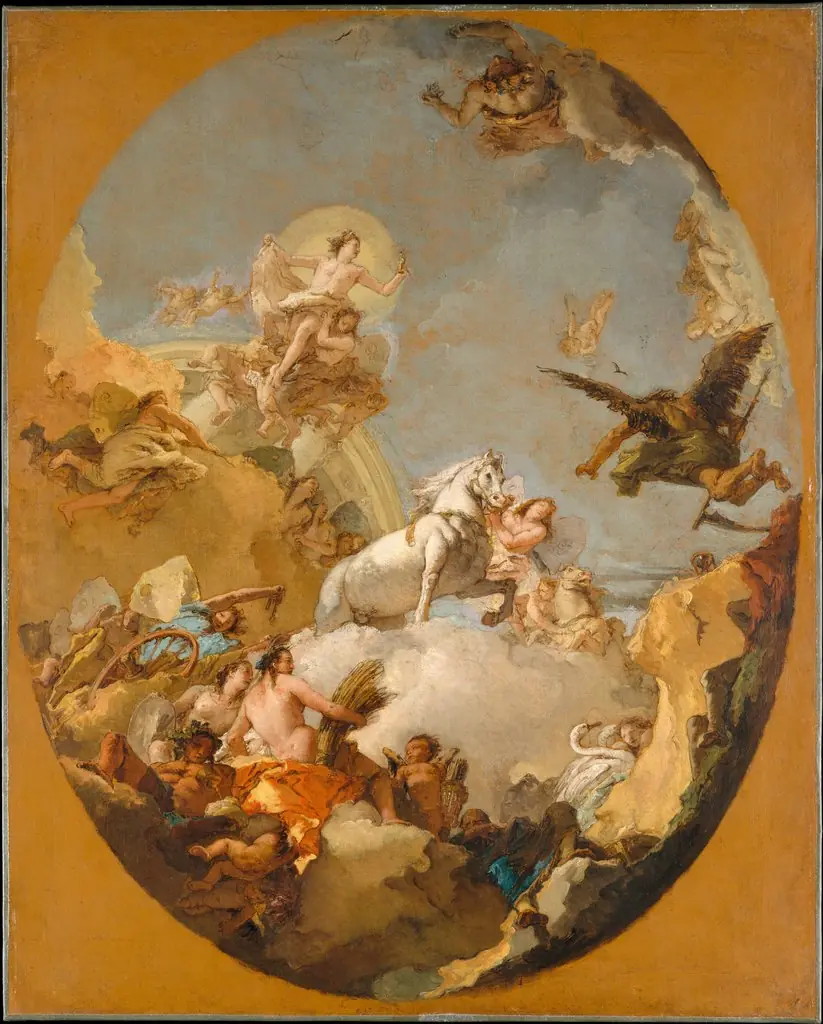
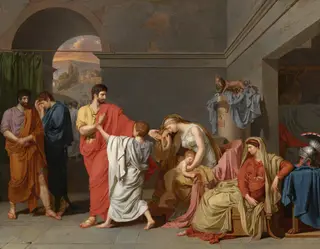
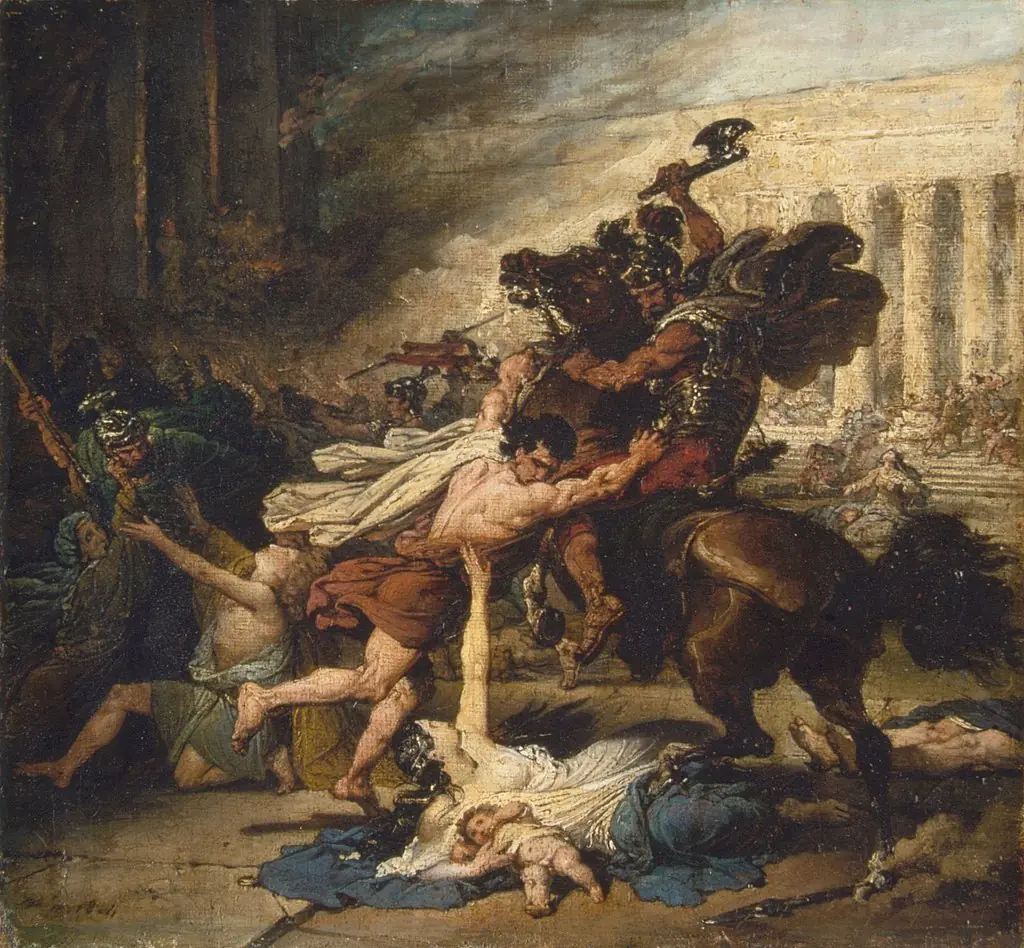
History painting is the depiction of momentous scenes — drawn from history, mythology, religion or literature — featuring multiple figures in significant action, traditionally regarded as the highest and most ambitious genre of art.
History painting (from the Italian istoria, 'narrative') is the grand narrative mode of Western art. Despite the name, its subjects are not only historical: they include events from the Bible, classical mythology, ancient history and great literature — any elevated story whose telling demands multiple figures, significant action and moral weight.
In the hierarchy of genres formulated by the French Academy in the seventeenth century, history painting stood at the summit, above portraiture, genre, landscape and still life. The reasoning was both intellectual and practical: only history painting required the artist to invent a complex composition, master the human figure in action, and convey a noble theme that instructs as well as delights. Success in the grand manner was the proof of a complete painter, and the largest commissions and highest prestige followed it.
The genre produced much of the most ambitious art in the canon — Raphael's frescoes, the vast machines of the Baroque, the severe moral tableaux of Jacques-Louis David's Neoclassicism, the charged contemporary drama of Géricault's Raft of the Medusa. Its scale and seriousness were inseparable: the grand subject demanded the grand format.
The primacy of history painting eroded through the nineteenth century as landscape, genre and finally pure form rose to challenge it, but its ambitions — narrative clarity, command of the figure, the orchestration of many elements into a single dramatic whole — set the standard against which other painting was long measured.
To read a history painting, identify the decisive moment of the story and trace how the composition gathers every figure and gesture toward it.
In the collection
Frequently asked
What is history painting?
History painting depicts momentous narrative scenes from history, myth, religion or literature, with multiple figures in significant action — traditionally the highest genre of art.
Why was history painting ranked highest?
The academies ranked it highest because it required invention, mastery of the figure in action, and an elevated, instructive theme — the fullest test of a painter.