Artwork
A Hunting Scene
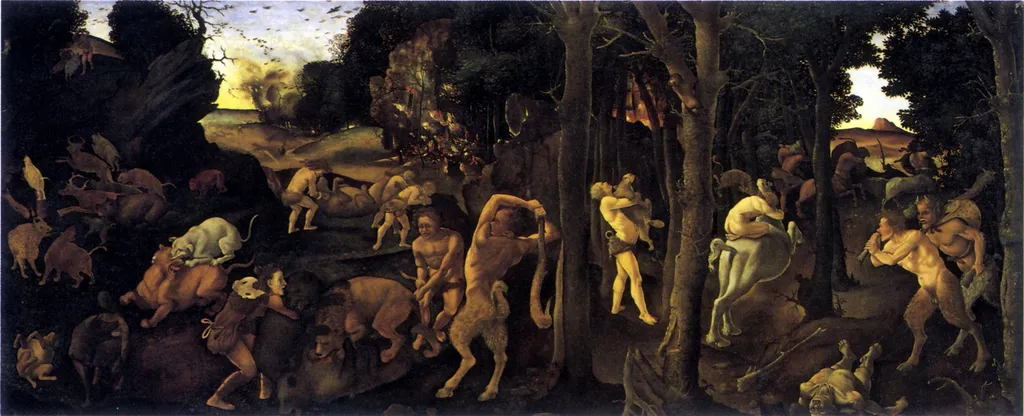
A Hunting Scene is an oil painting by Piero di Cosimo. It dates from 1500 and is held in the collection of the Metropolitan Museum of Art.
About this work
A wild forest swarms with naked figures who wrestle, hunt, and tumble among deer, dogs, and lions. Dark trees crowd behind while a golden sunset warms the sky, lighting some figures brightly and leaving others in shadow. Piero di Cosimo, around 1500.
Subject & Meaning
The composition includes a man, bear, satyr, dog, deer, lion, and centaur, all engaged in a fierce, indiscriminate struggle.
The painting titled A Hunting Scene (c.1500) by Piero di Cosimo shows a dense forest teeming with a chaotic mix of humans, beasts, and hybrid creatures. The composition includes a man, bear, satyr, dog, deer, lion, and centaur, all engaged in a fierce, indiscriminate struggle. The scene belongs to the series of 'Histories of Primitive Humanity' and is interpreted as a visual allegory of pre-civilized chaos, where semi-animal figures symbolize the barbaric coupling of men and animals and where no psychological distinction is made between them.
The work also echoes Paolo Uccello's perspective technique and was originally part of a bedroom headboard in Florence before entering the Metropolitan Museum in 1875.
Technique & Style
Executed circa 1500–1505, this work is an oil painting on a wood panel measuring 70.5 by 169.5 cm. Originally likely functioning as a bed headboard (spalliera), the composition employs irregular rows of trees to guide the viewer's eye into a deep forest, a perspective strategy echoing Paolo Uccello. The style depicts a chaotic pre-civilization era populated by semi-nude humans, animals, and hybrid creatures like satyrs and centaurs engaged in indiscriminate combat. Psychologically, the figures lack differentiation, emphasizing a primal state before the discovery of fire or metal weapons.
A rigorous application of foreshortening is evident in the rigid, perpendicular body of a dead man in the lower right, serving as an explicit homage to Uccello. The landscape features dark, unsettling ravines and arid vistas on the periphery, contrasting with the central frenetic activity.
History & Provenance
The painting, titled 'A Hunting Scene' (also called Caccia primitiva), was executed by Piero di Cosimo around 1500–1505 as the first panel of his 'Stories of Primitive Humanity' series. It originally decorated a room of the Palazzo Del Pugliese in Florence, a scheme noted by Vasari and likely intended as a spalliera or headboard. In 1875 the work entered the Metropolitan Museum of Art after being gifted by Robert Gordon, arriving together with its companion piece, The Return from the Hunt.
The panel measures 70.5 × 169.5 cm, is painted in oil on wood, and depicts a chaotic forest populated by semi-mythical figures. Its provenance thus traces from a Florentine interior to Gordon's collection and finally to the Met.
Context
A Hunting Scene (c.1500–1505) belongs to Piero di Cosimo's Histories of Primitive Humanity, a cycle exploring humanity's pre-cultural state before fire and metalworking. Scholars situate the panel within Florentine Renaissance humanist discourse on origins and degeneration, aligning its chaotic imagery with Neoplatonic and Lucretian themes of nature's primal violence. The work's inclusion in Paul Veyne's Mon musée imaginaire underscores its canonical status as a meditation on the irrational and the sublime in early modern art.
Its pairing with The Return from the Hunt in the Metropolitan Museum's 1875 acquisition reflects 19th-century connoisseurship focused on Tuscan narrative cycles. The painting's technical and thematic complexity, juxtaposing classical hybrids (satyrs, centaurs) with empirical fauna, positions it as a bridge between quattrocento naturalism and the mythographic inventiveness of High Renaissance Florence.
Legacy
The painting's later reputation includes its inclusion in the 'imaginary museum' of the French historian Paul Veyne, who described the work in his publication Mon musée imaginaire. Historically, the panel is identified as part of a series decorating a room in the Palazzo Del Pugliese in Florence, a location noted and described by Giorgio Vasari. Scholars generally interpret the work's original function as a bed headboard, or spalliera, within that domestic setting.
Since entering the Metropolitan Museum of Art in 1875 via a donation from Robert Gordon, the piece has been recognized for its explicit homage to Paolo Uccello, particularly regarding its use of perspective and the depiction of a foreshortened figure, linking it to Uccello's earlier Hunt in the Forest.
Overview
Piero di Cosimo's 'A Hunting Scene,' executed around 1500, is a dynamic oil painting that captures a chaotic yet harmonious interaction between humans and the natural world. The composition is densely populated with a multitude of figures engaged in various activities: some wrestle with lions, others hunt deer, and many ride animals or interact playfully within a dense, dark forest. The artist employs a rich palette where the deep greens and browns of the looming trees contrast sharply with the golden hues of a setting sun that illuminates the sky and the figures' skin.
This work exemplifies Piero di Cosimo's unique fascination with mythological subjects and the primitive state of humanity, blending Renaissance humanism with a wild, almost prehistoric atmosphere. The painting reflects the artist's distinctive style, characterized by imaginative detail and a fascination with the raw energy of nature, marking a significant contribution to early 16th-century Italian art. It stands as a testament to Piero's ability to create complex narratives filled with movement and life, distinguishing his work from the more restrained compositions of his contemporaries.
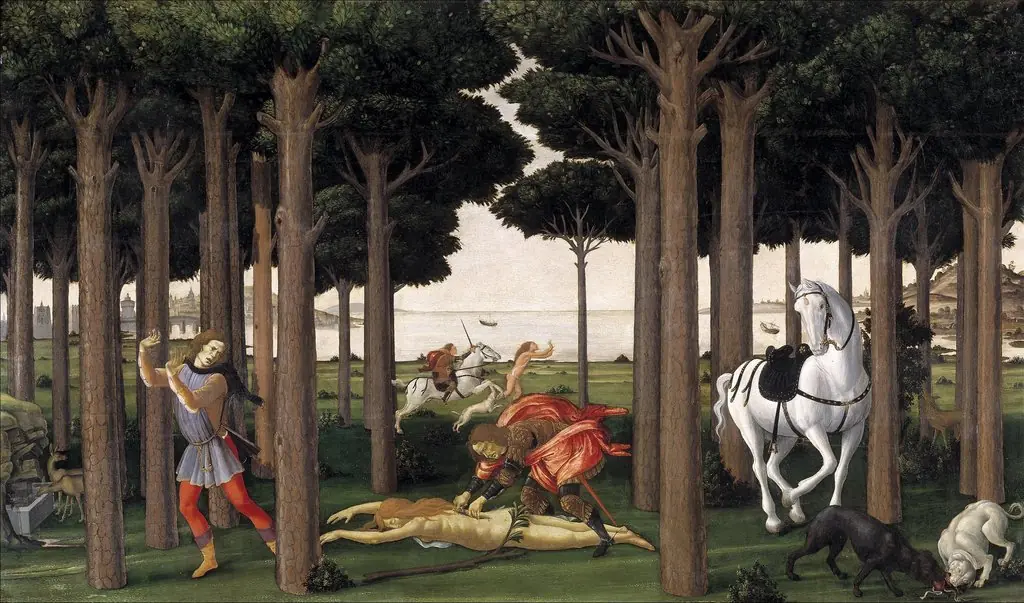
Artist & collection

Artist
Piero di Cosimo, also known as Piero di Lorenzo, was an Italian Renaissance painter, who continued to use an essentially Early Renaissance style into the 16th century.

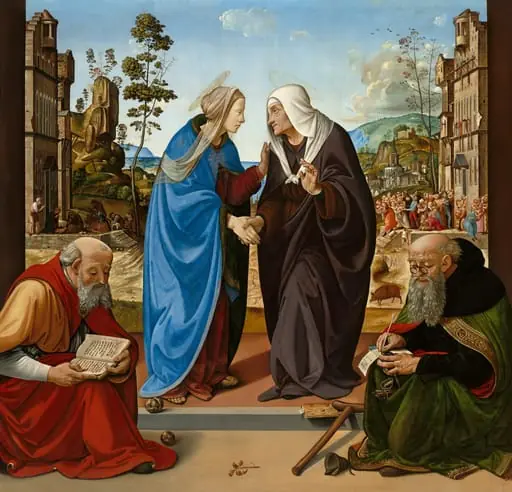 The Visitation with Saint Nicholas and Saint Anthony Abbot
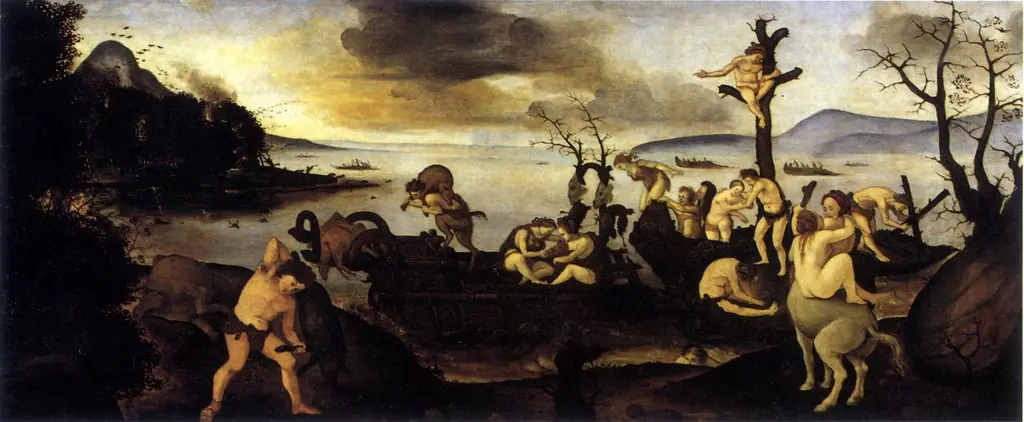 Return from the Hunt by Piero di Cosimo
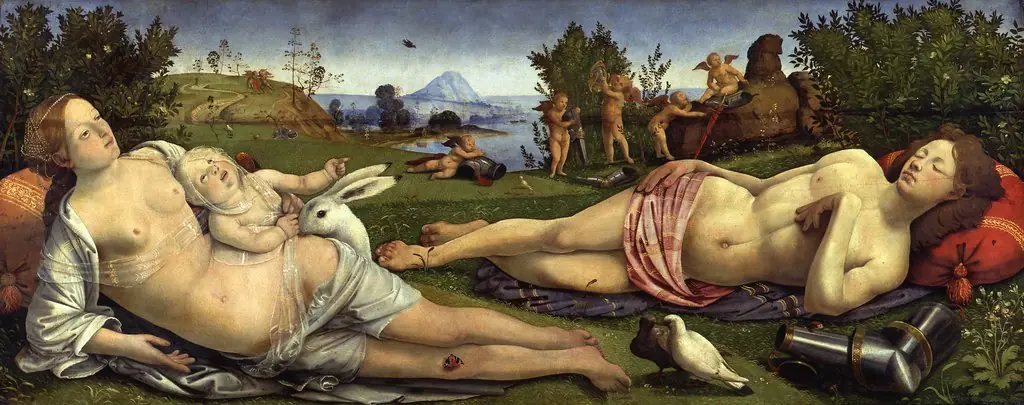 Venus, Mars and Cupid
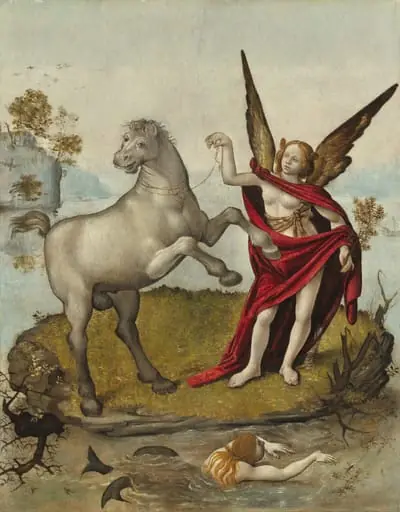 Allegory
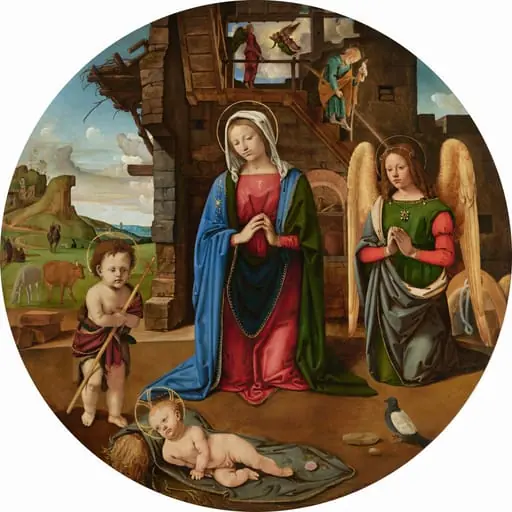 The Nativity with the Infant Saint John
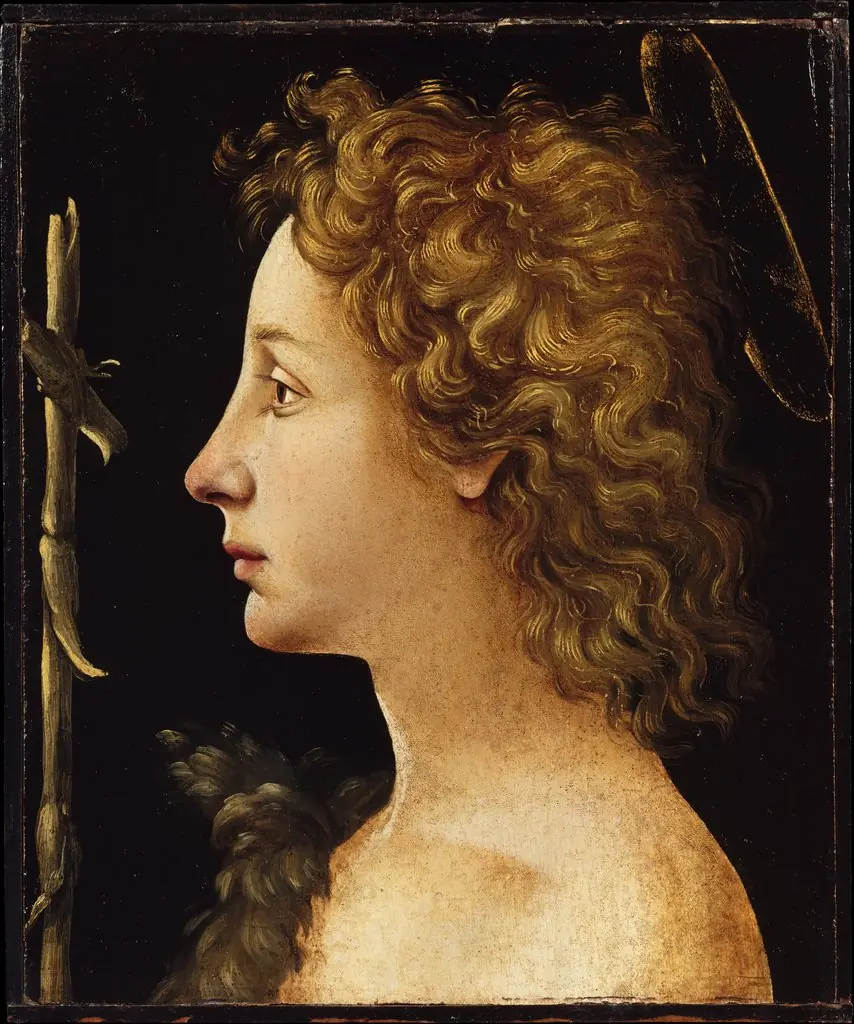 The Young Saint John the Baptist
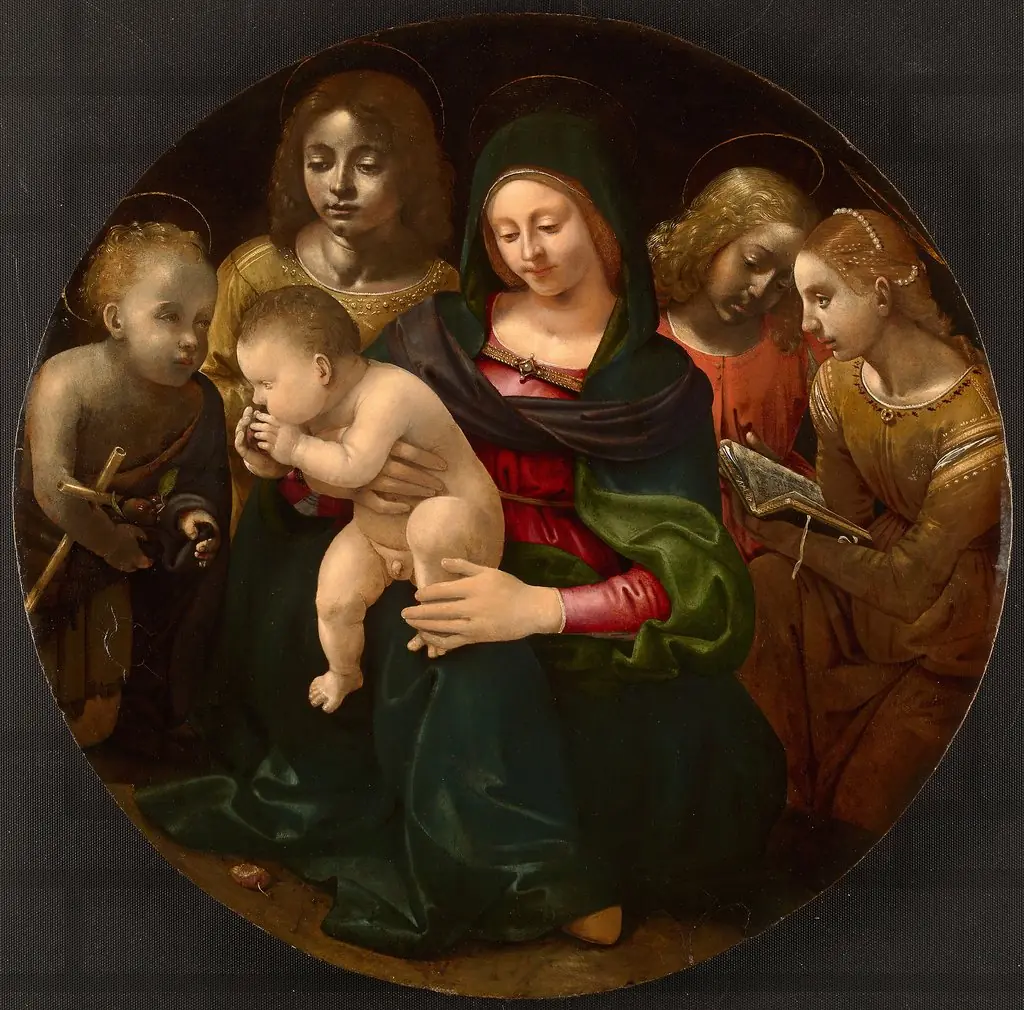 Virgin and Child with the Young Saint John the Baptist, Saint Cecilia, and Angels
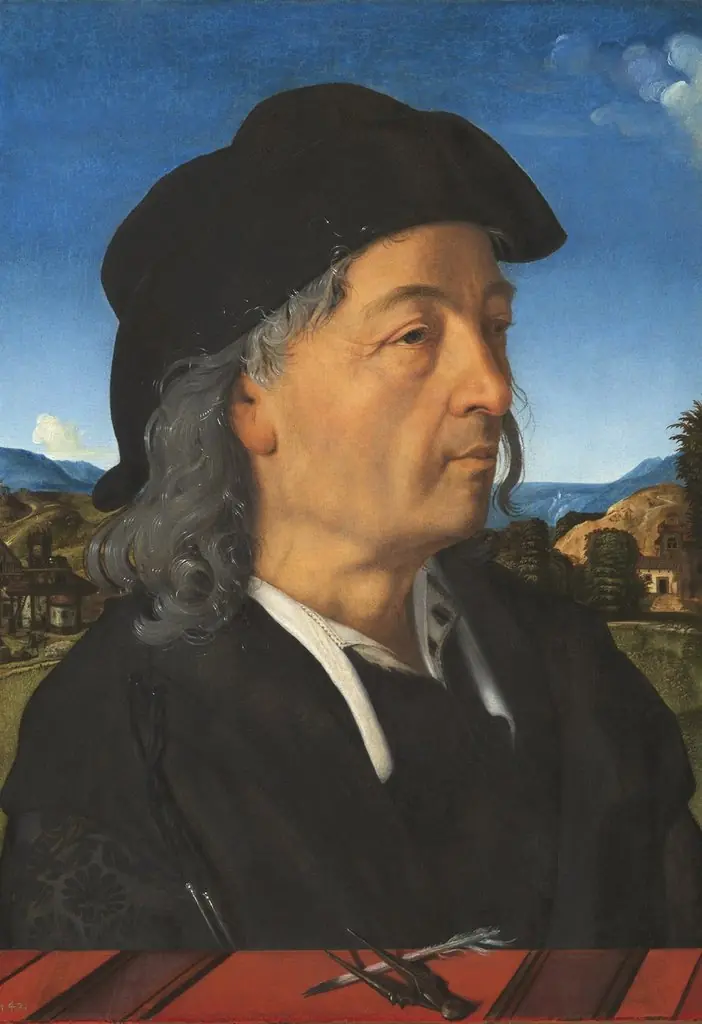 Portrait of Giuliano Giamberti da Sangallo
- The Story of Nastagio Degli Onesti, part two
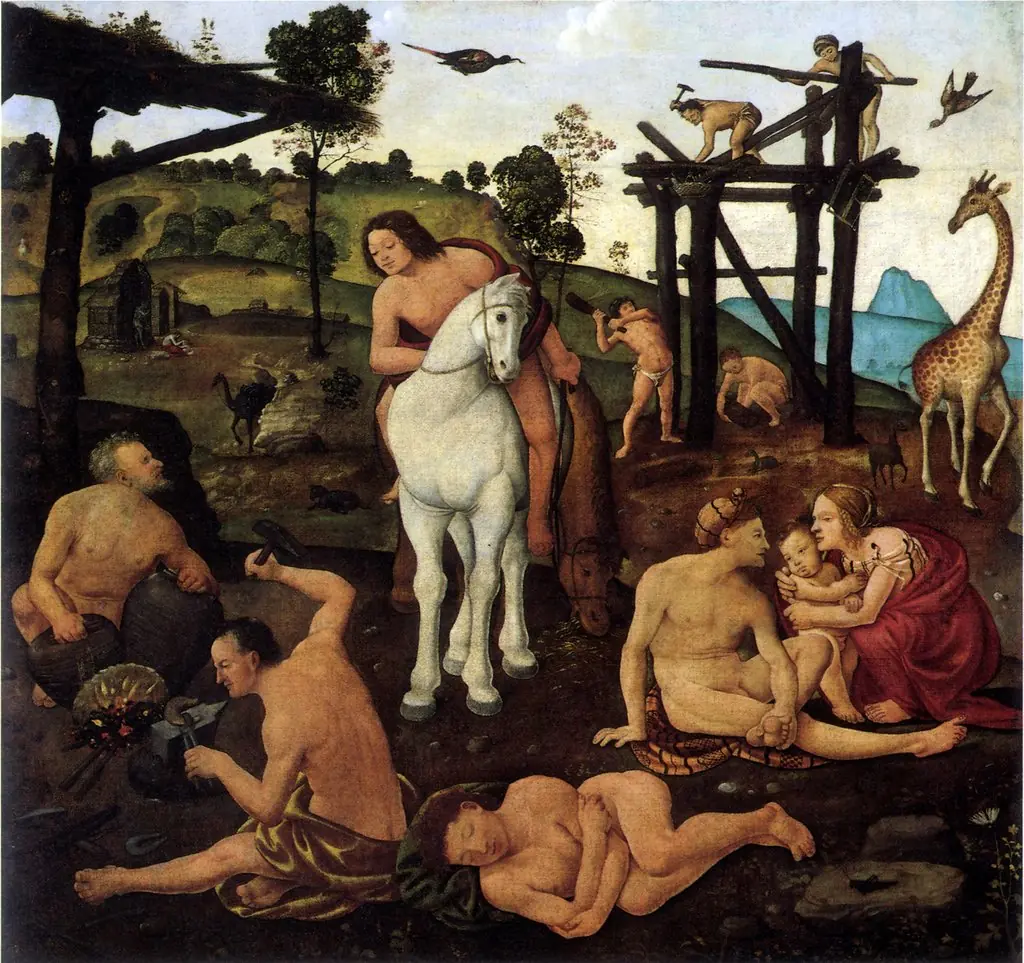 Vulcan and Aeolus by Piero di Cosimo
 Paisaje con cazadores
 The Garden of Eden
 Allegory of Virtue and Vice
 Landscape with Orpheus and the Animals
 God reprimanding Adam
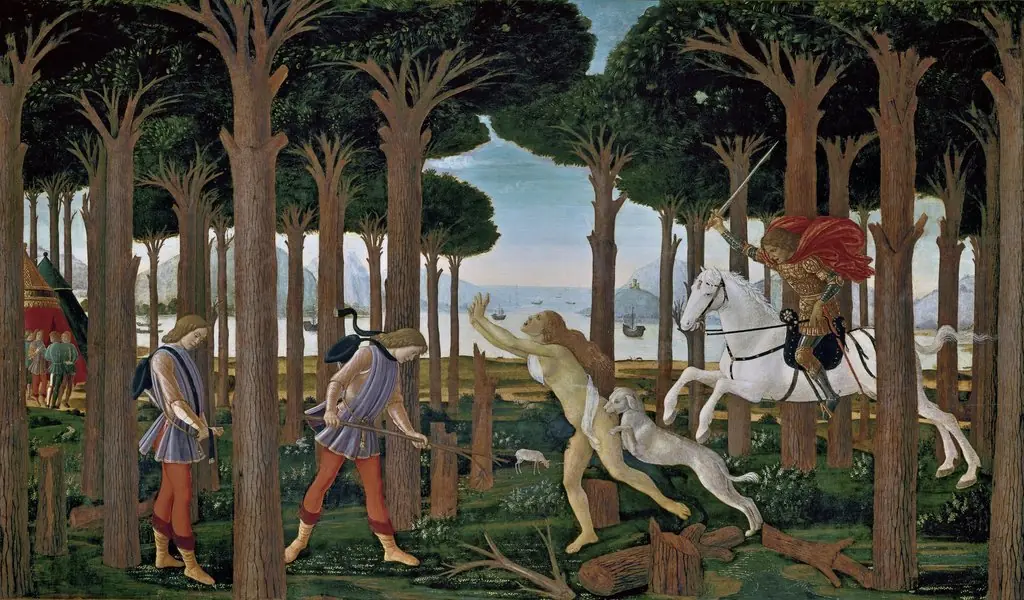 The Story of Nastagio Degli Onesti, part one
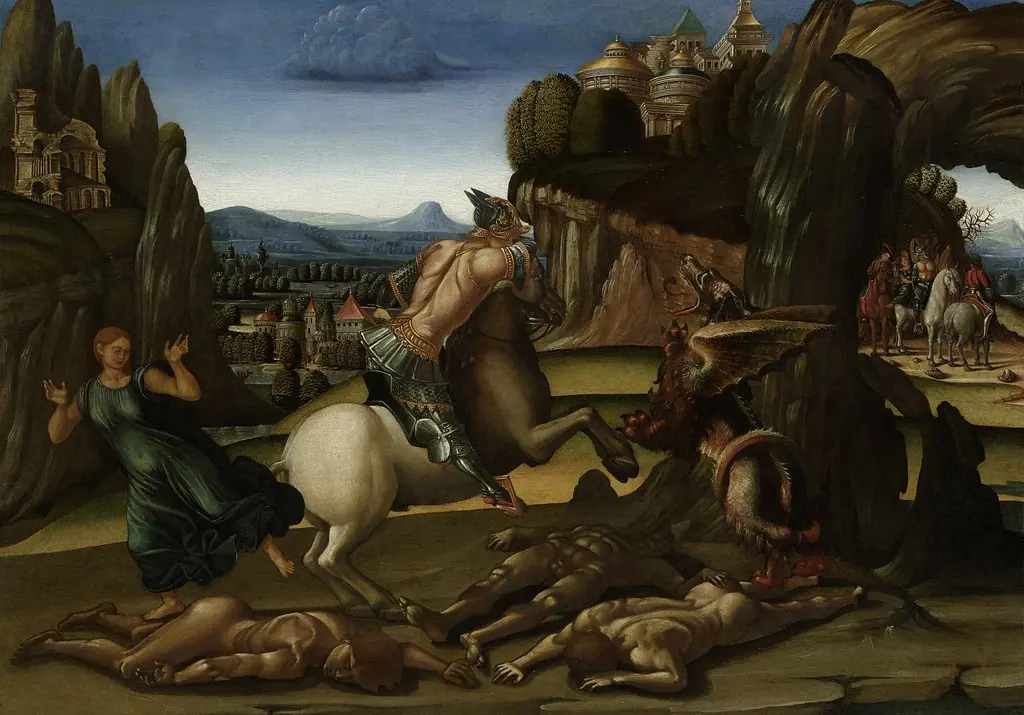 Saint George and the Dragon
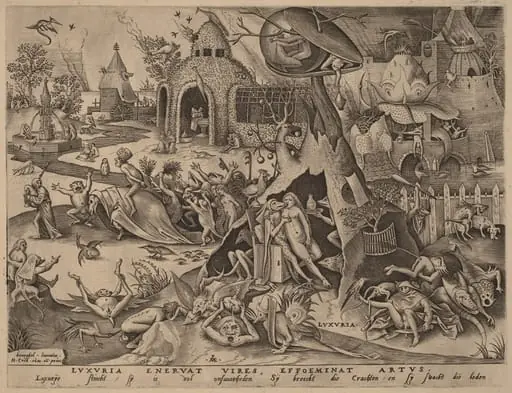 Lust
Lust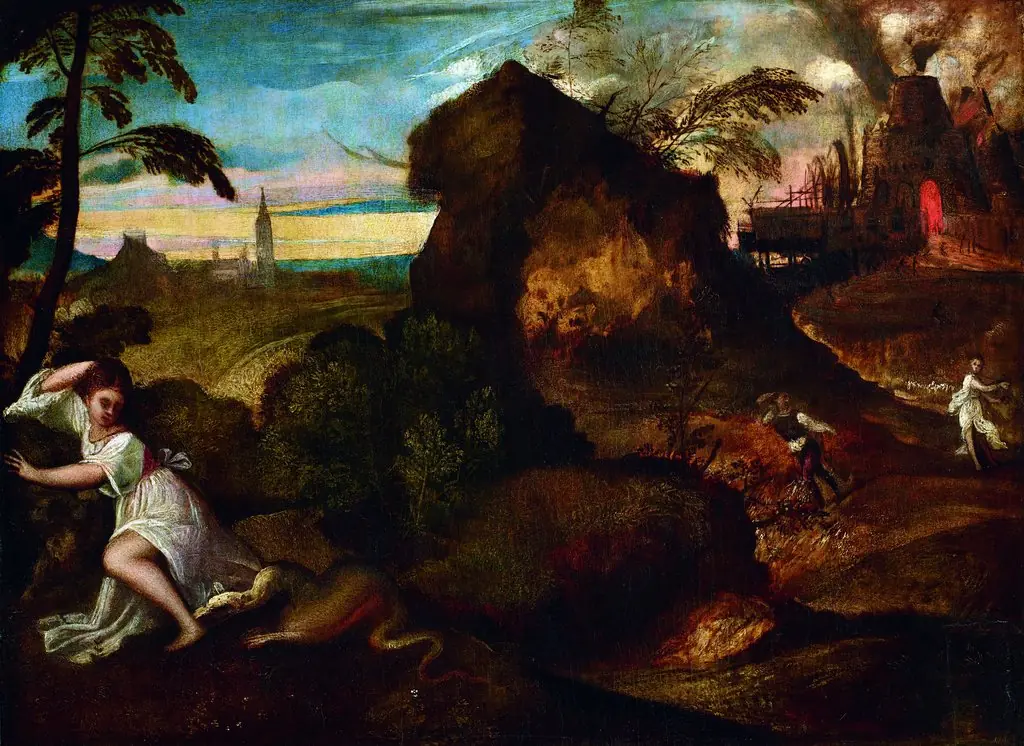 Orpheus and Eurydice
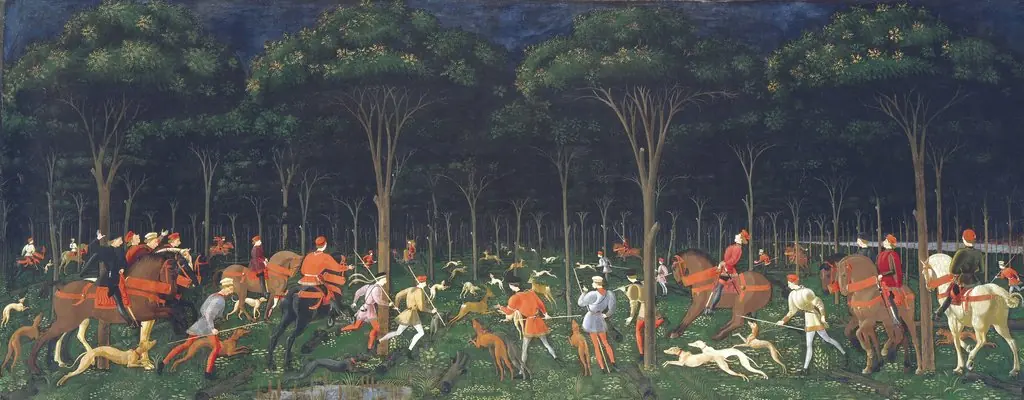 The Hunt in the Forest