Art Glossary
Oil Paint
Oil paint is a slow-drying paint made of pigment suspended in a drying oil such as linseed, prized for its rich colour, depth and capacity for both soft blending and thick texture.
Oil paint suspends pigment in a drying oil — most often linseed, sometimes walnut or poppy — which hardens slowly by oxidation rather than by evaporation. That slow drying is the source of the medium's revolutionary flexibility. Unlike tempera, which sets at once, oil stays workable for hours or days, allowing the painter to blend tones seamlessly on the surface, rework passages, and build form gradually.
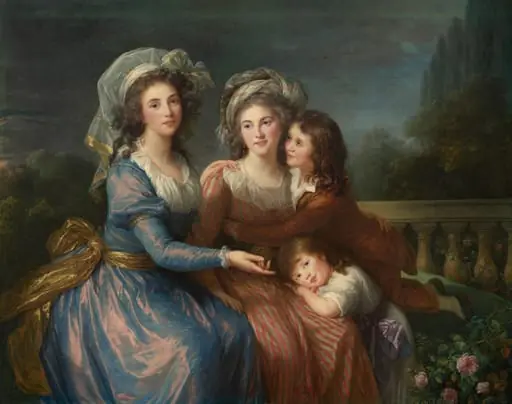
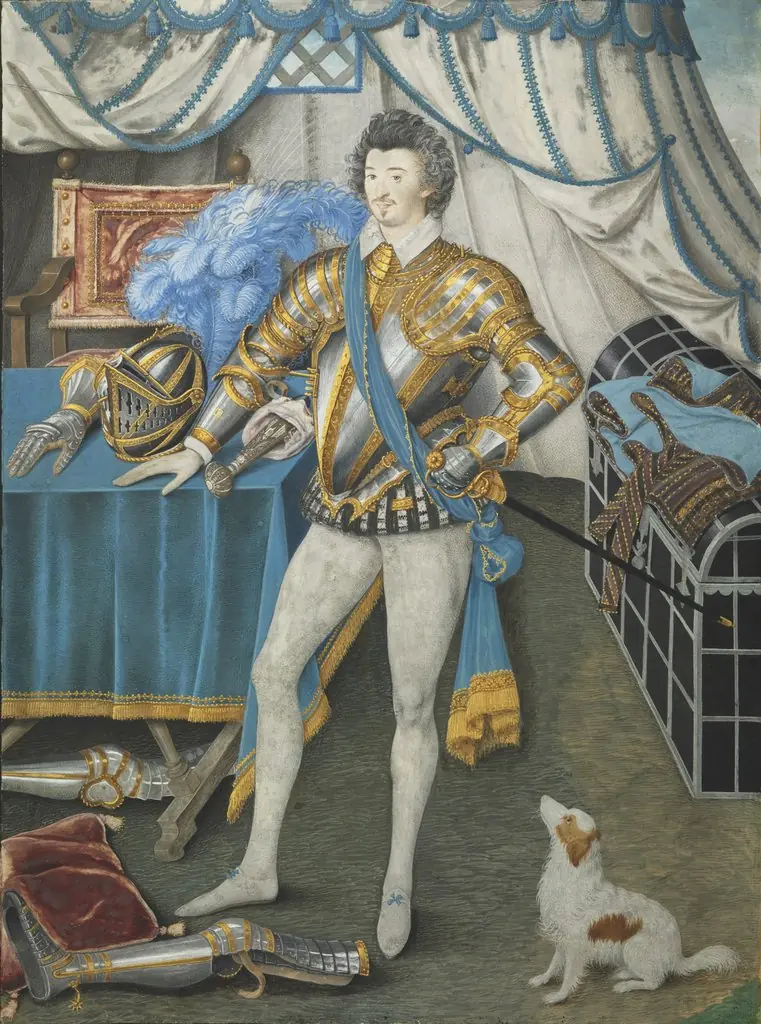
The medium was refined in the early fifteenth-century Netherlands, where Jan van Eyck and his contemporaries exploited it to achieve unprecedented effects: deep, glowing colour built up in transparent glazes, minute detail, and a convincing rendering of light on every kind of surface, from velvet to metal to skin. Oil's capacity for transparency (in glazes) and for thick, textured impasto gave painters a far wider expressive range than any earlier medium.
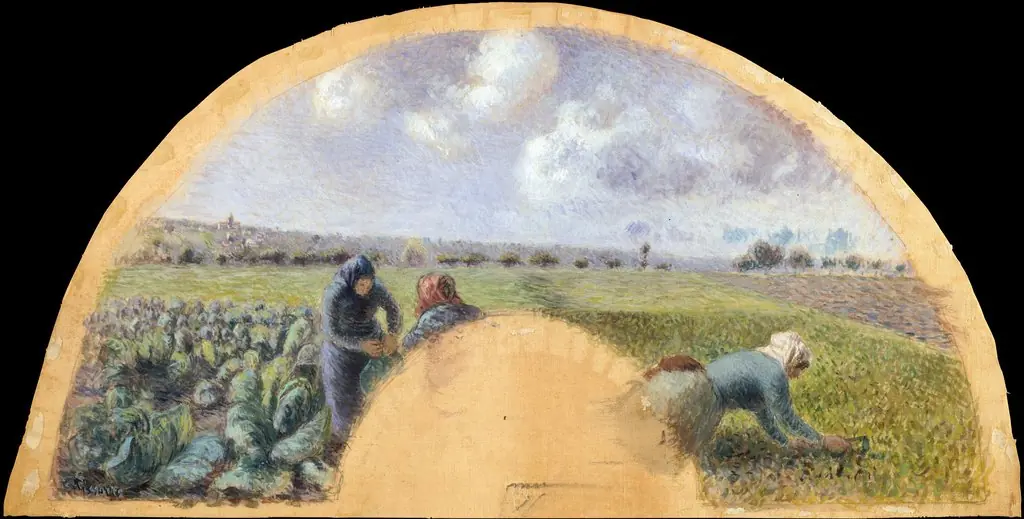
Oil painting spread from the North to Italy and became, for some five centuries, the dominant medium of Western art. Its history is in large part the history of painting itself: Titian's loaded, sensuous brushwork; Rembrandt's encrusted lights and translucent shadows; the broken outdoor colour of the Impressionists, made portable by the invention of the paint tube; the slabs of pure pigment in Van Gogh.
Oil's chief drawbacks are its slow drying, its tendency to yellow and crack with age, and the toxicity of some traditional solvents. But no other medium matches its combination of depth, luminosity and physical versatility.
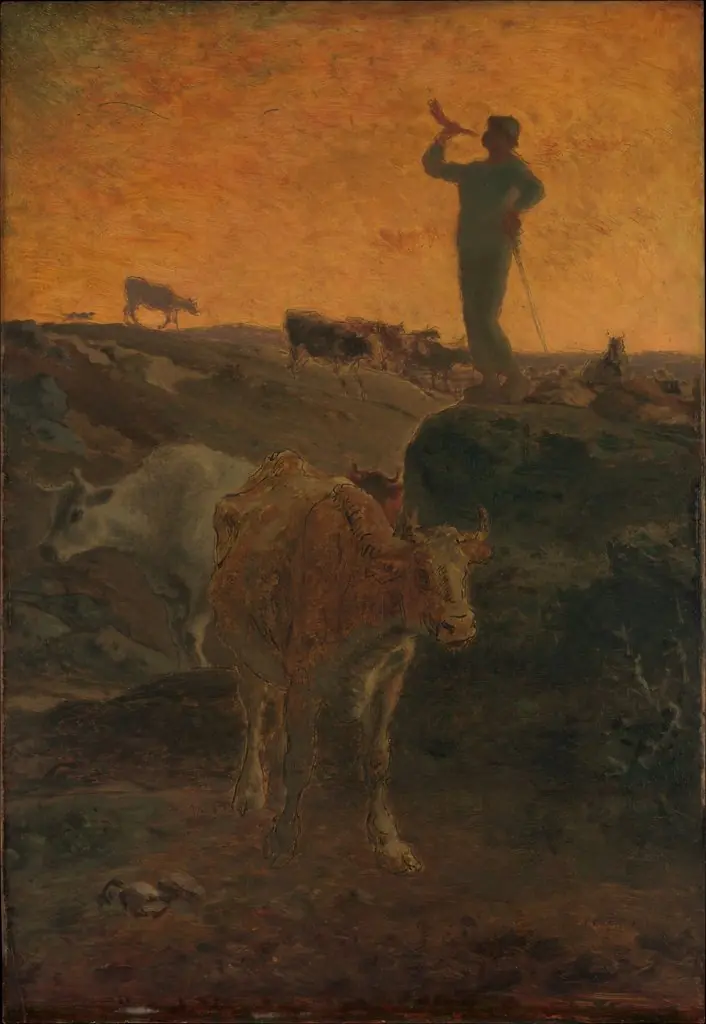
To appreciate oil paint, notice the two things it does that nothing else can equal: the optical depth of transparent glazed shadow, and the sculptural relief of loaded impasto in the lights.
In the collection
Frequently asked
What is oil paint made of?
Oil paint is made of pigment suspended in a drying oil, usually linseed, which hardens slowly by oxidation and allows rich colour, blending and texture.
When was oil paint developed?
Oil paint was refined in the early fifteenth-century Netherlands, where Jan van Eyck and his contemporaries used it for glowing colour and minute detail.