Art Glossary
Tempera /TEM-puh-ruh/
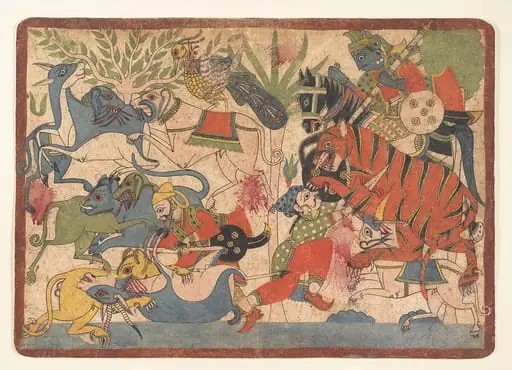
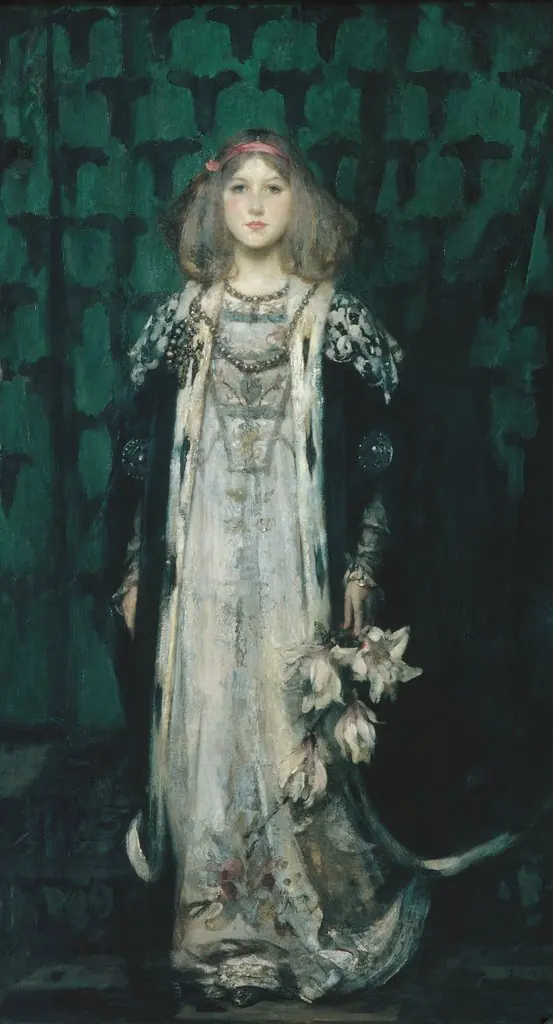
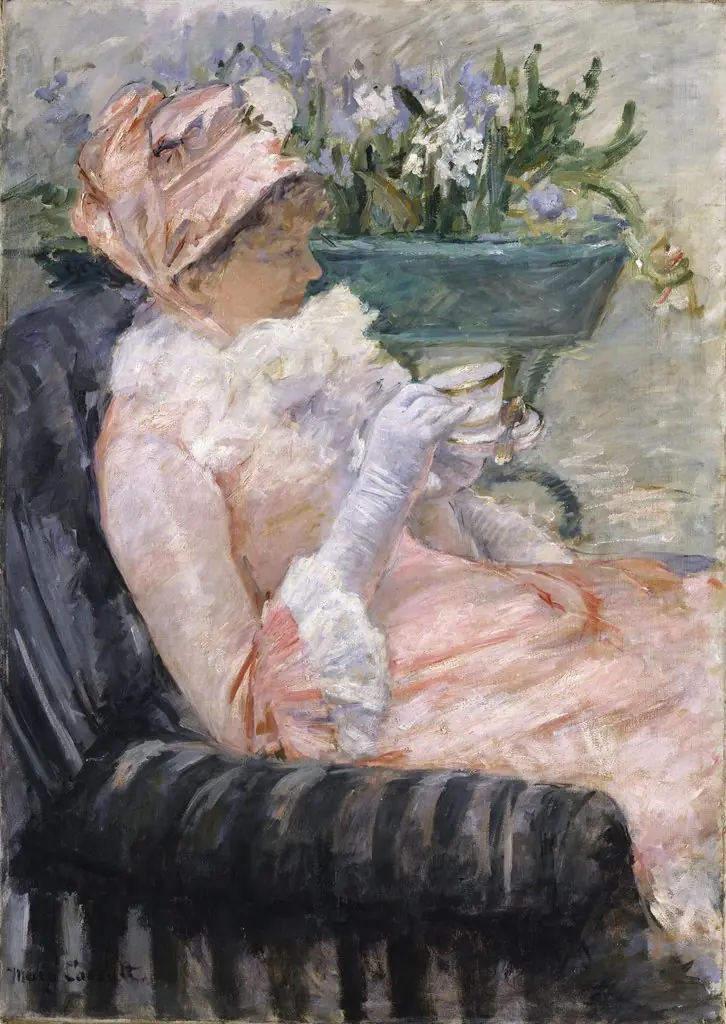
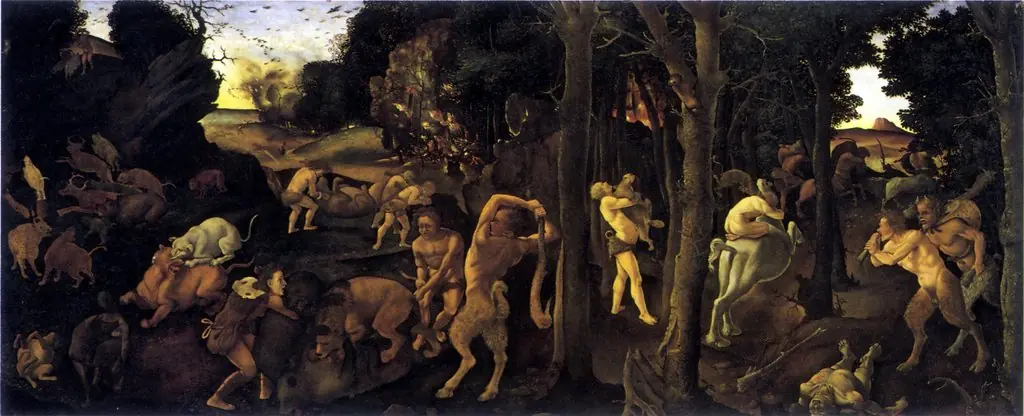
Tempera is a fast-drying paint made by binding powdered pigment with a water-soluble medium, traditionally egg yolk, producing a durable, matte surface with luminous, precise colour.
Tempera is paint in which the pigment is bound with a glutinous, water-miscible medium — classically egg yolk, giving egg tempera. It was the principal medium for panel painting in Europe before the rise of oils, and it remained standard through the late Middle Ages and into the early Renaissance.
The medium has distinctive properties. Tempera dries almost immediately and cannot be blended on the surface the way oil can, so the painter builds up form through fine, controlled hatching — many small, precise strokes laid side by side. This produces the crisp linearity and jewel-like clarity of early Italian panels: the radiant Madonnas of Duccio and Simone Martini, the luminous mythologies of Botticelli, whose Birth of Venus is painted in tempera. The dried surface is matte, tough and remarkably stable; well-preserved tempera panels keep their colour over many centuries.
Because it cannot achieve soft, continuous transitions easily, tempera favours bright, clear local colour and sharp contour over atmospheric blending. Painters often laid a green underpaint (verdaccio) beneath flesh tones, a method visible where the upper layers have thinned with age.
The ascendancy of oil paint in the fifteenth century, with its slow drying, deep glazes and capacity for soft modelling, gradually displaced tempera for most ambitious work — though the two were sometimes combined, with oil glazes laid over a tempera underlayer. Tempera never disappeared and was revived by some modern painters who valued its discipline and permanence.
To recognise tempera, look for the fine hatched modelling, the clean bright colour and the precise contours that the medium's rapid drying both demands and rewards.
In the collection
Frequently asked
What is tempera?
Tempera is a fast-drying paint that binds pigment with a water-soluble medium, traditionally egg yolk, giving a durable matte surface with precise luminous colour.
How is tempera different from oil paint?
Tempera dries almost instantly and is built up in fine hatched strokes, while oil dries slowly and allows soft blending and deep transparent glazes.