
Movement
Dada
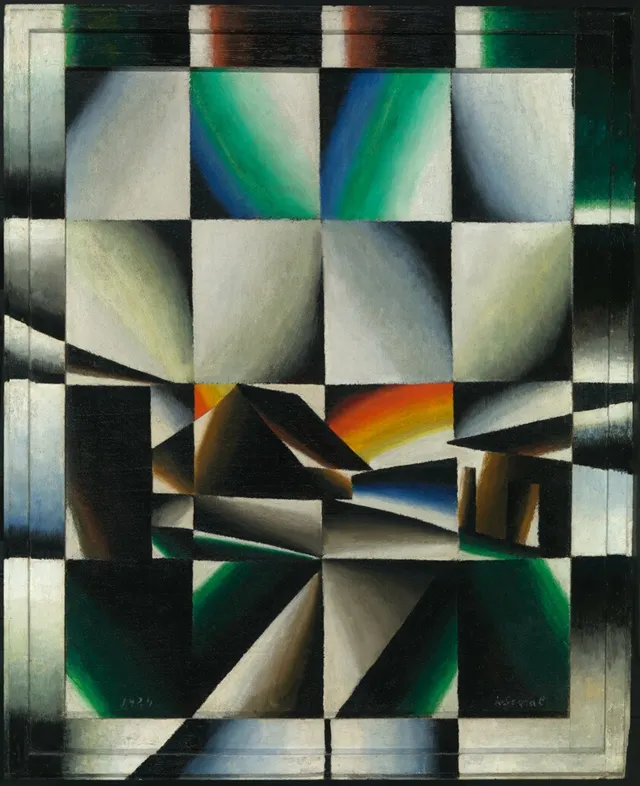
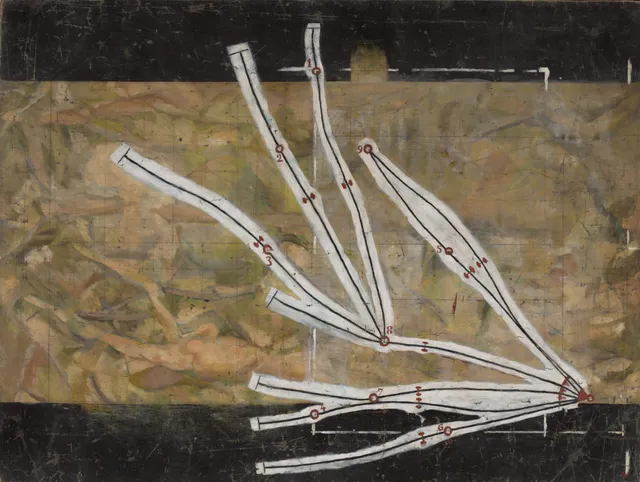
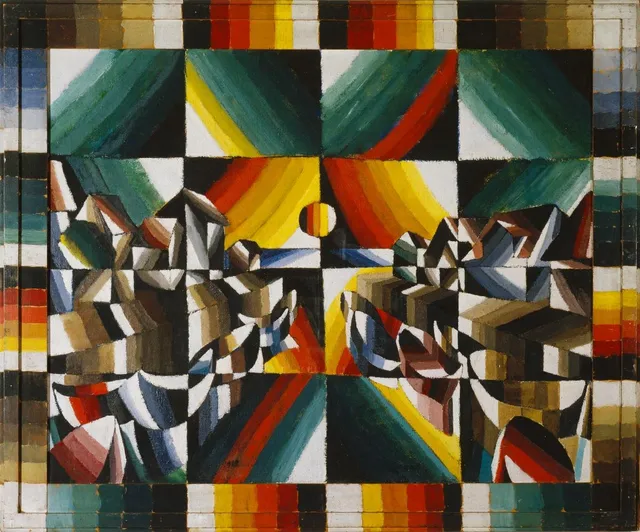
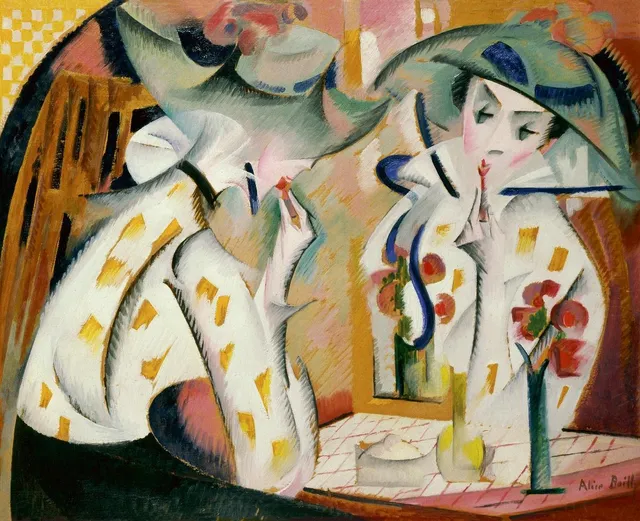
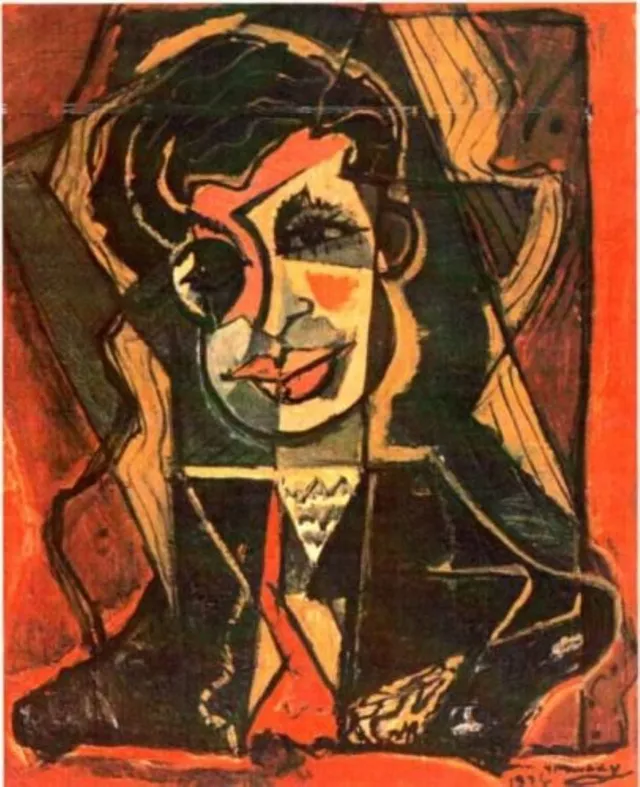
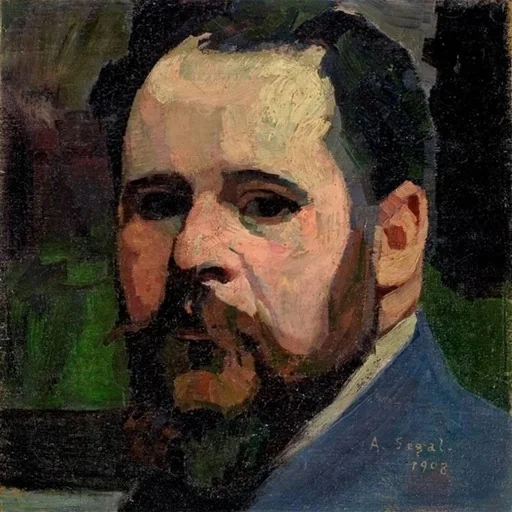
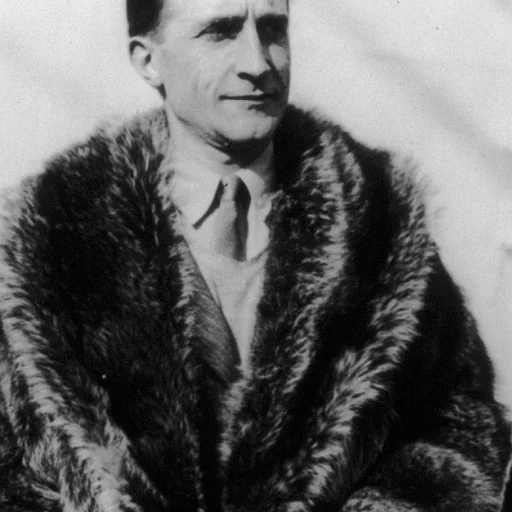
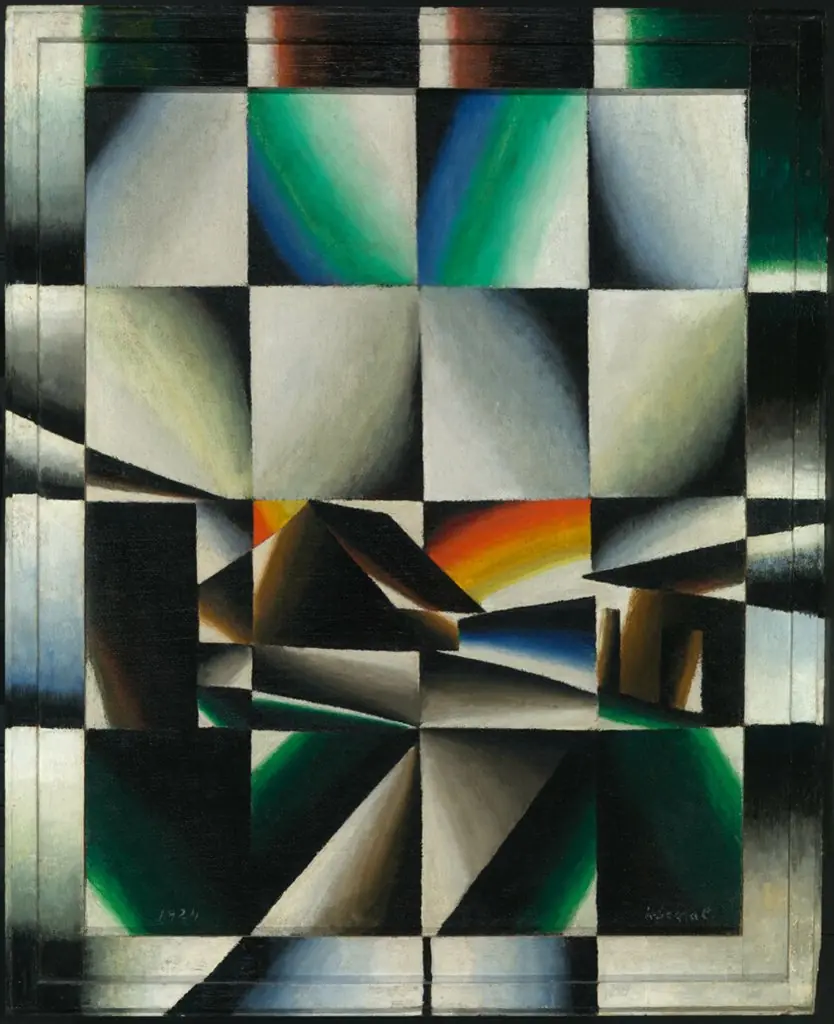
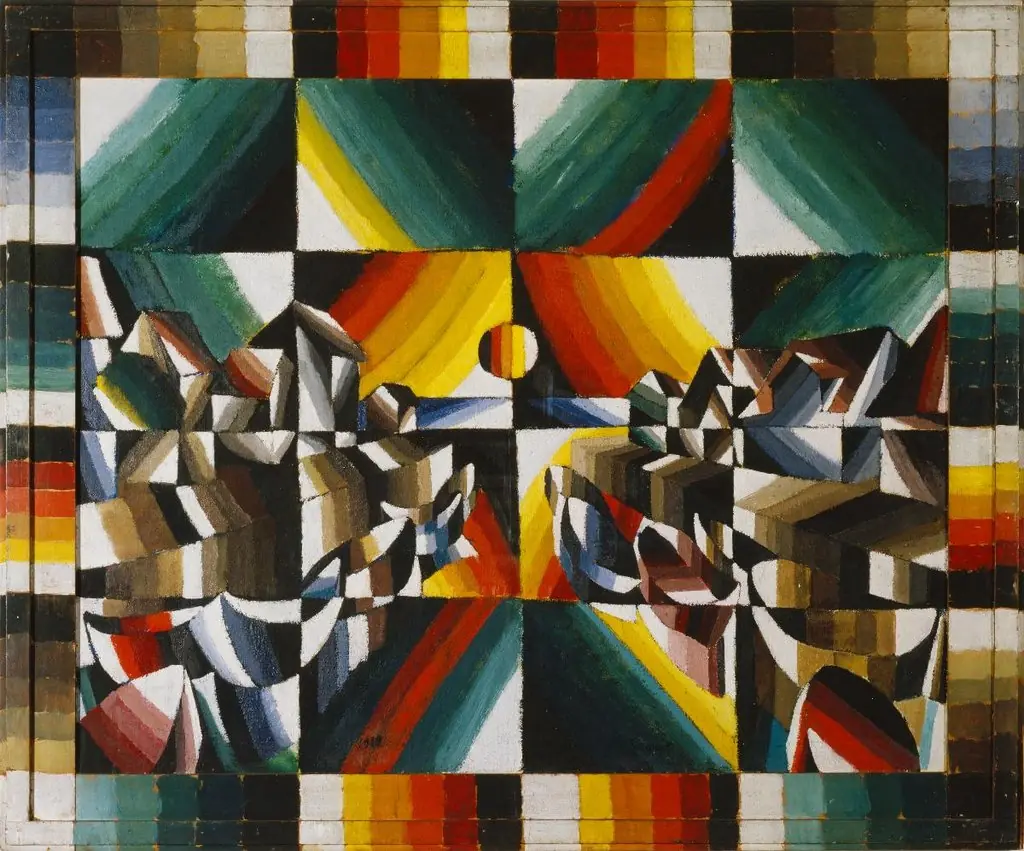
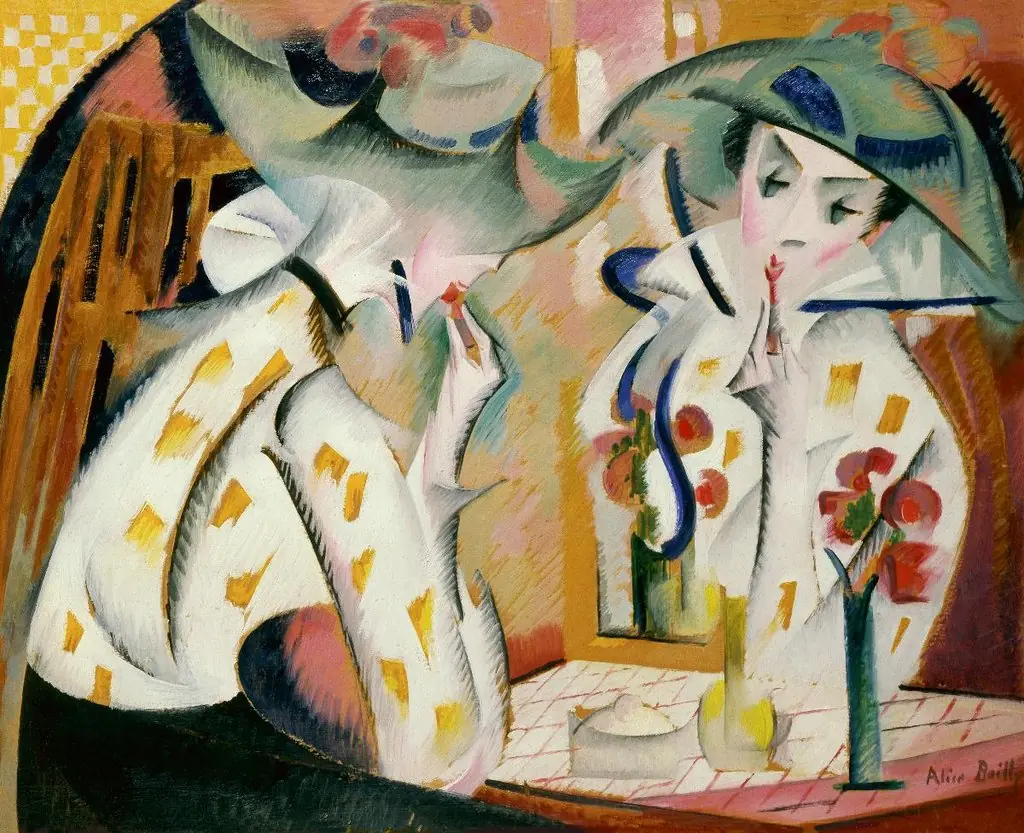
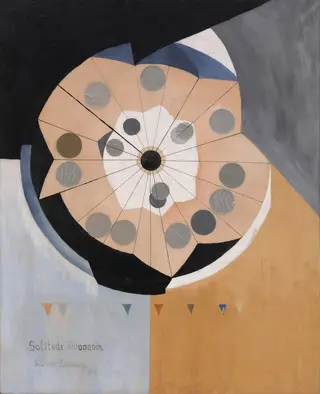
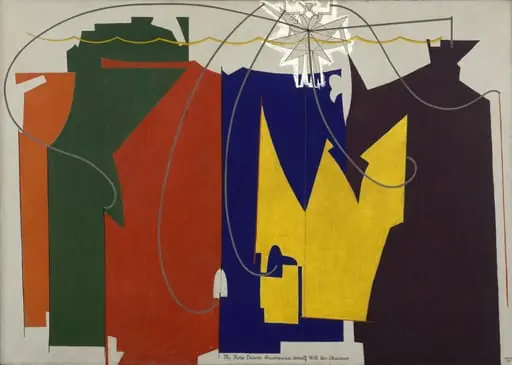
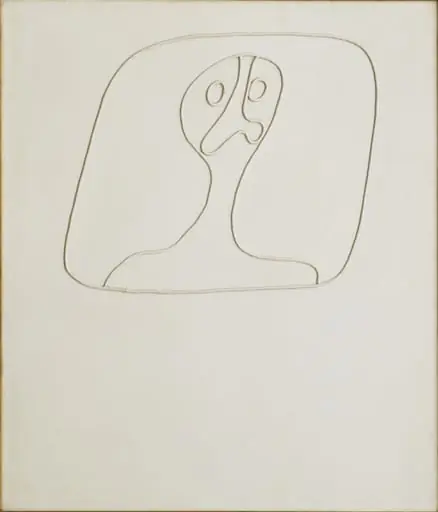
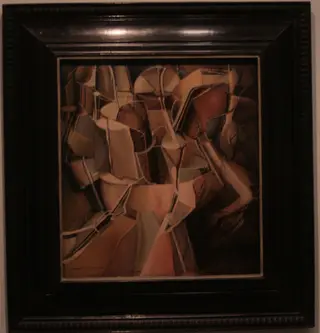
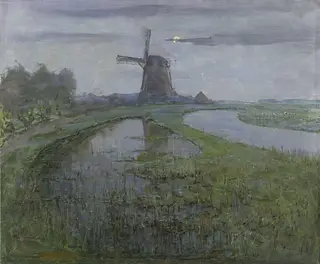
Dada is an art movement dating from 1910. The gallery holds 10 works in this movement, including works by Marsden Hartley, Arthur Segal and Marcel Duchamp. Browse Dada paintings, portraits, pictures and artworks from the world's public-domain museum collections.
Dada was a radically anti-establishment avant-garde movement that emerged from the wreckage of the First World War. It was born on 5 February 1916, when the poet Hugo Ball and the performer Emmy Hennings opened the Cabaret Voltaire, a nightclub in neutral Zurich, as a gathering place for artists and writers in exile. The circle that formed there — Tristan Tzara, Jean (Hans) Arp, Marcel Janco, Richard Huelsenbeck and Sophie Taeuber-Arp — recoiled from a civilisation that had marched into industrial slaughter, and concluded that the rational, bourgeois culture which produced the war had forfeited its authority. Their response was a deliberate "anti-art": nonsense poetry, provocative performance and an embrace of chance over craftsmanship. Tzara, who became the movement's chief polemicist, set out its iconoclasm in the 1918 Dada Manifesto.
Dada had no single style; its coherence lay in its tactics. The Dadaists prized accident, absurdity and the appropriation of mass-produced material over traditional beauty. Collage and assemblage were central, and the movement's most consequential inventions were the readymade and photomontage. Marcel Duchamp turned manufactured objects into art by mere selection — most notoriously the urinal he submitted as Fountain to the 1917 Society of Independent Artists exhibition in New York. In Berlin, Hannah Höch, Raoul Hausmann and George Grosz pioneered photomontage, slicing apart press imagery to skewer Weimar society, while in Hanover Kurt Schwitters built his "Merz" collages from tram tickets, wrappers and refuse.
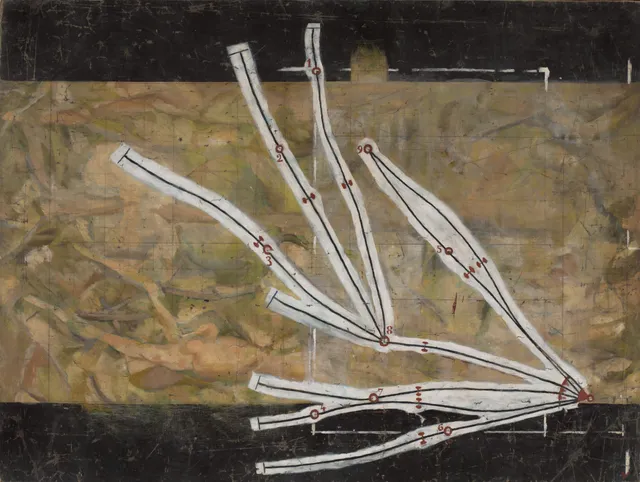
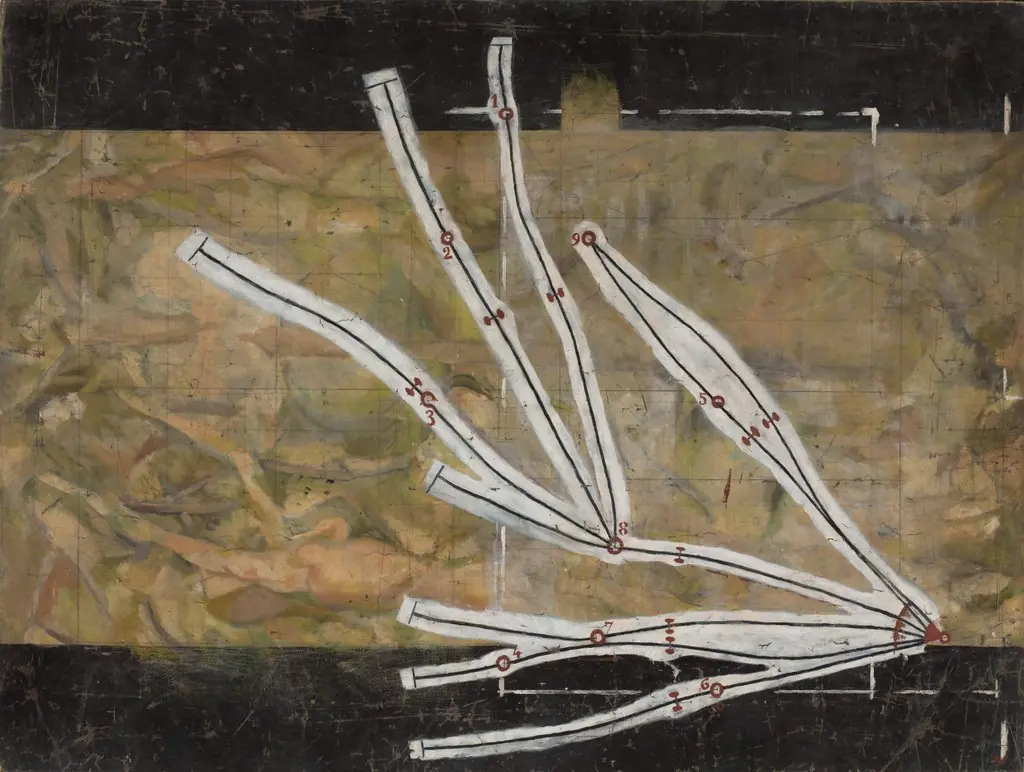
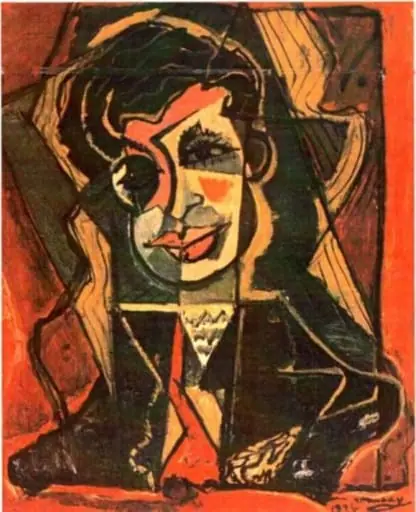
The movement quickly became international, carried between cities by restless figures like Francis Picabia, whose periodical 391 (1917–1924) linked the New York, Zurich and Paris groups. Alongside Duchamp and Man Ray it gave New York Dada its irreverent edge, and after 1918 the spirit erupted in Berlin, Cologne and Paris. Works in this collection reflect that network — Duchamp's Network of Stoppages, an early experiment in chance-derived form, and Max Herman Maxy's portrait of Tristan Tzara himself.
By 1924 Dada in Paris was dissolving into Surrealism, which inherited its taste for chance, the irrational and the found object while channelling them toward dreams and the unconscious. Though short-lived, Dada's questioning of what art could be reverberated through Surrealism, conceptual art, Pop and the readymade strategies of countless later artists.
Key artists

Works
Groups & collectives


Frequently asked questions
What is Dada?
Dada is an art movement. An anti-art movement born in Zurich in 1916 among artists and poets traumatized by World War I.
How many Dada works does Artifact World Gallery have?
Artifact World Gallery holds 10 public-domain Dada works, all free to view and download.
Who are the key Dada artists?
Key Dada artists in the collection include Marsden Hartley, Arthur Segal and Marcel Duchamp.
When did Dada take place?
Dada dates from around 1910.
Where can I see Dada works?
Dada works in the collection are held by Museum of Modern Art, Kunsthaus Zürich and Art Institute of Chicago.