February 24 in Art History
6 real events recorded on February 24, the earliest from 1619. 2 artists were born , 1 died on this date.
Born on this day 2
- 1619 Born
Born this day: Charles Le Brun
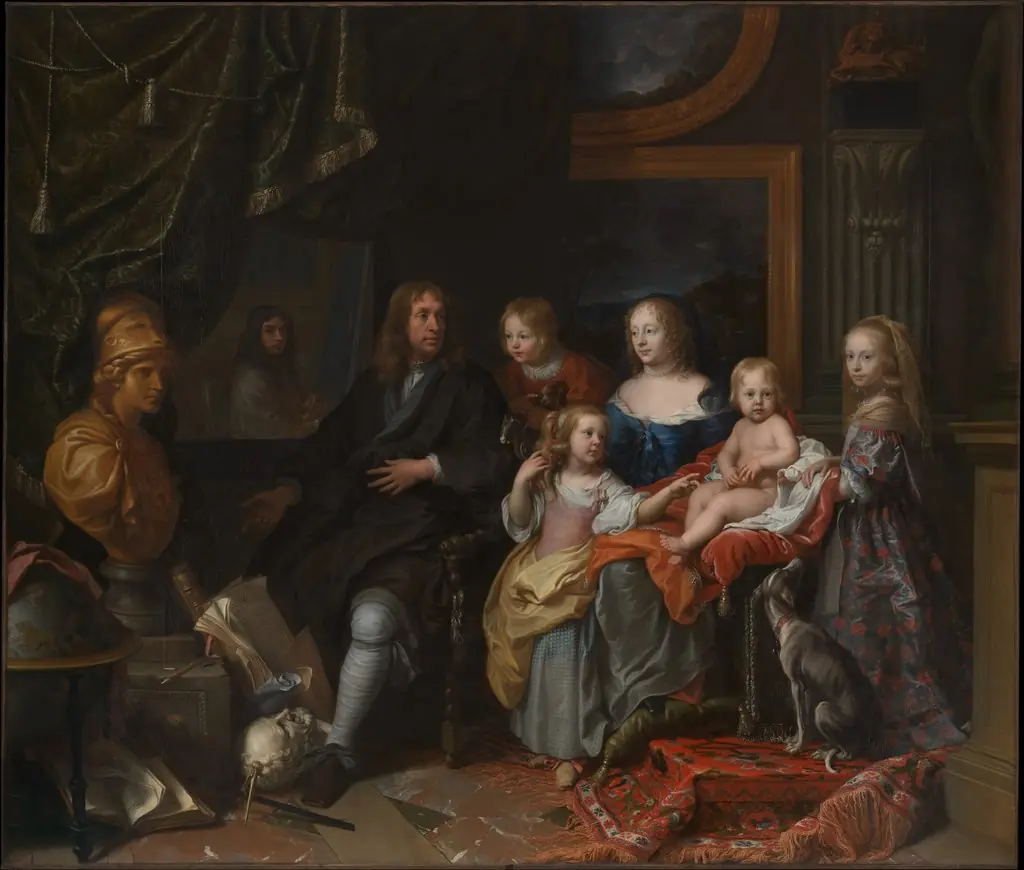
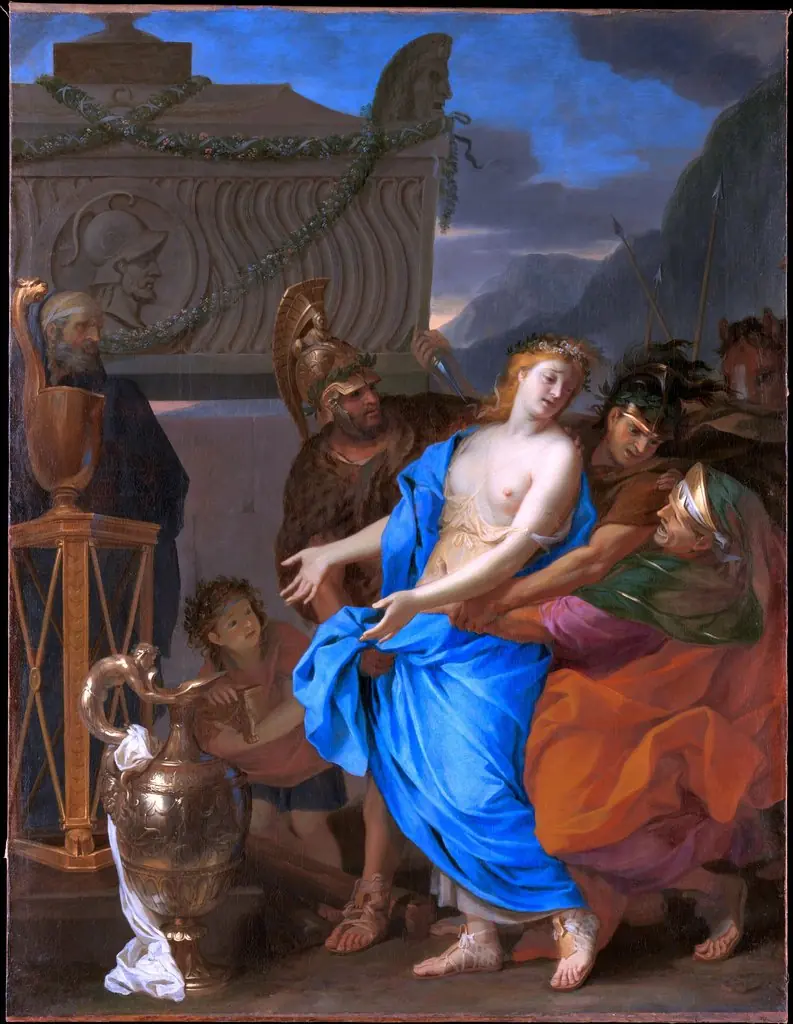
Charles Le Brun, born on February 24, 1619, was a French painter, physiognomist, and art theorist who dominated 17th-century French art, influenced by Nicolas Poussin and serving as court painter to Louis XIV. His work includes notable pieces such as Everhard Jabach and His Family and The Sacrifice of Polyxena.
He remains a pivotal figure in the development of French art, earning the admiration of Louis XIV as the greatest French artist of all time.
- 1836 Born
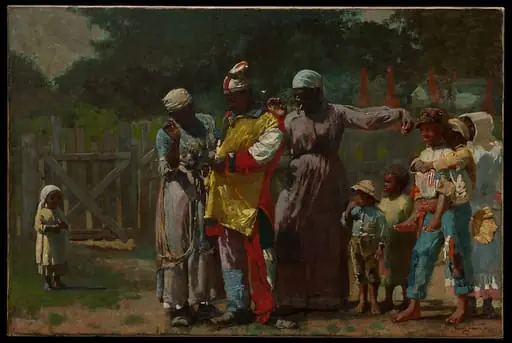
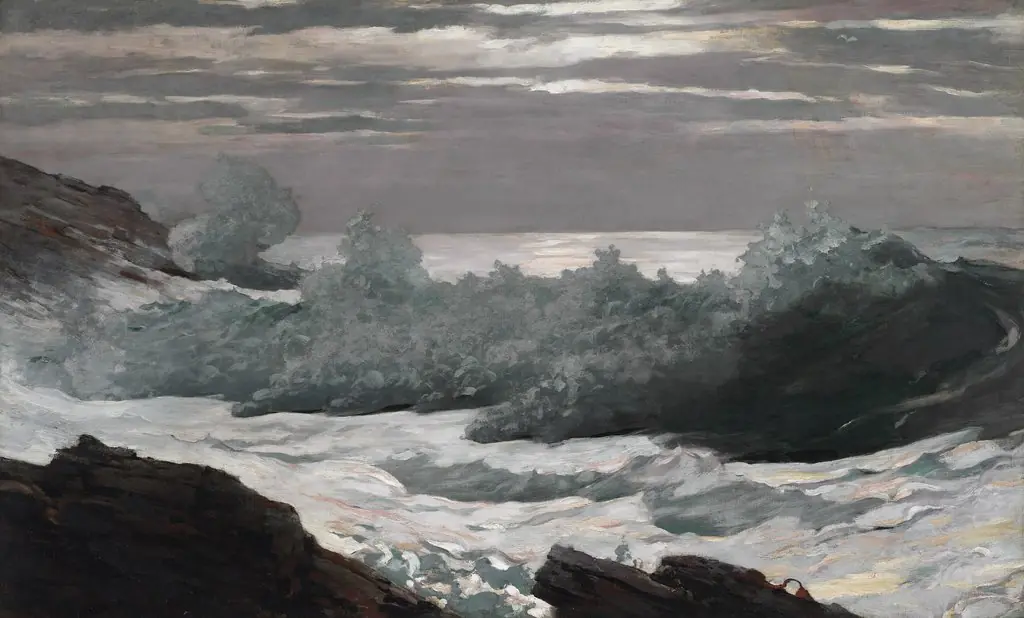
Born this day: Winslow Homer
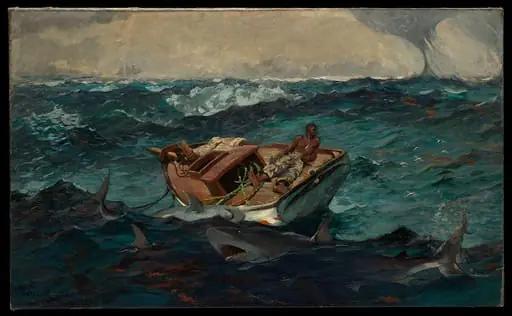
Winslow Homer, born on February 24, 1836, was a renowned American landscape painter and illustrator, celebrated for his captivating marine subjects. Largely self-taught, he transitioned from commercial illustration to oil painting and watercolor, producing a distinctive and prolific body of work. His pieces, such as The Gulf Stream, showcase his mastery of medium and composition.
He remains one of the most important figures in 19th-century American art.
Died on this day 1
- 1911 Died
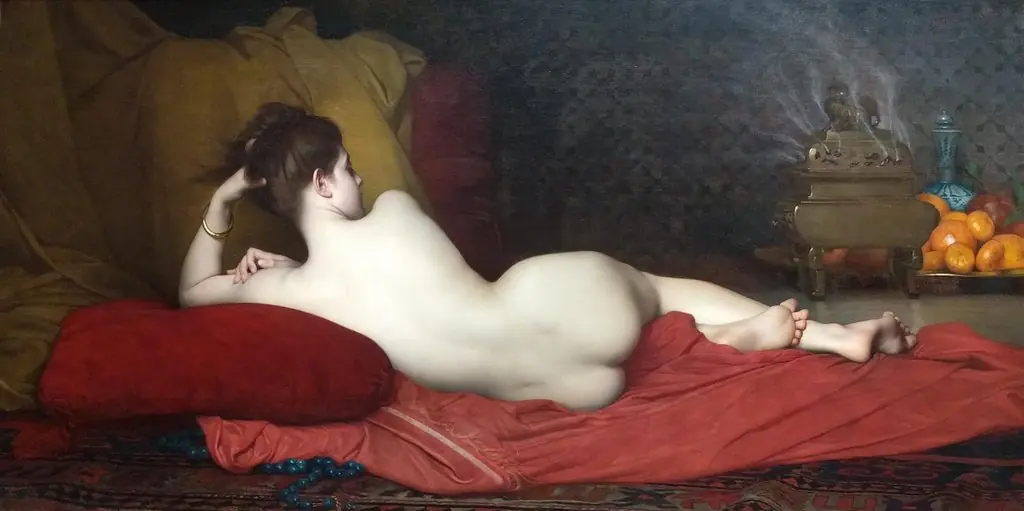
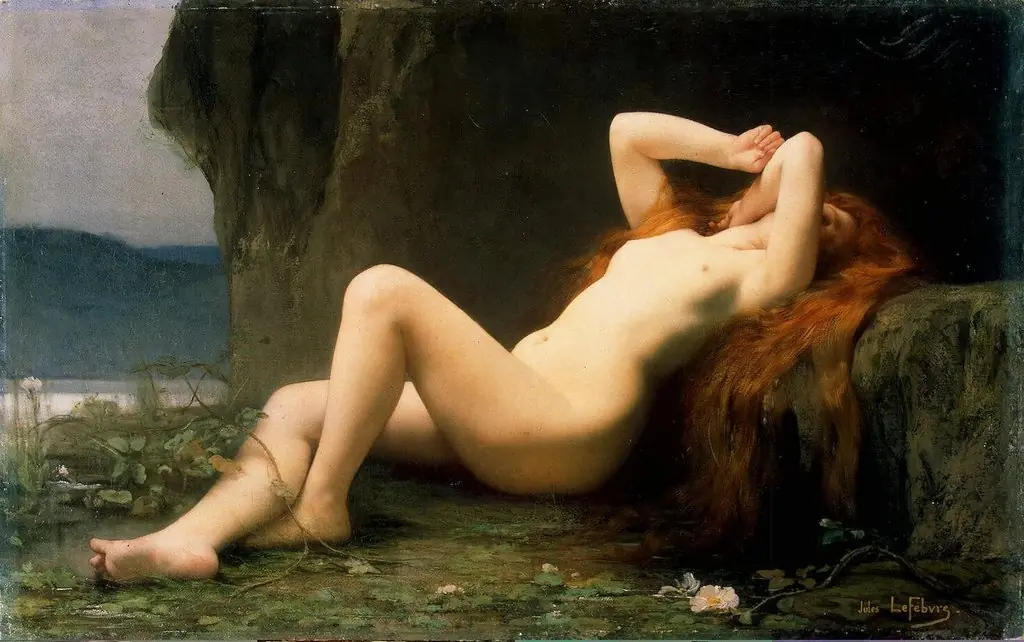
Died this day: Jules Lefebvre
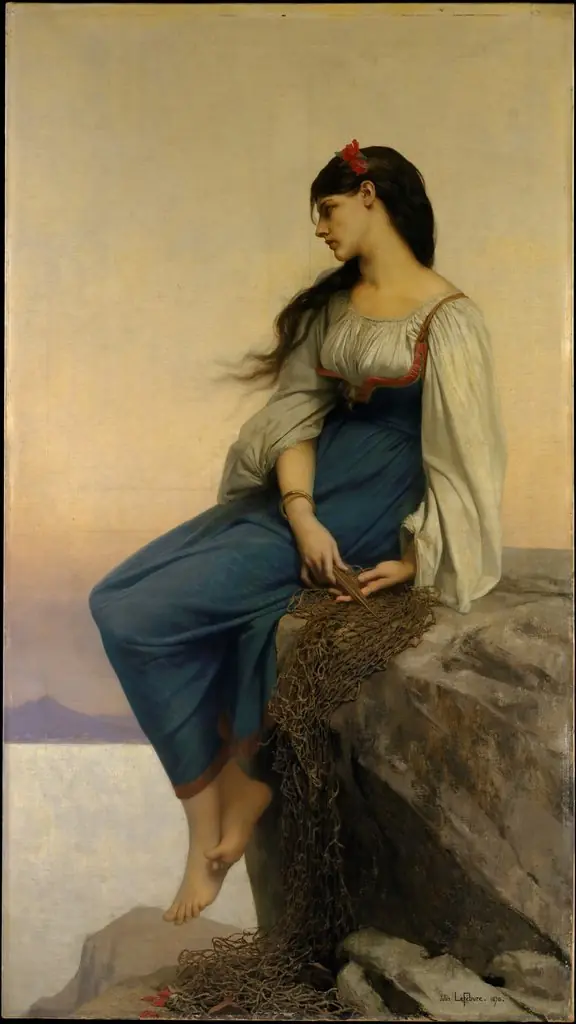
Jules Lefebvre, a French artist born in 1836, was known for his works such as Odalisque, Mary Magdalene in a Grotto, and Graziella, which showcased his skill in capturing the human form. His artistic style and contributions to French art are still recognized today. Lefebvre passed away on February 24, 1911.
Jules Lefebvre's legacy remains in his notable paintings that continue to be appreciated for their beauty and technique.
Exhibitions & salons 2
- 2011 Exhibition
Vienna 1900: Style and Identity opens
On February 24, 2011, Neue Galerie New York opened Vienna 1900: Style and Identity, an exhibition devoted to the fine and decorative arts of turn-of-the-century Vienna. The museum's page gives the date range as Feb 24 to Aug 8, 2011, and describes the exhibition as tracing how Viennese art redefined individual identity in the modern age. Curated by Christian Witt-Dorring and Jill Lloyd, it brought together work by Gustav Klimt, Oskar Kokoschka, and Egon Schiele with design and architecture by figures such as Otto Wagner, Adolf Loos, Josef Hoffmann, and Koloman Moser. In a museum founded around German and Austrian modernism, the show framed Vienna 1900 as an integrated visual culture rather than a sequence of isolated masterpieces.
The exhibition reinforced the cross-disciplinary reading of Viennese modernism in American museum practice.
- 2014 Exhibition
Atlas of Modernity opens at ms2
On 24 February 2014, Muzeum Sztuki in Lodz opened Atlas of Modernity. Collection of 20th and 21st Century Art at ms2, its branch in the former Izrael Poznanski factory complex at Manufaktura. The documented installation occupied three floors, about 2,700 square meters, and presented more than 200 works from a collection rooted in the avant-garde a.r. group. Rather than arranging modern art chronologically, the exhibition organized works around fourteen concepts including museum, autonomy, capital, machine, city, progress, experiment, propaganda, catastrophe, emancipation, and revolution. It explicitly invoked Aby Warburg's Mnemosyne Atlas as a model for associative, comparative display, presenting the museum's collection as a changing research instrument rather than a fixed canon.
The installation made Muzeum Sztuki's historic avant-garde collection legible through thematic, non-linear modernity studies.
Auctions, prizes & heists 1
- 2006 Heist
Museu da Chacara do Ceu heist
On February 24, 2006, armed thieves stole four modern masterworks from the Museu da Chacara do Ceu in Rio de Janeiro: Salvador Dali's Man of Sickly Complexion Listening to the Sound of the Sea, Pablo Picasso's The Dance, Henri Matisse's Luxembourg Gardens, and Claude Monet's Marine. The theft unfolded during Carnival, when a nearby parade in Santa Teresa helped the robbers disappear into the crowd. Portuguese artwork entries for Monet's Marine and Picasso's The Dance independently tie the same theft to 24 February 2006 and identify the museum as the Castro Maya institution that had held the works. The case remains notable because it combined internationally famous artists, a public museum collection, and cultural-heritage protection failures during a major civic celebration.
The missing works became an enduring example of the vulnerability of public collections during mass events.