Artwork
The Sacrifice of Polyxena
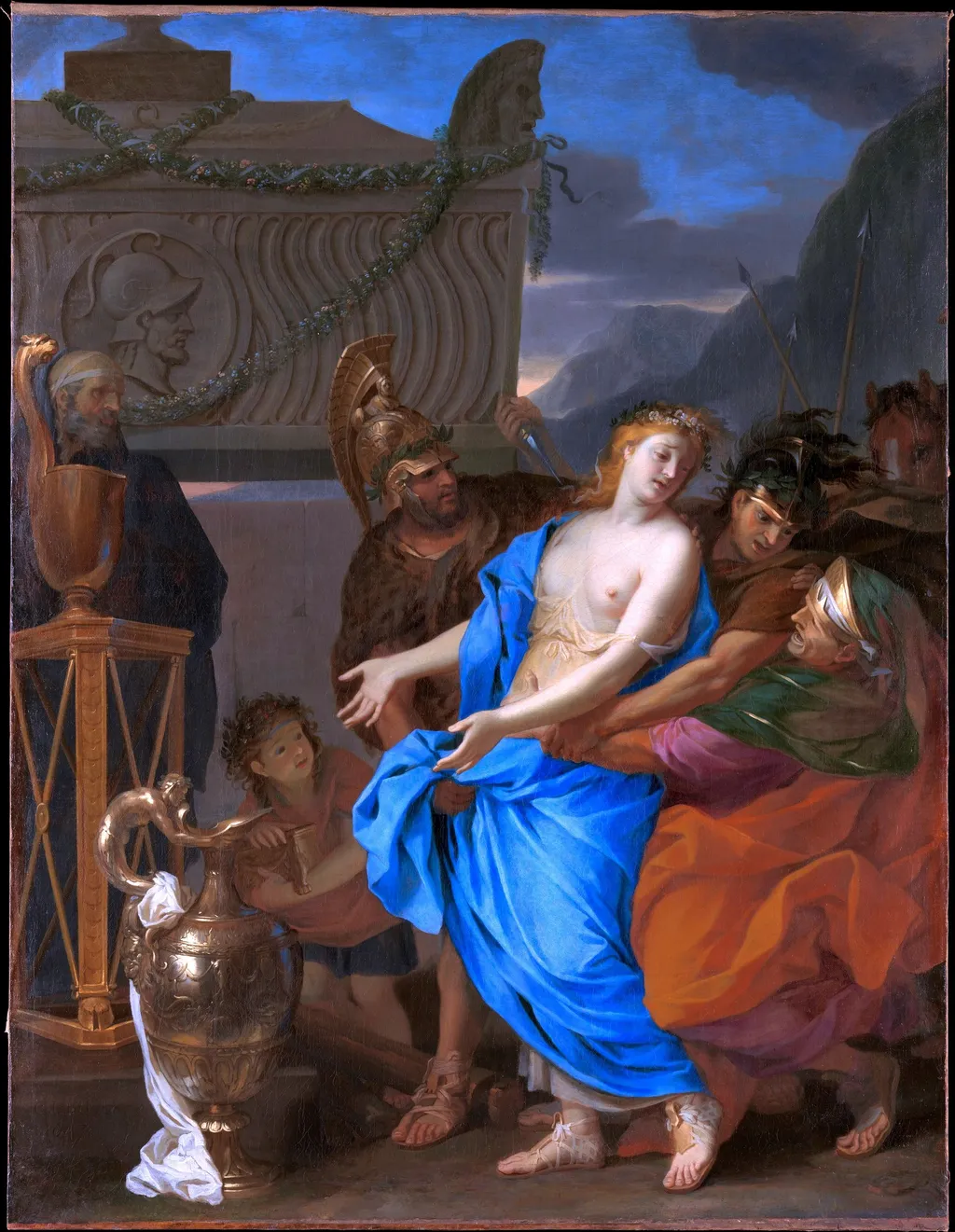
The Sacrifice of Polyxena is an oil painting by the French Classical Baroque artist Charles Le Brun. It dates from 1647 and is held in the collection of the Metropolitan Museum of Art.
About this work
Subject & Meaning
The narrative depicts her execution, performed to appease the spirit of the Greek hero Achilles following his death in battle against the Trojans.
Charles Le Brun's 1647 oil painting illustrates the mythological sacrifice of Polyxena, a Trojan princess. The narrative depicts her execution, performed to appease the spirit of the Greek hero Achilles following his death in battle against the Trojans. The composition includes figures such as soldiers, men, women, and a child surrounding the central event.
As a work of mythological genre, the piece represents a specific episode from the aftermath of the Trojan War, focusing on the ritual killing required to satisfy the deceased warrior's ghost. The subject matter places the artwork within the tradition of history painting that dramatizes classical legends.
Technique & Style
The Sacrifice of Polyxena is executed in oil paint on canvas, a medium typical of mid-17th-century French Baroque painting. Its mythological subject and clear, composed handling are such that the work was once mistaken for a painting by Nicolas Poussin, indicating a stylistic affinity with Poussin's classical approach. The oil-on-canvas technique aligns with the standard practice of Le Brun's era, supporting its classification as a mythological painting within the Baroque tradition.
History & Provenance
Created in 1647, The Sacrifice of Polyxena is an oil-on-canvas painting by the French artist Charles Le Brun, depicting the mythological execution of the Trojan princess Polyxena to appease the ghost of Achilles. It is held in the collection of the Metropolitan Museum of Art, where it is catalogued with dimensions of 177.8 cm in height and 131.4 cm in width. The commissioning patron and the ownership chain prior to the museum are not detailed in the available records, and no specific accession number or exhibition history is given.
Context
The Sacrifice of Polyxena occupies a notable place within Charles Le Brun's early career. Produced in 1647, the work dates from the period before Le Brun's establishment as the leading painter of the French court, situating it among his formative mythological compositions. It was well received in its own time and belongs to the broader tradition of French classicism in history painting.
The painting has historically been confused with the work of Nicolas Poussin, the leading French master of classical subjects, suggesting that Le Brun's handling of the Polyxena theme aligned closely with the pictorial conventions of Poussin's circle.
Legacy
Since its creation in 1647, Charles Le Brun's The Sacrifice of Polyxena has maintained a notable reputation within the canon of French mythological painting. Its merit was recognized in its own time, and the historical tendency to confuse the painting with works by Nicolas Poussin testifies to the regard in which it has been held. Today the painting resides in the collection of the Metropolitan Museum of Art, ensuring its continued visibility and study as an example of mid-17th-century French history painting on the Trojan legend.
Overview
This painting, The Sacrifice of Polyxena, was created by the French artist Charles Le Brun in the mid-17th century. Executed in oil on canvas, the work illustrates a dramatic episode from classical mythology. It is currently held in the collection of the Metropolitan Museum of Art, representing a significant example of Le Brun's early career.
Own this work as a print
Artist & collection
Artist
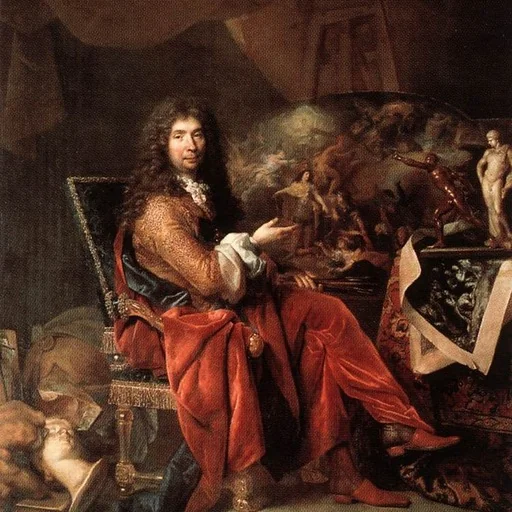
Charles Le Brun (French pronunciation:; baptised 24 February 1619 – 12 February 1690) was a French painter, physiognomist, art theorist, and a director of several art schools of his time.

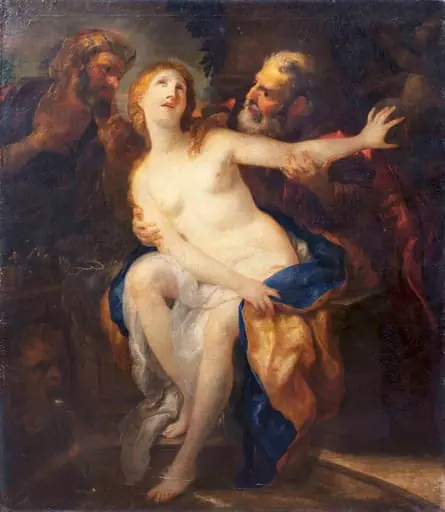 Suzana și cei doi bătrâni
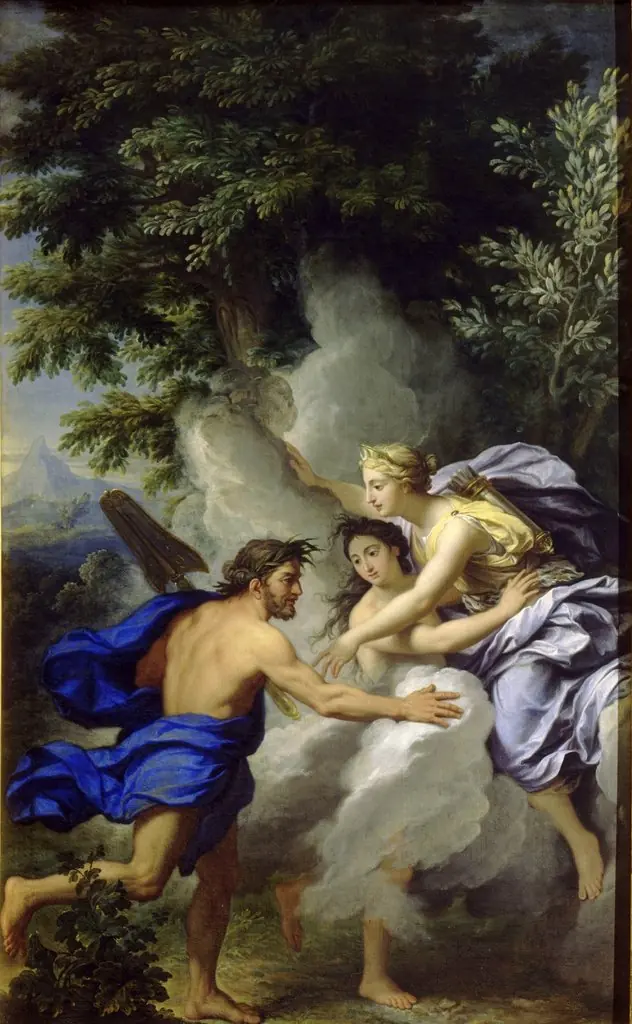 Alpheus and Arethusa
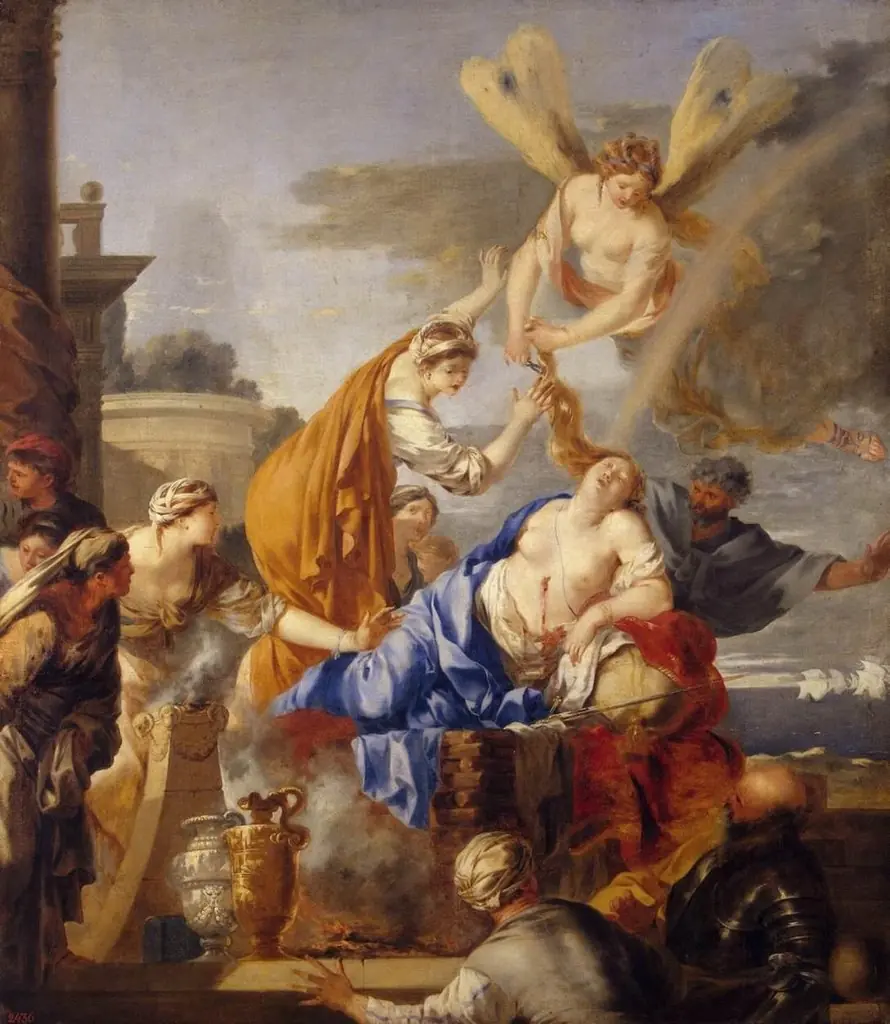 Death of Dido
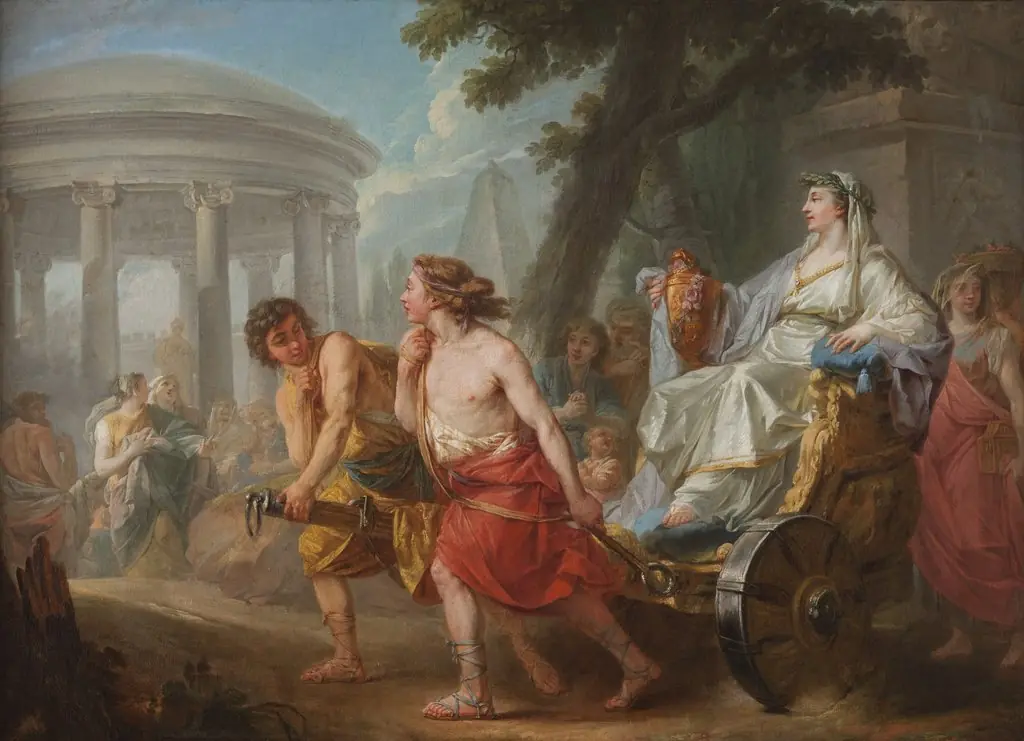 Cleobis and Biton with Cydippe in the Front of Hera Temple
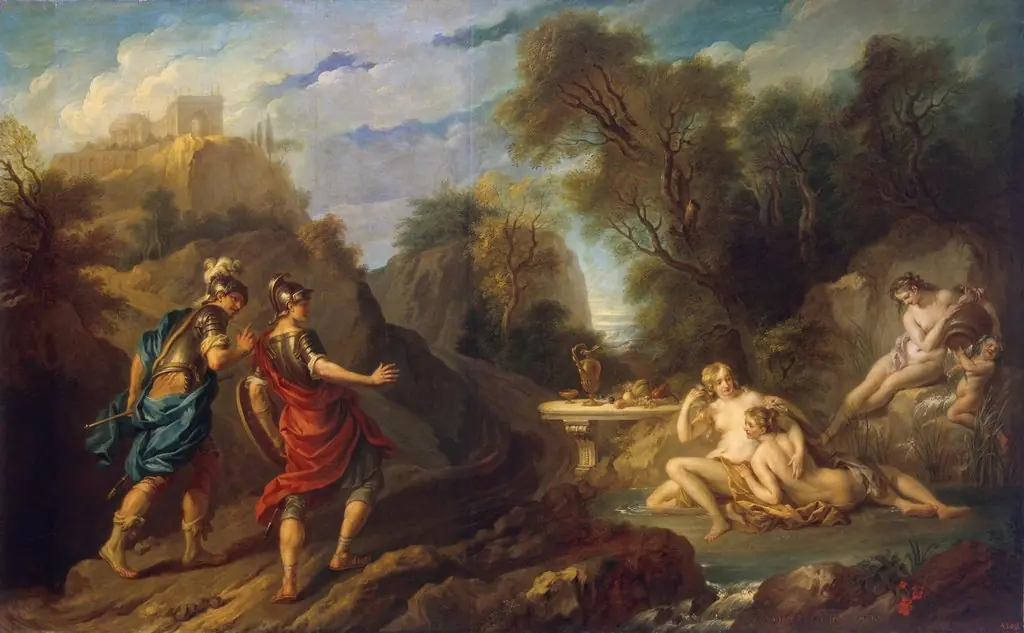 Messengers of Godfrey of Bouillon in Gardens of Armida
 Circe and Ulysses
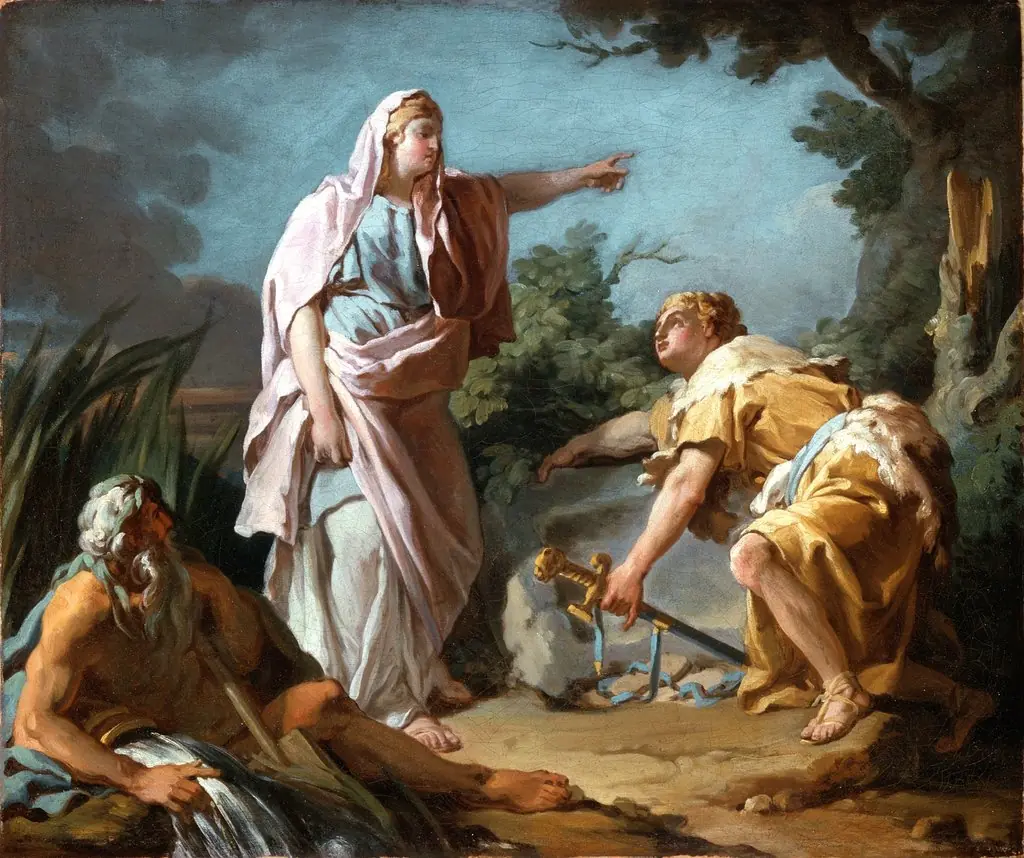 Aethra Showing her Son Theseus the Place Where his Father had Hidden his Arms
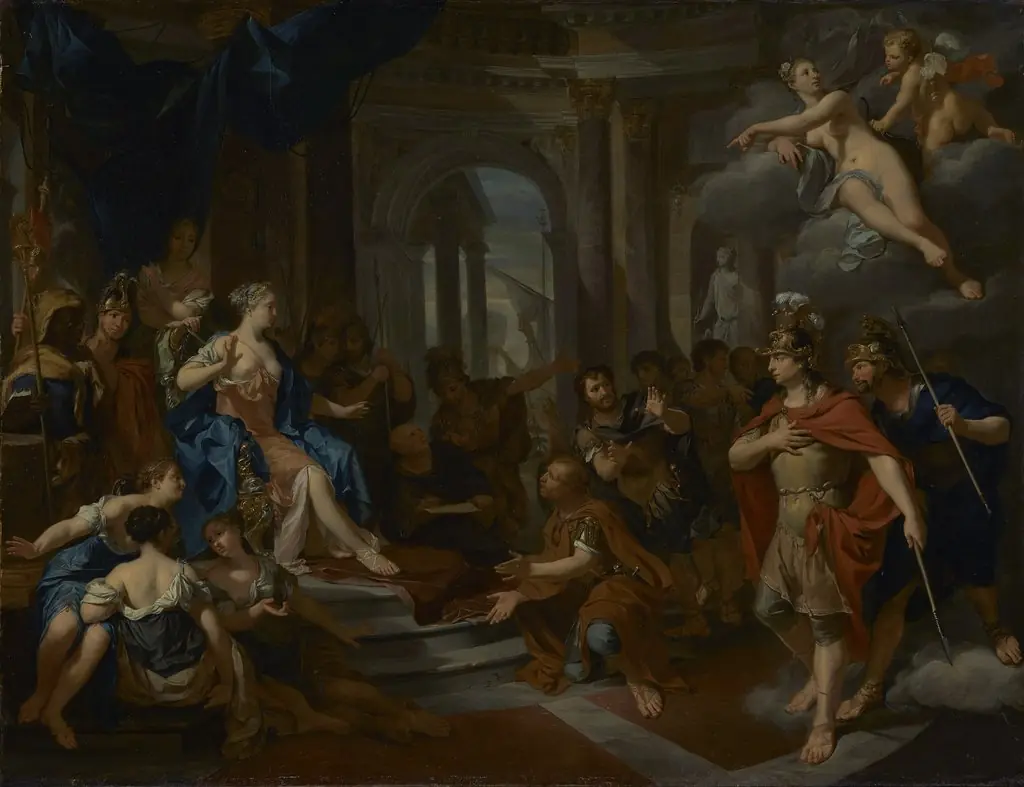 Dido and Aeneas
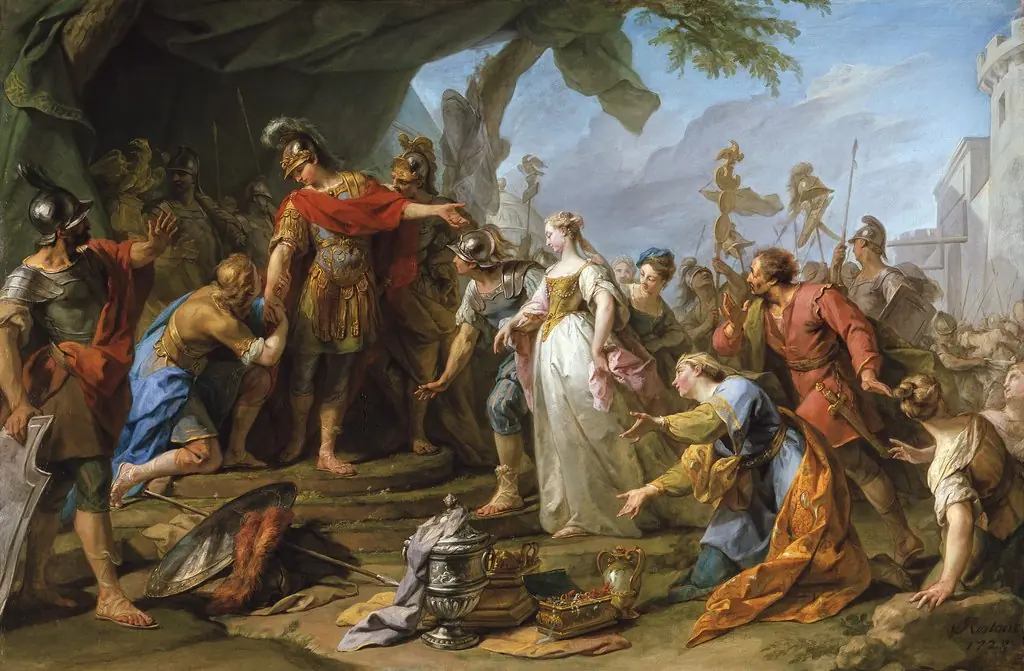 The Generosity of Scipio
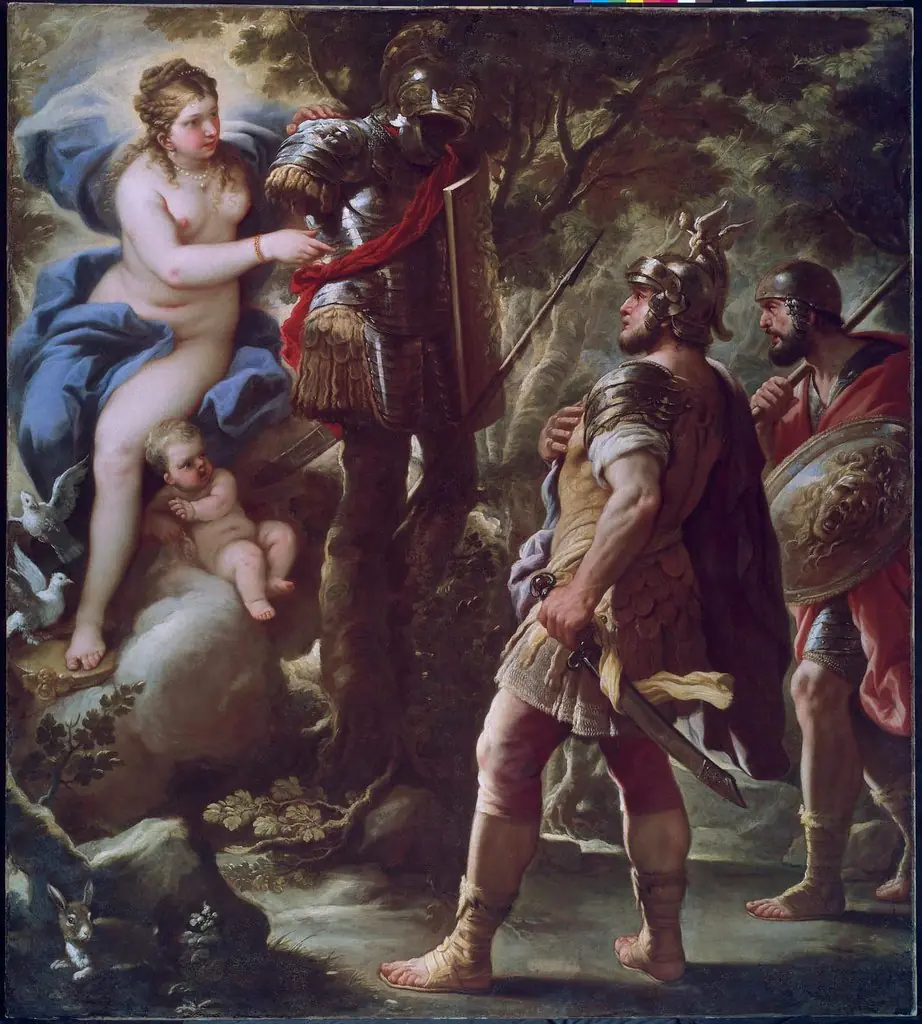 Venus Giving Arms to Aeneas