
Subject
Qianlong Reign
Qianlong Reign is a subject in art. The gallery holds 60 works in this subject in art, including works by Xia Gui, Giuseppe Castiglione and Yuan Yao.
The Qianlong reign (1735–1796) was the high noon of the Qing dynasty and one of the most lavishly productive eras in the history of Chinese imperial art. Ruling from Beijing for sixty years—he formally abdicated in 1796 to avoid eclipsing the reign of his grandfather Kangxi, though he held real power until his death in 1799—the Manchu emperor Hongli presided over an age of peace, expansion, and immense wealth. That prosperity flowed directly into the arts. The court's Imperial Workshops (Zaobanchu) inside the Forbidden City and the imperial kilns at Jingdezhen turned out staggering quantities of porcelain, jade, lacquer, silk, cloisonné, and painting, while Qianlong himself, a prolific poet, calligrapher, and obsessive collector, assembled an imperial holding of several thousand earlier paintings and catalogued them in the great inventory known as the Shiqu Baoji, begun in 1744.
The period's defining visual trait is technical virtuosity married to a taste for the exotic and the antique. In porcelain, the famille rose (fencai) and yangcai palettes broadened the colour range enormously, and the rare palace-enamelled falangcai wares—white blanks fired at Jingdezhen, then painted with European-derived enamels in the Beijing workshops—were so prized that Qianlong kept them in fitted boxes in his private rooms. A hallmark of the reign is the fusion of Chinese and European pictorial methods, especially linear perspective and chiaroscuro, brought by Jesuit artists at court.
The towering figure is the Milan-born Jesuit Giuseppe Castiglione (Lang Shining, 1688–1766), who served three emperors and charmed Qianlong with naturalistic horses, hounds, flowers, and birds—works such as Golden Pheasants in Spring, held in this collection. The Suzhou-trained court painter Xu Yang absorbed this hybrid style in his twelve monumental handscrolls of the Qianlong Emperor's Southern Inspection Tour (painted 1764–1770), which apply consistent Western perspective to a traditional documentary format.
Qianlong's legacy is double-edged. His connoisseurship preserved and canonised earlier masters—he treasured Song works like the river panoramas associated with Xia Gui—yet his habit of stamping seals and inscriptions across them, and his appetite for ornate display, drew later charges of overdecoration. Even so, the reign mark of Qianlong remains the most coveted in Chinese decorative arts, and the era's East–West synthesis stands as a singular episode of early artistic globalisation.
Key artists


Works
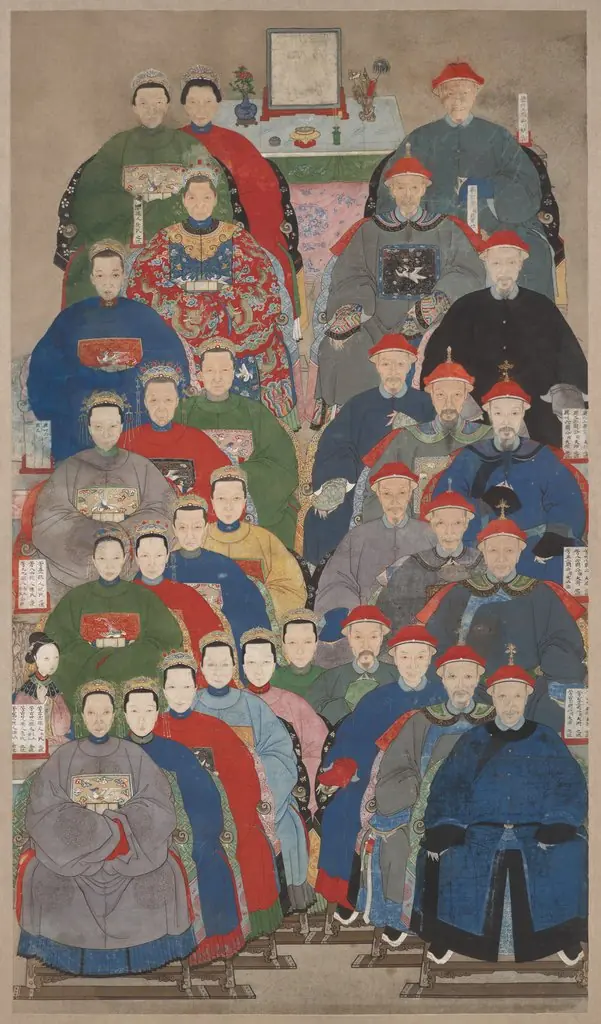 Ancestor Group Portrait
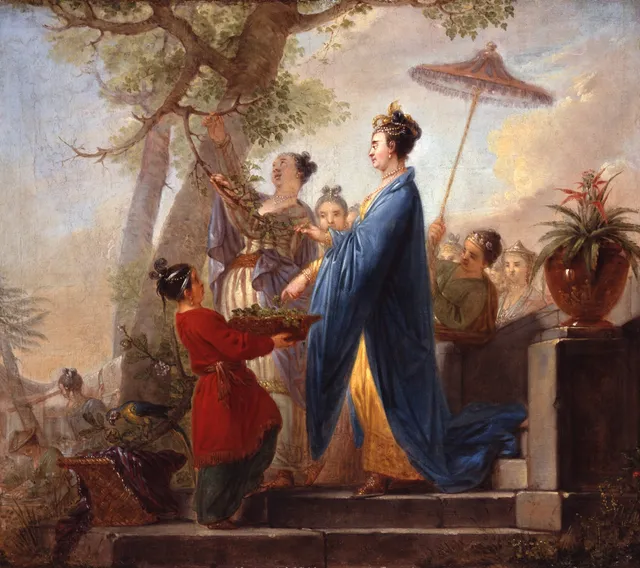
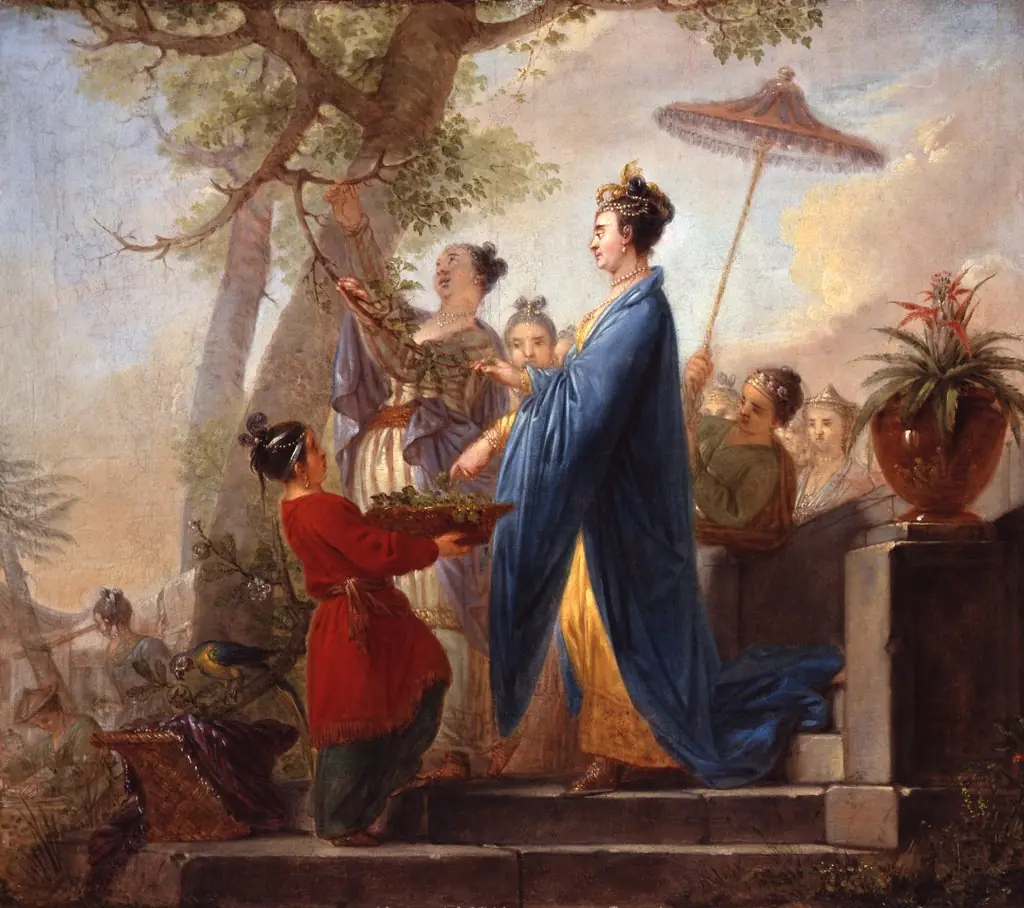 The Empress of China Picks the First Mulberry Leaves in Honour of Silk Cultivation
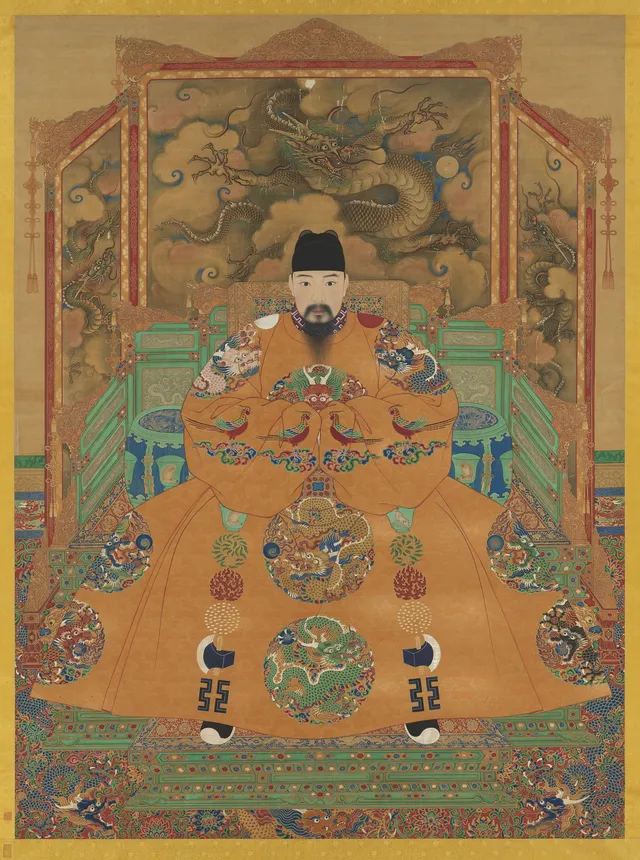
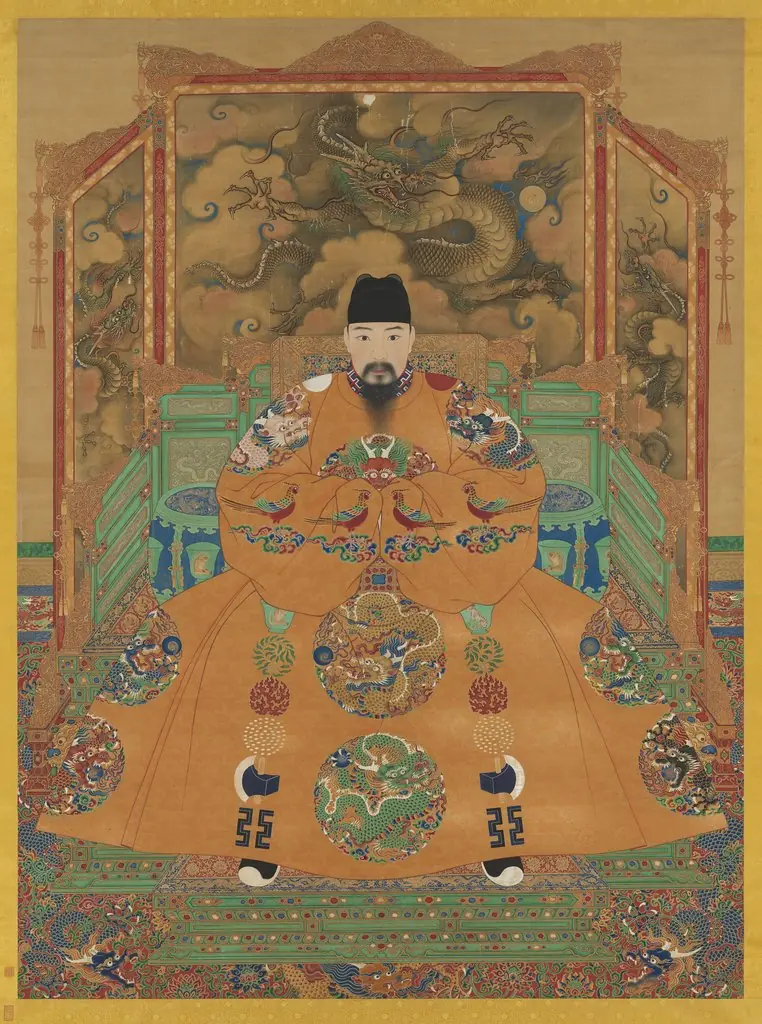 明孝宗坐像 軸
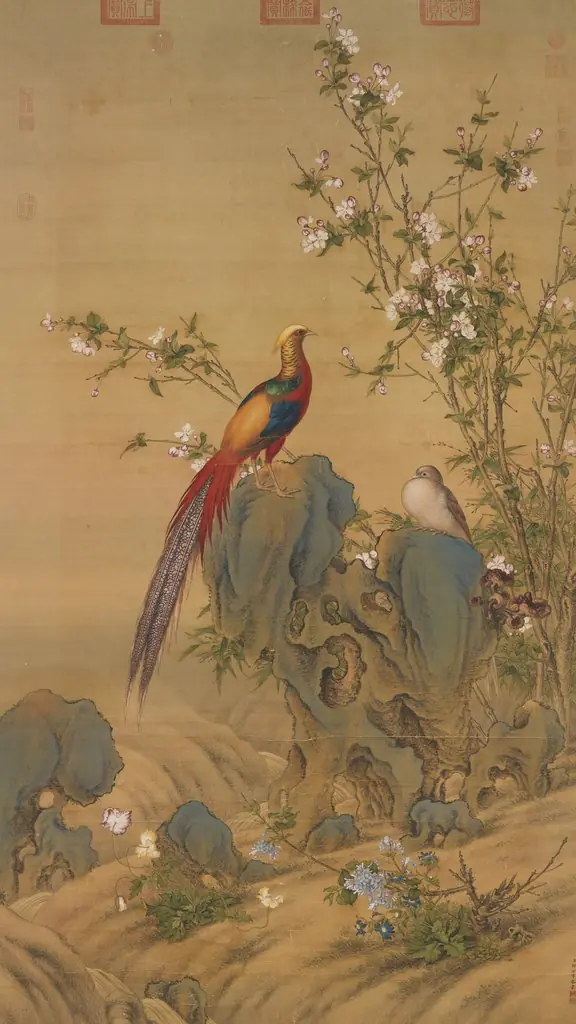 Golden Pheasants in Spring
 Myriad Miles of the Yangtze River
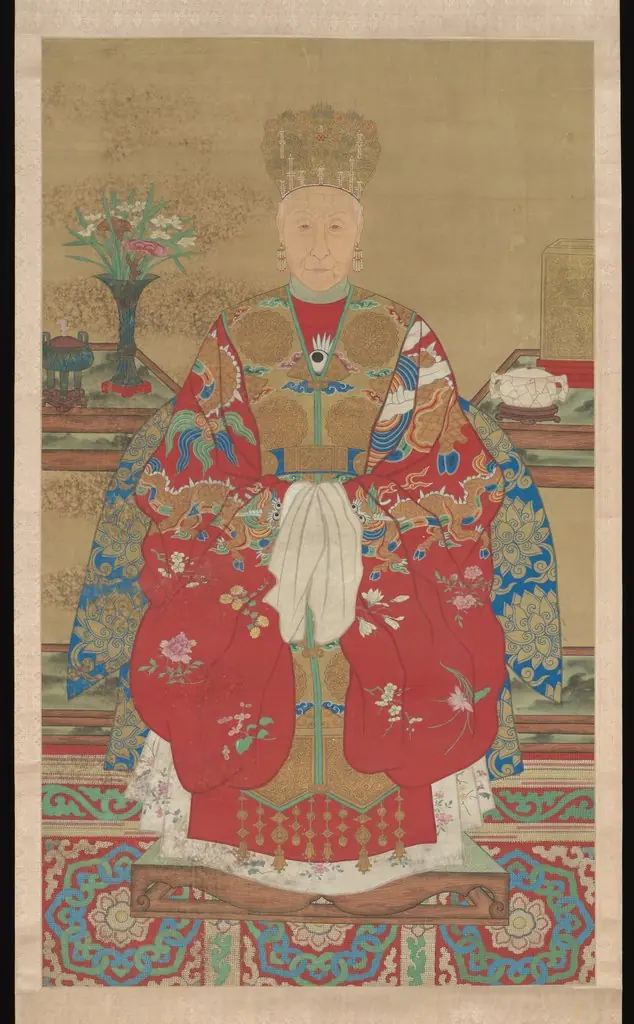 Portrait of Madame Wei Yixie
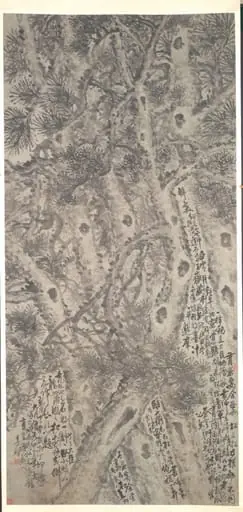 Five Pine Trees
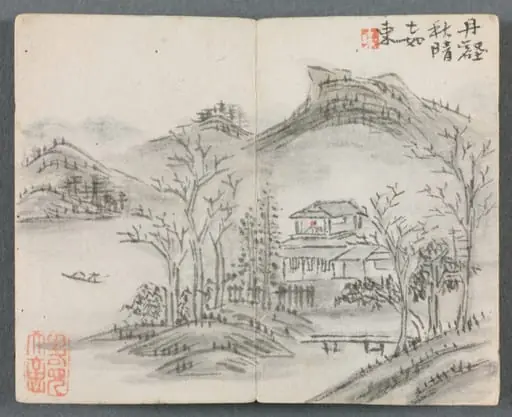 Miniature Album with Figures and Landscape (Landscape with Hill, House, Boat and Bridge)
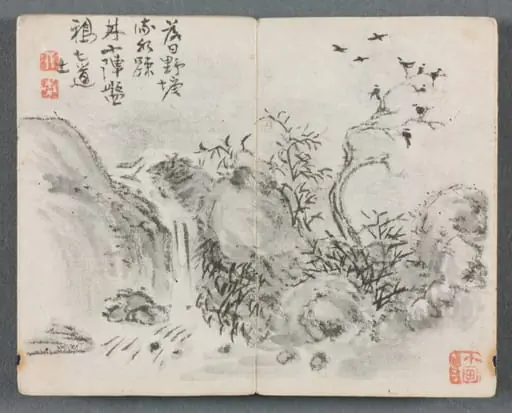 Miniature Album with Figures and Landscape (Waterfall Landscape)
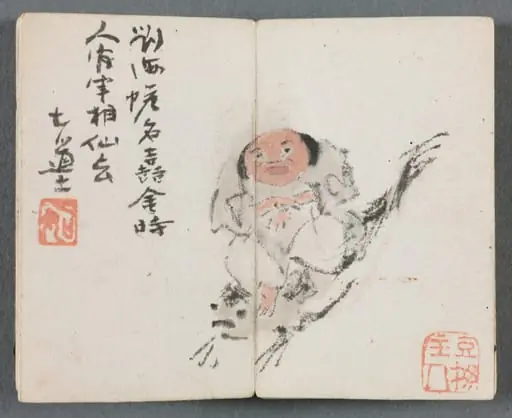 Miniature Album with Figures and Landscape (Man Riding Carp)
 Landscapes
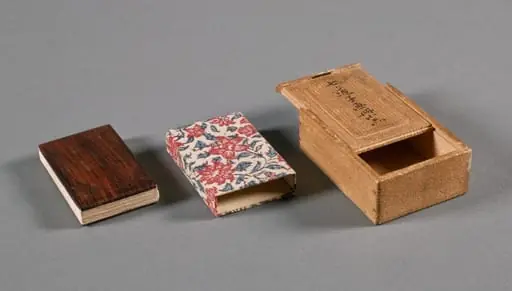 Miniature Album with Figures and Landscape
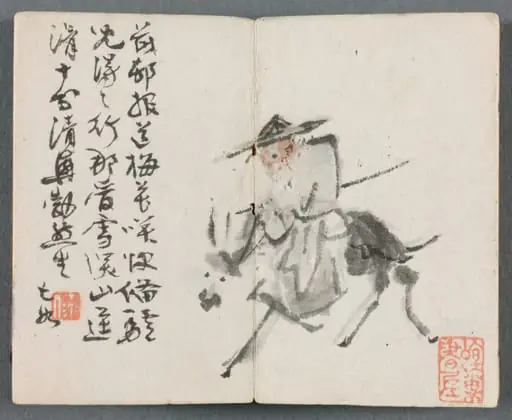 Miniature Album with Figures and Landscape (Old Man on Donkey)
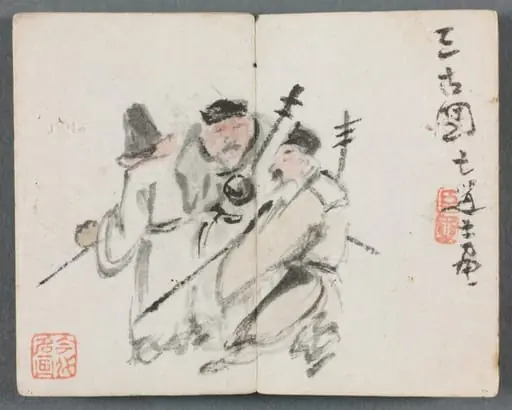 Miniature Album with Figures and Landscape (Three Men)
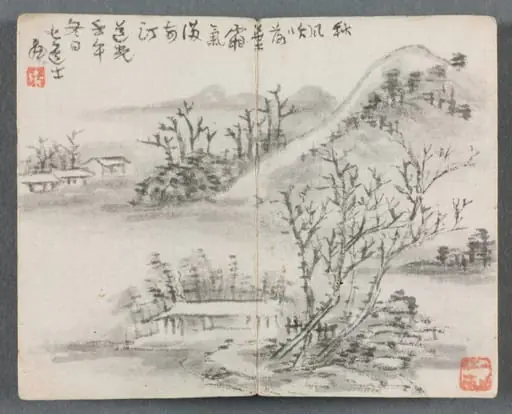 Miniature Album with Figures and Landscape (Landscape with Hill)
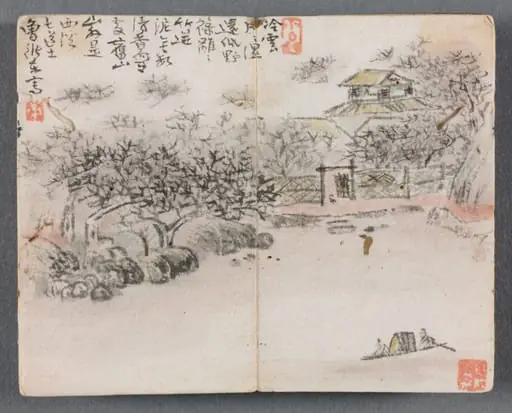 Miniature Album with Figures and Landscape (Landscape with Two Boatmen)
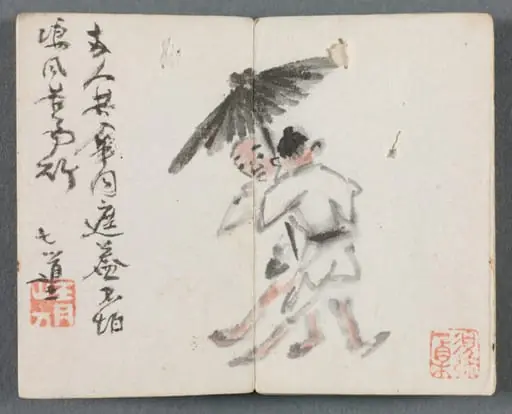 Miniature Album with Figures and Landscape (Two Men with Umbrella)
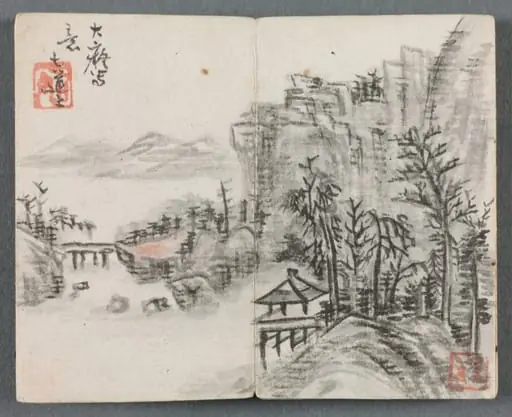 Miniature Album with Figures and Landscape (Cliff Landscape with Bridge)
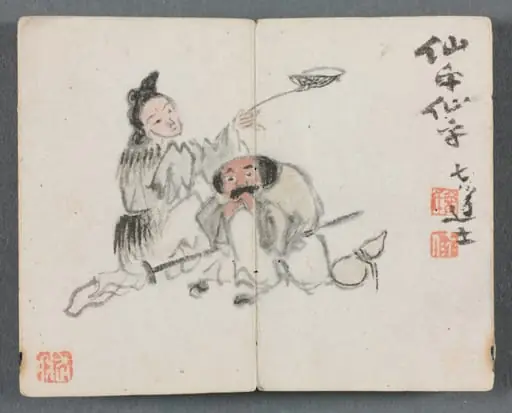 Miniature Album with Figures and Landscape (Man and Woman)
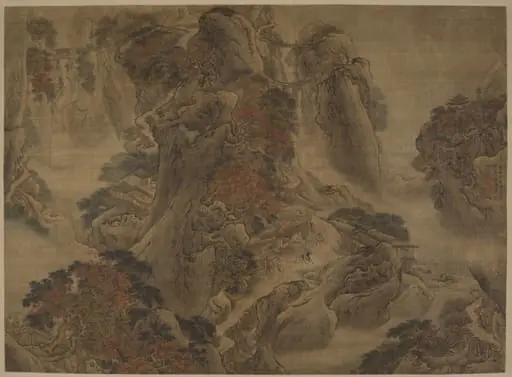 Road to Shu
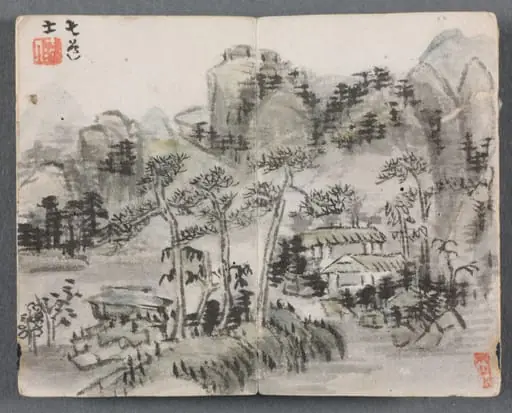 Miniature Album with Figures and Landscape (Landscape with Two Buildings)
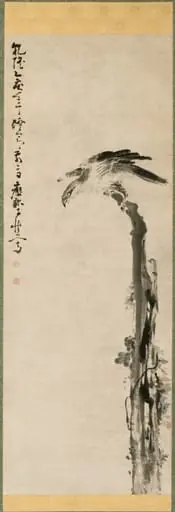 Eagle on a Tree Trunk
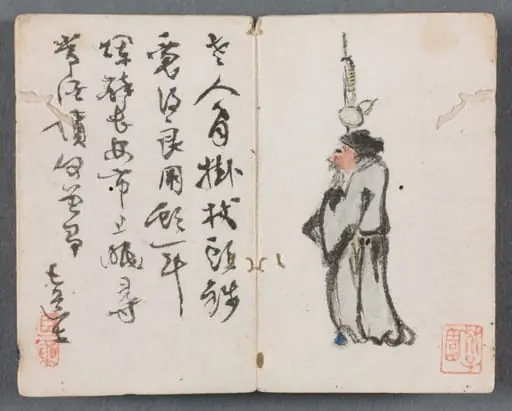 Miniature Album with Figures and Landscape (Man with Staff)
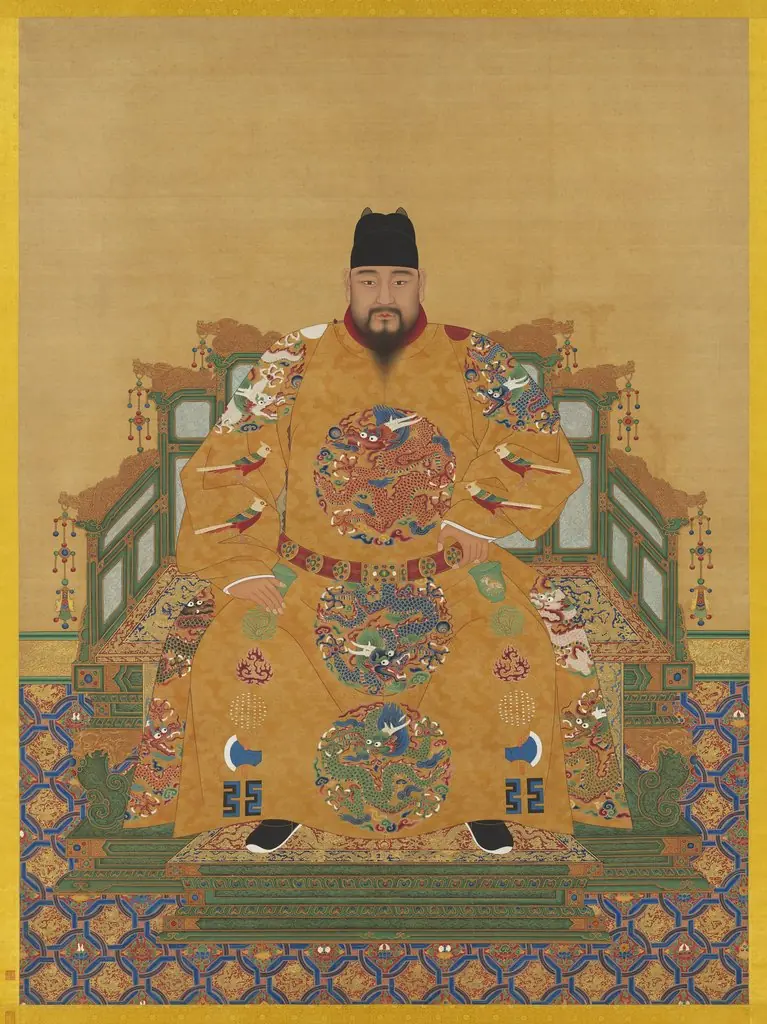 明英宗坐像 軸
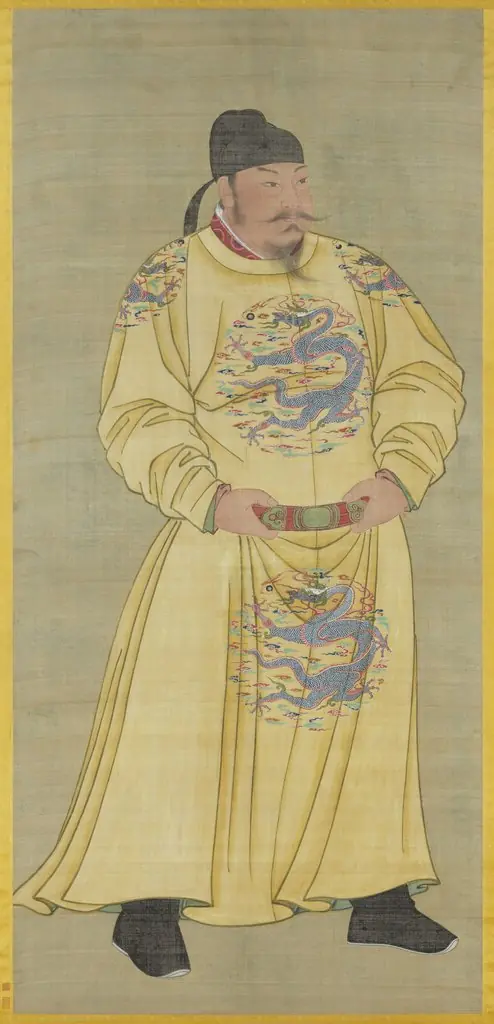 Standing Portrait of Emperor Tang Taizong (I)
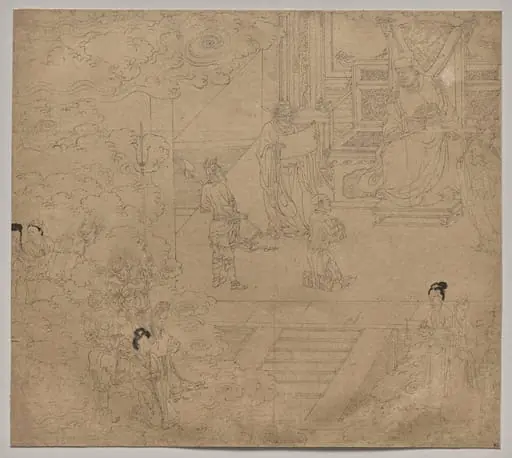 Album of Daoist and Buddhist Themes: Kings of Hells: Leaf 32
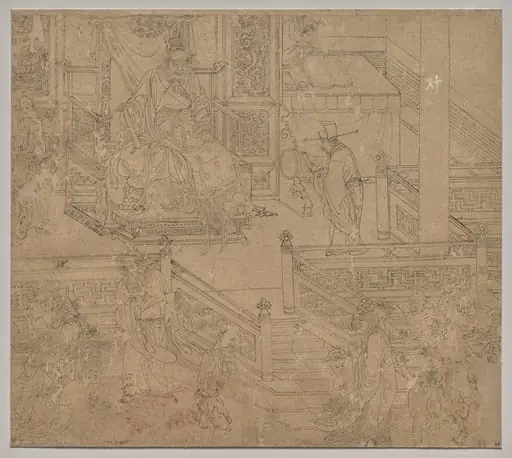 Album of Daoist and Buddhist Themes: Kings of Hells: Leaf 40
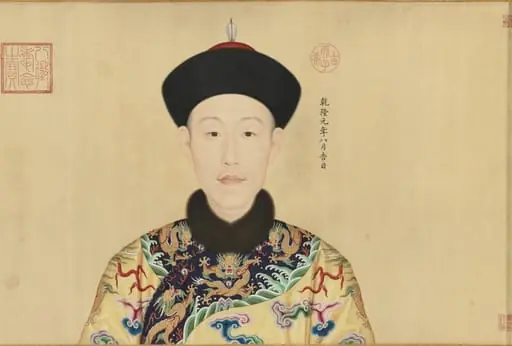 Portraits of the Qianlong Emperor and His Twelve Consorts
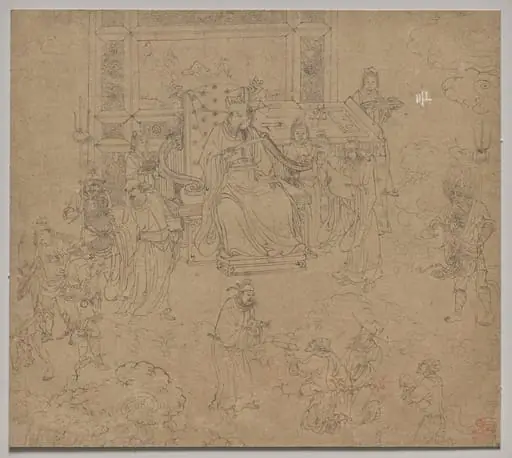 Album of Daoist and Buddhist Themes: Kings of Hells: Leaf 36
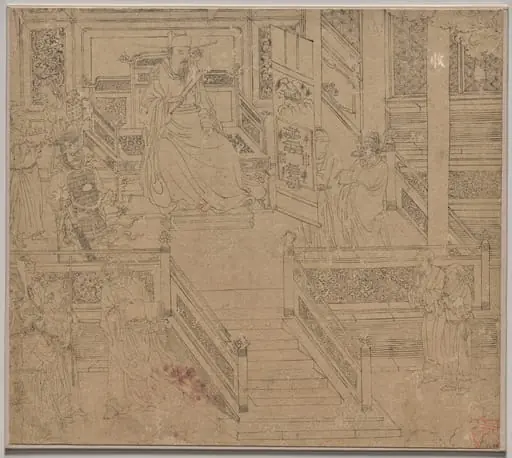 Album of Daoist and Buddhist Themes: Kings of Hells: Leaf 29
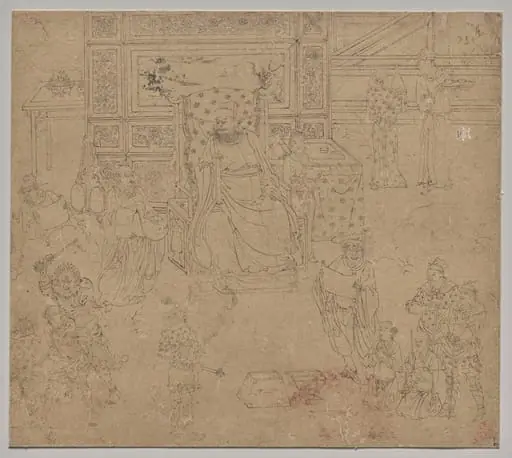 Album of Daoist and Buddhist Themes: Kings of Hells: Leaf 34
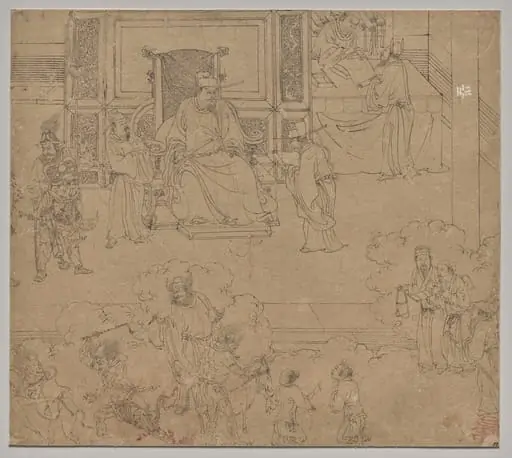 Album of Daoist and Buddhist Themes: Kings of Hells: Leaf 33
 Battle Scenes of the Quelling of Rebellions in the Western Regions, with Imperial Poems
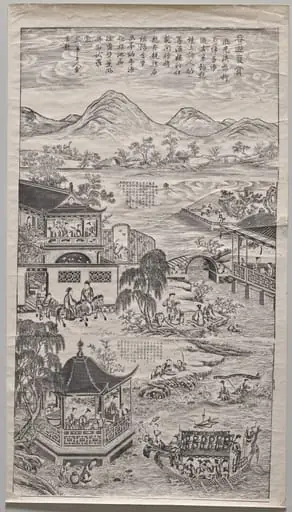 Touring in Spring, Enjoying Summer
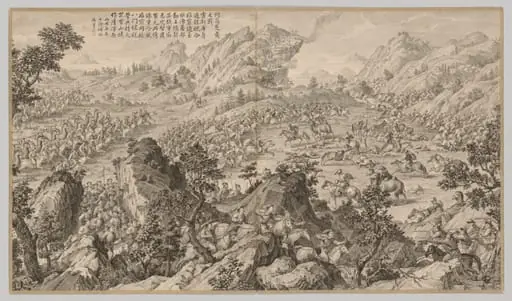 Battle at A'erchu'er: from Battle Scenes of the Quelling of Rebellions in the Western Regions, with Imperial Poems
 Westlake Panorama
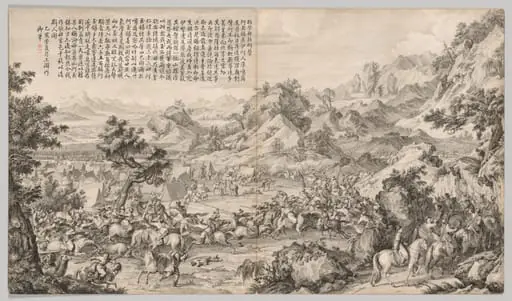 Attacking the Camp at Gatan Ola: from Battle Scenes of the Quelling of Rebellions in the Western Region, with Imperial Poems
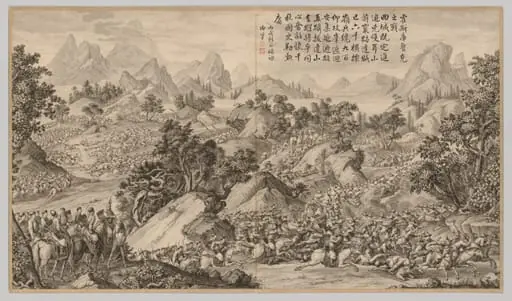 Battle at Heshi Kuluke: from Battle Scenes of the Quelling of Rebellions in the Western Regions, with Imperial Poems
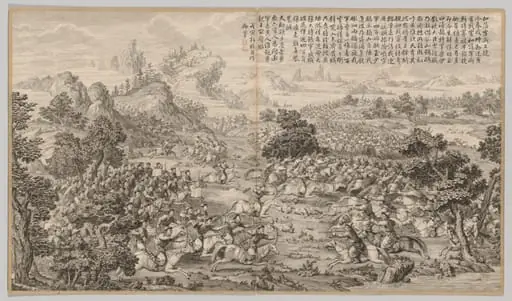 Victory at Heluo Heshi: from Battle Scenes of the Quelling of Rebellions in the Western Regions, with Imperial Poems
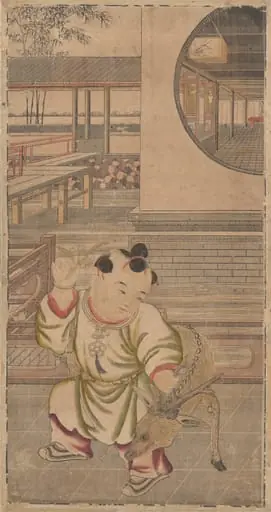 Rise in Rank and Attain Wealth
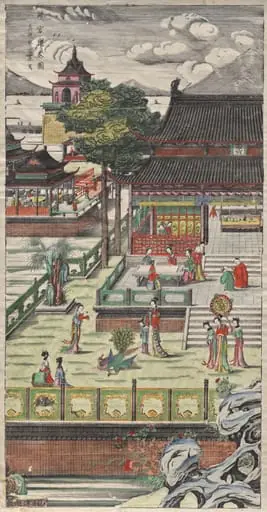 Music in the Jade Palace
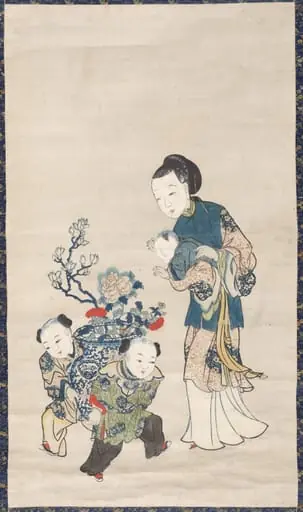 Mother and Sons
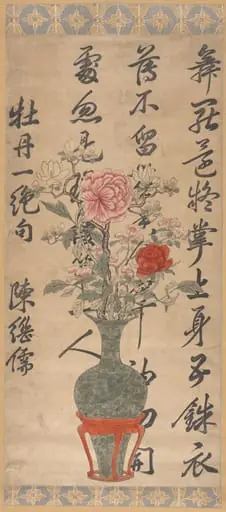 A Quatrain about Peonies
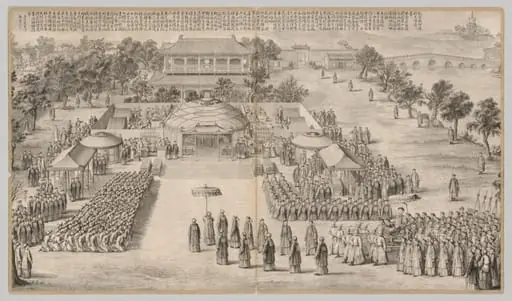 The Victory Banquet: from Battle Scenes of the Quelling of Rebellions in the Western Regions, with Imperial Poems
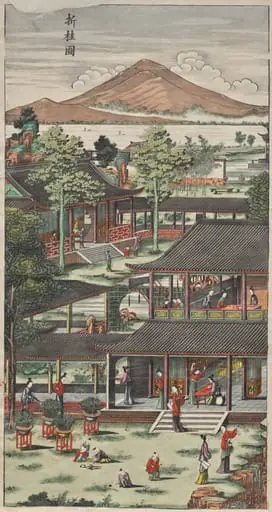 Gathering Osmanthus
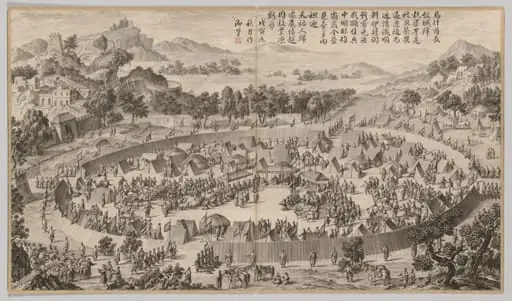 Chieftain Wushe Surrendering the City: from Battle Scenes of the Quelling of the Rebellions in the Western Regions, with imperial Poems
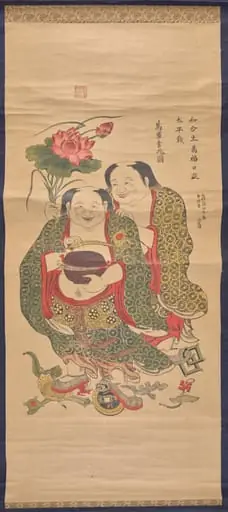 The Two Immortals of Harmony and Unity
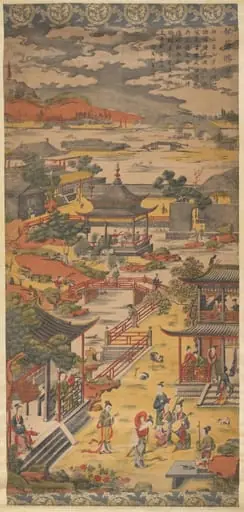 Scenic View of Suzhou
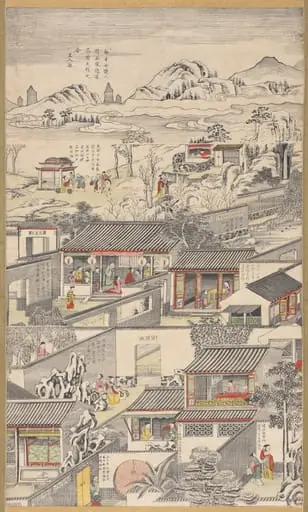 Part of Story of The Western Chamber
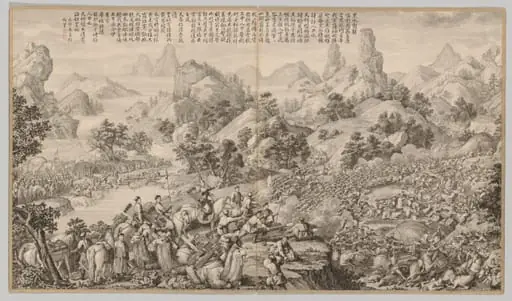 Breaking Through the Siege at Hesui: from Battle Scenes of the Quelling of Rebellions in the Western Regions, with imperial Poems
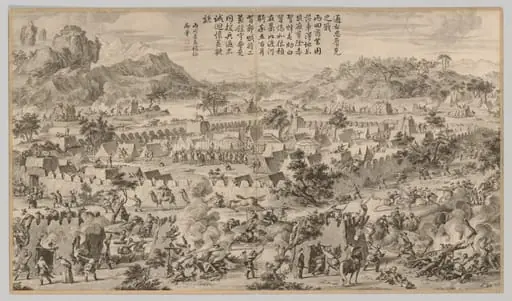 Battle at Tunggushi Luke: from Battle Scenes of the Quelling of the Rebellions in the Western Regions, with Imperial Poems
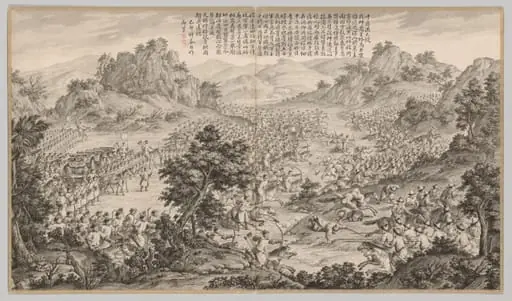 Great Victory at Hu'erman: from Battle Scenes of the Quelling of Rebellions in the Western Regions, with Imperial Poems
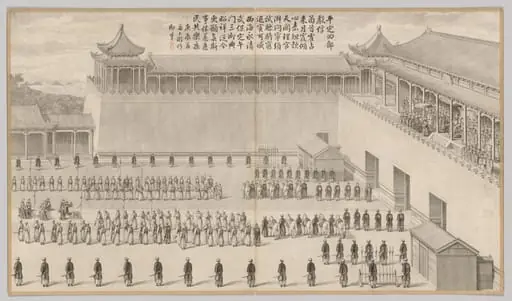 The Presentation of Uigur Captives: from Battle Scenes of the Quelling of Rebellions in the Western Regions, with Imperial Poems
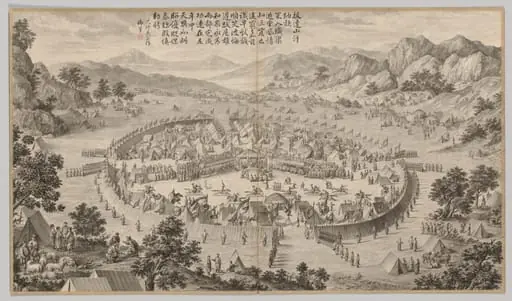 Khan of Bada Shan Presenting Tribute: from Battle Scenes of the Quelling of Rebellions in the Western Regions, with Imperial Poems
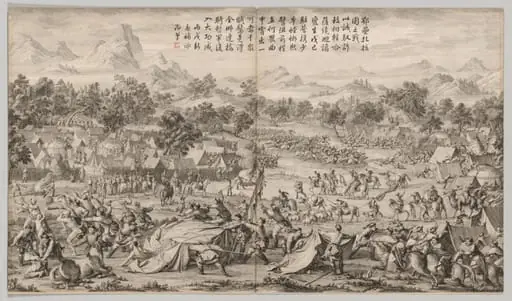 The Battle at Elei Zhalatu: from Battle Scenes of the Quelling of Rebellions in the Western Regions, with Imperial Poems
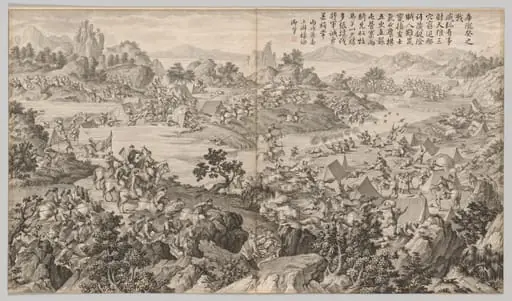 Battle of Kulongkui: from Battle Scenes of the Quelling of Rebellions in the Western Regions, with Imperial Poems
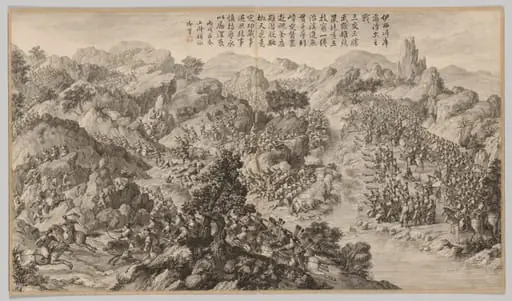 Battle at Yixi'er Ku'ernao'er: from Battle Scenes of the Quelling of Rebellions in the Western Regions, with Imperial Poems
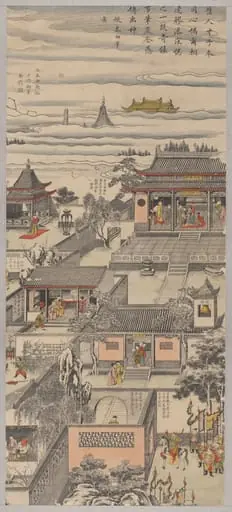 First Part of Story of The Western Chamber
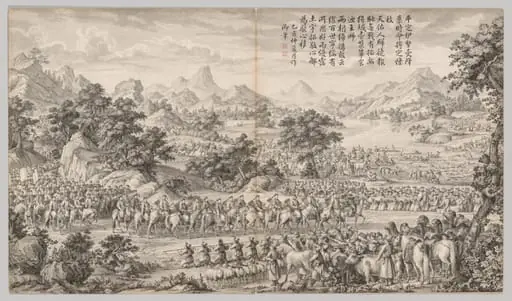 Receiving Surrender from the Eli: from Battle Scenes of the Quelling of Rebellions in the Western Regions, with Imperial Poems
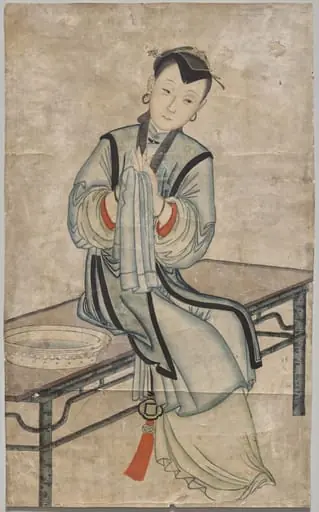 Two Beautiful Ladies
Frequently asked questions
What is Qianlong Reign?
Qianlong Reign is a subject in art. The Qianlong reign (1735–1796) of the Qing dynasty was one of the longest and most productive eras in Chinese imperial art, during which the court at Beijing commissioned vast quantities of porcelain, silk, jade carving, and painting.
How many Qianlong Reign works does Artifact World Gallery have?
Artifact World Gallery holds 60 public-domain Qianlong Reign works, all free to view and download.
Who are the key Qianlong Reign artists?
Key Qianlong Reign artists in the collection include Xia Gui, Giuseppe Castiglione and Yuan Yao.
Where can I see Qianlong Reign works?
Qianlong Reign works in the collection are held by Cleveland Museum of Art, National Palace Museum and Gemäldegalerie Berlin.