Art Museum
Château de Malmaison

Image: Wikimedia Commons.
Château de Malmaison is an art museum in Rueil-Malmaison, France. 13 works from its collection are in this catalog, including François Gérard and Jean Baptiste Regnault.
About Château de Malmaison
The Château de Malmaison (French pronunciation: [ʃɑto d(ə) malmɛzɔ̃]) is a French château situated near the left bank of the Seine, about 15 kilometres (9.3 mi) west of the centre of Paris, in the commune of Rueil-Malmaison.
Formerly the residence of Empress Joséphine de Beauharnais, along with the Tuileries, it was the headquarters of the French government from 1800 to 1802, and Napoleon's last residence in France at the end of the Hundred Days in 1815.
Overview & Identity
The Château de Malmaison is a historic manor house and national museum located in Rueil-Malmaison, approximately 15 kilometers west of Paris near the left bank of the Seine. It is renowned as the former private residence of Empress Joséphine Bonaparte and a significant site of the French Consulate. Unlike the grand official palaces of the era such as the Tuileries or Fontainebleau, Malmaison served as an intimate country retreat where the First Consul worked and relaxed, blending domestic life with political power from 1799 to 1814.
History & Founding
The estate's origins date back to 1390 when the land was purchased by Guillaume Goudet, a Sergeant-at-Arms for Charles VI, remaining in his lineage until 1763. Following the French Revolution, the property was sold to Joséphine Bonaparte on April 21, 1799, for 325,000 francs. From 1800 to 1802, the château functioned as a seat of the French government alongside the Tuileries, hosting meetings of the Consulate ministers.
After Joséphine's death in 1814, the estate passed through various owners, including Queen Christine of Spain and Napoleon III, before being damaged in the War of 1870 and eventually donated to the State by philanthropist Daniel Iffla in 1903, leading to the museum's opening in 1905.
Architecture & Renovation
Originally constructed in the 17th century as a modest manor with Renaissance features, the château underwent significant transformation after its acquisition by the Bonapartes. In 1800, Joséphine and Napoleon commissioned the renowned architects Charles Percier and Pierre François Léonard Fontaine to renovate the old residence. Their work converted the structure into a unique example of elegant and refined Consulate style.
The external architecture reflects a blend of Renaissance heritage and Consulate-era refinement, maintaining a symmetrical façade while updating the interior to suit the tastes of the First Empire.
Collection Highlights & Notable Holdings
The museum's permanent collections feature works related to the natural sciences and music, reflecting the interests of the Bonapartes. A significant portion of the holdings is dedicated to Eugène de Beauharnais, Joséphine's son, including his actual bedroom within the château. The estate is also famous for its historical association with the gardens, where Joséphine cultivated hundreds of rare and exotic plant species, aiming to create the 'most beautiful and curious garden in Europe.'
The collection preserves the intimate atmosphere of the residence, distinct from the formal state apartments of other imperial palaces.
Significance & Legacy
Château de Malmaison holds enduring fame as the primary residence of Empress Joséphine and a center of political activity during the Consulate. It represents a unique period in French history where the seat of government was shared between a private home and official palaces. The site is particularly significant for its gardens, which became a model of cultivation and a repository for rare species, and for its preservation of the intimate domestic life of the Bonaparte family.
Today, it stands as a national museum offering insight into the private and public spheres of the Napoleonic era.
Château de Malmaison by the numbers
- Founded
- 1242
Works from Château de Malmaison
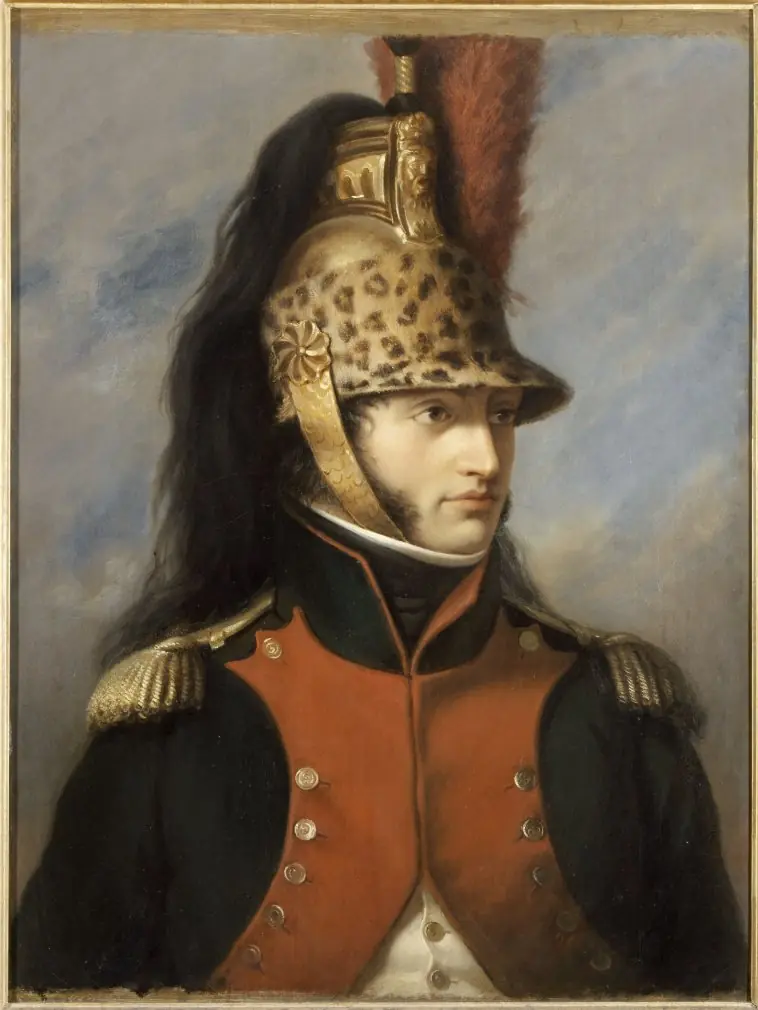 Louis-Bonaparte en uniforme du colonel du 5e régiment de dragons (1778-1846)
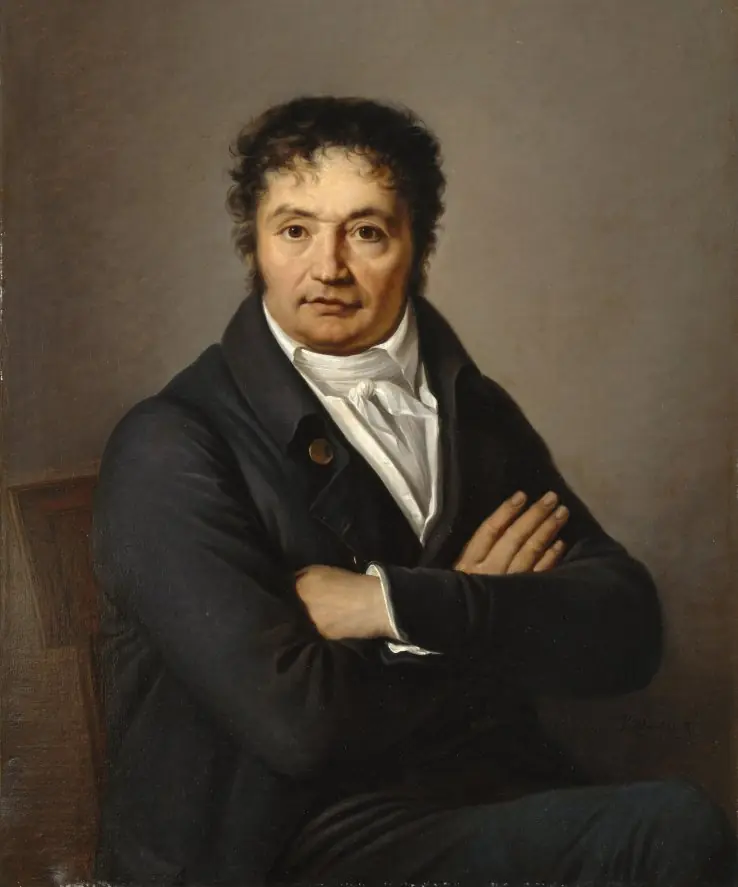 Portrait of Guillaume-Jean Constantin
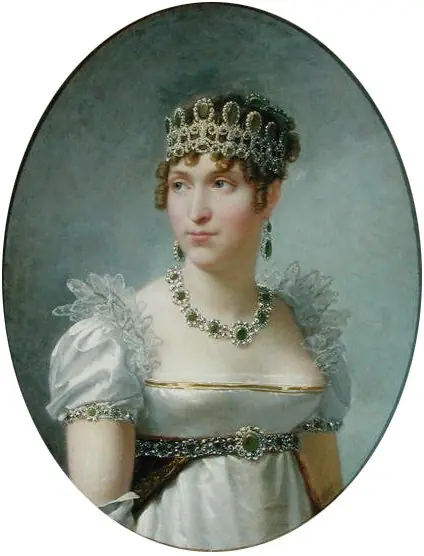 Hortense de Beauharnais, Queen of Holland
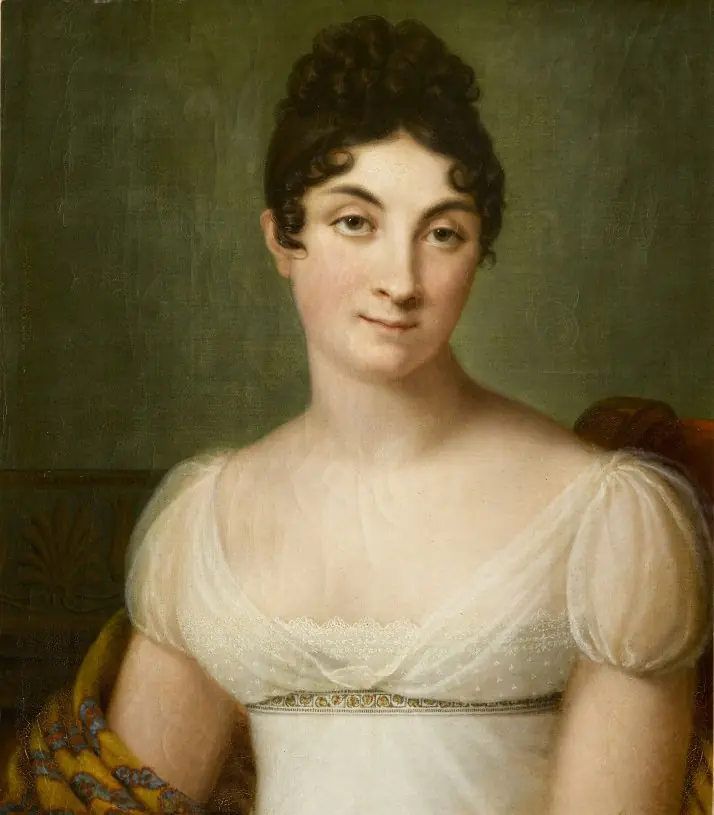 Portrait de Claire Élisabeth de Vergennes, Comtesse de Rémusat
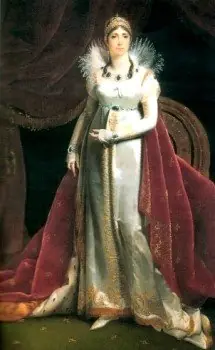 Porträt der Joséphine de Beauharnais (1763-1814)
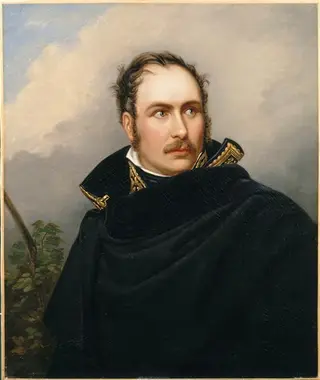 Portrait d'Eugène de Beauharnais, duc de Leuchtenberg.
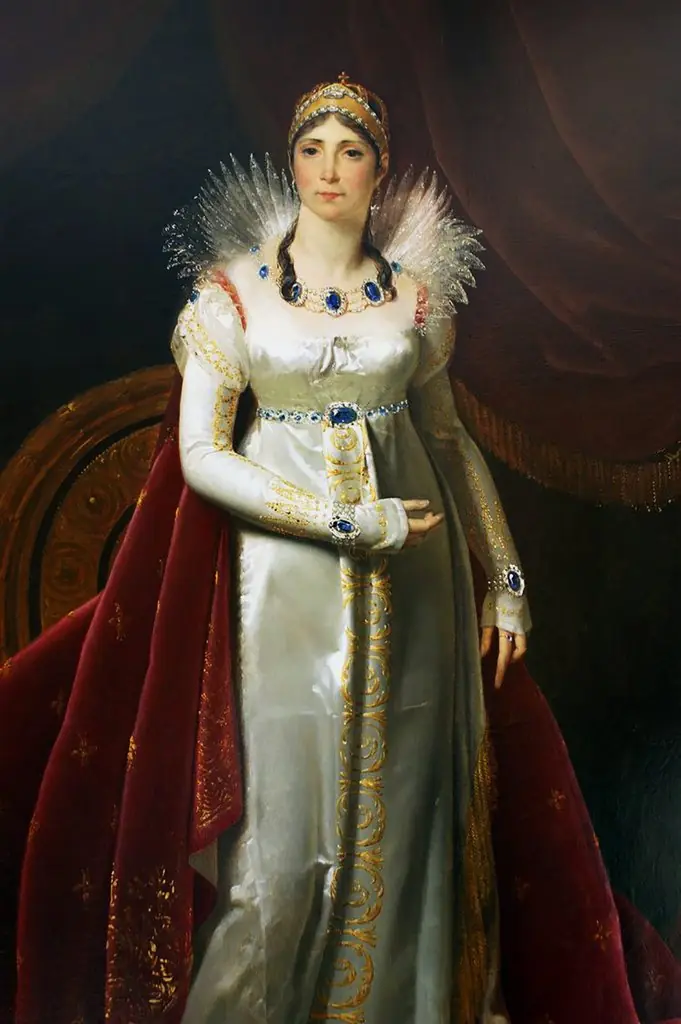 Portrait of Joséphine de Beauharnais (1763-1814)
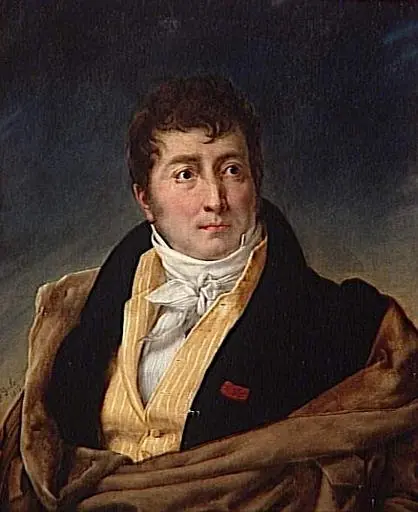 Bust portrait of Charles-Louis Cadet de Gassicourt (1769-1821), pharmacist to Napoleon I
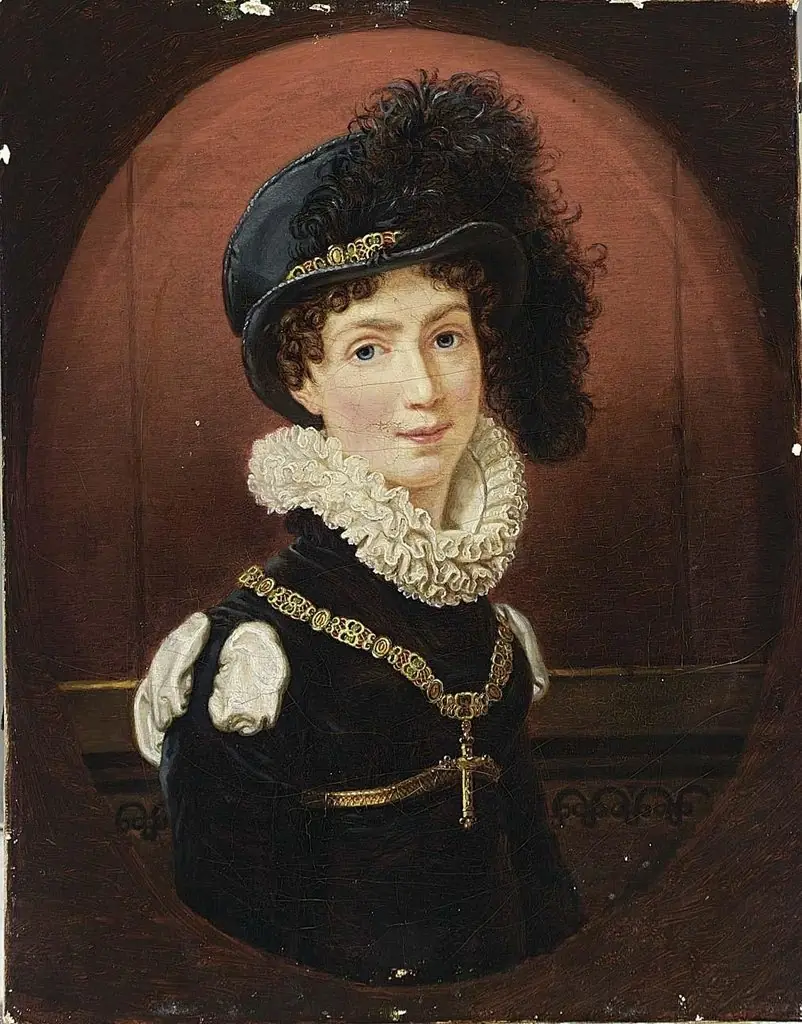 Amélie de Leuchtenberg, future impératrice du Brésil (1812-1873)
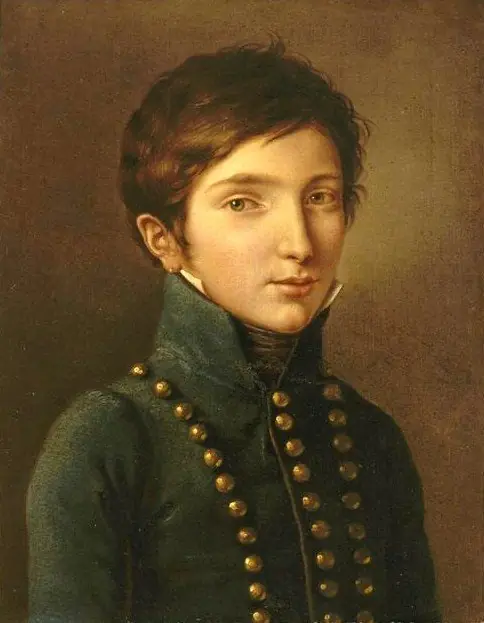 Le Prince Napoléon-Louis Bonaparte (1804-1831)
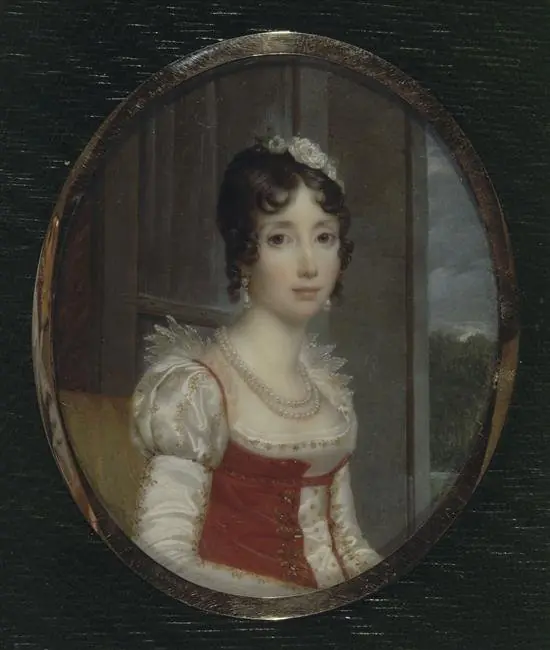 Porträt der Julie Clary (1771-1845)
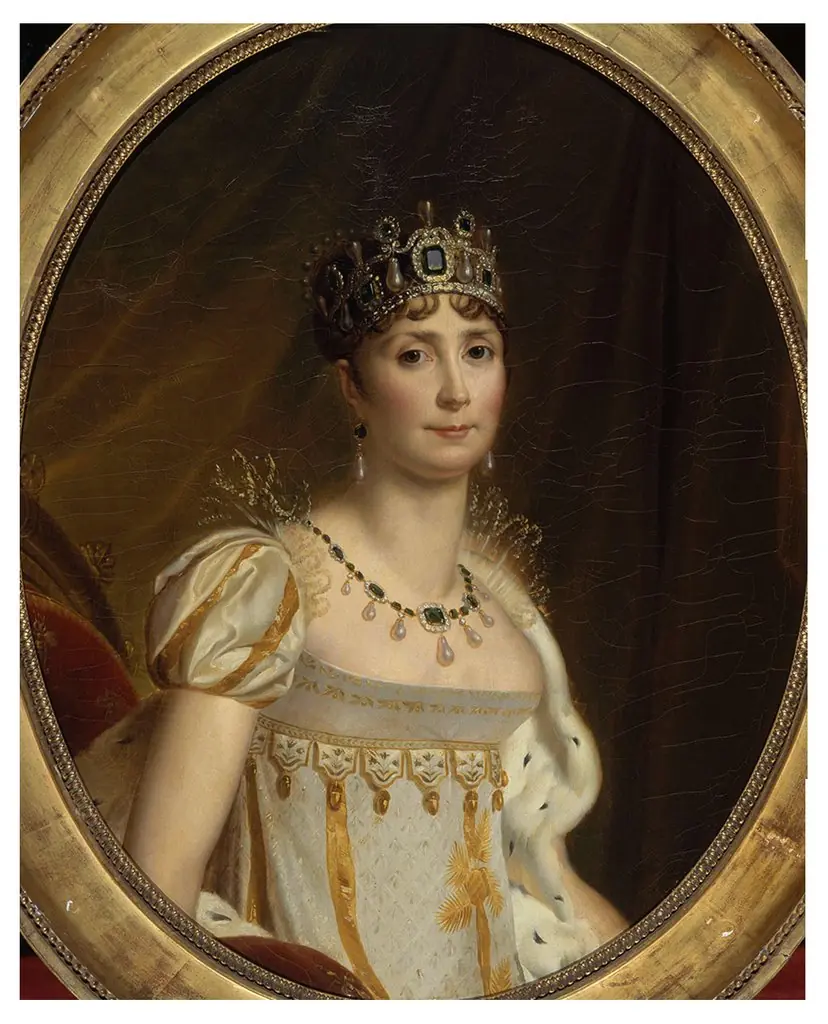 Portrait of Joséphine de Beauharnais
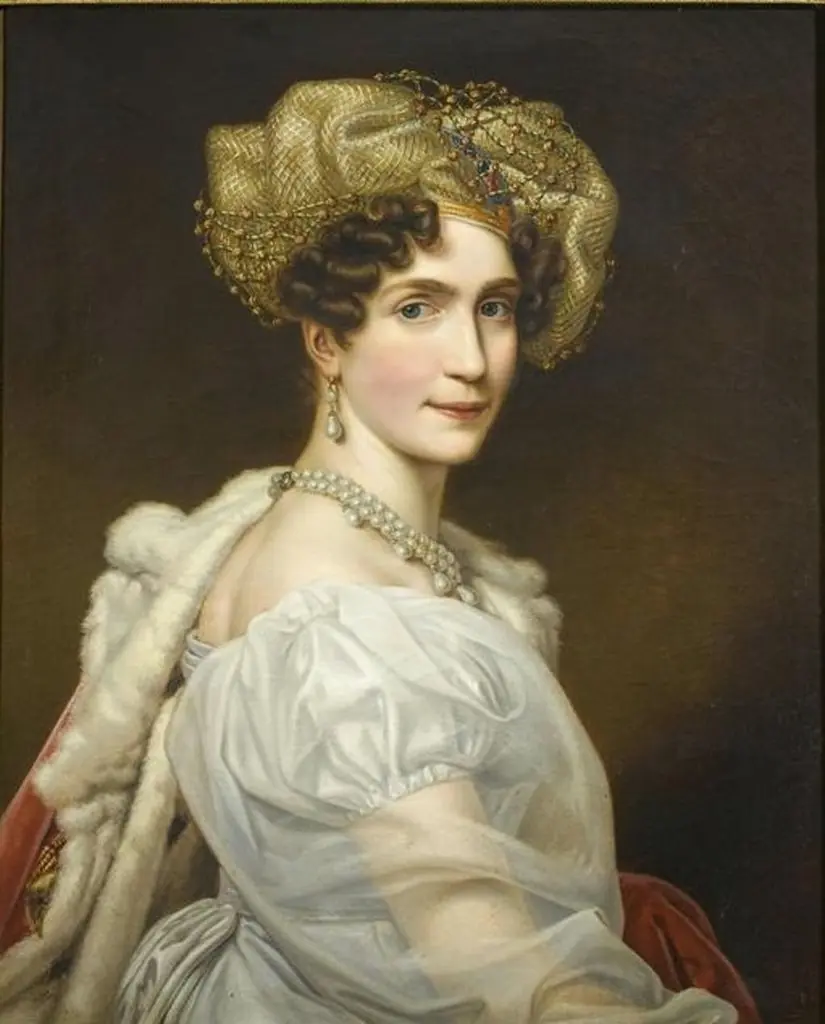 Augusta of Bavaria, Duchess of Leuchtenberg
Plan your visit
Château de Malmaison
Museums near Château de Malmaison
- National Museum Musée national de Malmaison et Bois-Préau Rueil-Malmaison, France
- Art Museum Musée Marmottan Monet 16th arrondissement of Paris, France
- Art Museum Palace of Versailles Versailles, France
- Museum of the History of France Versailles, France
- Art Museum Musée d'art moderne de Paris 16th arrondissement of Paris, France
- Art Museum Petit Palais 8th arrondissement of Paris, France


What's on
Regards sur fleurs L’exposition racontée par la directrice du musée
From 25 May 2026
Festival des Premiers Romantiques La nature est musique à déchiffrer
From 25 May 2026