Artwork
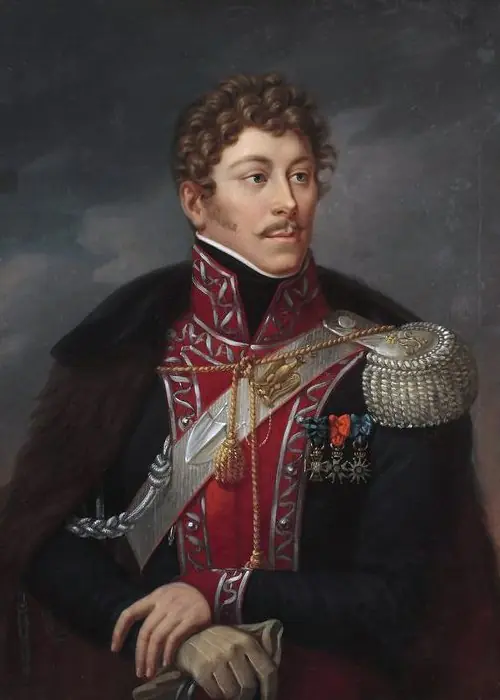
Portrait d'Eugène de Beauharnais, duc de Leuchtenberg.
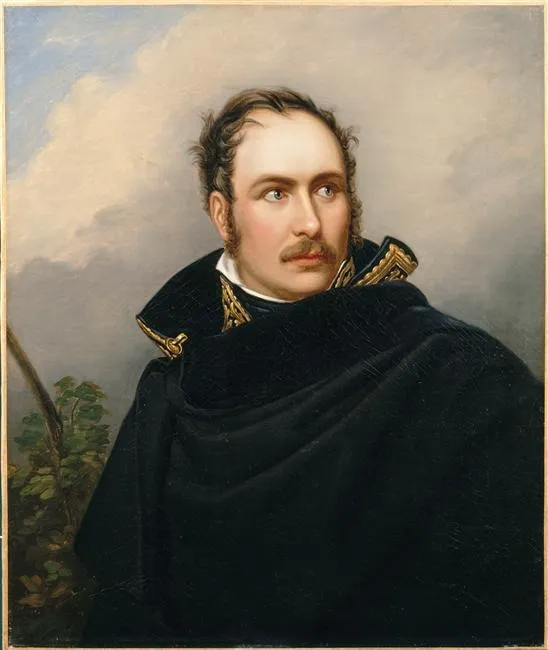
Portrait d'Eugène de Beauharnais, duc de Leuchtenberg. is an oil painting by the German Romanticist artist Unknown. It dates from 1839 and is held in the collection of the Château de Malmaison.
About this work
Overview
Portrait d'Eugène de Beauharnais, duc de Leuchtenberg is an oil painting depicting a formally attired man set against a backdrop of clouds and a partially visible tree. The subject, identified by title as Eugène de Beauharnais, Duke of Leuchtenberg, is rendered in meticulous detail, suggesting a portrait of historical or noble significance.
Subject & Meaning
The portrait's subject, Eugène de Beauharnais, is shown in a black coat with gold accents, indicating a position of dignity or rank. The formal attire and the painting's overall solemnity imply a commemorative or official purpose, though specific contextual details are not provided in the image itself.
Technique & Style
Executed in oil paint, the work demonstrates a high level of technical proficiency. The artist's use of chiaroscuro, a strong contrast between light and dark, is evident, enhancing the subject's presence and the overall depth of the composition. The style aligns with traditional European portraiture practices of the time, emphasizing realism and detail.
History & Provenance
Unfortunately, specific historical or provenance details about the portrait (such as the artist, date, or ownership history) are not provided in the available information.
Context
The painting's context suggests a European, possibly French, aristocratic or historical setting given the title's reference to a duchy and the formal, traditional style of the portrait. The cloudy sky and tree may symbolize the subject's connection to nature or a specific locale.
Legacy
While the portrait showcases mastery of traditional European portraiture techniques, its broader impact or recognition within the art historical canon is not detailed in the provided information. Exploring the artist's other works or the broader use of chiaroscuro in contemporary art could offer further insight.
Artist & collection









- Carl Gustaf Mannerheimin muotokuva
 The Marine Painter Emil Wilhelm Normann in his Uniform as a Naval Officer
 The Marine Painter Emil Wilhelm Normann in his Uniform as a Naval Officer
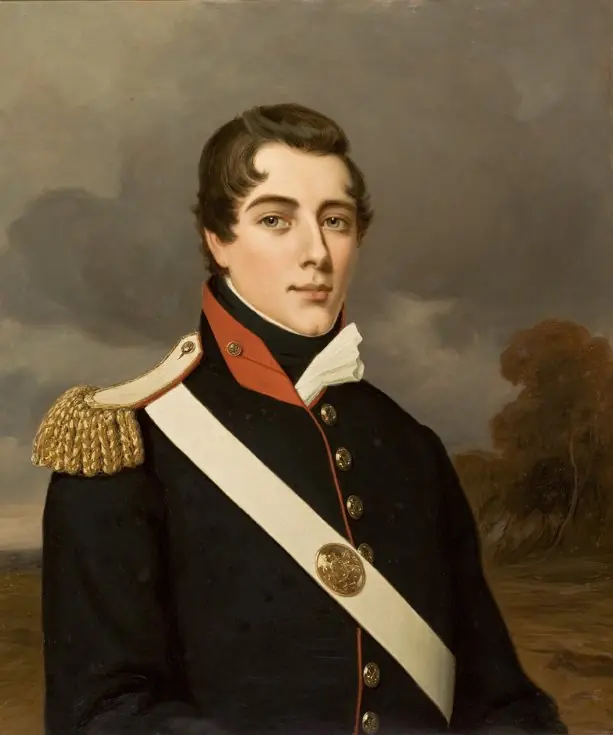 Portrait of Henry Chamberlain
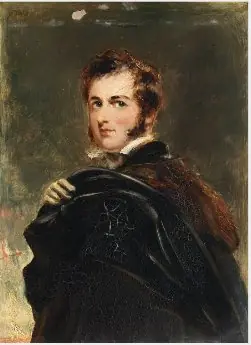 Portrait of William Lamb, 2nd Viscount Melbourne (1779-1848), Statesman
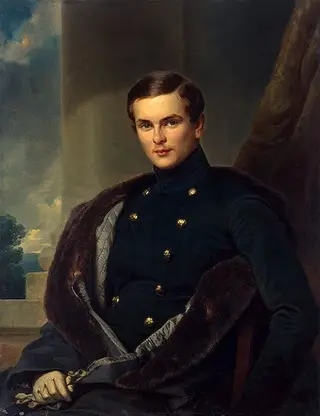 Portrait of Fersen (?)
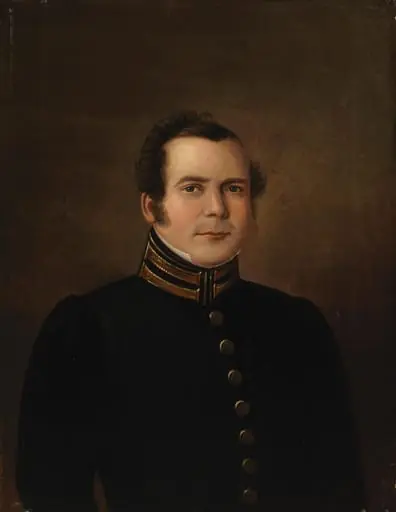 Tilanomistaja, tuomari Albert Johan Lignell
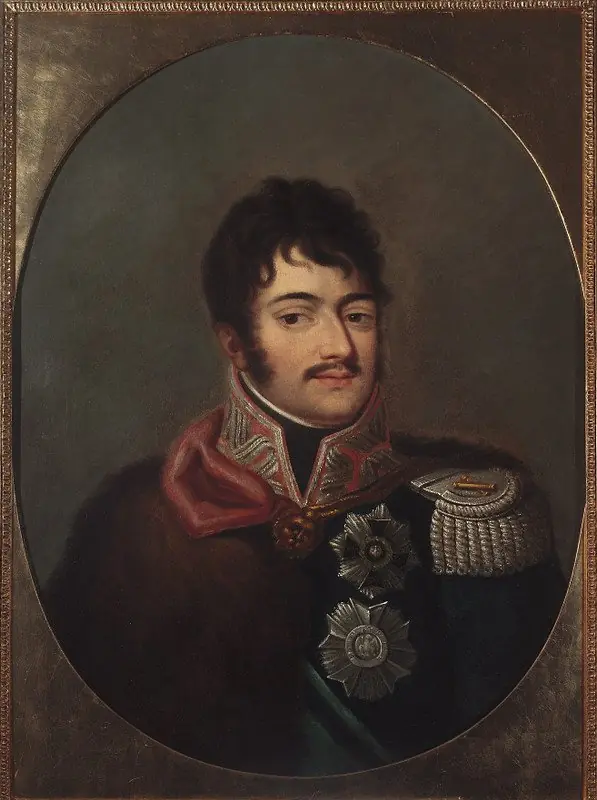 Portrait of Prince Józef Poniatowski
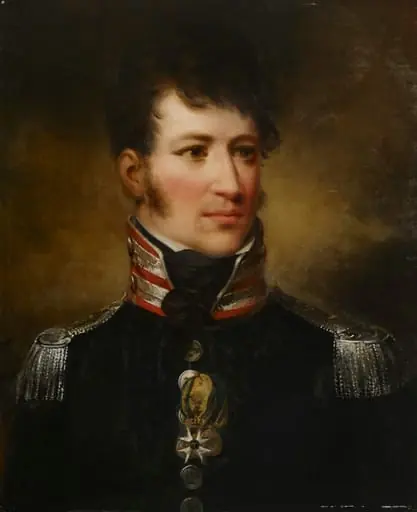 Per Otto Adelborg
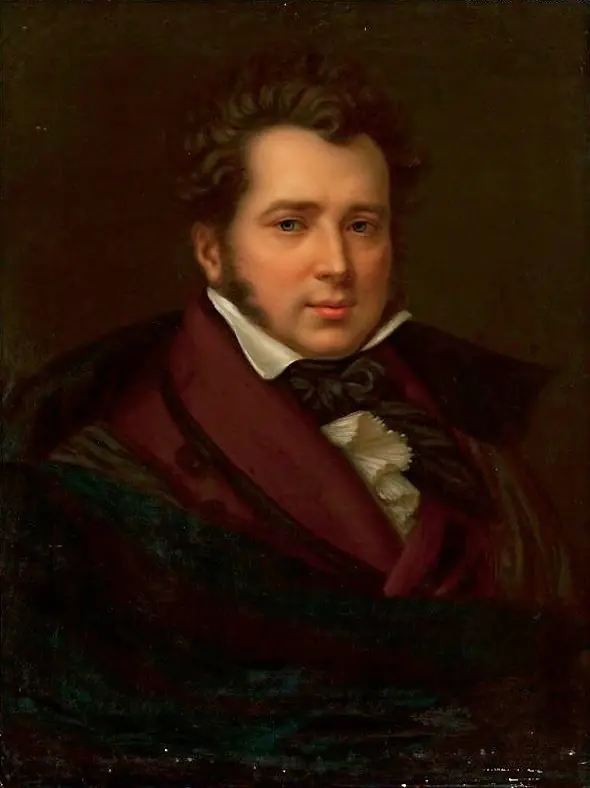 Portrait of Artur Potocki (1788–1832)
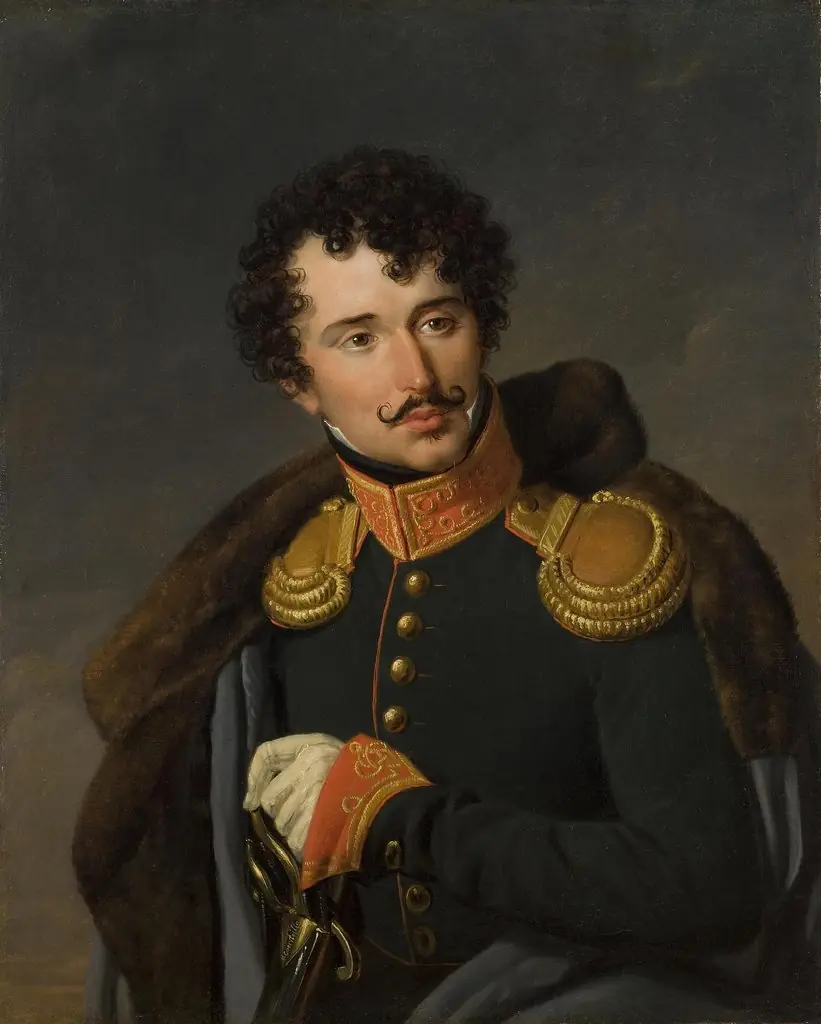 Portrait of A.M. Mailevsky
 Portrait of Jan Leon Hipolit Kozietulski