Art Museum
Frida Kahlo Museum

Image: Wikimedia Commons.
Frida Kahlo Museum is an art museum in Coyoacán, Mexico. 12 works from its collection are in this catalog, including Mariano Silva Vandeira.
About Frida Kahlo Museum
The Frida Kahlo Museum (Spanish: Museo Frida Kahlo), also known as The Blue House (La Casa Azul) for the structure's cobalt-blue walls, is a historic house museum and art museum dedicated to the life and work of Mexican artist Frida Kahlo. It is in the Colonia del Carmen neighborhood of Coyoacán in Mexico City. The building was Kahlo's birthplace, the home where she grew up, lived with her husband Diego Rivera for a number of years, and where she later died in a room on the upper floor. In 1957, Rivera donated the home and its contents to turn it into a museum in Kahlo's honor.
The museum contains a collection of artwork by Kahlo, Rivera, and other artists, along with the couple's Mexican folk art, pre-Hispanic artifacts, photographs, memorabilia, and personal items.
Overview & Identity
The Frida Kahlo Museum, widely known as La Casa Azul (The Blue House), is a historic house and art museum located in the Colonia del Carmen neighborhood of Coyoacán, Mexico City. Dedicated to the life and work of Mexican artist Frida Kahlo, the site serves as the place where she was born in 1907, lived for most of her life, and died in 1954. The museum preserves the intimate atmosphere of the couple's home, filled with their extensive collections of folk art, pre-Hispanic artifacts, and personal effects, offering visitors a direct connection to Kahlo's personal universe and artistic legacy.
History & Founding
The house was originally constructed in 1904 and served as the Kahlo family residence. Following Frida Kahlo's death in 1954, her husband Diego Rivera established the institution as a museum in her honor, which officially opened to the public in 1958. Rivera entrusted the poet and friend Carlos Pellicer with designing the initial museum display to respect the intimate atmosphere of the home.
The museum remained relatively obscure until the 1990s, when Kahlo's international fame surged, transforming it into one of Mexico City's most-visited cultural sites, attracting approximately 25,000 visitors monthly.
Building & Architecture
The structure, dating to 1904, underwent significant modifications by Diego Rivera to accommodate the couple's needs. In 1941, Rivera constructed a new wing facing Londres Street, built of local volcanic rock with ceramic vases set into the walls, which enclosed the courtyard completely. This wing included a terraced roof decorated with marine shells and mirrors.
In 1946, Rivera commissioned architect Juan O'Gorman to build a dedicated studio for Frida. The property spans 1,200 square meters, with the building itself covering 800 square meters. The courtyard features a stepped pyramid, a fountain, and a reflection pool, elements added in the 1940s.
Collection Highlights & Notable Holdings
The museum houses a diverse collection including Kahlo's paintings such as 'Viva la Vida' (Long Live Life) and her first self-portrait, alongside works by Diego Rivera and other artists. A significant portion of the collection consists of nearly 500 ex-votos (votive paintings) amassed by the couple, with 138 displayed in specific exhibitions. The holdings also include a vast archive of over 6,500 photographs, pre-Hispanic necklaces, folk dresses, and thousands of personal objects discovered in 2004, including Frida's wardrobe found in her bathroom.
Her ashes rest in an urn on a dresser in her final bedroom, which serves as an altar.
The 2004 Discovery & Wardrobe
In 2004, a major discovery occurred when thousands of documents, photographs, magazines, books, paintings, personal objects, garments, corsets, medicine, and toys were found sealed in Frida Kahlo's bathroom and wardrobes. This find, the largest in the museum's history, revealed previously unknown aspects of the artist's life and her relationship with Diego Rivera. The wardrobe, which includes skirts, blouses, rebozos, and headgear, was the first of its kind to be displayed, illustrating how Kahlo used attire to revisit family traditions, conceal her disability, and construct her iconic image.
Significance & Legacy
The Frida Kahlo Museum stands as a testament to the lifestyle of wealthy Mexican bohemian artists and intellectuals in the first half of the 20th century. It preserves the specific environment where Kahlo developed her art, including the studio where she worked despite her physical limitations. The museum's preservation of the original furniture, the 'Los Fridos' student legacy, and the intimate domestic setting allows for a unique understanding of Kahlo's political, gender, and disability perspectives.
Restoration efforts in 2009 and 2010, supported by the German government and the museum itself, ensured the continued preservation of the building and its extensive collection.
Frida Kahlo Museum by the numbers
- Founded
- 1958
Works from Frida Kahlo Museum
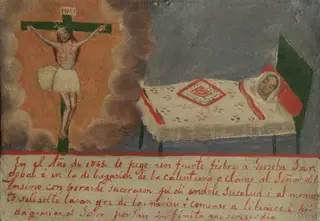 Votive offering dedicated to the Lord of the Encino
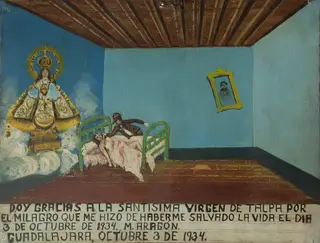 Votive offering dedicated to the Virgin of Talpa
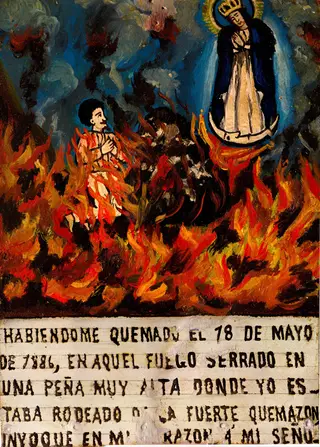 Votive offering dedicated to Our Lady of Solitude
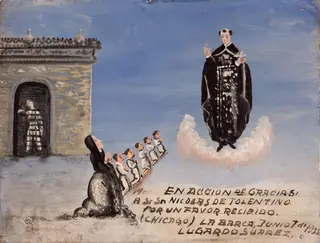 Votive offering dedicated to San Nicolás de Tolentino
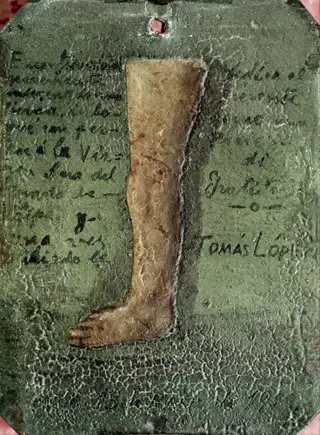 Votive offering dedicated to the Virgin of Talpa
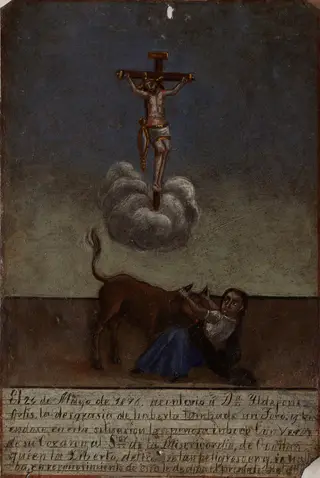 Votive offering dedicated to the Lord of Mercy
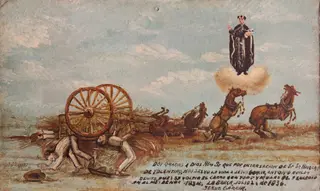 Votive offering dedicated to San Nicolás de Tolentino
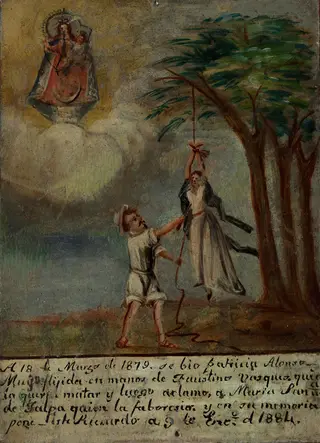 Votive offering dedicated to the Virgin of Talpa
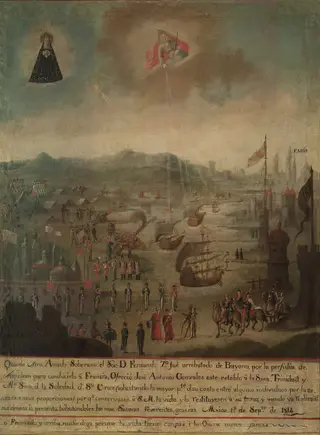 Votive offering dedicated to Our Lady of Solitude
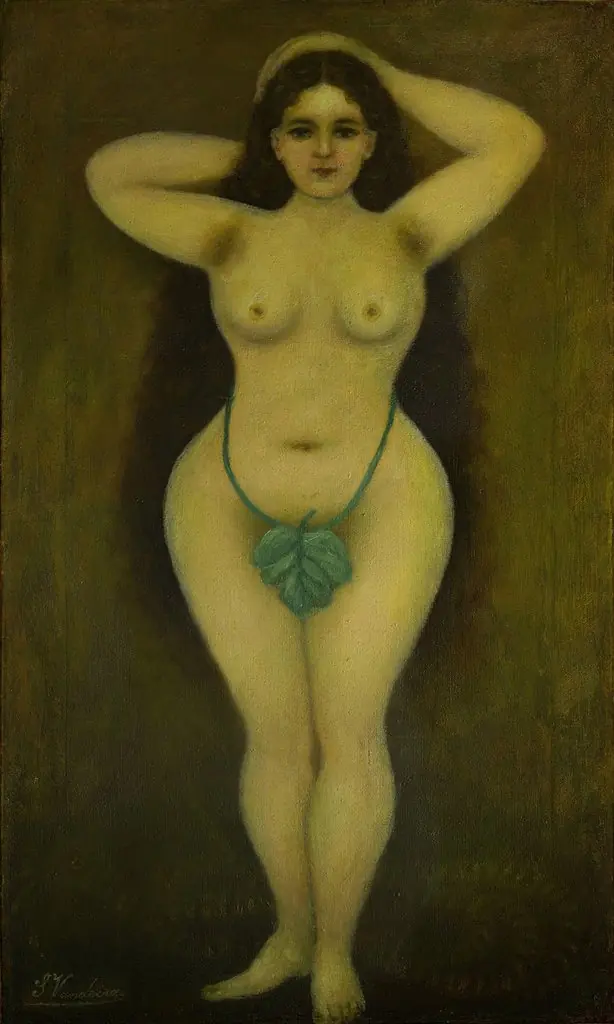 Eva in Paradise
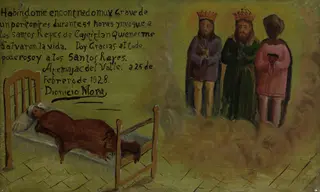 Votive offering dedicated to the Three Wisdom Kings
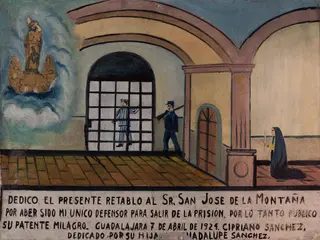 Votive ofering dedicated to Lord Saint Joseph
Plan your visit
Frida Kahlo Museum
- Website
- www.museofridakahlo.org.mx
- Get Tickets
- Book on Tiqets
We may earn a commission from ticket bookings, at no extra cost to you.
Museums near Frida Kahlo Museum
- Art Museum Museum of Fine Arts, Houston Houston, United States
- Art Museum Blanton Museum of Art Texas, United States
- Art Museum Kimbell Art Museum Fort Worth, United States
- Art Museum Dallas Museum of Art Dallas, United States
- Art Museum Crystal Bridges Museum of American Art Bentonville, United States
- Art Museum The Nelson-Atkins Museum of Art Kansas City, United States


