Artwork
Miss Ramus
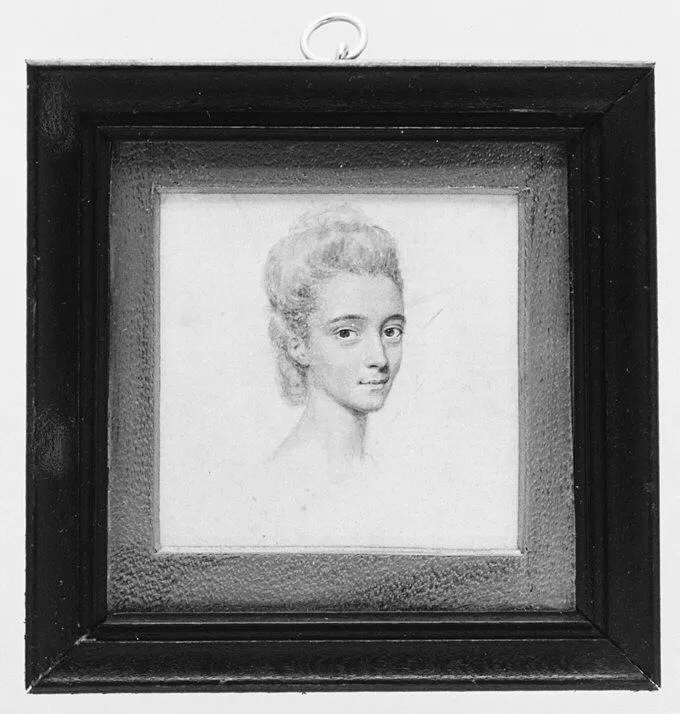
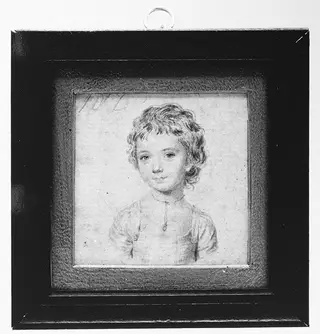
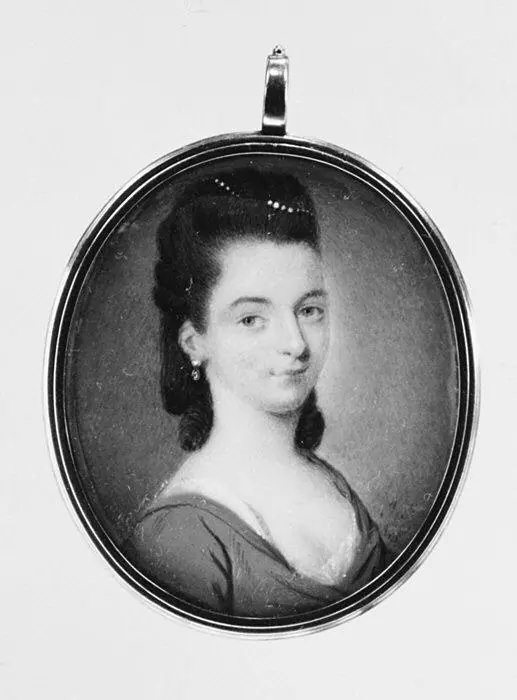
Miss Ramus is an unspecified painting by the Rococo painting artist John I Smart. It dates from 1770 and is held in the collection of the Metropolitan Museum of Art.
About this work
Subject & Meaning
As a portrait, it emphasizes likeness and presence, typical of the genre in the late 18th century, and is presently housed in the Metropolitan Museum of Art.
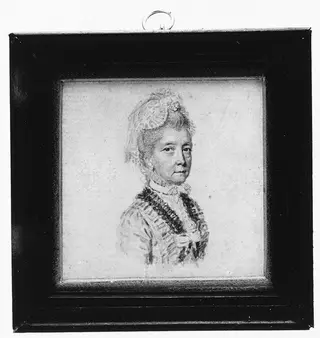
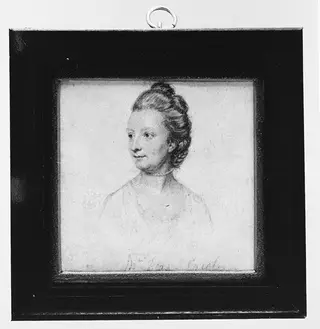
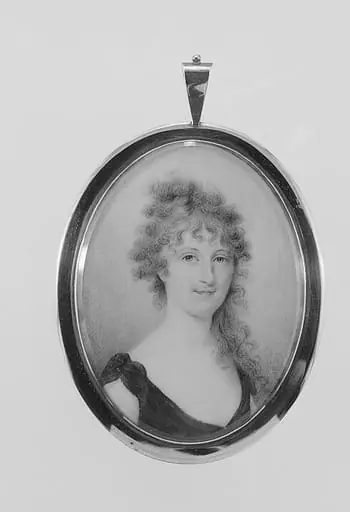
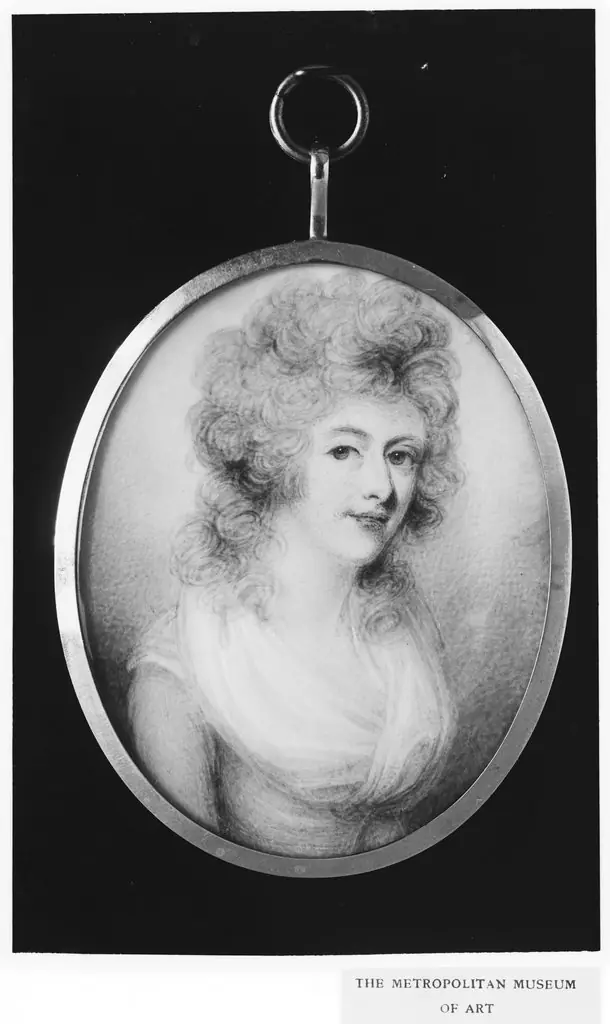
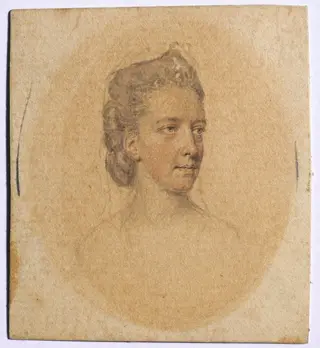
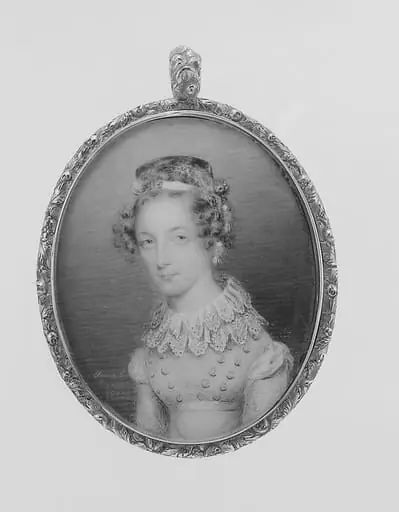
The painting titled Miss Ramus, executed by John Smart in 1770, portrays a young woman whose identity is recorded as Miss Ramus; the work functions as a conventional portrait that signals the sitter's social standing and personal identity. As a portrait, it emphasizes likeness and presence, typical of the genre in the late 18th century, and is presently housed in the Metropolitan Museum of Art. The composition and attire referenced in the work align with contemporary portrait conventions, suggesting notions of respectability and individuality for the depicted sitter.
History & Provenance
The portrait known as Miss Ramus was created in 1770 by the artist John Smart. Classified as a painting within the portrait genre, the work depicts a woman. The piece is currently held in the collection of the Metropolitan Museum of Art, where it remains located.
While the specific circumstances of its original commission and the detailed chain of ownership prior to its arrival at the museum are not elaborated upon in the available records, the work's inception is firmly dated to 1770. No accession number or inventory record is listed in the supplied sources, and the available documentation does not mention any exhibition history for the piece.
Overview
John Smart, an English artist specializing in miniature portraits, created Miss Ramus in 1770. This painting, depicting a woman, exemplifies the Rococo aesthetic of its period. It is part of the collection at The Metropolitan Museum of Art, representing a significant example of 18th-century British portraiture.
Technique & Style
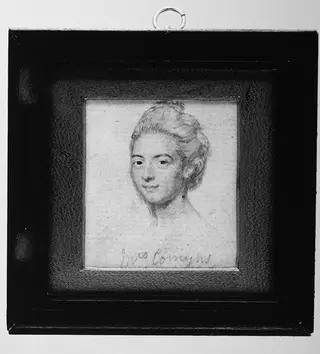
As a specialist in miniature portraiture, John Smart rendered Miss Ramus with delicate precision. The artist employed gentle shading to define the sitter's facial contours, particularly around her eyes and mouth, contributing to the work's serene quality. The absence of vibrant colors or elaborate details aligns with the refined elegance often associated with Rococo portraiture, despite its subdued palette.
Context
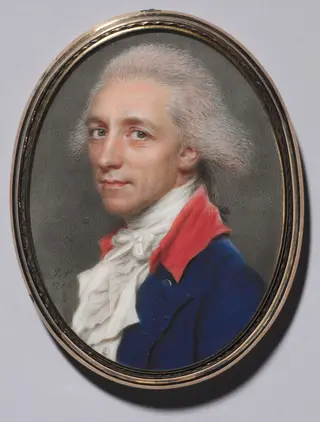
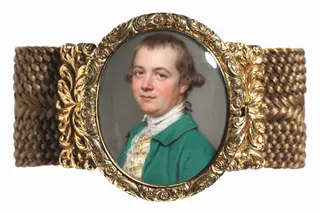
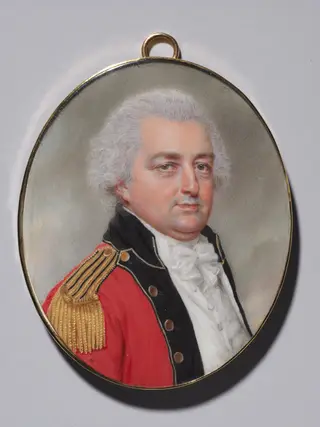
John Smart worked during a flourishing period for British portraiture, alongside notable contemporaries such as Richard Cosway and George Engleheart. His specialization in miniatures placed him within a distinct artistic niche, catering to a demand for portable and personal likenesses. This era saw a refinement of portrait techniques, often blending detailed observation with an idealized presentation of the sitter.
Artist & collection
Artist
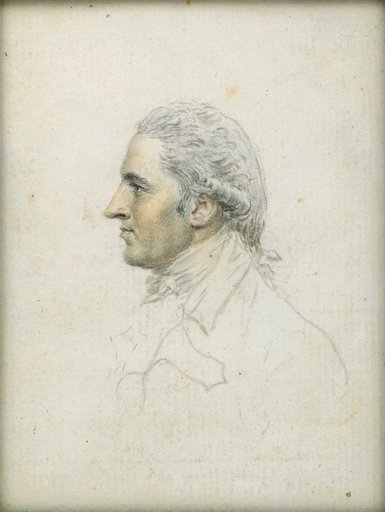
John Smart (1 May 1741 – 1 May 1811) was an English painter who specialised in portrait miniatures. He was a contemporary of Richard Cosway, George Engleheart, William Wood and Richard Crosse.