Artwork
Sir George Armytage (1761–1836), Fourth Baronet
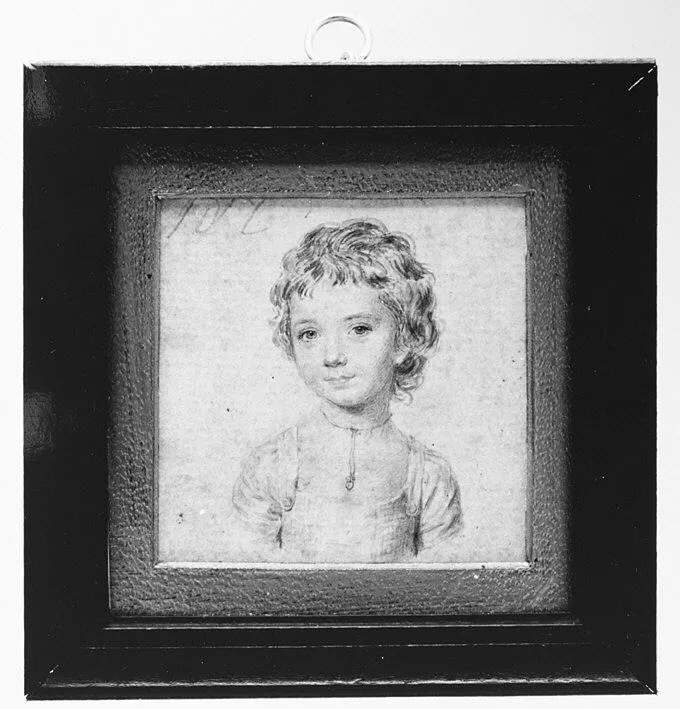
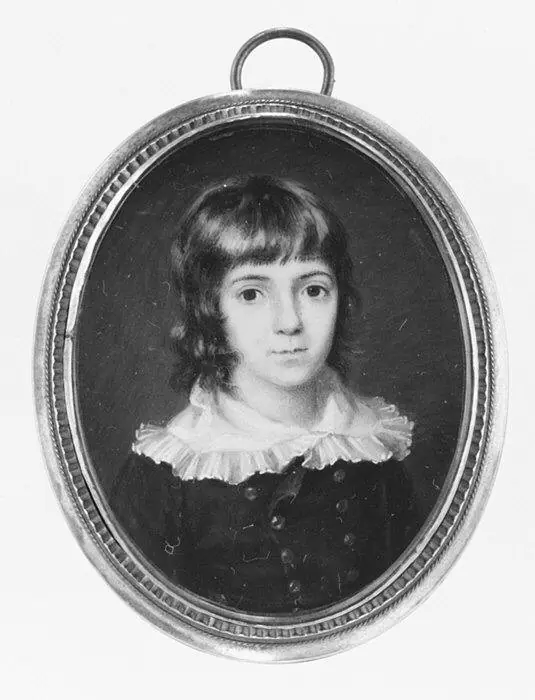
Sir George Armytage (1761–1836), Fourth Baronet is an unspecified painting by the Rococo painting artist John I Smart. It dates from 1763 and is held in the collection of the Metropolitan Museum of Art.
About this work
Subject & Meaning
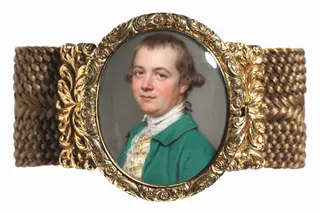
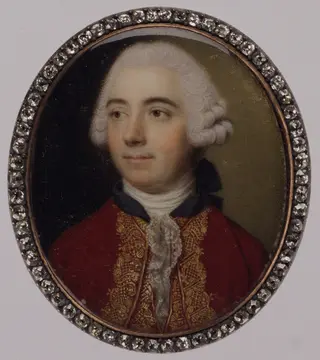
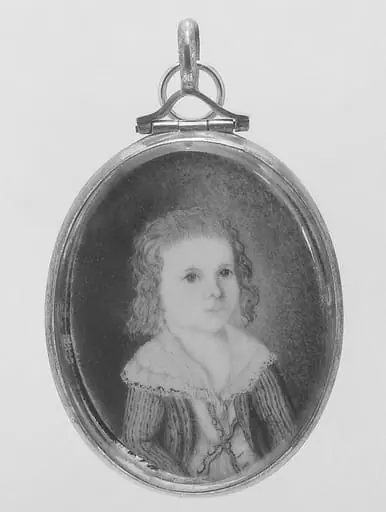
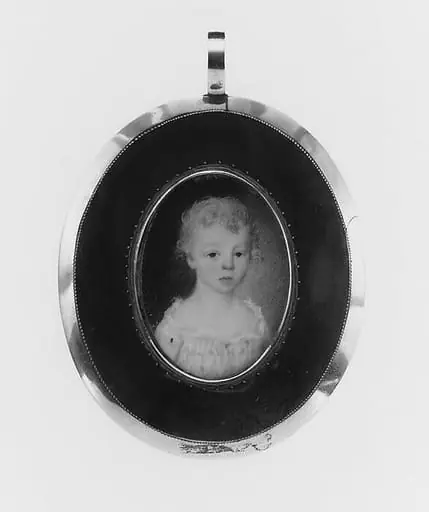
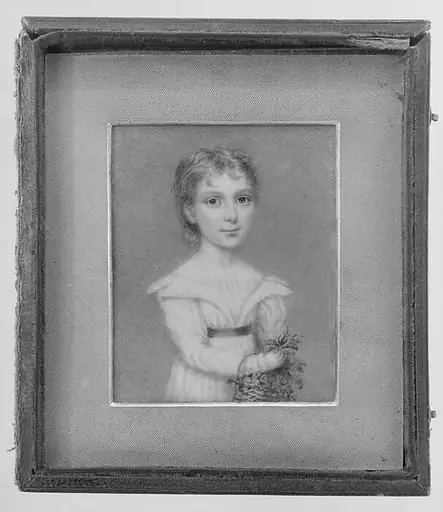
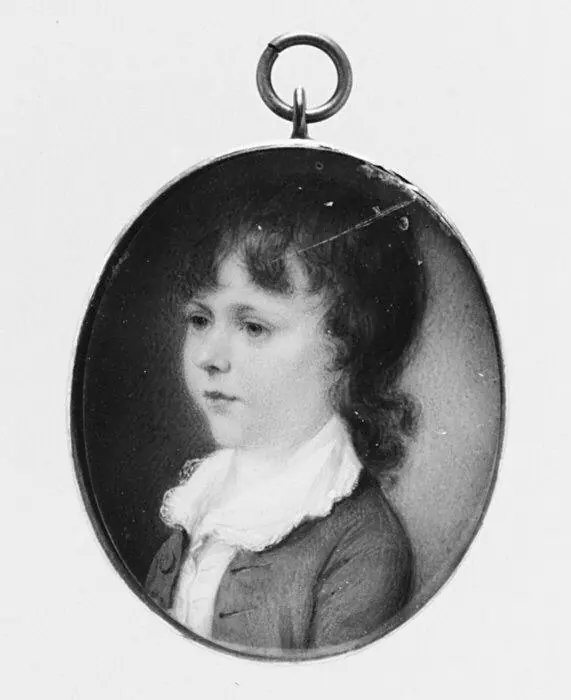
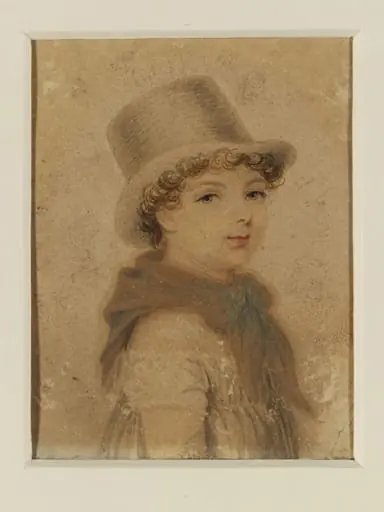
The portrait depicts the young George Armytage, later the Fourth Baronet, as a child, rendered in the miniature tradition associated with John Smart.
The portrait depicts the young George Armytage, later the Fourth Baronet, as a child, rendered in the miniature tradition associated with John Smart. The work functions as a personal likeness rather than an allegorical or narrative composition, focusing on the sitter's identity and social standing. Painted in 1763, when Armytage was about two years old, it represents the heir at the beginning of his life.
The image serves as a visual record of the Armytage family lineage, preserving the appearance of the future baronet.
Technique & Style
The portrait of Sir George Armytage (1761-1836), Fourth Baronet, is recorded as a painting created in 1763 by the British artist John Smart. As a painted portrait, the work functions as a two-dimensional visual representation on a conventional support typical of 18th-century portraiture. The composition depicts the young sitter in a formal pose, reflecting the genre's emphasis on status and likeness.
The piece is housed in the Metropolitan Museum of Art, where it remains part of the collection. Its formal qualities align with contemporary portrait conventions, emphasizing clarity of line and restrained colour treatment.
History & Provenance
Sir George Armytage (1761-1836), Fourth Baronet, is represented by a portrait painted by John Smart in 1763. The work is listed in the Metropolitan Museum of Art's collection and is recorded as being held at that institution; however, the sources do not provide a distinct inventory or accession number for the piece. No exhibition history is mentioned in the available documentation, indicating that the portrait's public display record is not detailed in the referenced materials.
Overview
This miniature portrait by English artist John Smart, created in 1763, depicts a young George Armytage, who would later become the fourth baronet. The painting captures the sitter from the chest up, presenting a refined and delicate aesthetic characteristic of the Rococo period. It is now part of The Metropolitan Museum of Art's collection, representing Smart's detailed approach to intimate portraiture.
Context
John Smart was a prominent English miniature painter during the latter half of the 18th century, a period when such small-scale portraits were highly valued. He worked alongside other notable artists in the field, including Richard Cosway, contributing to the genre's development. Smart distinguished himself through his consistent production of highly detailed and intimate likenesses, making him a significant figure among his contemporaries.
Artist & collection
Artist
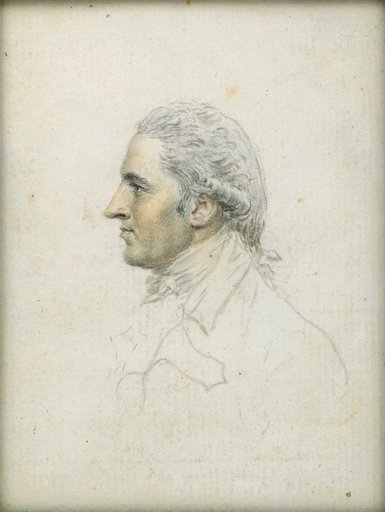
John Smart (1 May 1741 – 1 May 1811) was an English painter who specialised in portrait miniatures. He was a contemporary of Richard Cosway, George Engleheart, William Wood and Richard Crosse.