Artwork
Portrait of Constantine Phipps
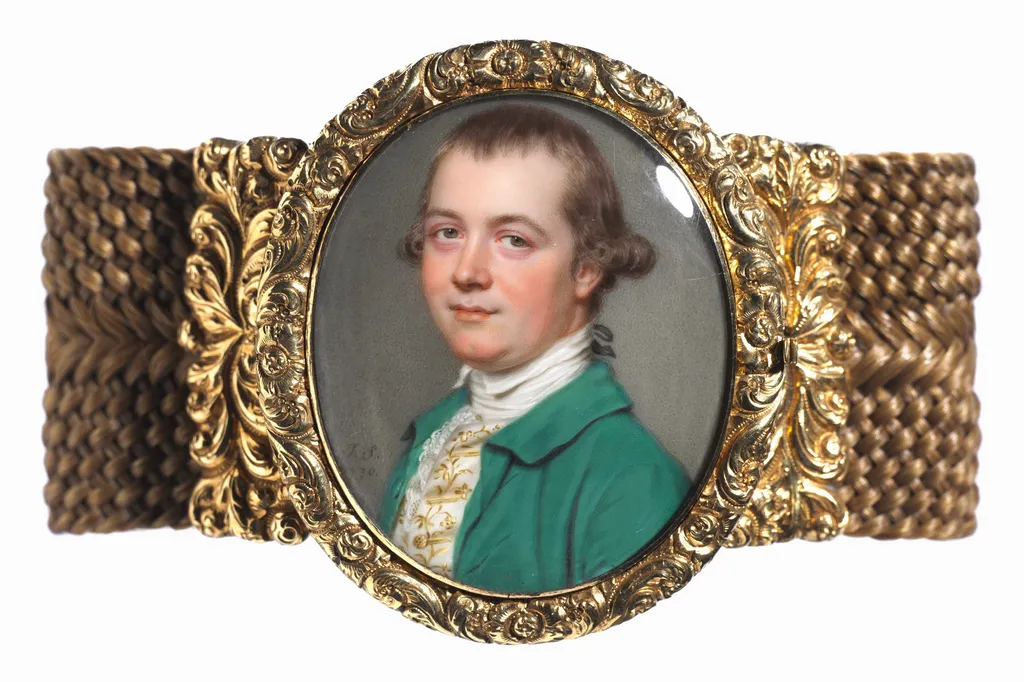
Portrait of Constantine Phipps is a watercolor painting by the Rococo painting artist John I Smart. It dates from 1770 and is held in the collection of the Cleveland Museum of Art.
About this work
Technique & Style
The miniature is painted in watercolor on a thin ivory support, executed in a tightly controlled hand characteristic of Smart’s mature style.
The miniature is painted in watercolor on a thin ivory support, executed in a tightly controlled hand characteristic of Smart’s mature style. The handling combines delicate stippling with fine hatching to articulate features and drapery, while the ivory’s translucency is exploited to render luminous flesh tones. Compositionally, the bust-length format is centered on the sitter’s head, with a neutral background that directs attention to the refined modeling of the face and the crisp detailing of the costume’s lace and buttons.
No losses or significant abrasions are noted in the record, indicating the ivory remains intact with only minor natural age-related toning.
History & Provenance
The ivory miniature portrait of Constantine Phipps was painted by John Smart in 1770, as indicated by both the artist’s documented working period and the internal record of the work’s creation date. The portrait was commissioned to depict Constantine Phipps, likely during his active period in British political life, and reflects Smart’s characteristic precision in miniature painting executed on ivory. The work entered the Cleveland Museum of Art’s collection in 1951 as accession number 1951.437, marking its formal acquisition into a public institution.
Its dimensions, 3.8 cm in height and 3.2 cm in width, align with the small scale typical of portrait miniatures of the period.
Overview
John Smart's Portrait of Constantine Phipps, created in 1770, exemplifies the English artist's mastery of miniature painting. Executed on ivory, this small-scale work captures the individual likeness of Constantine Phipps, reflecting the refined aesthetic characteristic of the Rococo era. The piece is part of the collection at The Cleveland Museum of Art, showcasing Smart's delicate detail and precision.
Subject & Meaning
The portrait presents Constantine Phipps in a formal yet intimate manner. He is depicted wearing a green coat with elaborate gold embroidery and a crisp white cravat, his light brown hair neatly tied back. His serious expression is the focal point, accentuated by the plain background that draws the viewer's attention directly to his features. The ornate gold frame, with its carved design, further enhances the work's luxurious and refined presentation.
Context
Active during the late 18th century, John Smart was a notable English miniature portraitist, often recognized alongside contemporaries such as Richard Cosway and George Engleheart. His specialization in small-scale works allowed him to achieve a distinctive delicacy and precision in capturing individual likenesses. This portrait of Constantine Phipps illustrates the demand for such intimate and finely crafted depictions within British society during the Rococo period.
Own this work as a print
Artist & collection
Artist
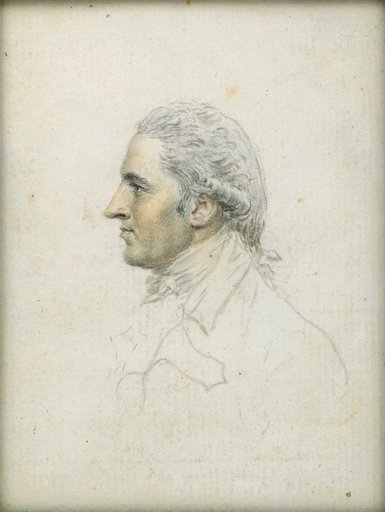
John Smart (1 May 1741 – 1 May 1811) was an English painter who specialised in portrait miniatures. He was a contemporary of Richard Cosway, George Engleheart, William Wood and Richard Crosse.

 George III (1738-1820), koning van Engeland
 Portrait of a Gentleman
 Portrait Presumed to be René Louis de Girardin (1735–1808), Marquis, Writer and Gardening Lord
 Abbé Charles Bossut (1730–1814)
 Joseph Griffiths
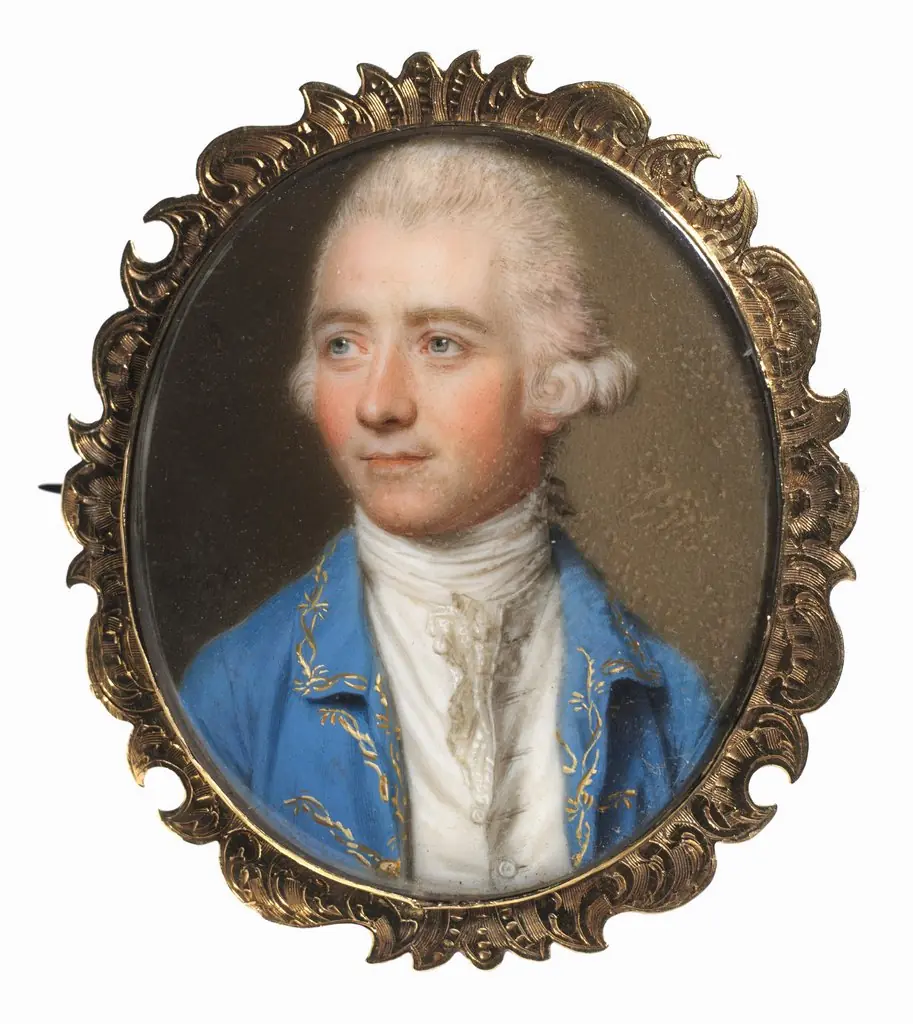 Portrait of a Man, Possibly Sir Soulden Lawrence
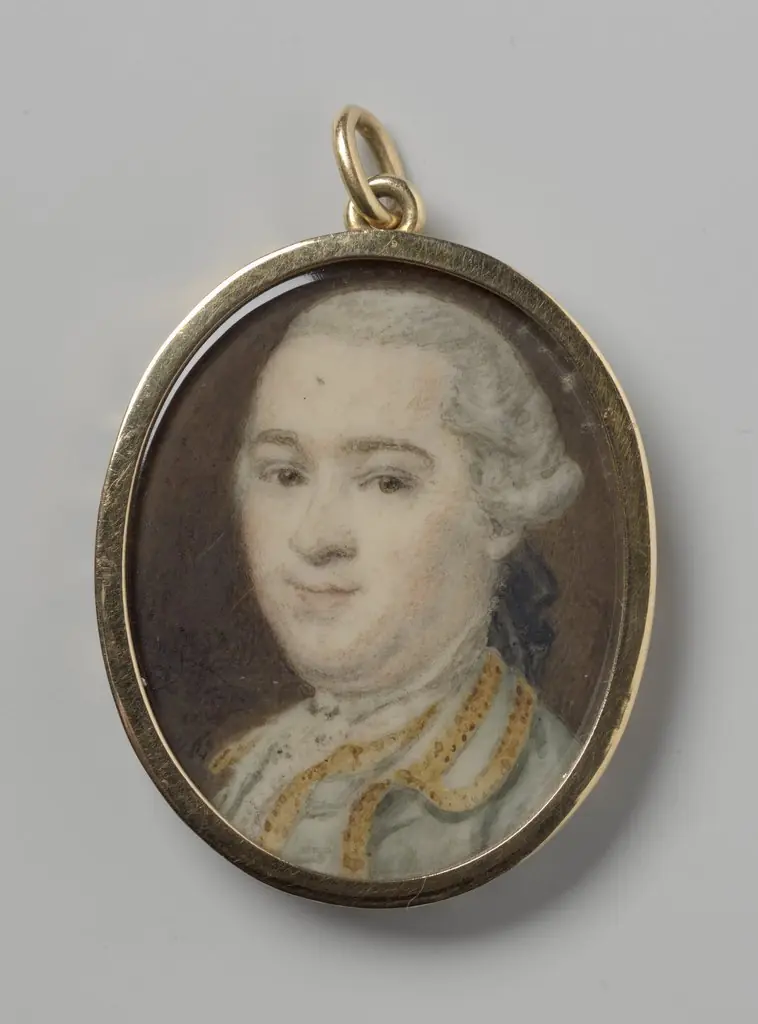 Portret van een man
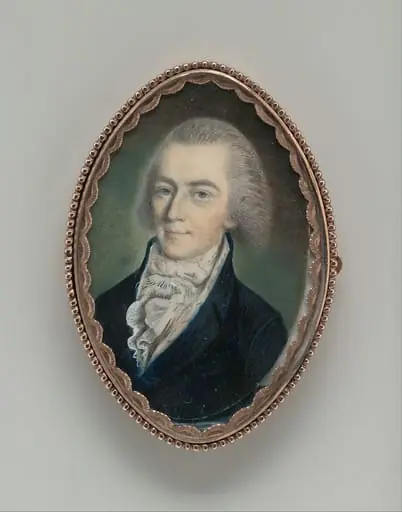 Gulian Ludlow
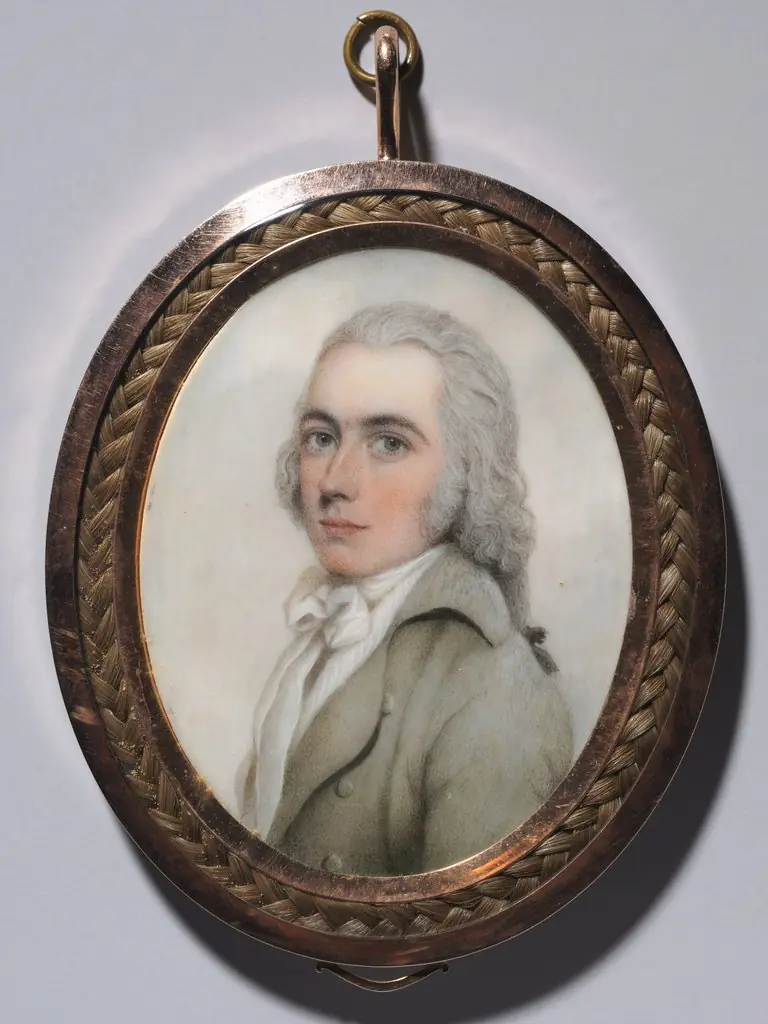 Portrait of a Man
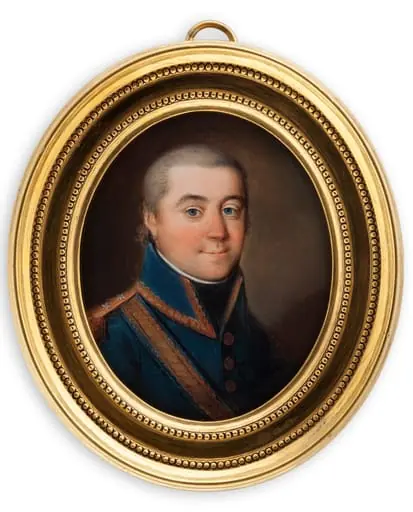 Luutnantti Malmborg
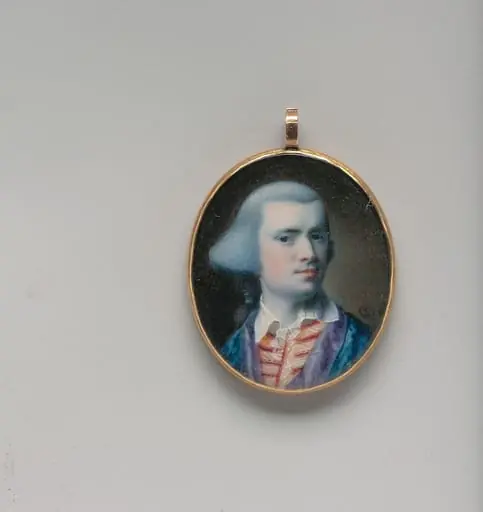 Self-portrait miniature
- Portrait of Constantine Phipps