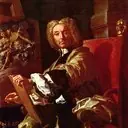
Artist
Francesco de Mura

Kingdom of Naples
Francesco de Mura is a Kingdom of Naples Rococo painting artist. 10 works are cataloged here, principally at Fitzwilliam Museum.
Francesco de Mura (21 April 1696 – 19 August 1782) was an Italian painter of the late-Baroque period, active mainly in Naples and Turin. His late work reflects the style of neoclassicism.
Overview
Francesco de Mura (21 April 1696-19 August 1782) was an Italian painter active primarily in Naples and Turin, whose career bridged the late Baroque and early Neoclassical periods. A leading figure of the Neapolitan school, he is recognized as one of the foremost decorative painters and colorists of eighteenth-century Naples, with a body of work that encompasses fresco cycles, altarpieces, mythological compositions, and portraits. His artistic trajectory moved from the robust Baroque manner of his teacher Francesco Solimena toward a lighter, more refined Rococo palette, and ultimately toward the restrained clarity of Neoclassicism in his final decades. De Mura's significance lies in his synthesis of prevailing stylistic currents and his extensive patronage from both ecclesiastical and royal Bourbon courts.
Biography & dates
Born in Naples to Giuseppe de Mura, a wool merchant, and Anna Linguito, Francesco de Mura began his training around 1709 in the workshop of Domenico Viola, where he encountered the contemporary Mattia Preti. He subsequently entered the studio of Francesco Solimena in 1708 and remained there until 1730, becoming Solimena's most important pupil and collaborator. In 1713, he painted his earliest attributed work, a Crucifixion for the Chiesa di San Girolamo alle Monache in Naples. While still in his teens, he executed frescoes in 1715 for San Nicola alla Carità in Naples. He married Anna d'Ebrù (or d'Ebreù) in 1727 or 1728. In 1741, he was summoned to the royal court of Turin, where he painted mythological frescoes in the Palazzo Reale and associated with the architects Filippo Juvarra and Benedetto Alfieri and the painter Corrado Giaquinto. He returned to Naples in 1743 and was appointed court painter to the Bourbon kings. He died in Naples on 19 August 1782, bequeathing his remaining works and sketches to the Pio Monte della Misericordia in Naples.
Style & movement
De Mura's style evolved through distinct phases. His early work under Solimena's influence, particularly between 1720 and 1730, displayed the dramatic chiaroscuro and compositional vigor of the Neapolitan Baroque. The Immacolata e angeli (1715-1718) for Santa Maria Porta Coeli marked a gradual lightening of his palette away from Preti's influence toward Rococo luminosity. By the late 1720s, his commissions for Santa Maria Donnaromita revealed a more personal direction, possibly inflected by Arcadian themes circulating in Naples. His Turin period (1741-1743) brought contact with Corrado Giaquinto and exposure to international currents, while his later work absorbed the restrained classicism that would define Neoclassicism. De Mura's secular and ecclesiastical works alike demonstrate this synthesis: his palace frescoes in Turin and Naples, his Epiphany at the Nunziatella, and his altarpieces for Santa Chiara and Foggia Cathedral all show a distinctive chromatic technique that influenced the realistic tendencies of Neapolitan classicizing Rococo.
Major works
De Mura's major works span fresco cycles, altarpieces, and easel paintings across Naples, Turin, and beyond. In Naples, his frescoes for San Nicola alla Carità (1715) established his early reputation, followed by ten canvases of the Virtues and an Adoration of the Magi (1728) for Santa Maria Donnaromita. The Adoration of the Magi (1732) in the apsidal dome of the Nunziatella remains among his most significant ecclesiastical decorations, with additional ceiling frescoes there in 1751. For the Palazzo Reale in Naples, he executed ceiling frescoes in 1738; in Turin, he painted mythological frescoes in the Palazzo Reale (1741-1742). His altarpiece The Franciscans Adoring the Sacrament (1743/45) for Santa Chiara and the Pentecost altarpiece (1774) for Spirito Santo represent his mature religious manner. Significant easel paintings include the Self-portrait (1740, oil on canvas, Minneapolis Institute of Arts), The Departure of Aeneas (c. 1740, 102.5 x 129.5 cm, Musée des Beaux-Arts de Brest, acquired 1969), The Continence of Scipio and L'Accord entre Camille et Turnus (both 1765, Palazzo Leoni Montanari, Vicenza), and Aurora and Tithonus (oil on canvas, 128 x 154 cm, Capodimonte Museum, Naples). Other notable works include the Allegory of the Arts (Louvre, Paris), Assumption of the Virgin (Musée des Beaux-Arts de l'Ontario, Toronto), and Rest on the Flight into Egypt (1725-1735, Courtauld Institute of Art, London).
Influences & students
De Mura's formation was shaped by two principal teachers: Domenico Viola, under whom he studied briefly around 1709 and where he met Mattia Preti, and Francesco Solimena, in whose studio he trained from 1708 to 1730 and with whom he collaborated closely. Solimena's influence is most evident in his early work. During his Turin sojourn, he engaged with Corrado Giaquinto, from whom he received significant artistic impulses, and with the architects Filippo Juvarra and Benedetto Alfieri. He also maintained contact with the French painter Pierre Subleyras in Rome. De Mura's own workshop became a crucial training ground for the next generation of Neapolitan painters. His principal pupils included Pietro Bardellino, Giacinto Diano, Fedele Fischetti, and Girolamo Starace-Franchis, who became leading figures in the final phase of Neapolitan Rococo, particularly in decorating Bourbon buildings and aristocratic residences. Other pupils included Oronzo Tiso, Nicola Menzele, Vincenzo De Mita, Elia Interguglielmi, Nicola Peccheneda, Vincenzo Cannizzaro, Francesco Palumbo, Luigi Velpi, and Giovanni Cosenza.
Legacy
De Mura's legacy rests on his position as a pivotal figure in Neapolitan painting, mediating between the Baroque traditions of Solimena and the emerging Neoclassical aesthetic. His technical mastery as a colorist and decorative painter earned him comparisons to Giambattista Tiepolo, and his workshop produced several of the most active painters of the late Neapolitan Rococo. Upon his death, he donated his remaining works and sketches to the Pio Monte della Misericordia, ensuring their preservation. His works are now held in major institutions including the Museo di Capodimonte, the Minneapolis Institute of Arts, the Louvre, the Courtauld Institute of Art, the Musée des Beaux-Arts de Brest, and the Art Institute of Chicago, among others. Modern scholarly attention, including entries in the Dizionario Biografico degli Italiani and specialized studies by Nicola Spinosa, has consolidated his reputation as a central, if sometimes understudied, figure of the Italian Settecento.
Works by Francesco de Mura
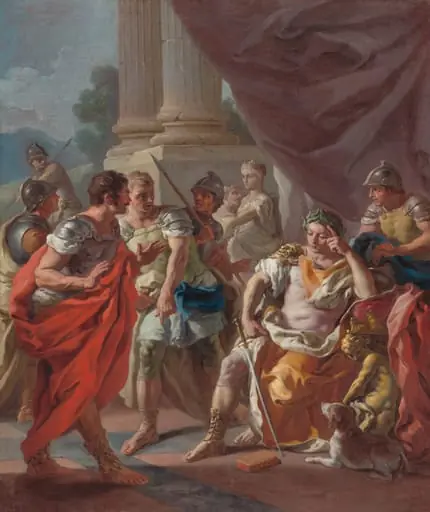 Alexander Condemning False Praise
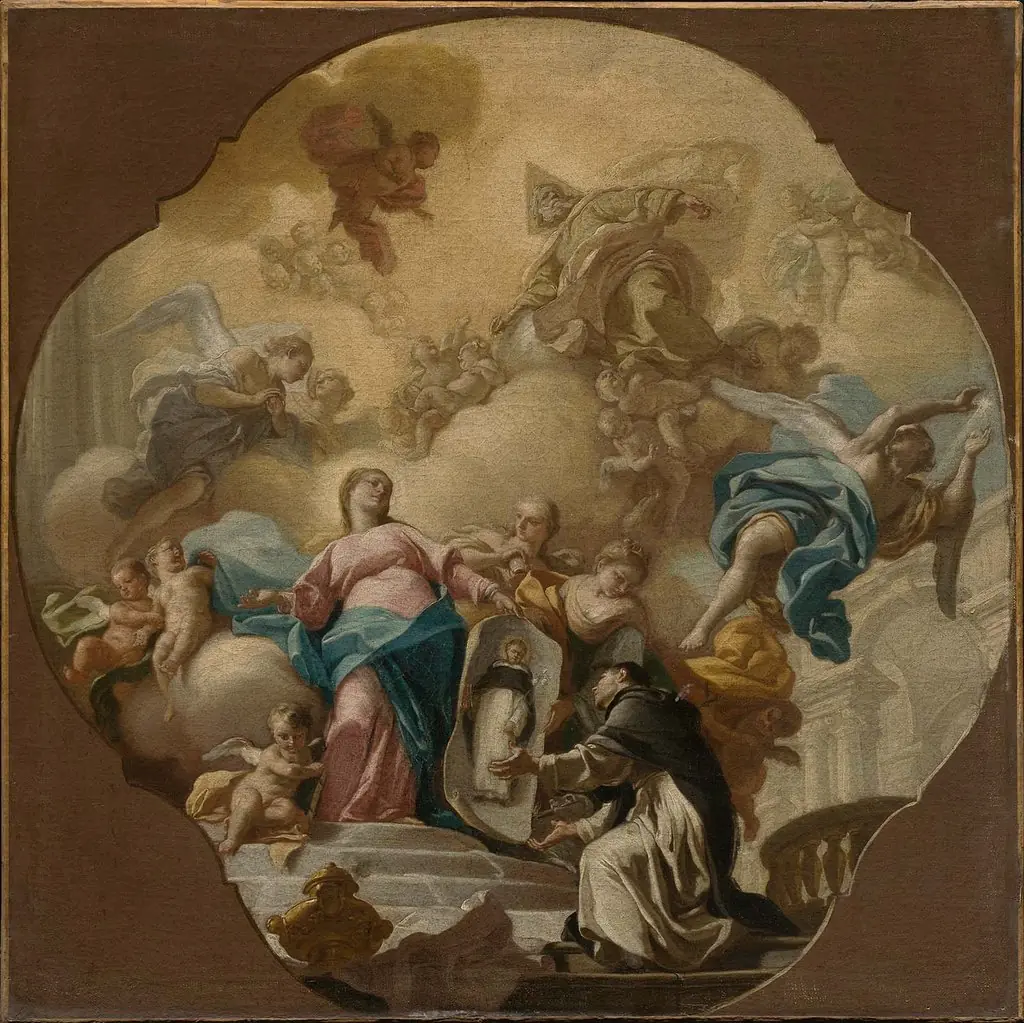 The Virgin Presenting the Portrait of Saint Dominic to the Friar of Soriano
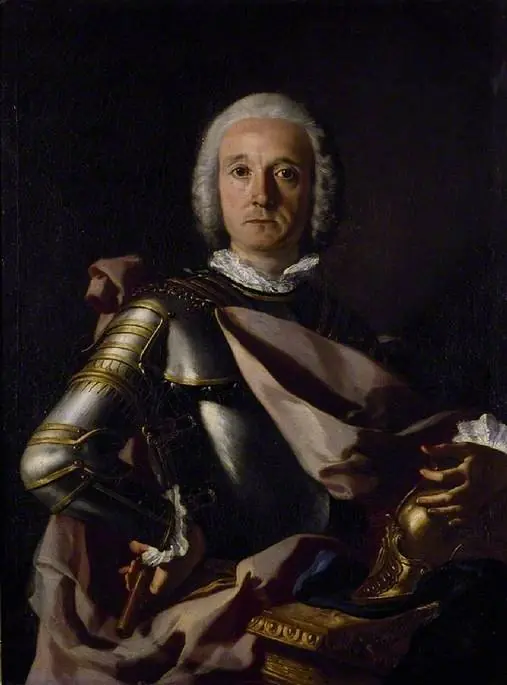 Portrait of Count James Joseph O'Mahoney, Lieutenant-General in the Neapolitan Service. Knight of St Januarius
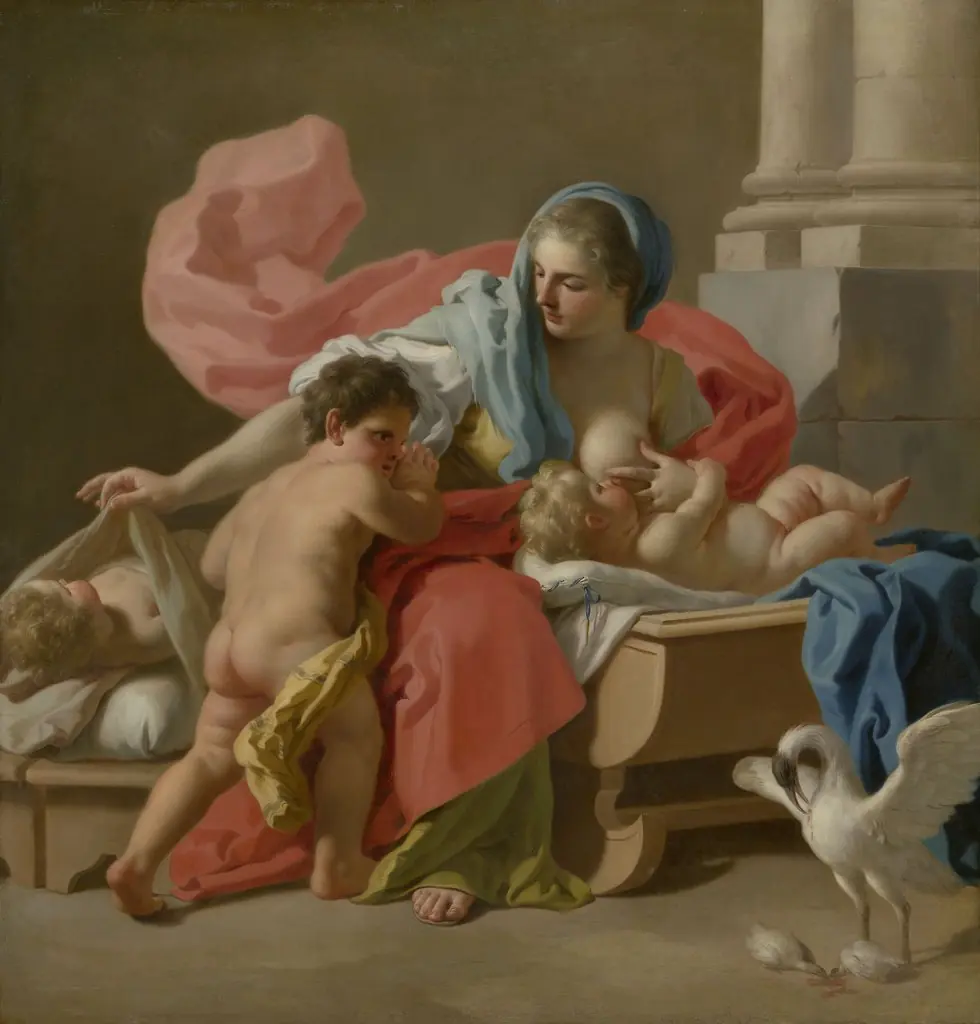 Charity
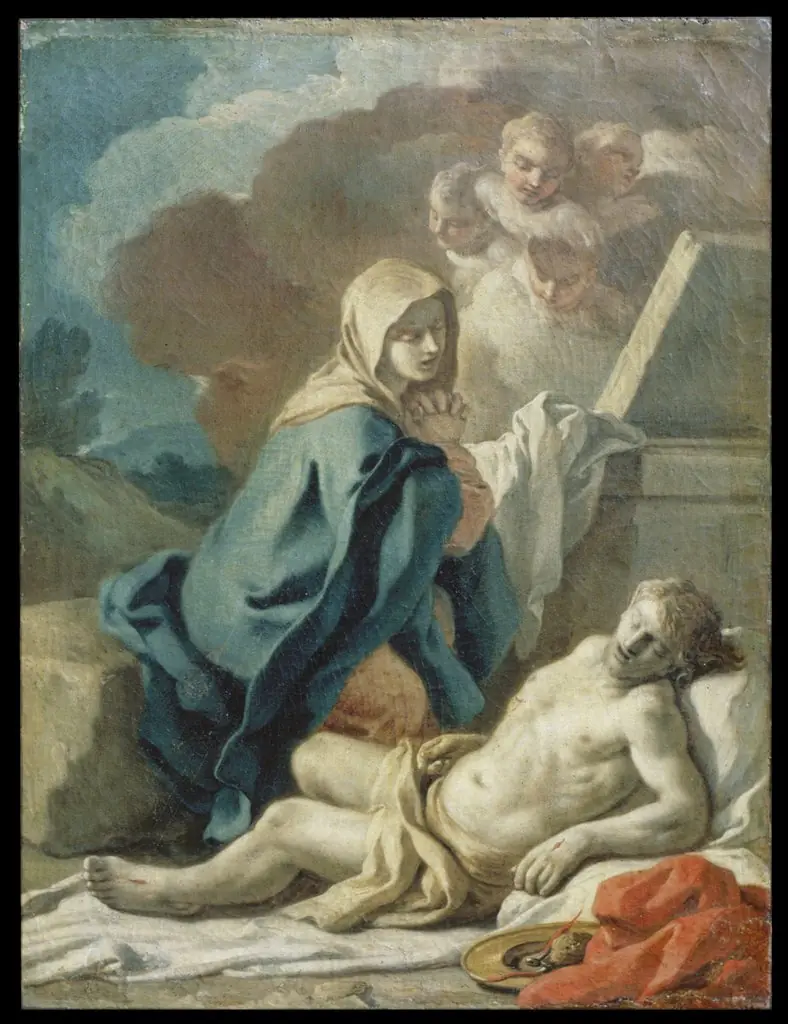 Pietà
Pietà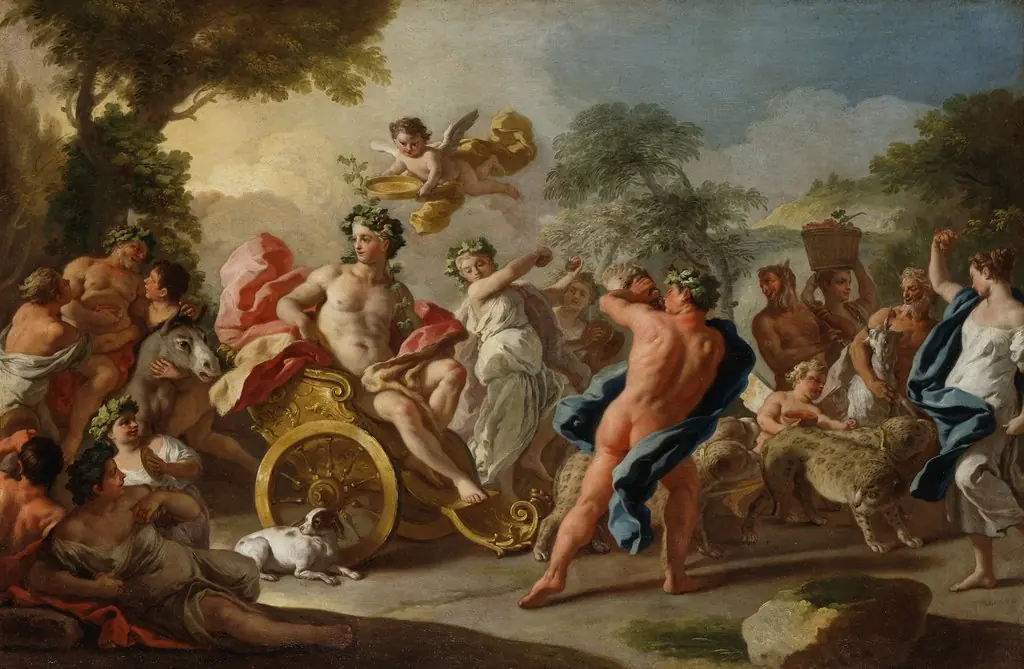 Der Zug des Bacchus
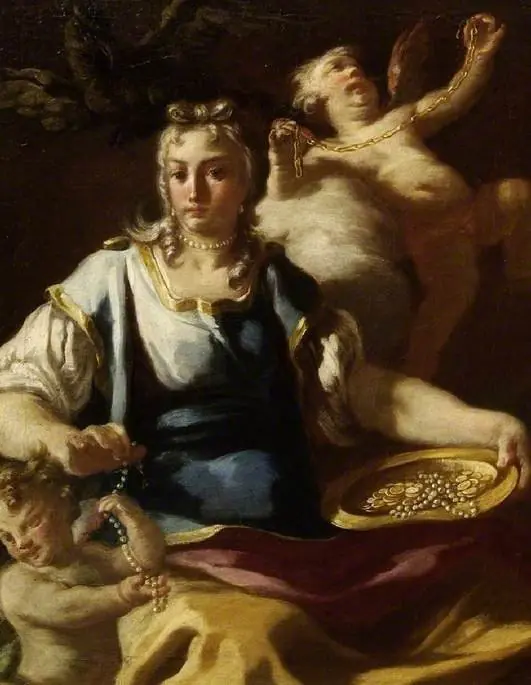 Liberality
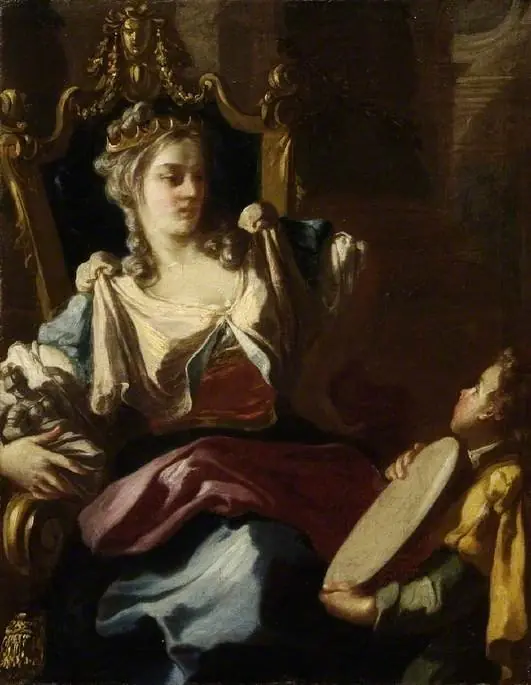 Wisdom or Nobility
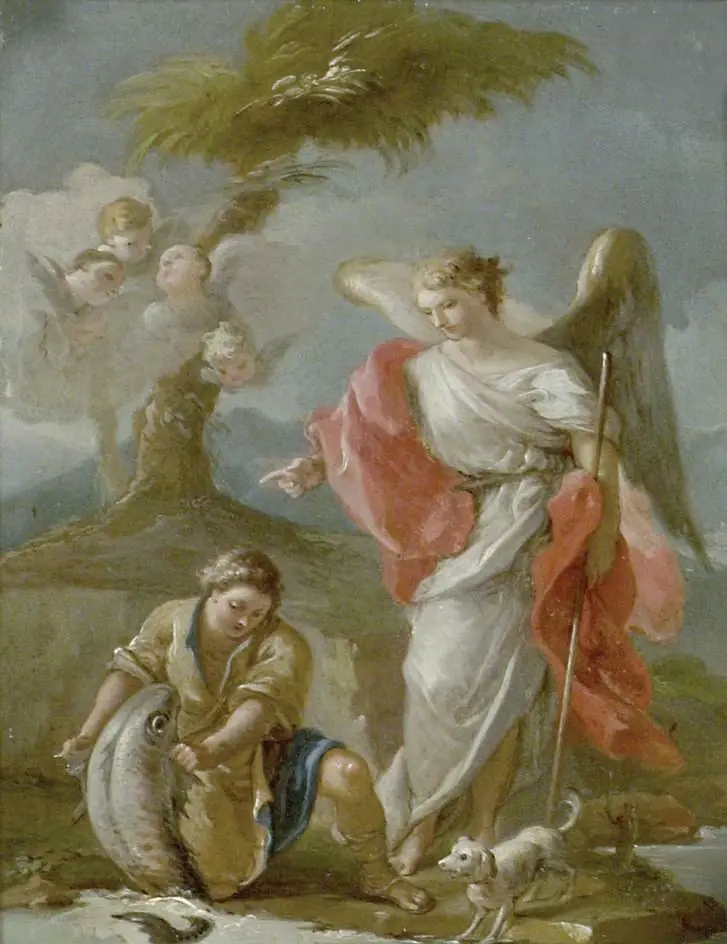 Tobias and the Angel
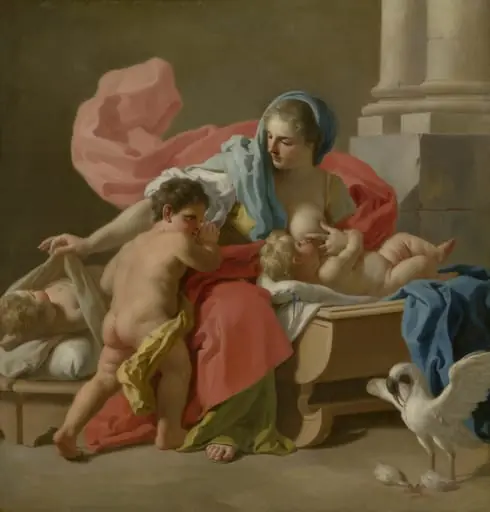 Allegory of Charity
Collections represented


Artists in a similar vein