Artist
Herman van Swanevelt
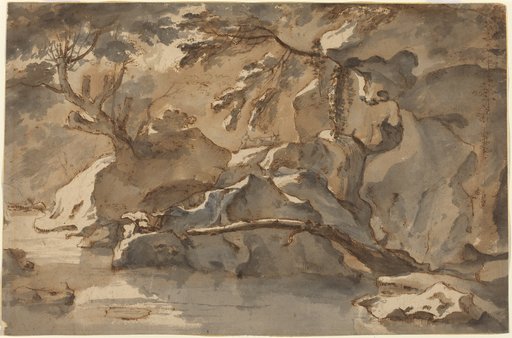
Spanish Netherlands
Herman van Swanevelt is a Spanish Netherlands Barbizon school artist. 144 works are cataloged here, principally at National Gallery of Art.
Herman van Swanevelt (1600–1655) was an artist.
Overview
Herman van Swanevelt (c. 1600-1655) was a Dutch painter, draughtsman, and etcher who became one of the foremost practitioners of the Italianate landscape during the Baroque period. Born in Woerden near Utrecht, he spent his most productive years in Rome and Paris, where he developed a distinctive style characterized by luminous, atmospheric landscapes with contre-jour lighting effects. Van Swanevelt occupies a crucial position in art history as a bridge between the first generation of Dutch Italianate painters, such as Cornelis van Poelenburch and Bartholomeus Breenbergh, and the second generation represented by Jan Both and Nicolaes Berchem. His work paralleled and sometimes anticipated that of Claude Lorrain, with whom he collaborated at the Spanish court, and he played a significant role in transmitting Italian landscape ideals to France, where he became a naturalized citizen and served as peintre ordinaire du roi to Louis XIV.
Biography & dates
Herman van Swanevelt was born in Woerden, near Utrecht, around 1603 into a family of artisans with claimed ancestral ties to Lucas van Leyden. The identity of his teacher remains uncertain; sources variously suggest Willem Buytewech, Gerard Dou, or Abraham Bloemaert, though none is confirmed. His earliest signed and dated works are two views of Paris from 1623, now in the Herzog Anton Ulrich-Museum in Brunswick, indicating his presence in the French capital that year. Around 1629 he relocated to Rome, where he resided in the parish of S. Andrea delle Fratte and joined the Bentvueghels (Schildersbent), receiving the nickname "Heremiet" (Hermit) for his preference for working in solitude. He also became a member of the Accademia di San Luca in 1634. During his Roman period he received prestigious commissions from the Barberini family, the Vatican, and other patrons. In 1641 he departed Rome, traveling via Florence and Venice to return to Paris. He acquired French nationality in 1644 and was appointed peintre ordinaire du roi. On 5 January 1650 he married Suzanne Rousseau, and in 1651 he was presented to the Académie Royale de Peinture et de Sculpture, becoming a member in 1653. He died in 1655 on dates, at his residence on the Rue du Temple in Paris, probably during the final quarter of that year. Throughout his later years he made occasional visits to his native Woerden and briefly returned to Rome in 1649.
Style & movement
Van Swanevelt was a central figure in the Baroque Italianate landscape tradition, which merged Northern naturalistic observation with classical Italian idealism. His style is distinguished by monumental compositions, subtle atmospheric effects, and a particular sensitivity to southern light. During the early 1630s his development ran parallel to that of Claude Lorrain, and in certain respects even anticipated it. He refined a novel form of backlighting (contre-jour) that evoked specific times of day and meteorological conditions with particular success. His figures, typically shepherds with flocks, travelers with pack animals, are small but well-proportioned, subordinate to the landscape rather than dominant within it. Unlike many contemporaries who used landscape merely as setting for biblical or mythological narratives, van Swanevelt was among the first to paint landscapes as autonomous subjects. His treatment of light, atmosphere, and classical ruins established a model that influenced the French school and anticipated developments in veduta painting. In his final decade he also produced Dutch scenes, though these retained the southern light characteristic of his Italian period. His etchings, numbering approximately 116 to 117 plates, are considered particularly outstanding for their clarity and Virgilian serenity.
Major works
Van Swanevelt's oeuvre encompasses paintings, frescoes, drawings, and etchings. For long, the only murals attributed to him were two lunettes in the sacristy of Santa Maria sopra Minerva in Rome, of which only one survives. Art historian Susan Russell has proposed that a frieze with seven scenes from the life of Joseph in the east wing of Palazzo Pamphilj, Piazza Navona, should also be attributed to him. His painted works include Roman Ruins with the Arch of Constantine (1634, National Museum of Western Art, Tokyo), View of the Campo Vaccino (c. 1631), The Arch of Constantine, Rome (1645, Dulwich Picture Gallery), Italian Landscape with Bridge (c. 1645-1648, Dulwich Picture Gallery), Landscape with Tall Rocks (1643, Rijksmuseum), and Thunderstorm (1649, National Gallery of Victoria, Melbourne). A River Landscape with Saint Philip Baptizing the Eunuch of Queen Candace is held by the Musée des Beaux-Arts de Bordeaux, while the Musée des Beaux-Arts de Brest possesses The Rest of the Holy Family during the Flight into Egypt. His etching The Birth of Adonis (1654) is in the permanent collection of the Utah Museum of Fine Arts. Four paintings from the Buen Retiro Palace commissions are preserved at the Museo del Prado. Numerous drawings are extant, including studies of Roman architecture and landscape subjects. His prints were issued with royal privilege from 1650 onward.
Influences & students
Van Swanevelt's formative influences remain partly obscure due to uncertainty about his training. Stylistic connections have been proposed with Abraham Bloemaert, Willem Buytewech, and Gerard Dou, though none constitutes a confirmed teacher-pupil relationship. In Rome he moved within circles that included Claude Lorrain, Nicolas Poussin, and the Bamboccianti, and he worked alongside Jan Both, Andries Both, and other Dutch and French artists at the Buen Retiro Palace. His own influence proved substantial and well-documented: he served as a critical link between the first generation of Dutch Italianates, Paul Bril, Cornelis van Poelenburch, and Bartholomeus Breenbergh, and the second generation comprising Jan Both, Nicolaes Berchem, and Jan Baptist Weenix, who imitated his monumental compositions and treatment of southern light. In France, his imported Italian manner influenced the development of French landscape painting, and he collaborated with artists including Eustache Le Sueur, Jan Asselyn, and possibly Laurent de la Hyre on the decoration of the Hôtel Lambert. His impact extended to the evolution of classical landscape painting in France and the broader European context.
Legacy
Van Swanevelt's posthumous reputation suffered a significant decline; somehow his name disappeared from art-historical memory for extended periods. The misconception that he was a pupil of Claude Lorrain persisted until scholarship by Michael Kitson (1958) and Albert Blankert (1965) established that the relationship was reversed, with Claude having been inspired by van Swanevelt. Their works from the 1630s are so closely related that attributions have occasionally been exchanged between them. Modern reassessment, particularly through the research of Anne Charlotte Steland and the 2007 exhibition "Het zuiden tegemoet" organized by Blankert, has restored his standing as a major figure in Baroque landscape painting. His works are now held in numerous international collections including the Rijksmuseum, the Louvre, the Prado, the National Gallery of Victoria, the National Museum of Western Art in Tokyo, and the Dulwich Picture Gallery. The market for his paintings and prints reflects this rehabilitated status, with his etchings particularly prized by collectors. His legacy endures as a pivotal figure who transmitted Italianate landscape ideals across national boundaries, merging Northern precision with Mediterranean grandeur and helping to define the cosmopolitan character of seventeenth-century European art.
Works by Herman van Swanevelt
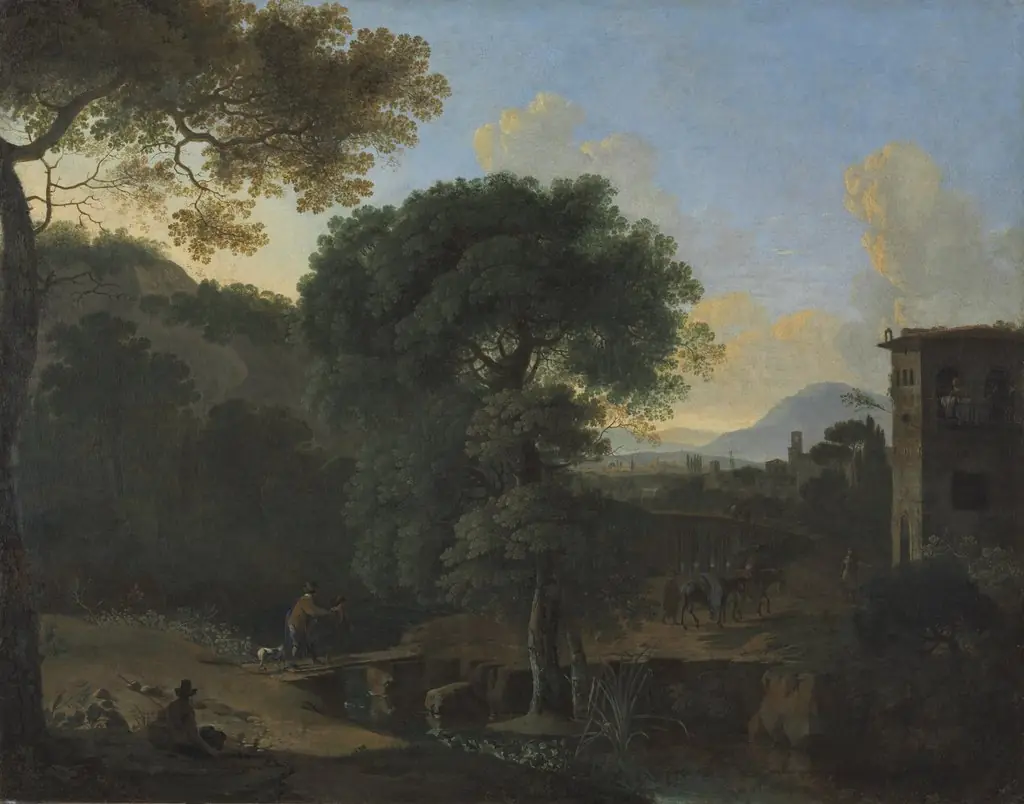 Landscape with Travelers
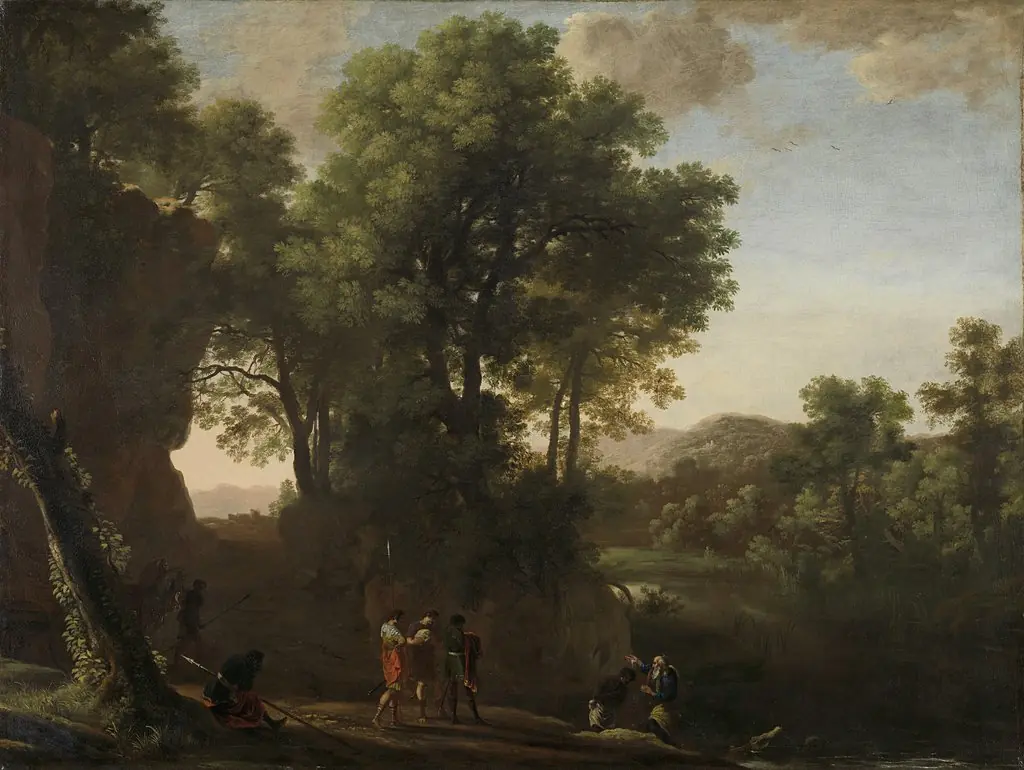 Landscape with the baptism of the eunuch
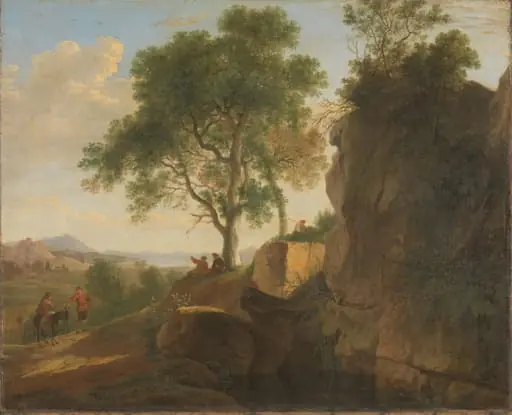 Italian landscape
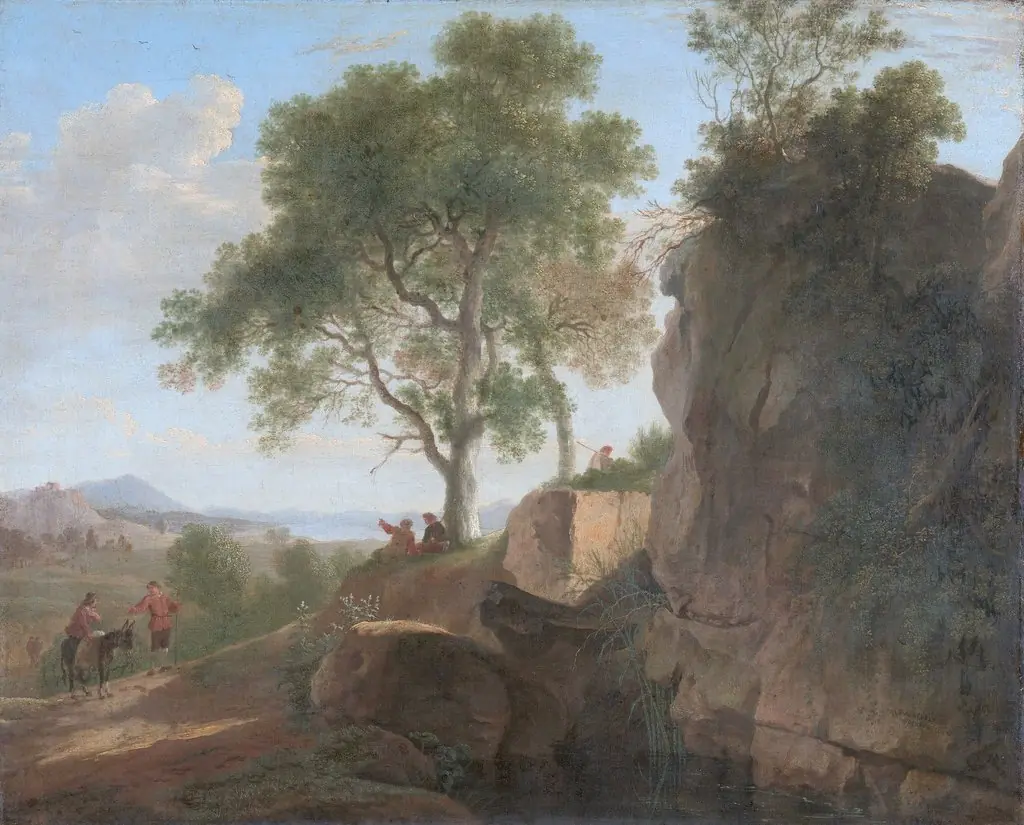 Italian landscape
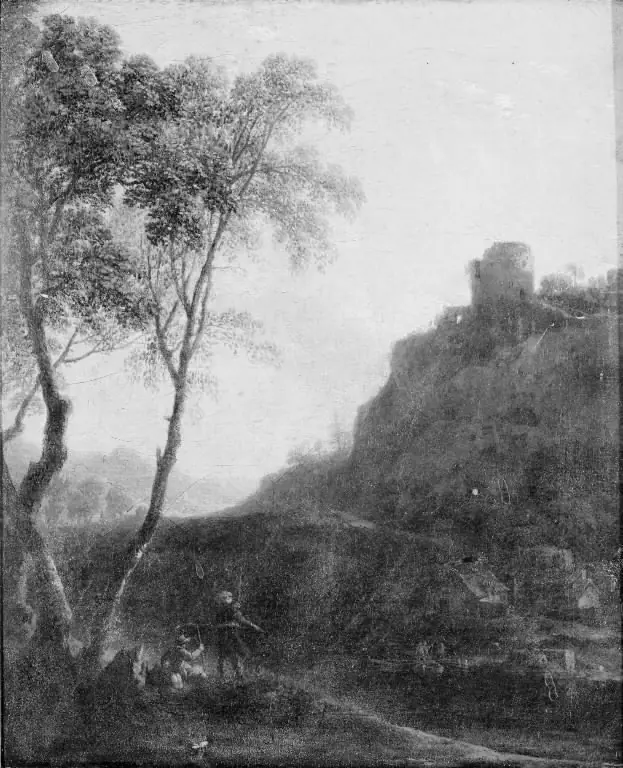 Landscape
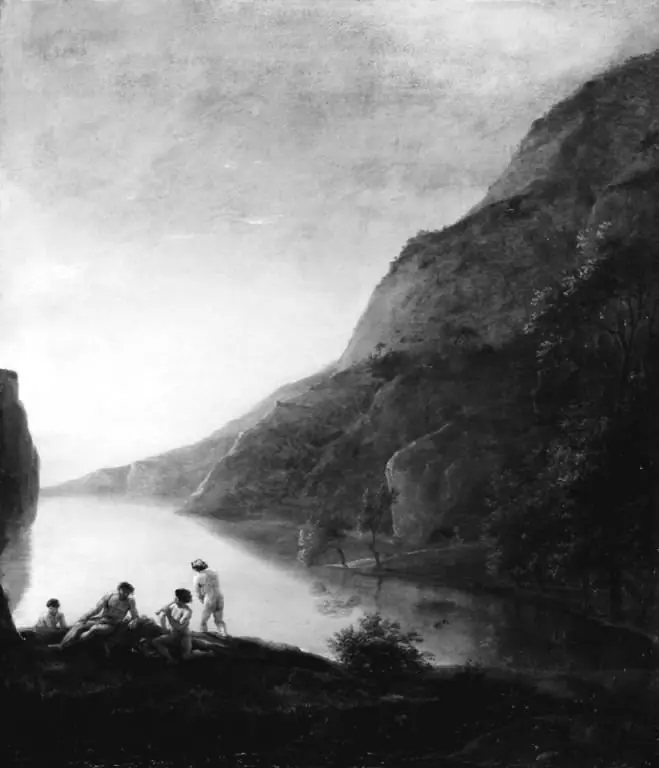 Landscape with Bathers
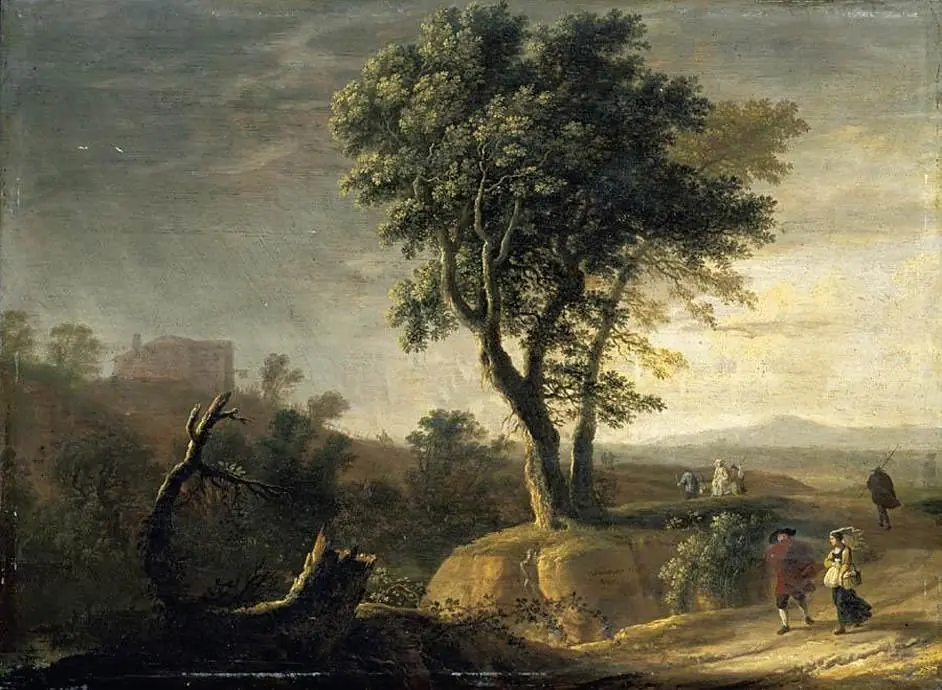 Thunderstorm
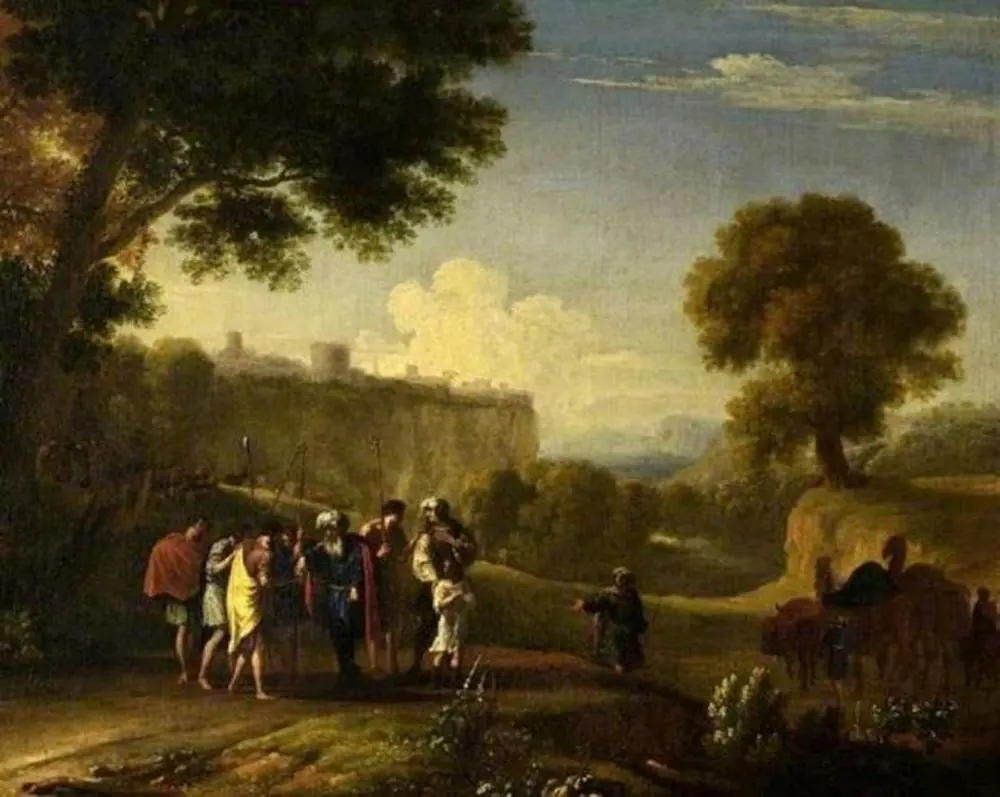 Landscape with the sale of Joseph
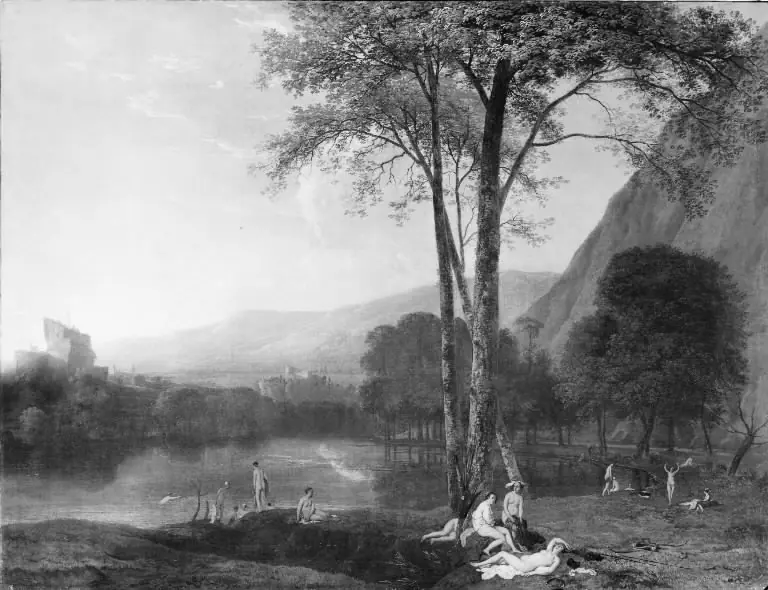 Quiet Summer Evening by a Mountain Lake
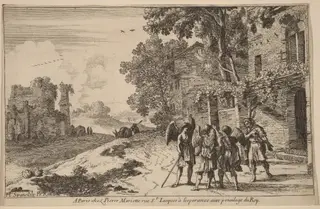 Abraham and the Three Angels
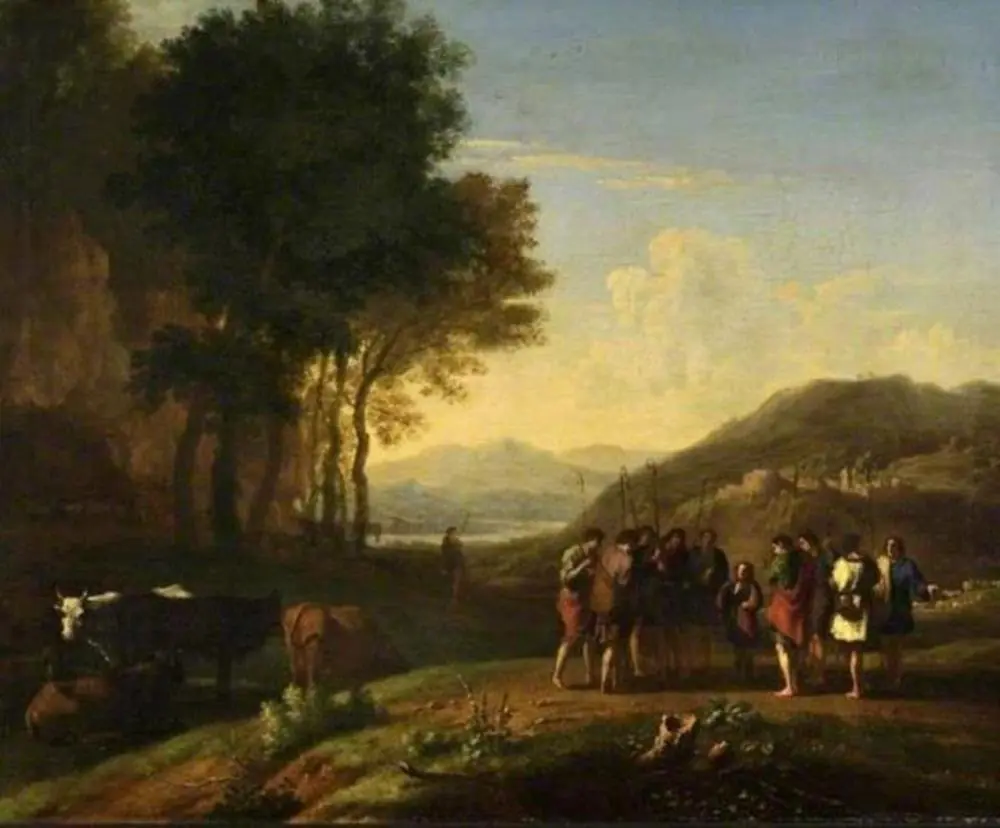 Landscape with Joseph and his brethren
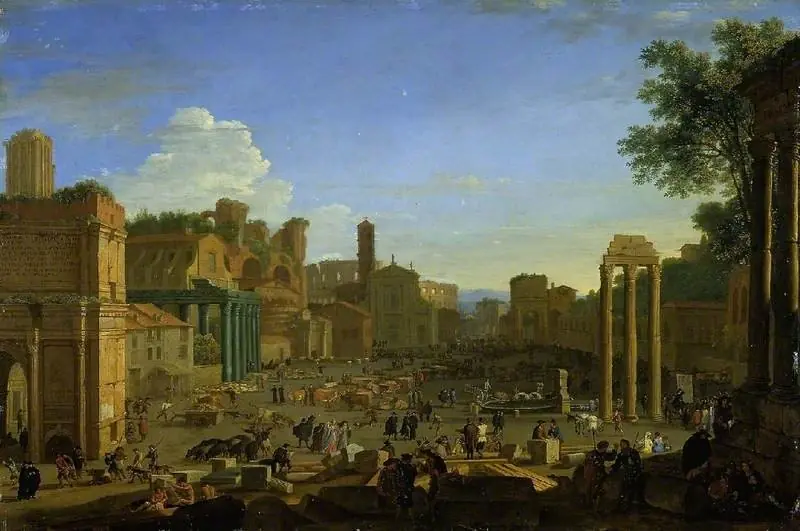 The Campo Vaccino, Rome
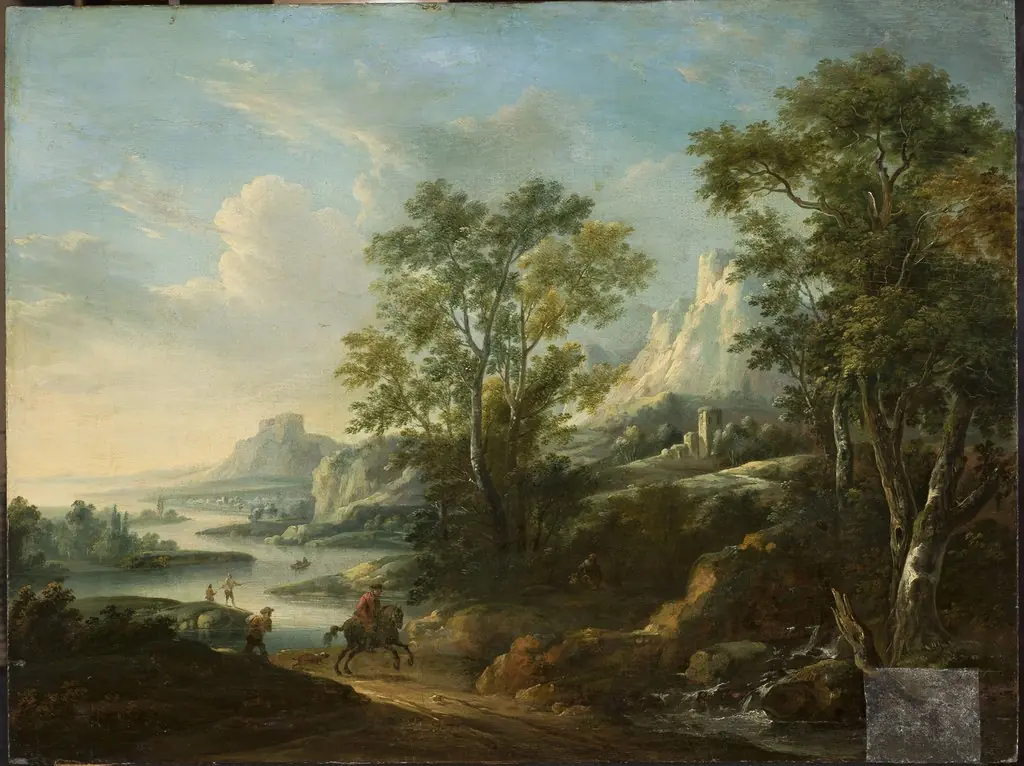 Mountain landscape with a river
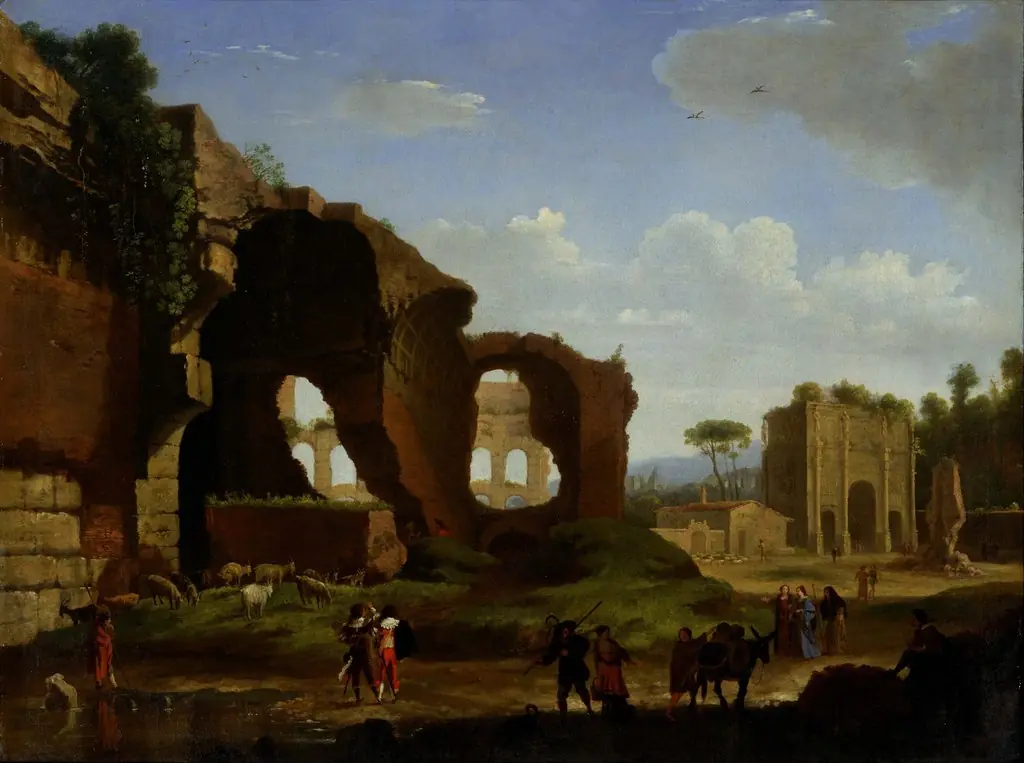 A Roman View of the Ruins of the Temple of Venus and Rome with the Colosseum and the Arch of Constantine
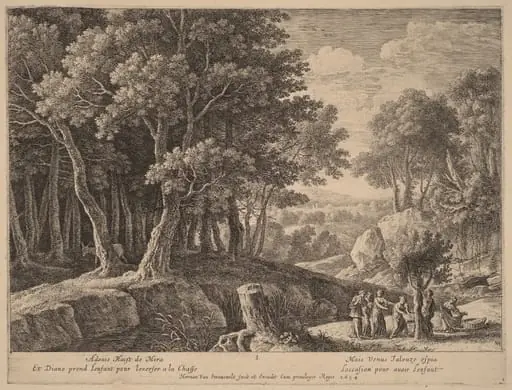 Birth of Adonis
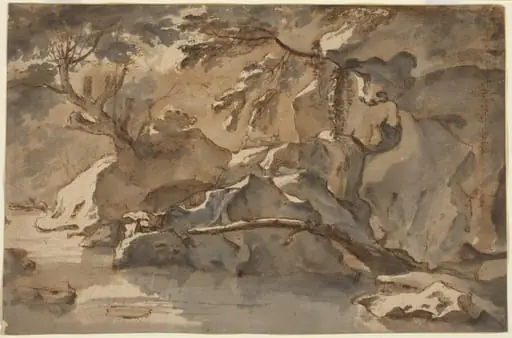 Landscape (after Paul Bril)
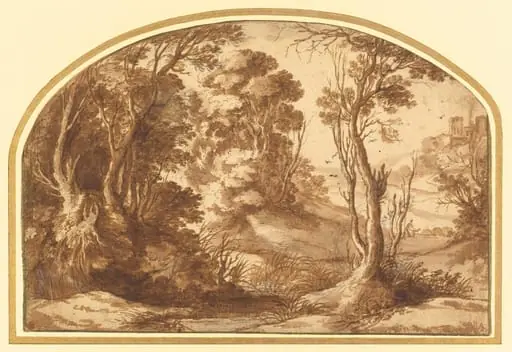 Pool at the Edge of a Wood
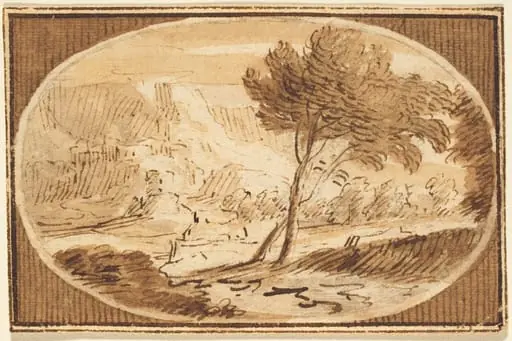 A Landscape with a Great Tree
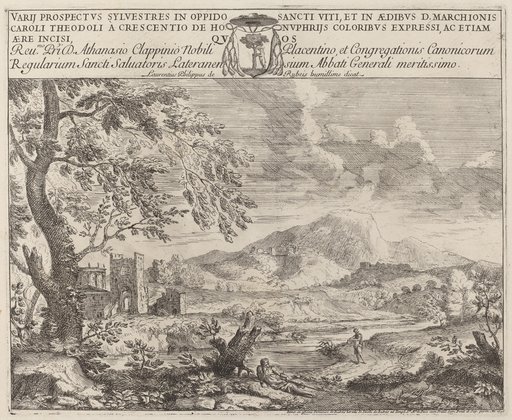
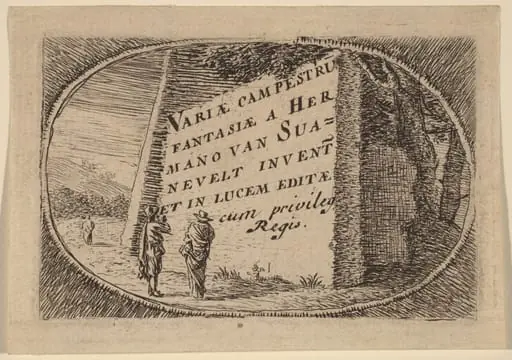 Title Page
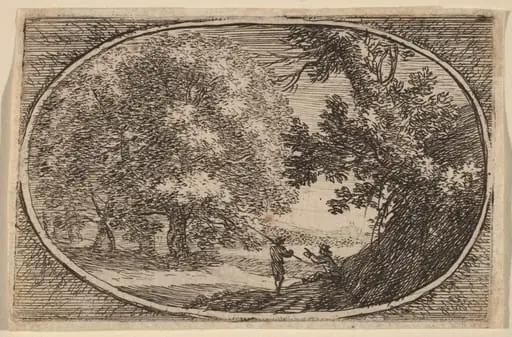 The Large Tree
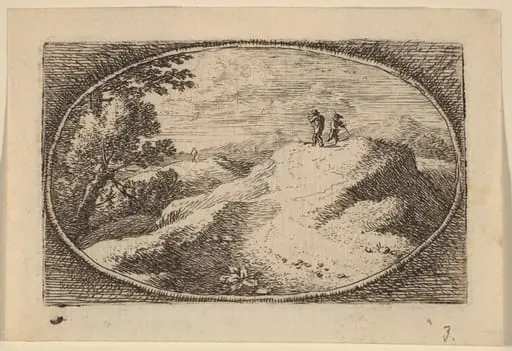 Two Men on a Bare Hill
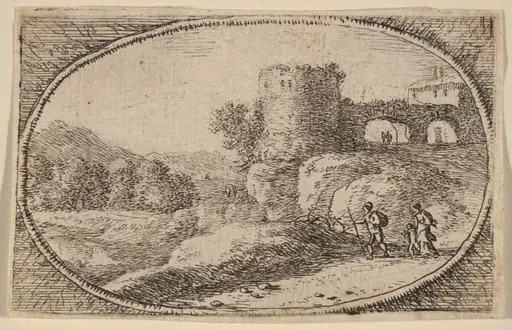 The Large Round Tower
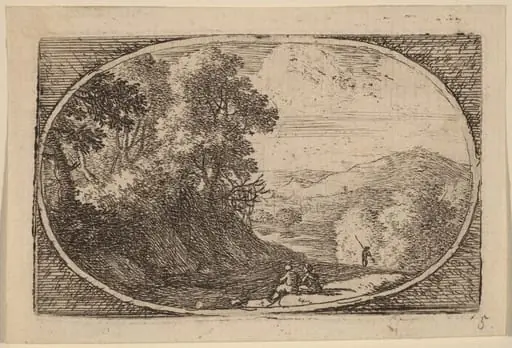 Two Figures Seated to the Right of a Road
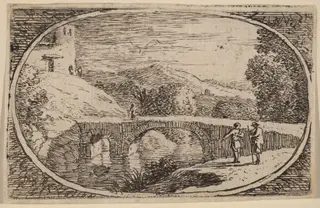 A Stone Bridge
144 works in the catalog · 24 shown
Collections represented


- Thunderstorm
- Landscape with the sale of Joseph
- Quiet Summer Evening by a Mountain Lake
- Abraham and the Three Angels
- Landscape with Joseph and his brethren
- The Campo Vaccino, Rome
- Mountain landscape with a river
- A Roman View of the Ruins of the Temple of Venus and Rome with the Colosseum and the Arch of Constantine
Artists in a similar vein