Artwork
Italian landscape
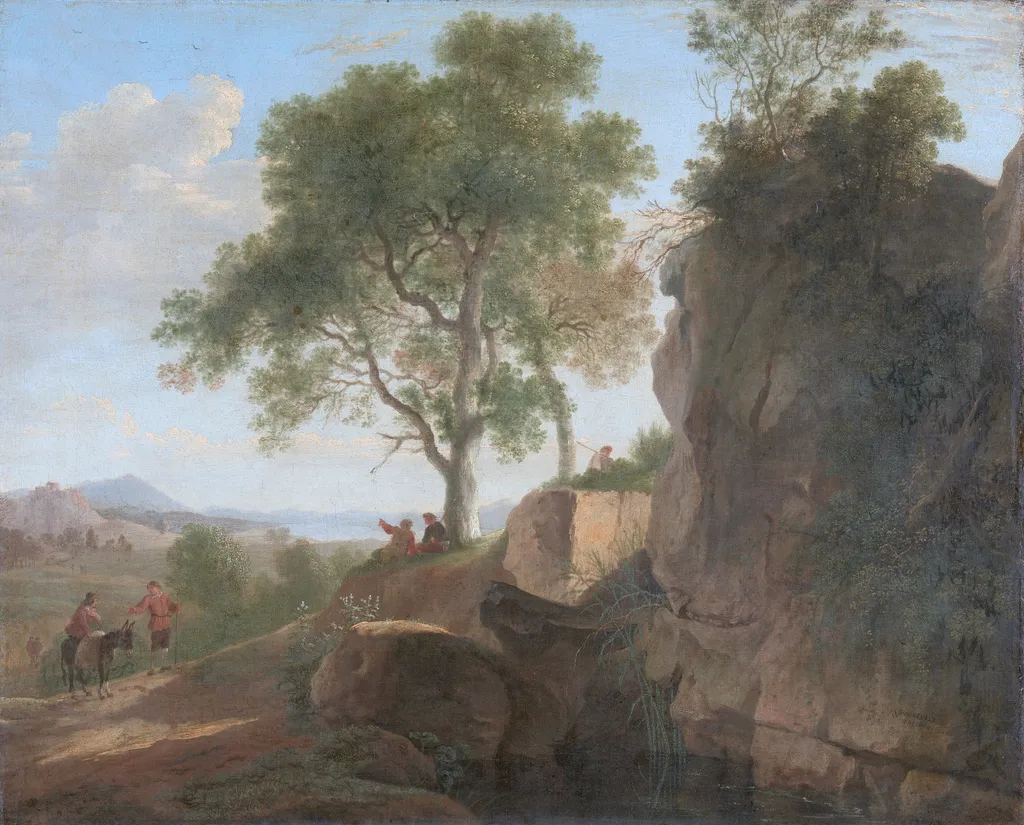
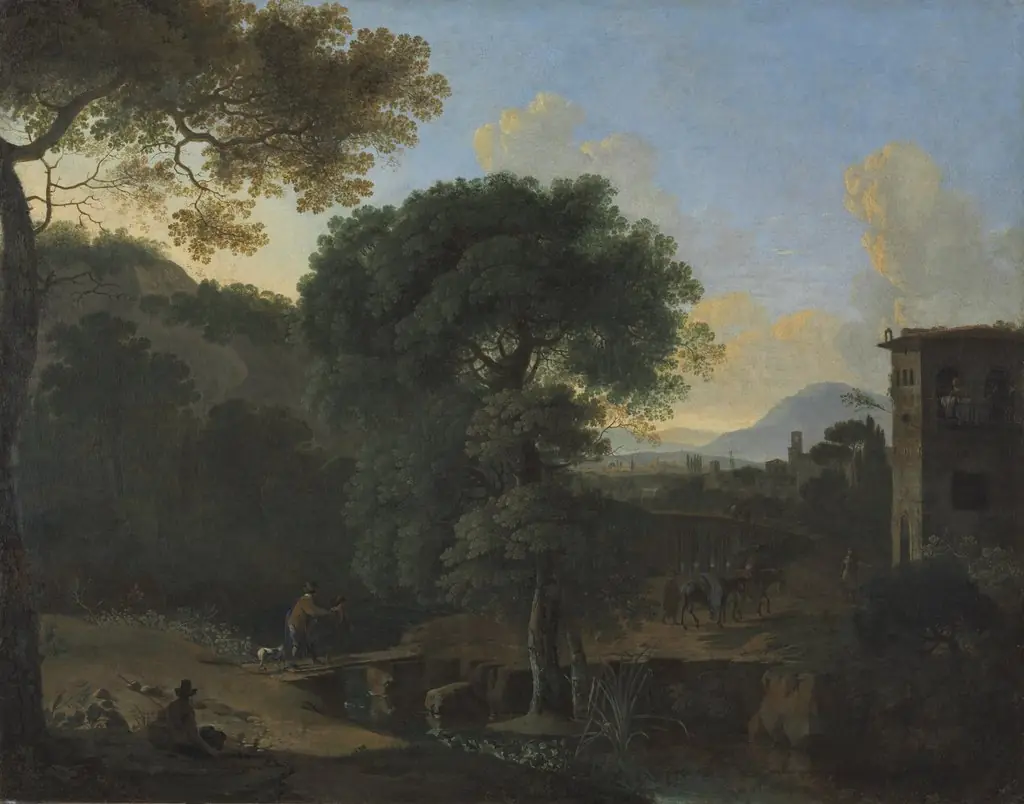
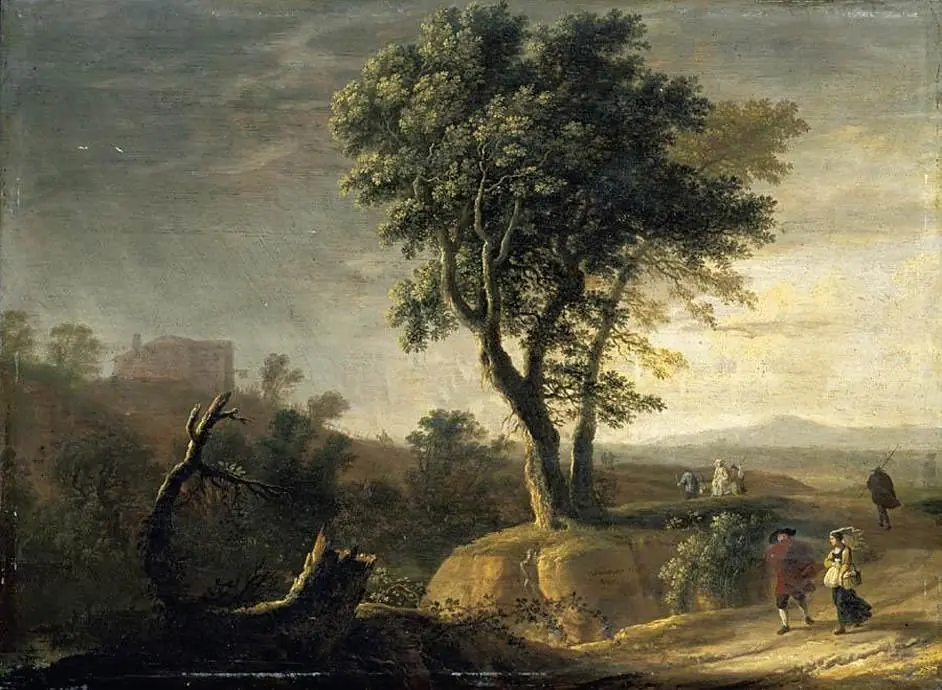
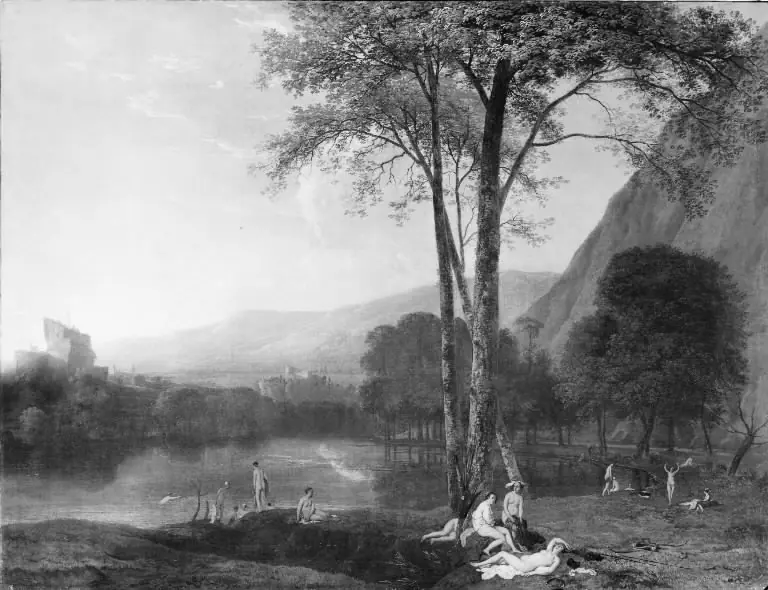
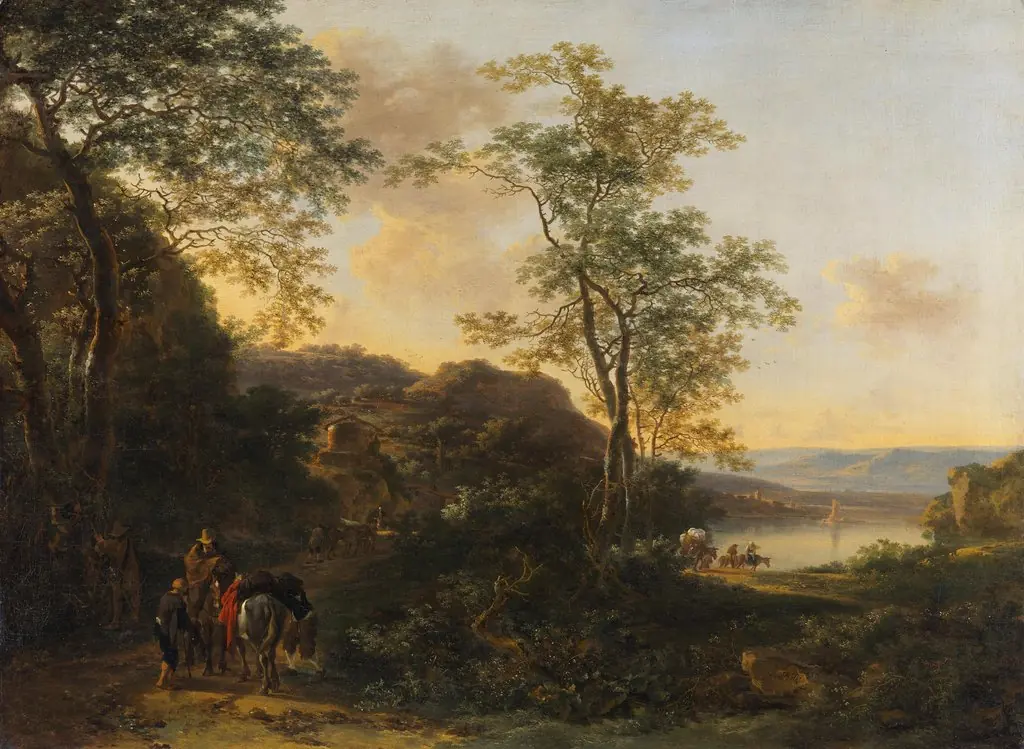
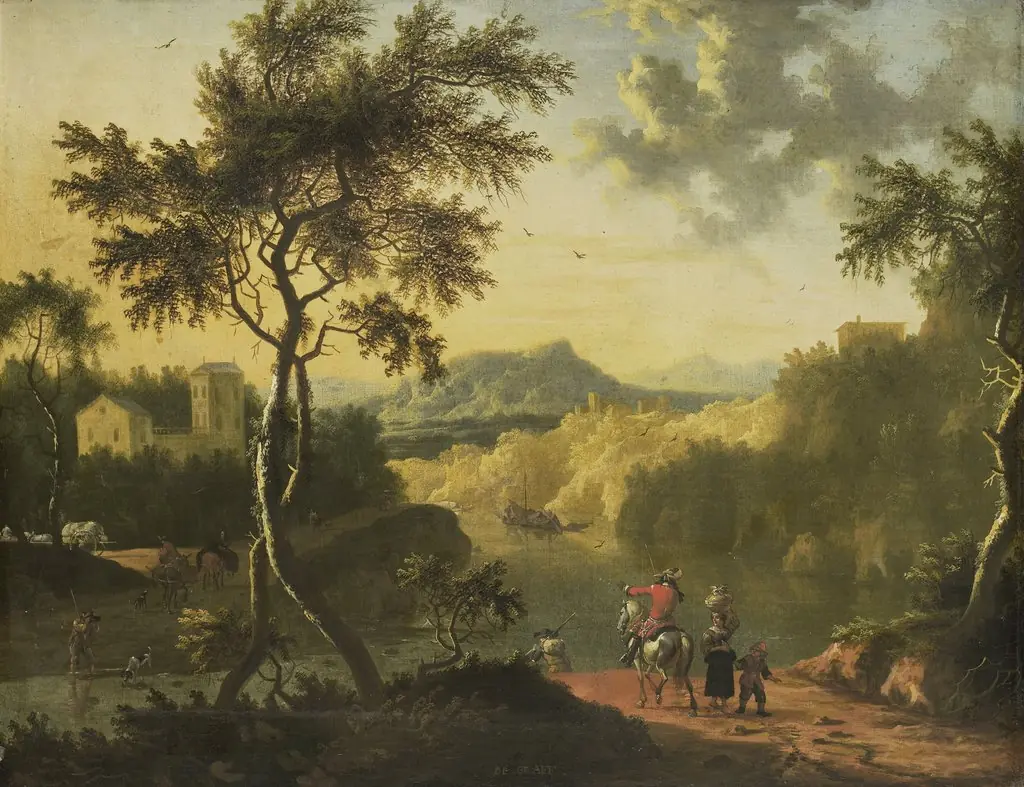
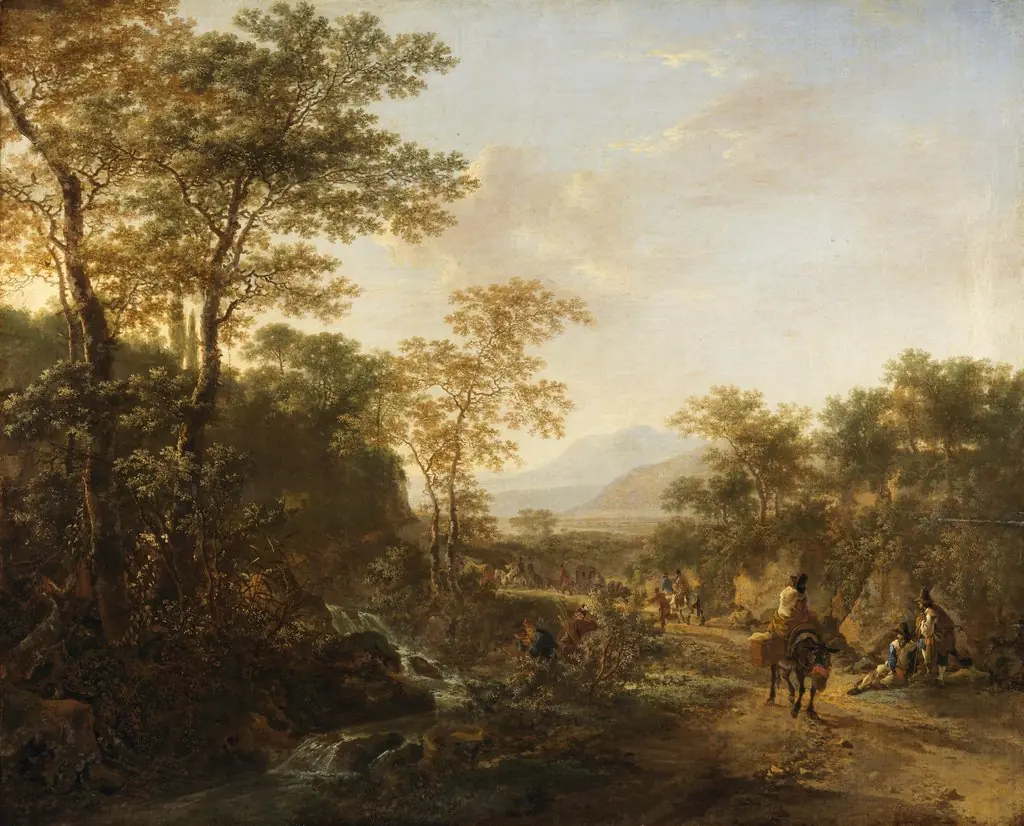
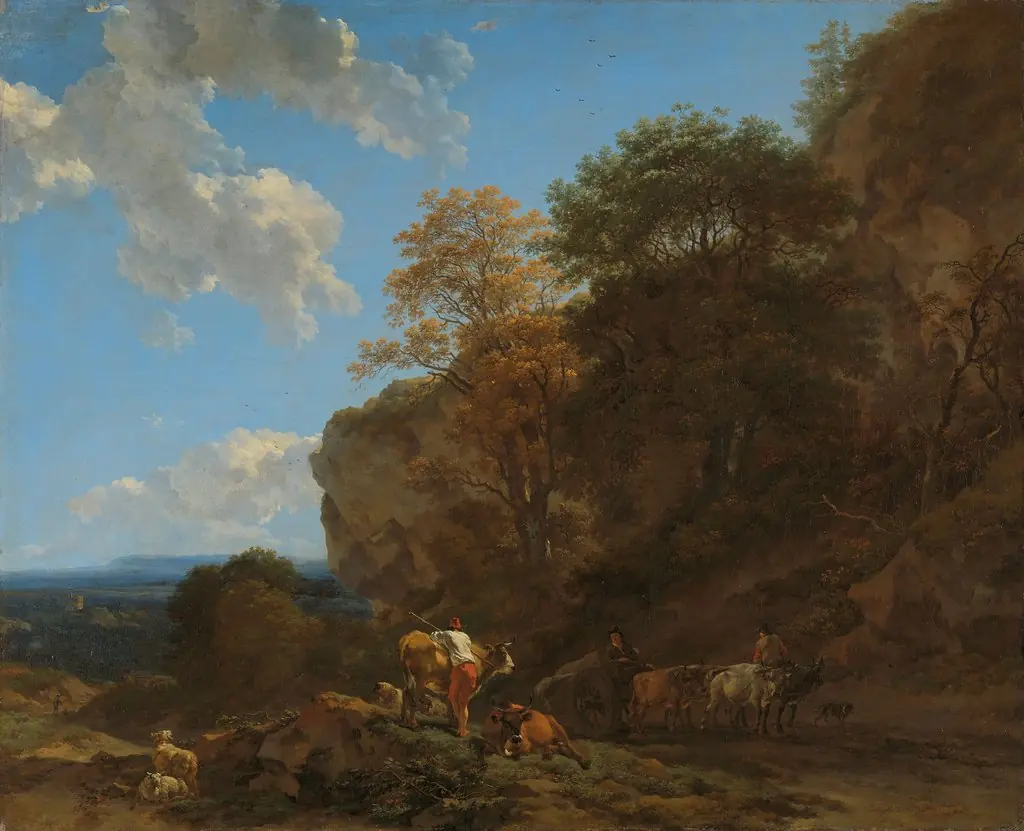
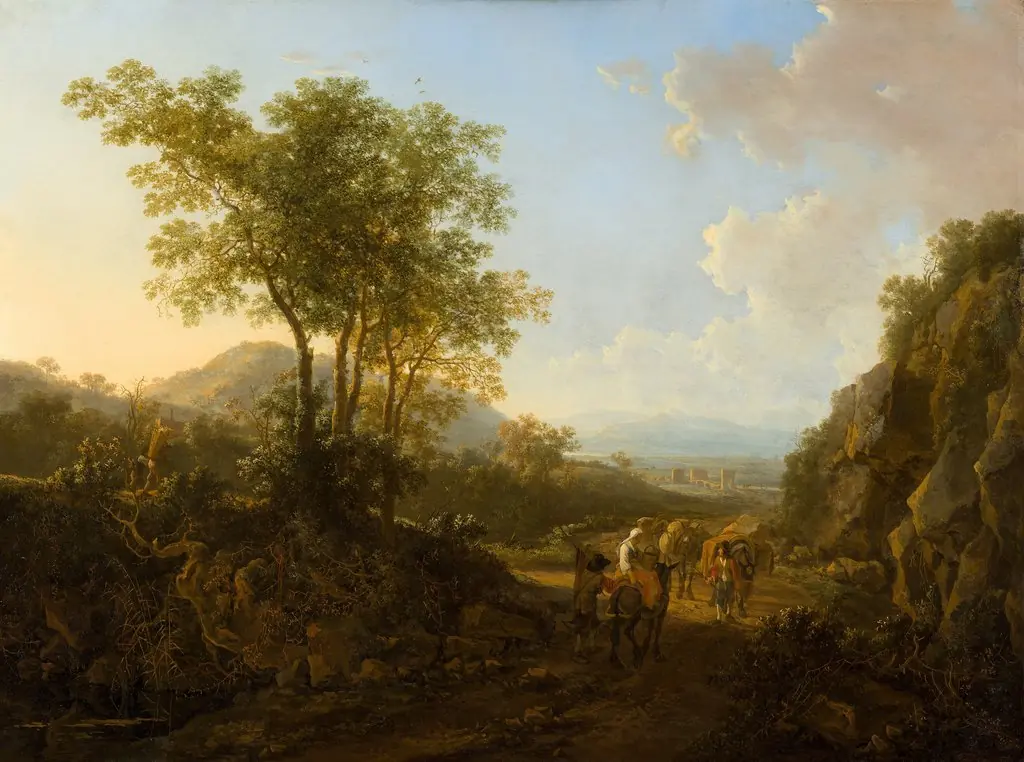
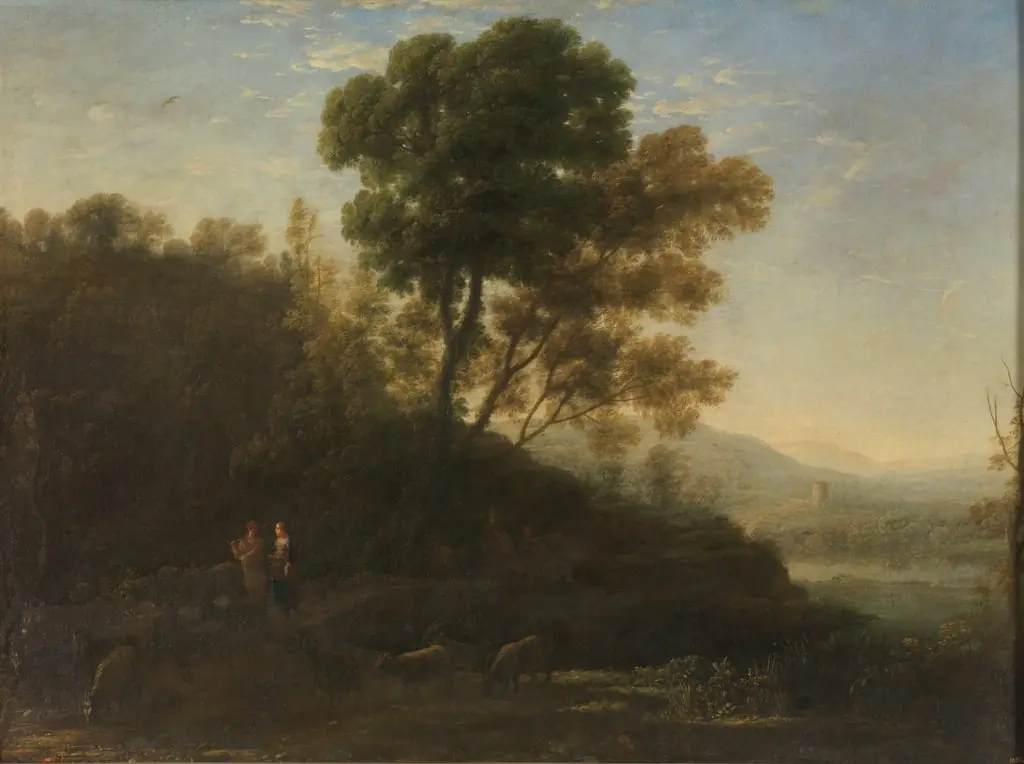
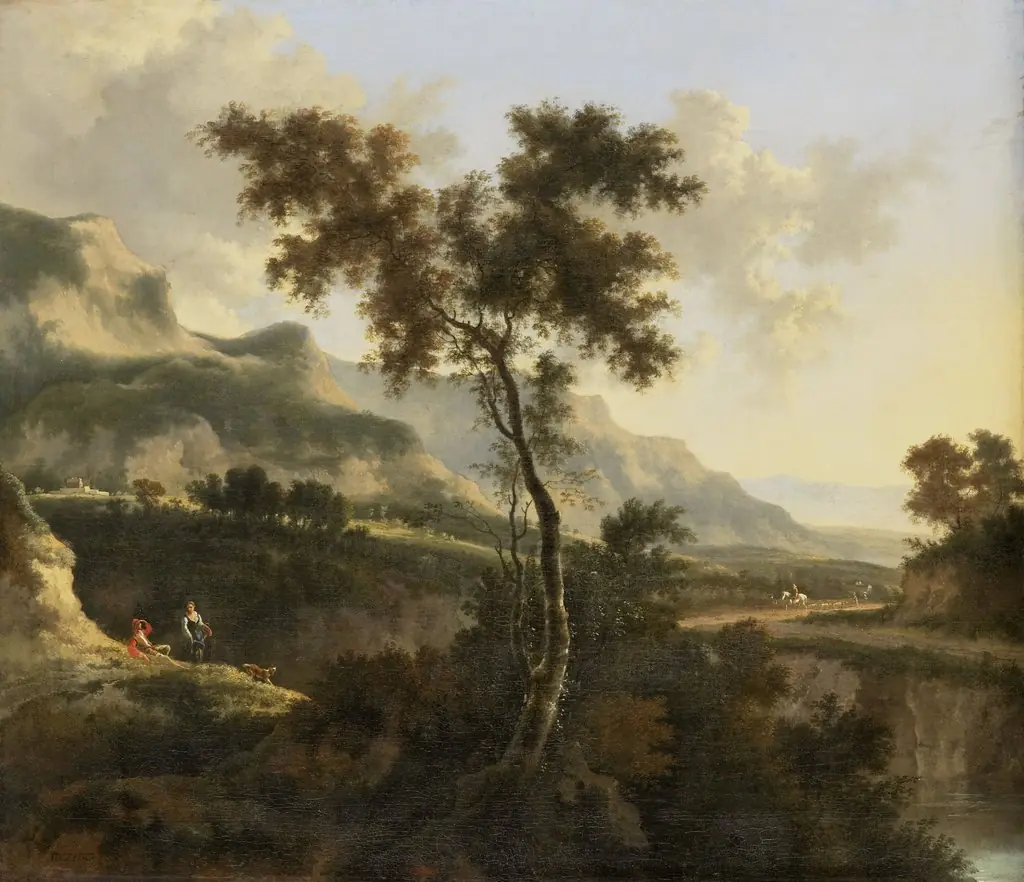
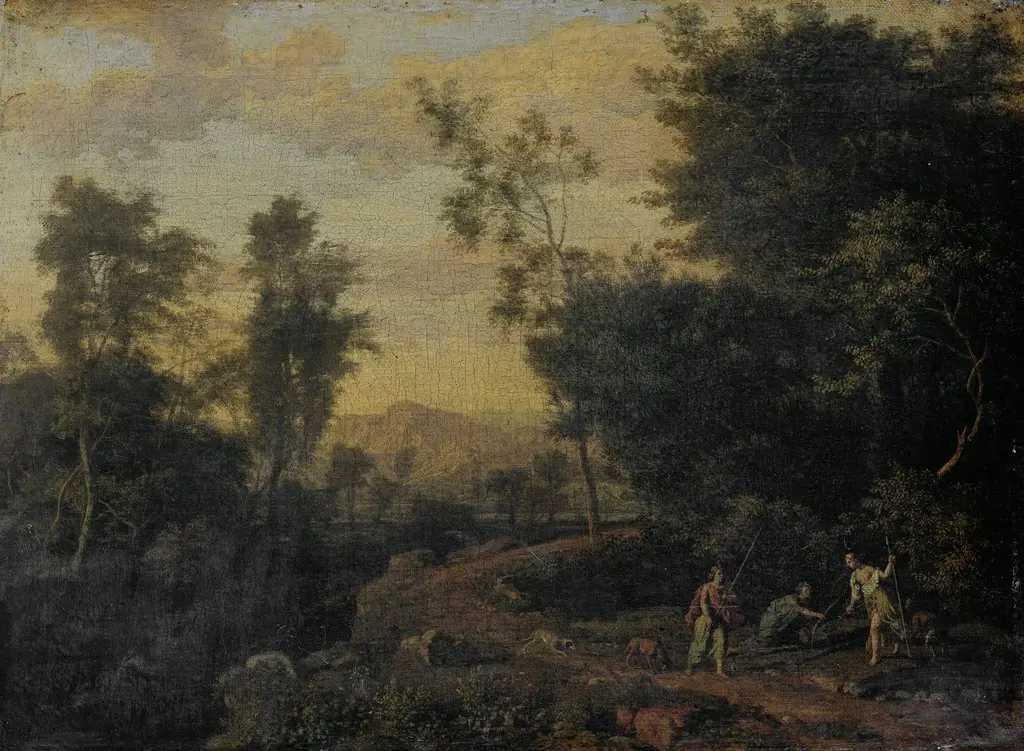
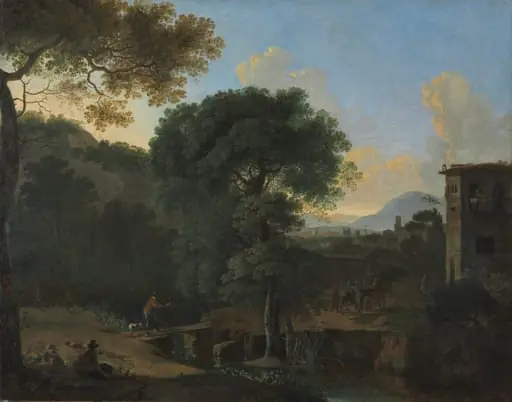
Italian landscape is an oil painting by the Dutch Golden Age artist Herman van Swanevelt. It dates from 1643 and is held in the collection of the Rijksmuseum.
About this work
Subject & Meaning
Van Swanevelt’s composition emphasizes harmonious topography and luminous atmosphere, symbols of the Arcadian vision favored by Dutch artists working in Rome.
The painting presents an idealized Italian vista rendered in oil on canvas, reflecting the classical landscape tradition of the mid‑seventeenth century. Van Swanevelt’s composition emphasizes harmonious topography and luminous atmosphere, symbols of the Arcadian vision favored by Dutch artists working in Rome. The work belongs to the genre of Italianate landscape painting, a style that merges topographical accuracy with allegorical serenity, suggesting a symbolic representation of harmonious nature rather than a specific site.
Technique & Style
Herman van Swanevelt painted Italian landscape in 1643 using oil paint on canvas. The work measures 56 cm in height and 69 cm in width, reflecting a naturalistic approach characteristic of Dutch landscape painting of the period. Its composition and handling of light demonstrate a balanced, classical treatment of terrain and atmospheric depth.
The painting's condition and formal qualities align with 17th-century techniques, emphasizing precise brushwork and tonal gradation to render natural scenery with clarity and spatial coherence.
History & Provenance
Herman van Swanevelt created Italian Landscape in 1643, executing the work in oil paint on a canvas measuring 56 by 69 cm. The painting belongs to the landscape genre. It is currently held in the collection of the Rijksmuseum. No specific details regarding the original commission or the chain of ownership prior to its museum acquisition are provided in the available sources.
The work is held by the Rijksmuseum, which records it under the inventory number SK-A-5446. It was first exhibited at the Rijksmuseum in 1905 and has remained part of the permanent collection displays ever since, including a showing in the museum's Dutch Golden Age exhibition in 1980.
Context
The Italian landscape by Herman van Swanevelt created in 1643 presents a Dutch artist's interpretation of classical scenery that aligns with 17th century artistic conventions. Contemporary scholarship identifies this work as part of van Swanevelt's mature period characterized by meticulous detail and atmospheric perspective. The painting resides in the Rijksmuseum collection where it is studied as an example of Northern European engagement with Italianate landscape traditions during the Baroque era.
Its composition reflects scholarly discussions of how Dutch painters adapted Italian compositional models while maintaining distinct technical approaches to light and spatial depth.
The work's significance emerges through its representation of cross-cultural artistic exchange in the 1600s where Northern artists like van Swanevelt traveled to Rome to study antiquities and natural scenery. Art historians analyze this painting alongside contemporaries to trace the development of landscape as an independent genre rather than mere backdrop. The Rijksmuseum's curatorial research positions it within broader narratives of artistic mobility and the transmission of visual motifs across European artistic centers during the mid seventeenth century.
Overview
Italian Landscape is an oil painting by Herman van Swanevelt, created in 1643. It is a serene depiction of a rural scene, held in the Rijksmuseum's collection.
Own this work as a print
Artist & collection