Artist
Jan Gossaert
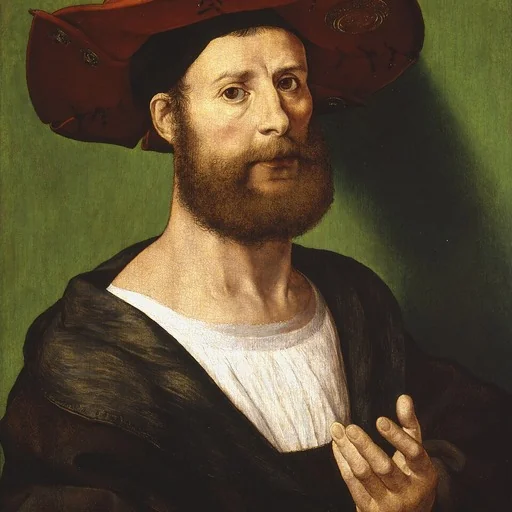
Holy Roman Empire, 1478–1532
Jan Gossaert was a Holy Roman Empire Northern Renaissance painter. 60 works are cataloged here, principally at Catholic University of Leuven, most of them oil paintings. Jan Gossaert was born in Maubeuge.
Jan Gossaert (c. 1478 – 1 October 1532) was a French-speaking painter from the Low Countries also known as Jan Mabuse (the name he adopted from his birthplace, Maubeuge) or Jennyn van Hennegouwe (Hainaut), as he called himself when he matriculated in the Guild of Saint Luke, at Antwerp, in 1503. He was one of the first painters of Dutch and Flemish Renaissance painting to visit Italy and Rome, which he did in 1508–09, and a leader of the style known as Romanism, which brought elements of Italian Renaissance painting to the north, sometimes with a rather awkward effect. He achieved fame across at least northern Europe, and painted religious subjects, including large altarpieces, portraits and mythological subjects.
From at least 1508 he was apparently continuously employed, or at least retained, by quasi-royal patrons, mostly members of the extended Habsburg family, heirs to the Valois Duchy of Burgundy. These were Philip of Burgundy, Adolf of Burgundy, Christian II of Denmark when in exile, and Mencía de Mendoza, Countess of Nassau, third wife of Henry III of Nassau-Breda. A contemporary of Albrecht Dürer and the younger Lucas van Leyden, whom he knew, he was less highly regarded in modern times than they were.
As he was not a printmaker like these two artists, his works and fame did not spread as widely as theirs. His surviving drawings are excellent and are preferred by some to his paintings.
Works by Jan Gossaert
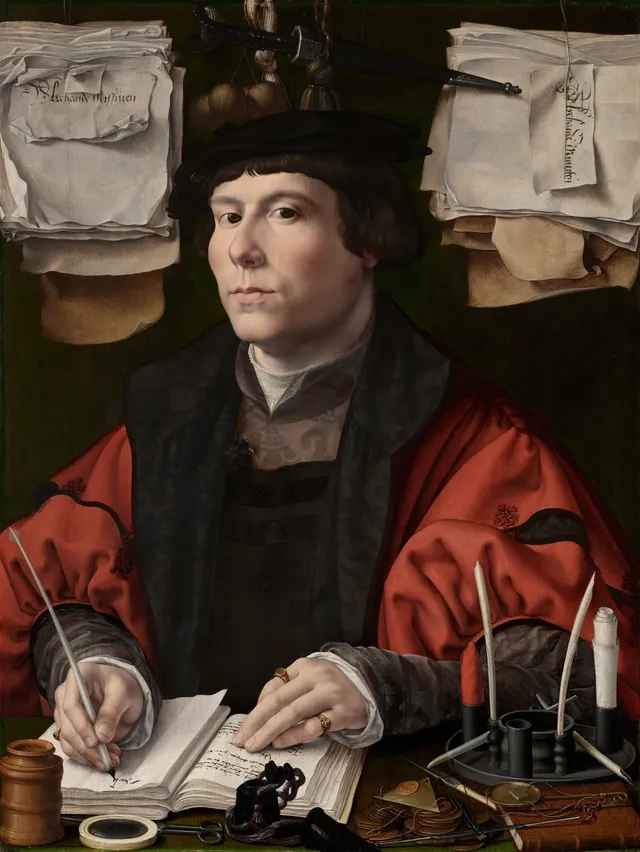 Portrait of a Man, possibly Jan Snoeck
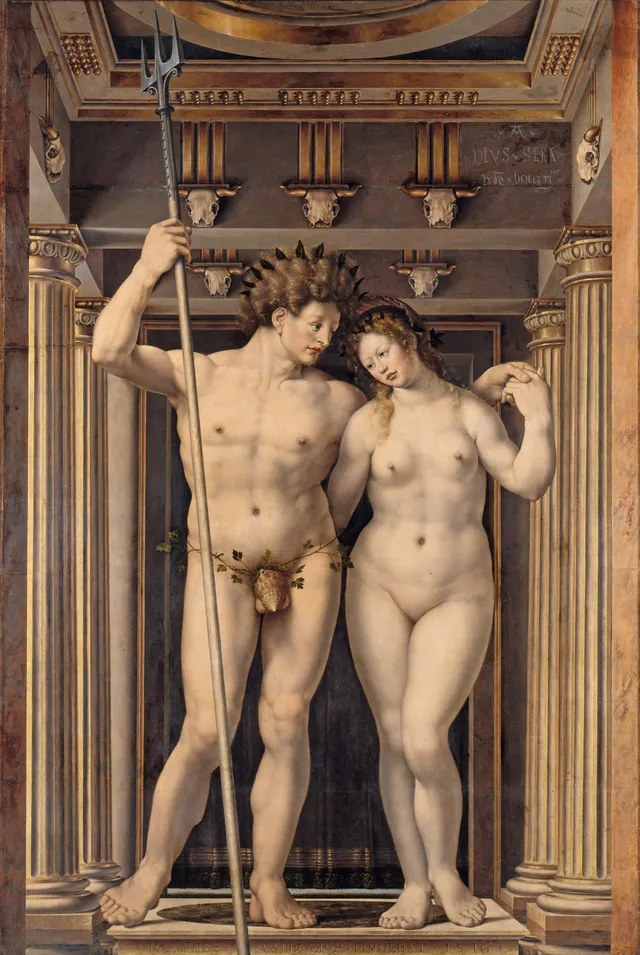 Neptune and Amphitrite
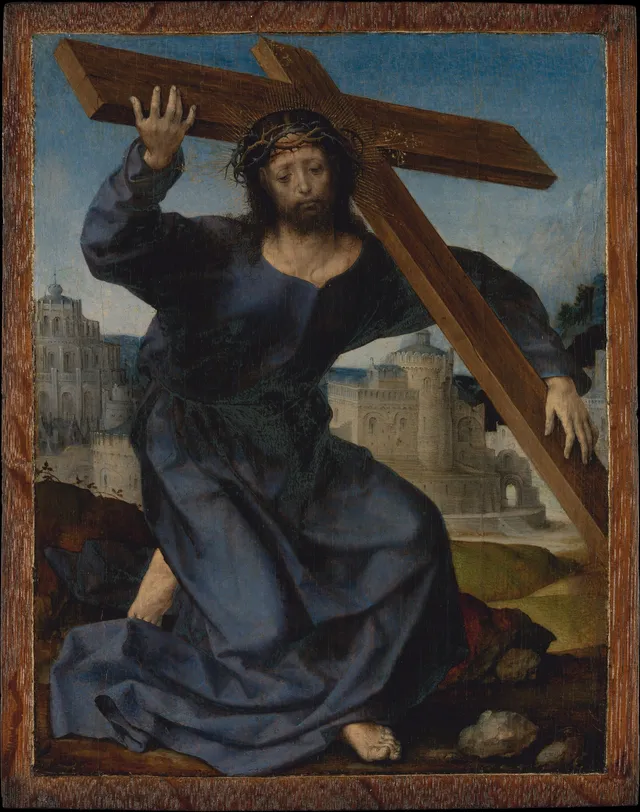 Christ Carrying the Cross
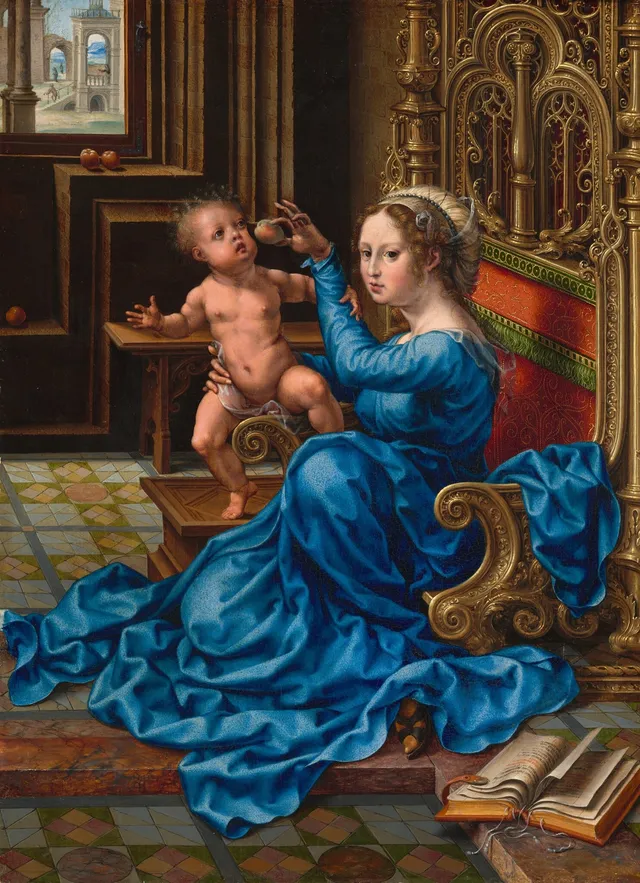 Madonna and Child
![Saint Jerome Penitent [right panel]](https://artifactworldgallery.com/img/jan-gossaert--saint-jerome-penitent-right-panel--0d4ac14f44de87b1-w640.webp) Saint Jerome Penitent [right panel]
Saint Jerome Penitent [right panel]![Saint Jerome Penitent [left panel]](https://artifactworldgallery.com/img/jan-gossaert--saint-jerome-penitent-left-panel--3d396afbb0f8e738-w640.webp) Saint Jerome Penitent [left panel]
Saint Jerome Penitent [left panel]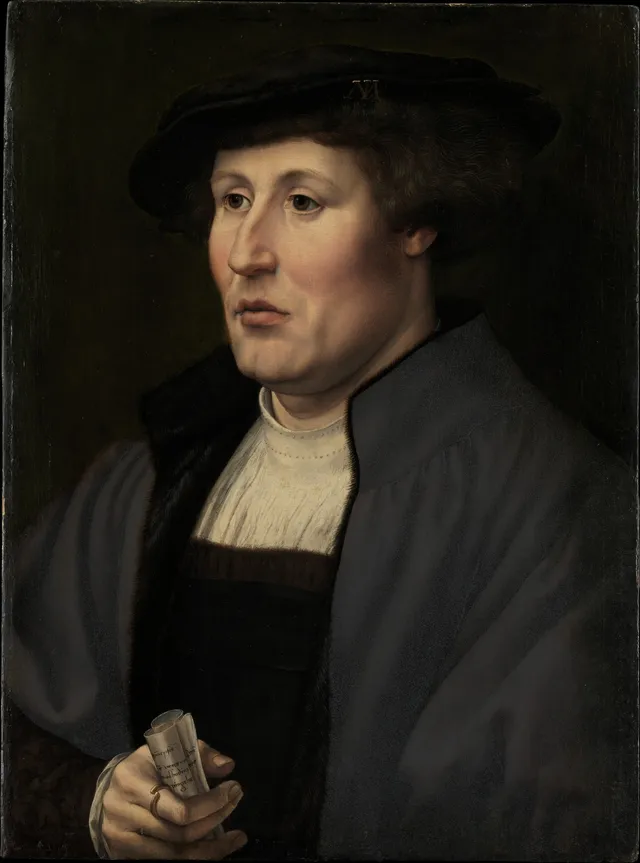 Portrait of a Man
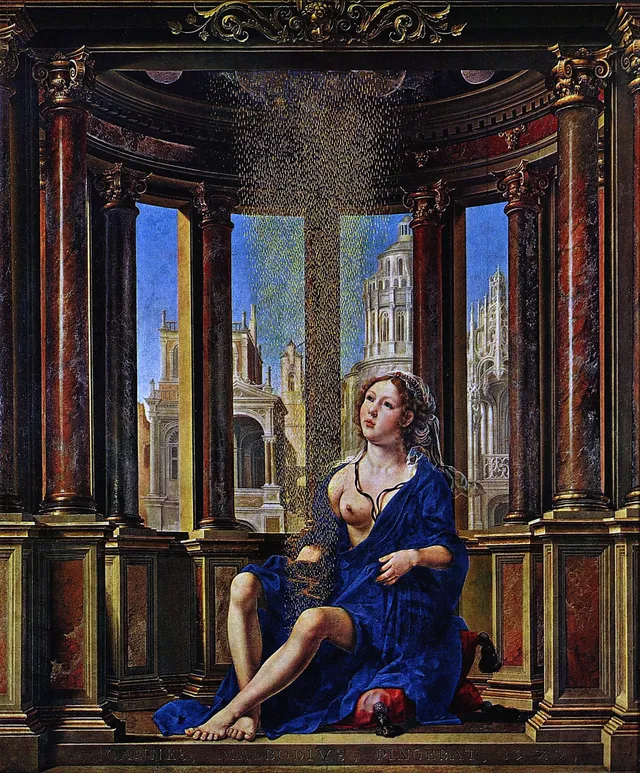 Danae
Danae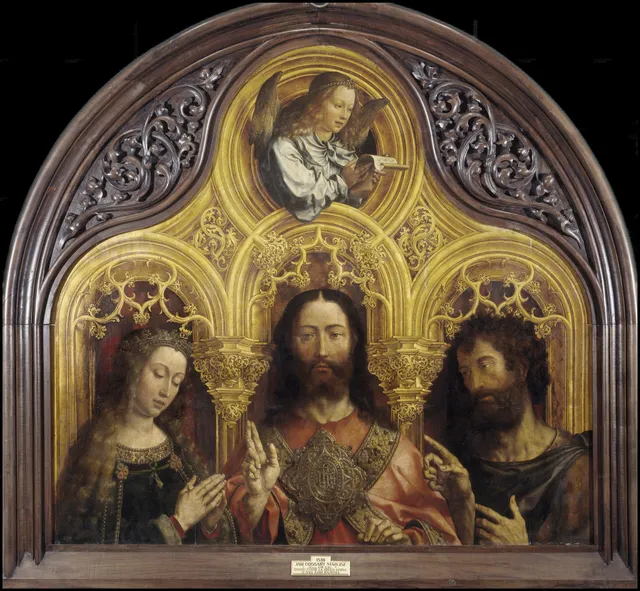 Christ between the Virgin Mary and Saint John the Baptist
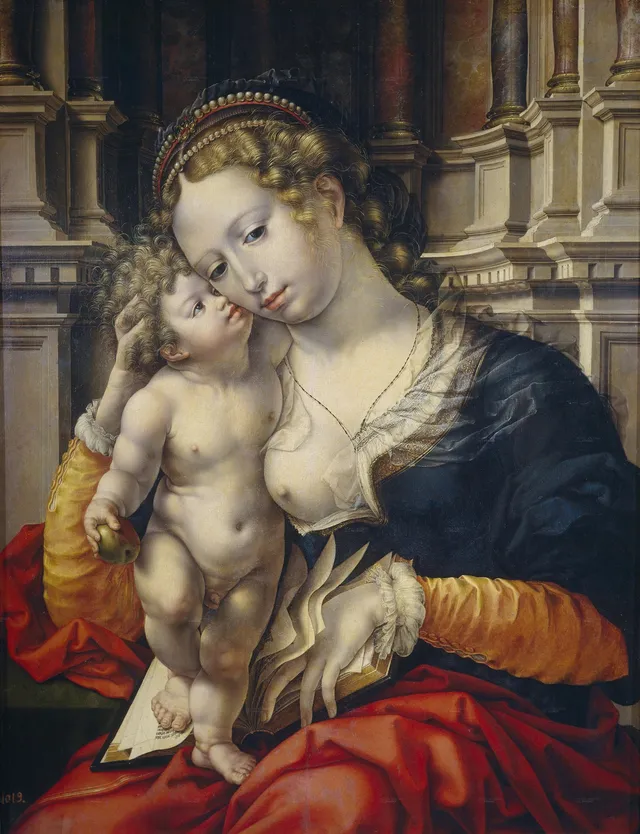 The Virgin and Child
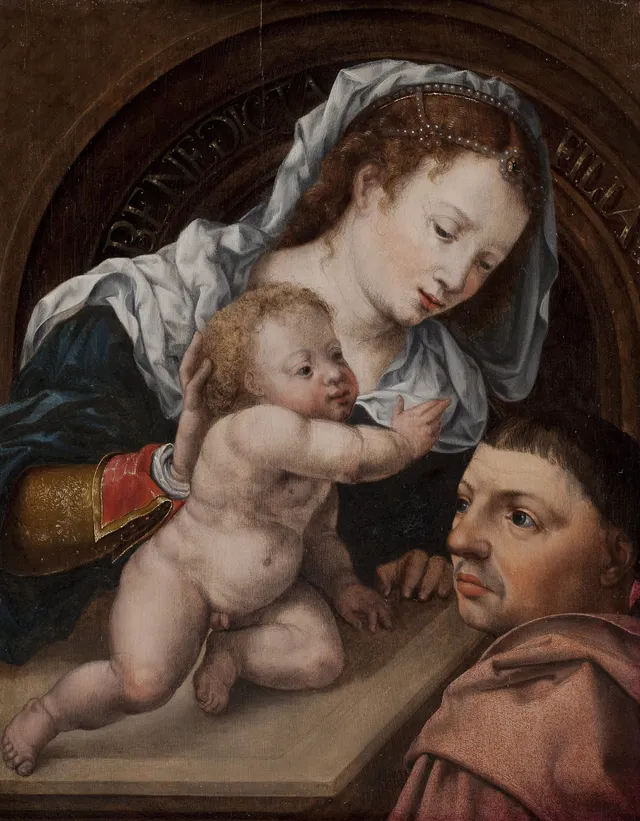 Virgin and Child with a Patron
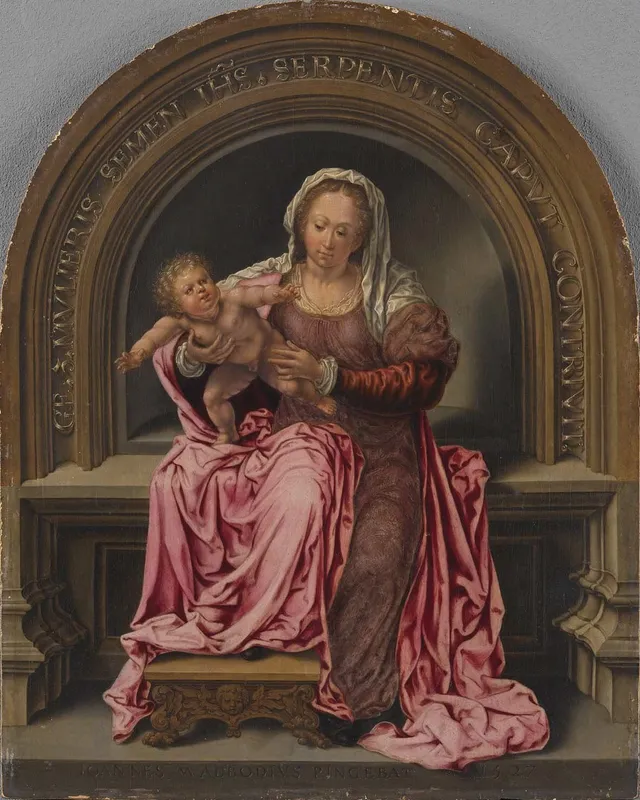 Madonna and child
Collections represented


Movements & circles
Artists in a similar vein