Artwork
The Virgin and Child
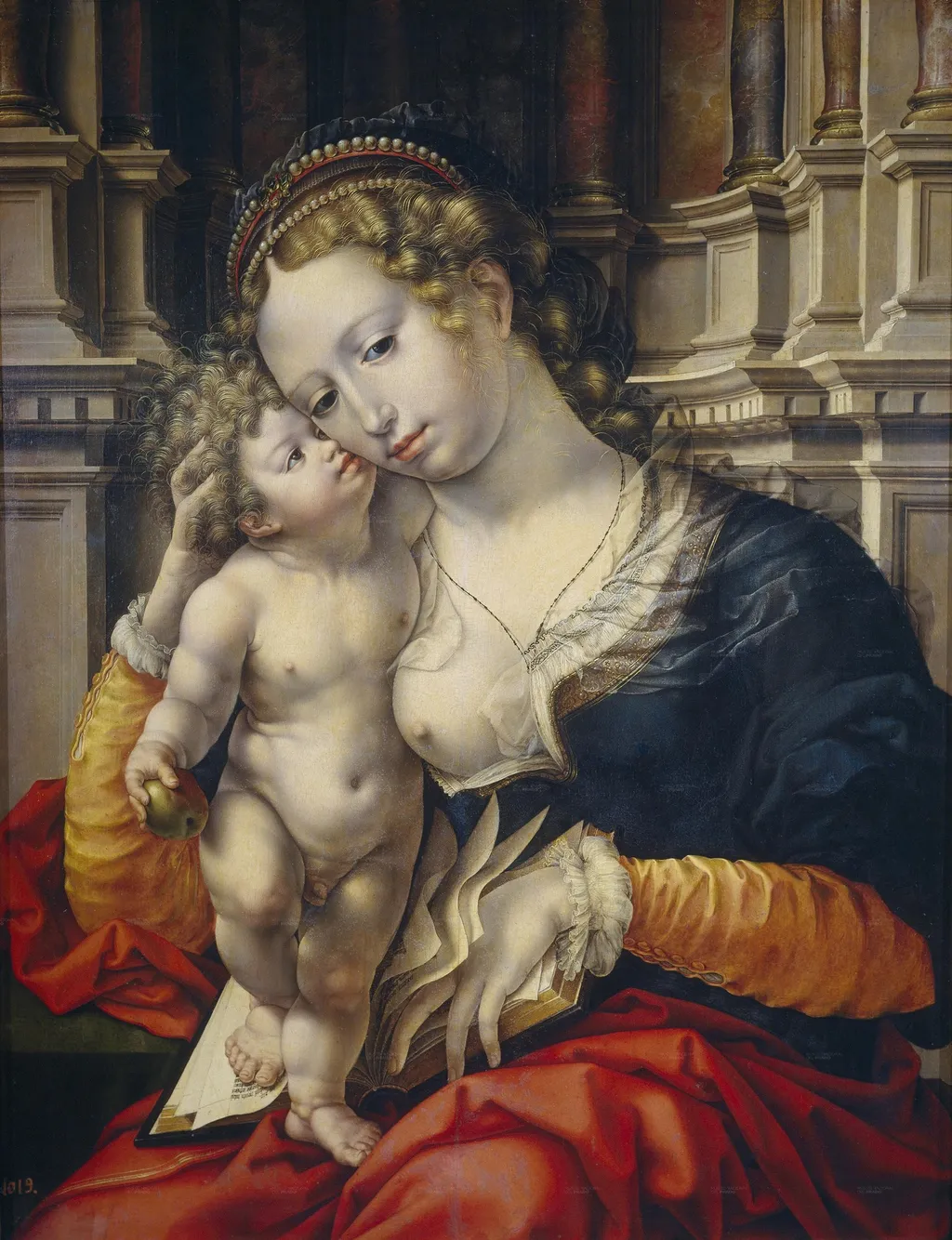
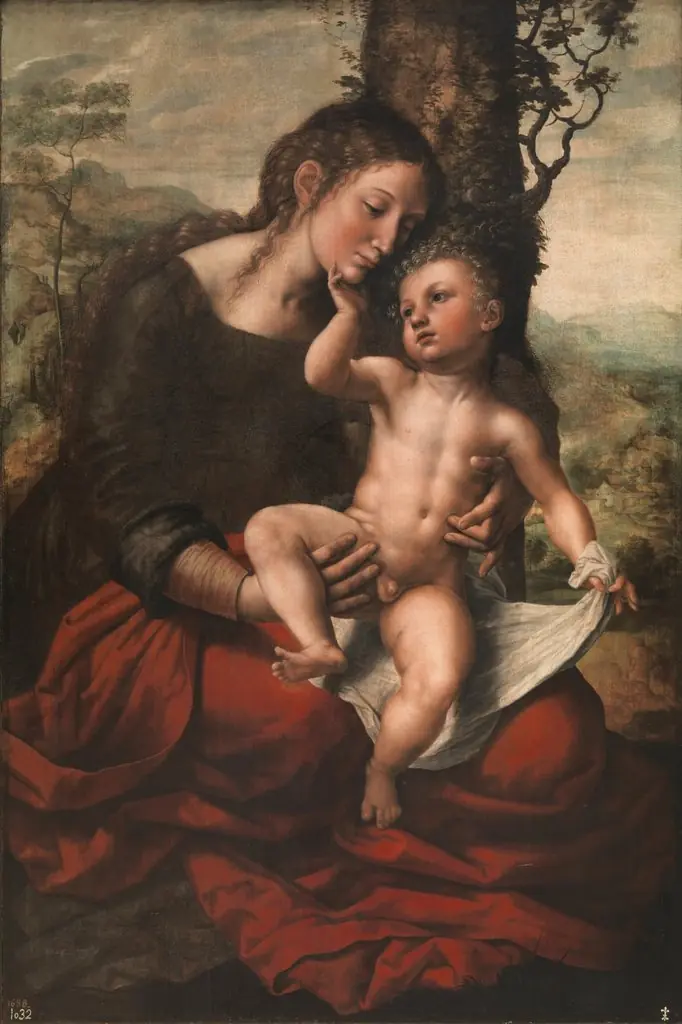
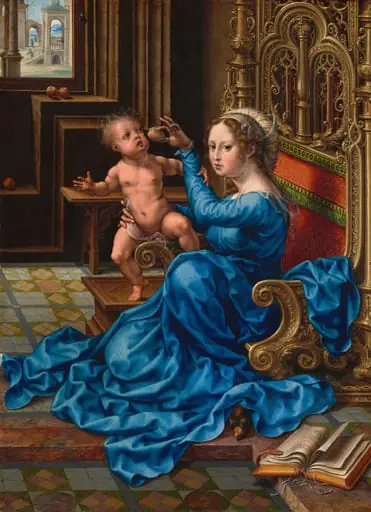
The Virgin and Child is an oil painting by the Early Baroque Italian artist Jan Gossaert. It dates from 1527 and is held in the collection of the Museo del Prado.
About this work
Subject & Meaning
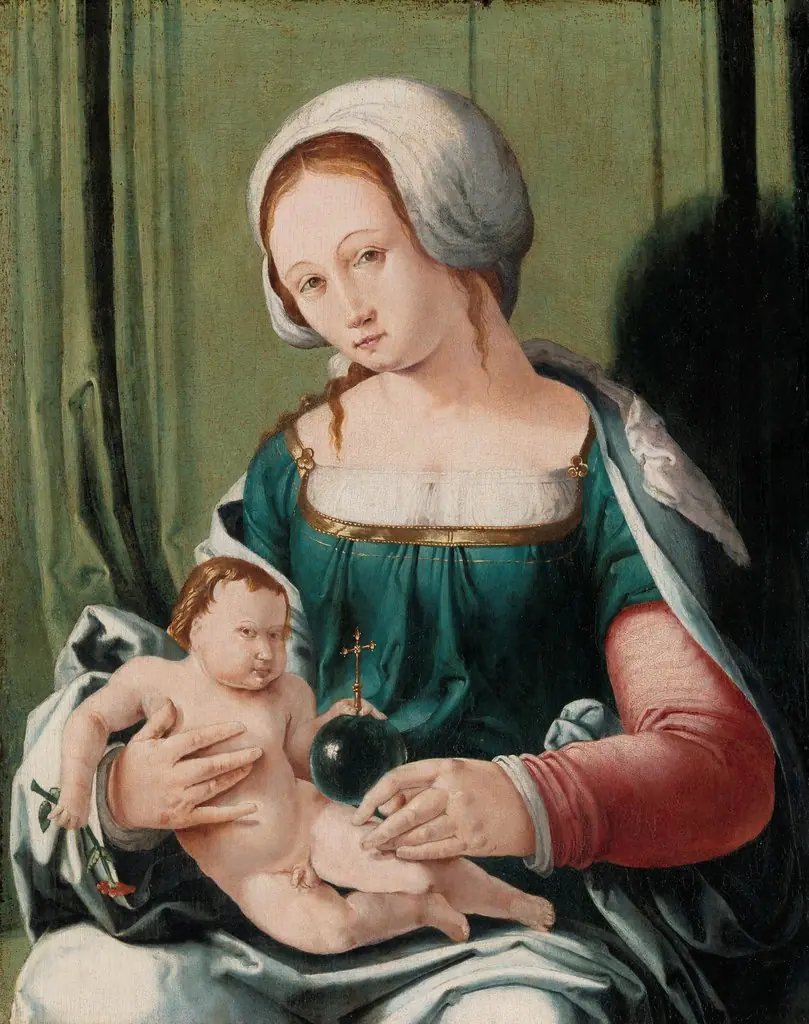
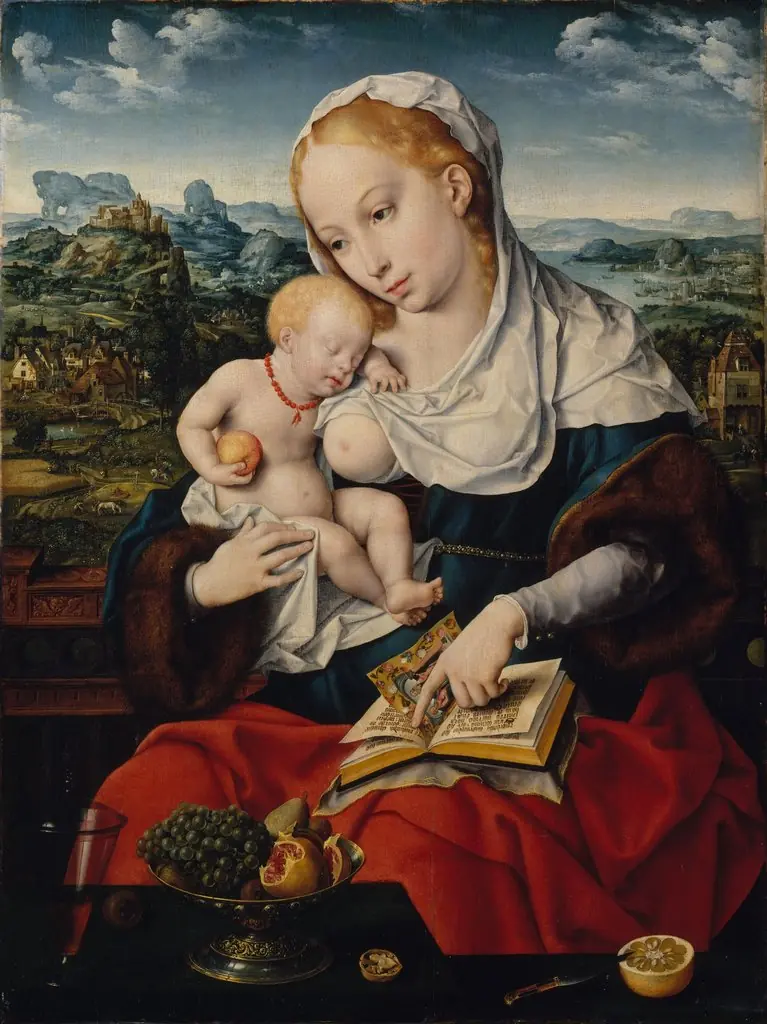
Specific iconographic elements include a book and a gemstone held by the figures, which contribute to the painting's symbolic narrative.
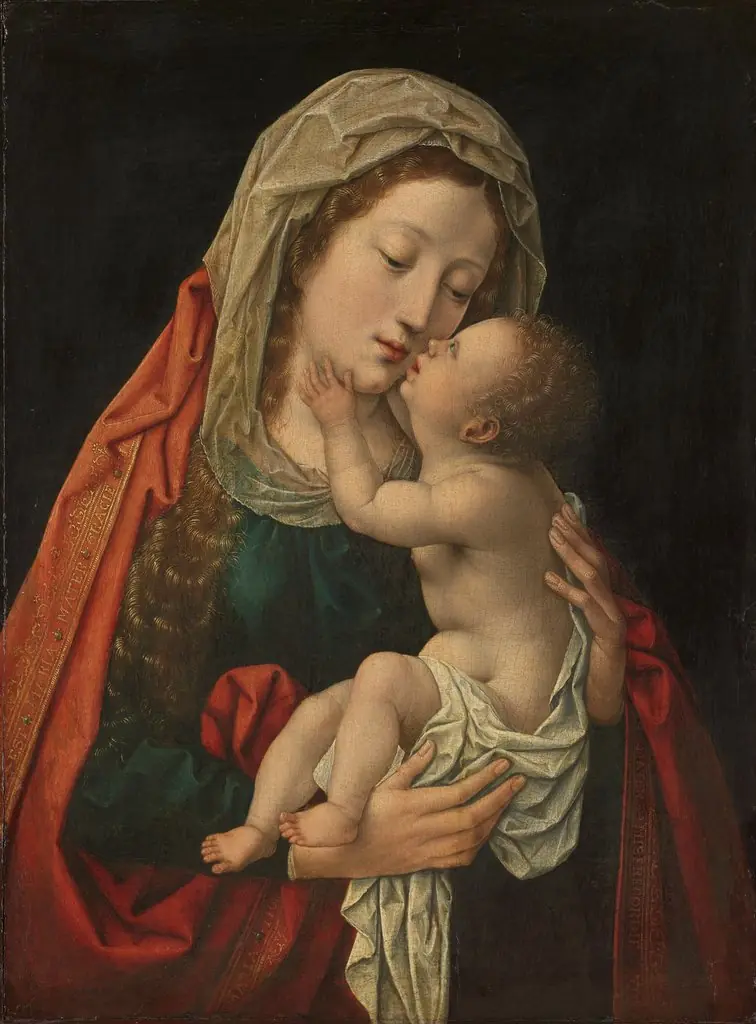
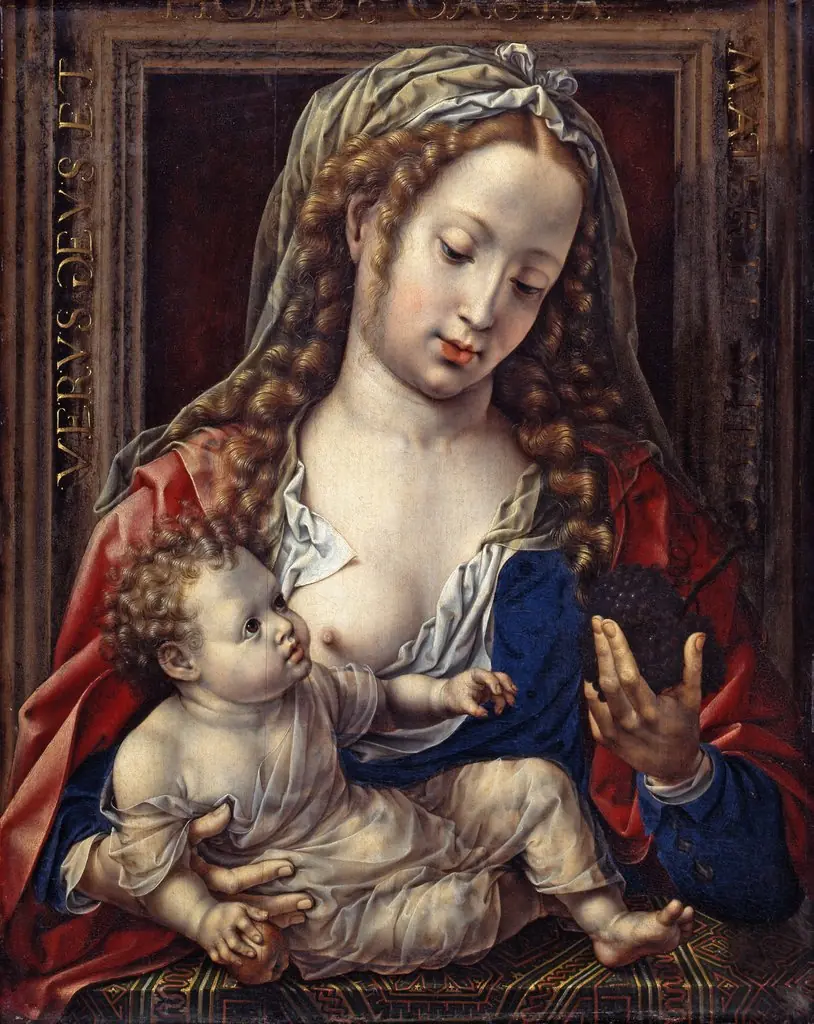
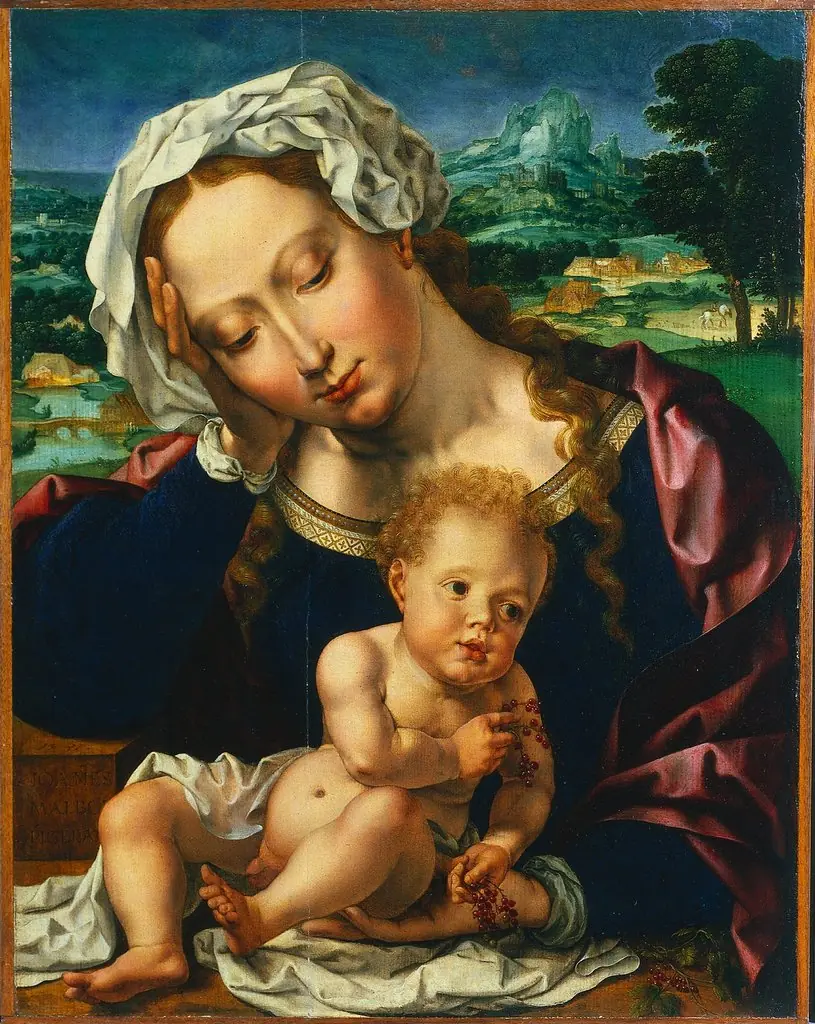
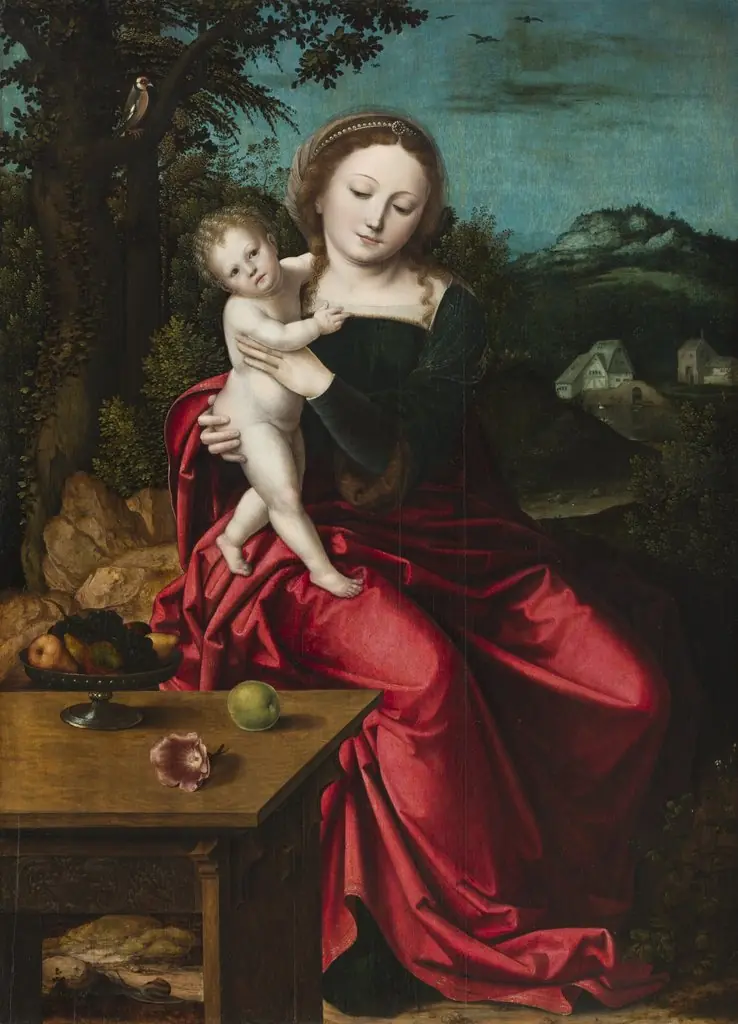
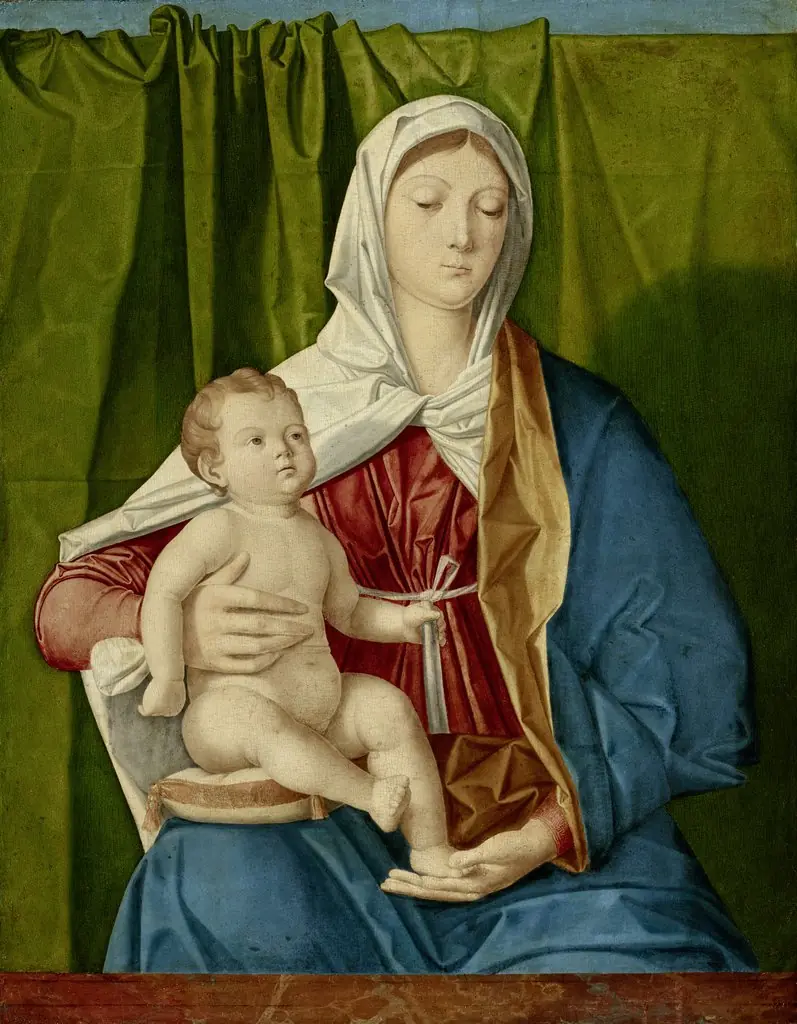
The work depicts the Madonna and Child, a central theme in religious art, featuring the Virgin Mary holding the Christ Child. Specific iconographic elements include a book and a gemstone held by the figures, which contribute to the painting's symbolic narrative. As a religious genre piece created in 1527, the composition focuses on the intimate relationship between mother and son, a standard representation in Christian iconography.
The inclusion of the book often signifies wisdom or prophecy, while the gemstone may allude to purity or the divine nature of the child.
Technique & Style
The painting is executed in oil on wooden panel, a technique typical of early sixteenth‑century Netherlandish art, and is classified as a religious work depicting the Madonna and Child. The composition shows the Virgin holding a book and the infant Christ with a gemstone, reflecting the formal emphasis on clear outlines and rich coloration characteristic of Jan Gossaert’s style.
History & Provenance
The work titled The Virgin and Child was painted by Jan Gossaert in 1527. It is executed in oil on panel and measures 63 cm by 50 cm. The painting entered the collection of the Museo del Prado, where it remains on display. Its creation is documented for the year 1527, with the work commissioned as a religious composition depicting the Madonna and Child alongside symbolic objects such as a book and gemstone.
The painting is housed in the Museo del Prado, where it is catalogued under inventory number P01930. It was created in 1527 and first entered the museum's collection that same year. The work has been part of several exhibitions at the Prado, including the 1995 exhibition "Early Netherlandish Painting" and the 2007 retrospective "Jan Gossaert: Master of the North."
Overview
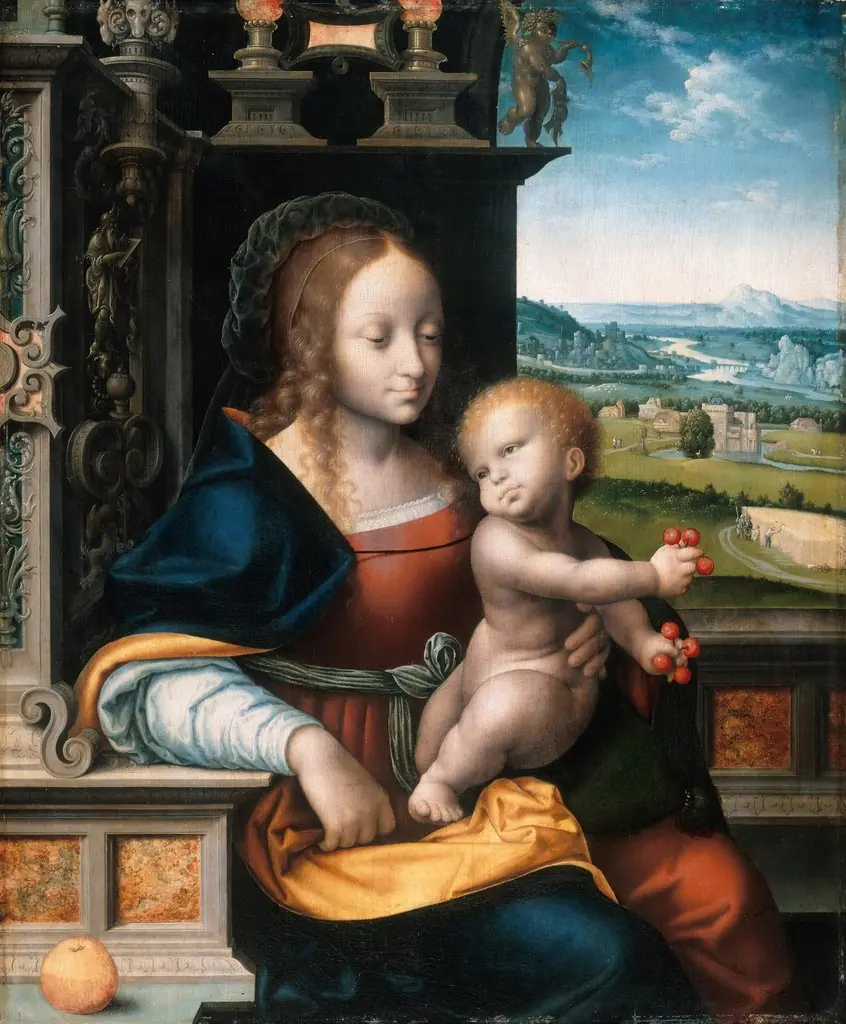
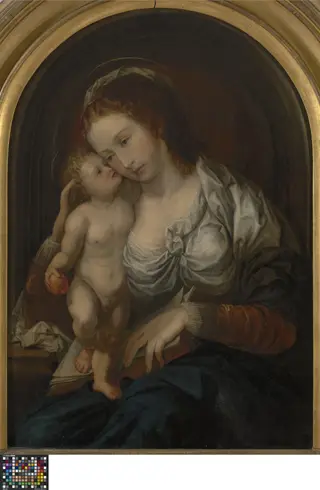
Jan Gossaert, also known as Jan Mabuse, painted The Virgin and Child in 1527 with oil on panel. The composition shows the Virgin Mary holding the infant Jesus, who is depicted reaching toward a red apple. A gemstone lies near the figures, and an architectural backdrop with columns and arched windows frames the scene.
Context
Gossaert was among the first Netherlandish artists to travel to Italy in the early 16th century, absorbing Renaissance ideas that he integrated into his own practice. The Virgin and Child exemplifies this cross‑cultural exchange, merging Northern realism with Italianate architectural settings and a heightened sense of idealized beauty.
Own this work as a print
Artist & collection
Artist
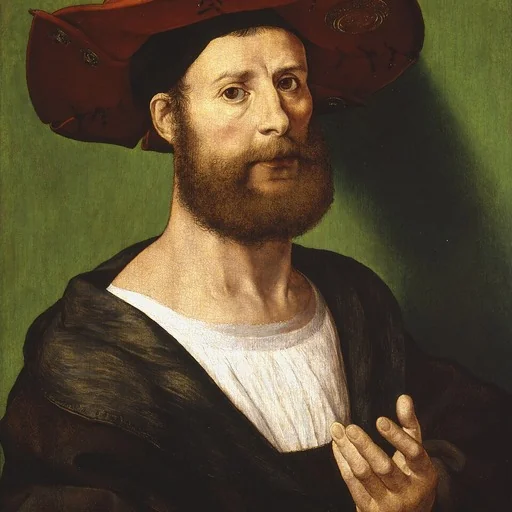
Jan Gossaert (c. 1478 – 1 October 1532) was a French-speaking painter from the Low Countries also known as Jan Mabuse (the name he adopted from his birthplace, Maubeuge) or Jennyn van Hennegouwe (Hainaut), as he called…

![Saint Jerome Penitent [right panel], by Jan Gossaert](https://artifactworldgallery.com/img/jan-gossaert--saint-jerome-penitent-right-panel--0d4ac14f44de87b1-w320.webp)
![Saint Jerome Penitent [left panel], by Jan Gossaert](https://artifactworldgallery.com/img/jan-gossaert--saint-jerome-penitent-left-panel--3d396afbb0f8e738-w320.webp)