Artist
Charles Sprague Pearce
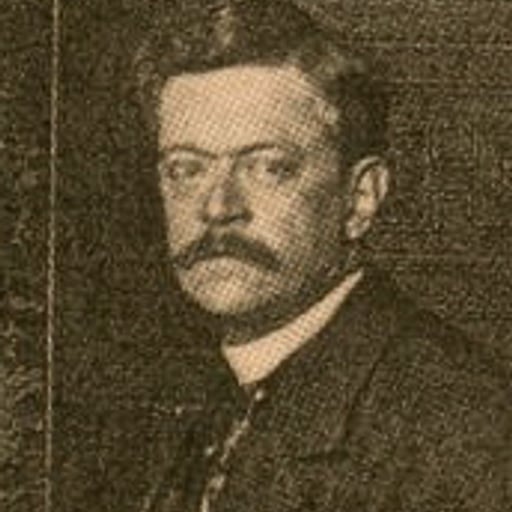
United States
Charles Sprague Pearce is an United States Academic Art artist. 86 works are cataloged here, principally at National Gallery of Art.
Charles Sprague Pearce (1890–1897) was an American artist.
Overview
Charles Sprague Pearce (1851-1914) was an American painter who spent nearly his entire career in France, becoming one of the most successful American expatriate artists of the late nineteenth century. Born into a cultured Boston family, he trained in Paris under the academic master Léon Bonnat before developing a distinctive body of work that moved from Orientalist and biblical subjects to sensitive depictions of French rural life. Pearce earned international recognition through medals at the Paris Salon, membership in the French Legion of Honor, and major mural commissions for the Library of Congress in Washington, D.C. His ability to synthesize academic precision with impressionistic color and symbolist undertones positioned him as a bridge between traditional and modern tendencies in French painting.
Biography & dates
Pearce was born on October 13, 1851, in Boston, Massachusetts, into a wealthy family of merchants and intellectuals. His father, Shadrach Houghton Pearce, dealt in Chinese porcelain, while his mother, Mary Anna Sprague, was the daughter of the American poet Charles Sprague. After attending Brimmer School and Boston Latin School, Pearce worked for five years in his father's business before deciding to pursue painting, reportedly on the advice of William Morris Hunt. He arrived in Paris in August 1873 and enrolled in the atelier of Léon Bonnat, remaining until 1875. In autumn 1873, he traveled to Egypt for three months with fellow American painter Frederick Arthur Bridgman, followed by a winter study trip to Algeria with William Sartain in 1874-75. Pearce debuted at the Paris Salon in 1876 with a portrait of the American writer Ellen Hardin Walworth. In 1884, he moved from Paris to Auvers-sur-Oise, a village about 35 kilometers northwest of the capital, where he purchased a farm and spent the remainder of his life. He married Louise Catherine Bonjean, known as Antonia, a Frenchwoman who further anchored him to his adopted country. Pearce died in Auvers-sur-Oise on May 18, 1914, and was buried in the local cemetery.
Style & movement
Pearce's artistic trajectory reflects the shifting currents of late nineteenth-century French painting. Under Bonnat, he absorbed rigorous academic training, with early works demonstrating careful draftsmanship, dramatic chiaroscuro, and historical or biblical subjects executed according to Académie des Beaux-Arts conventions. His Orientalist phase, inspired by travel to Egypt and Algeria, featured near-photographic detail in depicting local costumes, customs, and landscapes, aligning him with painters such as Jean-Léon Gérôme and Eugène Fromentin. In the early 1880s, Pearce engaged with Japonisme, incorporating Japanese objects such as kimonos, fans, and porcelain into his compositions, purchased from Parisian dealers like Siegfried Bing and Madame Desoye. After relocating to Auvers-sur-Oise in 1884, his palette and brushwork loosened considerably, showing the influence of Impressionism in his depictions of peasants and rural laborers. His later work also incorporated Symbolist elements, drawing on Christian, mythological, and folkloric traditions. Throughout his career, Pearce maintained a commitment to technical finish while allowing his style to evolve in response to contemporary developments.
Major works
Pearce's Salon debut in 1876 with the portrait of Ellen Hardin Walworth established his reputation, but his early breakthrough came with Lamentations over the Death of the First-Born of Egypt (1877), a biblical scene incorporating Egyptian archaeological details. The Decapitation of St. John the Baptist (1881) earned honorable mention at the Salon and a first-class prize at the Pennsylvania Academy of the Fine Arts. Other significant paintings include The Arab Jeweler, Prayer (1884), The Return of the Flock, and Meditation. His Japonist works of the early 1880s include Femme à l'Éventail (1883) and Reading by the Shore, the latter reducing its Japanese reference to an imported parasol sheltering Europeans on the French coast. After 1884, rural subjects predominated: Porteuse d'eau (The Water Carrier) won a third-class medal at the 1883 Salon, while Peines de Coeur (Troubles of the Heart, 1885) and Jeune Picarde (Young Girl of Picardie, exhibited 1906) exemplify his empathetic approach to peasant life. His mural commissions for the Thomas Jefferson Building of the Library of Congress in Washington, D.C., produced in the 1890s, included six large-scale works for the Family and Education series. Works by Pearce are held in the Metropolitan Museum of Art, the Smithsonian American Art Museum, and the Musée d'Auvers-sur-Oise, among other institutions.
Influences & students
Léon Bonnat was the decisive formative influence on Pearce, providing the rigorous academic foundation that underpinned his entire career. At Bonnat's atelier, Pearce studied alongside fellow Americans John Singer Sargent, Edwin Howland Blashfield, and Milne Ramsey, forming connections within the expatriate artistic community that would sustain his career. His friendship with Frederick Arthur Bridgman led to the 1873 Egyptian journey that shaped his Orientalist phase, while William Sartain accompanied him to Algeria. Chester Loomis was another American painter in Paris with whom he associated. Pearce's engagement with Japonisme placed him in dialogue with broader French artistic circles, including Édouard Manet, Claude Monet, Edgar Degas, and James McNeill Whistler, though he approached Japanese motifs more decoratively than these more avant-garde contemporaries. The sources do not indicate that Pearce himself established a teaching atelier or had documented pupils; his influence appears to have operated through Salon exhibition and professional example rather than formal pedagogy.
Legacy
During his lifetime, Pearce achieved substantial recognition on both sides of the Atlantic. He received medals at the Paris Salon, was named Chevalier of the French Legion of Honor, and was decorated with the Order of Leopold (Belgium), the Order of the Red Eagle (Prussia), and the Order of the Dannebrog (Denmark). His murals for the Library of Congress remain among the most visible American commissions of his generation. After his death in 1914, Pearce's reputation declined along with academic art generally, as modernist narratives marginalized the Salon tradition. His work has been preserved in major collections including the Metropolitan Museum of Art, the Smithsonian American Art Museum, the National Gallery of Art, and the Musée d'Orsay. Recent scholarly and institutional attention has revived interest in his synthesis of academic technique with impressionistic and symbolist tendencies, positioning him as a significant case study in the complexities of American artistic expatriation and the global circulation of styles in the Belle Époque.
Works by Charles Sprague Pearce
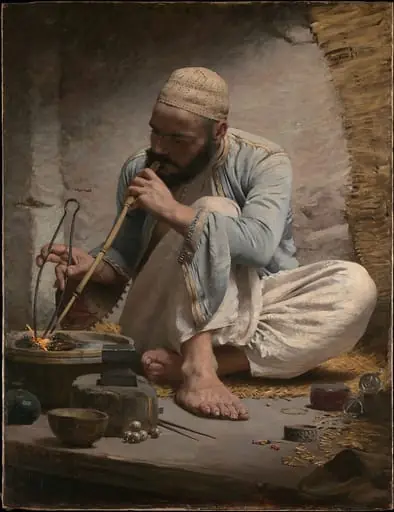 The Arab Jeweler
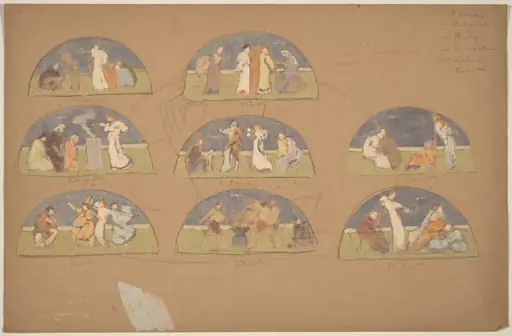 Studies for Lunettes
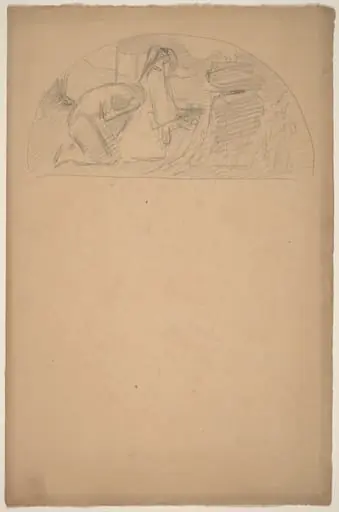 Study for a Lunette
![Study for a Lunette [recto]](https://artifactworldgallery.com/img/charles-sprague-pearce--study-for-a-lunette-recto--96fa9dd266d834e5-w320.webp) Study for a Lunette [recto]
Study for a Lunette [recto]![Study of a Flower [verso]](https://artifactworldgallery.com/img/charles-sprague-pearce--study-of-a-flower-verso--8828feade416c757-w320.webp) Study of a Flower [verso]
Study of a Flower [verso]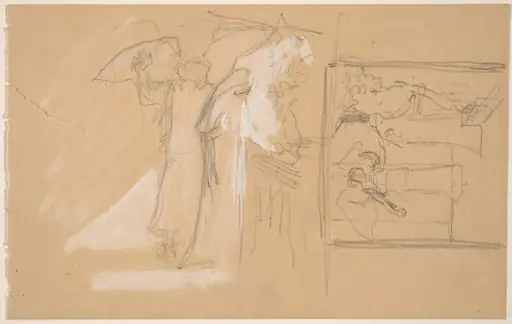 Studies for a Panel
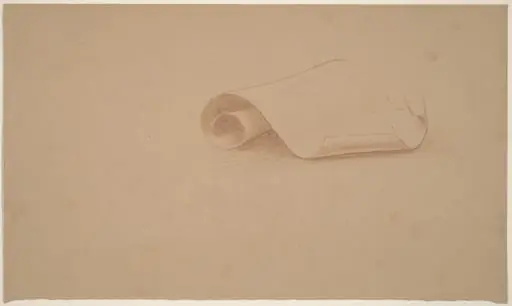 Study of a Scroll
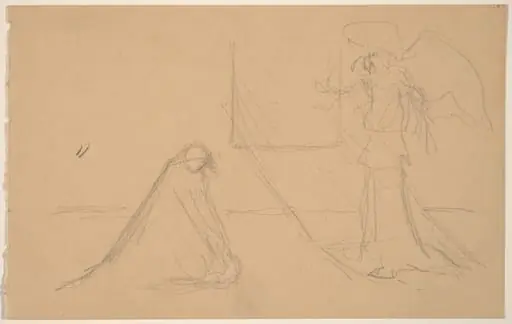 Study of Figures
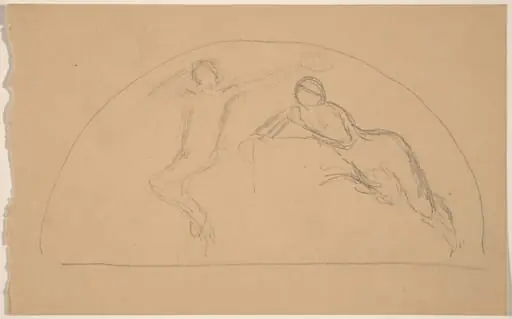 Study of Figures in a Lunette
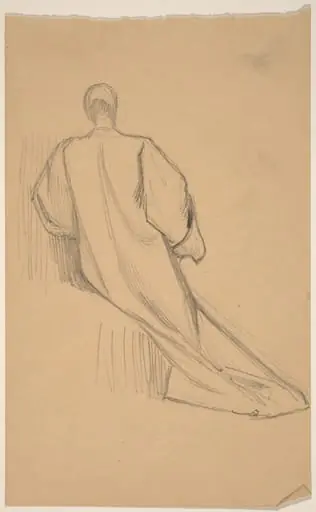 Study of a Figure from Behind
![Study of a Figure from Behind [recto]](https://artifactworldgallery.com/img/charles-sprague-pearce--study-of-a-figure-from-behind-recto--b085eec0e7956255-w320.webp) Study of a Figure from Behind [recto]
Study of a Figure from Behind [recto]![Study of Figures [verso]](https://artifactworldgallery.com/img/charles-sprague-pearce--study-of-figures-verso--aab2063ed290361c-w320.webp) Study of Figures [verso]
Study of Figures [verso]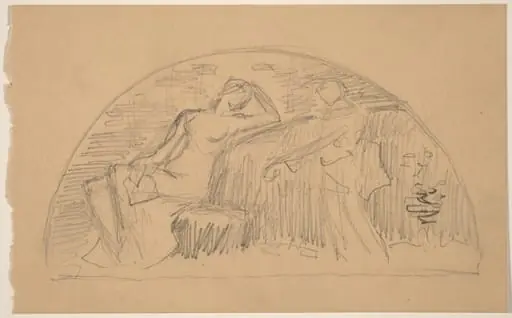 Study for a Lunette
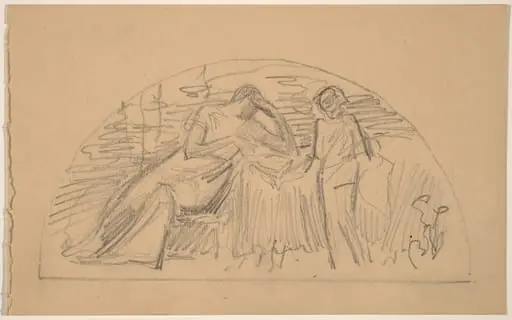 Study for a Lunette
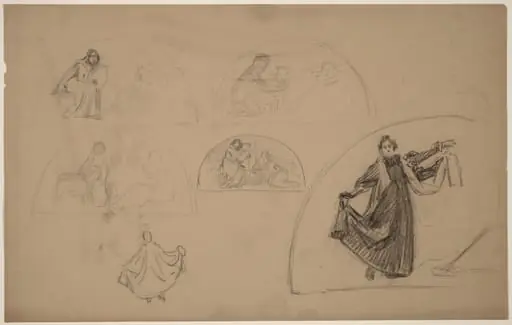 Studies for a Lunette
![Studies for a Lunette [recto]](https://artifactworldgallery.com/img/charles-sprague-pearce--studies-for-a-lunette-recto--07c43c96c8ad1d74-w320.webp) Studies for a Lunette [recto]
Studies for a Lunette [recto]![Studies for a Lunette [verso]](https://artifactworldgallery.com/img/charles-sprague-pearce--studies-for-a-lunette-verso--5d54507e74f08054-w320.webp) Studies for a Lunette [verso]
Studies for a Lunette [verso]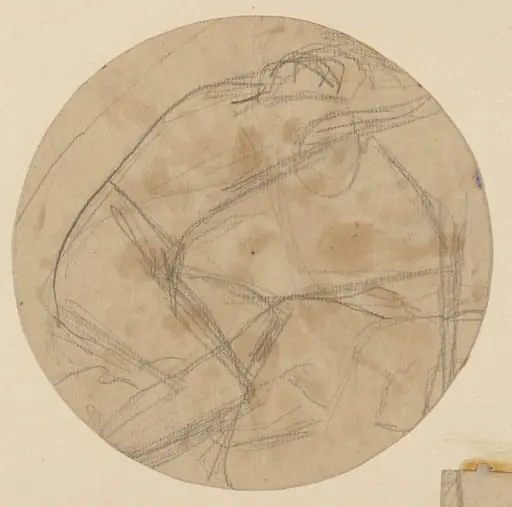 Figure Study
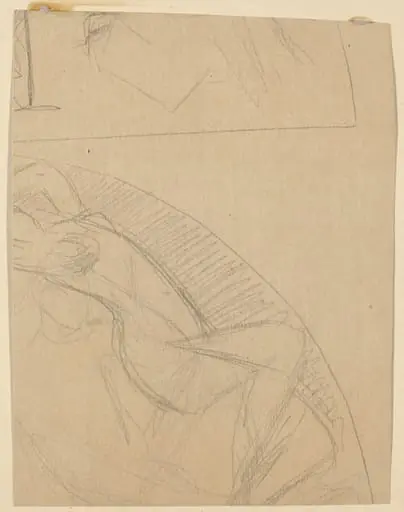 Figure Study
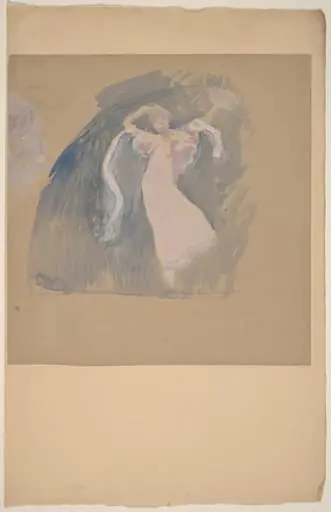 Figure Studies
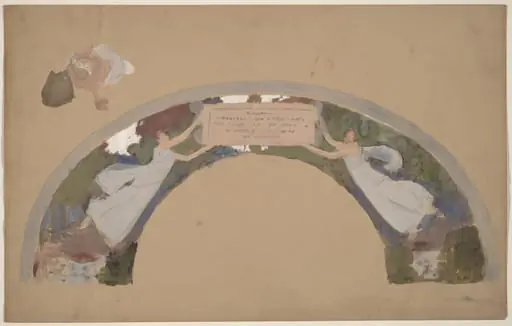 Study of Two Female Figures in Arched Border
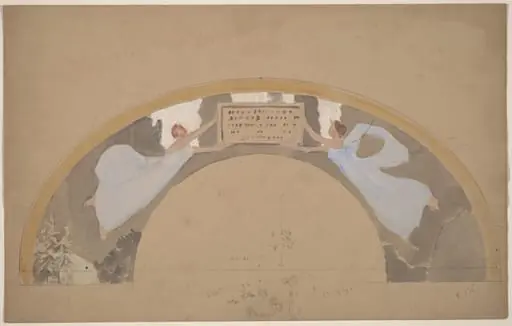 Study of Two Female Figures in Arched Border
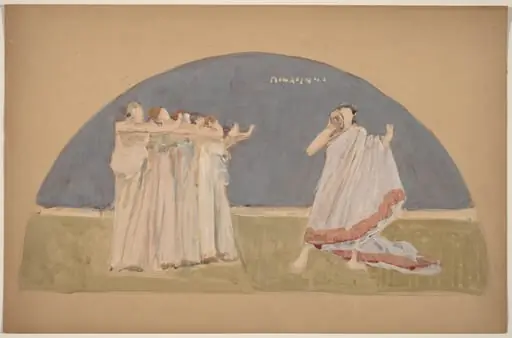 Study for a Lunette
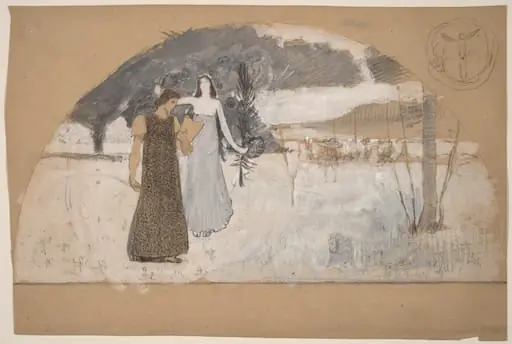 Studies for Lunettes
86 works in the catalog · 24 shown
Collections represented


Artists in a similar vein