Artwork
En trolovelse ved sygesengen
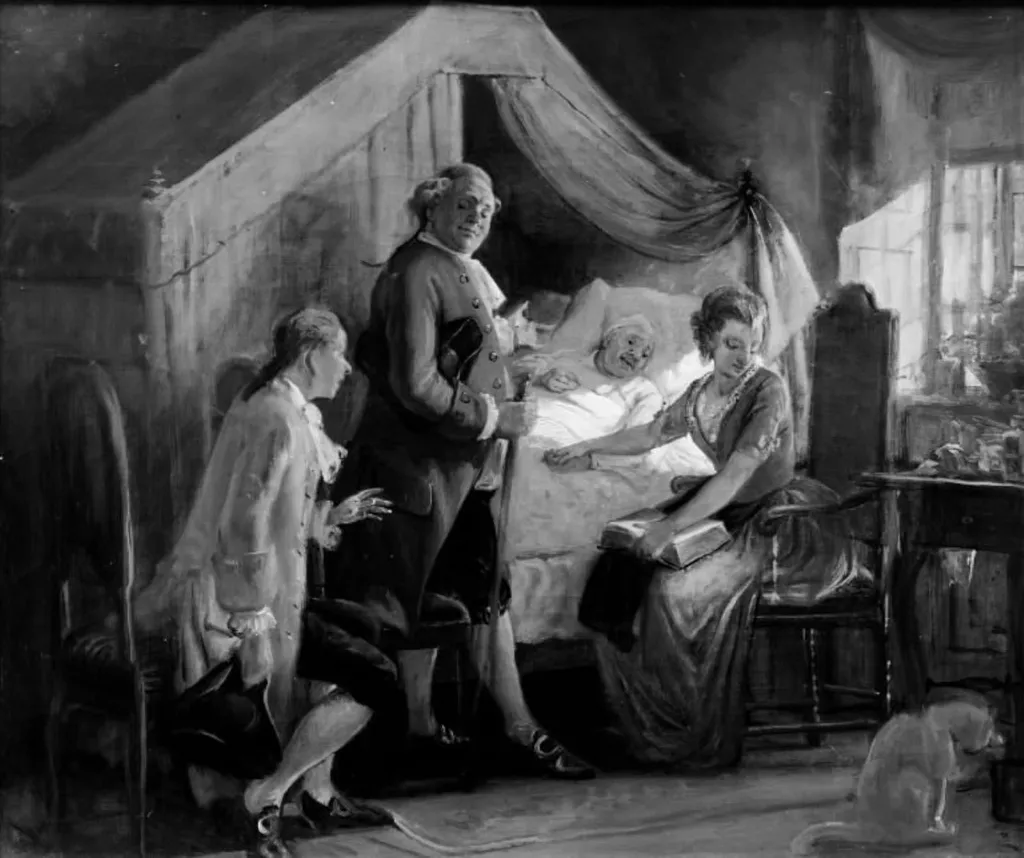
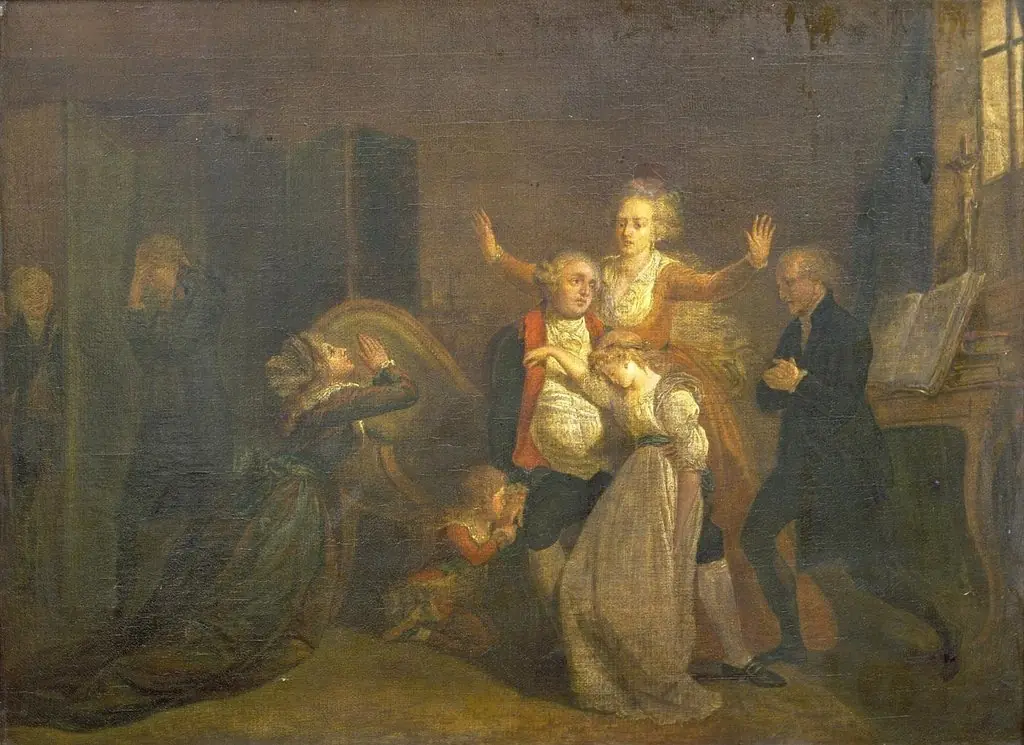
En trolovelse ved sygesengen is a photography by Unknown. It dates from 1850 and is held in the collection of the Statens Museum for Kunst. Created around 1850, this black-and-white photograph depicts a private moment in a modest interior.
About this work
Overview
The composition emphasizes human presence over detail, with light and shadow shaping emotional focus rather than architectural clarity.
Created around 1850, this black-and-white photograph depicts a private moment in a modest interior. The image is held in the collection of the Museum of Ethnography and captures a scene of quiet intimacy, framed by the limitations of early photographic technology. The composition emphasizes human presence over detail, with light and shadow shaping emotional focus rather than architectural clarity.
Subject & Meaning
The scene shows a formal gesture of betrothal occurring beside a sickbed. A man in formal attire holds a small object, possibly a ring, while another kneels nearby. A woman sits on the bed, gazing at a child, suggesting a moment of solemn promise amid illness.
The setting implies a domestic ritual, where personal commitment and vulnerability intersect, reflecting cultural practices around marriage and care in 19th-century domestic life.
Technique & Style
The photograph employs chiaroscuro, using stark contrasts between light and shadow to isolate faces and hands, drawing attention to gesture and expression. The dim, cluttered room recedes into darkness, enhancing the intimacy of the moment. The technique, borrowed from painting traditions, elevates the ordinary into a scene of quiet drama, revealing the photographer’s deliberate control over exposure and composition.
History & Provenance
The photograph entered the Museum of Ethnography’s collection as part of a broader effort to document everyday life across cultures. Its origin as a studio or amateur image remains unclear, but its preservation suggests early recognition of its anthropological value. No record of the photographer or subjects has been identified, leaving the specific context of the event undocumented.
Context
In mid-19th-century Europe, photography was becoming a tool for recording social rituals, especially among the lower and middle classes. This image reflects a time when domestic ceremonies, including betrothals, were often conducted in the home, particularly when illness or hardship limited mobility. The presence of a child and the somber tone suggest a blending of personal milestone with communal care.
Legacy
The photograph endures as a quiet testament to the intersection of ritual and vulnerability in everyday life. It contributes to historical understanding of how personal ceremonies were preserved visually before the dominance of mass media. Its restrained composition and emotional subtlety continue to inform studies of early photographic ethics and the representation of private moments in public collections.
Artist & collection









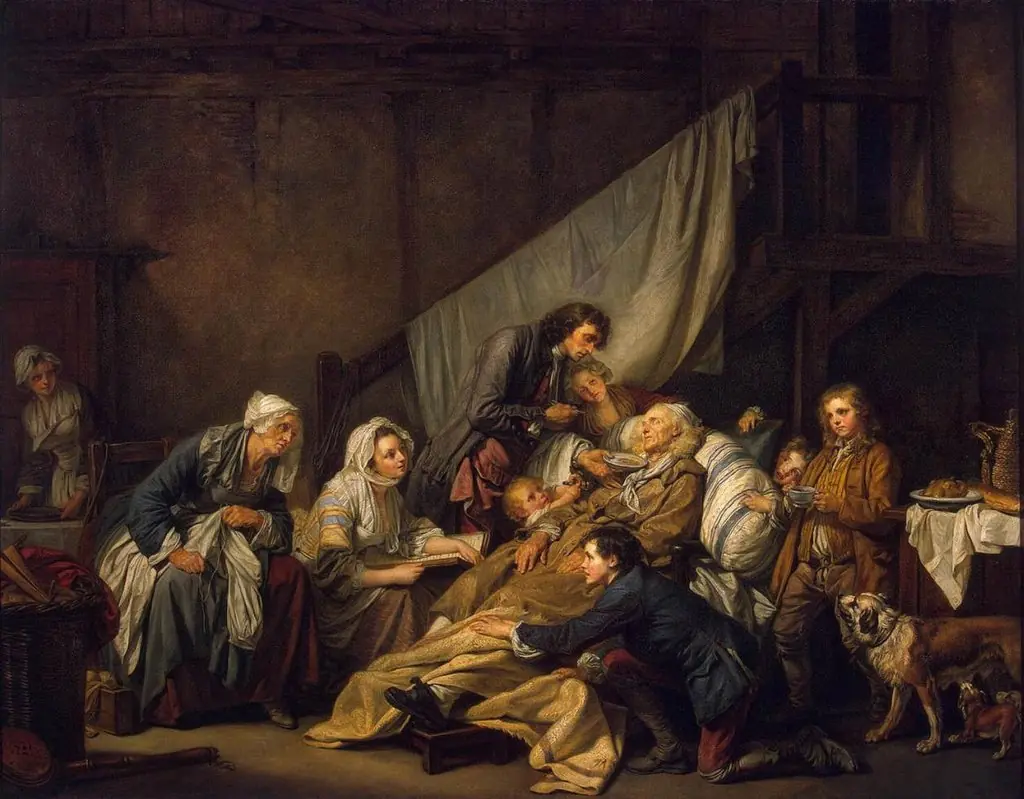 Filial Piety (The Paralytic)
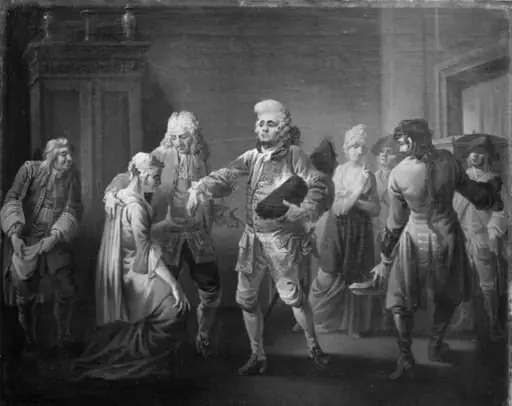 Den honette Ambition, III akt, 5. scene
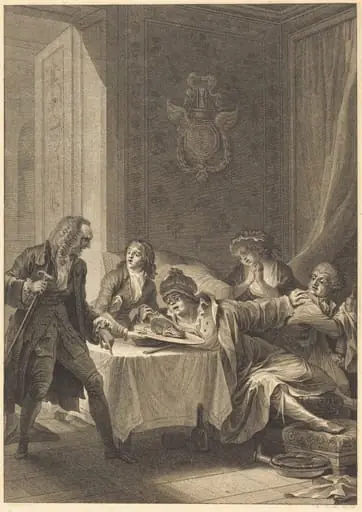 Le glouton
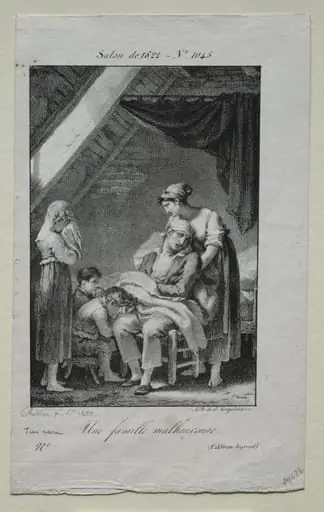 An Unfortunate Family
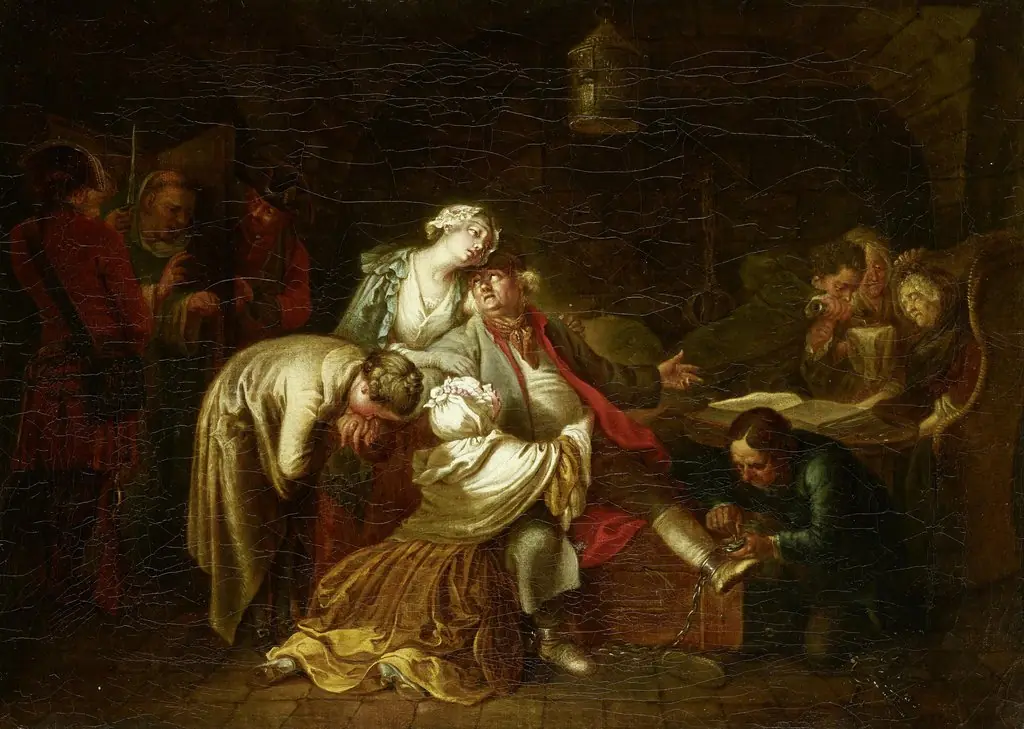 Jean Calas' Farewell to his Family
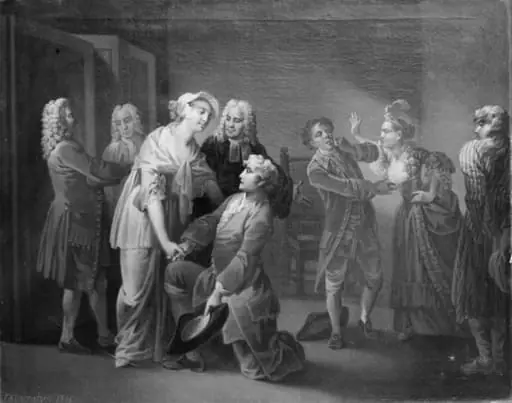 Henrik og Pernille, III akt, 13. scene
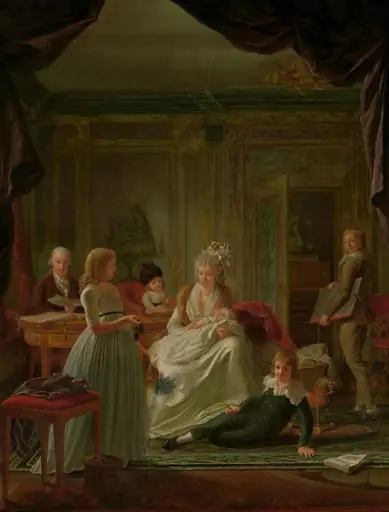 Portrait of Aernout van Beeftingh, his Wife Jacoba Maria Boon and their Children
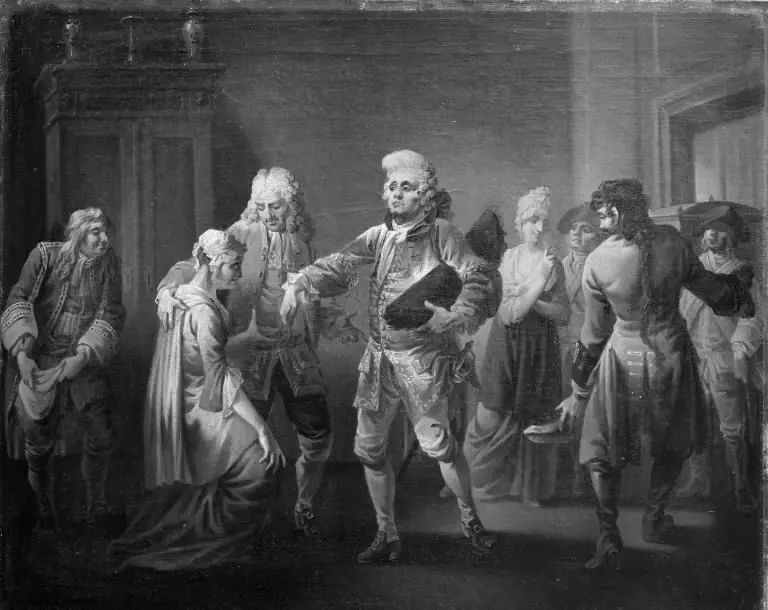 Den honette Ambition, III akt, 5. scene
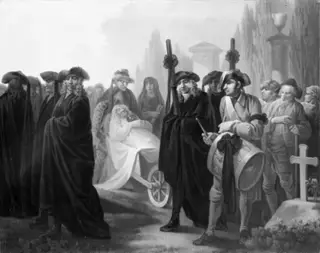 Den danske Comedies Ligbegængelse, 5. scene
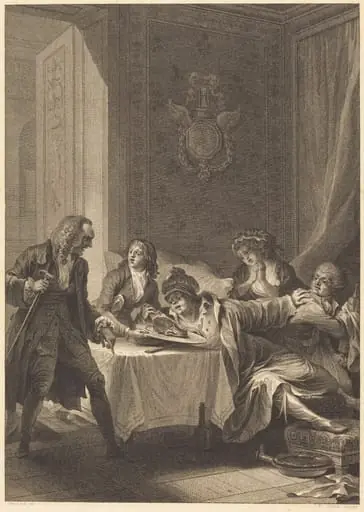 Le glouton
 The last moments of Louis XVI
- En trolovelse ved sygesengen