Artwork
Italienere rider på æsler
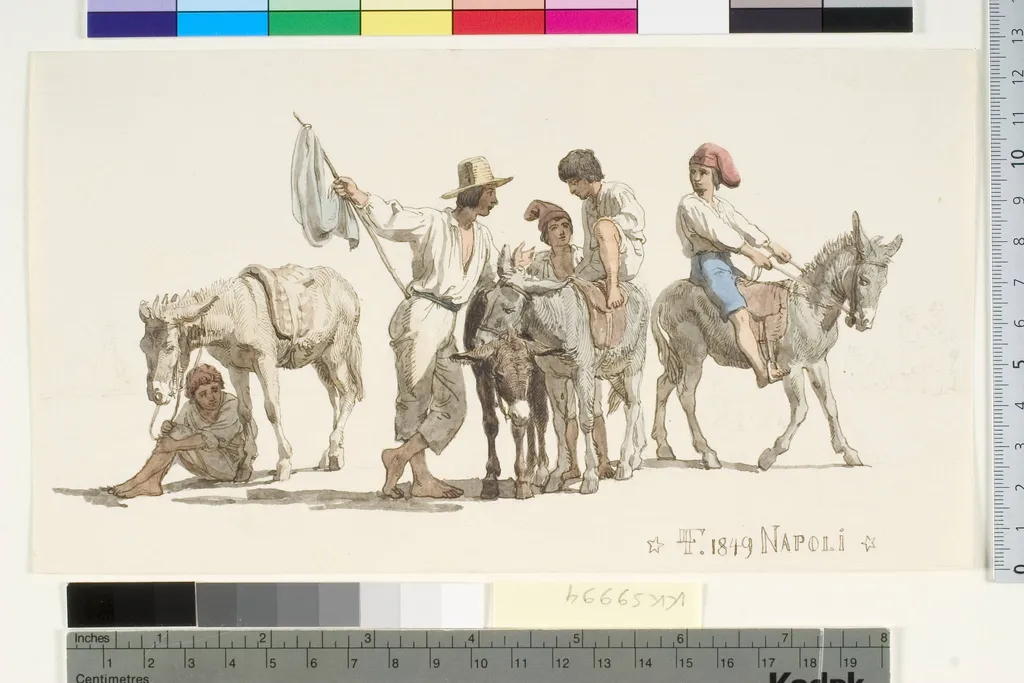
Italienere rider på æsler is an unspecified painting by the Romanticist artist Unknown. It dates from 1849 and is held in the collection of the Statens Museum for Kunst. Created in 1849 by 536_person, this image depicts a group of individuals riding donkeys across a flat, open ground.
About this work
Overview
Created in 1849 by 536_person, this image depicts a group of individuals riding donkeys across a flat, open ground. Rendered in a simplified, unembellished style, the scene lacks intricate detail but conveys a sense of movement and quiet interaction. The work is part of the Museum of Ethnography’s collection, where it is preserved as a cultural artifact rather than a traditional fine art piece.
Subject & Meaning
The figures, dressed in loose white garments and wide-brimmed hats, appear to be travelers or pilgrims, possibly Italian, given the title. Their mutual glances and the raised cloth suggest a moment of shared communication or ritual. The donkeys, varied in size and posture, imply a humble, everyday journey rather than a ceremonial procession, grounding the scene in ordinary human experience.
Technique & Style
The composition employs minimal detail and flat planes of color, avoiding perspective depth and shading. Figures and animals are outlined with loose, almost schematic lines, emphasizing form over realism. This restrained approach aligns with a folk or naive aesthetic, contrasting with the elaborate techniques common in academic painting of the period.
History & Provenance
The work entered the Museum of Ethnography’s holdings shortly after its creation, likely collected during a period of growing interest in regional customs and non-elite cultures. Its attribution to 536_person remains unverified in public records, and no documented exhibition history exists prior to its inclusion in the museum’s collection.
Context
Though created during the height of Romanticism, the piece diverges from its typical grandeur and emotional intensity. Instead, it reflects a quieter, ethnographic impulse, documenting ordinary life with empathy rather than idealization. This places it alongside other 19th-century efforts to record folk traditions as cultural heritage, not just artistic expression.
Legacy
The image endures as a modest but distinctive record of 19th-century travel and dress, valued for its unpolished authenticity. It contributes to scholarly discussions on how non-academic artists engaged with cultural observation, offering a counterpoint to the dominant artistic narratives of its time.
Artist & collection









![A Shaykh with his Son[?] on Mules, with their Sais [groom], by S. Bossi](https://artifactworldgallery.com/img/s-bossi--a-shaykh-with-his-son-on-mules-with-their-sais-groom--240d85ba529e2bf3-w320.webp) A Shaykh with his Son[?] on Mules, with their Sais [groom]
A Shaykh with his Son[?] on Mules, with their Sais [groom]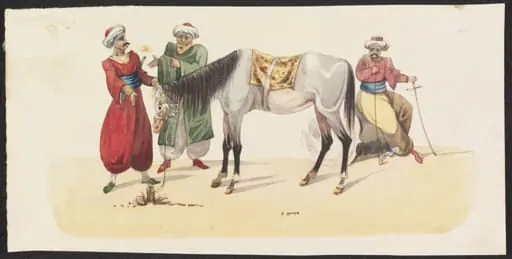 The hard Bargain
![A Mounted Mamluk with his Sais [Groom], by S. Bossi](https://artifactworldgallery.com/img/s-bossi--a-mounted-mamluk-with-his-sais-groom--93e3f53d48765120-w320.webp) A Mounted Mamluk with his Sais [Groom]
A Mounted Mamluk with his Sais [Groom]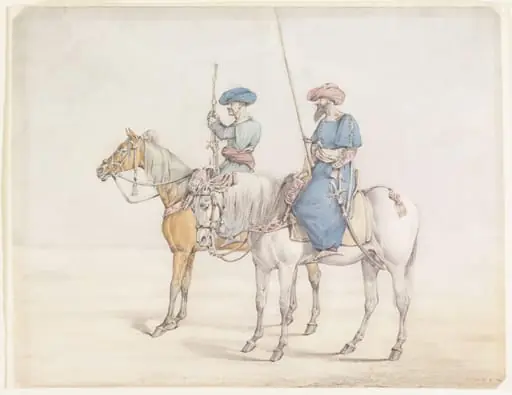 Two armed figures on horseback, probably Mamluks
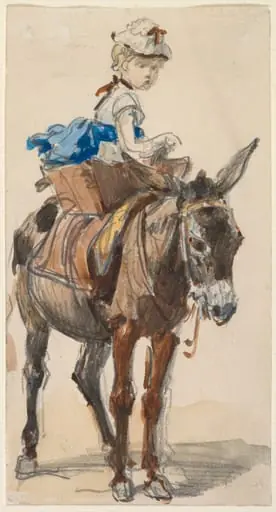 Girl on a Donkey
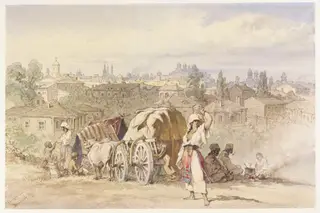 A Gipsy Encampment at Filaret outside Bucharest
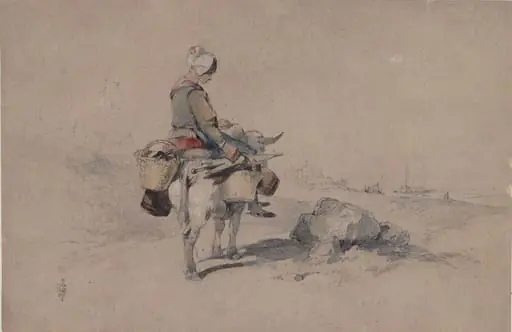 Peasant woman riding an ox
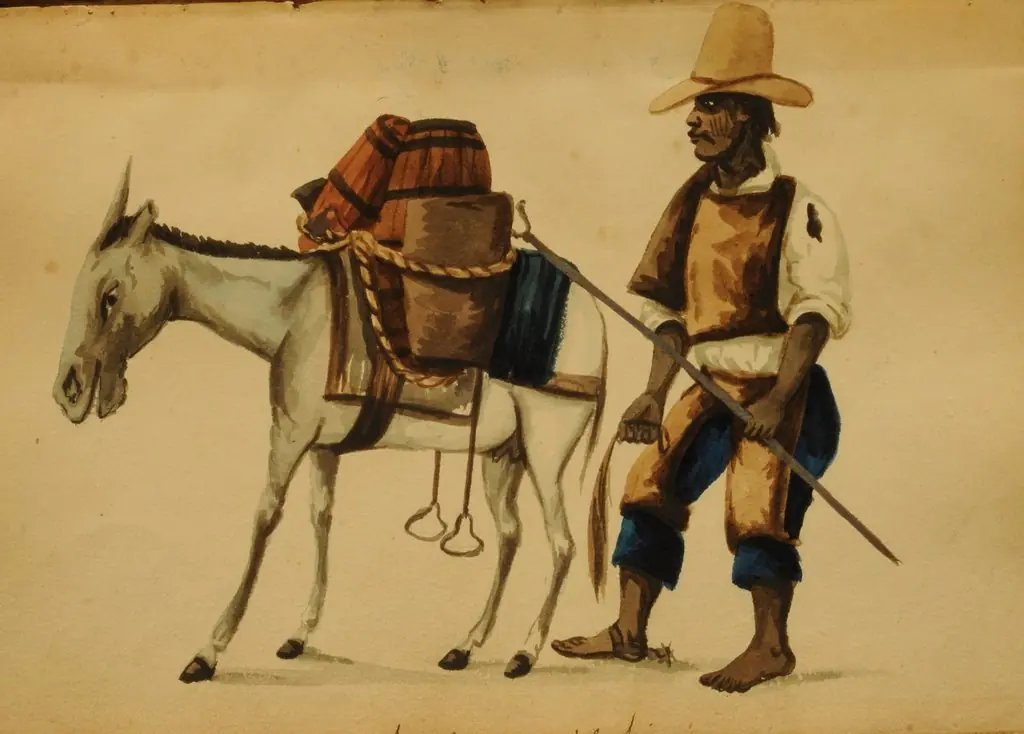 Untitled
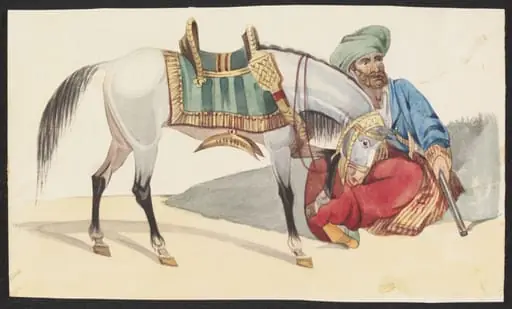 Repose
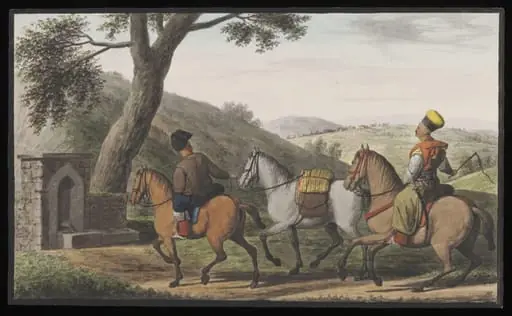 Sürücüler, or men in charge of post horses
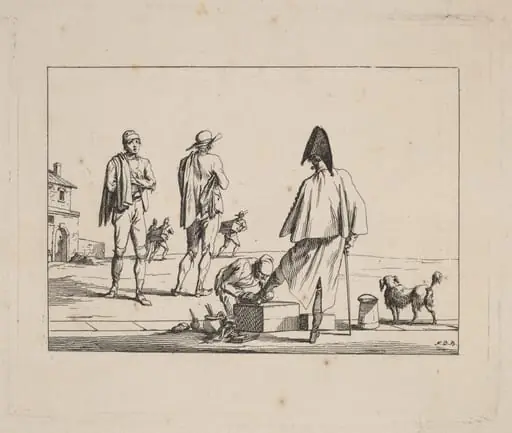 Décroteur et Ramoneur (Scraper and Chimney Sweep)
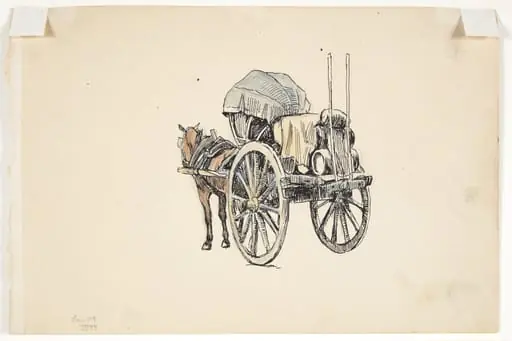
- Italiensk fragtvogn