Artwork
The Wedding of Peleus and Thetis
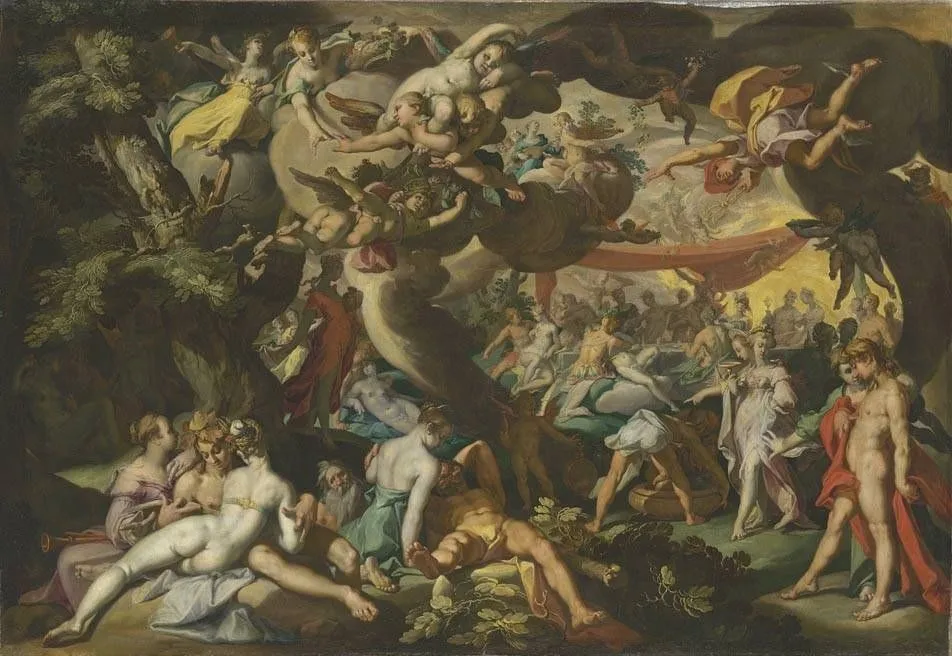
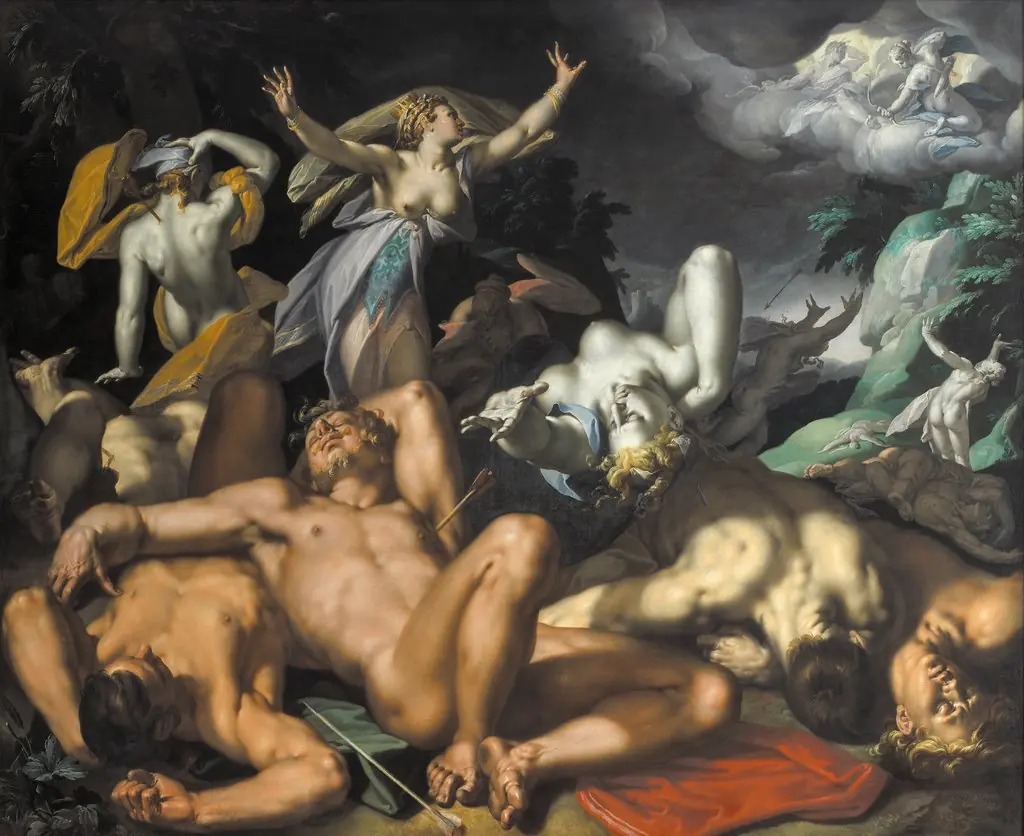
The Wedding of Peleus and Thetis is an oil painting by the Early Baroque Italian artist Abraham Bloemaert. It dates from 1596 and is held in the collection of the Alte Pinakothek.
About this work
Subject & Meaning
The composition centers on the couple's exchange, surrounded by allegorical figures that underscore the ritual's significance within Greek myth.
The painting illustrates the mythological wedding of Peleus and Thetis, a union celebrated as the origin of the sea nymph's lineage and the prophetic events that would lead to the Trojan War. Bloemaert emphasizes the ceremonial gathering of gods and mortals, using symbolic gifts and classical motifs to highlight themes of love, destiny, and divine favor. The composition centers on the couple's exchange, surrounded by allegorical figures that underscore the ritual's significance within Greek myth.
Technique & Style
The Wedding of Peleus and Thetis is an oil painting executed on canvas, measuring 101 cm in height by 146.5 cm in width. The work is classified as a mythological painting and dates to 1590. It is held in the collection of the Alte Pinakothek, part of the Bavarian State Painting Collections in Munich, Germany.
No further details regarding specific handling, surface condition, palette, or stylistic qualities are documented in the available sources.
History & Provenance
Abraham Bloemaert created the oil-on-canvas painting The Wedding of Peleus and Thetis in 1590. The work measures 101 cm in height and 146.5 cm in width. It is currently held by the Alte Pinakothek in Munich, Germany, as part of the Bavarian State Painting Collections. The painting depicts the mythological wedding of the titular figures.
Context
Abraham Bloemaert's 1590 oil painting depicting the mythological wedding of Peleus and Thetis entered the Alte Pinakothek collection in Munich, where it remains on view. The work illustrates the artist's engagement with classical antiquity, a hallmark of Northern Mannerist practice. Its composition reflects contemporary interpretations of Ovidian narratives, situating it within broader Renaissance dialogues on mythological subjectivity.
The painting's provenance and display context underscore its significance within Bavarian State Painting Collections' holdings of 16th-century mythological works.
Overview
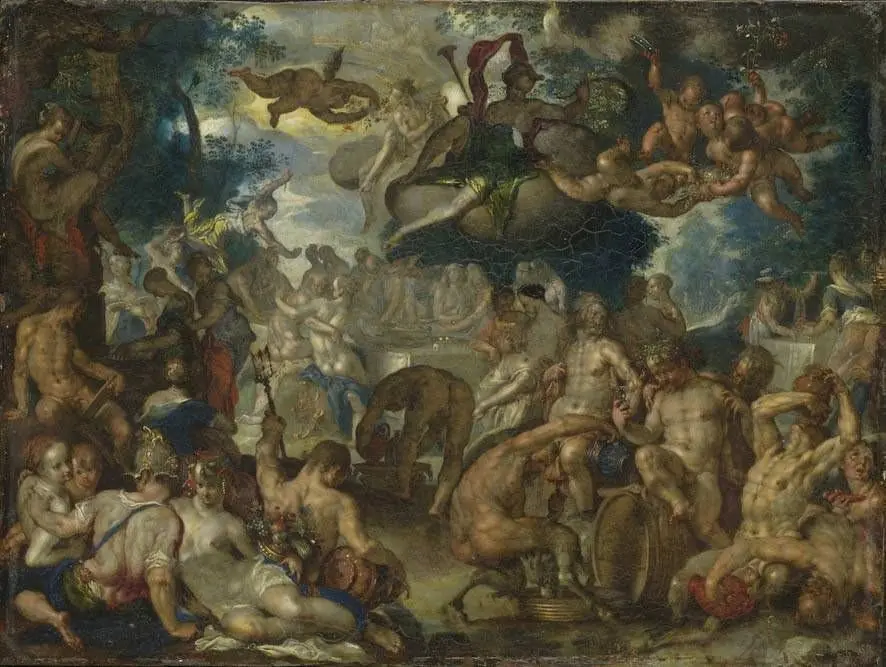
Abraham Bloemaert’s 1596 oil painting, The Wedding of Peleus and Thetis, presents a bustling mythological celebration set in a forest clearing. The canvas teems with semi‑nude figures, some reclining, others poised mid‑step or suspended, as they partake in music, dance, and revelry beneath a luminous sky that contrasts with the darkened trees surrounding them.
Artist & collection

Artist
Abraham Bloemaert (25 December 1566 – 27 January 1651) was a Dutch painter and printmaker who used etching and engraving.

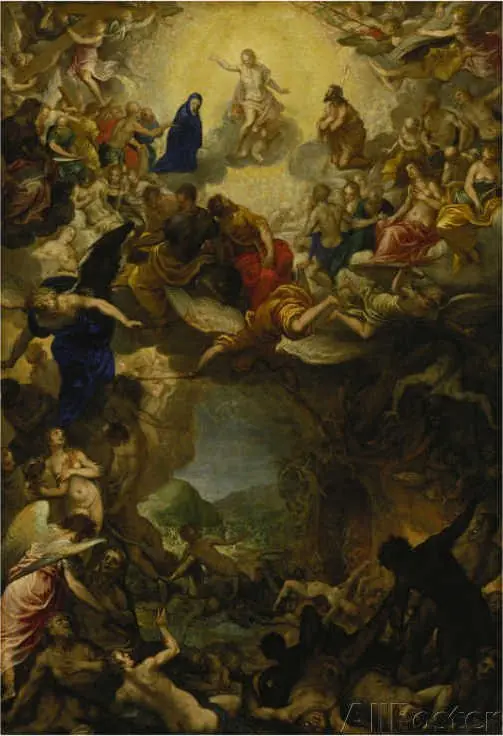 The Last Judgement
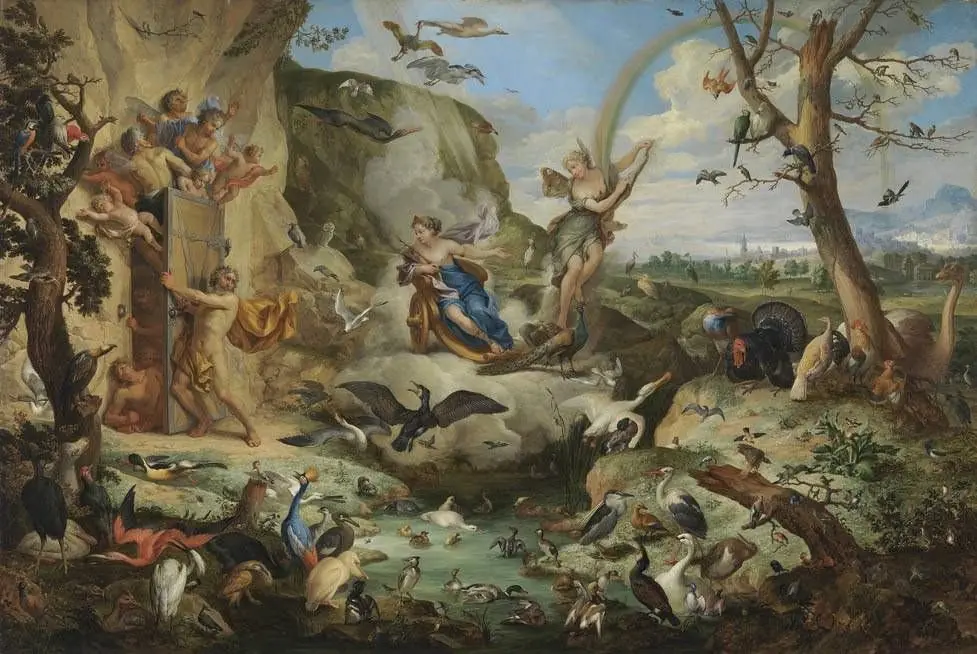 Die Luft (aus der Folge der Vier Elemente)
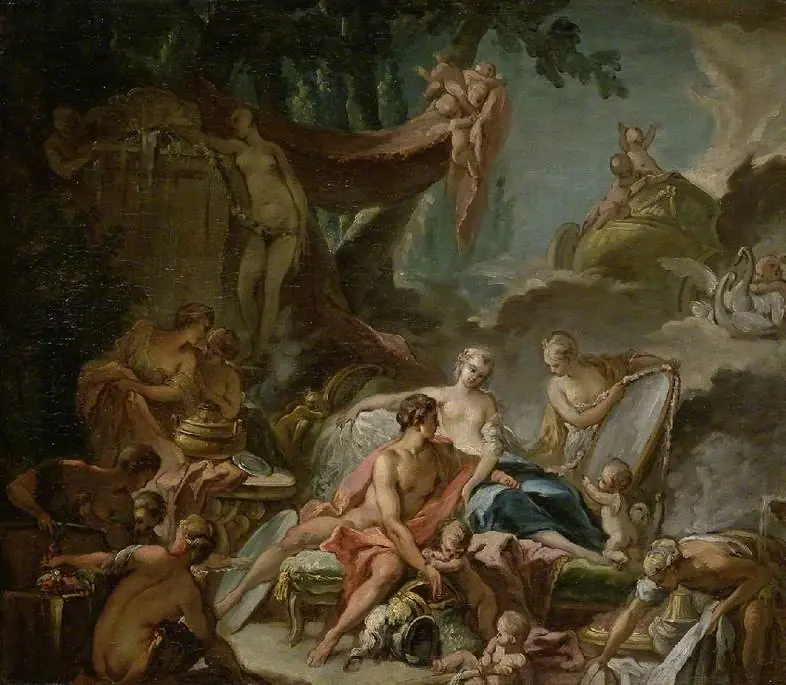 The Loves of the gods: Mars and Venus
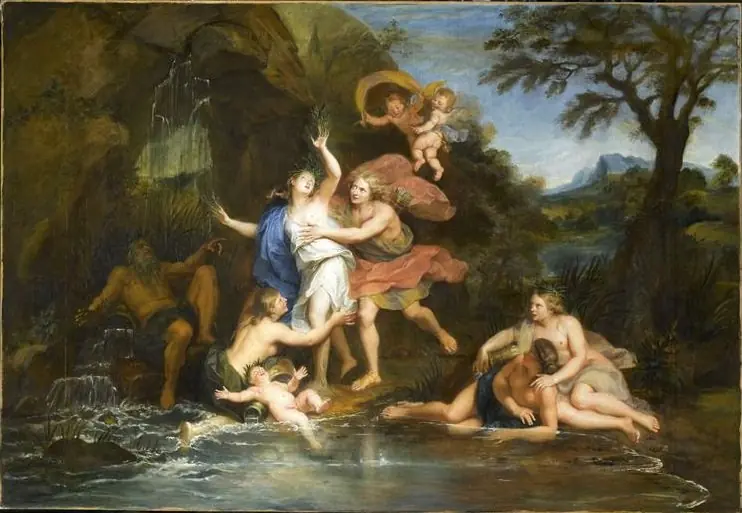 Apollo and Daphne
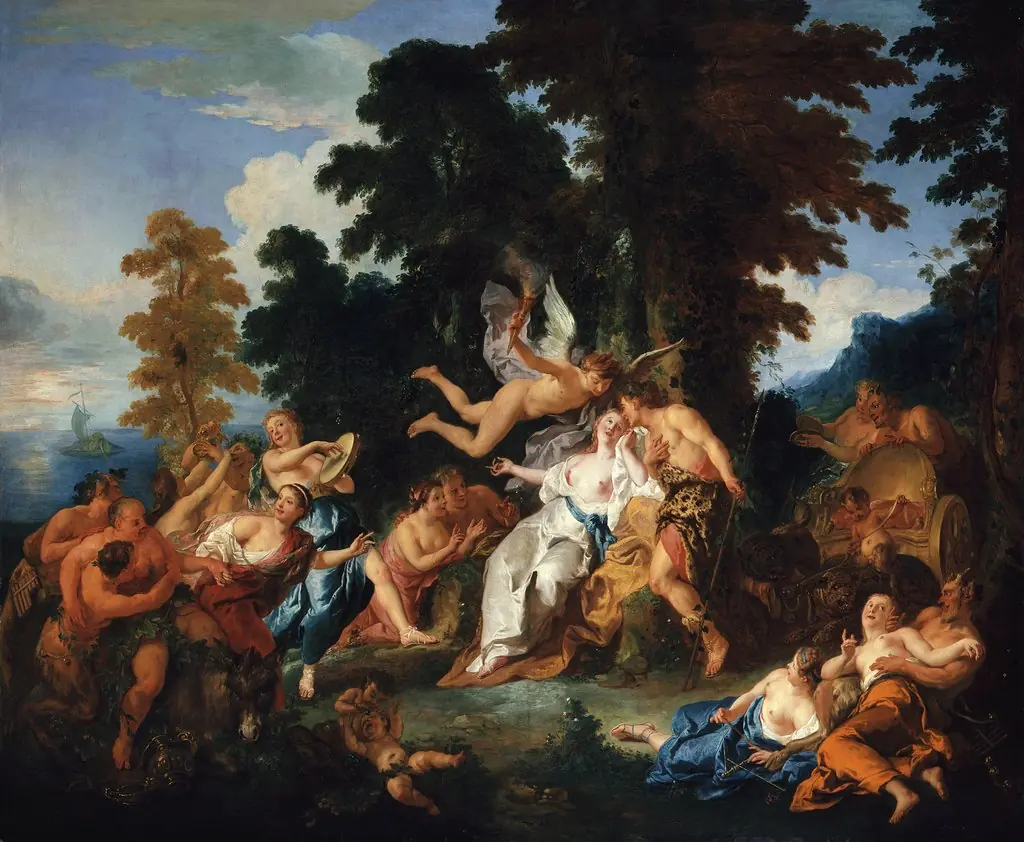 Bacchus and Ariadne
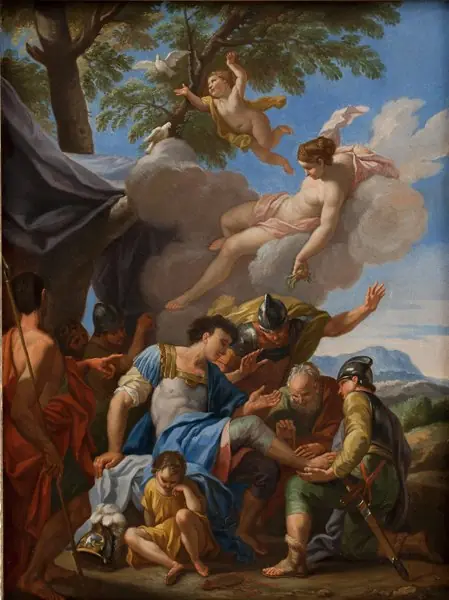 Venus Bringing Simples for the Wounded Aeneas
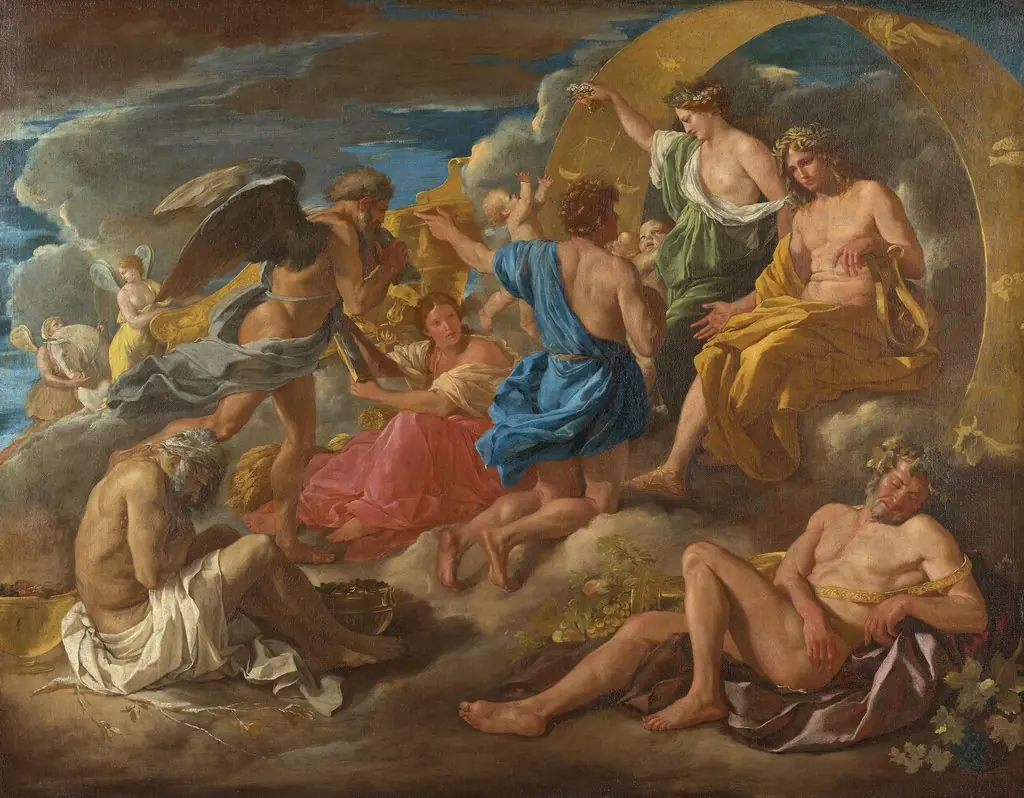 Helios and Phaeton with Saturn and the Four Seasons
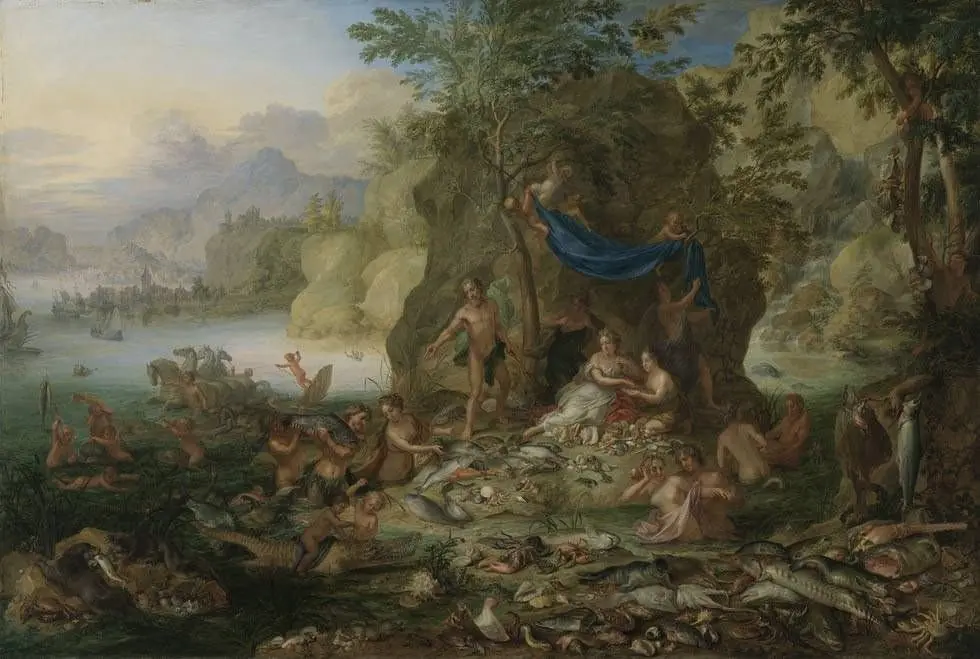 Das Wasser (aus der Folge der Vier Elemente)
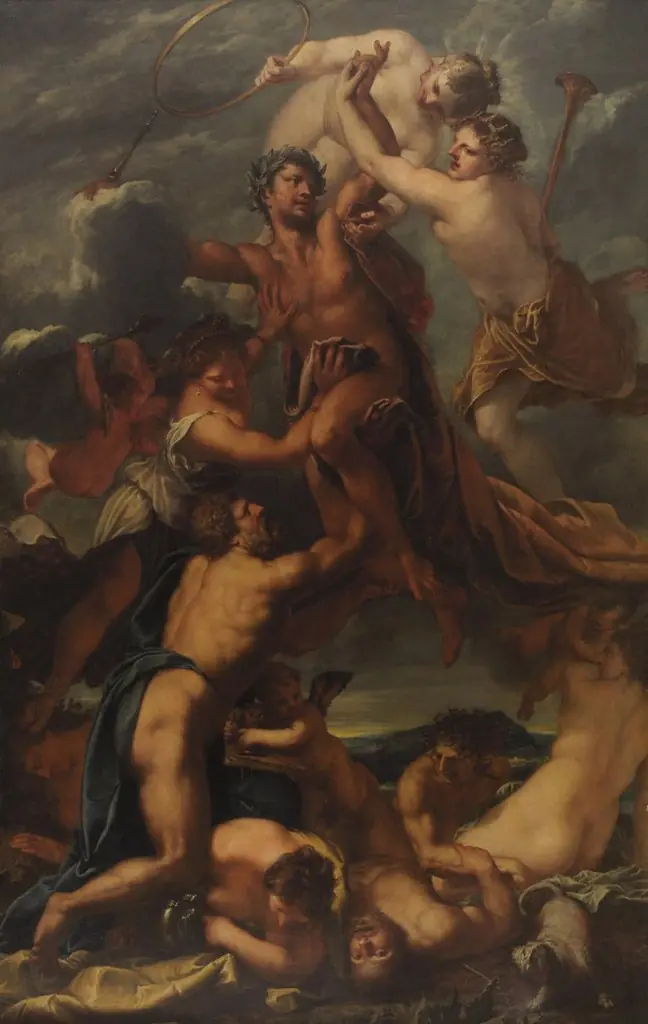 The apotheosis of Emperor Leopold I