Artwork
The Wedding of Peleus and Thetis
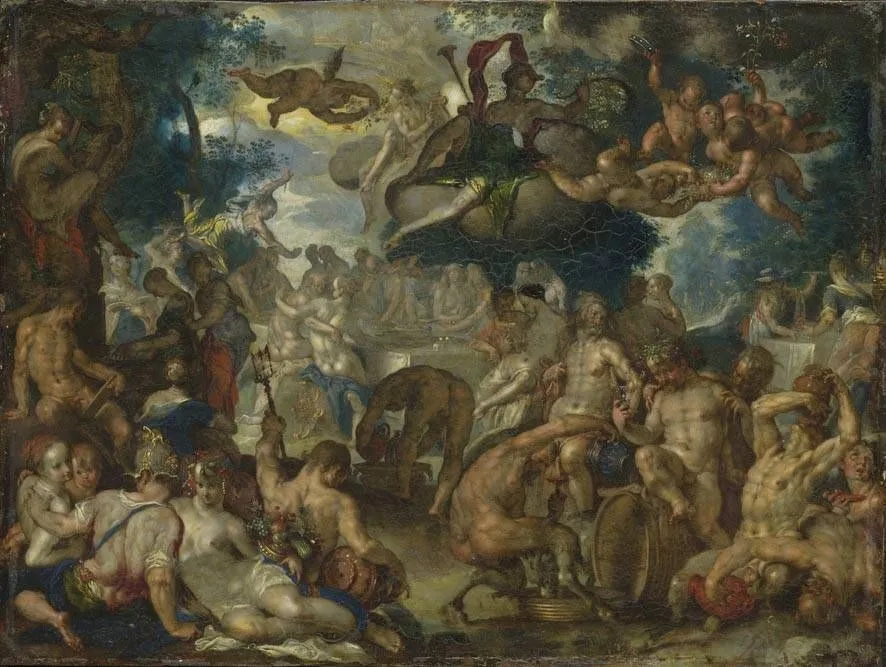
The Wedding of Peleus and Thetis is an oil painting by the Mannerist artist Joachim Wtewael. It dates from 1598 and is held in the collection of the Bavarian State Painting Collections.
About this work
Subject & Meaning
The work depicts the mythological wedding of Peleus and Thetis, a central event in Greek mythology that serves as the main subject of the painting.
The work depicts the mythological wedding of Peleus and Thetis, a central event in Greek mythology that serves as the main subject of the painting. Created by Joachim Wtewael in 1596, the piece is classified as a mythological painting that visualizes this specific union. While the narrative context implies the presence of various gods and the subsequent discord leading to the Trojan War, the provided sources explicitly identify the depiction solely as the wedding ceremony itself. The artwork functions as a representation of this classical story, rendered in oil on copper.
Technique & Style
The Wedding of Peleus and Thetis is a small-scale oil painting executed on a copper support, a technique characteristic of late sixteenth-century Northern Mannerist cabinet pictures. The work measures 15.8 cm in height by 21 cm in width, an intimate format that suits the meticulous finish associated with copper panels. Painted in 1596, the composition is classified as a mythological painting and is held in the Bavarian State Painting Collections at the Alte Pinakothek.
The sources do not provide information on the specific handling of the paint, the condition of the panel, or the formal stylistic qualities of the composition.
History & Provenance
Joachim Wtewael’s The Wedding of Peleus and Thetis is dated 1596 and executed in oil on copper, a support associated with small-scale, finely detailed works in the Dutch Golden Age. The painting entered the Bavarian State Painting Collections, where it remains in the Alte Pinakothek, Munich.
No commission records or preparatory documents for this work have surfaced; its early provenance prior to the modern museum context is undocumented.
The painting is held by the Bavarian State Painting Collections, specifically within the Alte Pinakothek in Munich. Created by Joachim Wtewael in 1596, the work is cataloged as part of the museum's permanent holdings of mythological art. The sources do not provide a specific inventory or accession number for this piece. Furthermore, the available documentation contains no record of the work's exhibition history, including past or future shows.
Overview
The Wedding of Peleus and Thetis is a 1598 painting on copper by Joachim Wtewael, a Dutch artist known for his intricate and elegant style.
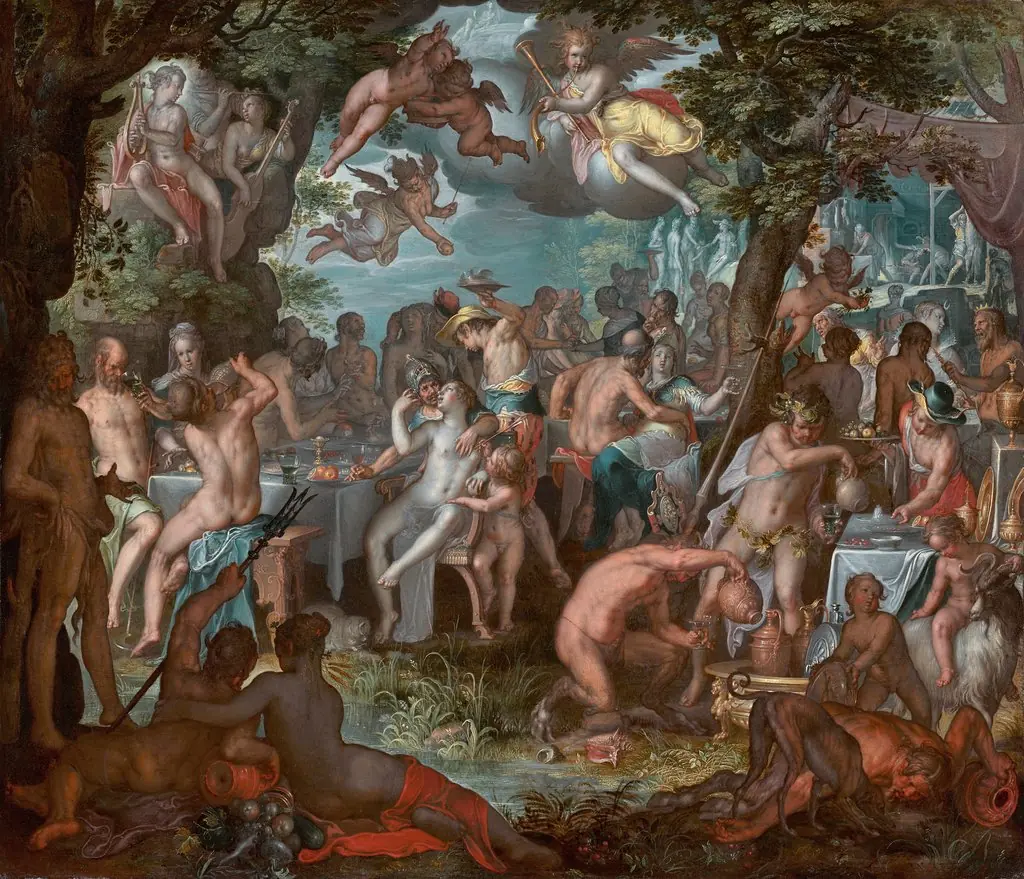
Artist & collection
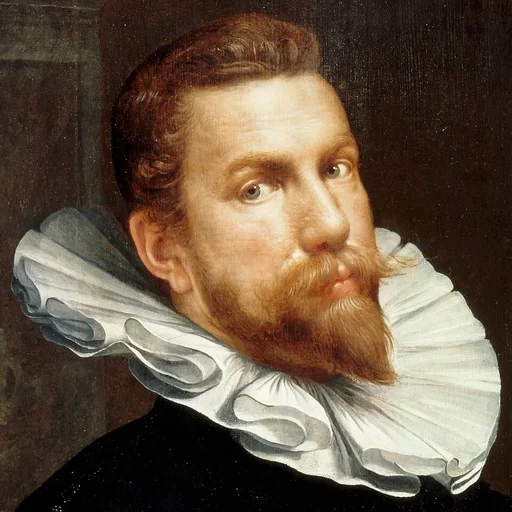
Artist
Joachim Anthoniszoon Wtewael (Dutch pronunciation:; 1566 – 1 August 1638), also known as Uytewael (pronounced ), was a Dutch Mannerist painter and draughtsman, as well as a highly successful flax merchant, and town councillor of Utrecht.

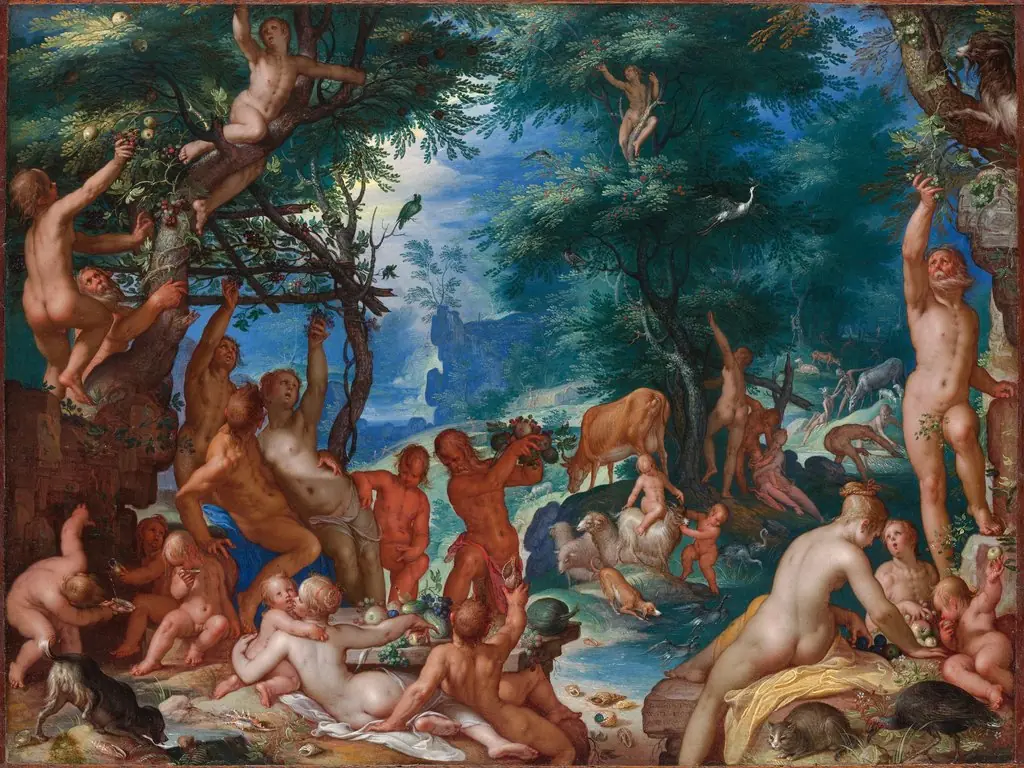
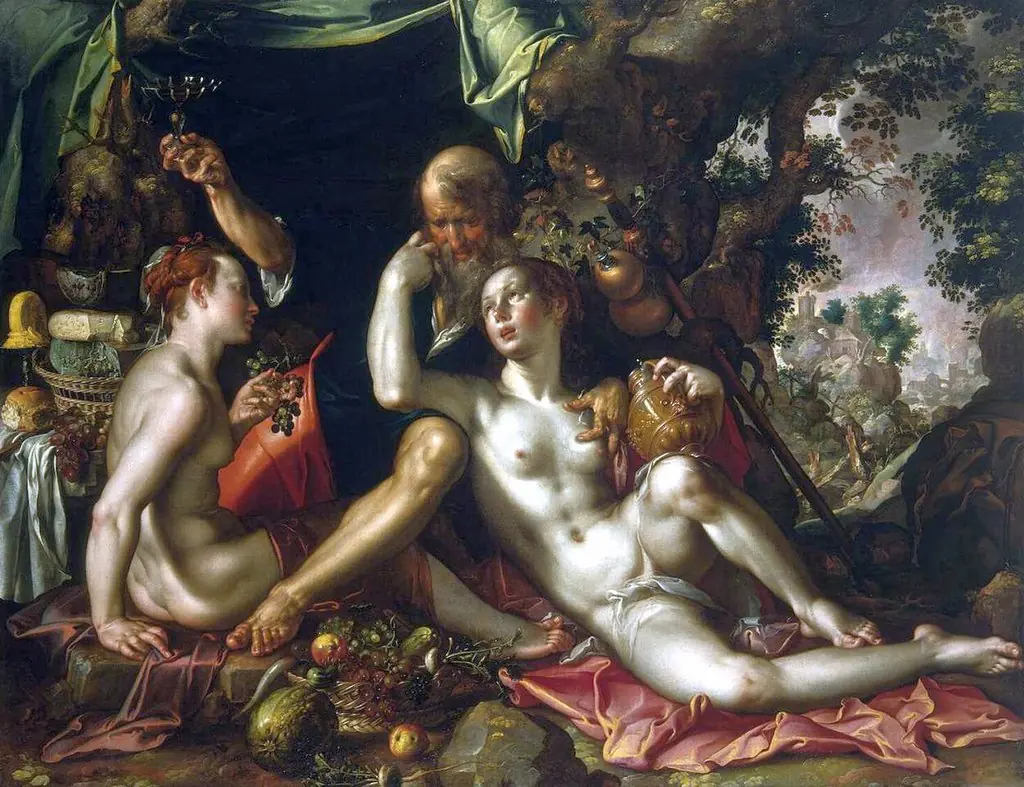
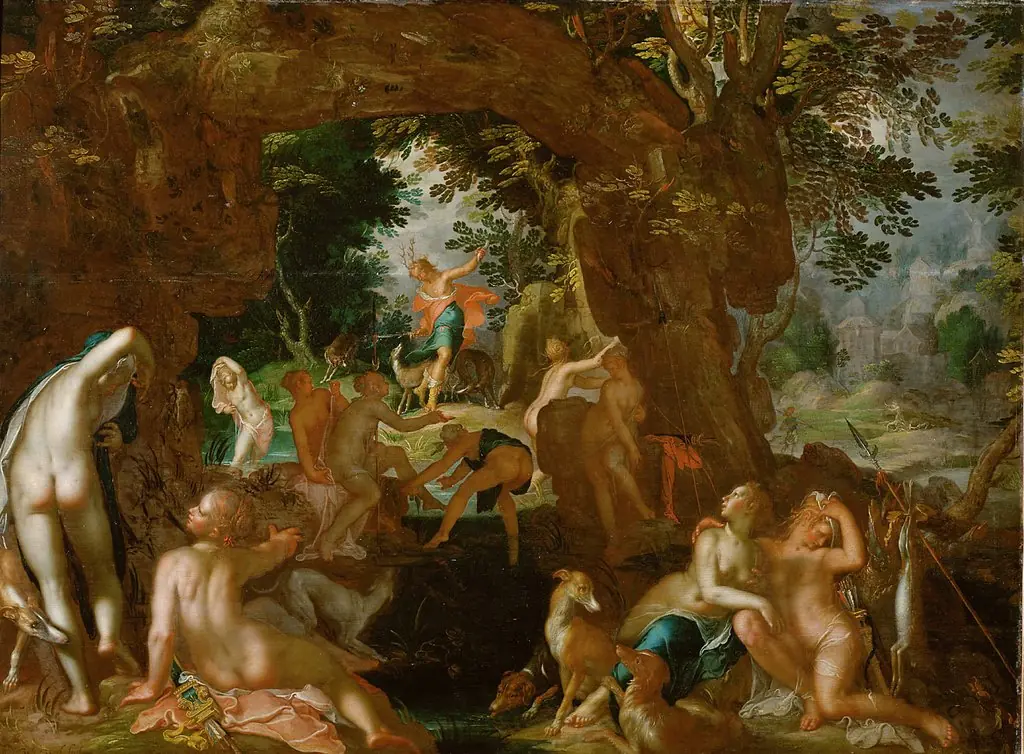
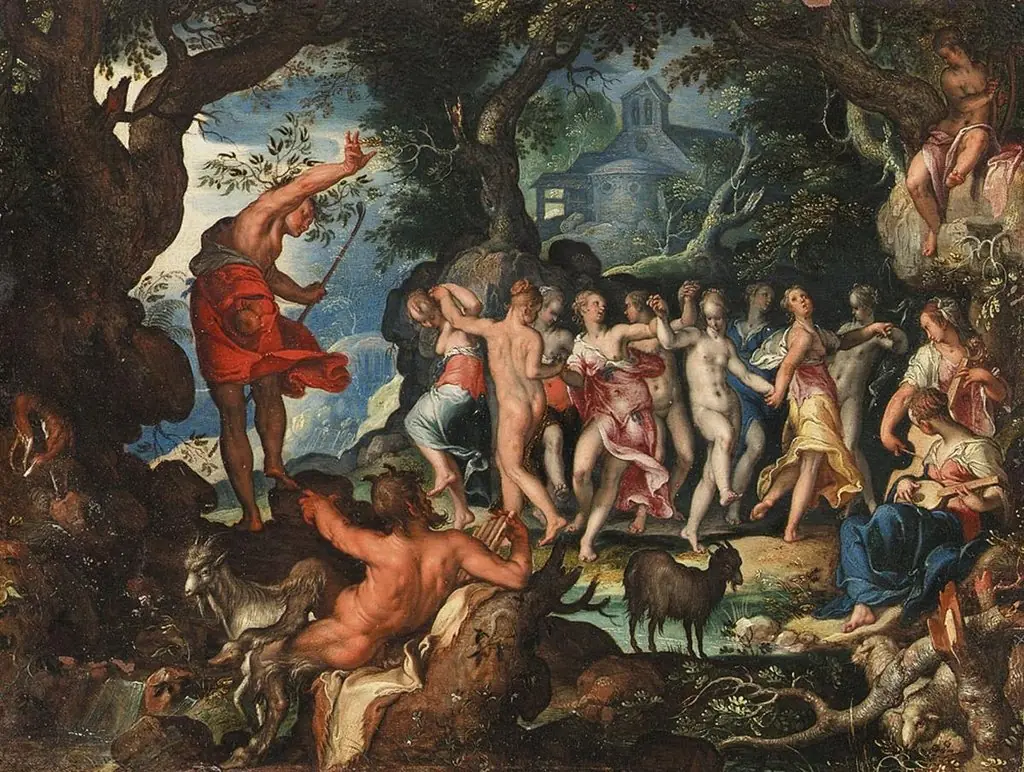
- The Wedding of Peleus and Thetis
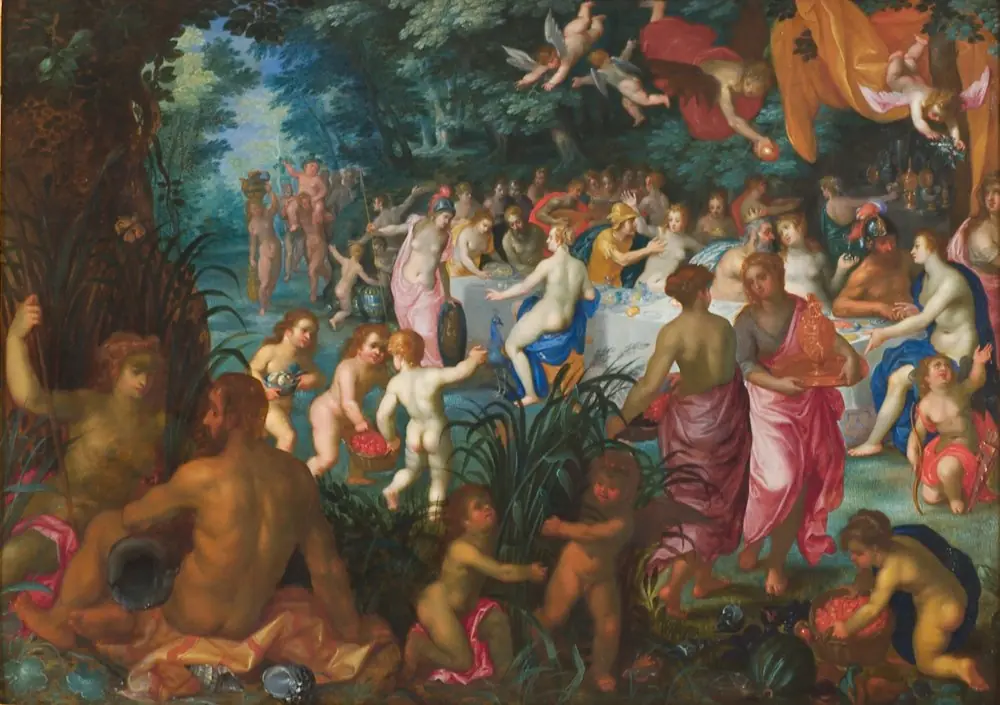 The Marriage of Peleus and Thetis
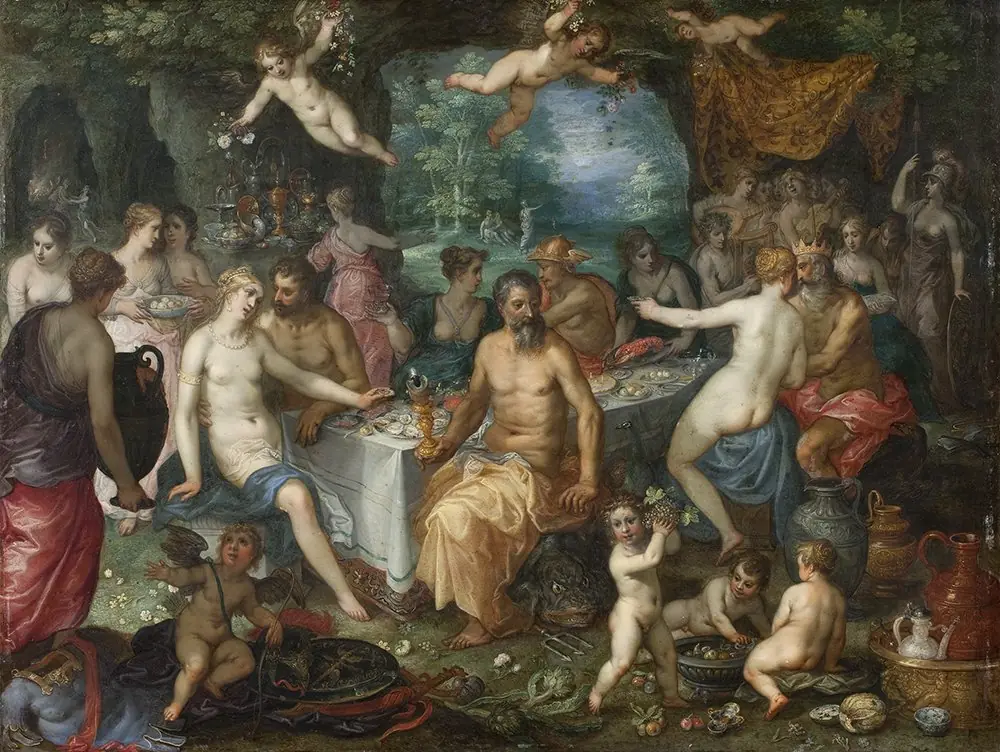 The Feast of the Gods. The Wedding of Peleus and Thetis
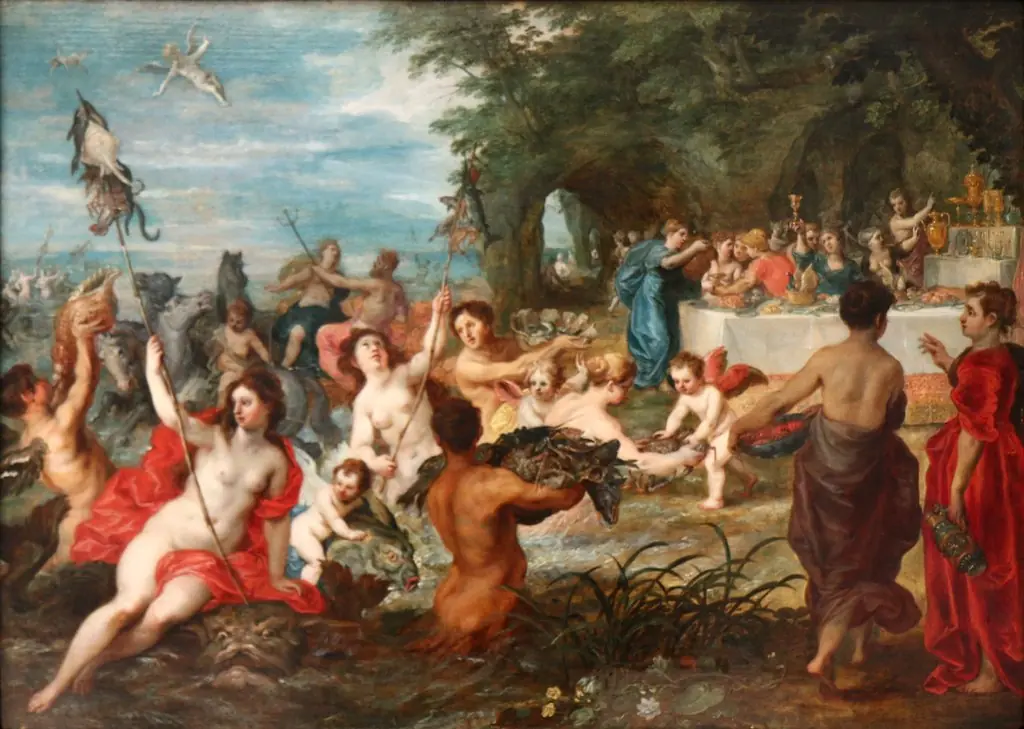 The wedding of Thetis and Peleus
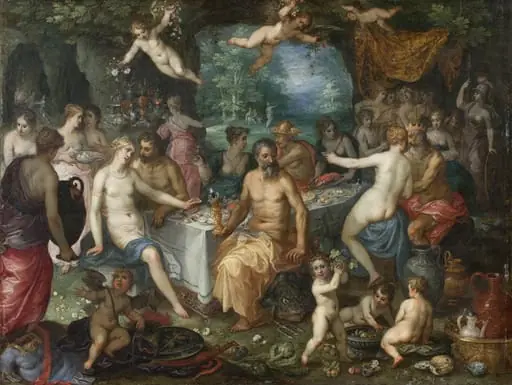 The Feast of the Gods. The Wedding of Peleus and Thetis
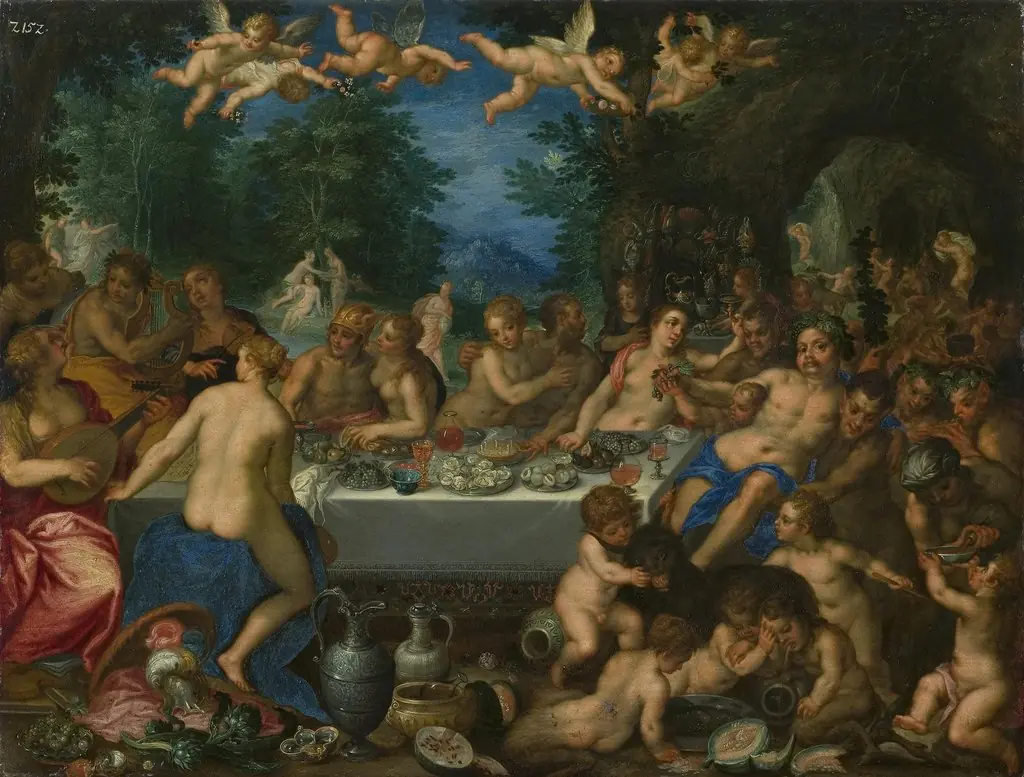 Feast of the Gods - The Marriage of Peleus and Thetis
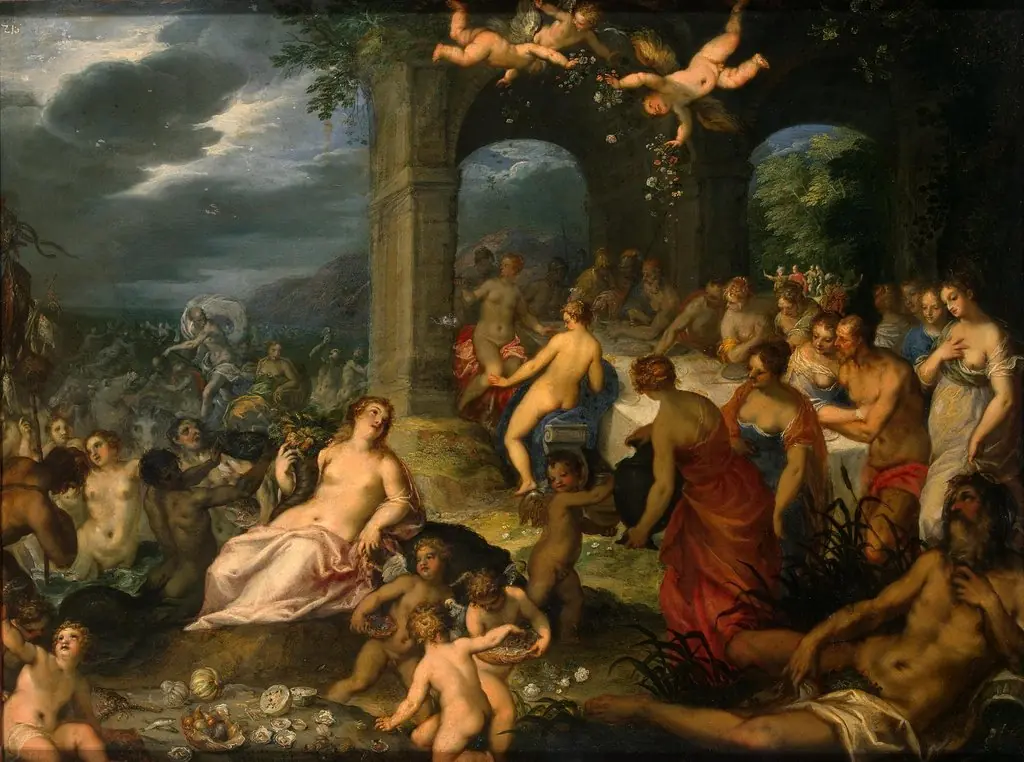 Feast of the Gods (The Marriage of Peleus and Thetis)